


- The Compostable Cup Left Intact for Years – 5 Backyard Composting Failures - November 15, 2026
- Fast-Fashion “Conscious” Lines Under Scrutiny – 5 Red Flags in Eco-Clothing - November 15, 2026
- Space Engineers Explain 5 Quiet Changes Making Rocket Launches Safer Than Ever - November 15, 2026
The rain has stopped, the sky is brightening, and the picnic table looks inviting again. That’s usually the moment people head back outside. It’s also a moment the National Weather Service has spent years warning about.
The guidance is short and easy to remember, though it often feels longer than it should when you’re waiting. Here’s what’s behind the 30 minute rule and how to follow it.
The Rule in Plain Terms
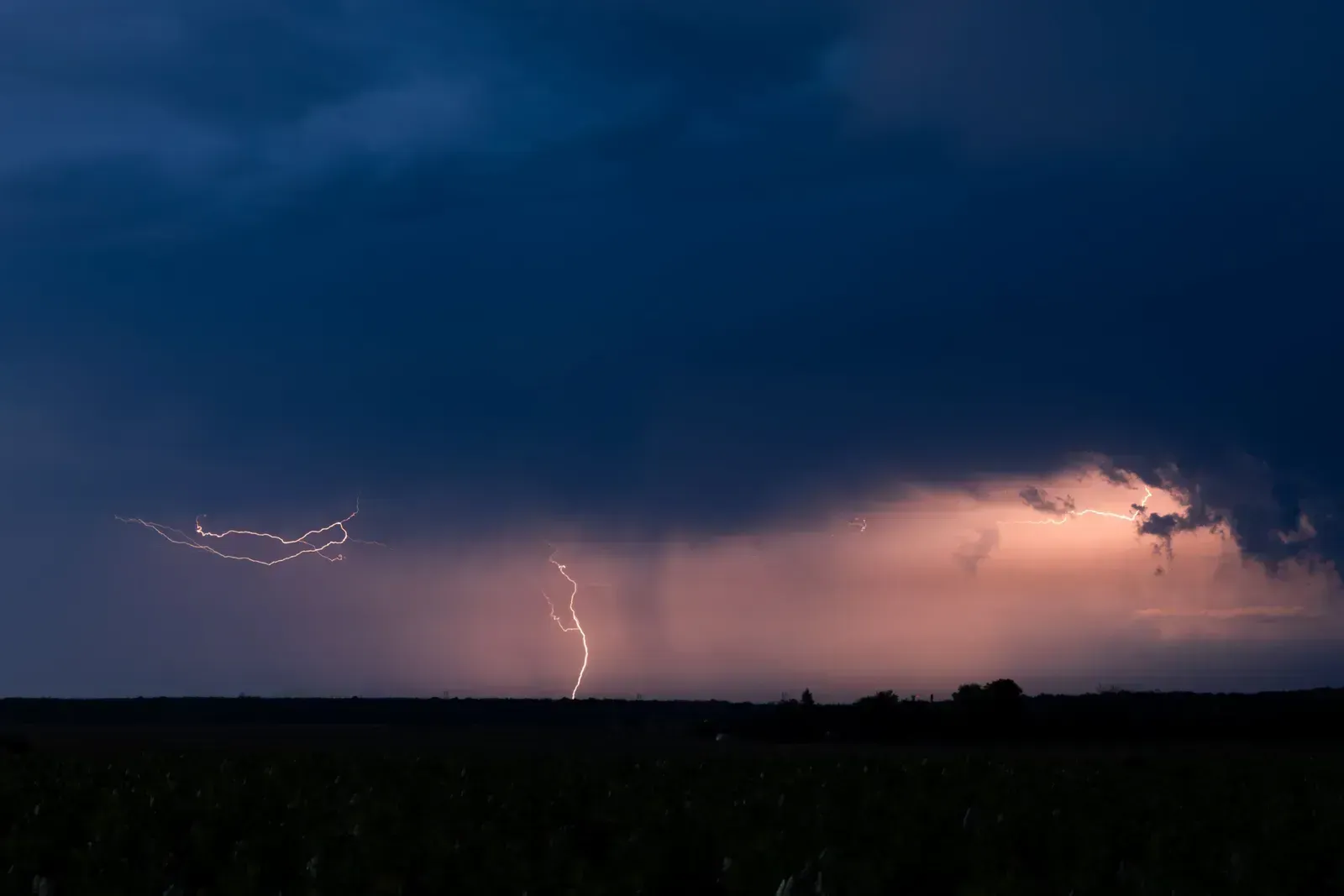
When you hear thunder, the NWS says to move right away to a substantial building or an enclosed, metal topped vehicle with the windows up. Then stay there at least 30 minutes after the last sound of thunder.
The slogan most people know is “When Thunder Roars, Go Indoors.” The agency’s messaging also says to stop all outdoor activities, find shelter, and wait 30 minutes after you last hear thunder before resuming.
Thunder Means You’re in Range
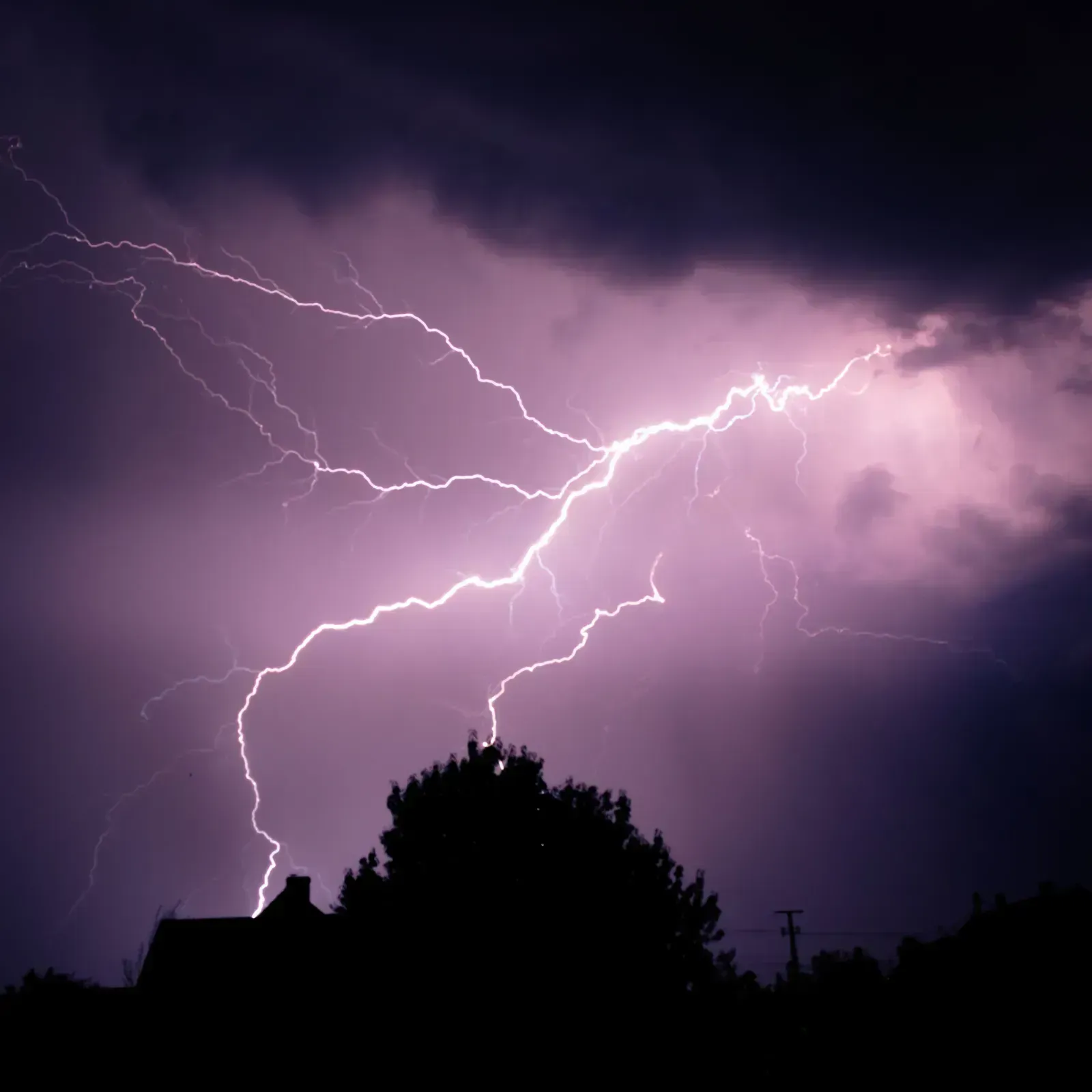
The logic starts with a simple link. If you hear thunder, lightning is close enough to strike you. Thunder is only the sound of a strike that has already happened nearby.
Lightning heats the air to about 50,000 degrees Fahrenheit, and that rapid heating produces the shock wave we hear as thunder. So the sound is a real signal that the storm’s electrical activity is within reach, not a distant rumble you can safely ignore.
Lightning Can Strike Far From the Rain
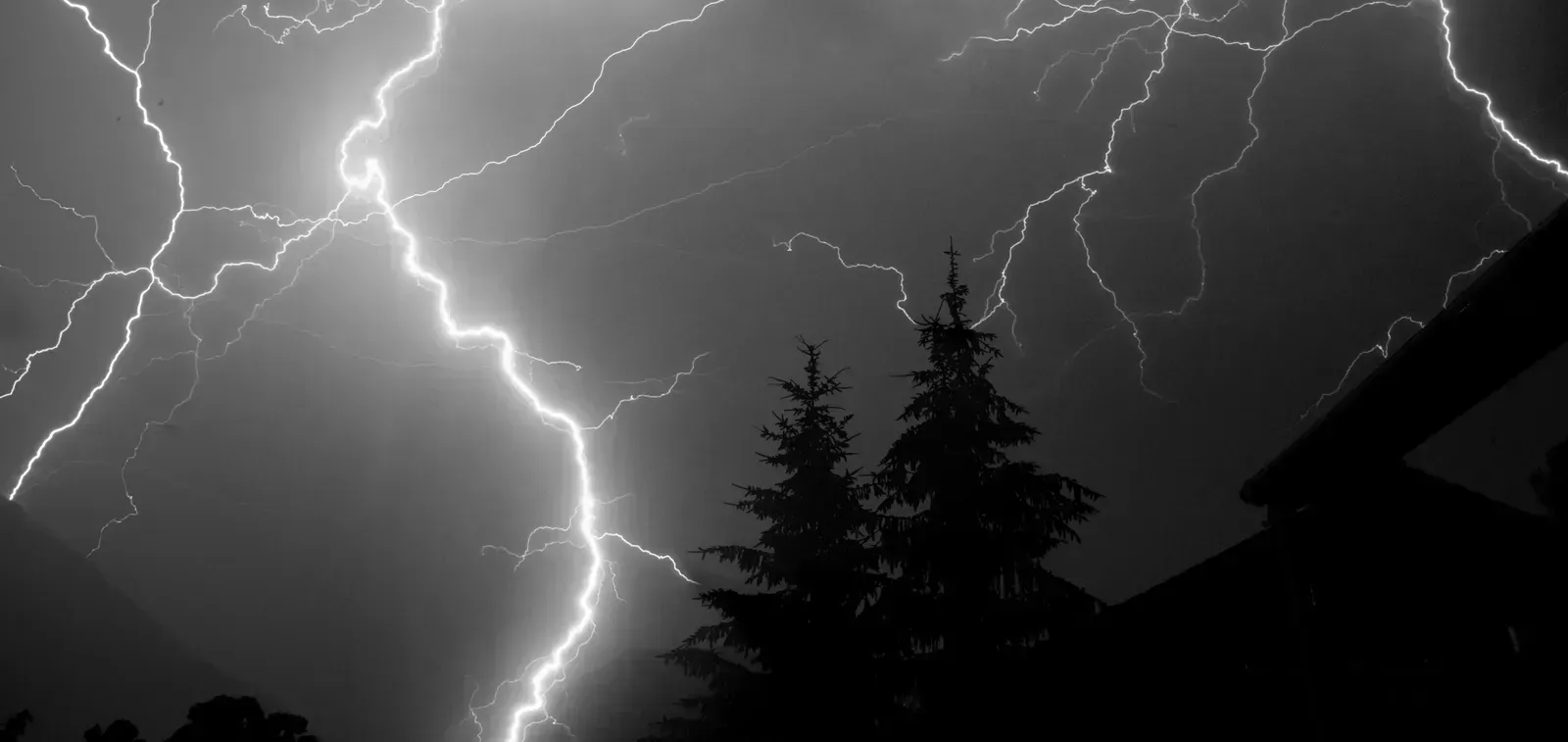
Many people expect lightning to stay under the heaviest rain. It doesn’t. Lightning often strikes outside the area of heavy rain and may strike as far as 10 miles from any rainfall.
That’s why blue sky overhead isn’t a reliable all clear. The NWS also notes that many lightning deaths occur ahead of storms or after storms have seemingly passed.
Why the Last Flash Is Often the Dangerous One
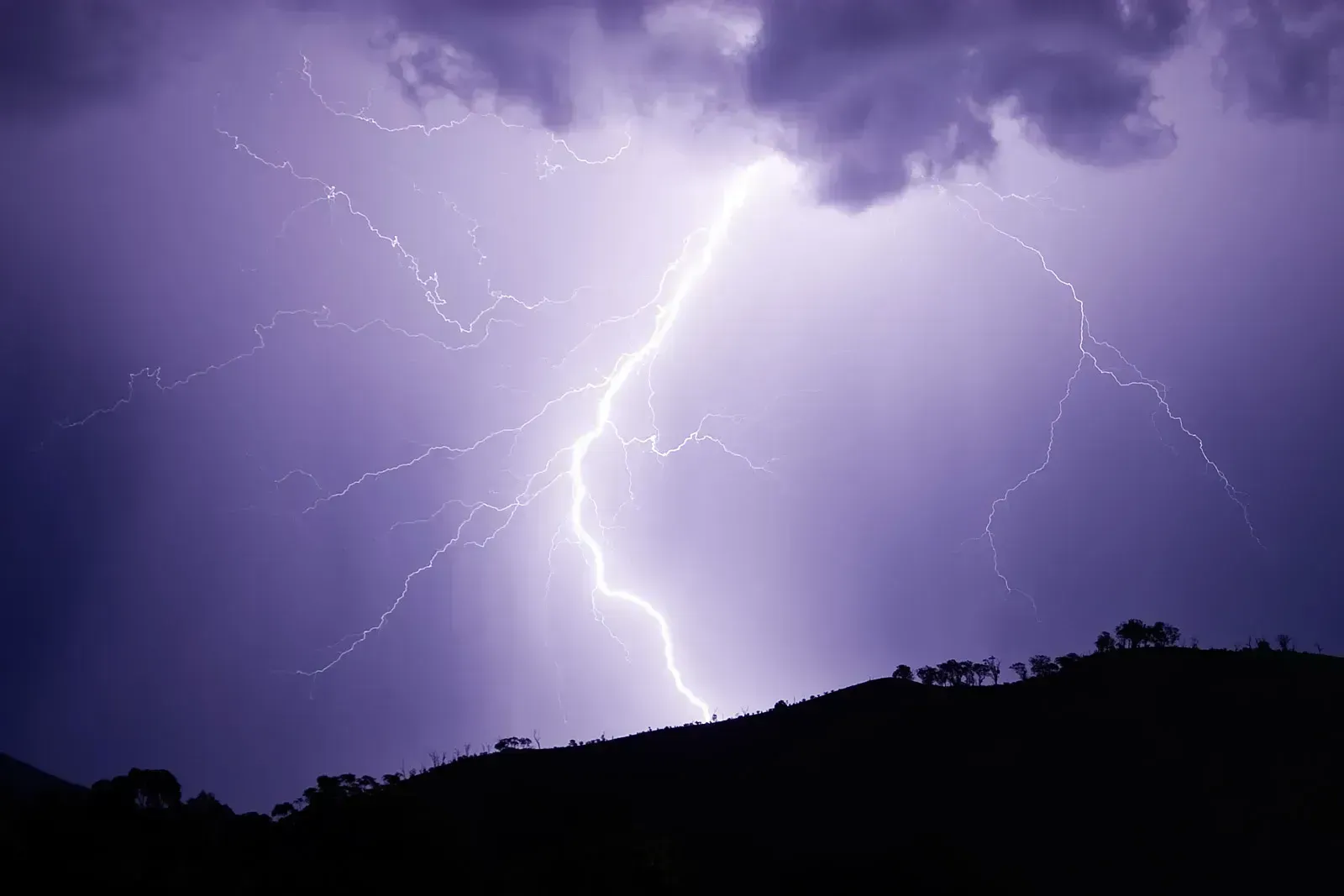
A storm doesn’t end cleanly. As it moves off, it can still discharge from its trailing edge. A Miami area NWS lightning document explains that some bolts come from the side of a storm cloud, and the greatest danger often comes with the first or last flash, because that’s when people least expect lightning to strike.
Thirty minutes gives the storm time to move well clear. It also builds in a buffer for the stray bolt that arrives after everyone thinks it’s over.
What Happens When People Go Back Out Too Soon

This isn’t just theory. In reviewing past victims, NWS safety material points out that some people were struck because they went back outside too soon.
The same material says some of those victims could have avoided being struck by heading to a safe place 5 to 10 minutes sooner. Starting the shelter clock early and ending it late are two halves of the same habit.
Using the 30/30 Rule Alongside Thunder
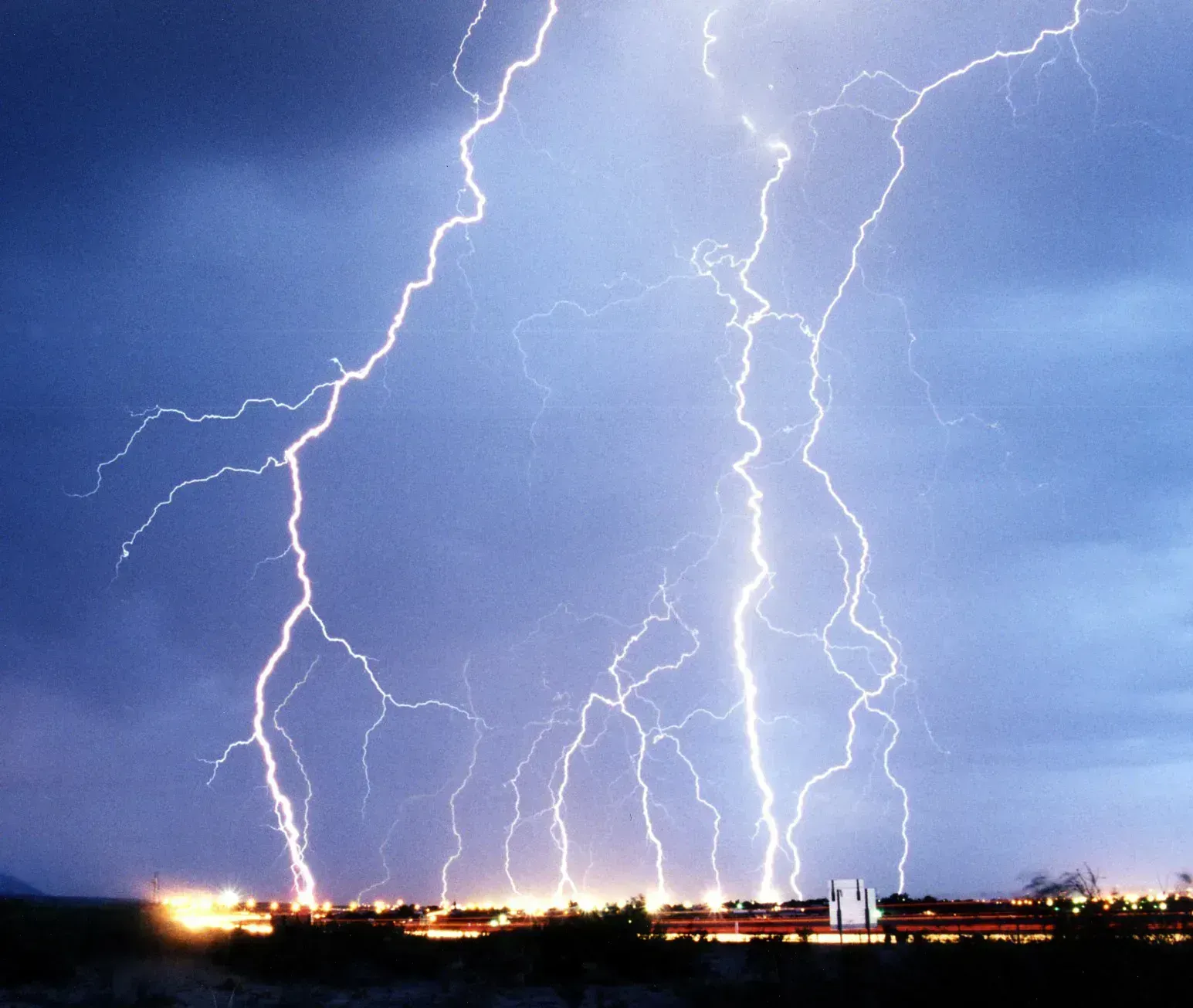
You’ll sometimes see this as the 30/30 rule. When thunder follows a flash within 30 seconds, seek shelter and stay at least 30 minutes after the last flash.
The counting part is easy. Sound travels at roughly five seconds per mile, so a 30 second gap means lightning struck within about 6 miles. Still, the NWS wording is stricter than the counting trick, since it says to act as soon as you hear thunder at all.
Where to Wait, and Where Not To

Not every roof counts. The NWS says the safe options are an enclosed vehicle or a substantial, enclosed structure, and it warns against small sheds, isolated trees, and convertibles.
Spots that feel protective often aren’t. Carports, open garages, covered patios, and pavilions are not considered adequate shelter. Dugouts and picnic shelters are on the same list of places to avoid.
Staying Safe Once You’re Inside

A building helps, but habits inside matter too. The NWS advises staying off corded phones, computers, and other equipment that connects you to electricity, avoiding plumbing such as sinks and baths, and keeping away from windows, doors, and porches.
An NWS severe storm coordinator has said that indoor deaths tied to electrical equipment have dropped with the rise of cordless phones and cellphones. Even so, he advised avoiding windows, electrical devices, and plumbing.
How Big the Risk Really Is
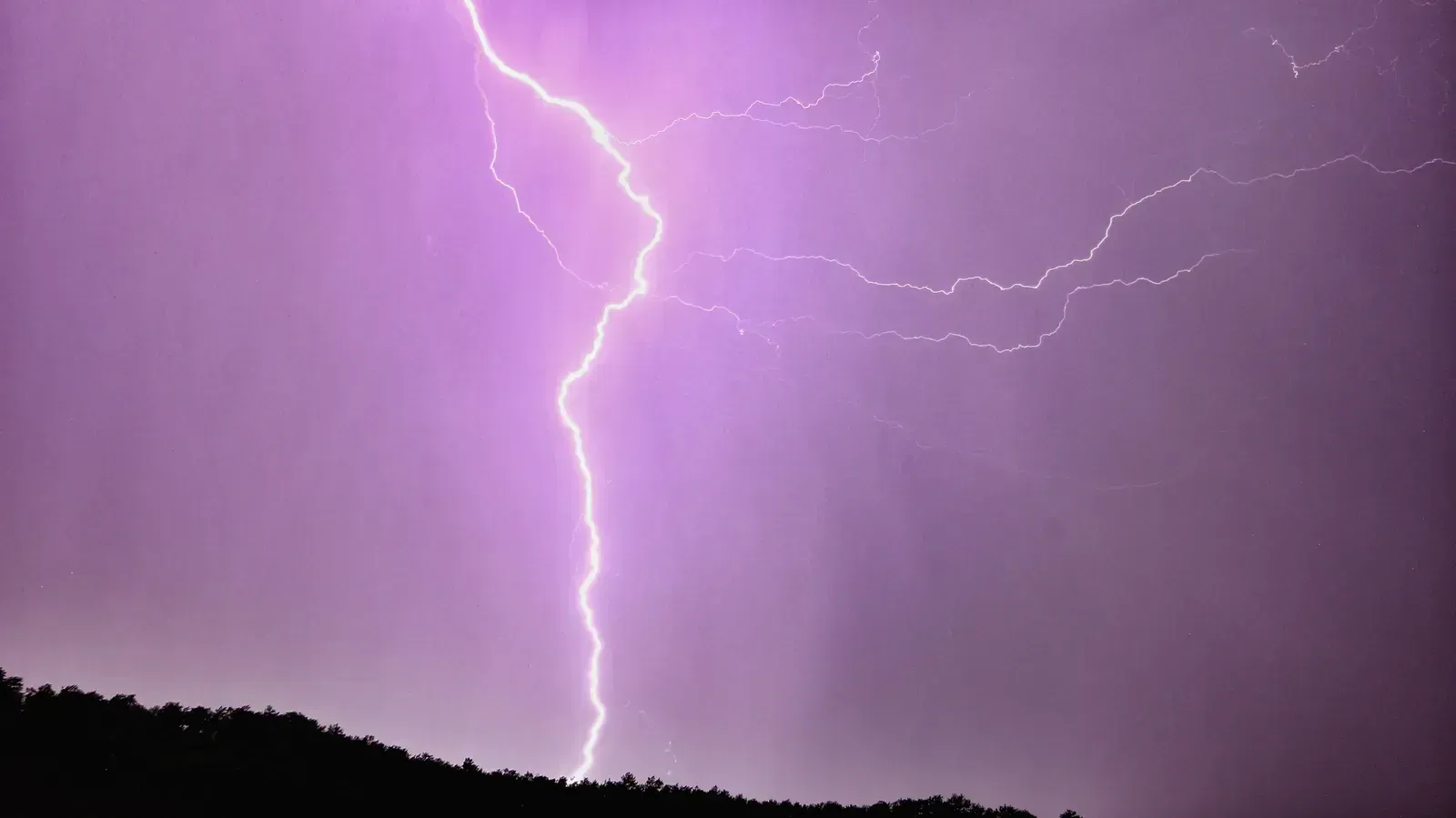
Lightning is common, though most strikes harm no one. The NWS estimates about 25 million strikes across the U.S. each year, with about 3,000 hitting people and about 20 of those people dying. Many more survivors are left severely injured.
The agency’s outdoor sports data shows the risk isn’t spread evenly. Its infographic lists soccer and golf as the activities with the largest shares of lightning fatalities. Those are games where people stay on open ground and are tempted to finish one more hole or one more half.
