


- The Planet Where It Rains Liquid Glass – 7 Alien Worlds Defying Known Physics - November 14, 2026
- Stars Consuming Entire Worlds – 6 Planetary Systems Swallowing Their Own Worlds - November 14, 2026
- The Ground Liquefies Like Water – 6 Silent Fault Lines Geologists Watch Closely - November 14, 2026
Most exoplanets have never been seen. They’re too faint, too close to their stars, and too far away for a telescope to photograph directly. Astronomers find them by watching for the small effects a planet has on its star or on passing light.
The tally is large now. NASA’s Exoplanet Archive lists 6,451 confirmed planets as of October 15, 2026. A handful of detection techniques account for nearly all of them, and each one catches a different kind of world.
The Transit Method: Watching Starlight Dim
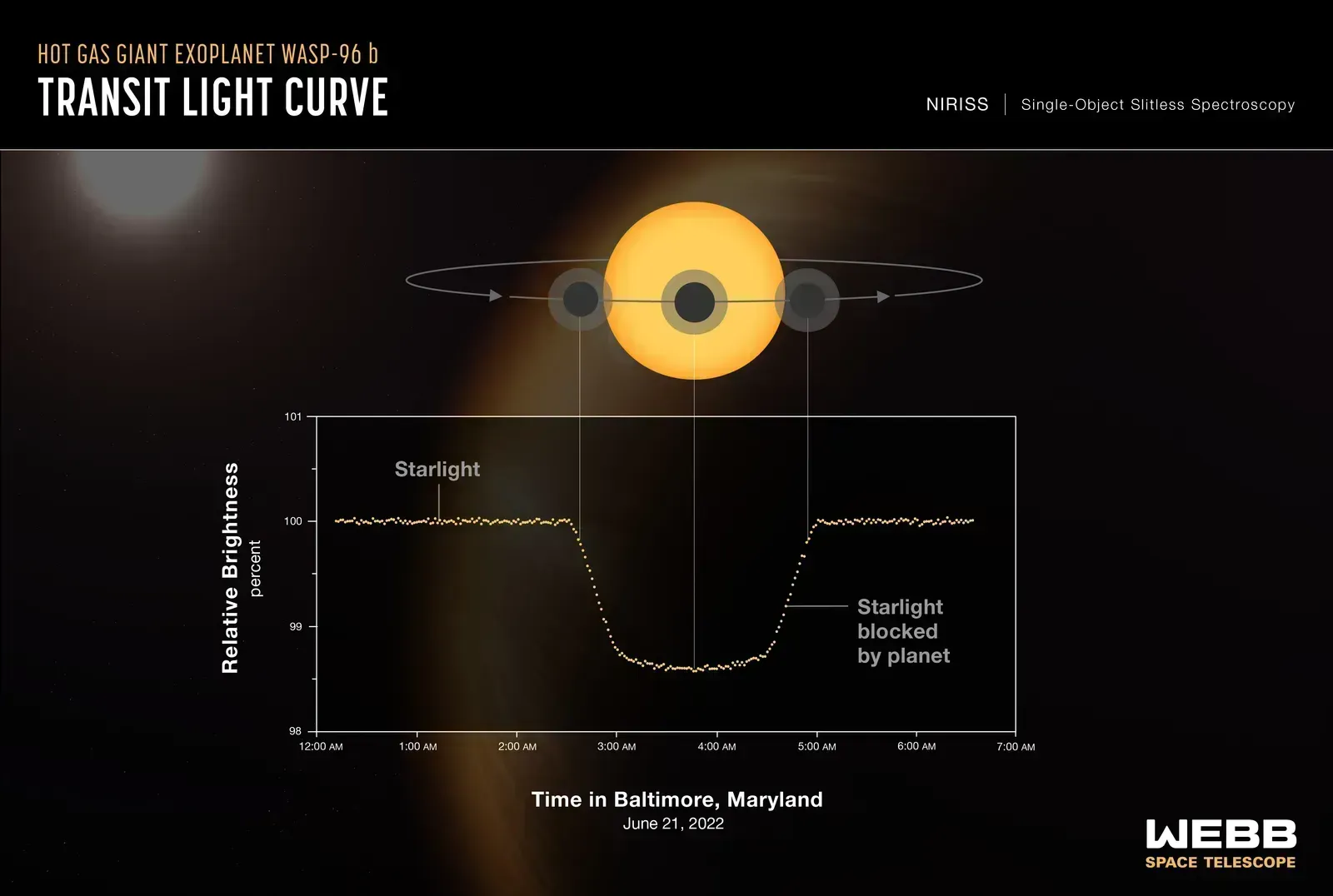
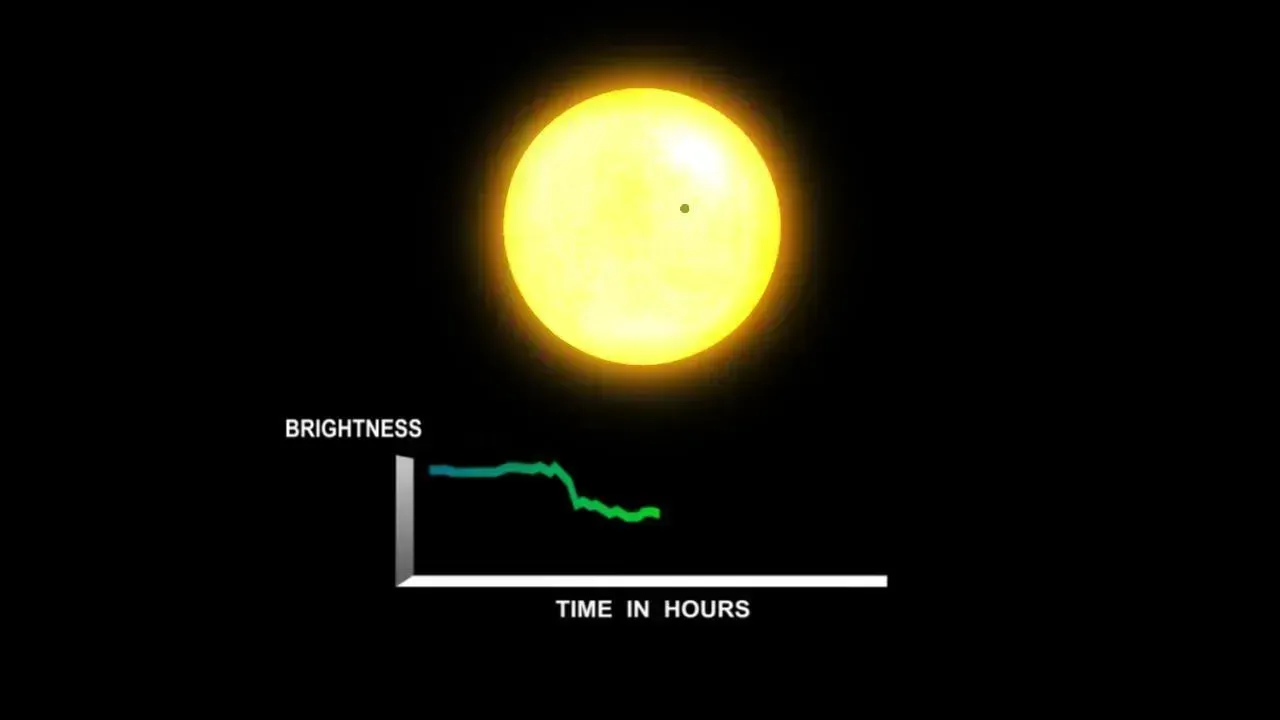
When a planet crosses in front of its star from our point of view, it blocks a tiny fraction of the light. A telescope that measures a star’s brightness over time can spot that regular dip. The depth of the dip tells astronomers how large the planet is compared with its star, and the spacing between dips gives its orbital period.
This method has produced the most discoveries by a wide margin. As of October 8, 2026, NASA’s TESS satellite had 1,008 confirmed exoplanets on the archive. The catch is geometry, since only planets whose orbits happen to line up edge on with our view can be caught this way.
Radial Velocity: Catching the Stellar Wobble
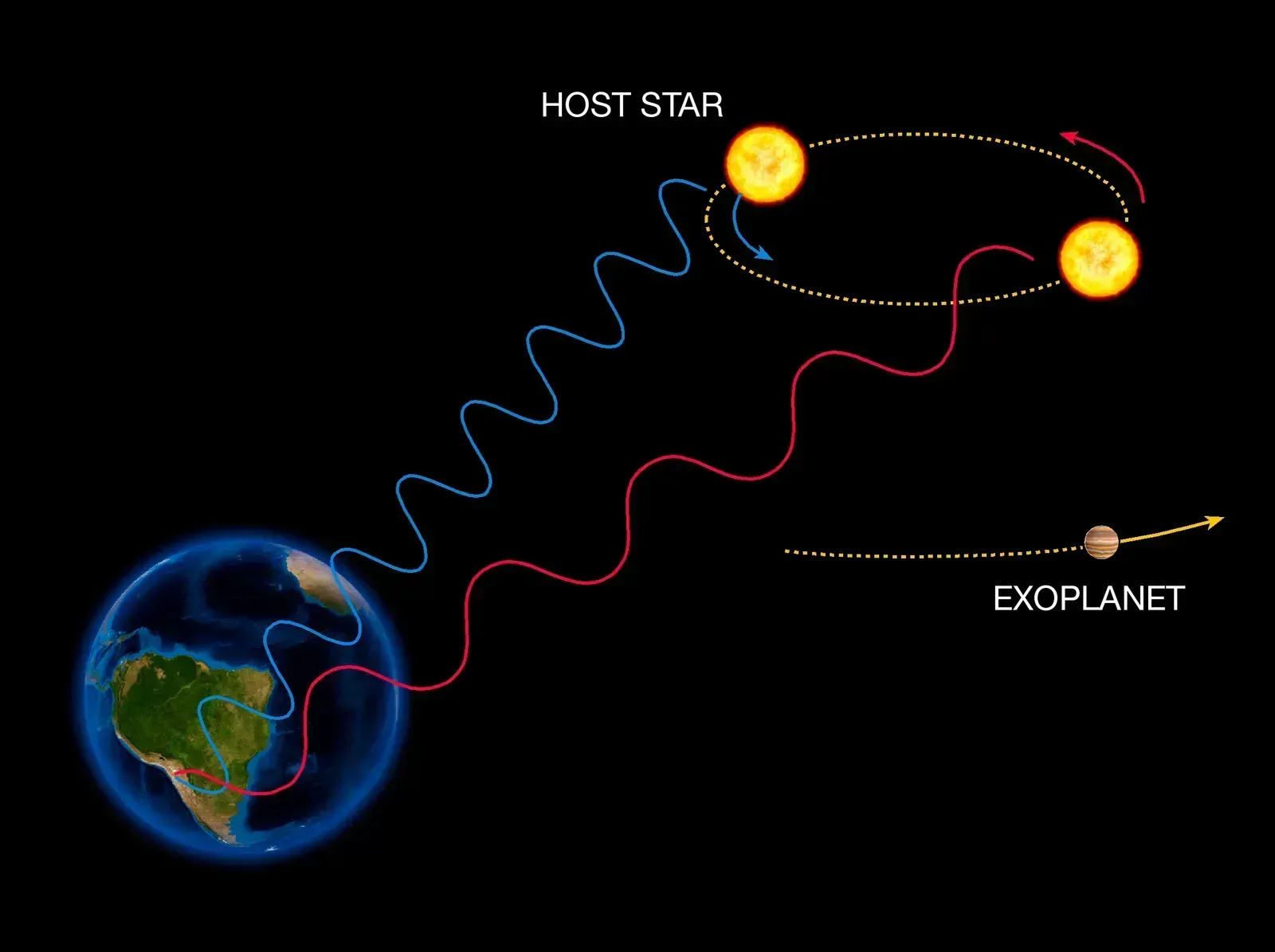
A planet’s gravity tugs its star slightly, so the star moves in a small orbit of its own. That motion shifts the star’s light toward blue when it moves toward us and toward red when it moves away. Spectrographs can measure these shifts with remarkable precision.
This was the technique behind the first planet found around a star like our Sun. NASA notes that discovery happened 30 years ago. Radial velocity gives a planet’s minimum mass, which is why it pairs so well with transits, since transits give size and this gives mass.
Direct Imaging: Photographing a Planet Itself

Direct imaging does what it sounds like. Astronomers block the glare of a star using a coronagraph or similar tool, then look for a faint dot nearby. Because a star can outshine its planets by a huge factor, the technique favors young, hot, massive planets that still glow brightly in infrared light.
It works best for planets orbiting far from their stars. That makes it a good complement to transits and radial velocity, which both favor planets in tighter orbits. Imaged planets are relatively few, but they can be studied directly, including their colors and atmospheres.
Gravitational Microlensing: Using Gravity as a Lens
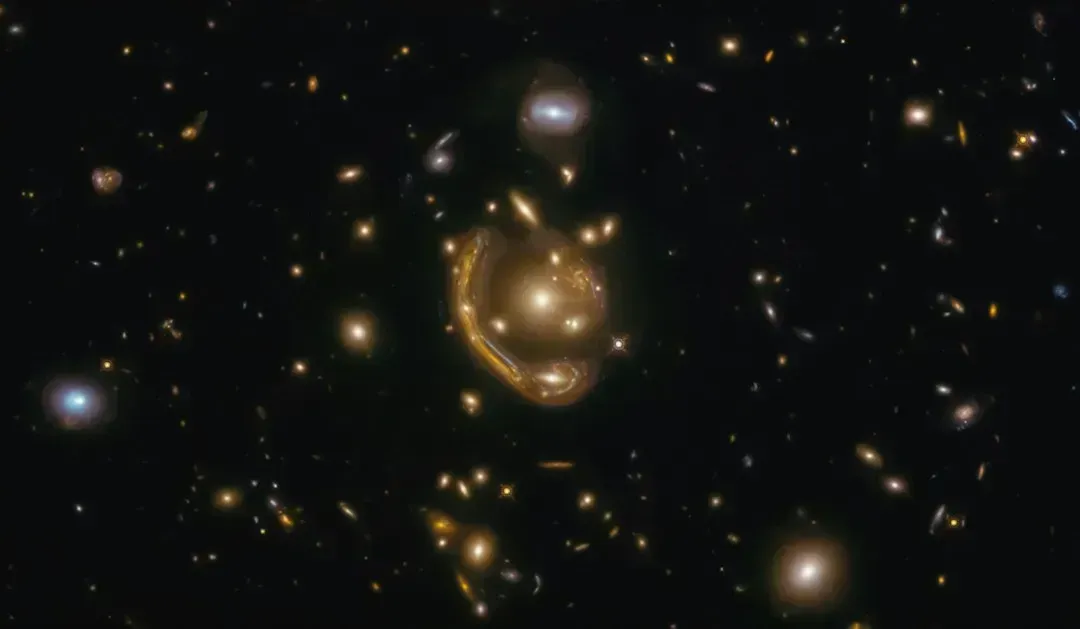
When one star passes in front of a more distant one, its gravity bends and magnifies the background starlight. If the foreground star has a planet, the planet adds a short extra blip to the brightening. The event never repeats, so astronomers get one chance to catch it.
Microlensing is sensitive to planets far from their stars, and it can detect worlds thousands of light years away. It’s also one of the few ways to find free floating planets that don’t orbit any star. Microlensing has been used for rogue planets in recent discoveries.
Astrometry: Tracking a Star’s Tiny Shift on the Sky
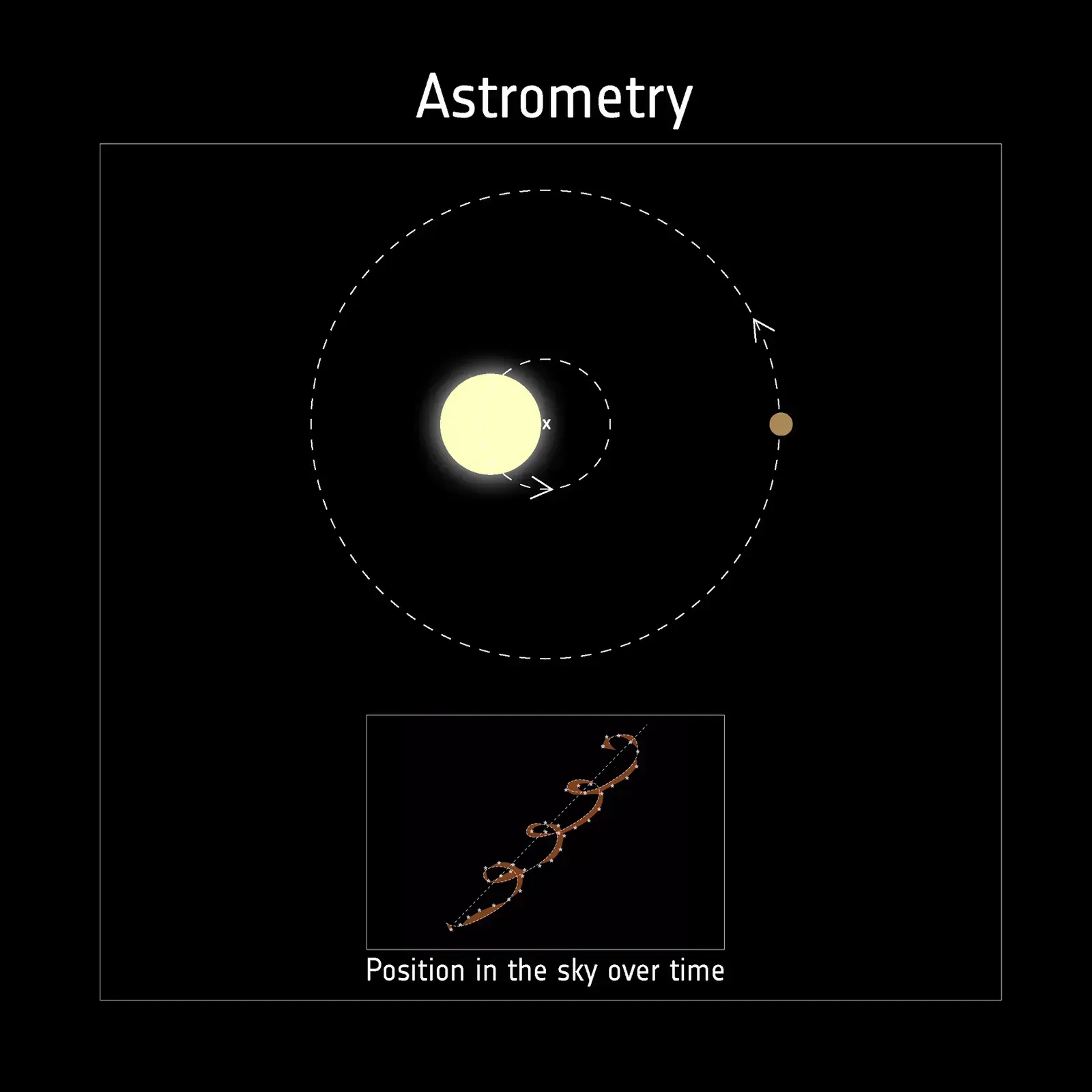
Astrometry measures a star’s exact position in the sky over months or years. If a planet orbits it, the star traces a very small circle or ellipse around the system’s center of mass. The shifts are minuscule, so the method needs extremely precise instruments.
This is where the European Space Agency’s Gaia mission comes in. Gaia is expected to release a batch of exoplanet data in 2026. Astrometry tends to favor massive planets on wide orbits around nearby stars, and it can also reveal the true mass of a planet when combined with radial velocity.
Timing Methods: Pulsars and Transit Timing Variations
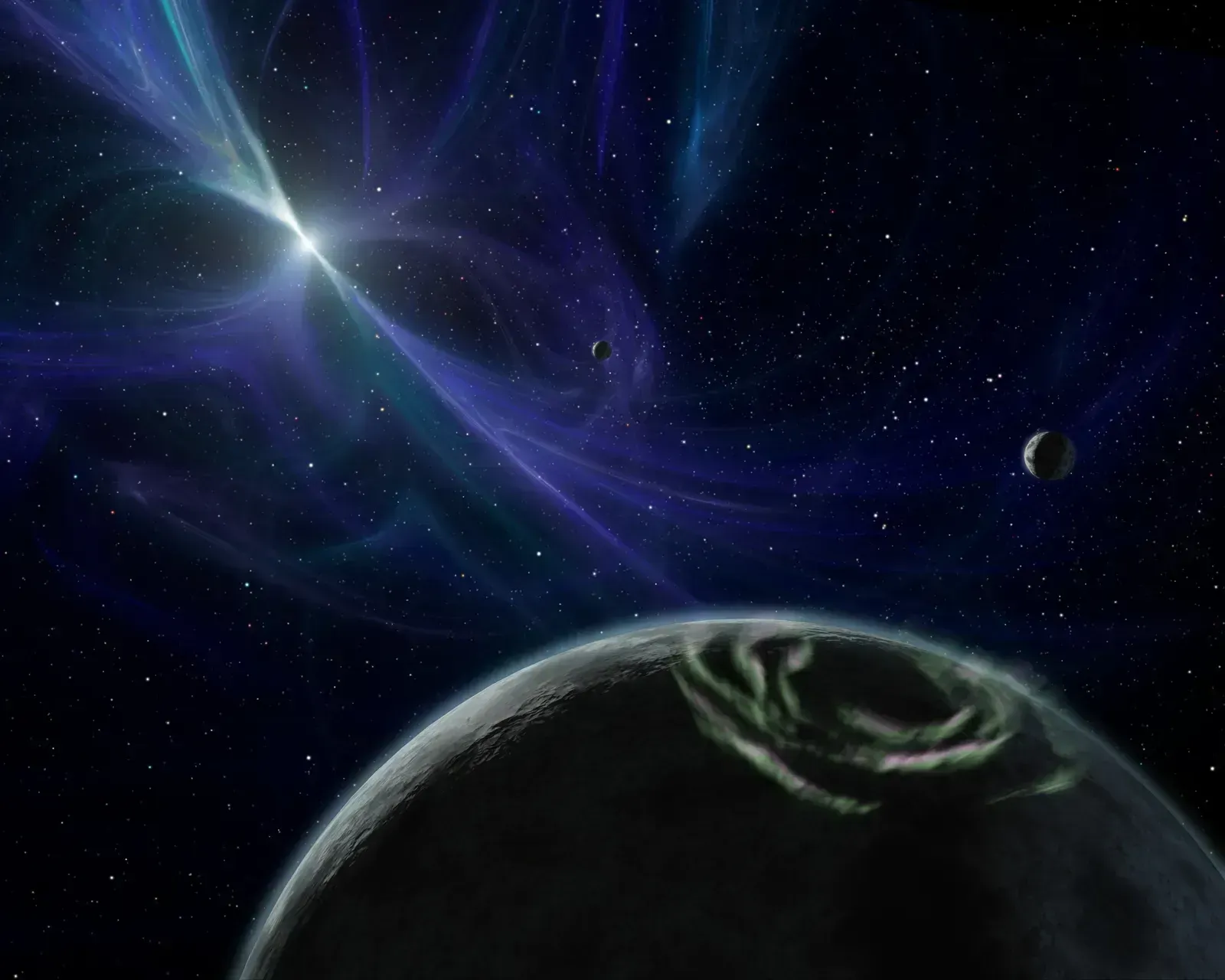
Some planets reveal themselves through changes in timing. Pulsars are dense, spinning stellar remains that flash with clock like regularity, and a planet circling one can make those pulses arrive slightly early or late. The first confirmed planets outside our solar system were found this way around the pulsar PSR B1257+12 in the early 1990s.
A related idea applies to transiting systems. When two planets orbit the same star, their gravity can nudge each other, so transits arrive a bit off schedule. Astronomers call this transit timing variation, and it can point to planets that don’t transit at all.
Confirmation: Turning Candidates Into Planets
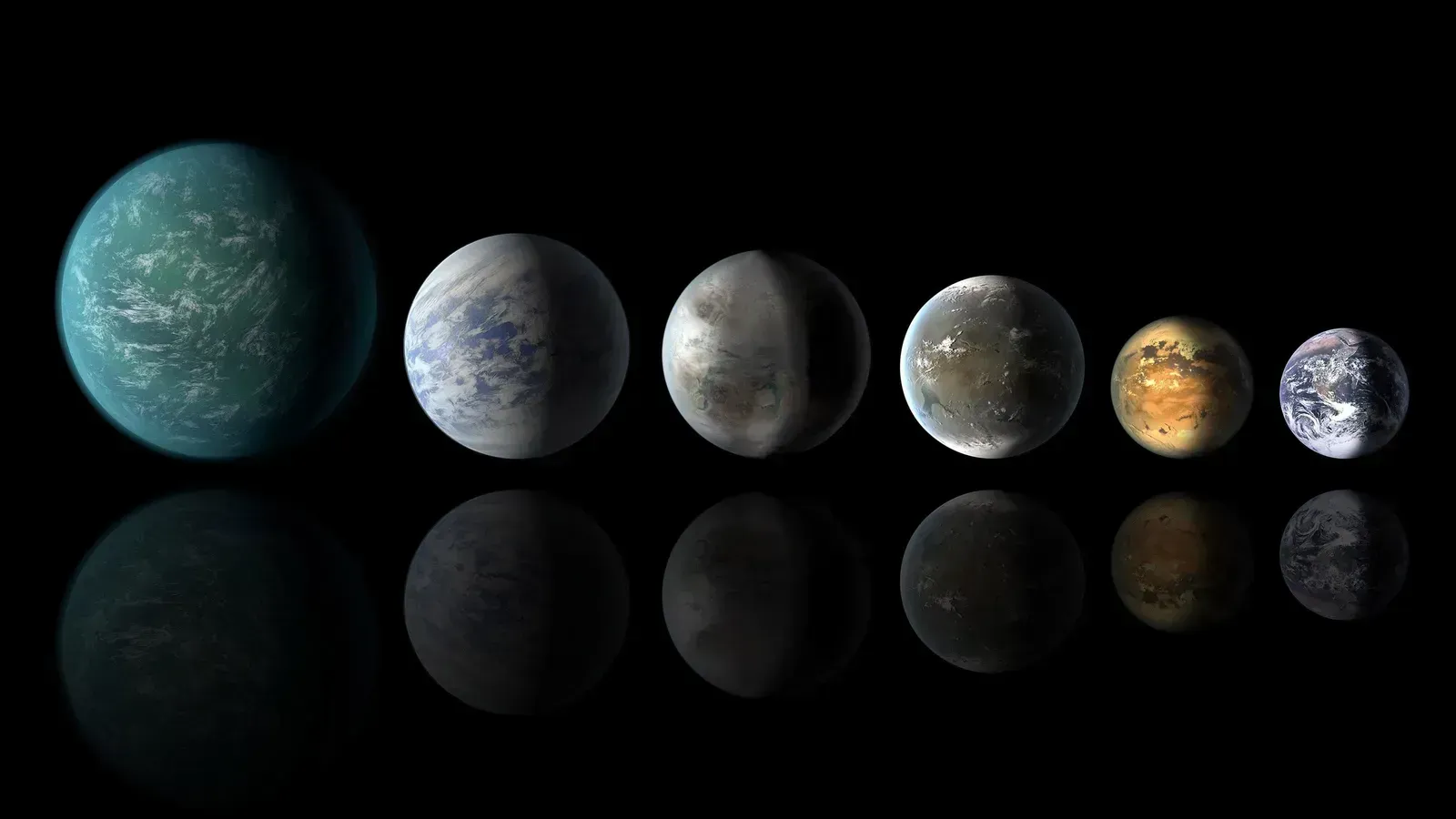
A dip in brightness isn’t automatically a planet. Binary stars, background stars, and instrument noise can all mimic the signal. That’s why a candidate usually needs a second look with another telescope or technique before it’s counted.
The backlog shows how much work that takes. The archive lists 8,151 TESS project candidates as of October 9, 2026, compared with just over a thousand confirmed TESS planets. Confirmation requires a different telescope and a lot of observing time and resources.
Combining Methods for a Fuller Picture
No single technique sees every planet. Transits favor close in planets, radial velocity favors massive ones, imaging favors young and distant ones, and microlensing reaches far across the galaxy. Together they cover a much wider range of planetary systems than any one could alone.
Mixing methods also yields more physical detail. A planet with both a size from transits and a mass from radial velocity has a known density, which hints at whether it’s rocky or gassy. TESS planets alone span orbital periods from about a fifth of a day to nearly 2,890 days, a sign of how varied the population has turned out to be.
