


- The Compostable Cup Left Intact for Years – 5 Backyard Composting Failures - November 15, 2026
- Fast-Fashion “Conscious” Lines Under Scrutiny – 5 Red Flags in Eco-Clothing - November 15, 2026
- Space Engineers Explain 5 Quiet Changes Making Rocket Launches Safer Than Ever - November 15, 2026
Walk into almost any high street store and you’ll spot a green hangtag somewhere. It might say conscious, eco, or sustainable, usually in soft colors and friendly type. For years, those words did a lot of selling with very little checking behind them.
That’s changing in 2026, at least in Europe. New consumer rules now apply, and regulators have already gone after some of the best known names. Here are five warning signs worth knowing about, along with the evidence behind each one.
Vague Words With Nothing Behind Them
The first red flag is the simplest. A label says “conscious” or “green” and never explains what is actually different about the garment. From 27 September 2026, a fashion brand selling to EU shoppers can’t describe a product as eco-friendly, green or climate friendly unless it can prove recognised excellent environmental performance. In practice, that usually means something like the EU Ecolabel.
The law targets exactly this habit. A claim counts as generic, and is therefore prohibited, when the supporting detail isn’t stated in the same place, such as the same webpage or packaging. A tag that only says “eco” with no specifics is the kind of thing regulators now have in their sights.
A Collection Name Doing the Heavy Lifting
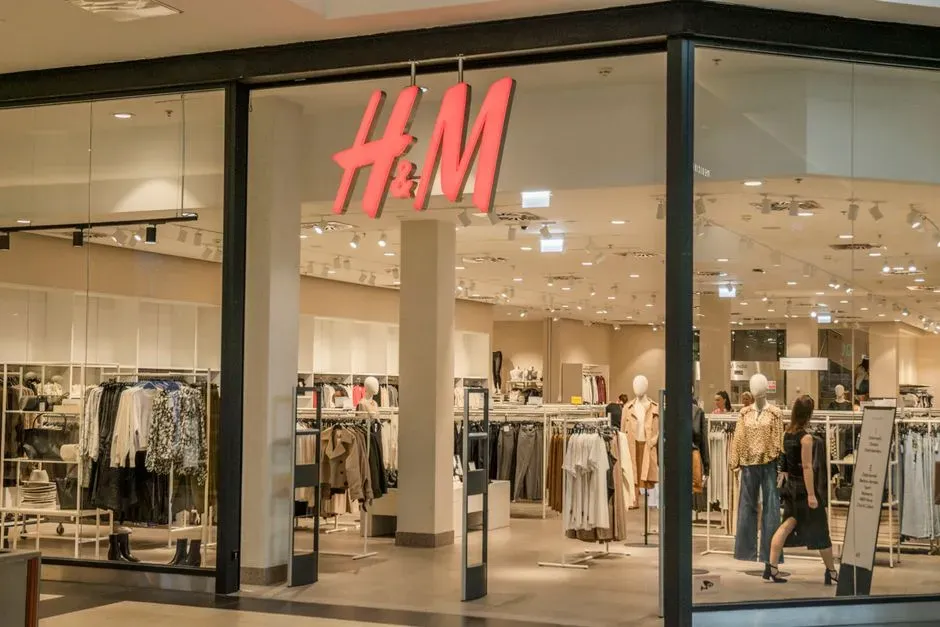
Branding can imply a lot without making a single measurable claim. The best known example is H&M’s Conscious Choice line. After a ruling from the Dutch consumer authority ACM, H&M removed the Conscious labels and donated €500,000 to sustainability organisations, and the collection was discontinued after twelve years.
Names matter under the new rules as well. Brand and collection names aren’t automatically safe, according to the Commission’s guidance as summarized by Fashion Law Journal. If a name carries an environmental word, the brand may now need to back it up or change it.
Carbon Neutral Promises Built on Offsets

Another common flag is a climate claim attached to a single product or delivery. Think “carbon neutral shipping” or a “climate positive” capsule. Claims that a product has a neutral, reduced or positive environmental impact are now prohibited where they rest on offsetting greenhouse gas emissions.
The reasoning is easy to follow. Offsets happen somewhere else, and they don’t change how a shirt was made or what it’s made from. Under the directive, sustainability labels not backed by a public authority or a certified scheme are also banned, which takes aim at the self-designed leaf logos that many brands have used.
Green Marketing on a Business Built for Volume

A sustainable capsule can sit comfortably inside a model that still depends on huge output. Regulators have started looking at that gap. Shein was fined €1 million by Italy’s competition authority in August 2025, according to one industry tracker, and the case concerned its green claims.
Scrutiny is broadening beyond advertising too. The EU ban on destroying unsold textiles and footwear took effect on 19 July 2026. France, meanwhile, adopted its Ultra-Fast Fashion Act on 8 July 2026, aimed at high volume, low durability producers, principally large non-European online platforms.
Recycled Content That Doesn’t Close the Loop
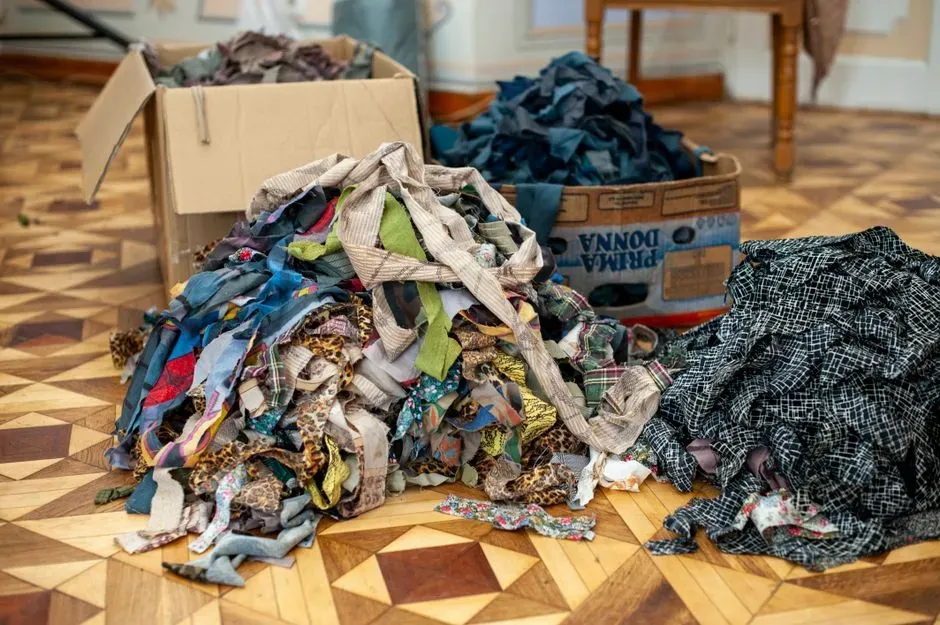
The last flag is the most technical. “Made with recycled materials” sounds reassuring, but it says little about whether the garment can be recycled again. Blended fabrics, such as cotton mixed with polyester, are especially hard to separate.
The wider picture shows why this matters. Only about one percent of used clothes are currently recycled into new garments. A claim that highlights one recycled component, without saying how much or what happens at end of life, leaves out most of the story.
What to Check Before You Buy

Look for specifics on the same page as the claim: the material, the percentage, and the certification. An independent label from a recognised scheme carries more weight than a brand’s own badge.
Keep in mind that enforcement is uneven. As of April 2026, Inditex, Zara’s parent company, hadn’t faced a formal EU greenwashing action equivalent to those against H&M, Boohoo or Shein. A lack of a ruling isn’t proof of a clean record, and the new rules are still bedding in.
