
Long before telescopes or digital clocks, people looked up and kept careful records. They had no instruments beyond sightlines, shadows, and patient memory, yet many of them worked out cycles that modern astronomers still find impressive.
The cultures below approached the sky for different reasons, including farming, religion, navigation, and political authority. Each one left behind evidence in stone, clay, bronze, or bark paper that shows how closely they watched.
Babylonians of Mesopotamia
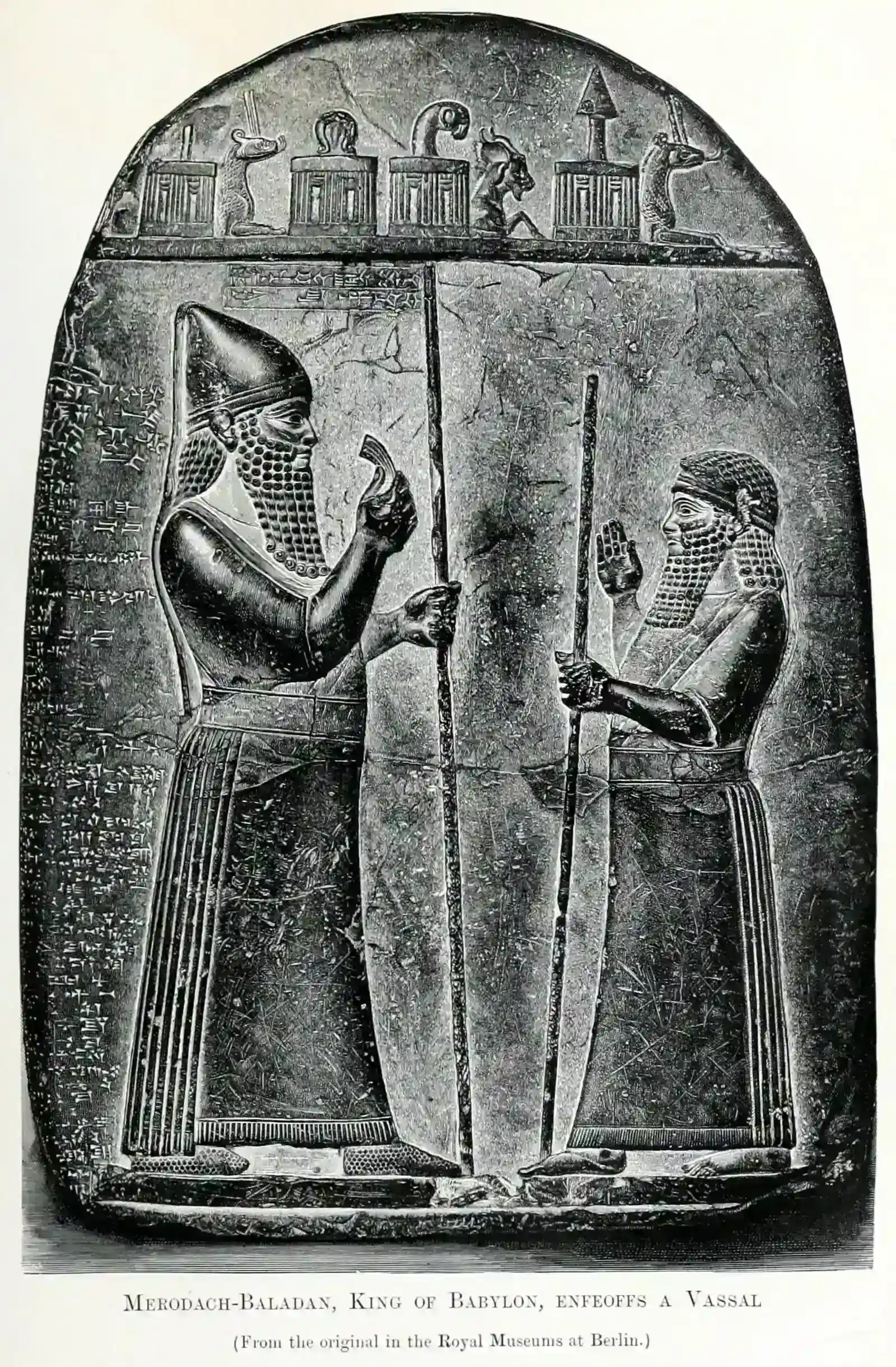
Babylonian scribes kept systematic records of celestial events on clay tablets for centuries. The astronomical diaries, which run from about the seventh century BCE into the first century BCE, are among the longest continuous scientific records from the ancient world. They note planetary positions, lunar events, and eclipses alongside weather and market prices.
Over time, the scribes found that eclipses repeat in a cycle of about eighteen years, now called the Saros. Later Babylonian astronomers also used arithmetic methods to predict where planets would appear. Historians of science regard this mathematical approach as a major step toward predictive astronomy.
Ancient Egyptians
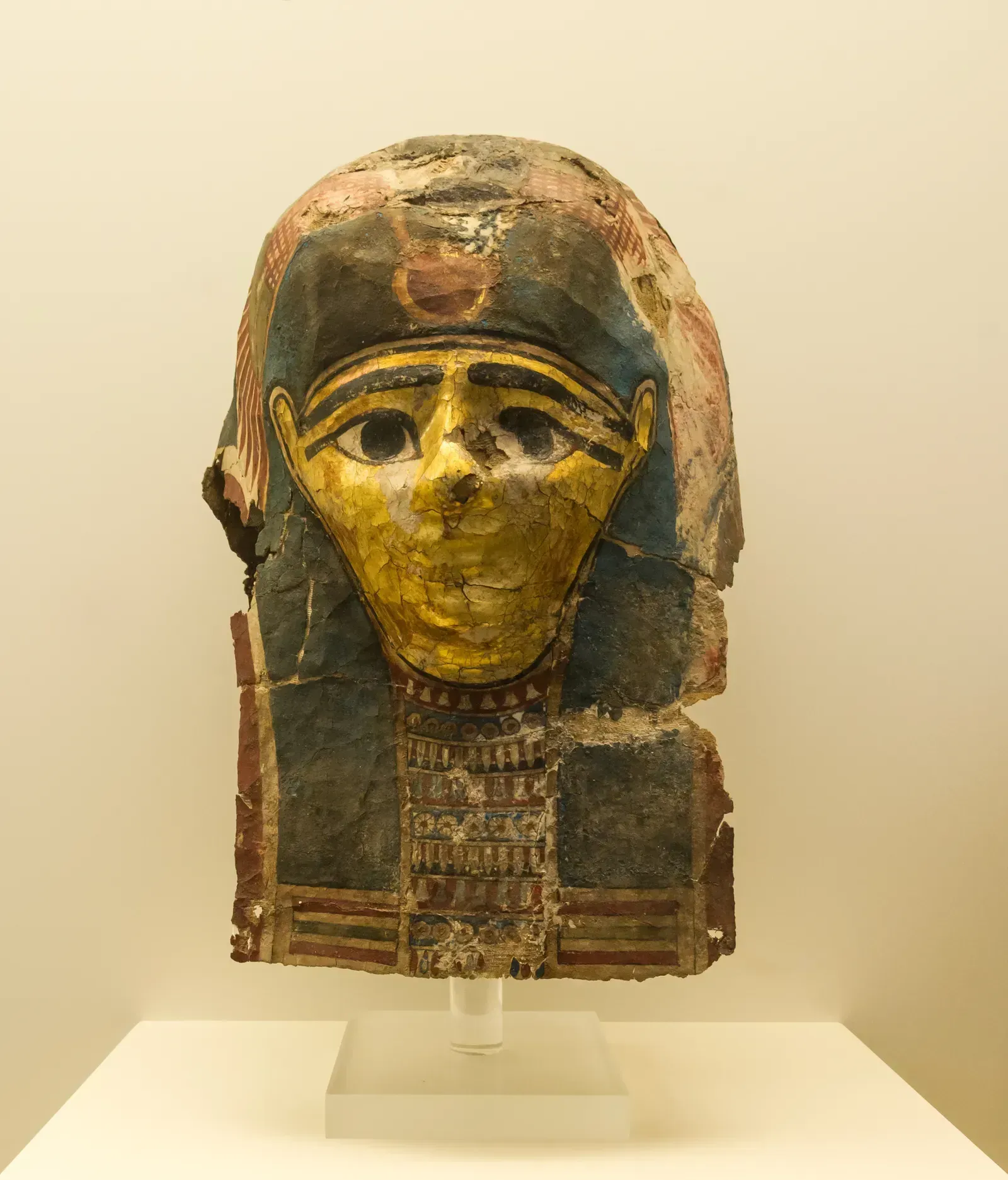
The Egyptians built their calendar around the rising of Sirius, which they called Sopdet, just before dawn. This rising came close to the start of the Nile flood, so it gave a practical signal for the farming year. Their civil calendar used 365 days, divided into twelve months of thirty days plus five extra days.
Egyptian priests also used star groups known as decans to mark the hours of the night. Decan lists appear on coffin lids and in tombs, and later in temple ceilings such as the one at Dendera. The system shows a steady habit of observation, even though the calendar drifted slowly against the solar year because it lacked a leap day.
The Maya
Maya astronomers followed Venus with remarkable care. The Dresden Codex, a bark paper book that survives from the late Maya period, contains tables tracking the planet’s cycle of about five hundred eighty four days. It also includes eclipse tables that helped scribes judge when an eclipse might be possible.
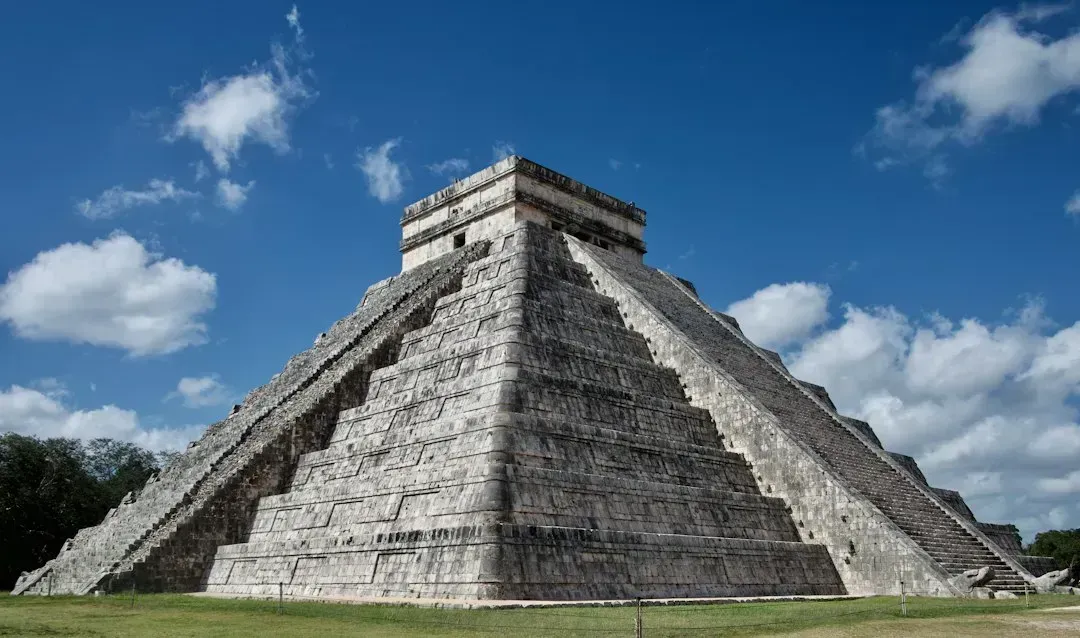
The Maya combined several calendars, including a 260 day ritual count and a roughly 365 day solar count. Their Long Count system let them record dates across thousands of years. Buildings at sites like Chichén Itzá are often discussed as being aligned with solar events, though scholars debate how intentional some of those alignments were.
Ancient Chinese Astronomers
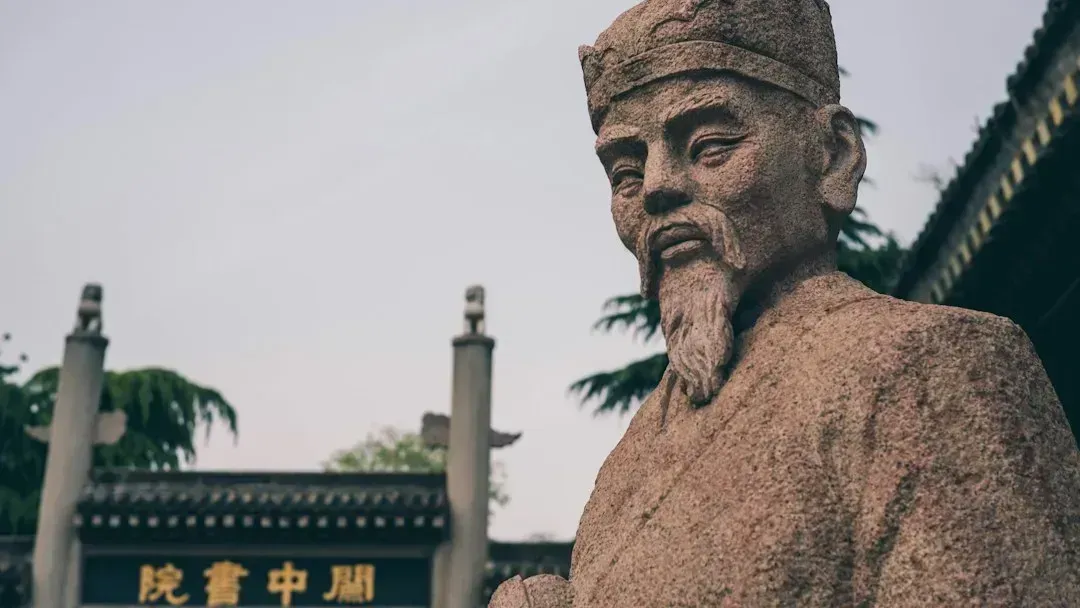
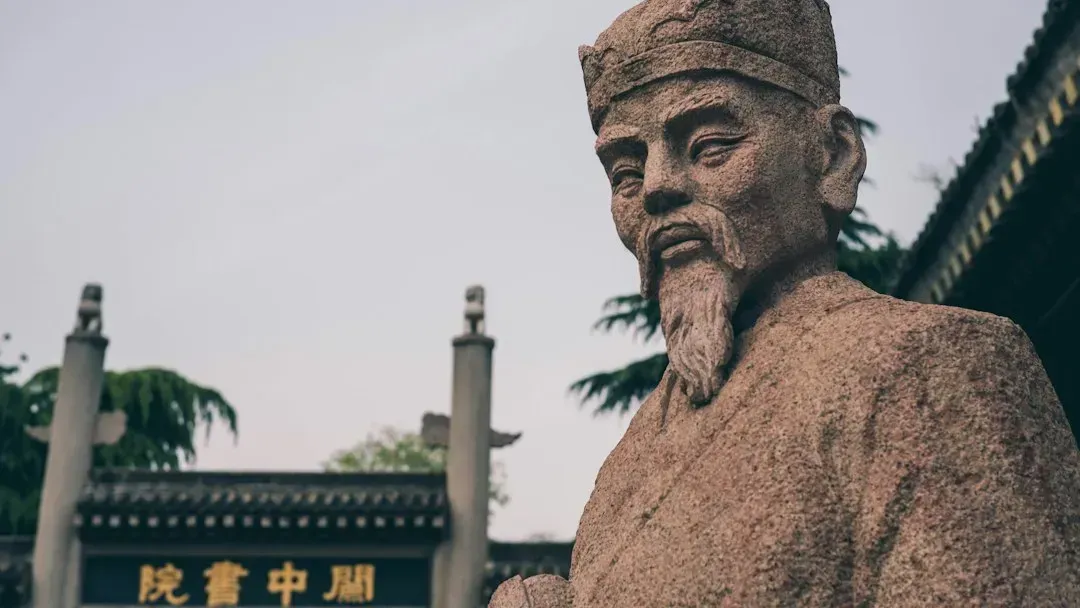
Chinese court astronomers recorded the sky for imperial purposes, and their archives stretch back more than two thousand years. Oracle bone inscriptions from the Shang dynasty already mention eclipses. Later records of comets, including sightings of what is now known as Halley’s Comet, are valuable to modern researchers.
One famous entry describes a “guest star” seen in 1054 CE, which astronomers link to the supernova that formed the Crab Nebula. Chinese observers also developed detailed star maps and used armillary spheres to measure positions. Because the emperor’s legitimacy was tied to the heavens, accuracy carried real political weight.
Ancient Greeks
Greek thinkers pushed astronomy toward geometry and measurement. Hipparchus, working in the second century BCE, compiled a star catalog and is credited with discovering the precession of the equinoxes, the slow shift in Earth’s orientation. His work built on earlier Babylonian records, which shows how knowledge traveled between cultures.
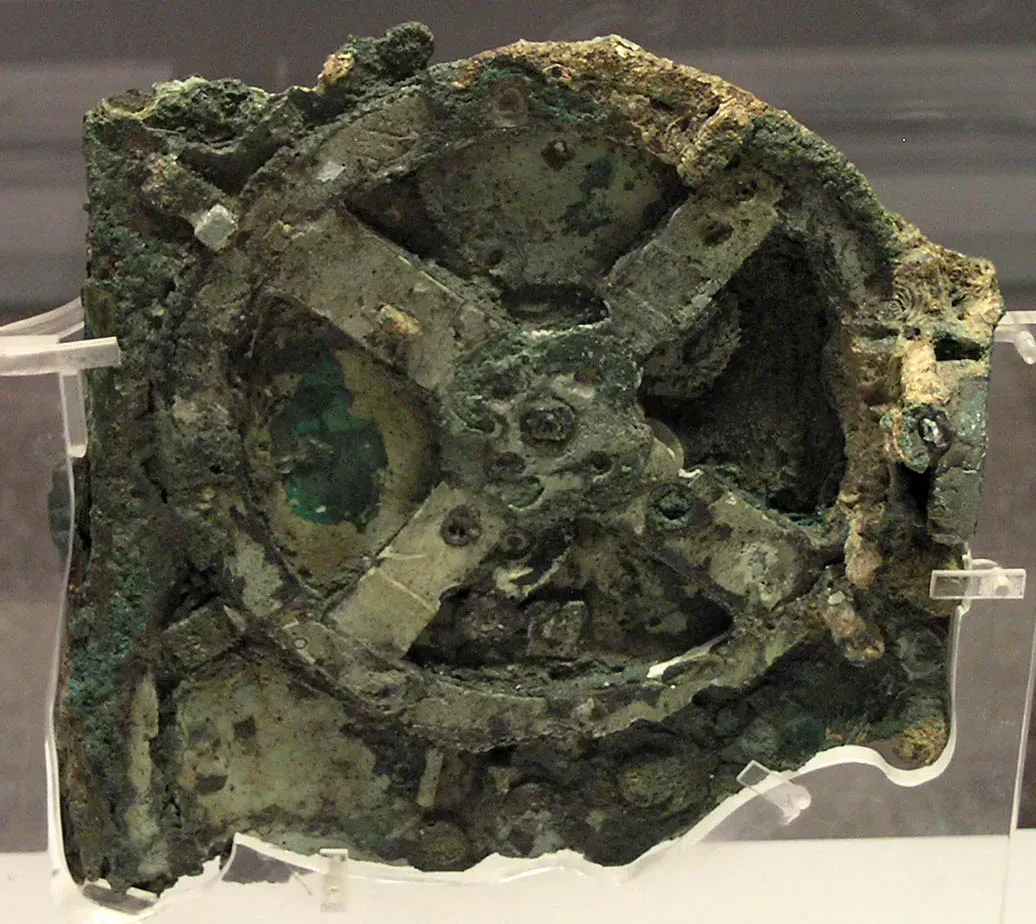
The Antikythera mechanism, recovered from a shipwreck in 1901, is the most striking physical example. This bronze device modeled the motions of the Sun and Moon and could predict eclipses using gear trains. Researchers continue to study it, and no comparable machine of that complexity is known from the following centuries.
The Polynesian Navigators
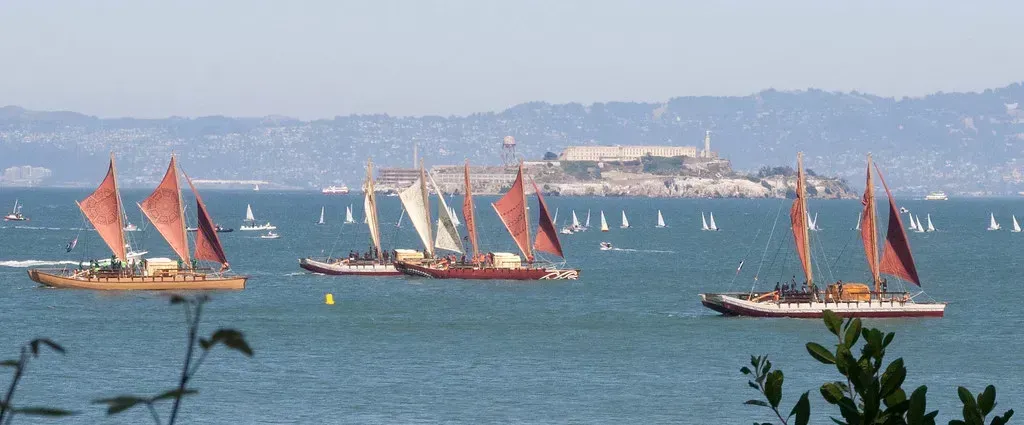
Polynesian voyagers crossed vast stretches of the Pacific using the sky as a map. Navigators memorized the rising and setting points of many stars, which formed a mental compass around the horizon. They combined this with knowledge of swells, winds, and bird behavior.
This tradition is not just history. In 1976, the voyaging canoe Hōkūleʻa sailed from Hawaii to Tahiti without modern instruments, guided by navigator Mau Piailug of Micronesia. The voyage helped revive traditional wayfinding across the Pacific.
The Inca
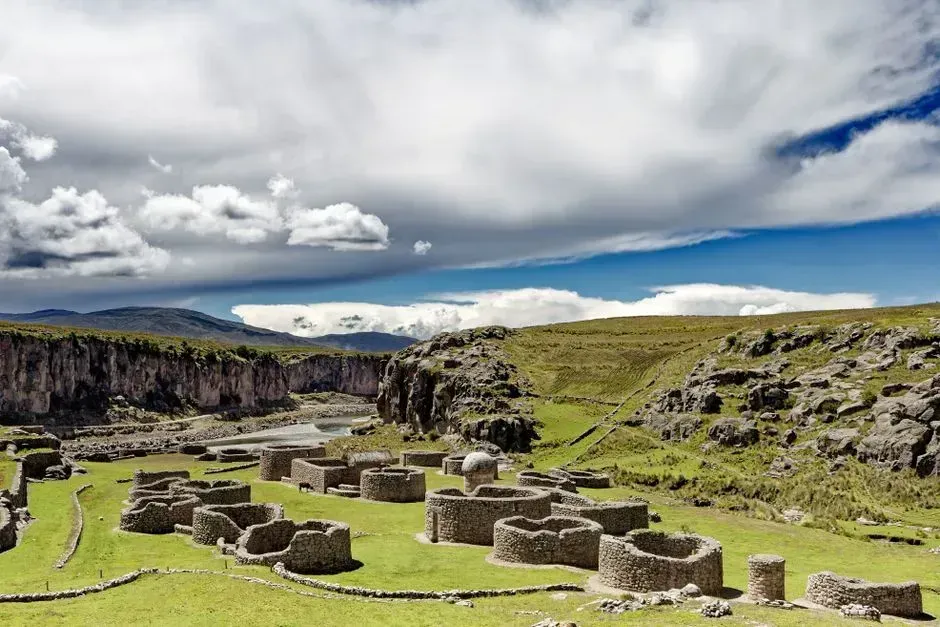
The Inca watched both bright stars and the dark patches in the Milky Way, which they saw as animal shapes. These dark cloud constellations, such as the llama, were linked to the agricultural calendar and the seasons. The Pleiades also mattered, since Andean farmers have long used its appearance to anticipate the growing season.
Cusco was organized around sightlines called ceques, which radiated outward to sacred places. Scholars have proposed that some of these lines and certain towers tracked solstice sunrises and sunsets. Interpretations vary, since the Inca left no written records, and much relies on Spanish colonial accounts.
Neolithic Builders of Britain and Ireland
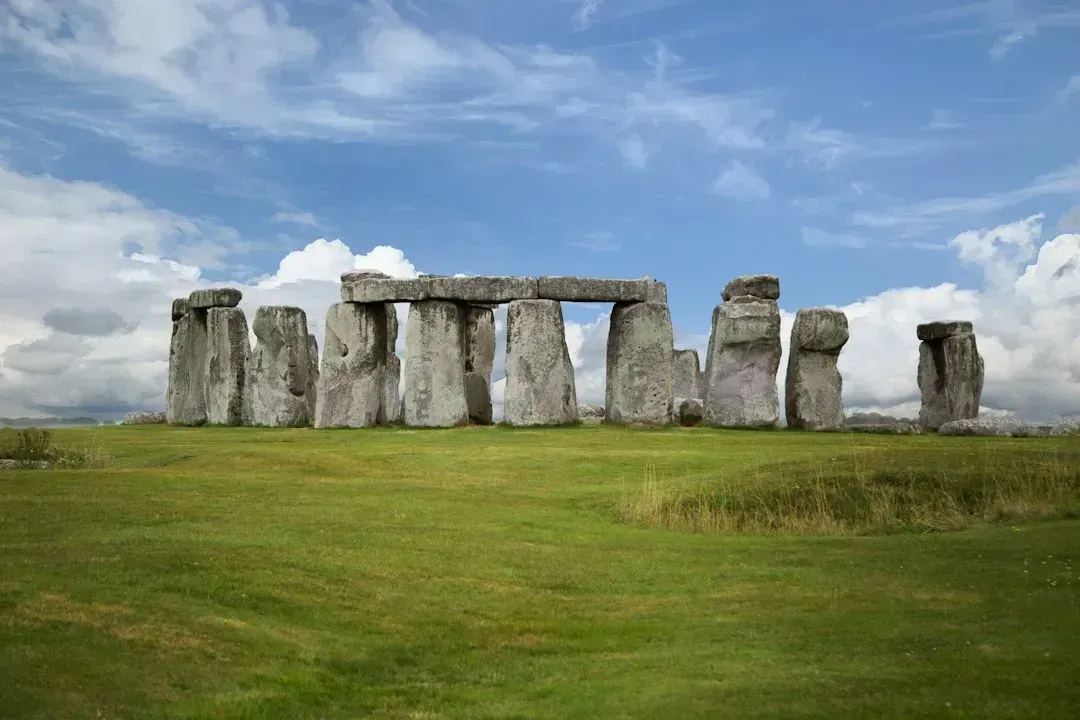
Stonehenge is the best known example, with its main axis aligned to the summer solstice sunrise and the winter solstice sunset. The monument developed in stages from about 3000 BCE, and the large sarsen stones were raised around 2500 BCE. Whether it served as a calendar, a ceremonial site, or both is still discussed.
Newgrange in Ireland, built roughly five thousand years ago, shows an even clearer purpose. A roof box above its entrance lets sunlight reach the inner chamber for a few minutes around the winter solstice. It predates the Egyptian pyramids and demonstrates that careful solar planning existed in prehistoric Europe.

- Crows Remembering Human Faces for Decades – 6 Bird Behaviors Far Smarter Than We Knew - November 15, 2026
- 8 Things Astronauts Do on Their First Day in Orbit That Rookies Find Strange - November 15, 2026
- 11 Everyday Routines That Are Completely Normal on the Space Station but Baffle Everyone on Earth - November 15, 2026
