

In July 2026, a team of astronomers announced what may be the first moon found beyond our solar system. A paper in Nature reports that scientists using ESO’s Very Large Telescope in Chile found the first known exosatellite, or exomoon, in the CD-35 2722 system, just 71 light years away. It isn’t a tidy, textbook moon, though.
The object is huge, and it circles something that isn’t quite a planet. That’s why the finding is both exciting and a little controversial. Researchers are still arguing over what to call it, and whether “confirmed” is the right word yet.
A Long Wait for an Exomoon
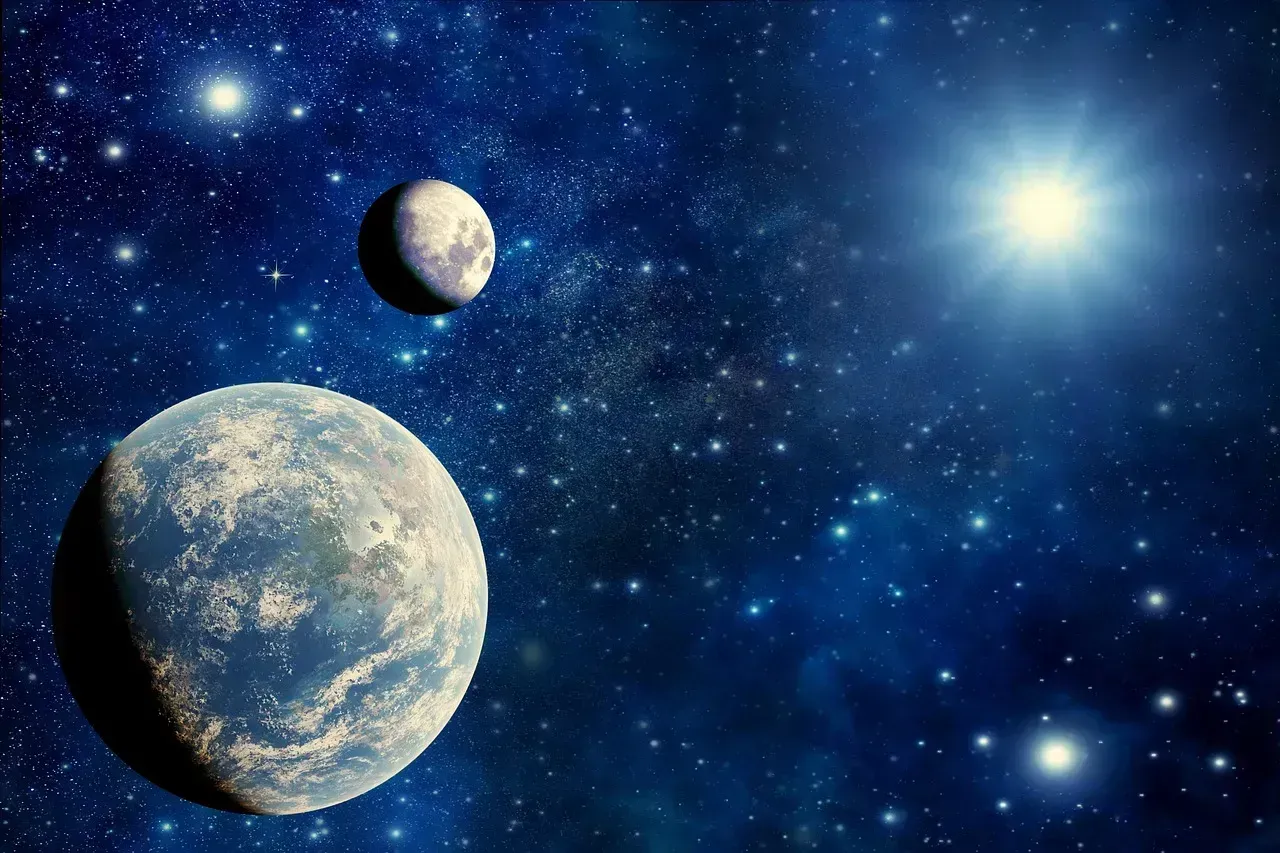
Astronomers have found thousands of planets around other stars, yet moons have stayed out of reach. Over 6,000 exoplanets have been verified, but no exomoons appear in the official catalogs, because their gravitational and transit signals are so tiny. Moons are simply much smaller and fainter than the worlds they orbit.
Several candidates have come and gone. One was Kepler-1625b, which Alex Teachey and David Kipping followed up with Hubble after spotting a hint in Kepler data. The Nature paper itself says such candidates lack confirmation and remain controversial.
Where the Discovery Was Made
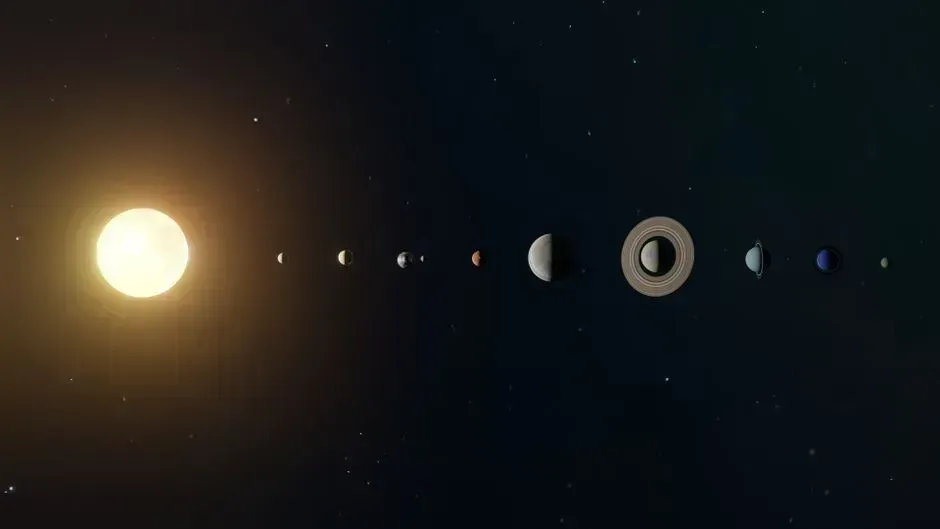
The system is CD-35 2722, which sits about 71 to 72 light years away, depending on the source. Its main star is the system’s biggest and most massive object, with about half the mass of the Sun. Kevin Hoy, the study’s lead author, called it “super weird” compared with our own solar system.
The star is also young, which matters for this kind of work. The system lies in the constellation Columba. Nothing about it looks like our tidy arrangement of planets and moons.
A Moon Orbiting a Brown Dwarf
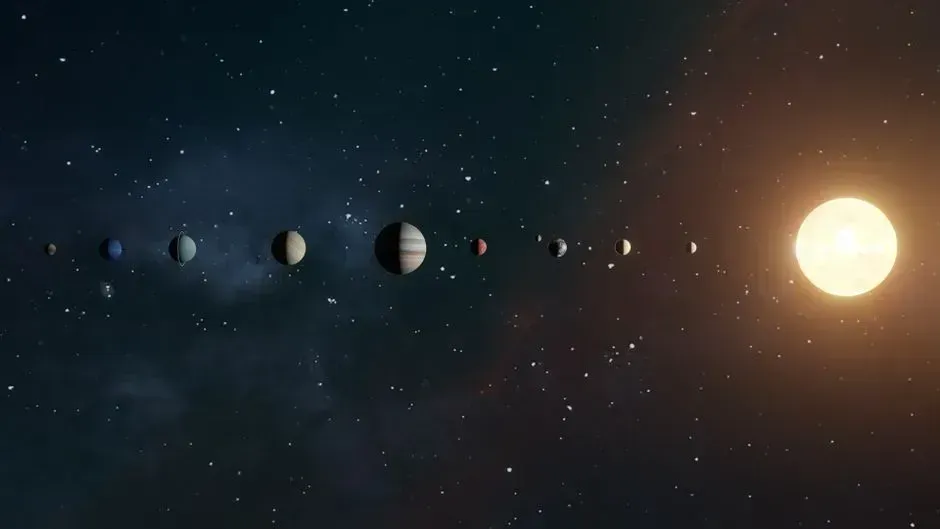
The new object doesn’t circle a planet. The star is orbited by a brown dwarf, an object too massive to be a planet but too small to be a star, and the new object orbits that brown dwarf. So the satellite is a moon in a structural sense, but its parent isn’t a planet.
The brown dwarf, called CD-35 2722 B, isn’t new to astronomers. It was discovered by direct imaging in 2011. Later work suggested a very long orbital period of around 5,000 years, though many details remain poorly constrained.
How the Moon Was Detected
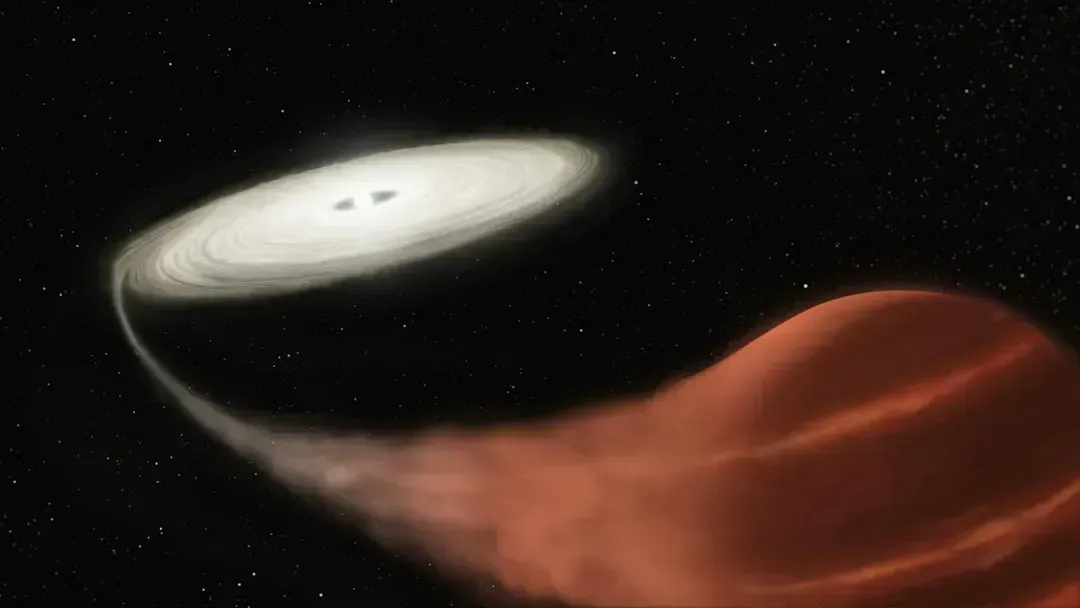
The team didn’t photograph the moon. They used the VLT’s CRIRES+ spectrograph to measure Doppler shifts in the brown dwarf’s light as the satellite tugged on it. In plain terms, they watched the brown dwarf wobble.
The technique is a classic. It’s the same radial velocity method used to discover the first exoplanet around a Sun-like star. Observations ran from October 2023 through January 2025. By the authors’ account, this is the first time the method has produced evidence of satellites around a companion brown dwarf.
Just How Big Is This Moon?
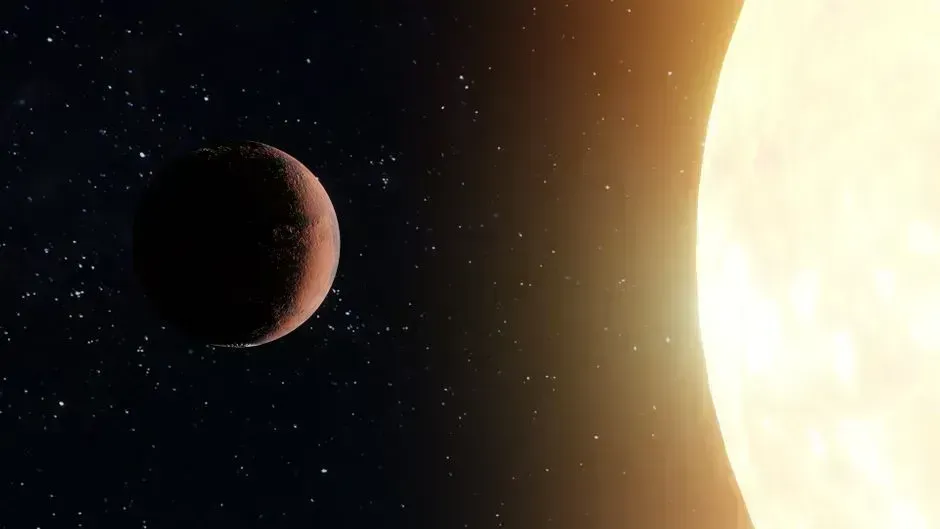
It’s enormous by any standard. The exosatellite is at least as massive as Jupiter, while the brown dwarf has more than 30 times Jupiter’s mass. Physics World puts the numbers more precisely, noting a brown dwarf about 37 times Jupiter’s mass and an exosatellite with a minimum mass of 90% of Jupiter’s.
The orbit is quite tight. The satellite has about 2.5% of its host’s mass and circles it every 170 days. For comparison, nothing in our solar system has a moon anywhere near that scale relative to its planet.
Is It Really a Moon?
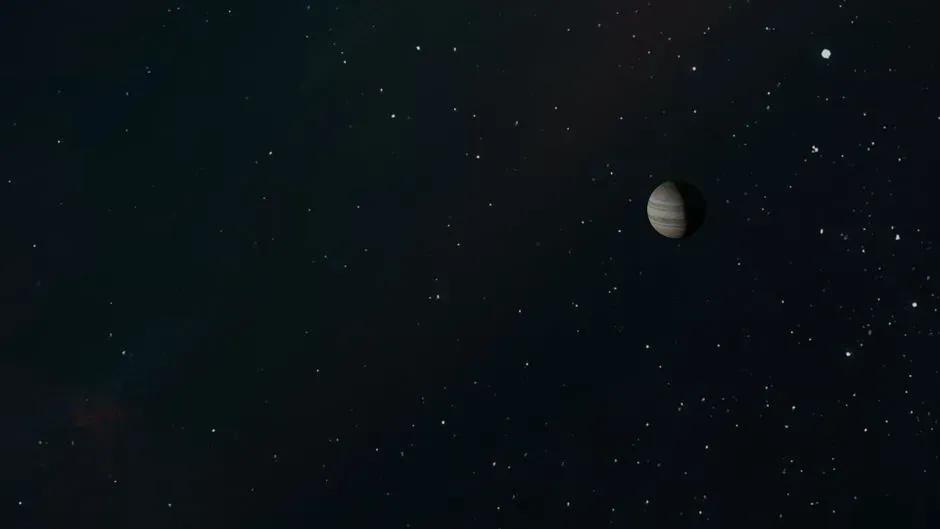
That’s the sticking point. It behaves like a moon because it orbits an object that orbits a star, yet it’s massive enough to be a planet, and its host is neither planet nor star. ESO notes there’s no officially accepted definition of an exomoon.
Co-author Alice Zurlo said the lines between stars, planets and moons are blurred here. The team uses “exosatellite” for that reason. Not everybody agrees with the nickname, either.
Confirmed or Candidate?
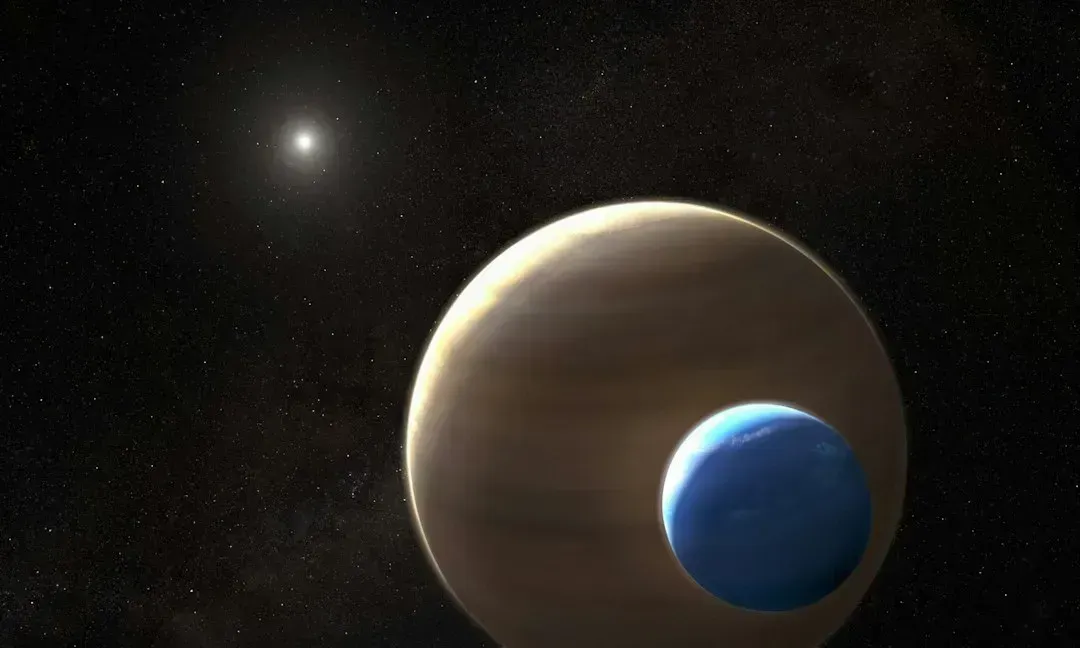
Headlines have called it the first confirmed exomoon, but the paper is more careful. It describes radial velocity evidence for a Jupiter-mass exosatellite and calls it a promising detection of an exomoon-like object. Some commentators say it’s a very strong candidate but not officially confirmed.
The authors also say they found what appears to be the periodic signal of at least one orbiting satellite. The wording matters. Independent follow-up observations will be what settles it.
Why It Matters for Planet Formation
If it holds up, the finding shows that large satellites can exist around objects far heavier than any planet in our solar system. That widens the range of systems where moons might form, and it gives theorists a tough case to explain. Whether such a body formed in a disk around the brown dwarf or arrived another way is a question for future study.
It also points searchers toward a promising hunting ground. Earlier calculations suggested that, if satellites orbit CD-35 B, radial velocity would be relatively likely to find them. Directly imaged, young, wide-orbit companions could be good places to look next.
Conclusion
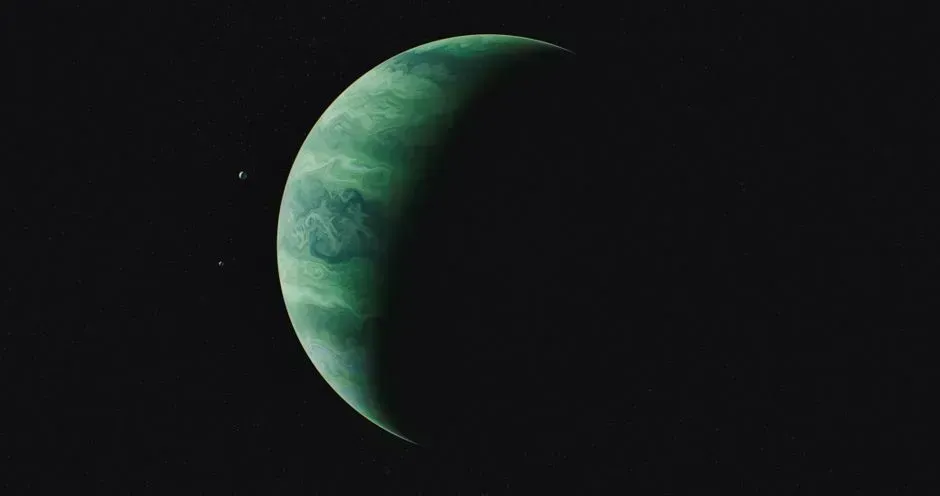
CD-35 2722 doesn’t give us the Earth-like moon many people imagined, but it’s a real milestone. A Jupiter-mass companion circling a brown dwarf, found through tiny wobbles in light, shows that exomoon hunting can pay off. Whether it earns the title “first exomoon” depends on follow-up data and on how astronomers choose to define the word.
Either way, the search has moved from rumors to a credible detection. The universe seems happy to ignore our neat categories.

- Sunbeams Piercing Low Clouds – The Particle Scattering Behind Crepuscular Rays - November 18, 2026
- If You Secretly Do These 10 Things Before Winter, You’re Probably More Prepared Than Most - November 18, 2026
- Cold Spots in Your Living Room – How Micro-Drafts Follow Window Pressure - November 18, 2026
