

A slow-moving, early-season nor’easter has battered the East Coast for several days. It brought heavy winds and flooding rain that turned some roads into rivers, knocked out power to 200,000 homes and businesses, and canceled hundreds of flights. Details are still changing as cleanup begins, so the figures below reflect reports available as of September 29, 2026.
Here’s a look at what the storm has done so far, from coastal flooding to blackouts to travel headaches.
A Storm That Refused to Leave
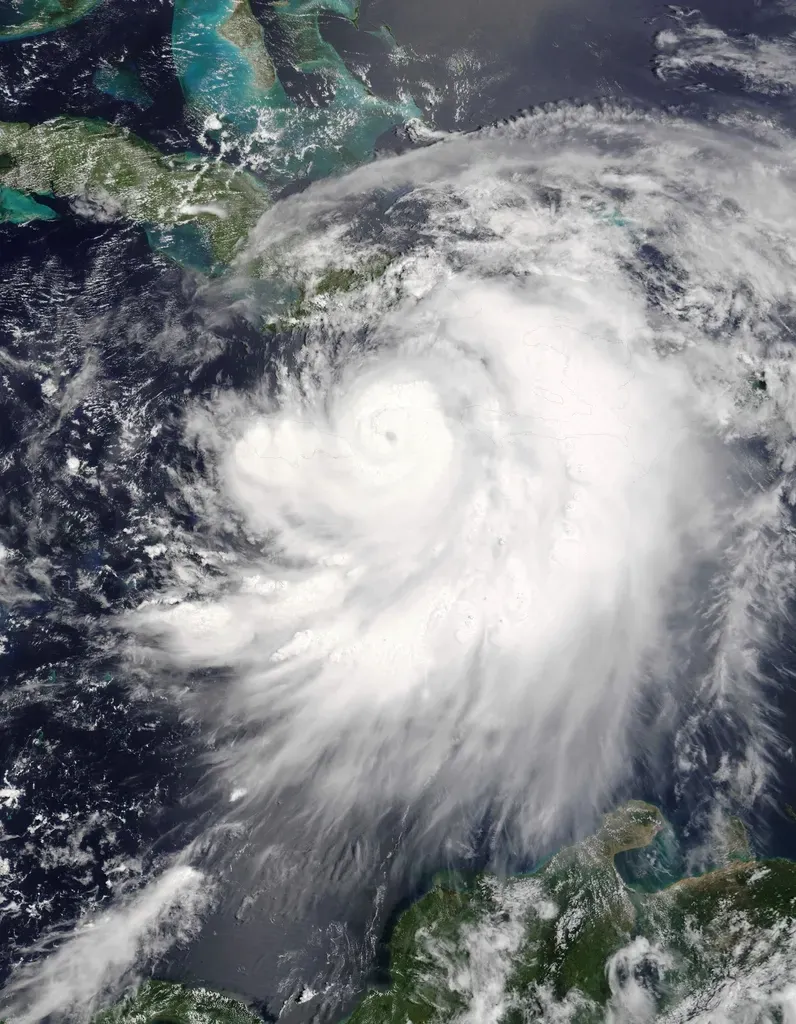
By midday on Sept. 25, the large storm system was already causing major coastal flooding and beach erosion from North Carolina to New Jersey. It didn’t move on quickly. By Monday it was still lingering over the Northeast after submerging communities from North Carolina to New England.
Timing made things worse. The storm arrived during the highest king tides of the month for the East Coast. Forecasters expected it to weaken overnight after days of wind, rain, flooding and beach erosion.
Flooding in New Jersey and New York
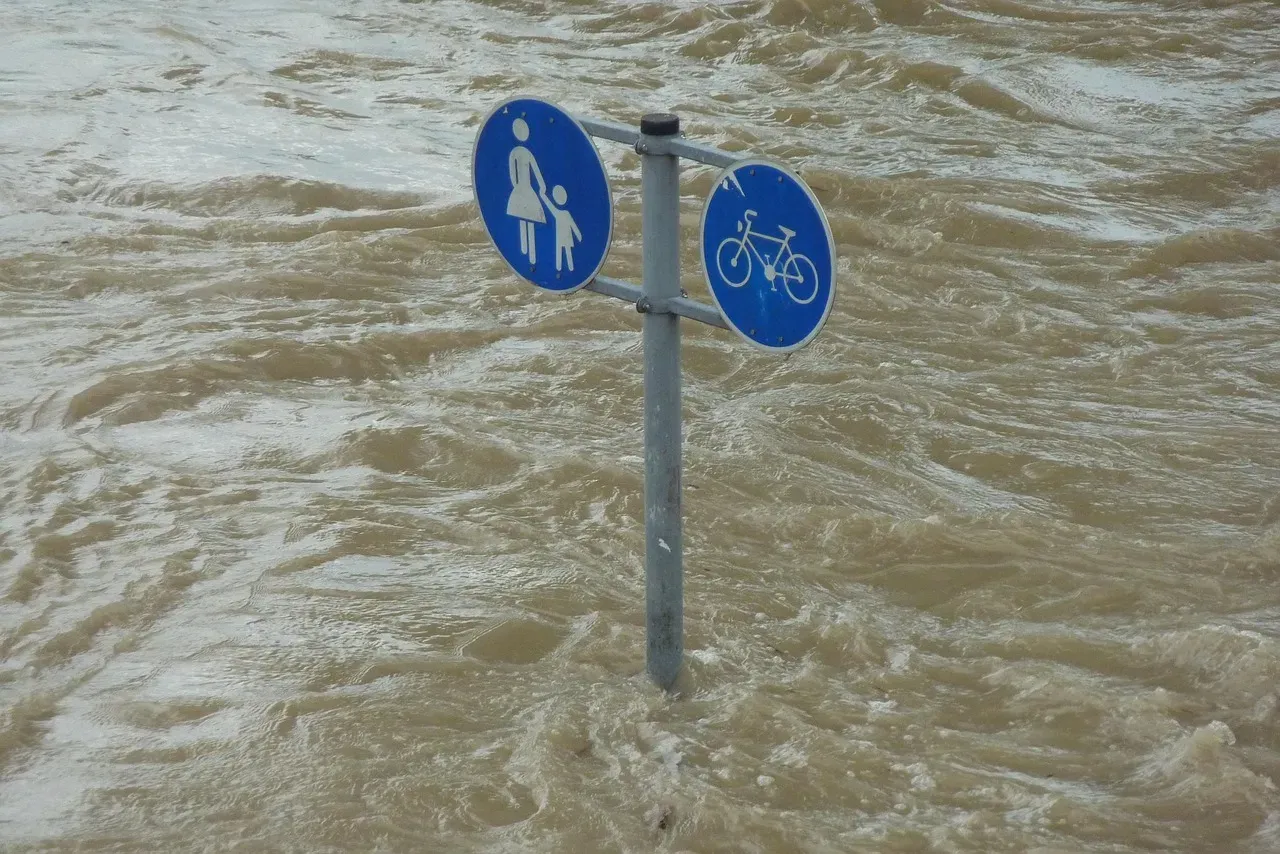
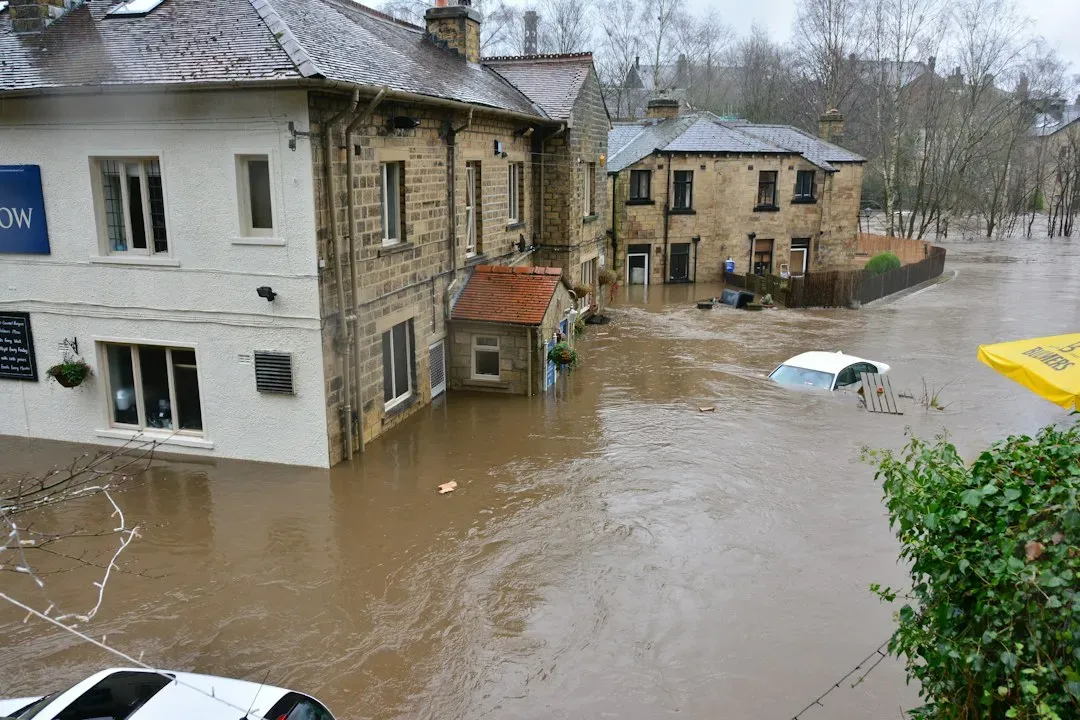
New Jersey took some of the worst of it. Tidal surges swamped low-lying neighborhoods across the state. Some parts of New Jersey saw more than 4 inches of rain since Friday. Rain and a surging ocean combined to produce flooding.
Rescues were needed. Crews pulled people from waist-high floodwaters in New Jersey and New York, both of which were under states of emergency. Nine adults and one dog were rescued from flooded motels in New Jersey on Saturday morning.
Beach Erosion Along the Shore
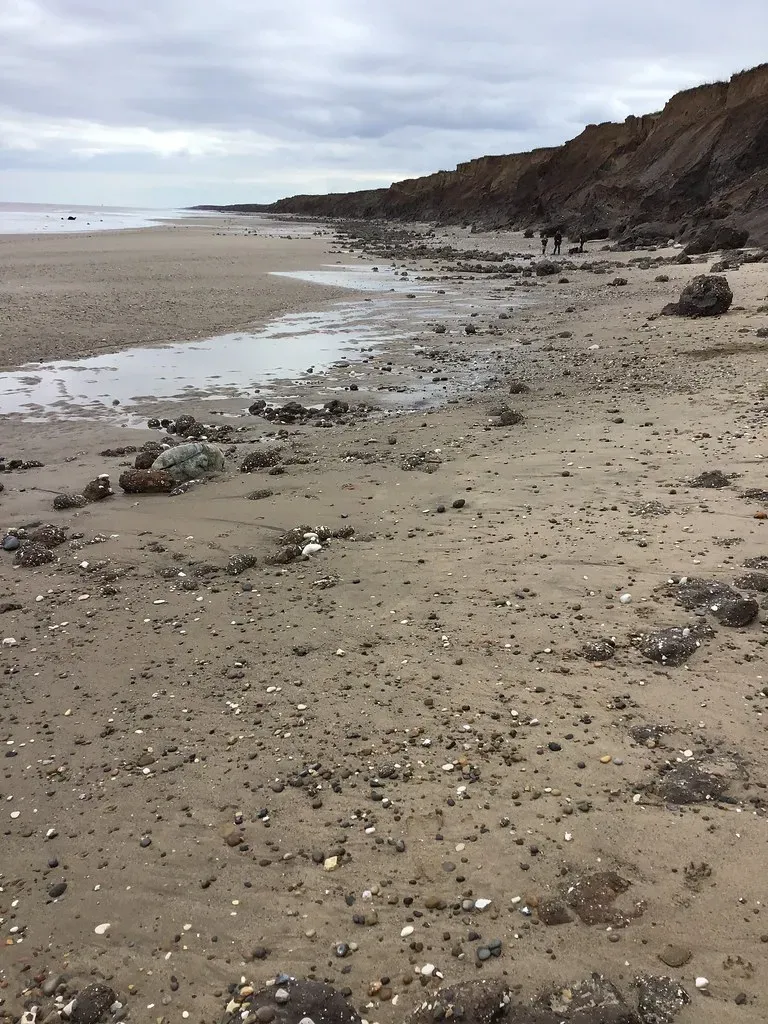
The ocean also reshaped the coastline. The storm destroyed ramps and uncovered rocks that had been buried under sand. Atlantic City officials said it caused the worst beach erosion there since Hurricane Sandy in 2012.
Homes have been at risk too. Weather.com highlighted a report of storm surge eating away sand beneath a house. Engineers and local officials will need time to assess how much of the damage is lasting.
Wind Damage and Power Outages
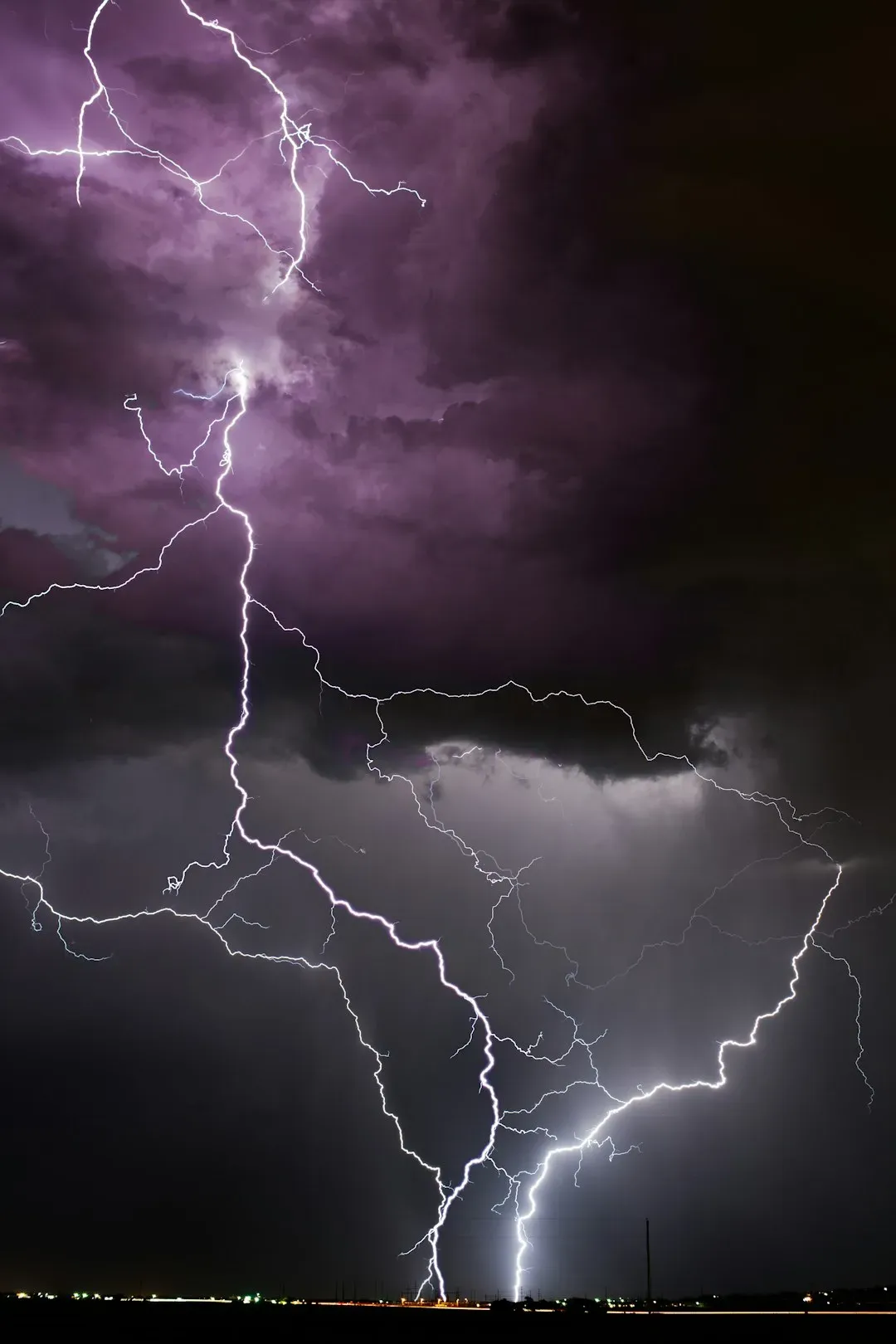
Outage numbers peaked on Sunday. More than 18,000 customers were still without power early Monday morning, down from 130,000 on Sunday, according to PowerOutage.us. The worst outages were in New York state, including Long Island, closest to the storm’s center.
Wind was a big factor. Gusts reached 81 mph at Montauk Point on the eastern end of Long Island. Fierce gusts hit fully leaved trees and saturated soils, and utility grids across New Jersey, New York, Connecticut and Pennsylvania suffered widespread damage.
The Outer Banks Cut Off

Farther south, North Carolina’s Outer Banks faced their own crisis. Officials declared a state of emergency on the island Saturday after Highway 12 was lost, leaving no access to or from it. The state activated an emergency ferry service linking the mainland to Hatteras Island, where residents were stuck.
Getting off the island isn’t quick. A one-way trip off the island takes about two hours, according to Dare County. With limited ferry space, officials warned travelers to expect long lines and significant delays.
Travel Disruptions in the Air

Airports felt the storm heavily. More than 3,000 flight delays and over 400 cancellations were recorded nationwide on one day of the storm. LaGuardia, Newark and Boston Logan were the main epicenters of the gridlock.
Boston had a rough Sunday. Logan saw delays of more than four hours Sunday morning, according to FlightAware. More than 250 flights had been canceled there by late Sunday morning, according to the Massachusetts Port Authority.
A Deadly Toll
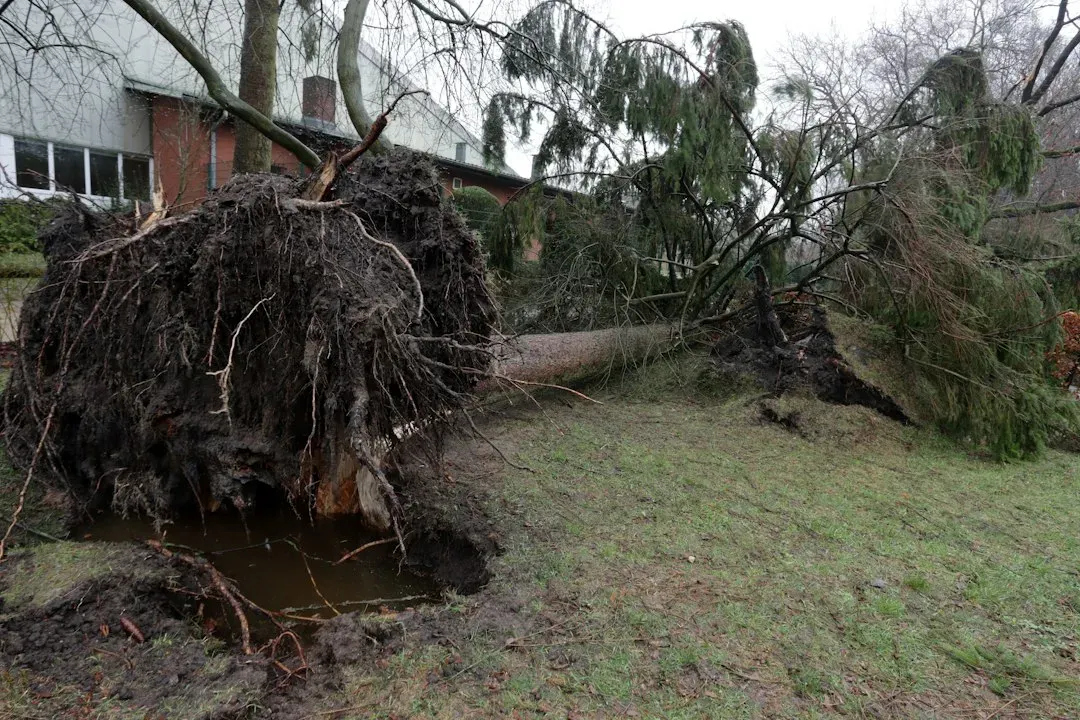
At least one death has been reported. A New York City Housing Authority worker was killed Saturday when a tree fell. Some outlets have described the storm as deadly, but the reports I found confirm only this one fatality.
Comparisons to past storms have come up. The storm’s persistence drew comparisons to Superstorm Sandy, which caused more than $60 billion in damage across the eastern United States in 2012. No damage estimate for this storm has been published yet, so the comparison is about staying power, not proven cost.
Cleanup and What Comes Next
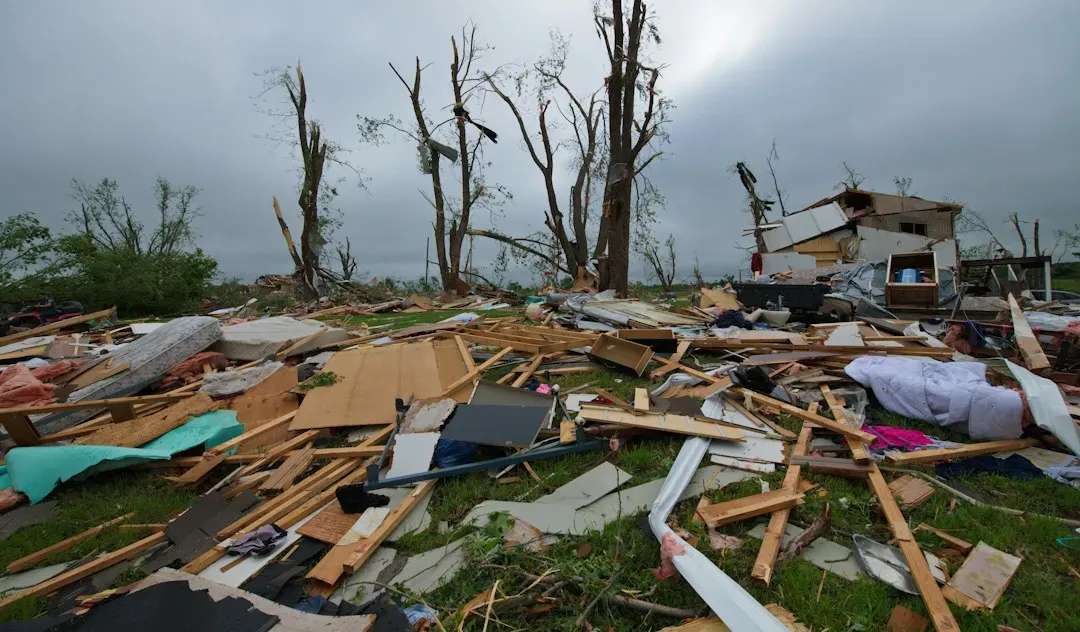
Crews are removing debris, restoring electricity and assessing damage, and the storm’s impacts aren’t over yet. Some rain and wind are expected to continue, along with minor coastal flooding during high tides.
Residents in flood-prone areas should watch local National Weather Service advisories and utility restoration updates. Roads and beaches may stay compromised even after the rain stops. The full picture of damage and cost will take days or weeks to come into focus.
Conclusion
This nor’easter’s real story is its duration. Days of wind, rain and repeated high tides flooded neighborhoods, stripped beaches, cut power and disrupted travel from North Carolina to New England. The toll is still being counted, and recovery will likely take longer than the storm did.

- Nor’easter wreaks havoc: the latest on damage, flooding and power outages - September 29, 2026
- The 7 Stages of How a Black Hole Forms - September 29, 2026
- 6 Facts About Snowflakes You Probably Didn’t Know - September 28, 2026
