

- Car Mirrors Fogging on Clear Mornings – The Physics of Radiative Cooling - November 16, 2026
- The woolly mammoth’s return is taking longer than scientists expected - November 16, 2026
- Why Distant Hills Look Fuzzy Before Storms – Humidity Scattering Light - November 16, 2026
On the evening of October 6, 2026, thousands of home batteries across California started discharging at once. Sunrun and Tesla delivered 745 megawatts of peak power to the state’s grid during a prolonged heat wave, which set a new U.S. record for a residential distributed power plant.
The number is large, but the way it happened matters just as much. Several records fell in a few weeks, and each one shows how household batteries are being used as a grid resource. Here’s what the record involved and what it does and doesn’t tell us.
The Record Number and the Night It Happened
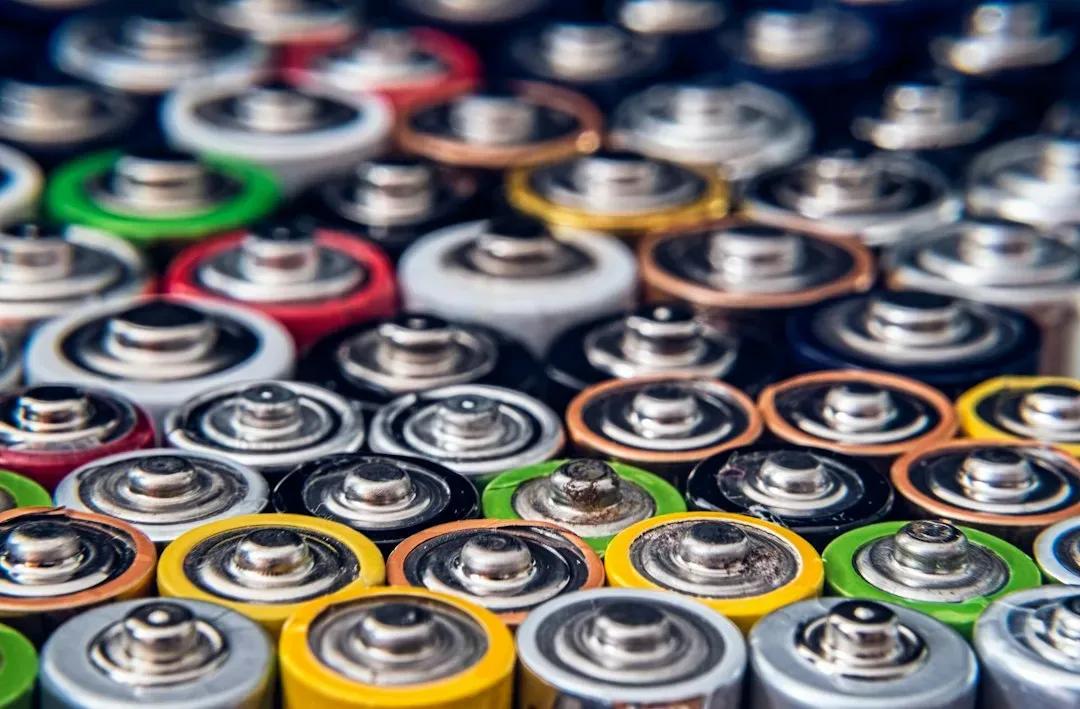
Home batteries operated by Sunrun with Tesla discharged a record 745 megawatts to California’s grid on October 6. That topped the 669 megawatts set the evening before. Sunrun announced the results on October 14, 2026.
Sunrun said the output was enough to power all households in San Francisco and San Jose combined during peak hours. That comparison comes from the company, so treat it as an illustration of scale rather than a measured outcome.
Why the Batteries Were Called On
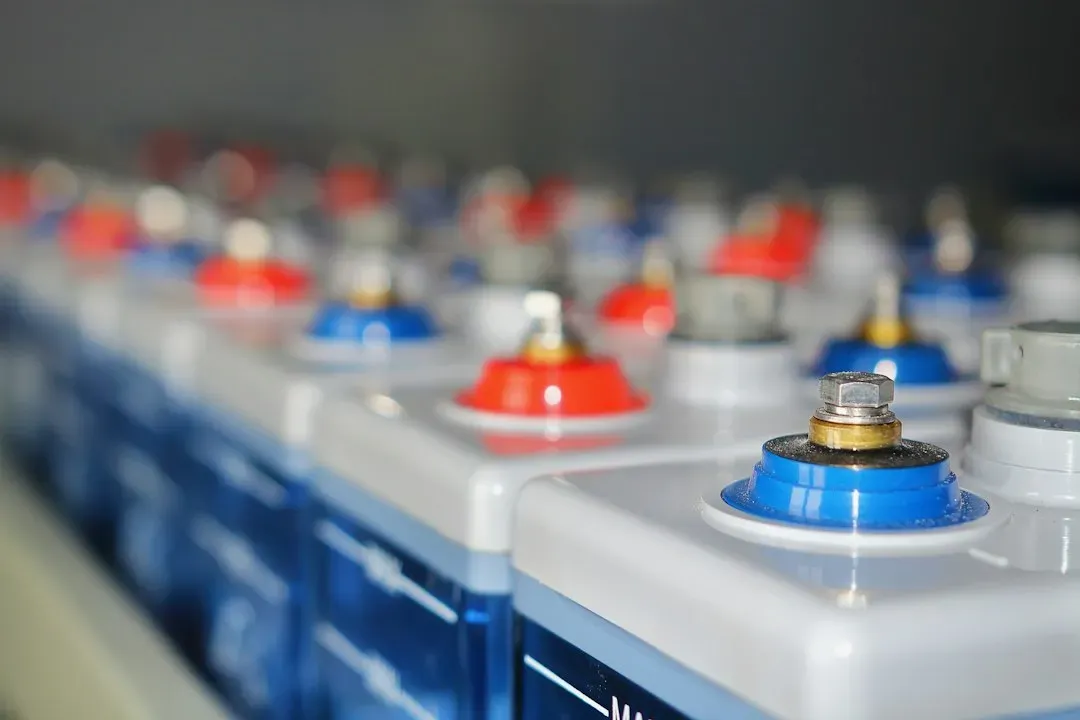
The California Energy Commission and utilities called the dispatches during evening peaks of a heat wave, when day-ahead power prices topped $200 per megawatt-hour. Evenings are the hard part of the day. Solar output fades while air conditioners are still running.
On both evenings, the dispatches began after the California ISO’s day-ahead locational marginal price passed that $200 threshold. In other words, the batteries respond to price signals and grid stress, not a fixed daily schedule.
A Quick History of the Records
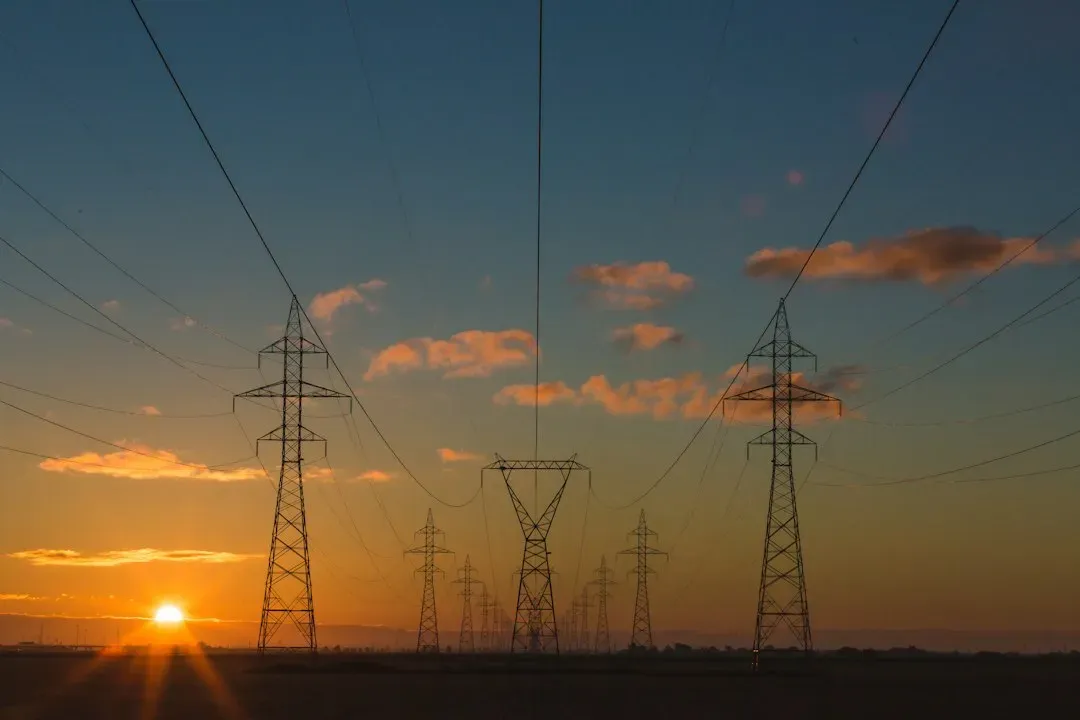
The October numbers are the latest in a short run of records. The sequence runs from 539 megawatts on July 29, 2025, to 580 on September 9, 2026, then 669 on October 5 and 745 on October 6.
The jump from July 2025 to October 2026 is about 200 megawatts. The October 6 result was the third grid dispatch record since early September, according to coverage of the announcement.
The September 9 Milestone
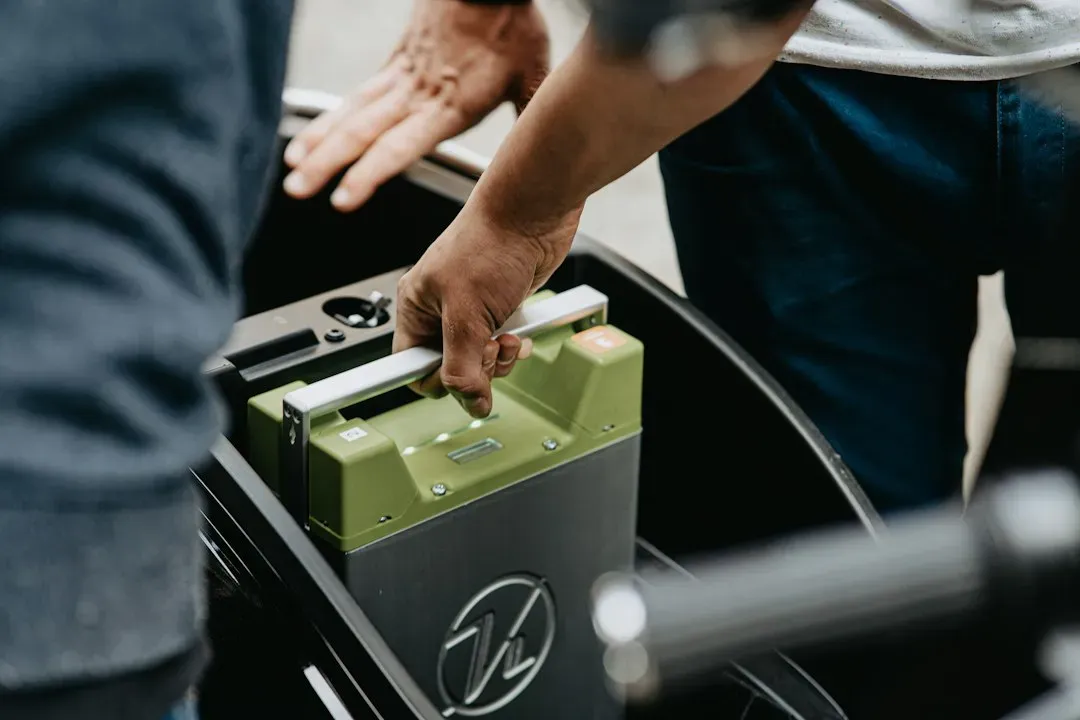
The 580 megawatt event happened during a heat wave on September 9. Sunrun and Tesla announced it on September 21, twelve days later.
More than 140,000 batteries took part, including 110,000 Tesla Powerwalls and over 30,000 batteries from other manufacturers managed by Sunrun. The dispatch ran for a three-hour evening window while air conditioning load strained the grid.
Who Contributed What
This is the part Sunrun’s release leaves vague. Sunrun’s announcement gave no split between the two companies for the 745 megawatt figure. One report listed a Tesla Powerwall figure of more than 600 megawatts, though that is secondary reporting and not part of Sunrun’s release.
For the September event, there is a clearer data point. Reports said 55 percent of the Powerwalls involved were operated by Sunrun. Sunrun also says it has more than 120,000 residential batteries enrolled to support California’s grid.
The Programs Behind the Dispatch
Two state programs sit behind these calls. The October 5 event was the first time this year that the Demand Side Grid Support program and the Emergency Load Reduction Program called for concurrent dispatches across all participating investor-owned utility territories.
That coordination suggests regulators and utilities are getting comfortable calling on home batteries at scale. Enrolled customers allow their stored energy to be used during these events, though Sunrun’s release doesn’t state a customer payment rate.
What the Numbers Leave Out
The 745 megawatts is a peak figure for a single evening. Sunrun’s release gives no megawatt-hours, no event length and no customer payment rate. Without those, it’s hard to compare the batteries with a conventional plant that can run for many hours.
Peak power and total energy are different things. A battery fleet can deliver a big burst for a few hours, and that’s exactly the window California’s grid needs help with in the evening.
The Earlier Evidence From 2025
The idea was tested before this year. In a scheduled test on July 29, 2025, several aggregators discharged home batteries between 7 and 9 p.m. in coordination with state agencies and local utilities.
The Brattle Group found that output from more than 100,000 residential batteries produced a visible reduction in net load across the statewide grid. Sunrun’s batteries supplied more than two thirds of the energy dispatched during that event.
What Could Come Next
Sunrun has pointed to potential savings for Californians. One report suggests such programs could save the state’s residents up to $206 million by 2028, and larger dispatch events are possible.
There’s also new local activity. A Google funded PG&E project focused on San Jose was expected to begin dispatching in October. Coverage also noted a Texas virtual power plant effort with NRG that targets one gigawatt.
Where It Stands Now
Sunrun’s latest announcement puts the residential battery record at 745 megawatts, set on October 6, 2026. The figure follows 669 megawatts the night before and 580 megawatts on September 9.
The records came during heat waves, at the request of state officials and utilities, after prices passed $200 per megawatt-hour. Details like event length, energy delivered and the split between companies were not provided in the company’s release.
