


- The Planet Where It Rains Liquid Glass – 7 Alien Worlds Defying Known Physics - November 14, 2026
- Stars Consuming Entire Worlds – 6 Planetary Systems Swallowing Their Own Worlds - November 14, 2026
- The Ground Liquefies Like Water – 6 Silent Fault Lines Geologists Watch Closely - November 14, 2026
On a normal morning in Naples, the biggest worry is traffic. Yet a few kilometres west of the city centre, the ground has been quietly lifting for years, and residents have learned to read the news for numbers that sound technical but feel personal. Magnitude, depth, uplift in centimetres.
Campi Flegrei, or the Phlegraean Fields, isn’t a single cone you can point at on a postcard. It’s a wide landscape of craters, lakes, thermal vents and neighbourhoods, and it sits under people’s homes. Here is how a modern city carries on above it.
A caldera hiding in plain sight
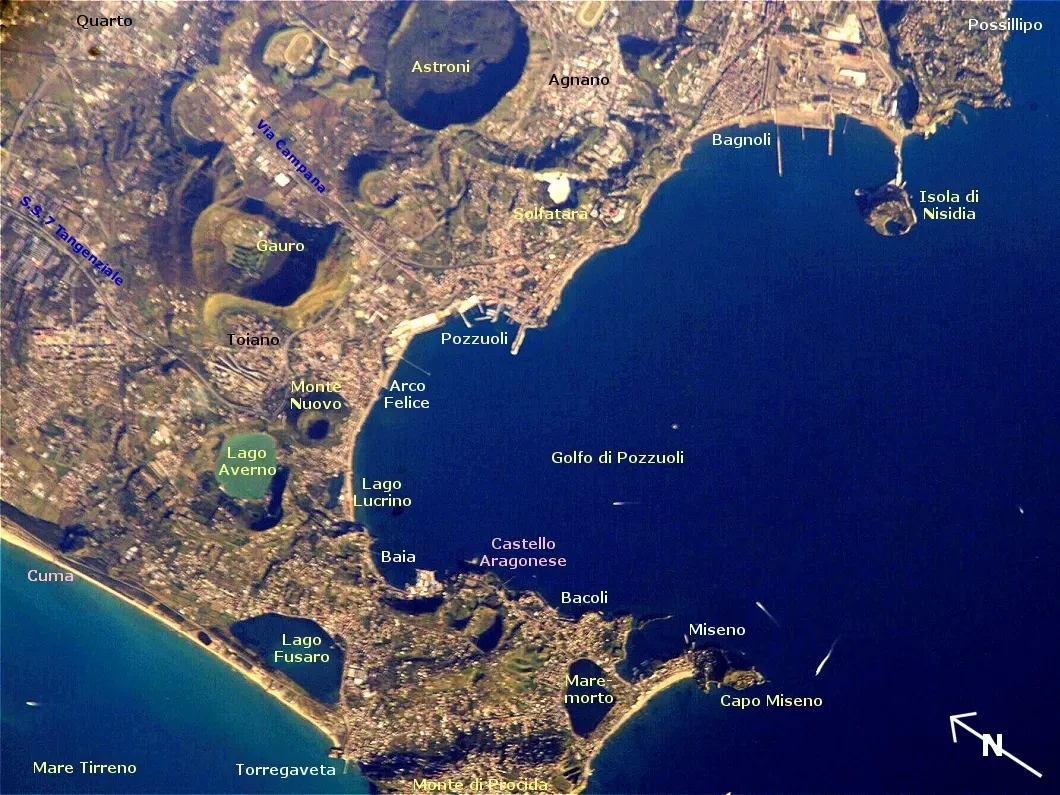
Campi Flegrei is a vast supervolcanic caldera lying beneath and around the western outskirts of Naples, centred on the town of Pozzuoli. Many visitors never realise they’re standing in it. The area is dotted with beaches, ancient Roman ruins and busy suburbs.
Population figures show why it draws so much attention. About 3 million people live in the wider Naples metropolitan area, while several hundred thousand residents live within or immediately adjacent to the caldera. That density is the reason scientists rank it among the most exposed volcanic settings on Earth.
What bradyseism actually means
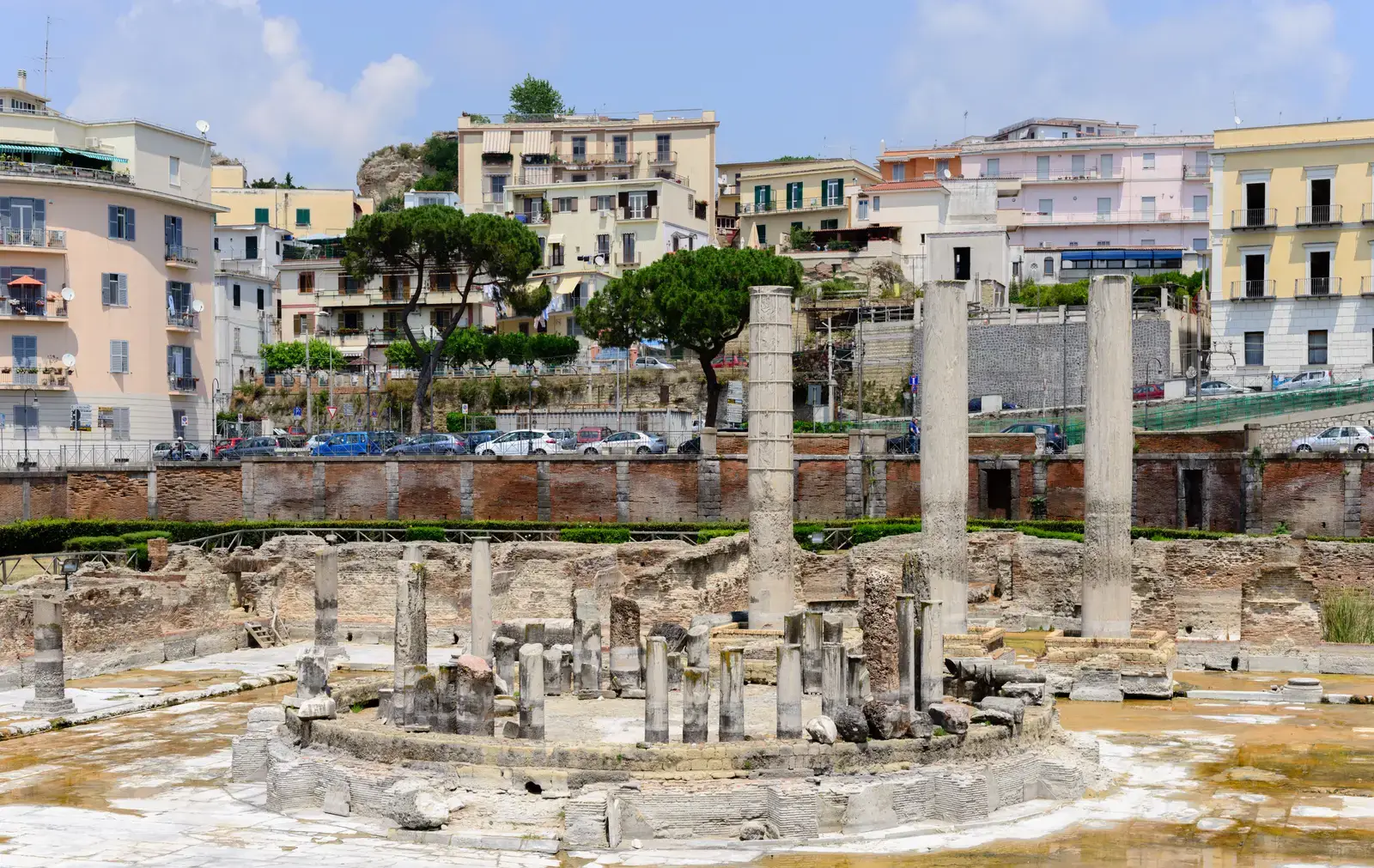
The local word is bradyseism. It refers to the slow uplift or subsidence of the ground caused by pressure from gases and fluids deep beneath the surface. The ground can rise or sink over years, and Pozzuoli’s harbour has shown it in a very visible way.
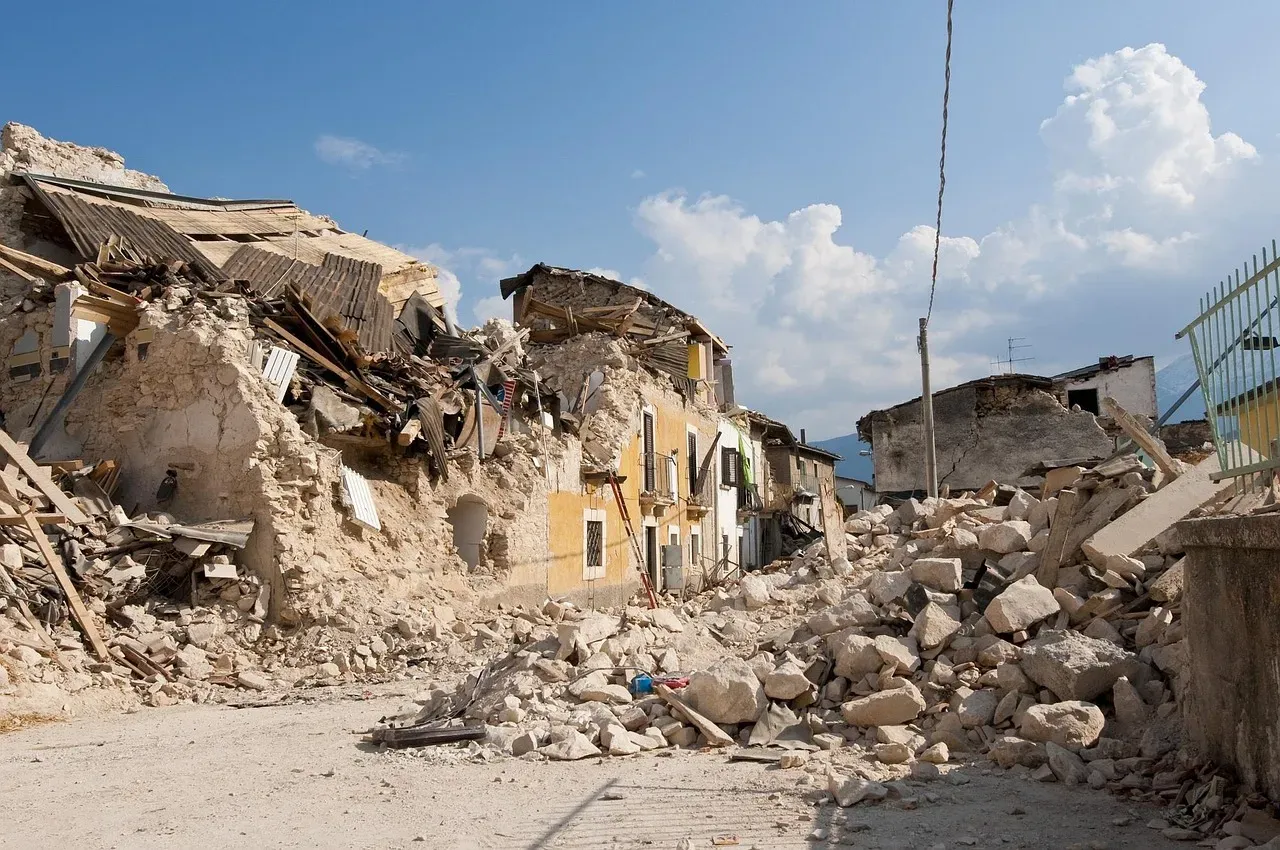
The uplift isn’t harmless. It creates stress within the rocks, which eventually releases energy in the form of earthquakes. That’s why swarms of small tremors tend to follow the rising ground.
The crisis of the 1980s still shapes memory
Older residents remember the last major episode well. During the 1970s and 1980s, similar crises caused major seismic activity and even forced evacuations in parts of Pozzuoli. The 1983 to 1984 period is the one most often cited as the reference point.
Scientists have long debated how to read such episodes. One research paper notes that city managers ordered a full scale evacuation back then, and that the explanation for the ground movement was contested at the time. That history still colours how people react to every new rise in activity.
The rising ground since 2005
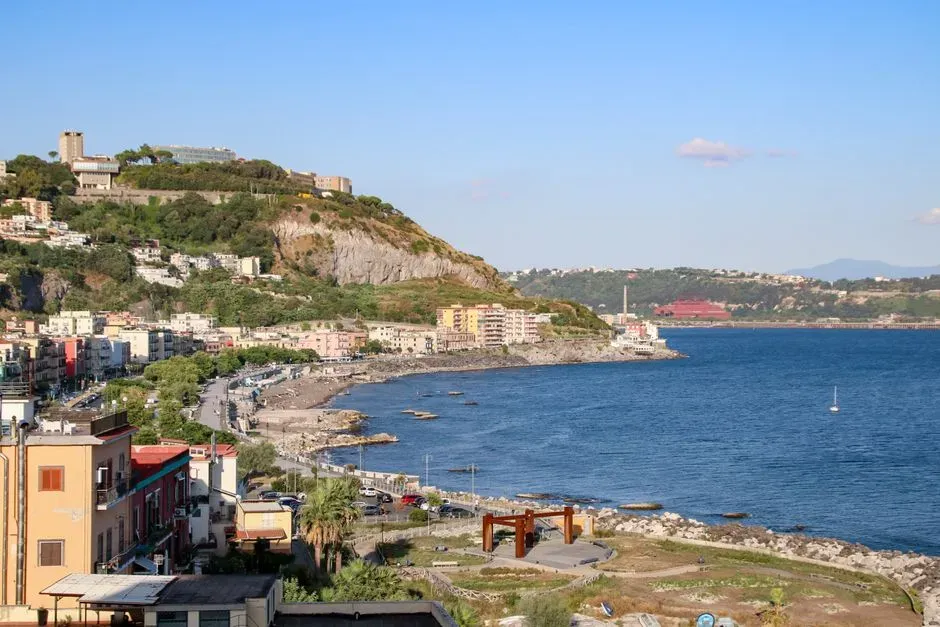
The current phase of uplift has been running for some twenty years. One summary of the monitoring data says that near Pozzuoli, the surface has lifted more than 140 cm since 2005. That’s more than a metre and a third of slow, steady lifting.
Alongside it, quakes have become stronger. Reporting notes that stronger ones have grown more common since 2023. For people living in the zone, that shift matters more than any single number.
A run of record tremors from 2025 to 2026
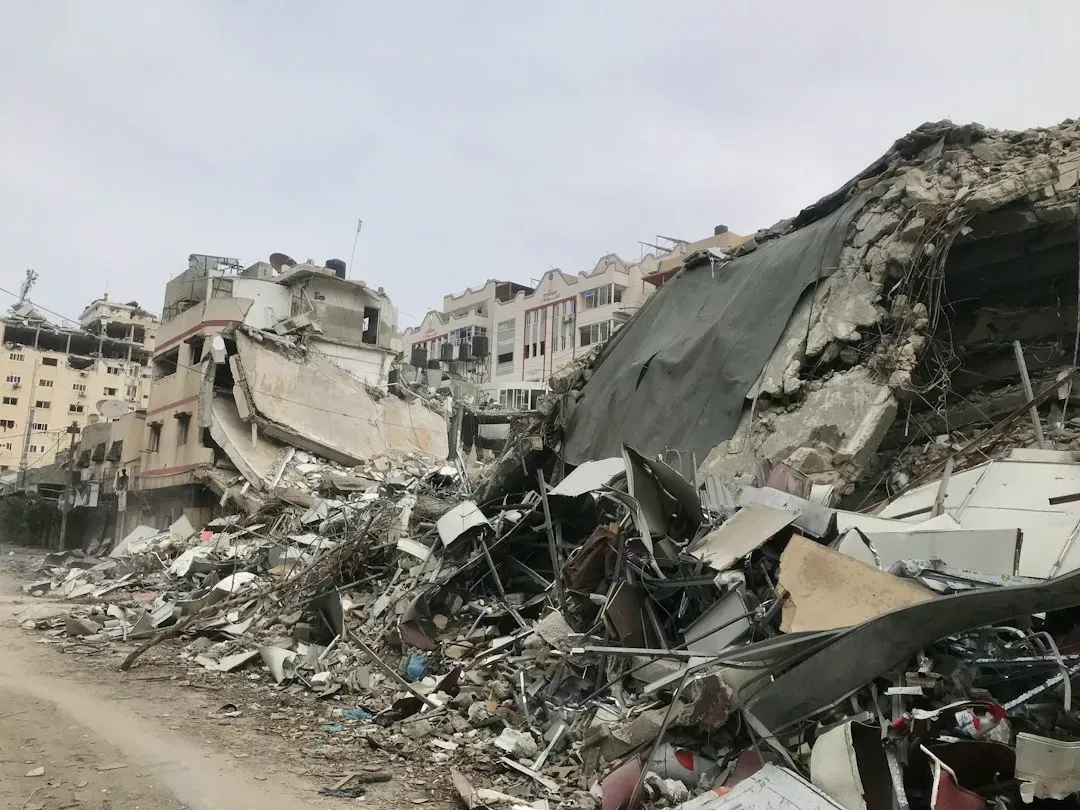
In 2025, a magnitude 4.6 quake on 30 June was described as the strongest in forty years. In May 2026, a 4.4 magnitude earthquake hit near Naples, waking residents, closing local schools, and triggering urgent safety checks. Rail services on the Cumana and Circumflegrea lines were also paused for inspections.
Then came 31 July 2026. A magnitude 4.7 quake was recorded at 7.46 pm, the strongest since bradyseism resumed in the Pozzuoli area and the strongest felt in Campania in forty years. Early reports of damage were limited, though checks continued, and casualty counts differed between outlets, ranging from 21 to 26 injured.
Who watches the volcano
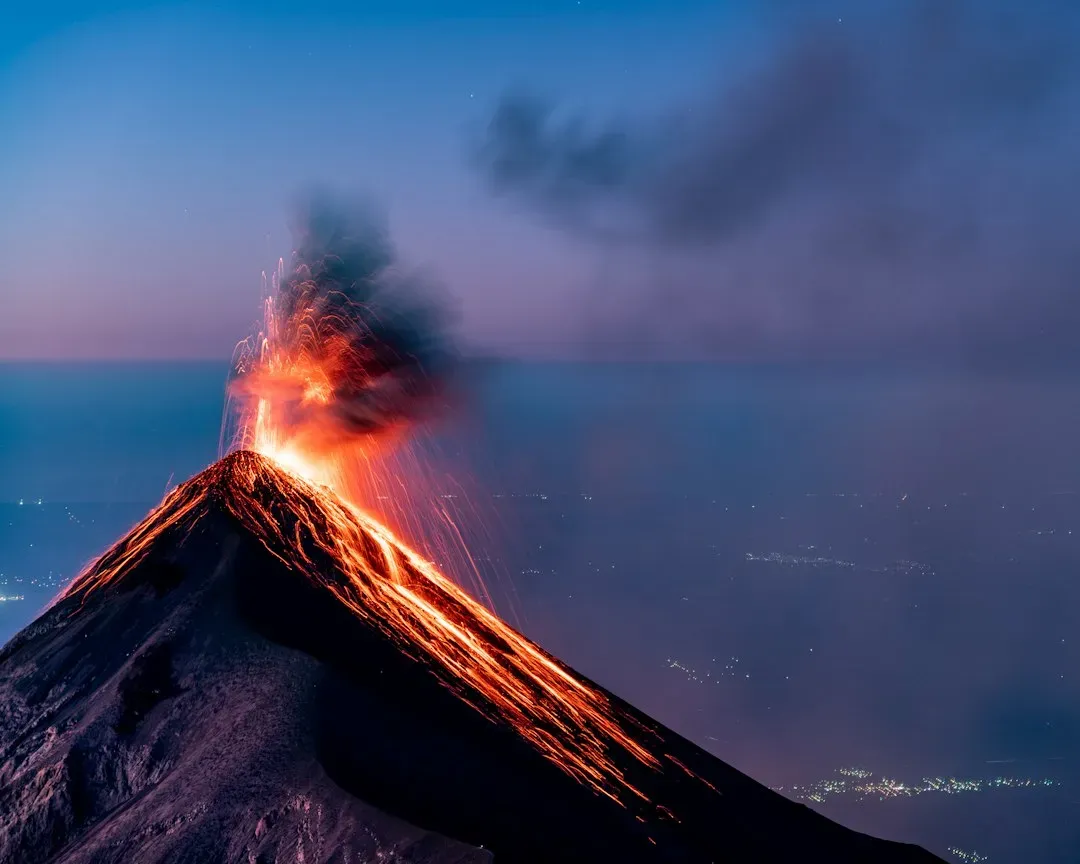
Few volcanoes are watched so closely. Experts describe the caldera as one of the world’s most closely monitored volcanic systems. Italy’s National Institute of Geophysics and Volcanology, known as INGV, tracks the quakes, ground movement and gas emissions.
After the July tremor, the national Civil Protection unit opened a crisis desk and stayed in contact with the Naples prefecture. Reporting also indicated that no change in the current yellow alert level had been announced. Yellow means attention and monitoring, not an expected eruption.
Daily life after a big shake
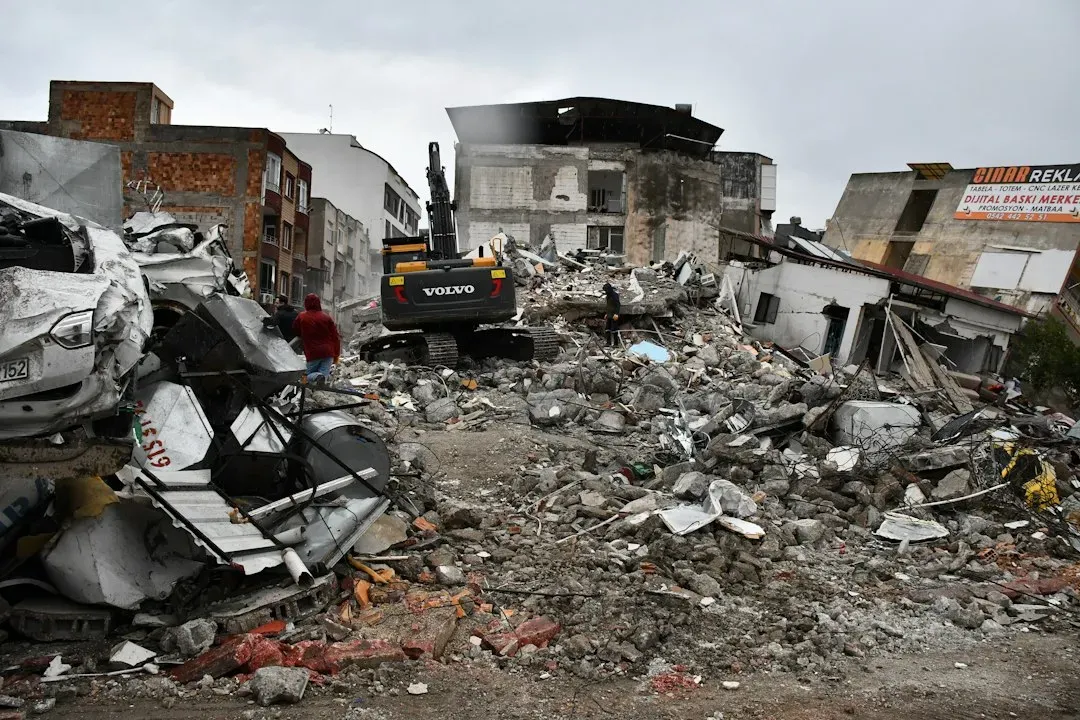
When a strong quake hits, the practical effects arrive fast. In May, officials in Naples ordered precautionary school closures in the Bagnoli-Fuorigrotta Red Zone while inspections were carried out. Trains stop until engineers check the tracks and structures.
After the July event, dozens of aftershocks continued through the night, and many families slept in their cars or in emergency gathering areas. The port of Pozzuoli also closed for a time, which interrupted ferries to Ischia and Procida during the busy summer season.
Living with a long, uncertain unrest
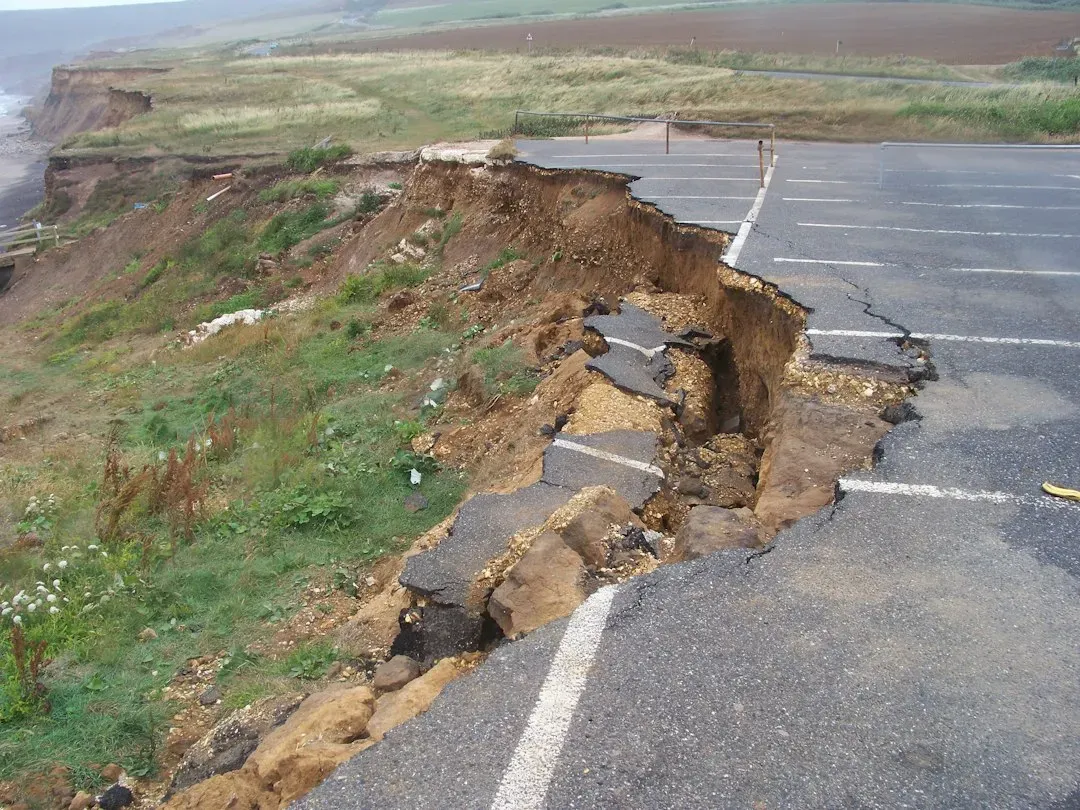
The hardest part may be the uncertainty. Reports say that about 23,000 earthquakes were recorded during the current crisis through 2024, and the pace hasn’t clearly settled. Unrest can last years, and it doesn’t always lead to an eruption.
One commentary points out that today the situation appears even more delicate because the area is far more urbanized than it was decades ago. Buildings, evacuation routes and public trust matter as much as the science. That’s why inspections and drills have become part of ordinary Neapolitan routine.
What officials and scientists say now
The official position is measured. Reports after the July quake say the government described it as still fitting the pattern of volcano tectonic activity linked to the rising ground. In other words, it was strong, but expected within the current process.
Monitoring continues, and the yellow alert remained in place as of the latest reports I found. Anyone following the situation should check INGV and Civil Protection updates, since magnitudes, damage tallies and alert levels can change quickly.
