

Vincent van Gogh’s “The Starry Night” has long looked like pure imagination, with its swirling blues and glowing orbs. A new study suggests the sky may have had a real model. The study, published in the journal Scientific Reports, says the skyscape resembles the celestial arrangement in the sky in the early hours of July 22, 1889.
The claim comes with caveats, and the researchers acknowledge them. Here is what the team did, what it found, and where the evidence stops.
A Painting Long Seen as Imagination
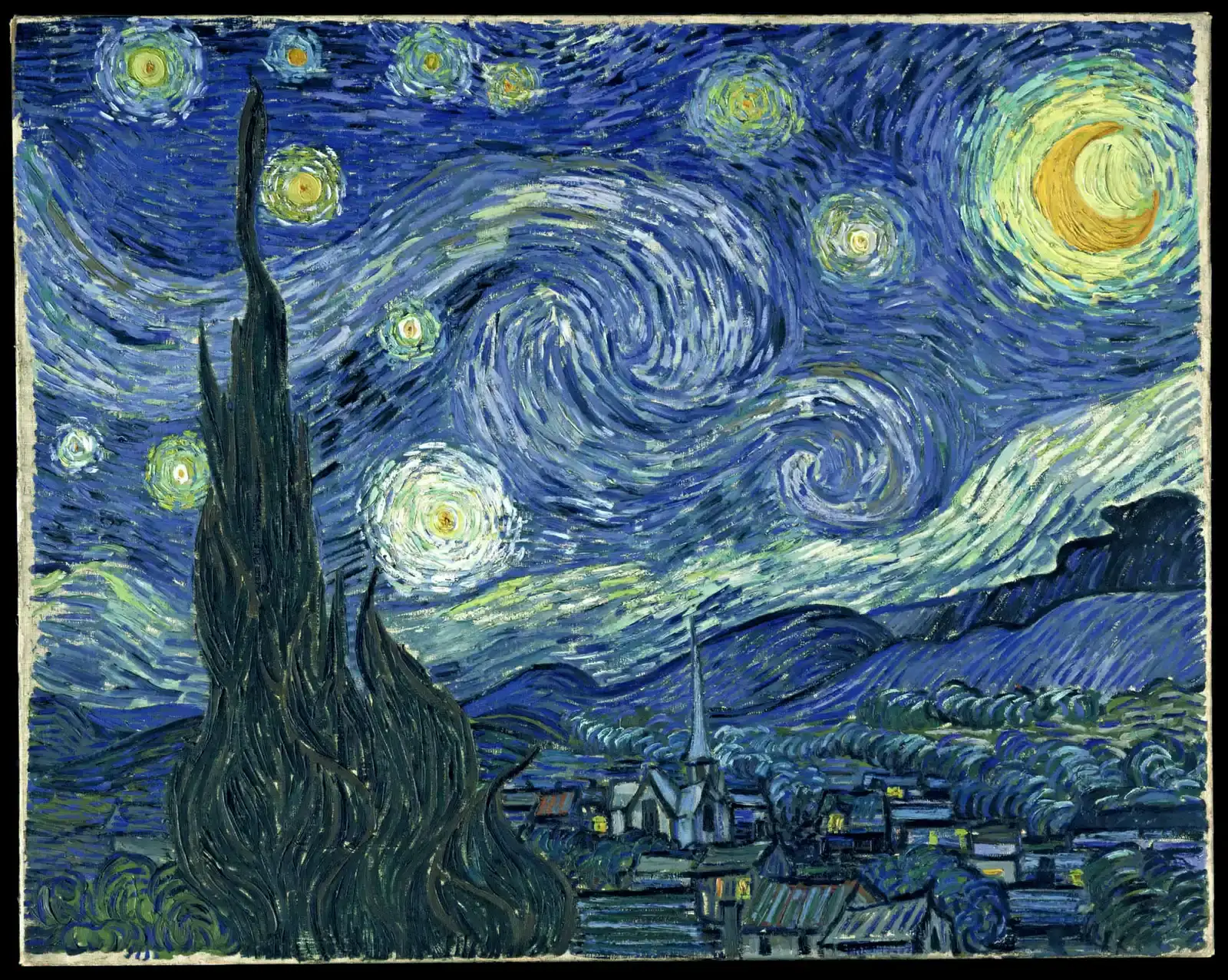
For more than a century, the painting was believed to be the result of imagination, earlier drawings and memories of scenes outside his barred asylum bedroom window in France. Art historians have also read it through religious symbolism and Van Gogh’s emotional turmoil. Interpretations have ranged from religious symbolism to representations of his emotional state.
Not everyone saw it as pure fantasy, though. The painting was made by day in his ground-floor studio, yet it would be inaccurate to call it painted from memory. The new work builds on that middle ground between observation and invention.
Who Did the Research
The researchers come from the South Korean space science company SLLAB and Kyung Hee University in Seoul. Their paper is titled “The actual sky of Van Gogh’s Starry Night: a multidisciplinary reconstruction.” Lead author Kim hopes the findings will open a conversation between astronomers and art historians.
The study went through peer review in a respected journal. Even so, it is one team’s reconstruction, and the work is best read as a proposal for others to test.
What Earlier Astronomers Had Already Noticed
Venus was the first real object to be identified. Researchers turned to Venus, mentioned in a letter from late May or early June 1889, and on that basis Venus alone among the painting’s celestial bodies came to be accepted as real. The bright “star” beside the cypress tree is usually read as the planet.
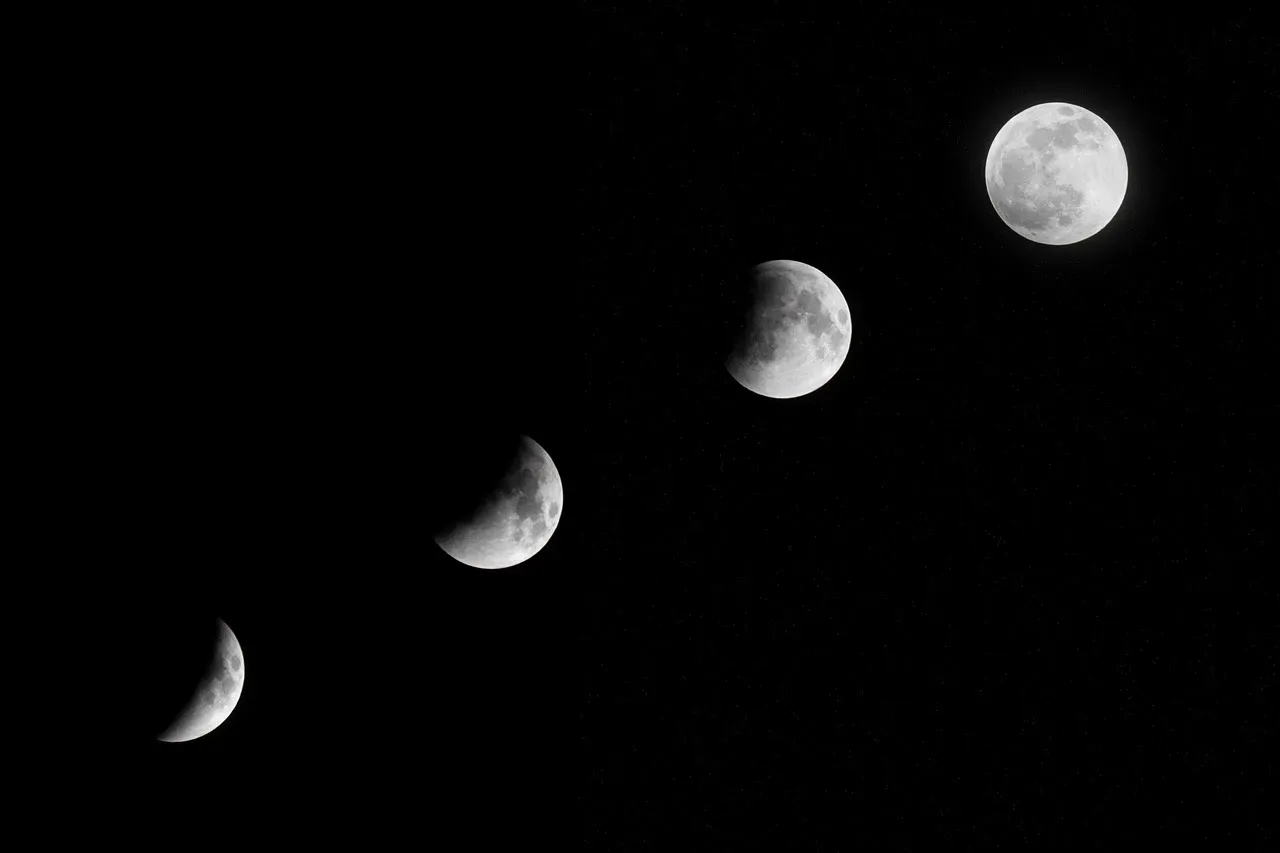
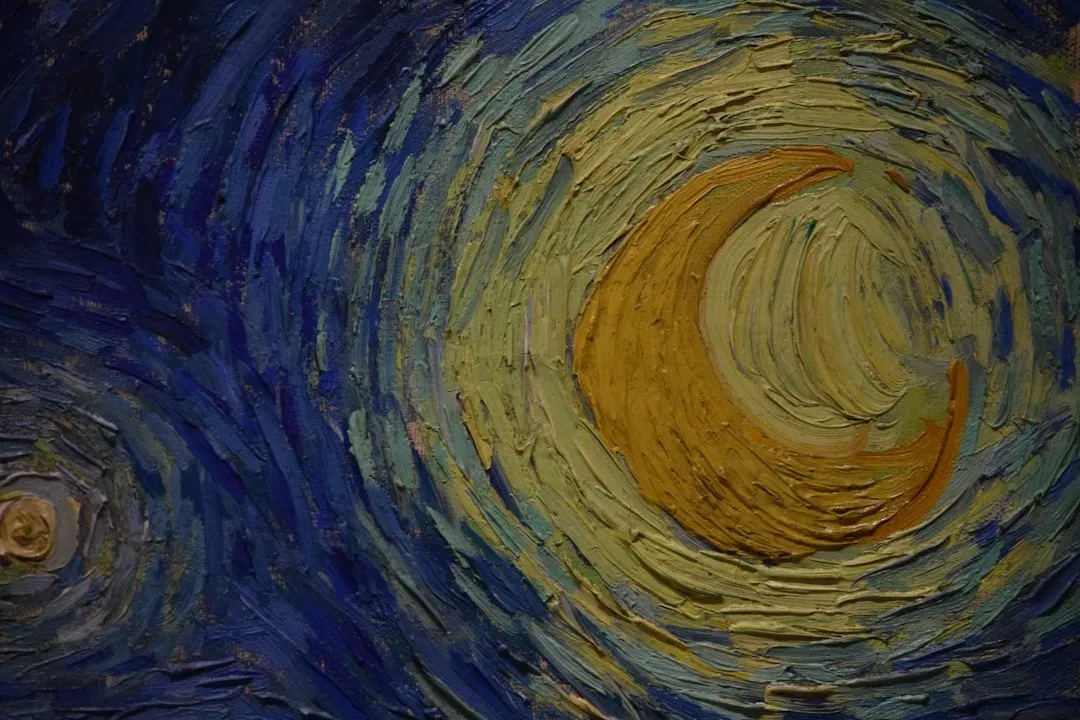
The moon was the sticking point. One account notes that the moon in the upper right corner is not astronomically correct. Many astronomers still favored a June 1889 sky, which is the date the new study challenges.
Finding Van Gogh’s Field of View
The team first had to work out what part of the sky he could see. They used earlier sketches of the terrain in the final painting to estimate his narrow field of view from the studio. A separate drawing considered to show the landscape helped them identify the hilly site he saw.
That framing matters. It put the moon and Venus in opposite corners, with the moon high at top right and Venus at bottom left. Both fit inside one realistic window onto the dawn sky.
The Procrustes Method and the Hyades
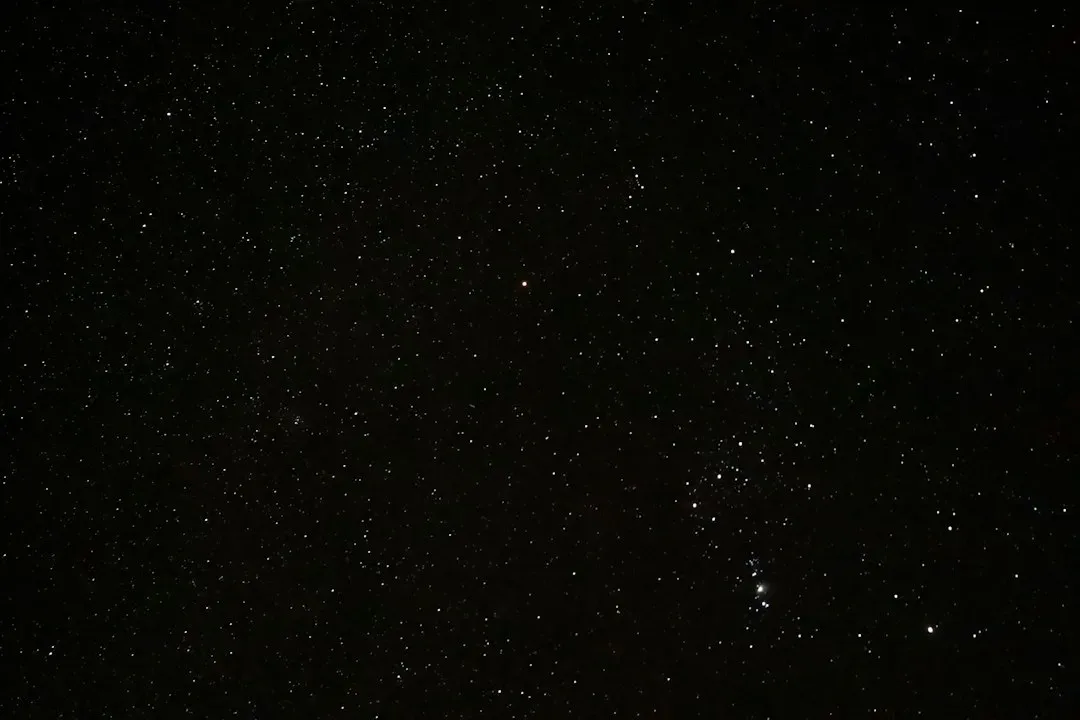
The painted stars were compared with real ones statistically. The Procrustes shape analysis removes differences in position, size and rotation, then compares only the shape of two sets of points, which let the team closely match five central stars with the Hyades cluster. The Hyades sit in Taurus.
The arrangement closely resembled the V-shape of the Hyades, with distortion comparable to that in Van Gogh’s other night paintings. That comparison is a useful check, because it shows the match isn’t unusually forced.
Testing the Method on Café Terrace at Night
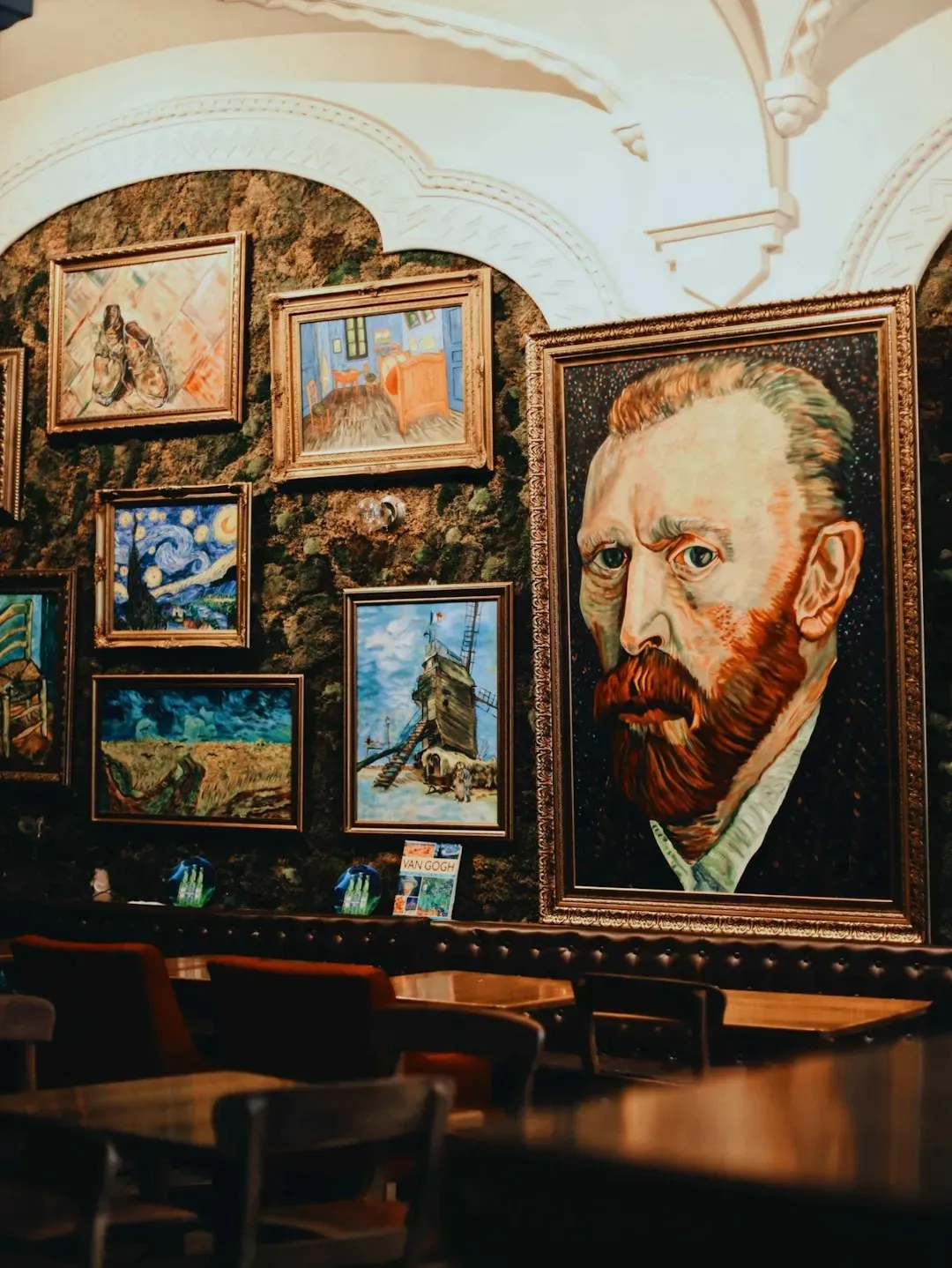
The researchers also tried the method on another painting. The same shape analysis mapped his 1888 “Café Terrace at Night” onto the Summer Triangle star pattern. If the technique worked there, it lends some support to its use on “The Starry Night.”
It doesn’t prove the case. It does suggest Van Gogh may have based more than one night scene on real star patterns, rather than scattering dots at random.
Why July 22, 1889?
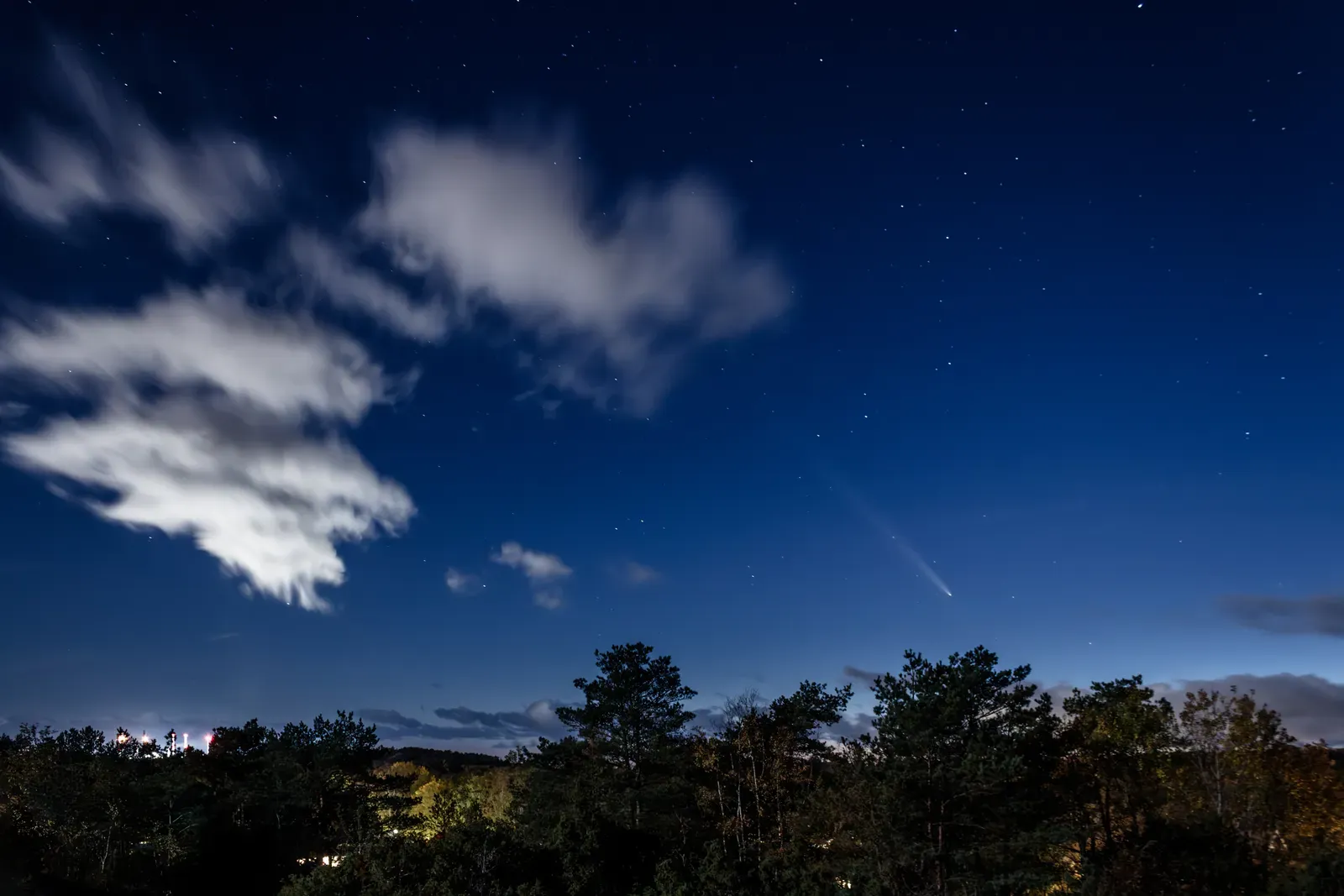
The team describes the painting as a synthesis of the unusual Moon, Venus and Hyades arrangement around 22 July 1889. That morning the three would have fit in the same view, closely resembling the painting. In June, by contrast, the moon appeared almost full, rather than the waning crescent Van Gogh depicted.
This leads to a revised timeline. One researcher said they suggest Van Gogh conceived the work in June and completed it after July 22. The paper accordingly calls for reconsidering the June dating.
Where the Evidence Is Thin
Outside experts urge caution. One commentator said Van Gogh was a Post-Impressionist master, not an optical camera, and that pinning down an exact date from painted celestial coordinates is fragile. The researchers themselves note that the work can’t determine when he began the painting or whether he later reworked the canvas.
They also assume the picture blends several nights. While July 22 best fits the central star arrangement, they assume observations over several nights went into the artwork. Van Gogh called his own work exaggerations, but the team argues that exaggeration presupposes a real object to amplify.
Conclusion
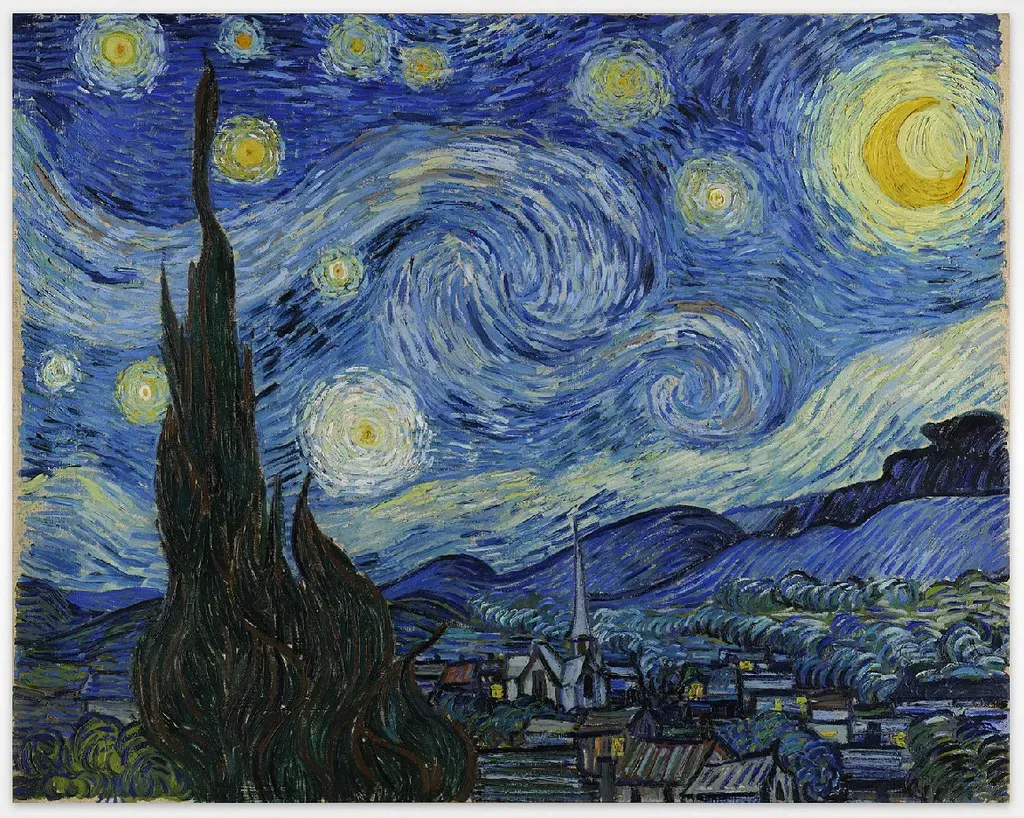
The evidence points to a painting that probably began with a real sky, which Van Gogh then bent into something expressive. The July 22 date is a strong candidate, but it’s a hypothesis and not settled fact. Whatever the final verdict, the idea that those whirling stars started as something Van Gogh actually saw makes the painting feel closer to the world than to a dream.

- The Shoreline Sucked Dry in Seconds – 5 Tsunami Signals Beachgoers Mistake for Low Tide - November 14, 2026
- 9 Dark-Sky Destinations Around the World Where the Stars Look Unreal - November 14, 2026
- The Fault Line That Never Slips – 7 Locked Seismic Zones Overdue for a Massive Release - November 14, 2026
