

A woman in rural Snohomish County, Washington, was seriously injured on a Sunday morning in late October. She was walking her leashed dog near Index when a bear knocked her down and began biting and clawing at her, according to the Washington Department of Fish and Wildlife. She survived and got away.
Wildlife officers later killed two bears in connection with the attack. This article covers what’s been reported, how officers responded, and what the case shows about bear behavior in the fall. Some details, such as the exact relationship between the bears, are still unconfirmed.
What Happened on Index-Galena Road
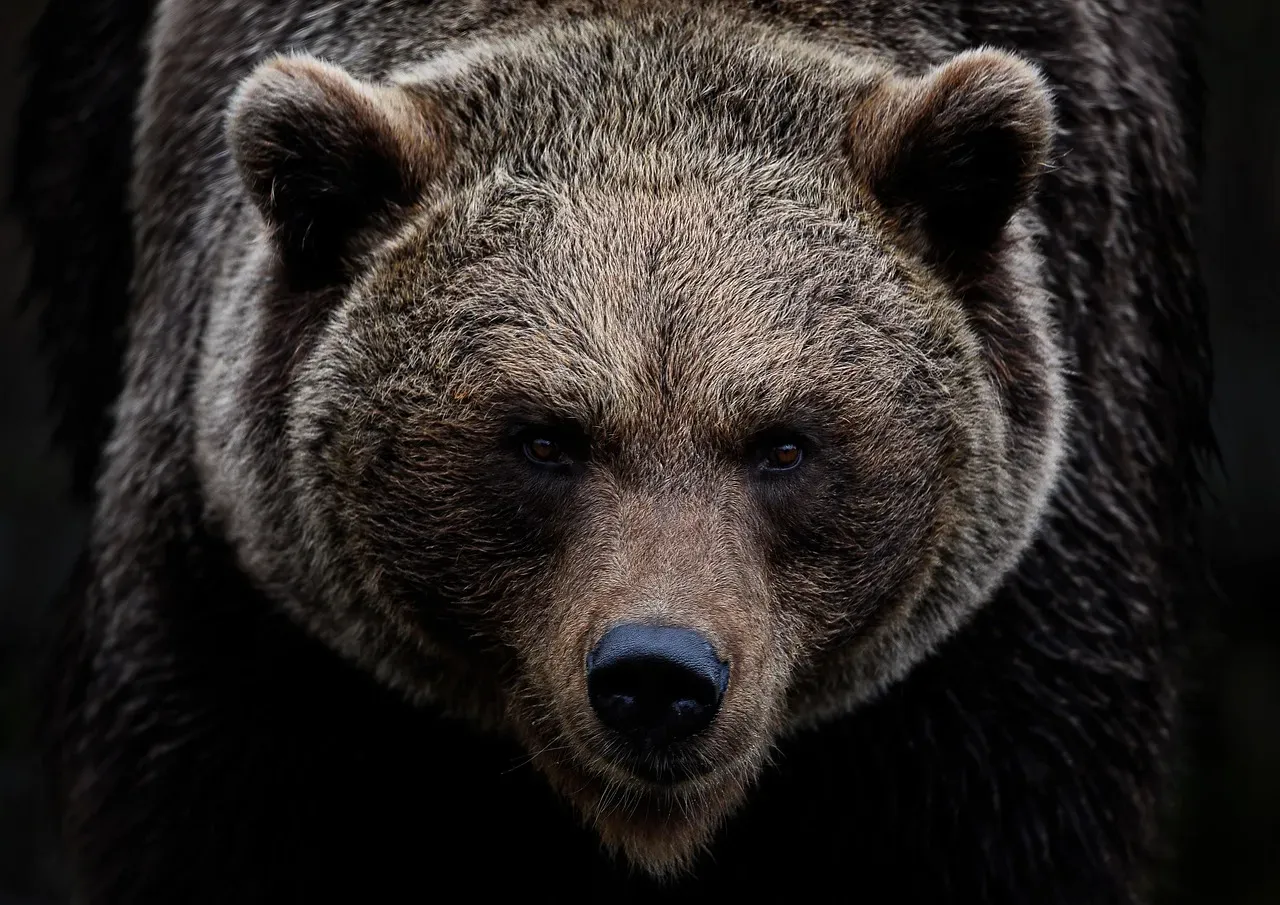
The incident happened just before 8 a.m. at a rural home along Index-Galena Road near U.S. Route 2. Officials said the attack took place on Oct. 25. The woman has not been publicly identified.
The bear came at her from behind. The department said the bear kept pursuing her, biting and clawing while she was on the ground. Reports describe it as a sudden attack in her own yard, not a chance meeting on a trail.
How the Woman Escaped
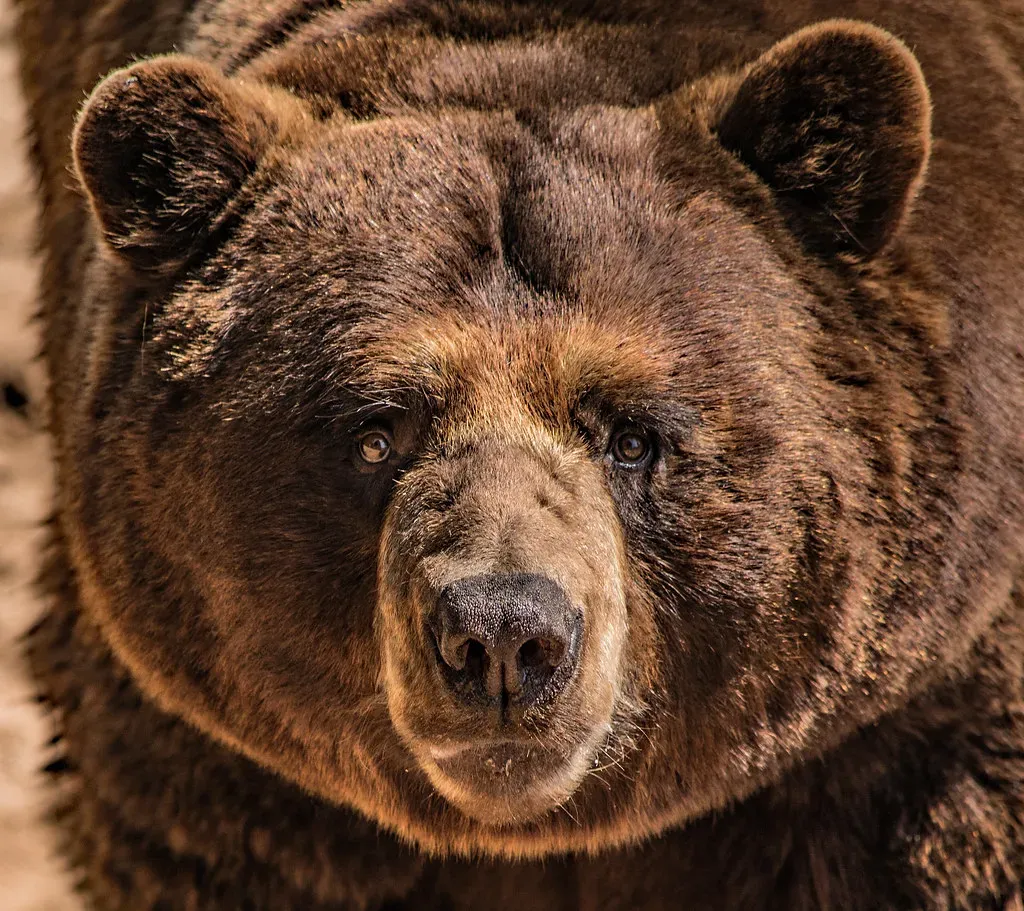
She managed to escape the bear, ran into her home and called authorities. One local report says she fought back and that her dog was unharmed. That report says she fled with the dog to her nearby house. Only one outlet has described the fight in those terms.
Medics took her to a local hospital with serious but non-life-threatening injuries. The reports don’t give details of her injuries or her condition after that. Her recovery is something to watch for in later updates.
Was the Attack Provoked?
Wildlife officials told KOMO that the victim was not at fault and did not provoke the attack. Nothing in the reporting suggests she did anything unusual. The department did not name her dog as the cause.
Officials did offer a possible explanation. WDFW said she may have surprised an adult bear and a cub that had been seen in the area. Mother bears with cubs can react defensively to a perceived threat. This is a working theory, not a confirmed finding.
The Search for the Bear
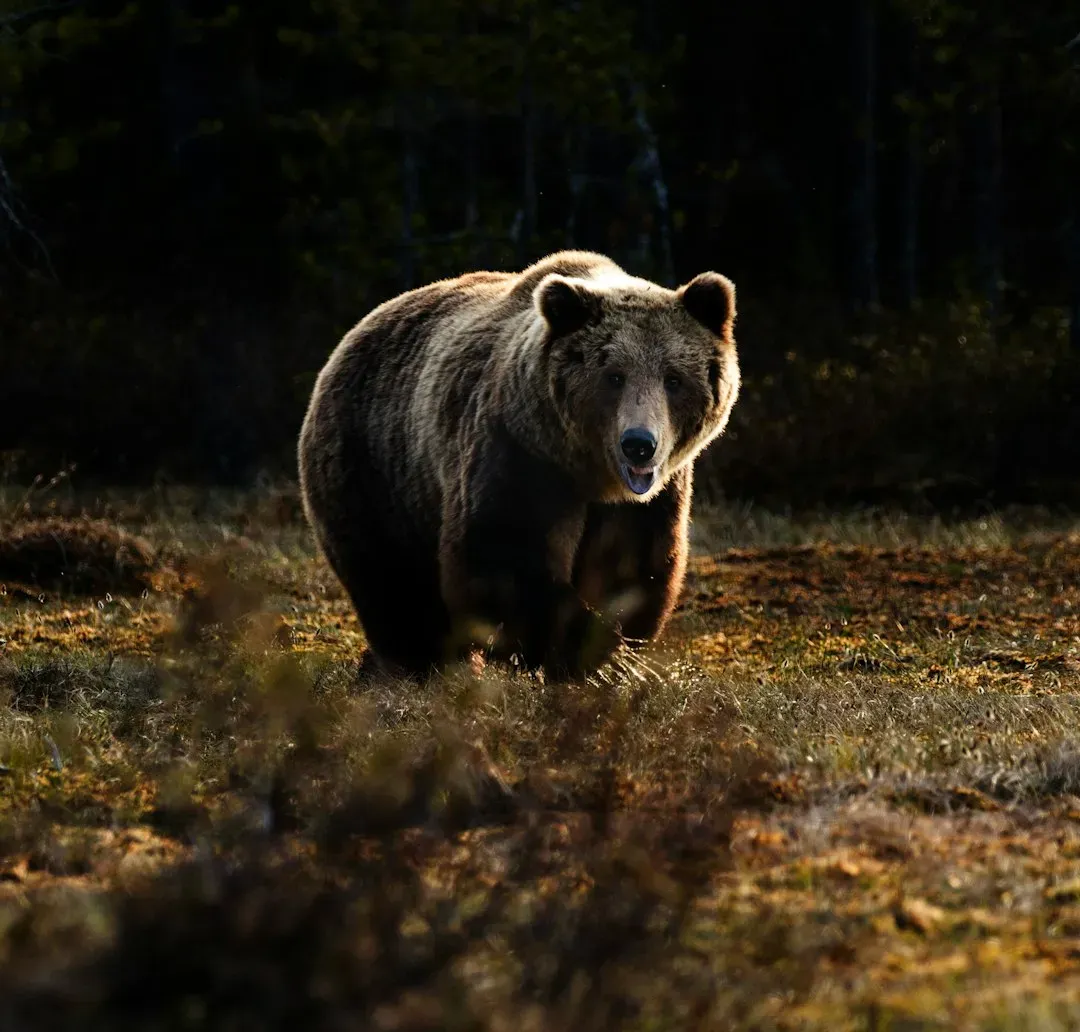
A search with dogs failed to locate the bear, so officers set a trap near the attack site and announced increased patrols. Investigators also looked into what might have drawn bears to the property. They were checking for potential bear attractants nearby.
Early reports also noted a second animal. The woman reported seeing one bear, while responding crews spotted what may have been its cub. Whether the two were related was not confirmed at first.
Two Bears Euthanized
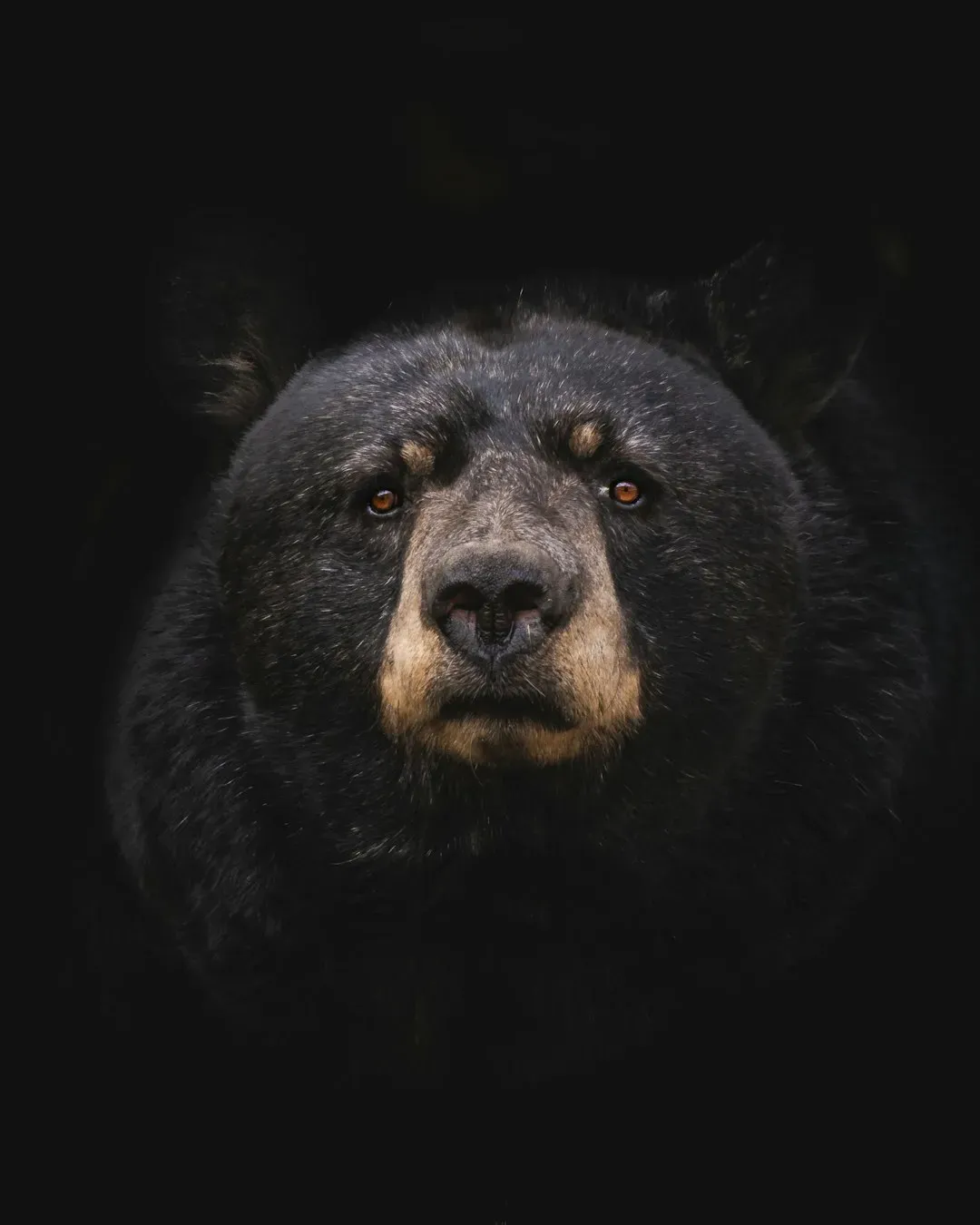
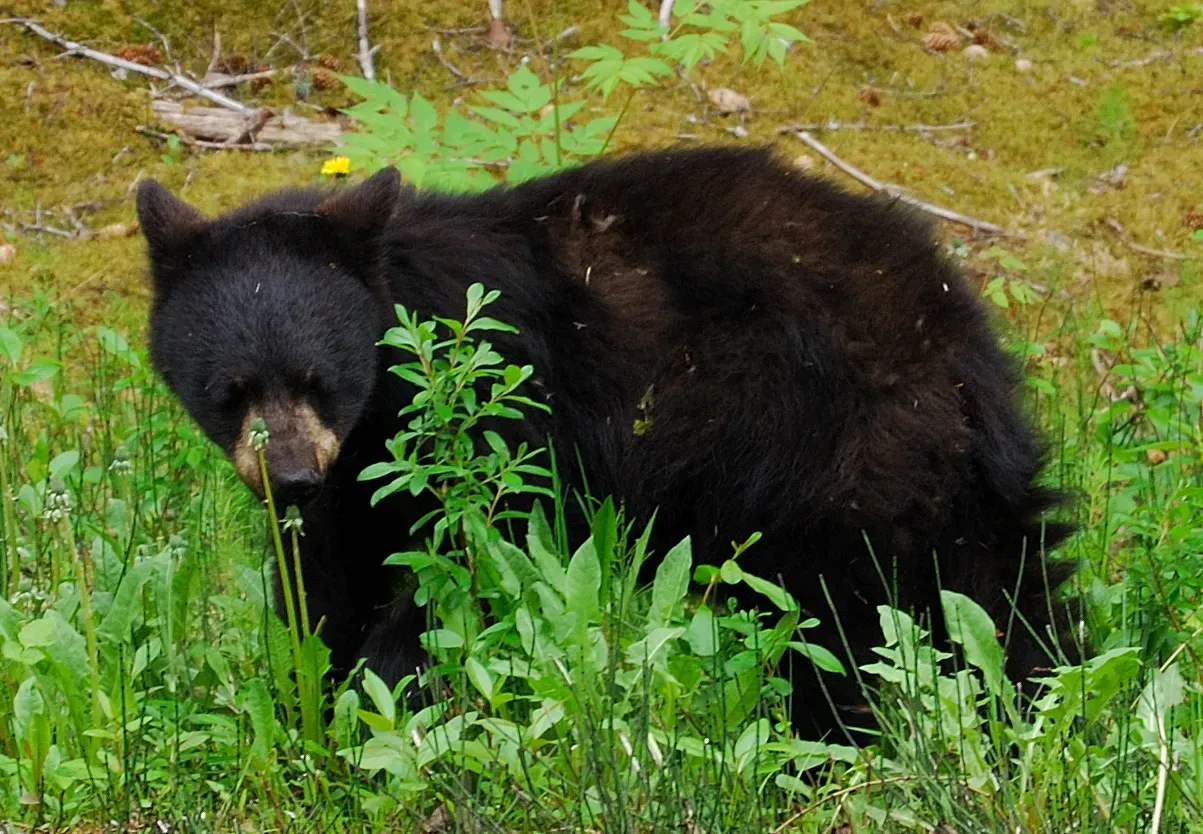
The search ended a few days later. State wildlife officers killed an adult black bear and a juvenile bear on Tuesday after the weekend attack. Fox 13 Seattle describes them as the two bears suspected in the mauling.
That wording matters. The reports describe the animals as suspected, and I haven’t seen public details on how officers matched them to the attack. Killing a wild animal after an attack on a person is a common wildlife agency response when the animal is thought to be a danger. Even so, the loss of a young bear is hard for many readers to accept.
Why Fall Is a Busy Season for Bears
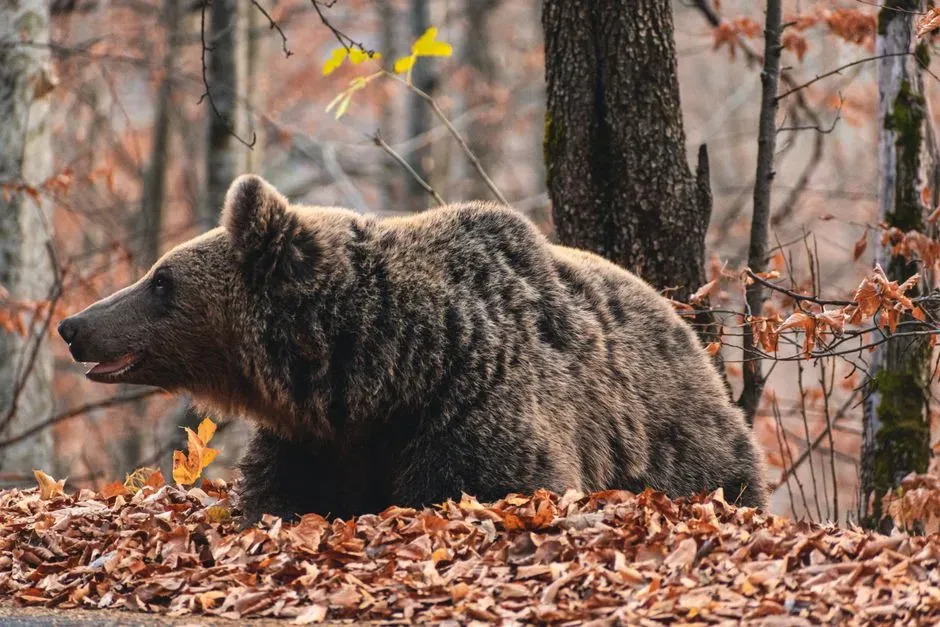
Timing may have played a role. The attack came as Washington’s bears were stocking up on calories before heading into their winter dens. Bears feed heavily at this time of year, which can bring them closer to homes.
Neighbors noticed the trend. Residents near the surrounding woods said bear sightings had been more common in recent weeks. Wildlife officials reminded residents to secure household attractants as bears forage ahead of hibernation.
Safety Advice From Wildlife Officials
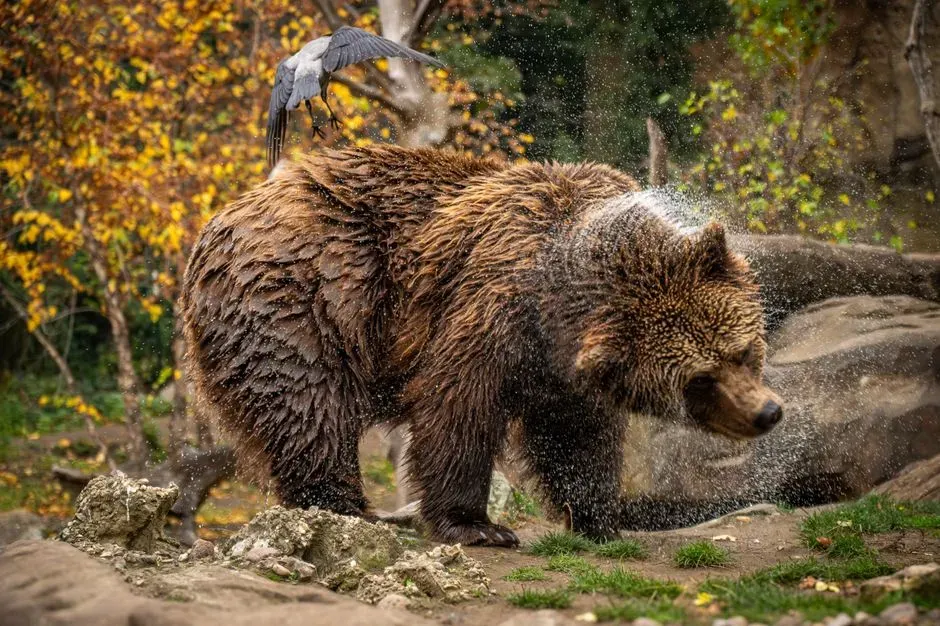
The department’s advice is fairly simple. It recommended carrying bear spray and warned against running from a bear or staring directly at it. It recommends bear spray when outside, especially in remote areas.
Local police added their own guidance. The Sultan Police Department urged residents to stay indoors if they saw the bear or its cub. Securing garbage, pet food and other attractants is the step that most directly reduces the chance of bears coming to a property.
What This Case Tells Us
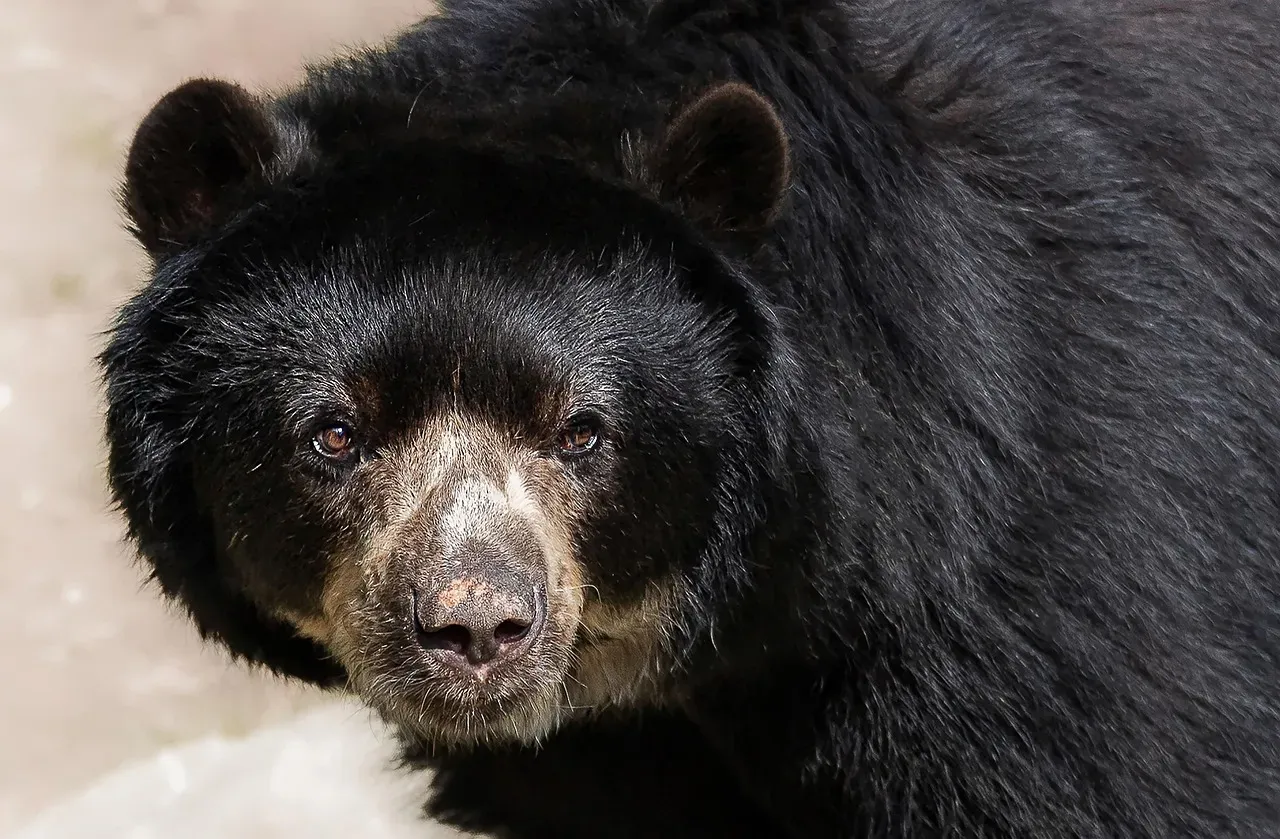
Serious black bear attacks are uncommon, and this one stands out because it happened in a private backyard. The reporting points to a likely defensive reaction from a mother bear during a season of heavy feeding. It does not establish a cause. Officials have not released a full account.
For people in bear country, the practical lessons are consistent. Keep attractants locked away, stay alert near dawn and dusk, and carry bear spray if you spend time outdoors in wooded areas. A backyard near the forest edge can still be bear habitat.

- How and When to Watch the Orionid Meteor Shower This October - November 12, 2026
- Blue whales vanish from the Galápagos, and scientists suspect El Niño - November 11, 2026
- 8 Famous Battles That Were Decided by the Weather - November 11, 2026
