
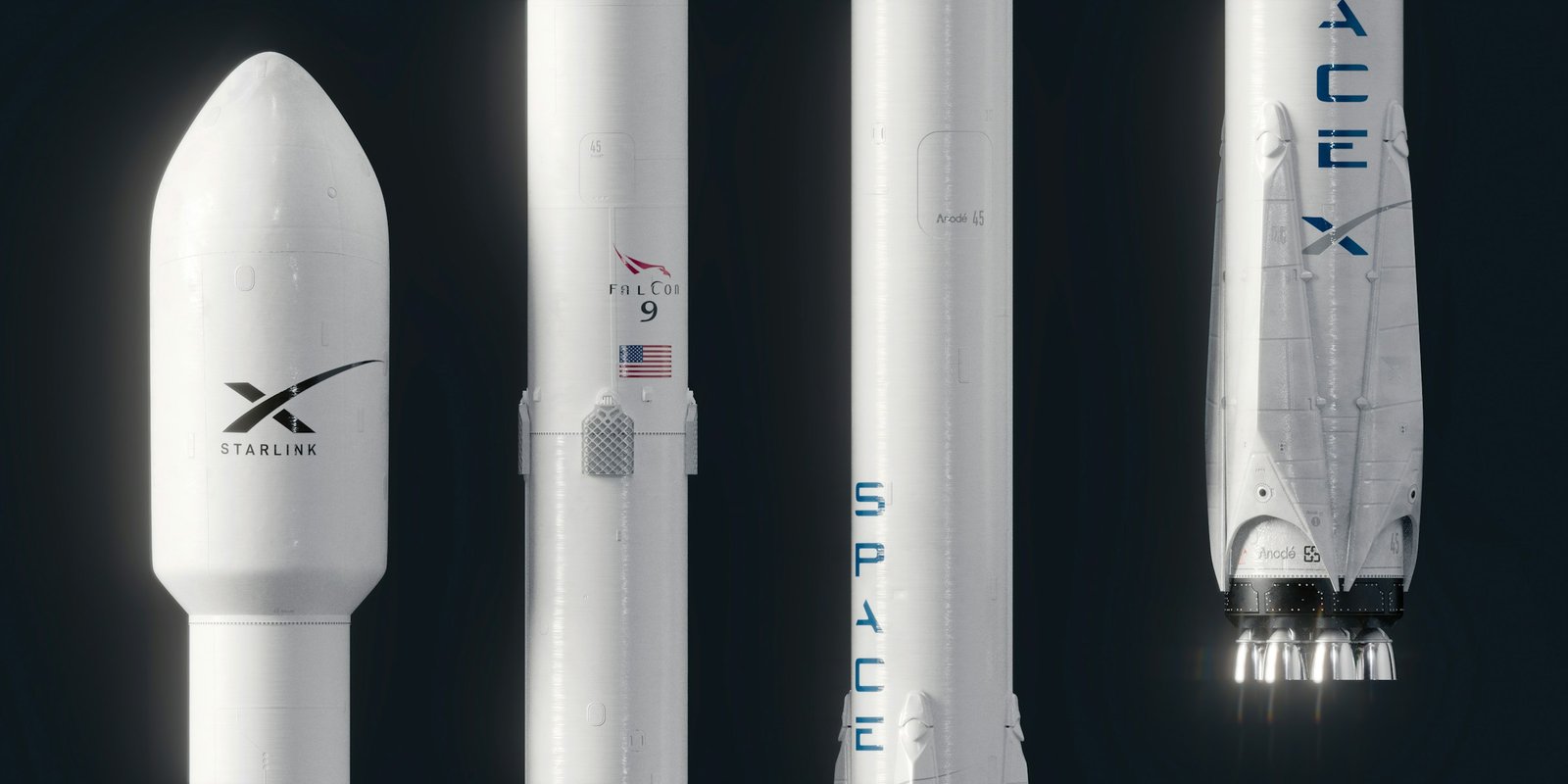
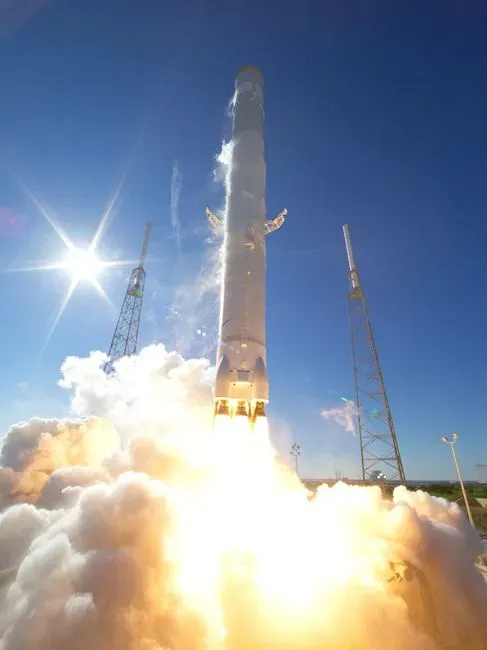
Just after midnight on Tuesday, October 27, 2026, a Falcon 9 climbed out of the central California coast. The Starlink 15-16 mission lifted off at 12:25 a.m. PDT from Vandenberg Space Force Base, and its first-stage booster completed its 26th flight.
Launches like this have become routine on the West Coast, yet each one carries a lot of detail. The sections below cover the rocket, the booster, the satellites and the range that supports them.
The Launch at a Glance
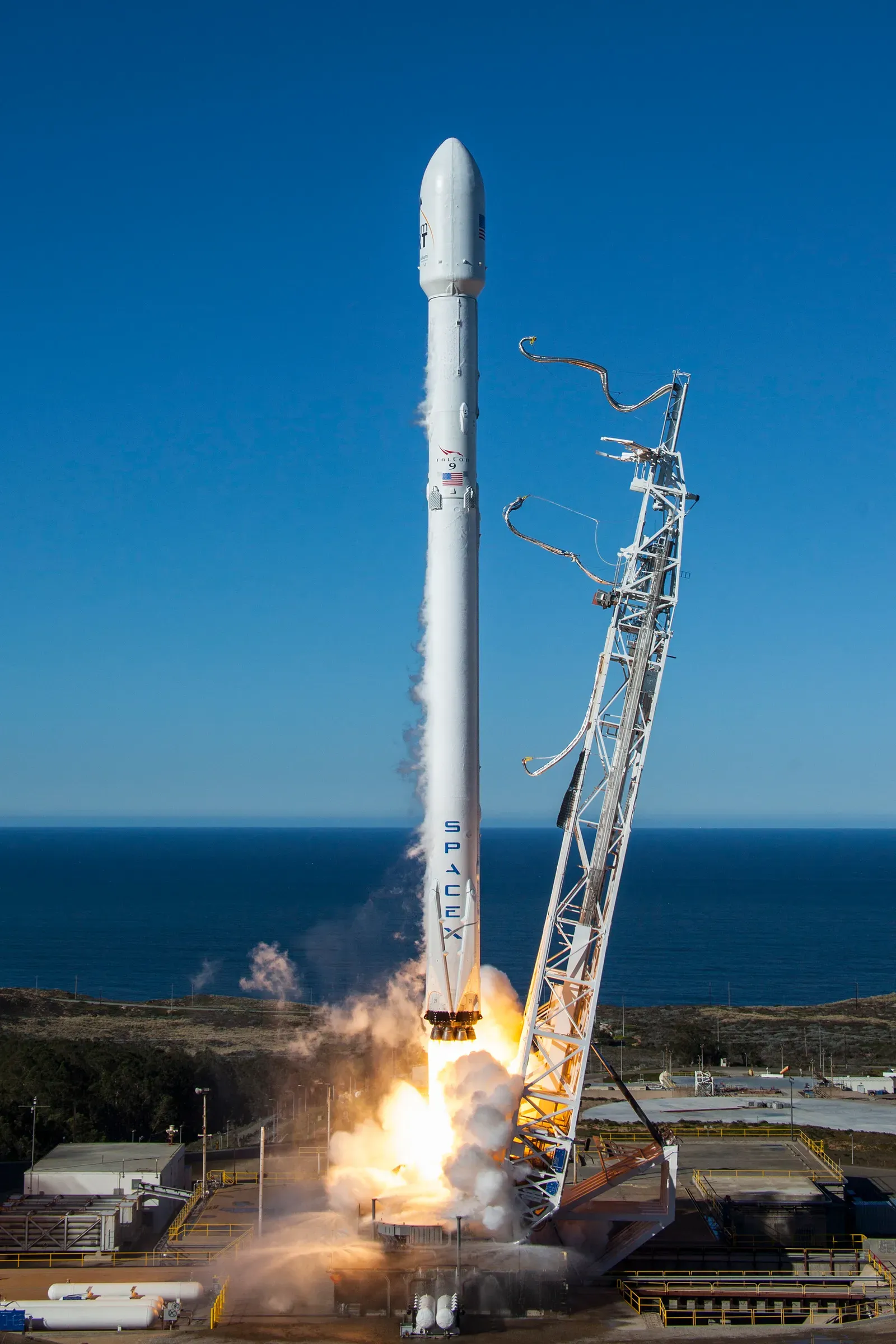
Spaceflight Now reported that SpaceX launched 27 Starlink satellites aboard a Falcon 9 from Vandenberg early Tuesday, October 27. The rocket departed from Space Launch Complex 4 East.
The timing needs a short explanation. Liftoff was targeted for Monday, October 26, in a window between 9:45 p.m. and 1:45 a.m. The rocket flew in the early minutes of the next day, so some outlets list October 26 and others October 27.
Booster B1082 Flies for the 26th Time
The mission used booster B1082 on its 26th flight. Before this mission, B1082 had flown USSF-62, OneWeb 20, NROL-145 and Transporter-18, among others.
Its earlier assignments also included 21 Starlink launches. Reports describe this flight as B1082’s 21st Starlink mission, so counts differ slightly between outlets. The booster’s reuse record is the more important point either way.
Landing on a Droneship in the Pacific
The booster landed on the droneship Of Course I Still Love You in the Pacific Ocean off Baja California, Mexico. West Coast missions rely on this vessel because the rocket flies out over open water instead of over land.
Landing at sea is a normal part of the Starlink routine. During an April 2025 Vandenberg launch, for example, the first stage touched down on a droneship a little more than eight minutes into the mission. The recovered booster then returns to port for refurbishment and another flight.
What 27 Satellites Means for the Network

SpaceX has launched batches of 27 Starlink V2 Mini satellites from Vandenberg before, including an April 2025 flight. Twenty seven is a common number for these California missions, though it isn’t the only one. A July 31, 2026 launch from Vandenberg carried 24 satellites.
One report puts the network at more than 11,000 satellites. That figure comes from a single outlet, so treat it as approximate. Each new batch adds capacity to the broadband service.
Getting to Orbit: The Flight Profile
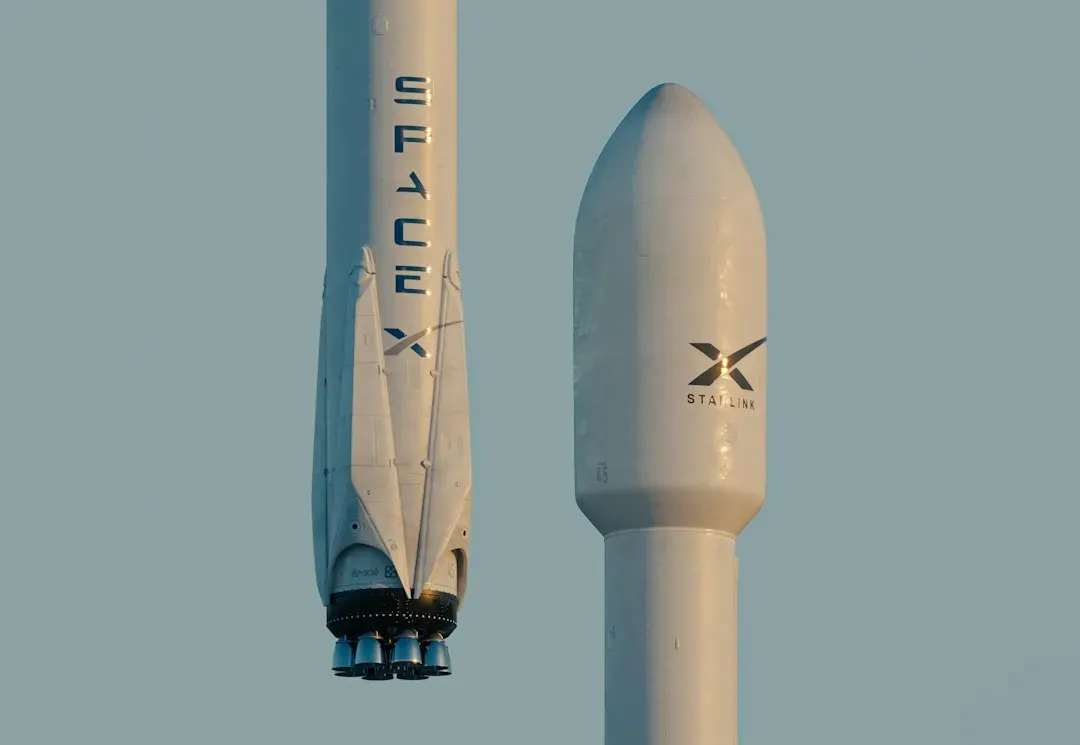
Details of the Starlink 15-16 flight profile were published by Space.com. The upper stage ignited its engine a second time about 53 minutes after liftoff, in a burn lasting about 3 seconds that circularized the orbit. The satellites were deployed several minutes after that.
An earlier mission from the same pad gives a sense of the target orbit. Starlink 15-25, launched October 12, 2026, took V2 Mini Optimized satellites toward a 266 kilometer orbit inclined 70 degrees to the Equator. The satellites then use their own propulsion to reach their final operating altitude.
A Busy Month at Vandenberg
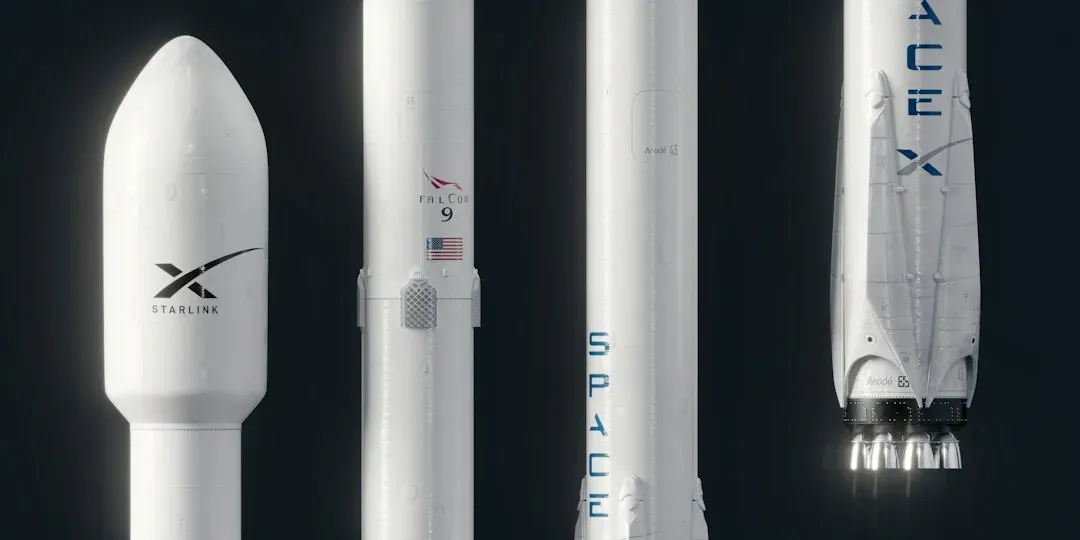
This was one of several Starlink launches from California in October. A Falcon 9 launched 27 satellites from Vandenberg on October 12, 2026. Another carried 27 satellites from SLC-4E on October 23, 2026.
Space.com noted a slower pace in places. One headline described a Starlink launch coming for the first time in more than three weeks. Cadence has varied, even with the overall launch totals remaining high.
The Range Behind the Rocket
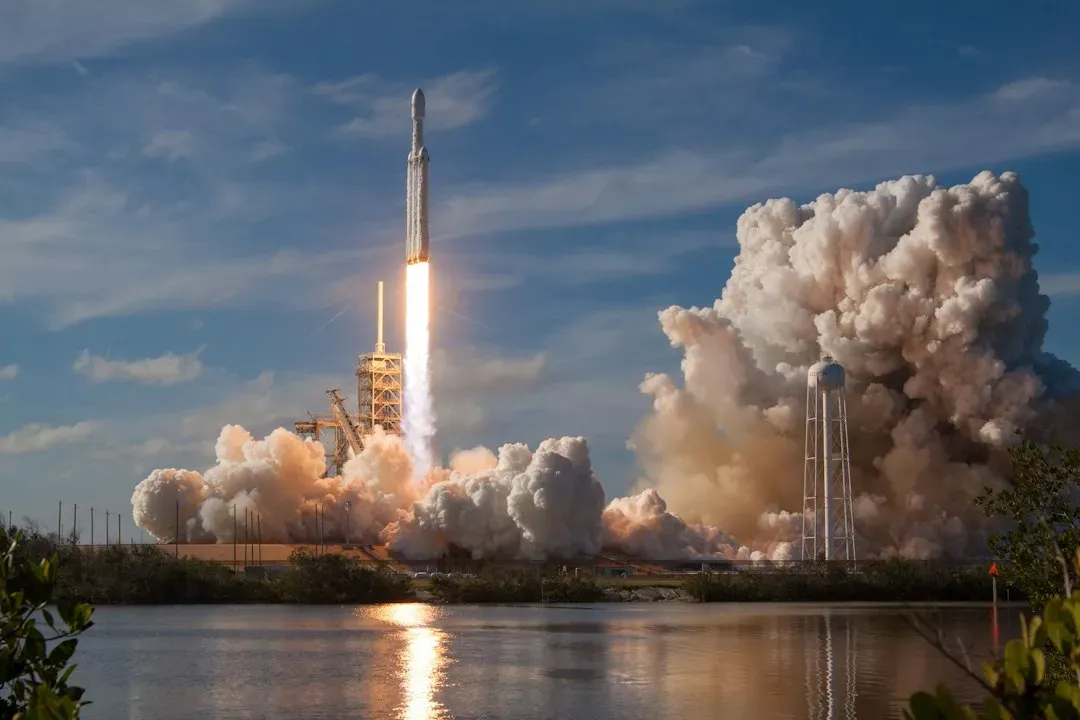
Guardians and Airmen of Space Launch Delta 30 support launches by providing range capabilities. Without that work, commercial and government missions couldn’t leave the West Coast’s premier spaceport and test range on schedule.
The October 23 mission was the 71st launch supported from Vandenberg in 2026. Launches there can also produce sonic booms audible across the Central Coast.
SpaceX’s 2026 Launch Count
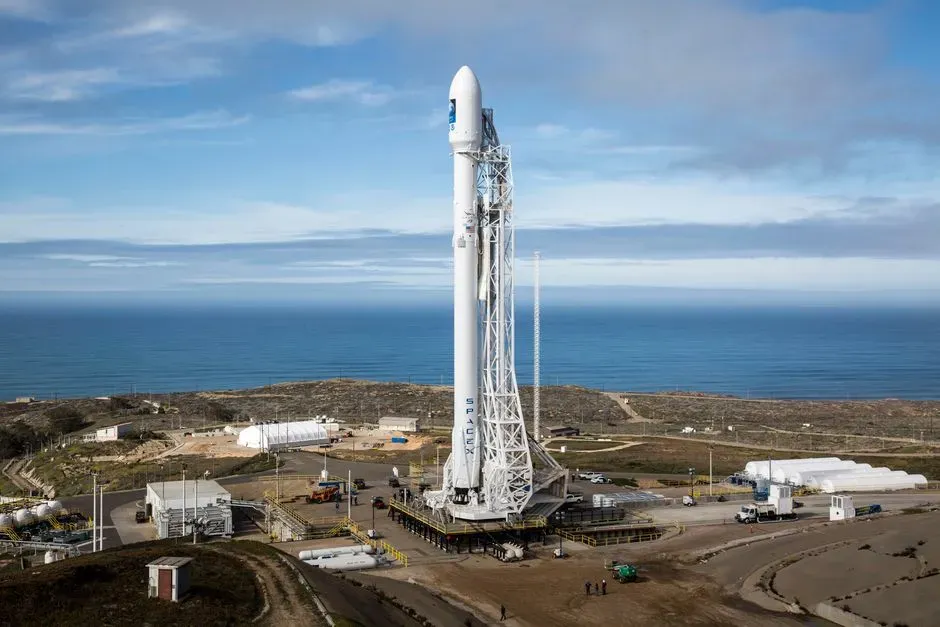
Reports say the October 27 launch was SpaceX’s 117th mission of 2026. Another outlet calls it the 117th Falcon 9 launch of the year. The two descriptions are close, and the exact tally may differ depending on how a source counts missions.
Falcon 9 has been described as the most frequently flown orbital rocket in American history. Reuse is a large reason for that, and it’s visible in a booster on its 26th flight.
What Comes Next from SLC-4E
The pad isn’t going quiet. A Falcon 9 is scheduled to launch the USSF-432 mission from SLC-4E, reportedly a classified Space Force mission. Its four-hour window begins at 5:56 p.m., with a backup opportunity on Monday, November 2.
After that, SpaceX is set to launch 27 more Starlink satellites from Vandenberg on Wednesday, November 4. Schedules shift often, so those dates could change.

- The Shoreline Sucked Dry in Seconds – 5 Tsunami Signals Beachgoers Mistake for Low Tide - November 14, 2026
- 9 Dark-Sky Destinations Around the World Where the Stars Look Unreal - November 14, 2026
- The Fault Line That Never Slips – 7 Locked Seismic Zones Overdue for a Massive Release - November 14, 2026
