


- The Compostable Cup Left Intact for Years – 5 Backyard Composting Failures - November 15, 2026
- Fast-Fashion “Conscious” Lines Under Scrutiny – 5 Red Flags in Eco-Clothing - November 15, 2026
- Space Engineers Explain 5 Quiet Changes Making Rocket Launches Safer Than Ever - November 15, 2026
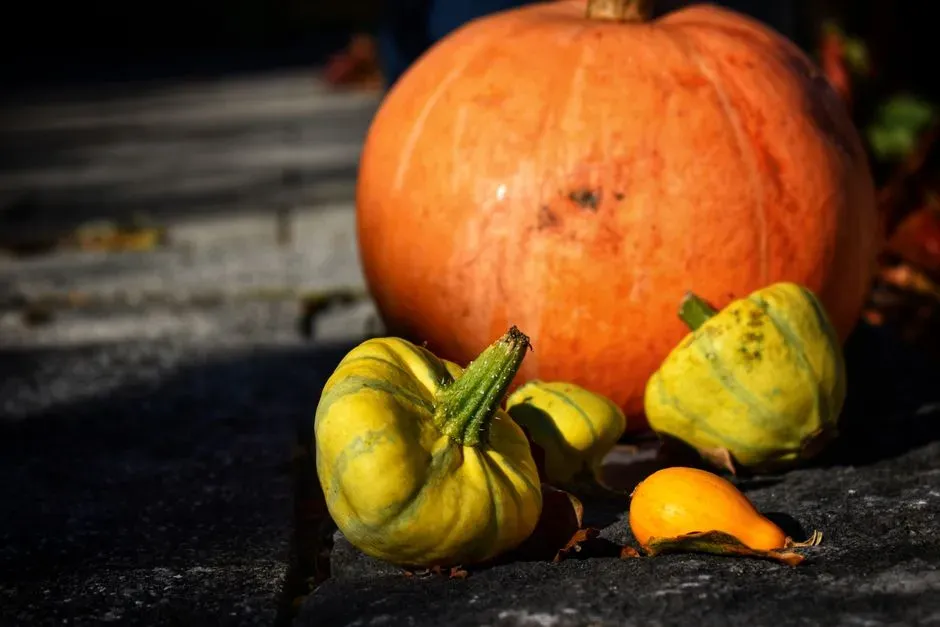
Halloween is almost here, and many Kansas pumpkin patches are working hard to keep their fall season going. A wet start, then a hot and dry stretch, left some growers short on pumpkins and others short on the big ones customers want.
The details differ from farm to farm. Reports from south-central Kansas show how weather swings, water limits and quick fixes shaped this year’s harvest.
A Season That Began With Too Much Water
The trouble in south-central Kansas started with rain, not drought. June rainfall in the region averaged 8.26 inches, the fifth-wettest June on record, according to Kansas State University. That’s a lot of water for young vines.
Near Wichita, Tom Brown of Meadowlark Farm Orchard and Cidery lived it firsthand. He said a 7-inch June rain washed out plants and killed about 30% of his pumpkin crop, as he told KMUW. Heat and drought then followed.
Heat Arrives After the Rain
The rain didn’t offer much relief for long. An oppressive stretch of heat blasted in after the rain. One grower said that even when a few inches of rain did fall, the heat was so immense that it blunted the benefit.
Wider conditions were tough too. Months of triple-digit temperatures stressed wheat and corn fields across Kansas. Meteorologists described a historic drought this summer, the driest since the Dust Bowl in some areas.
Why Pumpkins Struggle When Water Runs Short
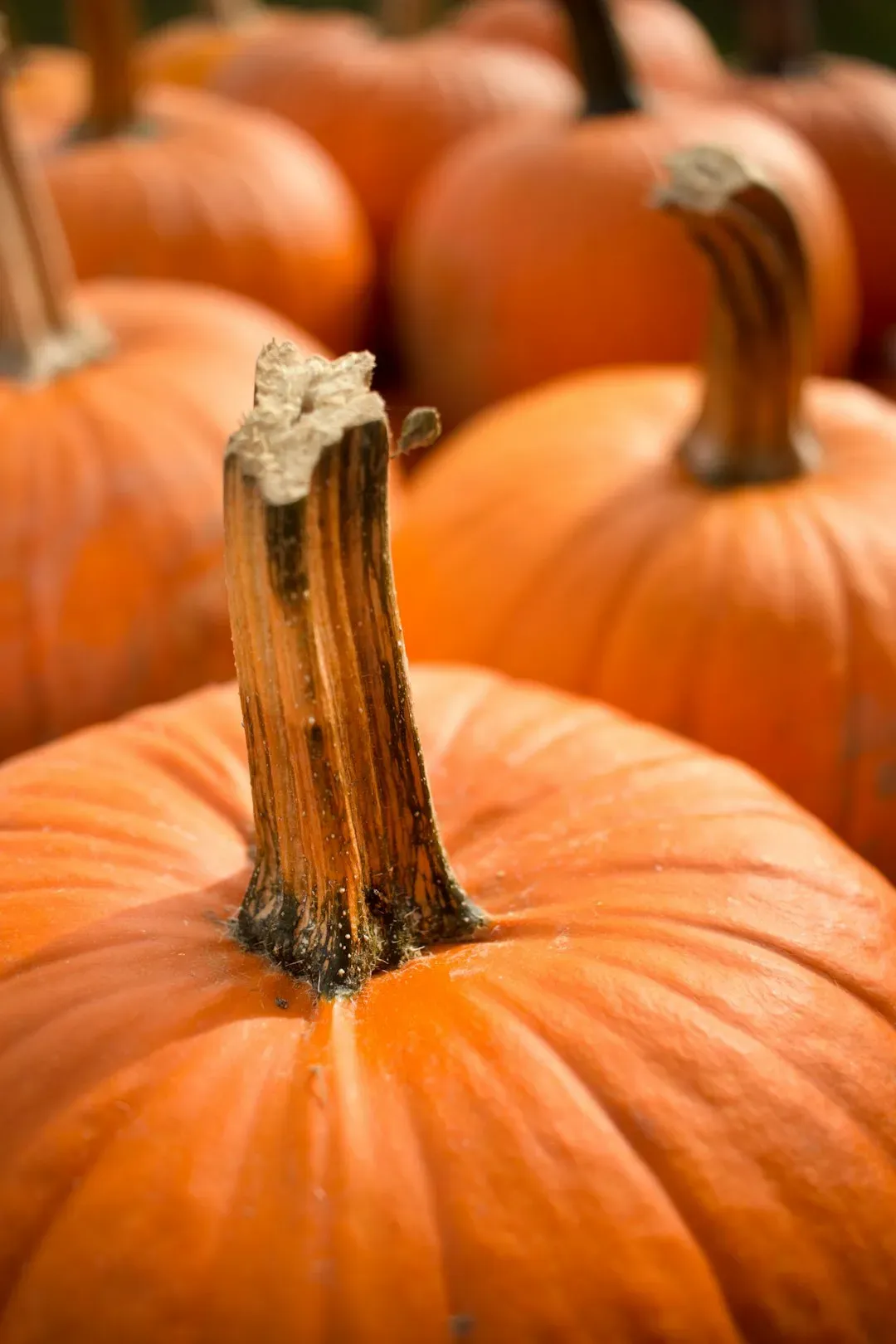
Pumpkins are mostly water, so dry spells hit them hard. Penn State Extension explains that water stress during flowering and fruit development can make blossoms and young fruit drop, which cuts yields and pumpkin size.
That fits what Kansas farms reported. At Klausmeyer Farm and Pumpkin Patch, the hot, dry weather left only smaller pumpkins rather than the larger ones many customers want. Size matters for carving, so this affects sales.
Irrigation Helps but Has Limits
Irrigation kept some farms in business, but it couldn’t fix everything. At Klausmeyer Farm in Clearwater, even nearly continuous drip irrigation couldn’t produce the usual crop. Water supply also became a hard choice for some.
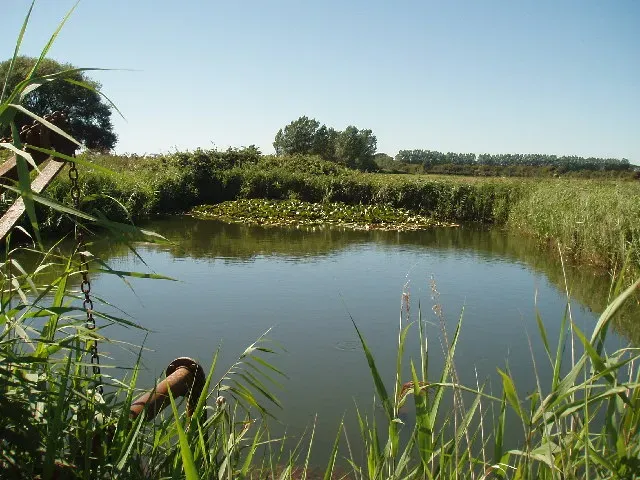
Brown had two irrigation ponds and had to pick between pumpkins and apple trees. After pumping both ponds dry, he bought pumpkins from another farm to supply his fall visitors, KMUW reported. Orchards are long-term investments, so that tradeoff makes sense.
Drip Systems and Planting Extra Paid Off for Some
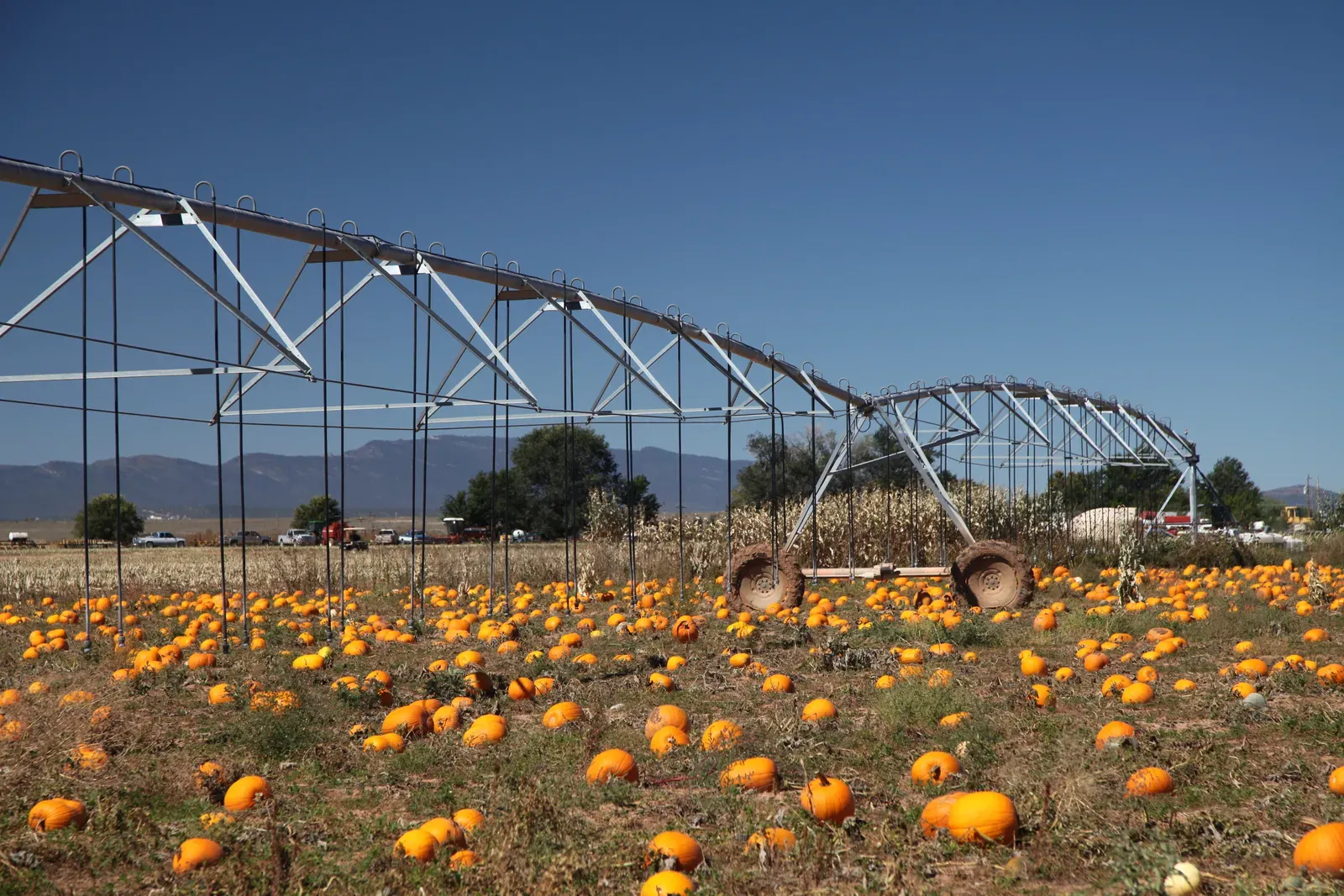
Not every patch fared the same. In Butler County, Stems Pumpkin Patch used drip irrigation fed by hilltop water towers to deliver water where it was needed most. Operator Brandon Norman still called it not their best year.
At P and M Pumpkin Ranch, Tim Kaminkow pointed to one upside. He said they weren’t fighting much moisture, and that heat could affect quantities, but they account for that by planting extra. Planting a cushion is a simple hedge against bad weather.
Buying In Pumpkins to Keep Patches Open
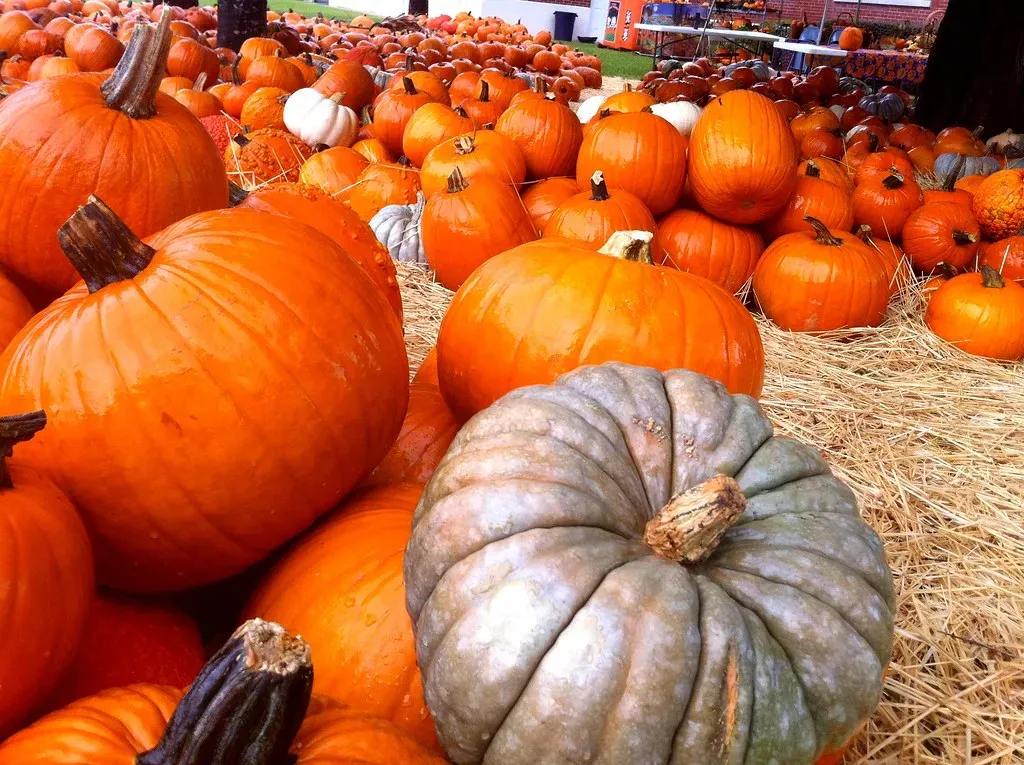
For several farms, the fix has been to bring pumpkins in from elsewhere. Growers are trying to make up the difference by shipping in pumpkins and adding other activities. Customers still expect a full patch.
The shortfall was serious for some. Some Kansas patches didn’t have enough pumpkins to open at all this fall. Those that did open are leaning on extras to keep visitors coming.
Other Attractions Fill the Gap
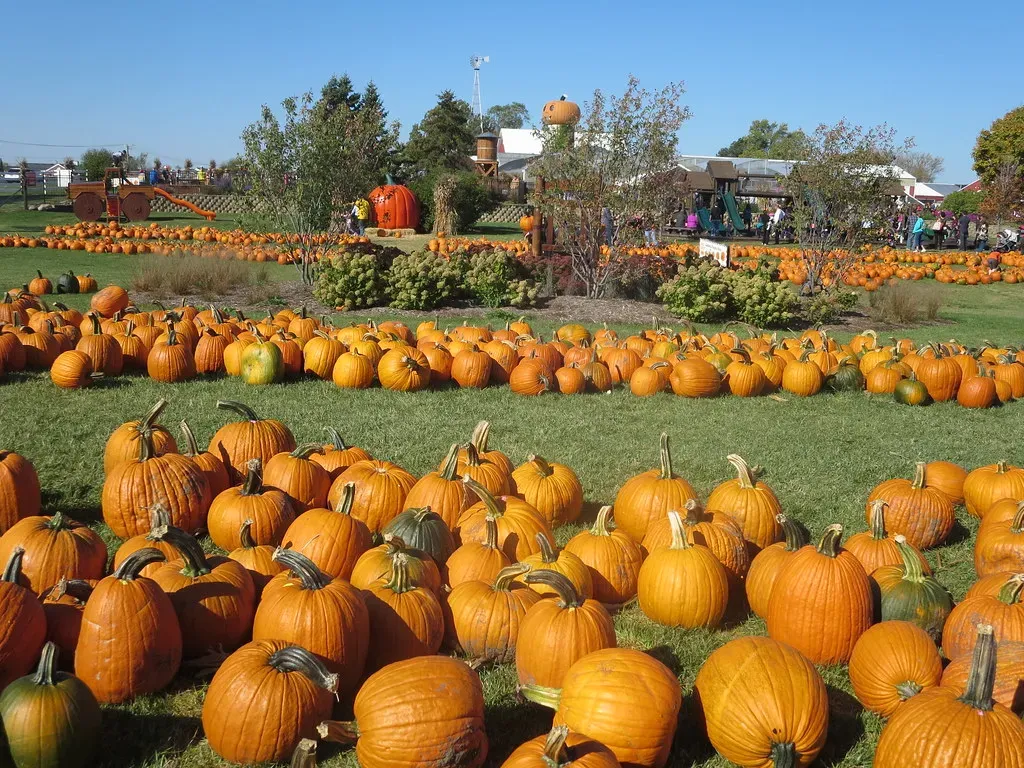
Pumpkin patches often sell an outing, not just a gourd. Farms are offering other activities to make up the difference, and one is hoping to pig race its way to profitability. It’s a lighthearted answer to a hard year.
Diversified farms also have a cushion. The drought hit other crops too, including soybeans and wheat, yet owner Debbie Klausmeyer said having other crops helps offset a rough pumpkin year.
Adapting to a Warming Climate
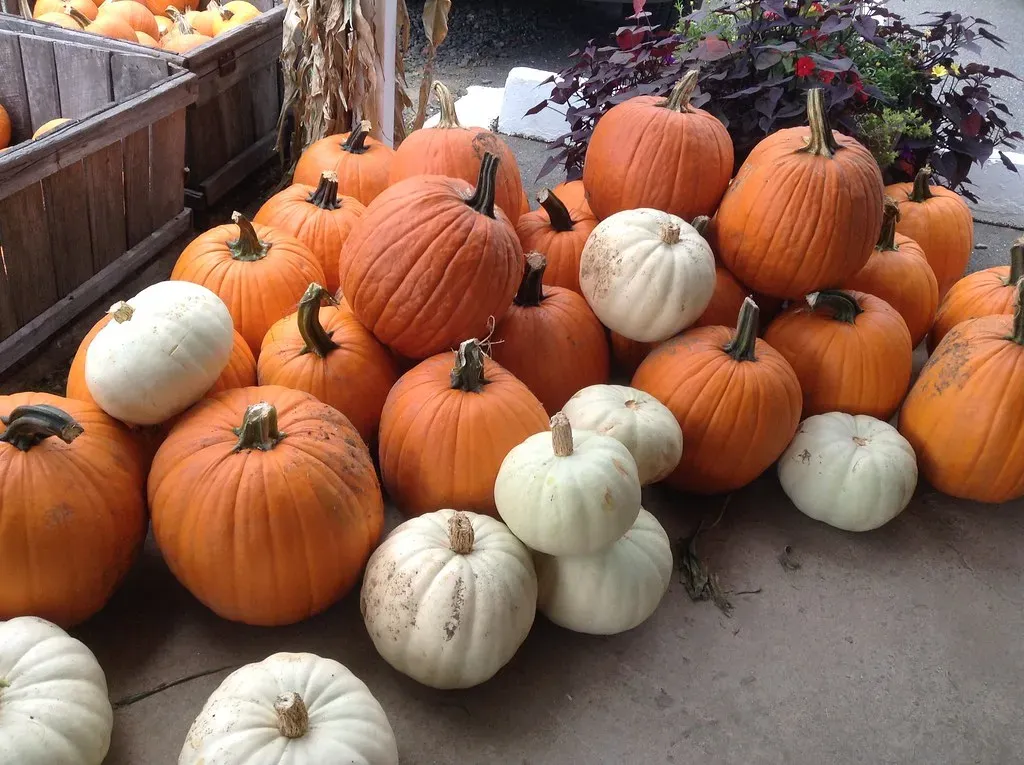
Growers are hearing the same advice about water. UConn Extension advises that drip irrigation, mulch and soil-moisture sensors can help growers conserve water and guide watering. These tools won’t prevent every loss, but they stretch limited supplies.
Kansas weather swings in both directions, as this year showed. Klausmeyer said Kansas farmers have to learn to adapt to bad seasons. Kansas isn’t alone either, since extreme drought and summer heat also took a toll on the 2026 crop in Floyd County, Texas.
Conclusion
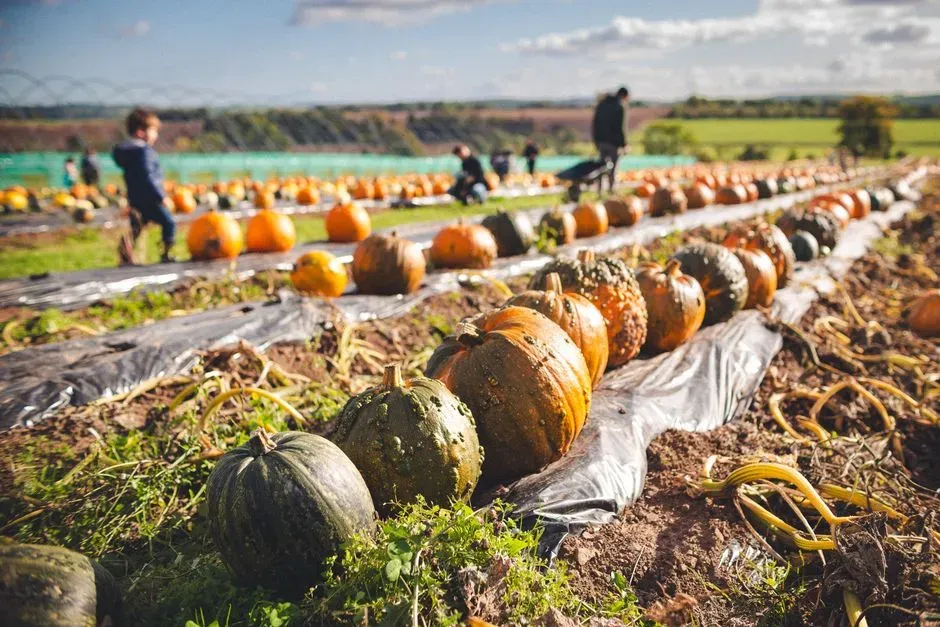
This season combined a flooded June with a scorching summer, and Kansas growers answered with drip lines, extra plantings, purchased pumpkins and farm activities. Some patches stayed small, and a few didn’t open. Others managed a thinner but workable harvest.
A smaller pumpkin on the porch this Halloween still carries a story of a farm that kept going.
