
Generals plan for terrain, supply lines and numbers. Rain, snow, fog and wind don’t care about any of it. Across centuries, the sky has overturned plans that looked airtight on paper.
The eight battles below span roughly six hundred years and several continents. In each one, weather did more than make life miserable for the soldiers. It changed what each side could actually do.
Agincourt, 1415: Mud Against Armor
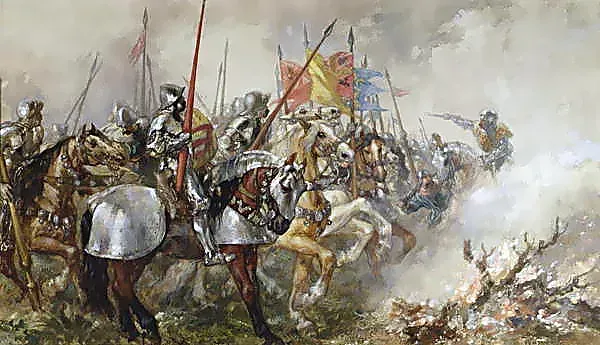
Henry V’s exhausted English army faced a much larger French force in northern France on October 25, 1415. Heavy rain had fallen in the days before, and the ground between two woods was a freshly plowed field. Historians widely describe the field as churned into deep mud.
French knights in heavy plate armor had to advance on foot across that soft ground. They tired quickly and bunched together in the narrow gap between the woods. English and Welsh longbowmen shot into the packed ranks, and the French suffered devastating losses.
Towton, 1461: A Snowstorm and a Shifting Wind
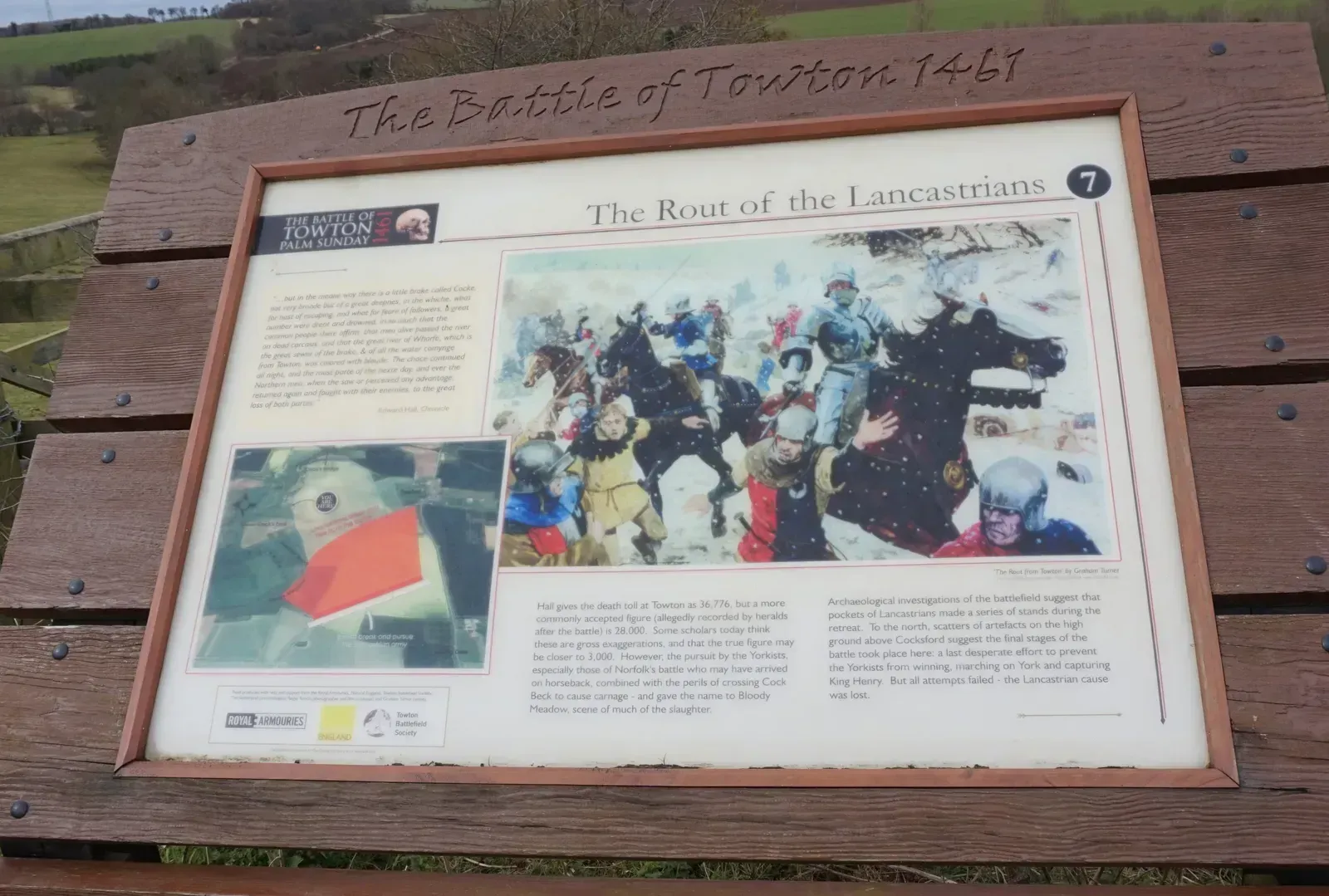
The Battle of Towton was fought on Palm Sunday, March 29, 1461, during the Wars of the Roses. It is often called one of the bloodiest battles ever fought on English soil. Snow was falling, and the wind was blowing toward the Lancastrian lines.
Accounts say Yorkist archers took advantage of this. Their arrows flew farther with the wind behind them, while Lancastrian shots fell short. The Lancastrians were drawn into charging forward, and the Yorkists went on to win the day.
The Spanish Armada, 1588: The Protestant Wind
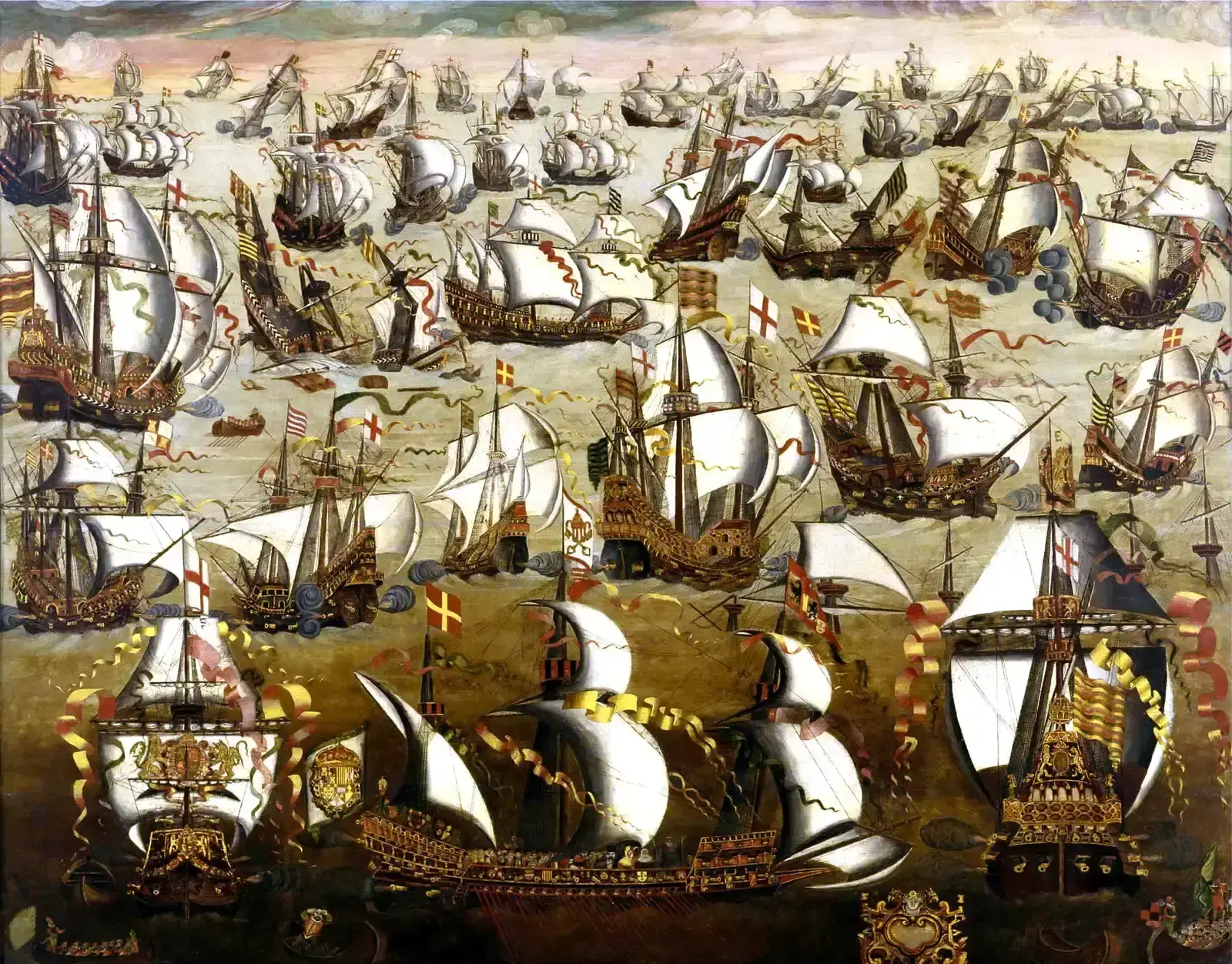
England’s fleet harassed the Spanish Armada up the Channel in the summer of 1588. The Spanish kept their crescent formation largely intact until they anchored off Calais. Fireships then drove them into a scattered retreat, and the fighting at Gravelines followed.
Winds kept the Spanish from returning through the Channel, so they sailed around Scotland and Ireland. Autumn storms along the Atlantic coast wrecked many ships on that route. The English called the weather the Protestant Wind, and it cost Spain far more than the battles had.
Waterloo, 1815: Rain on the Eve of Battle
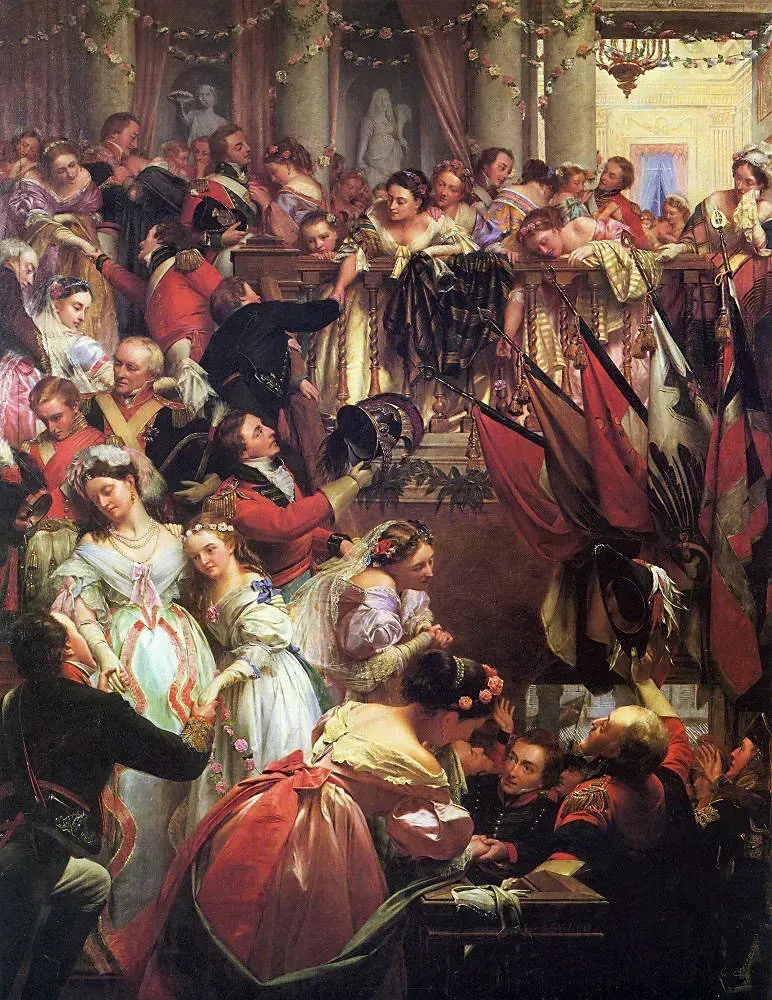
Heavy rain soaked the Belgian countryside on the night of June 17 to 18, 1815. Napoleon chose to delay his attack on Wellington’s army the next morning. The usual explanation is that the ground needed time to firm up so his artillery could maneuver.
The delay of several hours gave Prussian forces under Blücher more time to march toward the battlefield. Their arrival on Napoleon’s right flank in the afternoon was decisive. Muddy ground was not the only reason for his defeat, but it helped shape the timing.
Mongol Invasions of Japan, 1281: The Divine Wind

Kublai Khan sent a huge invasion fleet against Japan in 1281, after an earlier attempt in 1274 had failed. The Mongol ships gathered near Hakata Bay and Takashima Island off Kyushu. Japanese defenders had built a stone wall along the shore and held the invaders off for weeks.
A massive typhoon struck, and much of the fleet was destroyed. The Japanese later called it kamikaze, meaning divine wind. The invasion collapsed, and the Mongols never tried again.
The Battle of Moscow, 1941: Mud, Then Deep Freeze
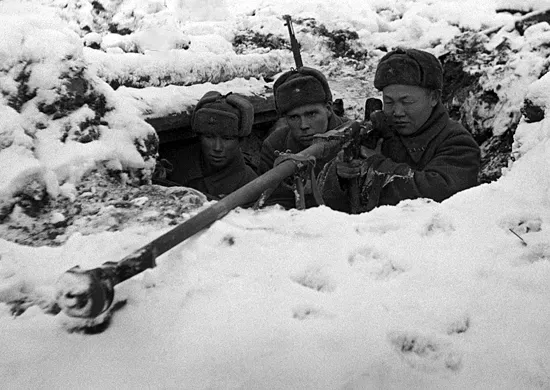
German forces drove toward Moscow in the autumn of 1941 in Operation Typhoon. Autumn rains turned Russian roads into mud, a season known as rasputitsa. Vehicles bogged down and supplies reached the front slowly.
When the ground froze, movement became easier, but temperatures plunged sharply. German troops were not equipped for the cold, and their offensive stalled near the city. The Soviets launched a major counteroffensive on December 5, 1941, pushing the Germans back.
D-Day, 1944: A Forecast Worth Waiting For
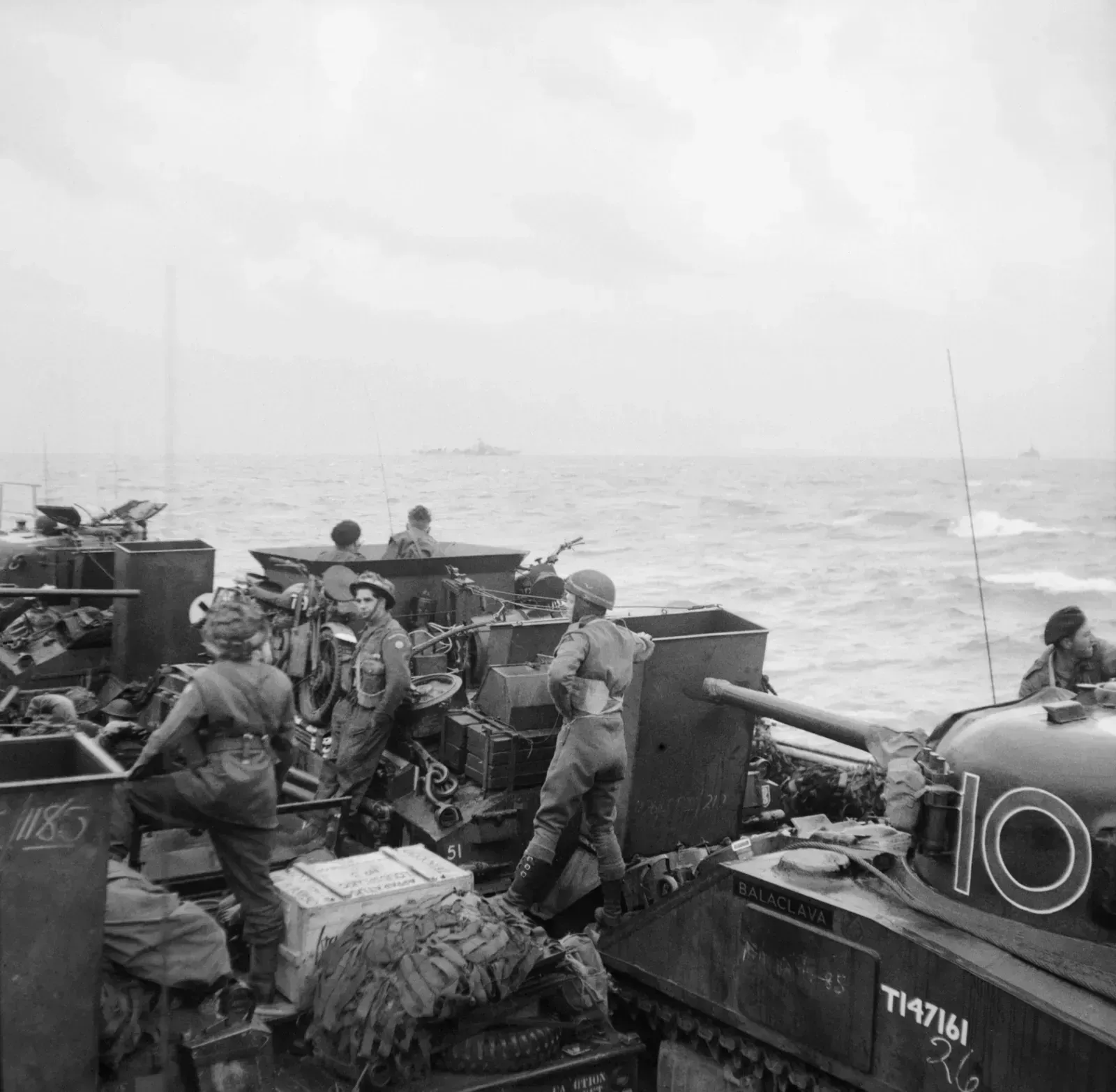
The Allied invasion of Normandy was set for June 5, 1944. Bad weather in the Channel led General Eisenhower to postpone it after advice from his meteorologists, including the British officer James Stagg. They predicted a short break in the storm for June 6.
The landings went ahead in that window. German forecasters had judged the weather too poor for an invasion, and some senior commanders were away from their posts, among them Erwin Rommel. The Allies gained surprise partly because they read the weather better.
The Battle of the Bulge, 1944: Fog That Grounded the Air Forces
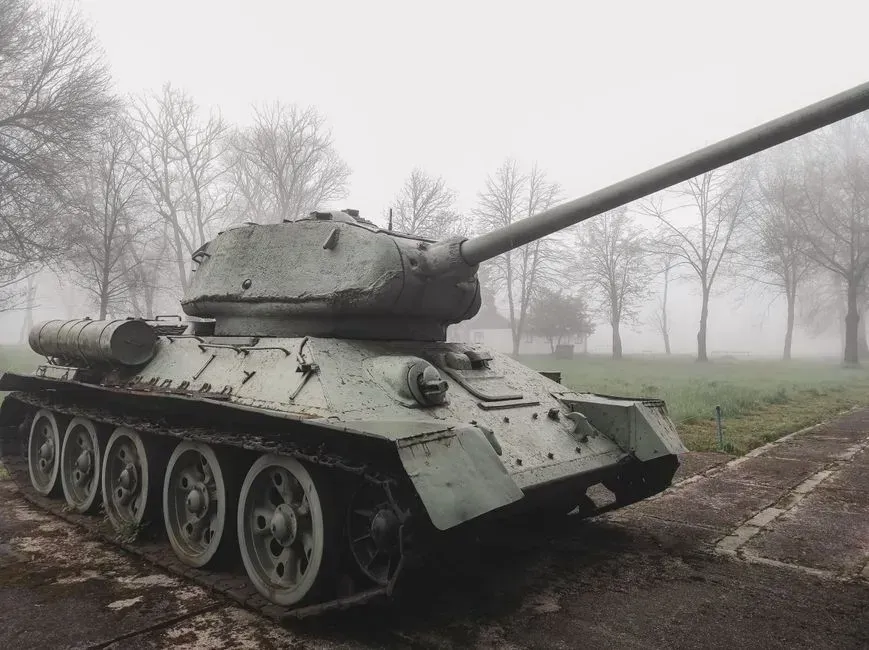
Germany launched its surprise offensive through the Ardennes on December 16, 1944. Low cloud and fog covered the region, which grounded Allied aircraft. That removed the Allies’ biggest advantage and helped the German advance in the first days.
The weather cleared around December 23. Allied planes returned in large numbers, attacking German columns and supply lines. The change in the sky helped turn the battle, along with the stubborn defense of Bastogne.

- Blue whales vanish from the Galápagos, and scientists suspect El Niño - November 11, 2026
- 8 Famous Battles That Were Decided by the Weather - November 11, 2026
- Black Sunday 1935: 9 Photos From the Worst Dust Storm of the Dust Bowl Era - November 11, 2026
