

- NASA invites students to design a moon base in $1 million challenge - November 11, 2026
- Why Some People Can Feel a Storm in Their Joints, According to Experts - November 11, 2026
- 7 Foods That Taste Better on a Rainy Day, According to Chefs - November 11, 2026
Anyone who has gardened for more than a season knows the feeling. A late frost, a dry spell that lasts weeks, or a week of soaking rain can undo plants you fussed over for months. Some plants simply shrug it off.
The eight below are well known for their resilience across heat, cold, drought and damp. None is indestructible, and all of them do better with sensible planting. Still, they’re about as forgiving as garden plants get.
Daylily
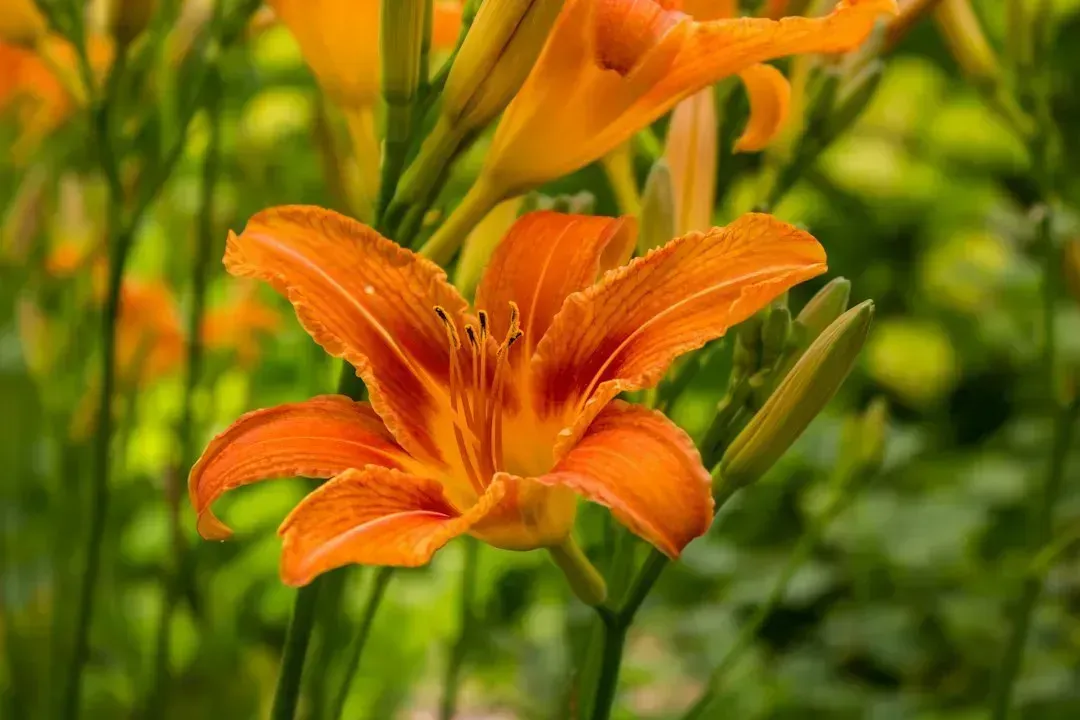
Daylilies (Hemerocallis) are often called near bulletproof, and extension services across the United States regularly recommend them for beginners. They tolerate a wide range of soils and handle both heat and cold, growing in most of the country’s hardiness zones.
Once established, they cope with dry stretches reasonably well. Full sun gives the most blooms, though they’ll tolerate some shade. Dividing clumps every few years keeps them flowering strongly.
Sedum
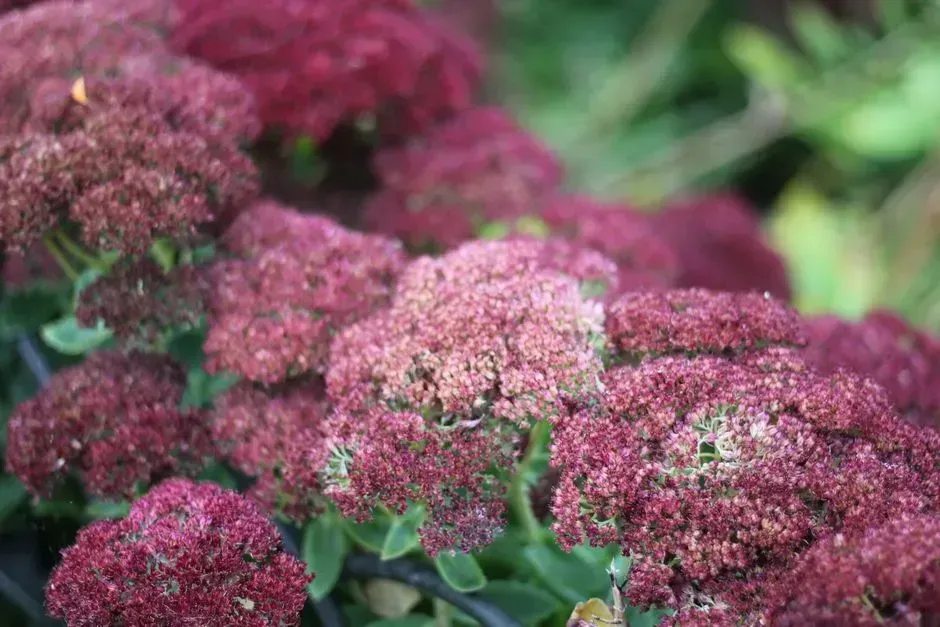
Sedums, including the popular upright types like ‘Autumn Joy’, store water in thick leaves. That’s why they’re a standard choice for dry gardens and green roofs. They typically perform well in hardiness zones 3 to 9, depending on the variety.
Their main enemy is soggy soil, not drought. Plant them in well drained ground and mostly leave them alone. Too much fertilizer makes the stems floppy, so go easy.
Coneflower
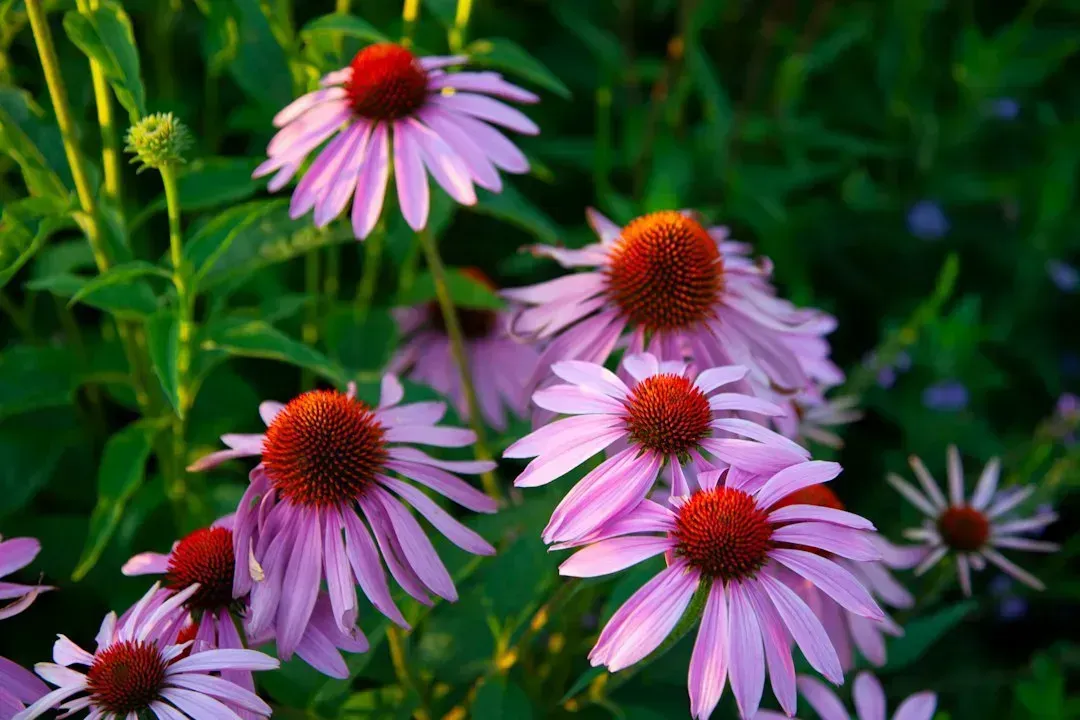
Purple coneflower (Echinacea purpurea) is a North American prairie native, so heat, cold and patchy rainfall are part of its history. It’s generally hardy in zones 3 to 9 and keeps blooming through summer heat.
Established plants tolerate drought well, and the seed heads feed goldfinches in autumn. Leave them standing through winter if you can. Pollinators visit the flowers, which is a nice bonus.
Lavender
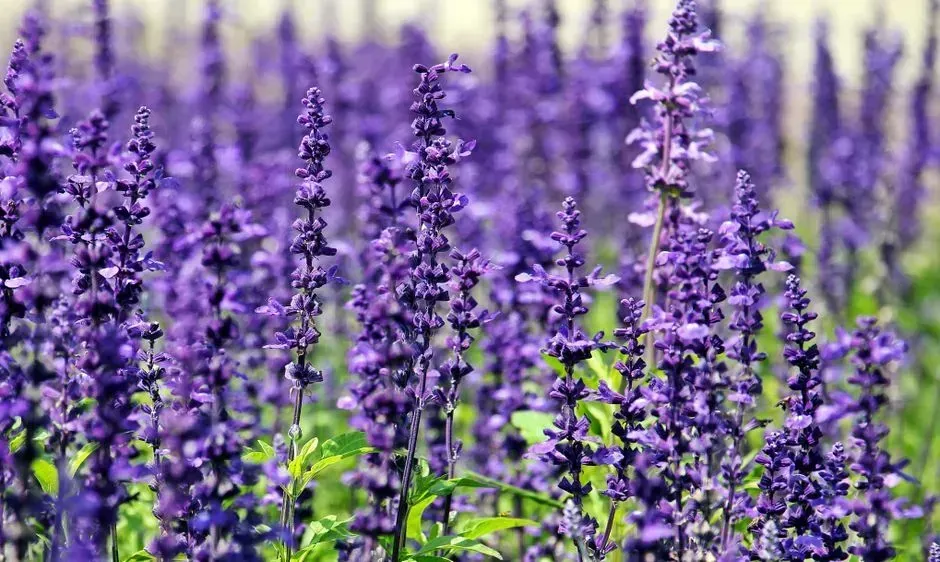
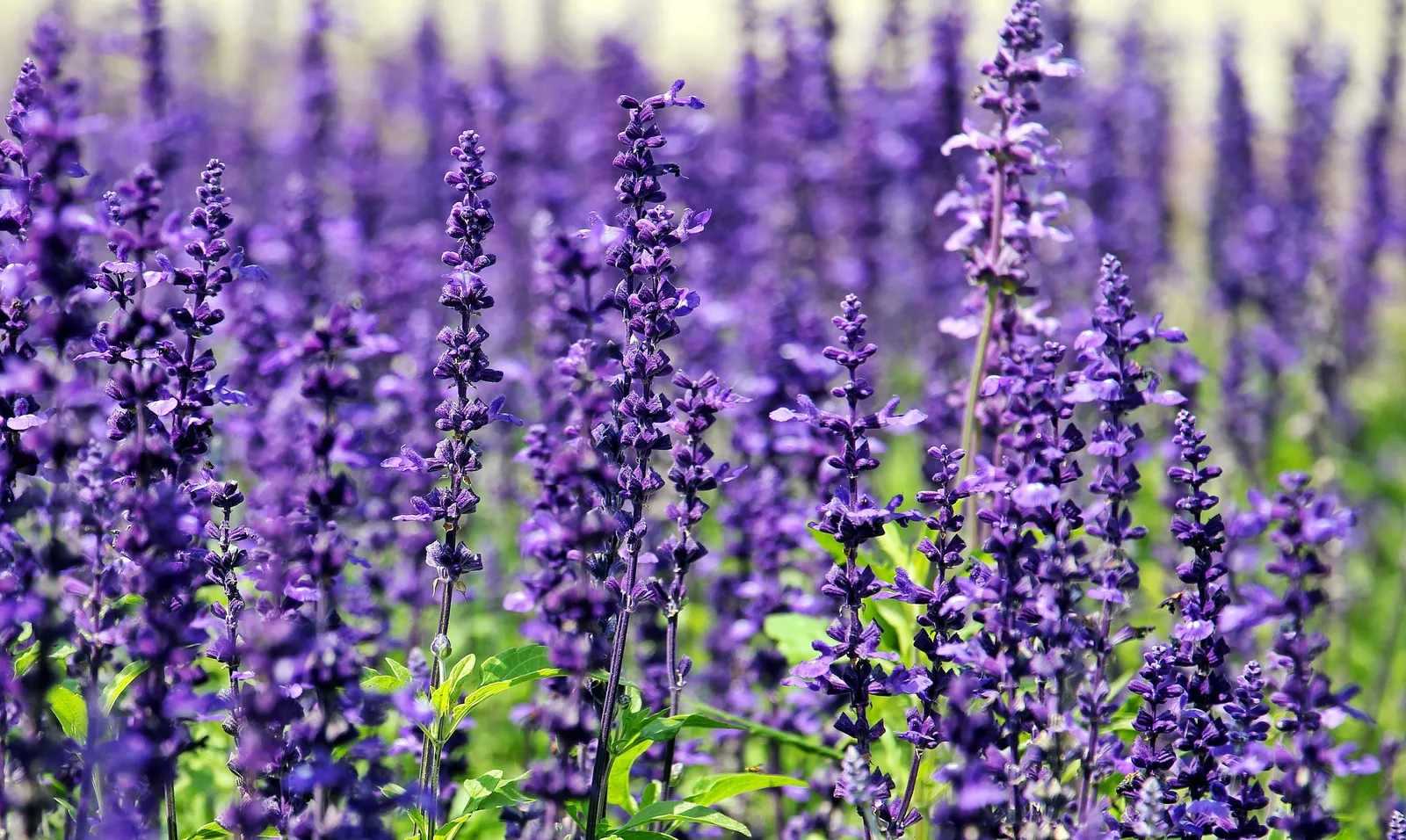
Lavender comes from dry Mediterranean hillsides, and it behaves accordingly. It wants full sun and sharply draining soil, and it can handle prolonged dry weather once rooted. English types are generally hardier in cold than the showier Spanish ones.
Wet feet are the real risk, particularly in winter. Raised beds, gravel or sandy soil help a lot. A light trim after flowering keeps plants from turning woody.
Yarrow
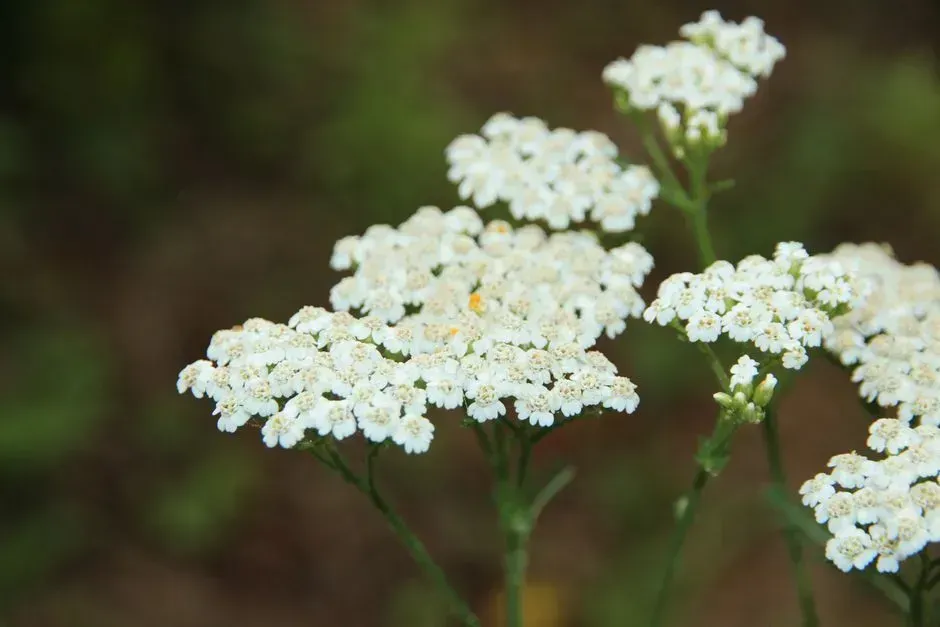
Common yarrow (Achillea millefolium) and its garden cultivars are tough, tolerant of poor soil, and happy in hardiness zones 3 to 9. They flower for weeks in summer and shrug off heat that wilts fussier perennials.
Drought tolerance is a real strength once roots settle in. In rich, wet soil they can sprawl and flop. Poorer ground tends to give sturdier plants.
Hostas
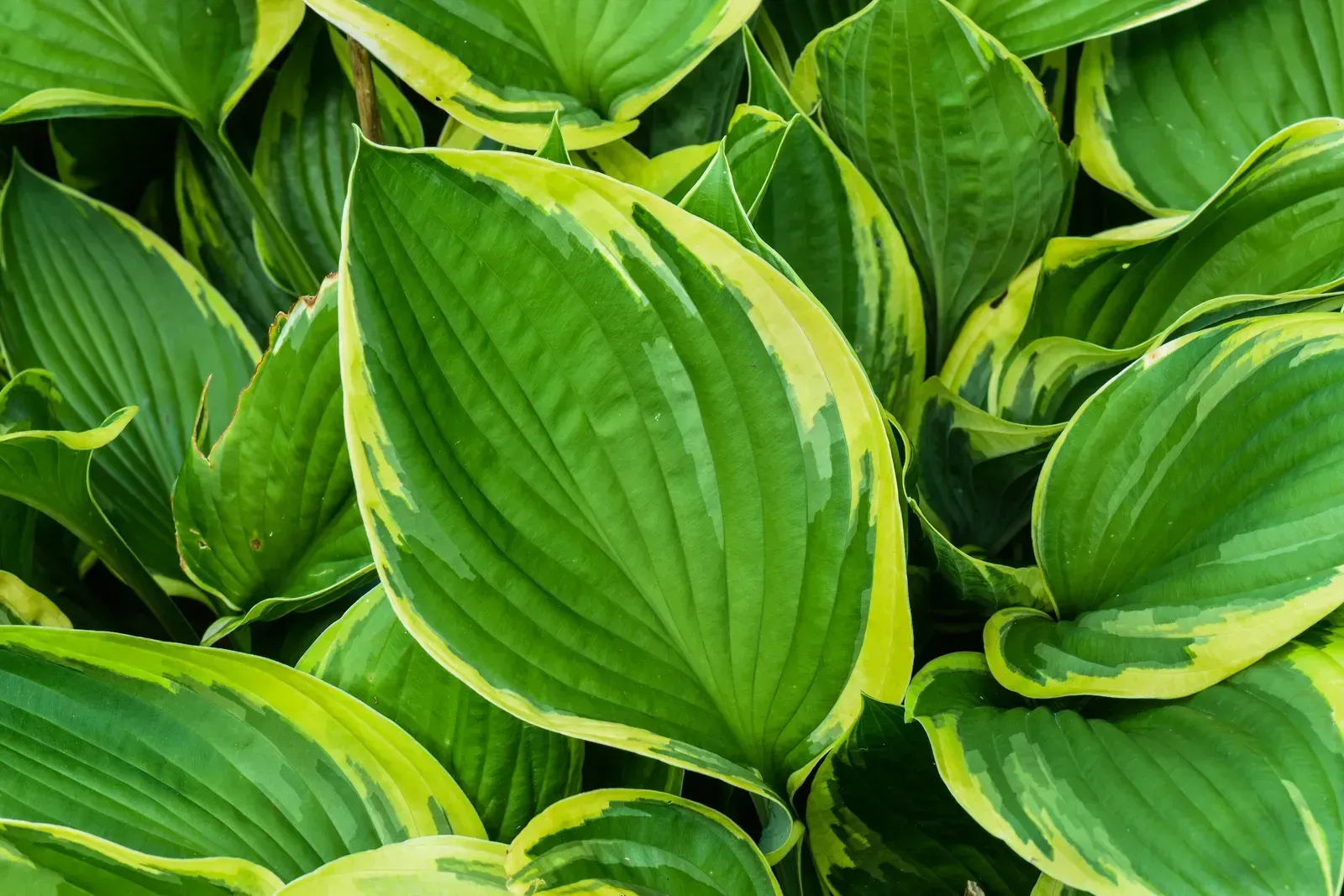
For shade, hostas are the dependable workhorse. They’re very cold hardy, commonly listed for zones 3 to 9, and they return reliably each spring. They also tolerate periods of heavy rain better than many shade perennials, provided the soil drains.
Slugs and deer are their weak points, not the weather. Slug control and a barrier fence solve most problems. Morning sun with afternoon shade usually gives the best leaf color.
Russian Sage
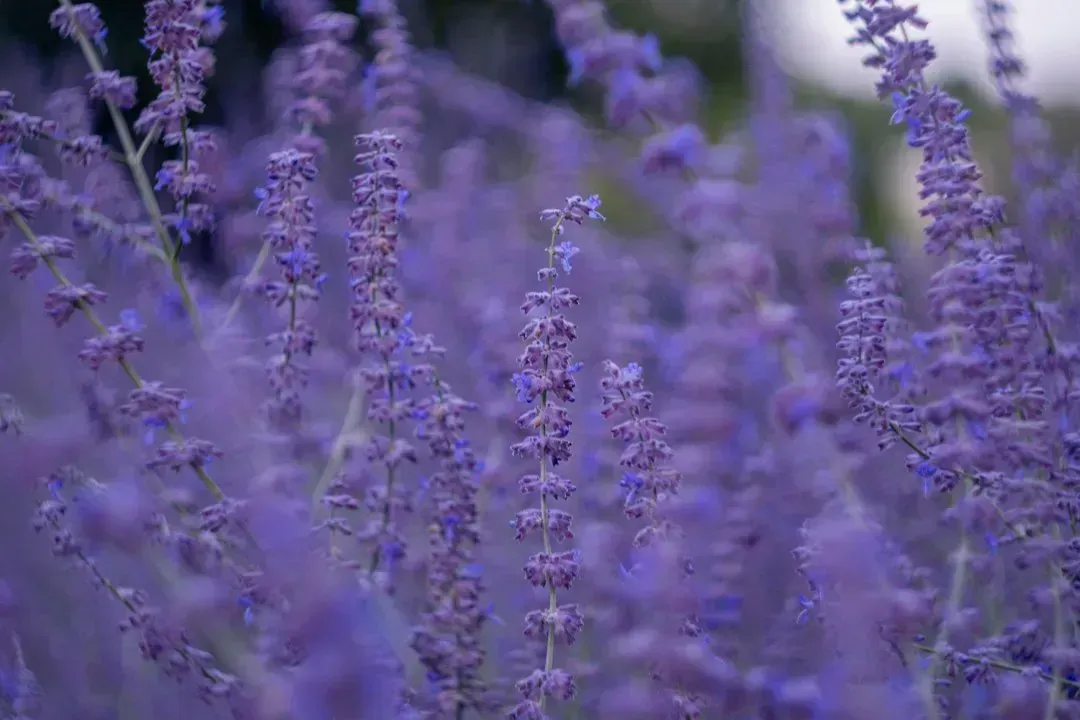
Russian sage (Perovskia atriplicifolia) offers silvery foliage and airy purple flower spikes from midsummer on. It’s hardy roughly in zones 4 to 9 and copes well with heat and dry conditions.
It dislikes heavy, wet soil, so good drainage matters. Cutting it back in late winter or early spring encourages fresh growth. Deer generally leave it alone because of the aromatic leaves.
Ornamental Grasses
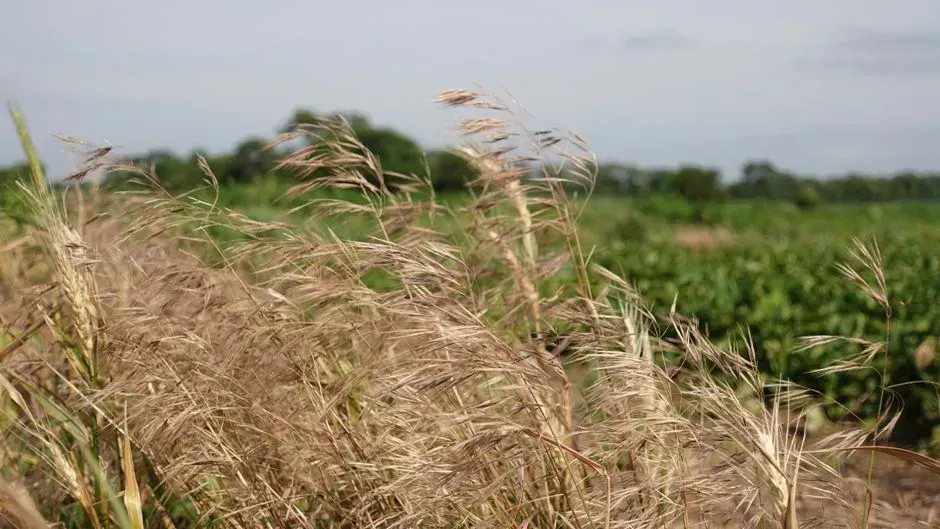
Switchgrass (Panicum virgatum) and feather reed grass are two grasses widely used for low maintenance landscapes. Switchgrass is a native prairie plant that tolerates drought, heat, and occasional flooding, and many cultivars are hardy to zone 4 or colder.
Grasses add movement and structure through winter, when the dried stems catch frost. Cut them back in late winter before new shoots appear. Most need nothing more than sun and an occasional tidy up.
