


- NASA invites students to design a moon base in $1 million challenge - November 11, 2026
- Why Some People Can Feel a Storm in Their Joints, According to Experts - November 11, 2026
- 7 Foods That Taste Better on a Rainy Day, According to Chefs - November 11, 2026
Meteorologists spend a lot of time thinking about the sky, and plenty of them spend just as much time standing under it. Field forecasters, storm chasers, and broadcast crews all have to dress for conditions that can shift within an hour.
The clothing habits below come from well established outdoor and weather safety principles, not from any single celebrity forecaster. They’re the kind of choices that anyone who works outside, or just checks the forecast before leaving home, can borrow.
Layering Instead of One Heavy Coat
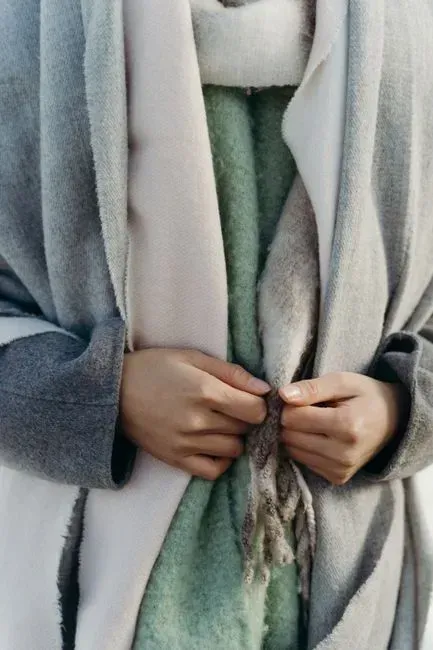
Layering is the foundation of dressing for changing weather. Several thin layers trap warm air between them, and you can add or remove them as conditions change. The National Weather Service recommends layering loose, lightweight clothing for cold weather.
A single bulky coat is harder to manage. If you start sweating, you can’t adjust much, and damp skin chills quickly once you stop moving. Layers give you control over that problem.
A Moisture Wicking Base Layer
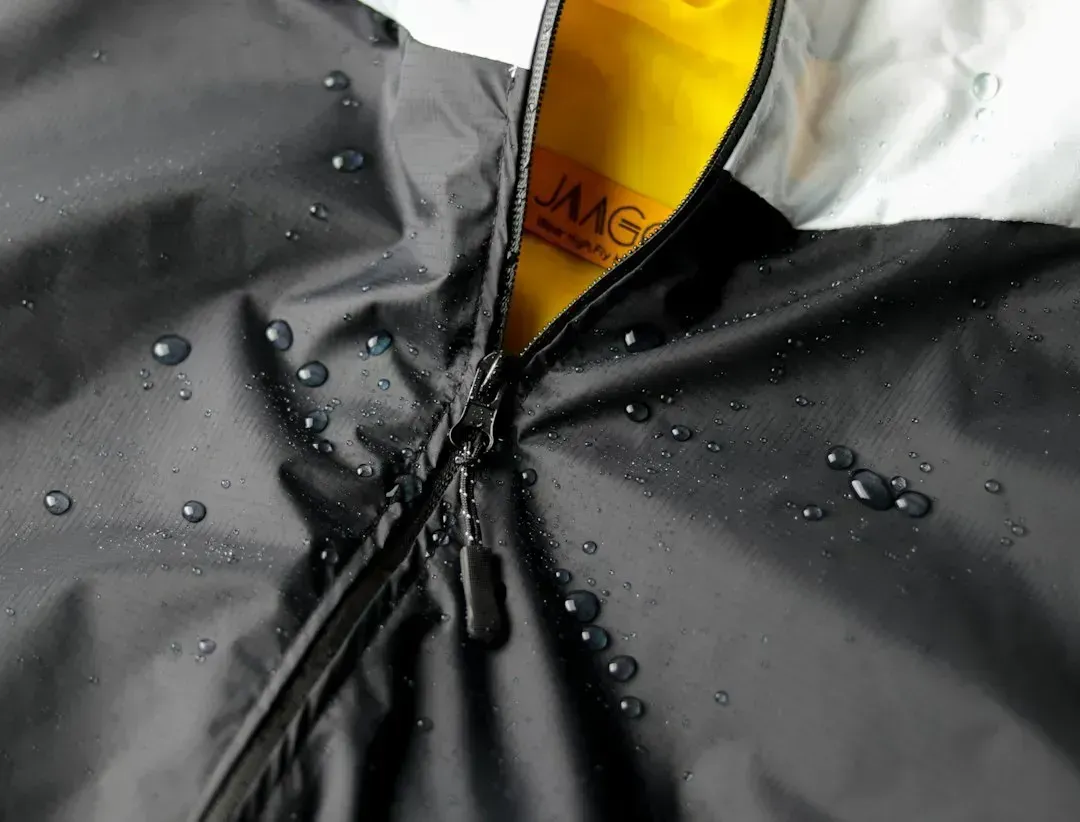
The layer touching your skin matters most. Synthetic fabrics and merino wool pull sweat away from the body so it can evaporate, which helps you stay dry during activity.
Cotton does the opposite. It holds moisture and dries slowly, and that can leave you cold in cool weather. Outdoor safety guidance commonly advises avoiding cotton as a base layer for this reason.
An Insulating Mid Layer
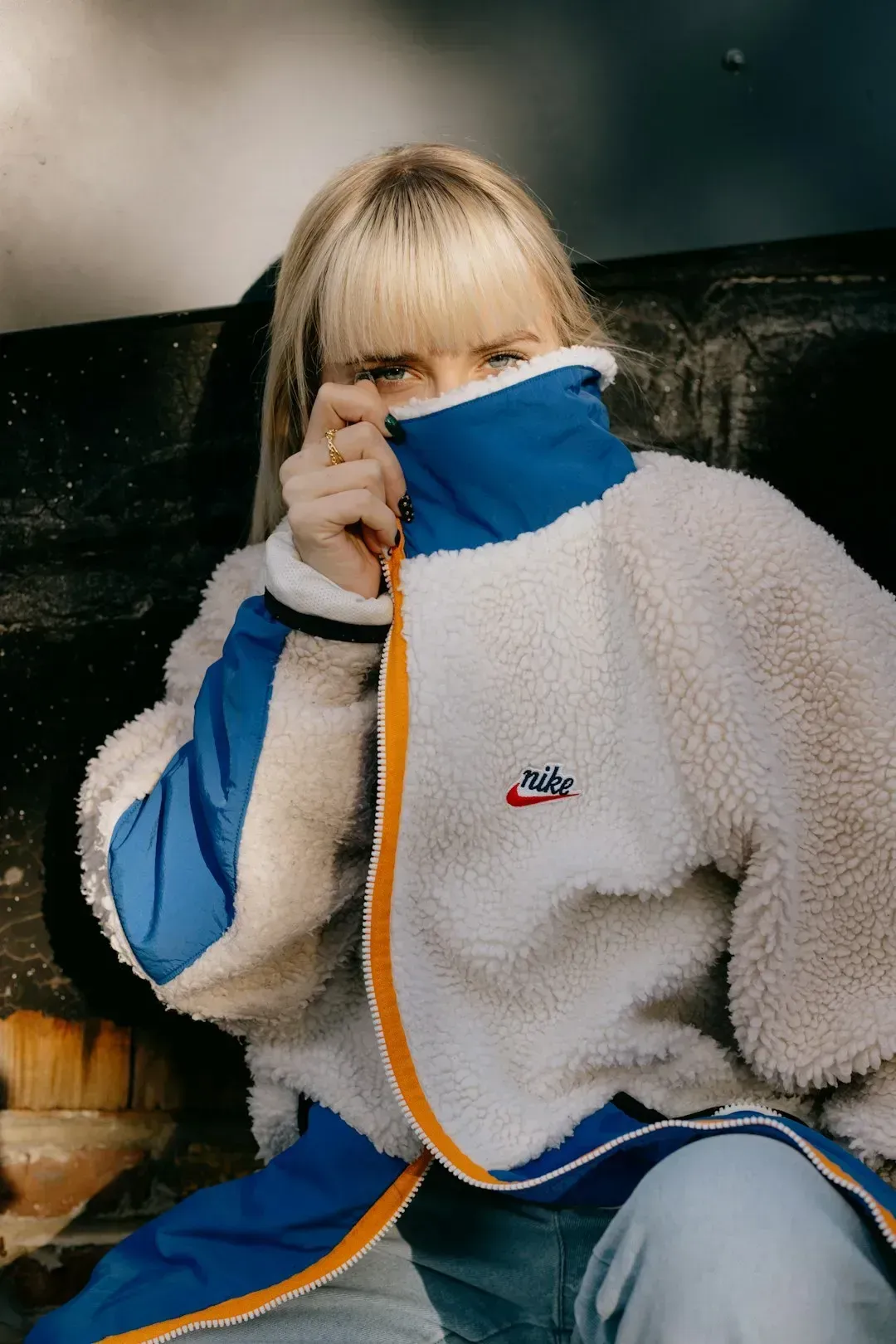
The middle layer is there to hold heat. Fleece, wool, and lightweight down are common choices because they trap warmth without adding much weight.
This layer is also the easiest to take off. If the sun comes out or the work picks up, you can drop it into a bag and keep going.
A Waterproof, Breathable Shell
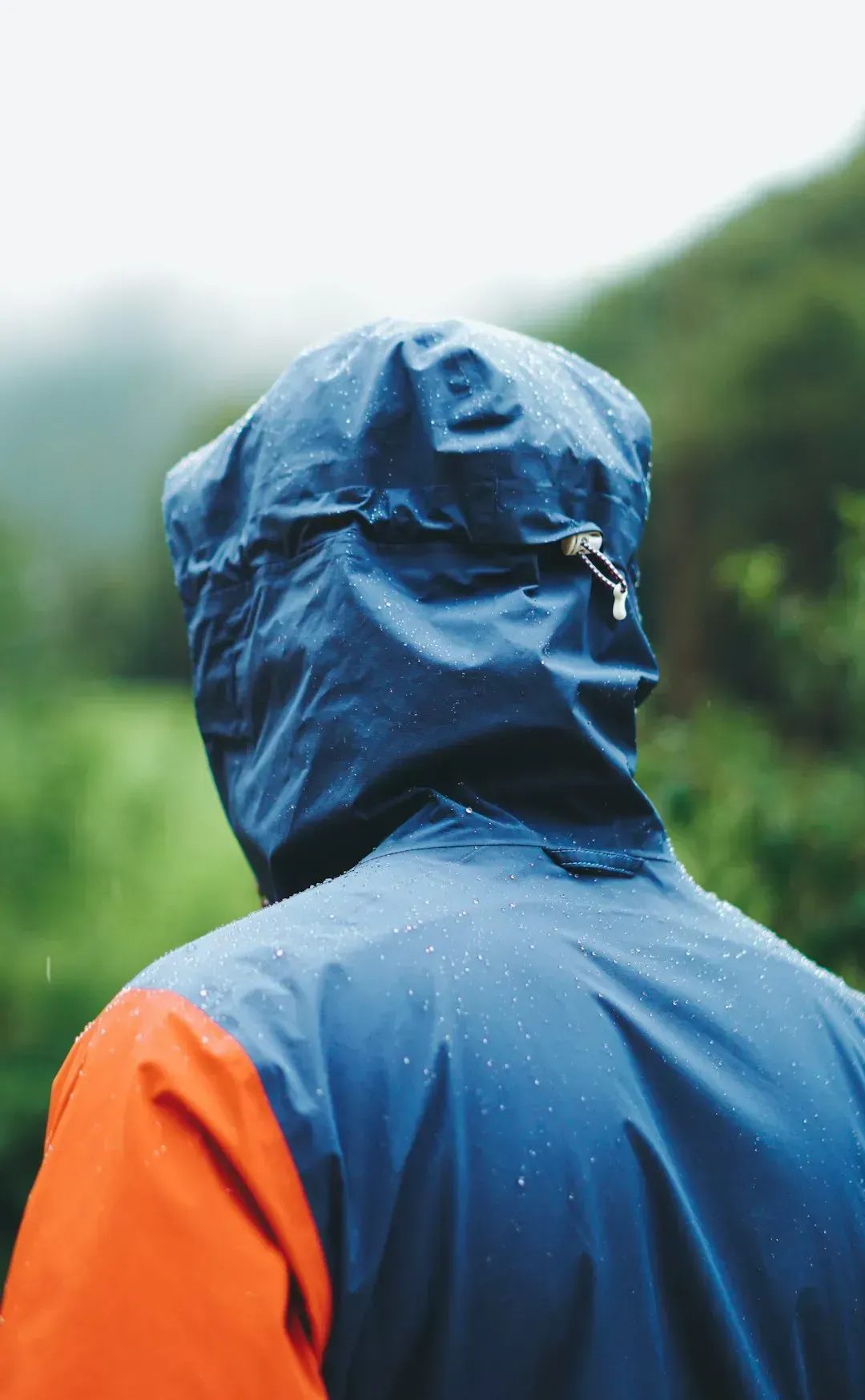
The outer layer deals with rain, snow, and wind. Waterproof shells block moisture, while breathable fabrics let body vapor escape so you don’t end up damp from the inside.
Wind matters as much as rain. The National Weather Service wind chill index shows that moving air makes exposed skin feel colder than the thermometer reading, so a shell that cuts wind adds real warmth.
Loose, Light Colored Clothing in Heat

In hot weather, the approach flips. The CDC advises lightweight, loose fitting, light colored clothing, which lets air move and reflects more of the sun’s energy than dark fabrics do.
Heat is a serious hazard, not just an annoyance. Staying cool through clothing choices is one part of avoiding heat related illness, alongside water, shade, and rest.
A Wide Brimmed Hat

A hat does a lot for little effort. In summer it shades the face, ears, and neck, and the CDC and other health agencies recommend wide brims as part of sun protection.
In winter, a warm hat matters too. The body loses heat through any uncovered area, so covering your head, ears, and face helps in cold, windy conditions.
Sunglasses and UV Protective Clothing
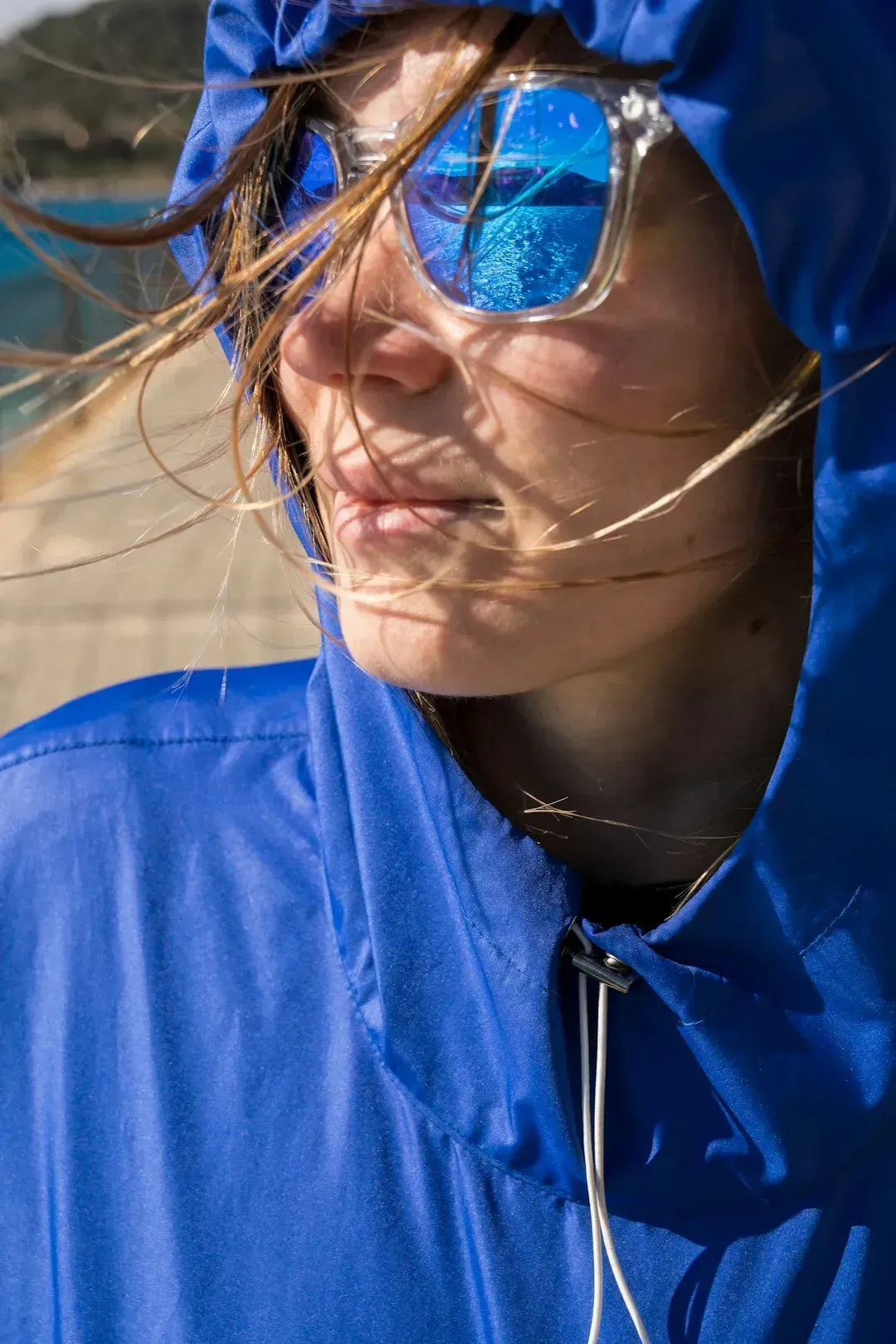
Clouds don’t remove ultraviolet exposure. The American Academy of Dermatology recommends sun protective clothing, sunglasses, and broad spectrum sunscreen for time outdoors.
Clothing labeled with a UPF rating gives tested protection from UV rays. Long sleeves in tightly woven fabric can be more reliable than sunscreen alone, since sunscreen needs regular reapplication.
Insulated Gloves and Warm Socks
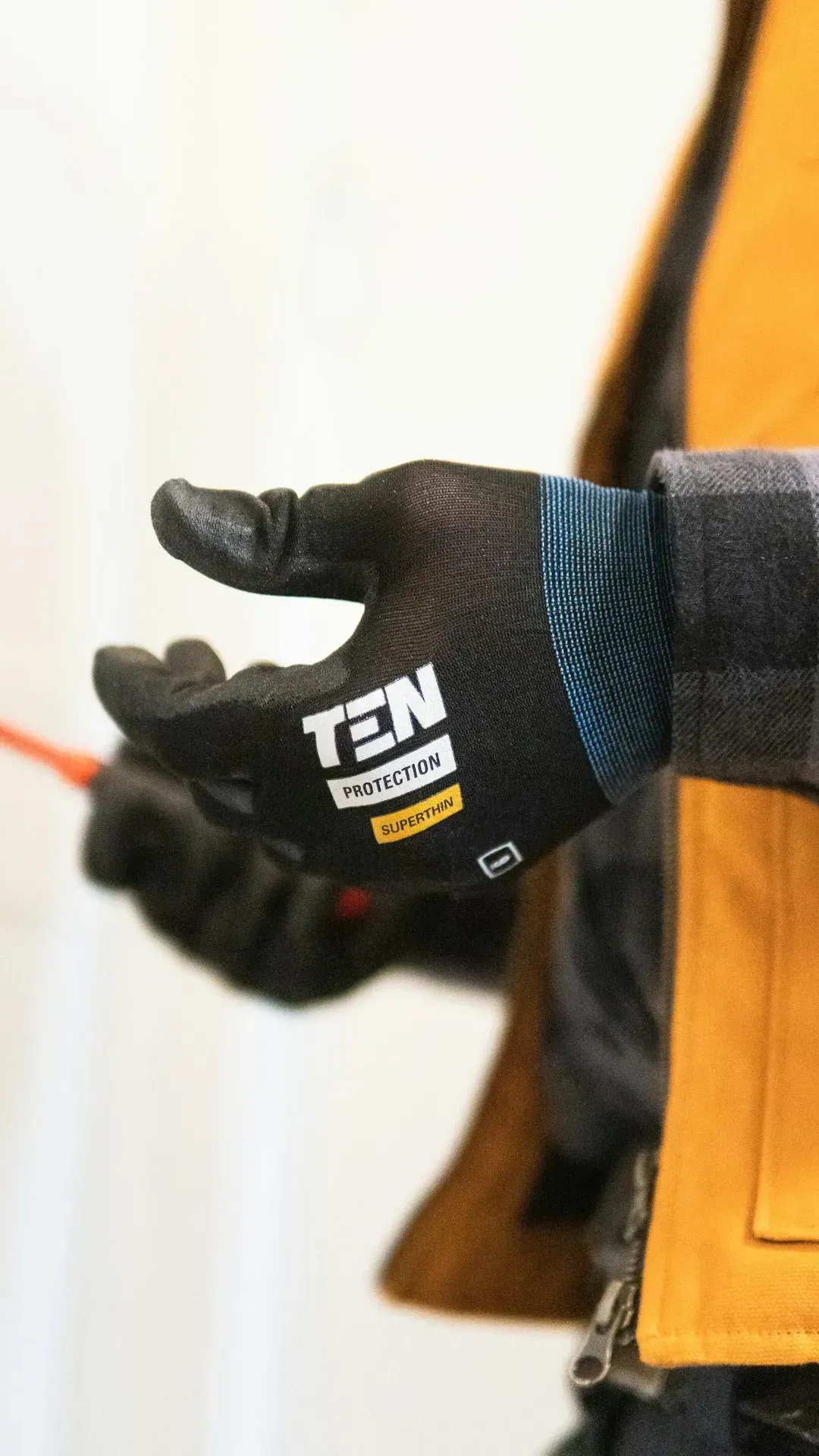
Hands and feet lose warmth first when it’s cold. The CDC lists frostbite as a risk for fingers, toes, ears, and the nose, so covering them is a priority in winter.
Mittens usually keep hands warmer than gloves, and wool or synthetic socks hold up better than cotton. Keeping feet dry is just as important as keeping them warm.
Sturdy, Weather Appropriate Footwear
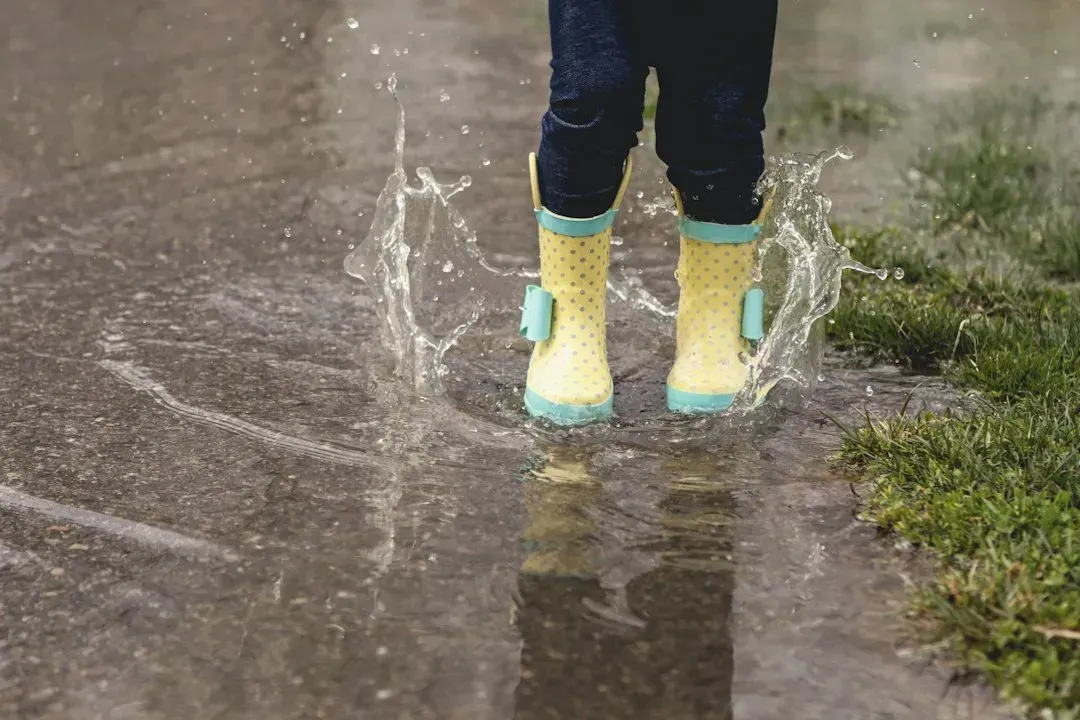
Shoes can make or break a long day outside. Waterproof boots with good traction help on wet, icy, or muddy ground, and they keep feet dry when puddles and snow would otherwise soak through.
In heat, breathable shoes with supportive soles are the better pick. Fit matters too, since wet or ill fitting footwear leads to blisters and cold feet alike.
