


- The Planet Where It Rains Liquid Glass – 7 Alien Worlds Defying Known Physics - November 14, 2026
- Stars Consuming Entire Worlds – 6 Planetary Systems Swallowing Their Own Worlds - November 14, 2026
- The Ground Liquefies Like Water – 6 Silent Fault Lines Geologists Watch Closely - November 14, 2026
Lake Powell has been setting unwelcome records this year. Its elevation fell to 3,519.91 feet on a Saturday in mid-August, just below the previous record set in April 2023, according to the U.S. Bureau of Reclamation. The numbers have kept moving since, and the story is more mixed than the headlines suggest.
A record low doesn’t mean an empty lake. Powell still holds a large volume of water, and recent rain has nudged it upward. Here’s what the data from 2026 shows.
A New Record Set in August
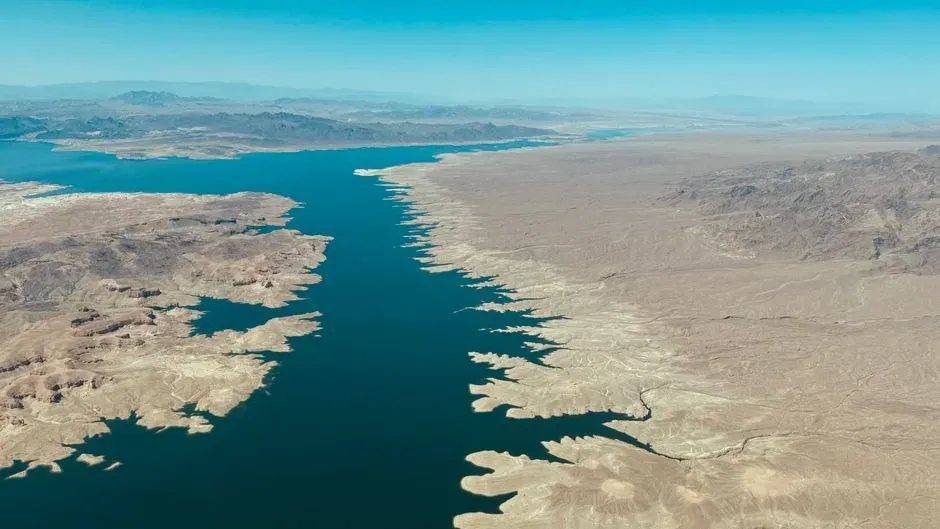
The reservoir dropped to 3,519.91 feet, breaking the record low of 3,519.92 feet set in April 2023. The margin was a single hundredth of a foot, which looks tiny on paper. Still, the symbolism was hard to miss.
The milestone came about a week after Lake Mead, the river’s other major reservoir, also hit a historic low. Reclamation data showed Powell was more than 20 feet lower than at the start of the year.
The Lowest Point So Far
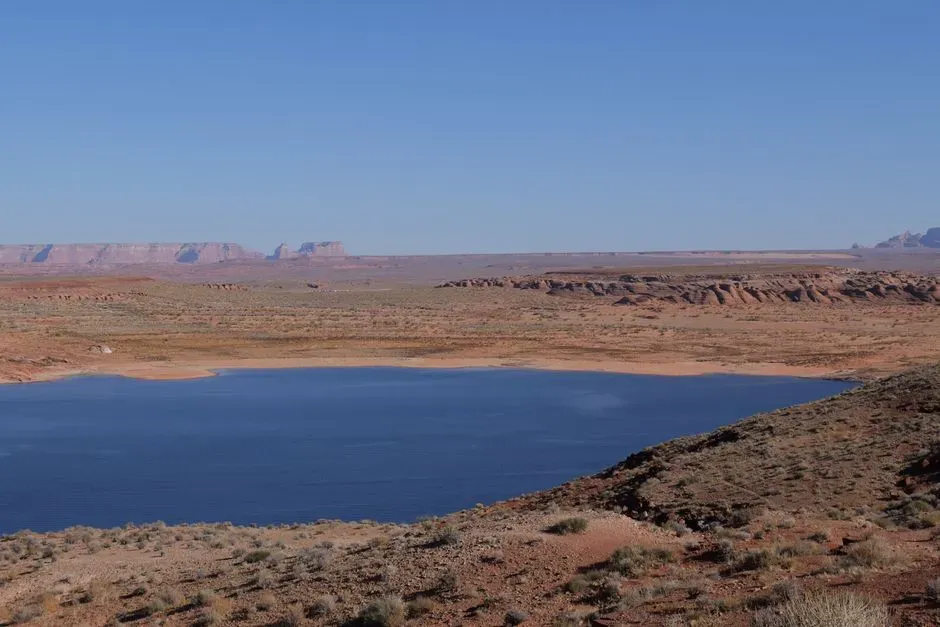
The decline didn’t stop in August. Bureau of Reclamation data show the lake reached a low of 3,516.62 feet on September 15, 2026. NASA also documented the drop with satellite imagery, noting a level of 3,517.24 feet on September 10.
That puts the low point only a few feet under the 2023 mark. Powell’s yearly cycle matters here, too. The reservoir typically peaks in July and bottoms out in December, so seasonal lows are expected late in the year.
Why the Snowpack Failed
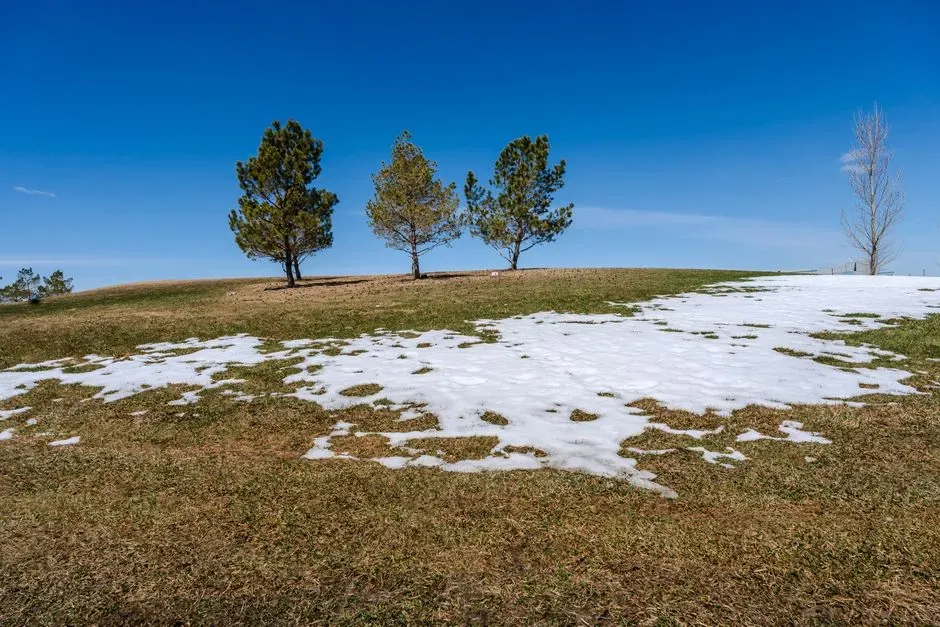
Much of the blame falls on winter. The Upper Colorado Basin saw unusually little snow in winter 2025-2026, a condition described as a snow drought. Stretches of record warmth sapped the snowpack further.
The result was a weak spring runoff. Snowmelt did little to refill the lake, as it normally does. Powell depends heavily on that runoff, since it’s typically boosted every year between May and July by melting snow.
A Long Slide, Not a Sudden One
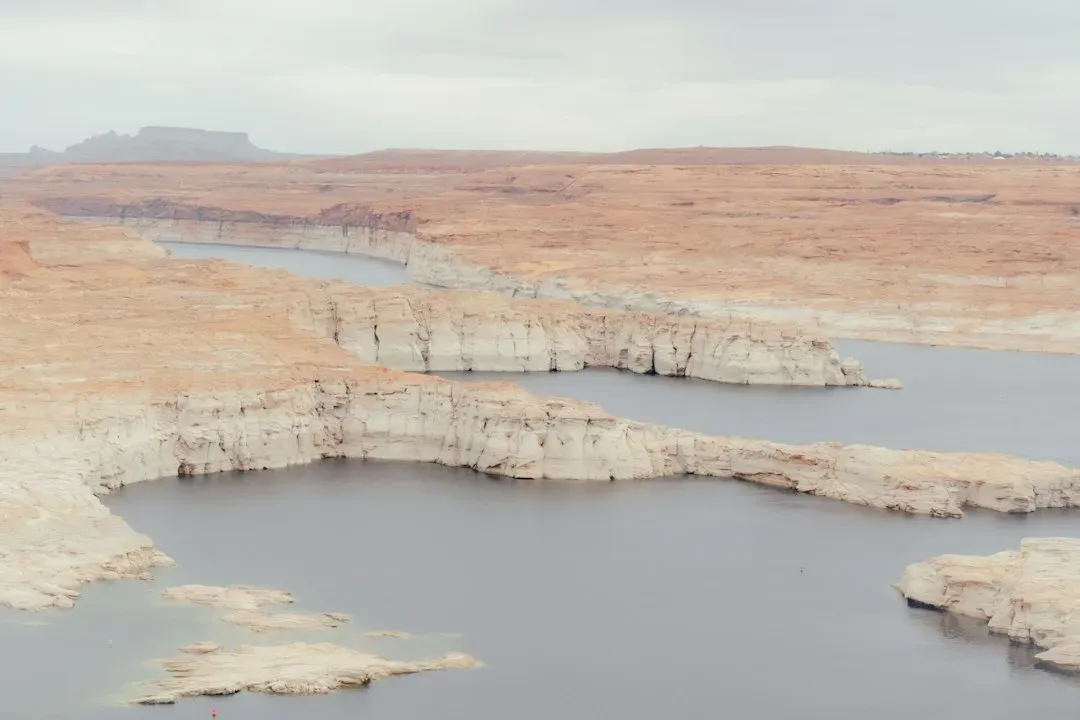
This year’s low sits on top of a much longer trend. Water levels in Lake Powell have fluctuated but declined overall since 1999. Drought is one factor, though not the only one.
One summary of the causes lists a multi-decade drought, thin snowpack, rising demand across seven states, and higher evaporation from warmer temperatures. Persistent overuse combined with a record-dry winter and rising temperatures have been depleting both Powell and Mead.
How Much Water Is Still There
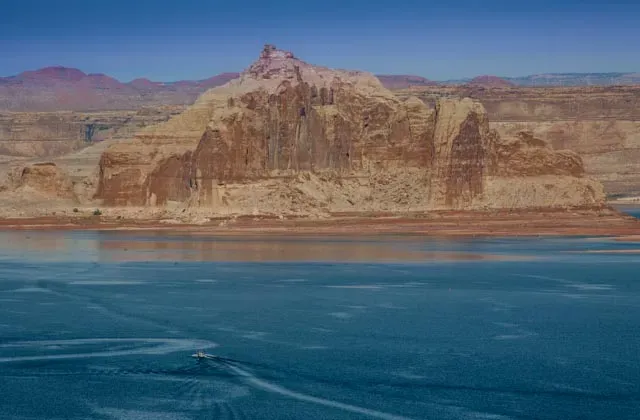
Now for the other side of the story. Powell’s full pool level is 3,700 feet above sea level. At roughly 3,529 feet, the lake sits well over a hundred feet below that, but it is far from drained.
Reclamation data cited by one tracking site put the late October reading at 3,528.66 feet on October 26, 2026. The same source notes that figure is about 134 feet above the lowest reading on record since the reservoir first filled. Large volumes of storage remain above the critical thresholds.
Rain Brings a Small Rebound
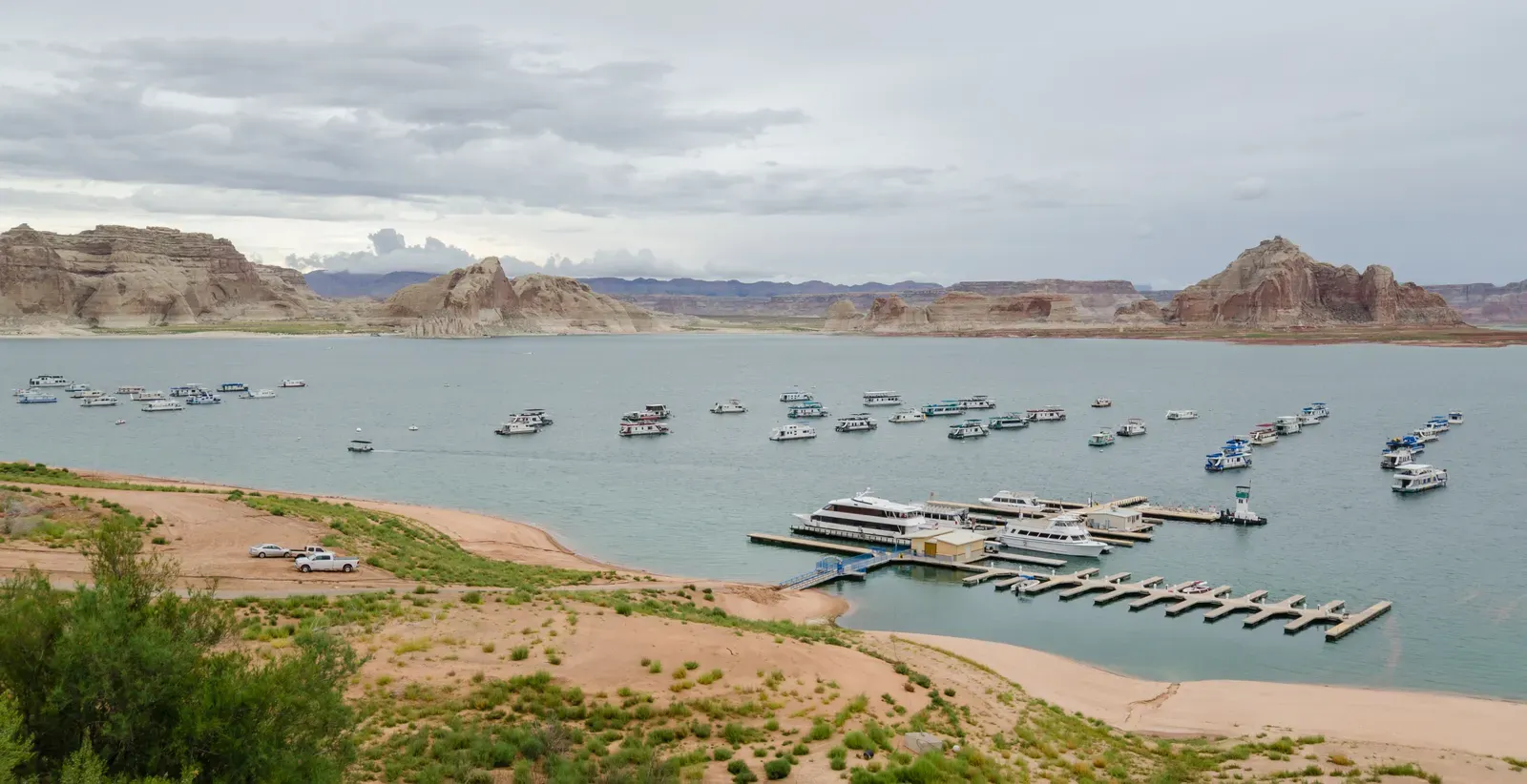
Recent storms have helped. Lake Powell is seeing a sudden reversal in its fortunes thanks to rainstorms that pounded the region in the past week.
The National Weather Service in Salt Lake City reported the level at 3,529 feet, about 10 feet above the August record low. A rise of that size is welcome, though it’s small next to the overall deficit.
Distance From Dead Pool
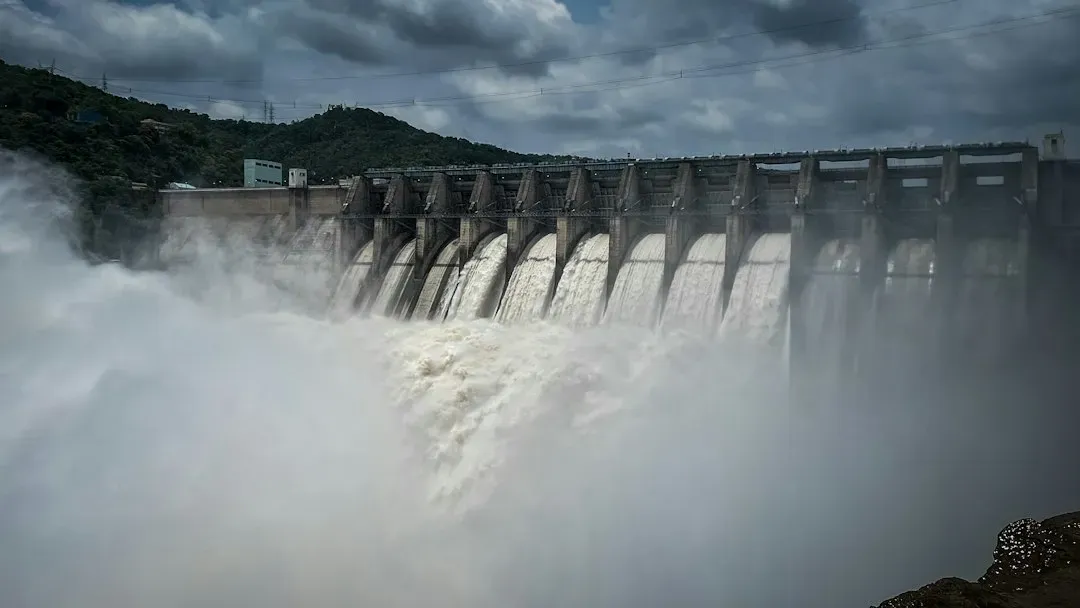
Two thresholds draw the most attention. Power generation stops below minimum power pool at 3,490 feet. Dead pool, where water can no longer pass through the dam, sits at 3,370 feet.
At the August low, CNN reported the lake was just under 30 feet away from the point where the dam can no longer generate hydropower. With the lake now around 38 feet above that line based on the late October reading, the margin has widened a bit. Dead pool remains much farther away.
Emergency Steps by Federal Officials
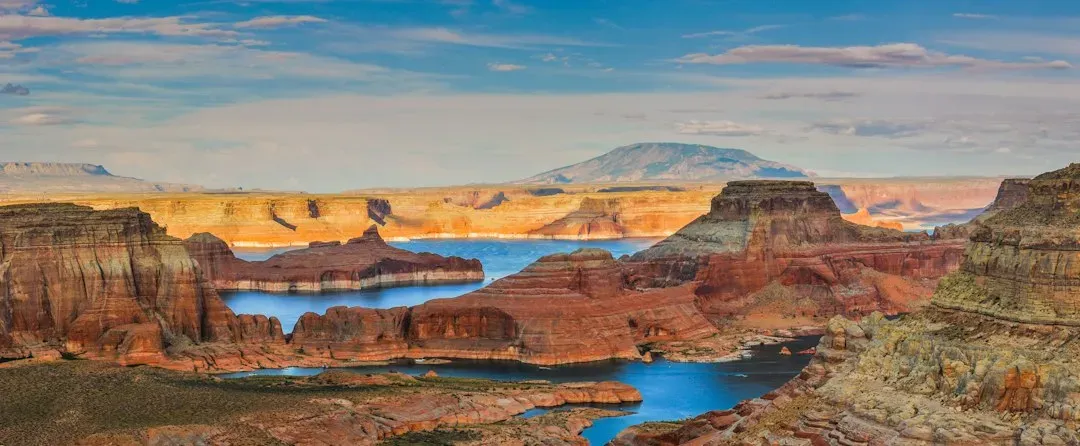
Federal agencies haven’t been waiting. Officials have taken emergency steps to stabilize Lake Powell, including sending in water from another reservoir and reducing releases downstream.
These moves are meant to slow the decline and protect the dam’s ability to operate. They don’t replace snow, though, and they shift the pressure to other parts of the system.
Who Depends on the Colorado River
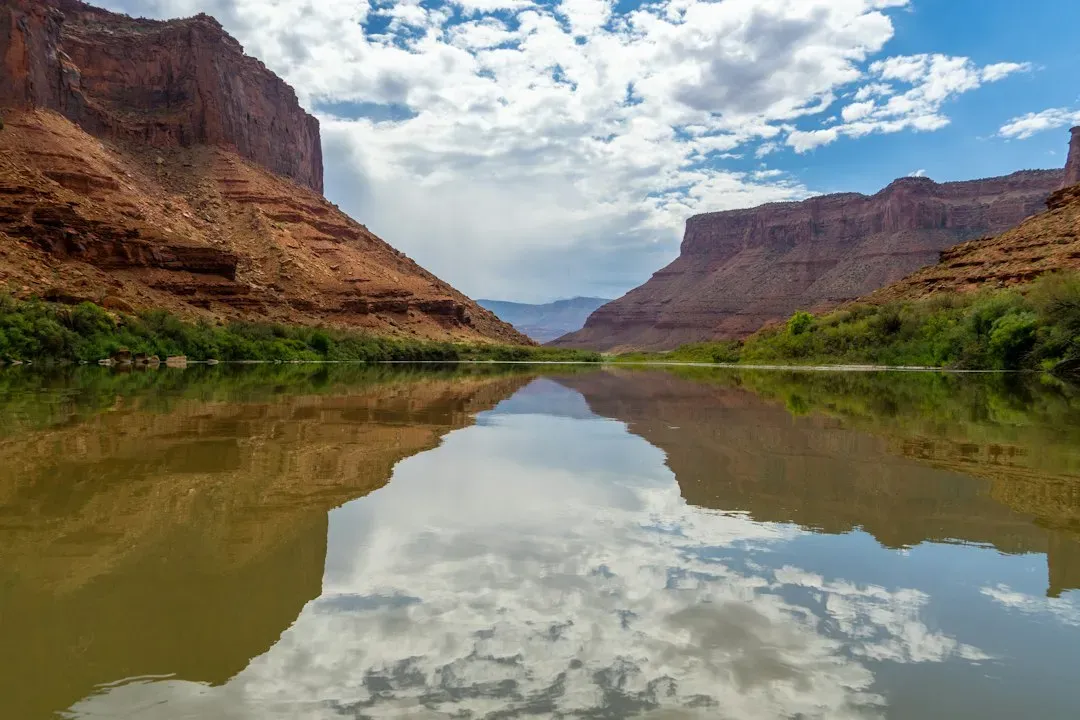
The stakes reach well beyond boating. The Colorado River Basin supports wildlife, hydropower and more than 40 million people in seven U.S. states. Powell works as a storage buffer, often described as a water bank account used in dry years to send supplies downstream.
Together, the two big reservoirs are in rare territory. Combined, Mead and Powell haven’t held this little water since 1957. That comparison needs context, since Powell didn’t exist then, as it wouldn’t begin filling until 1963.
Negotiations Over the River’s Future
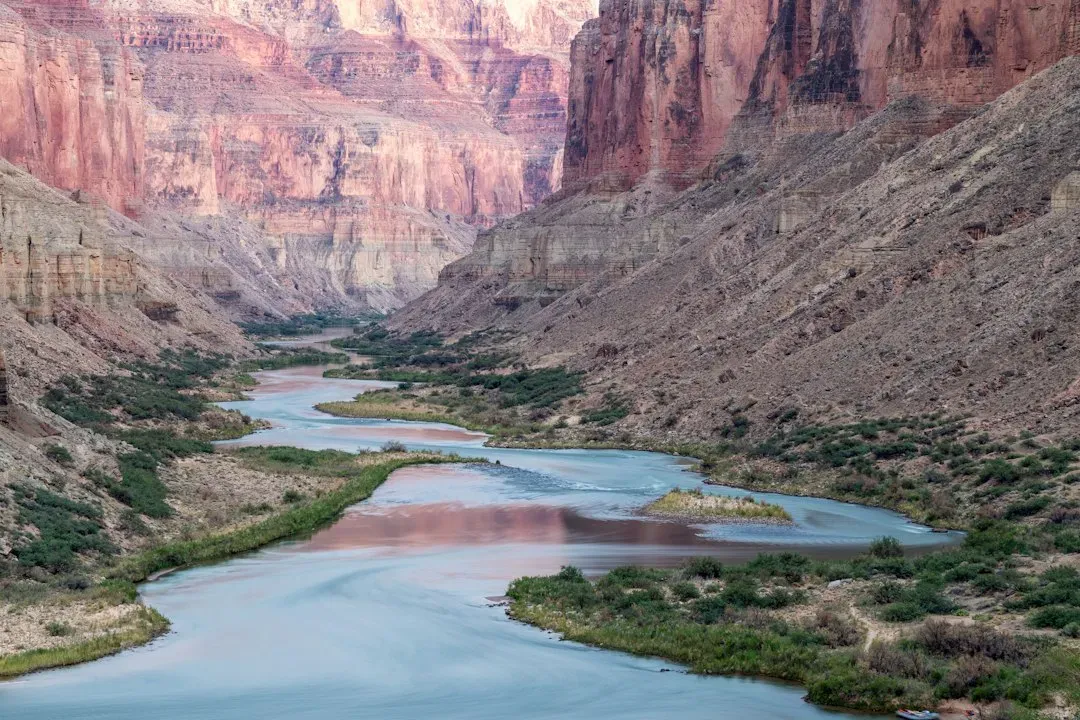
The federal government and the basin states are still struggling to agree on a long-term management plan for the dwindling river. Those talks will shape how shortages are shared in coming years.
Meanwhile, the lake’s level will keep following snow and rain. The next winter’s snowpack in the Upper Colorado Basin will largely determine where Powell stands by next summer.
