

Most meteor showers come with a famous name attached, but only a couple can say their dust came from the most famous comet of all. The Orionids are one of them. They show up every October, quietly and without much fanfare.
This year the show comes with a wrinkle. A bright Moon is in the sky for part of the night, so timing matters more than usual. A little planning goes a long way.
The Dates That Matter
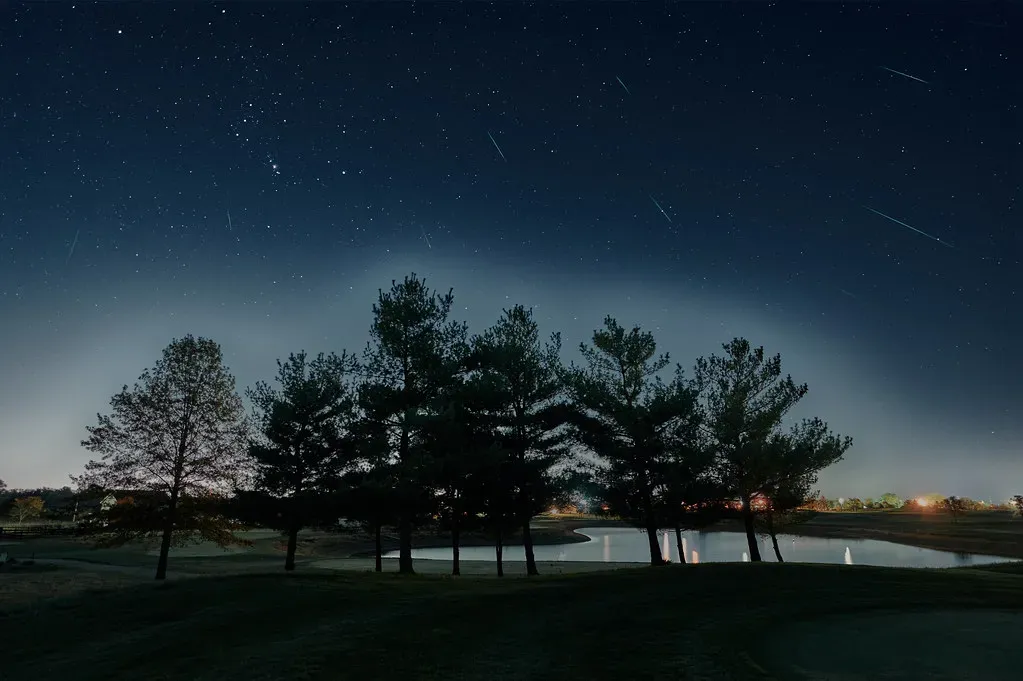
The Orionids are active from October 2 to November 7, with the peak on October 21 to 22. That’s a long window, though most of the good viewing clusters around the middle of it.
Activity is detectable across the whole span, but the few nights either side of the peak give the highest rates. Peak timing also varies a little by source. The RASC Observer’s Handbook predicts the peak at 18 UTC on October 21, 2026.
Why These Meteors Come From Halley’s Comet
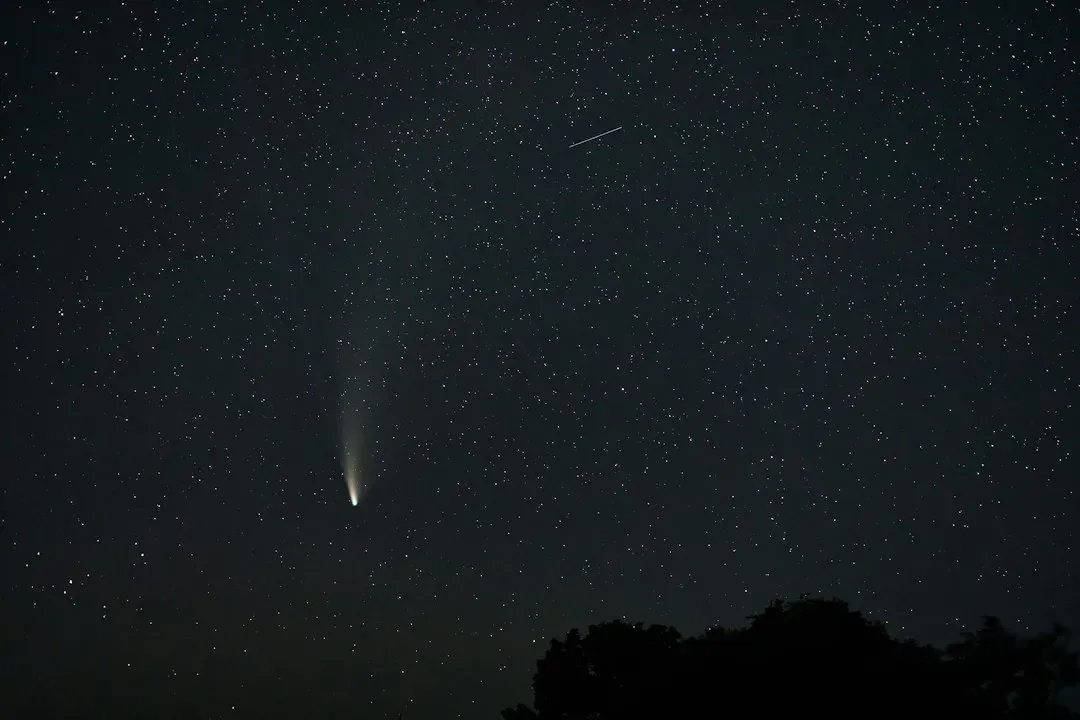
The Orionids are the fall meteor shower made of debris from Halley’s Comet. Earth passes through the trail of dust the comet left behind, and each grain burns up as a brief streak of light.
There’s a second Halley shower too. The Eta Aquariids peak around May 5 to 6 each year. So Earth crosses Halley’s debris twice a year, once in spring and once in autumn.
The Moon Is the Main Obstacle
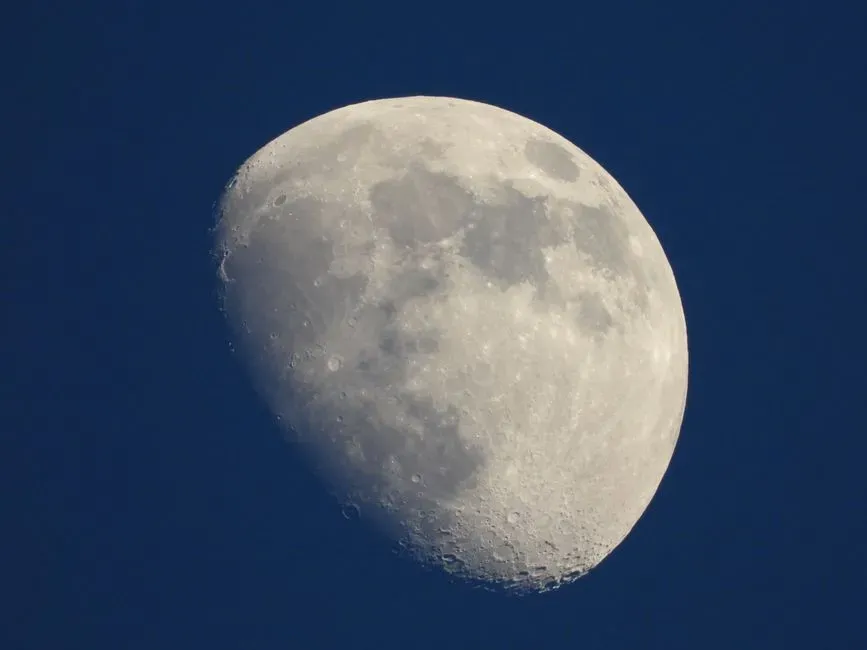
In 2026 the Orionids peak under a waxing gibbous Moon, which will significantly brighten the sky during the first half of the night. It is about eighty percent lit on the peak mornings. Faint meteors get washed out, and the fainter ones are the bulk of any shower.
It isn’t a lost cause, though. Full Moon falls on the night of October 25 to 26, so the Moon is still short of full during the peak. It sets a few hours before dawn, which opens a darker window.
The Best Time of Night
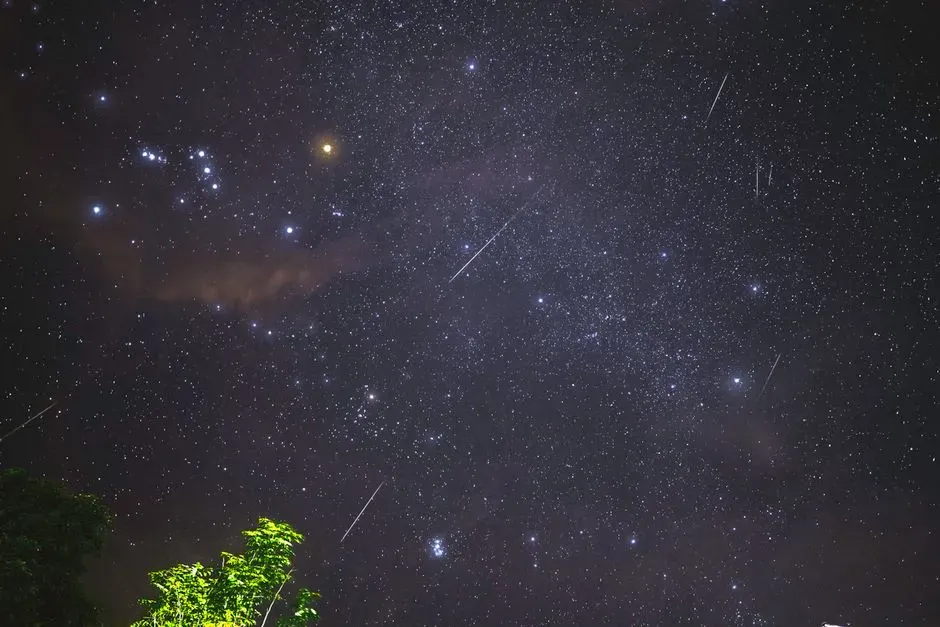
As with most showers, the second half of the night is the better half. The hours between midnight and dawn are best for the Orionids. The radiant climbs as the night goes on, so predawn hours usually produce more visible meteors than early evening.
This year the sweet spot is narrower. The Moon sets around 3 a.m. local time, so the darkest window runs from moonset until dawn. Moonset varies by location, so it’s worth checking it for your own town.
Where to Look in the Sky
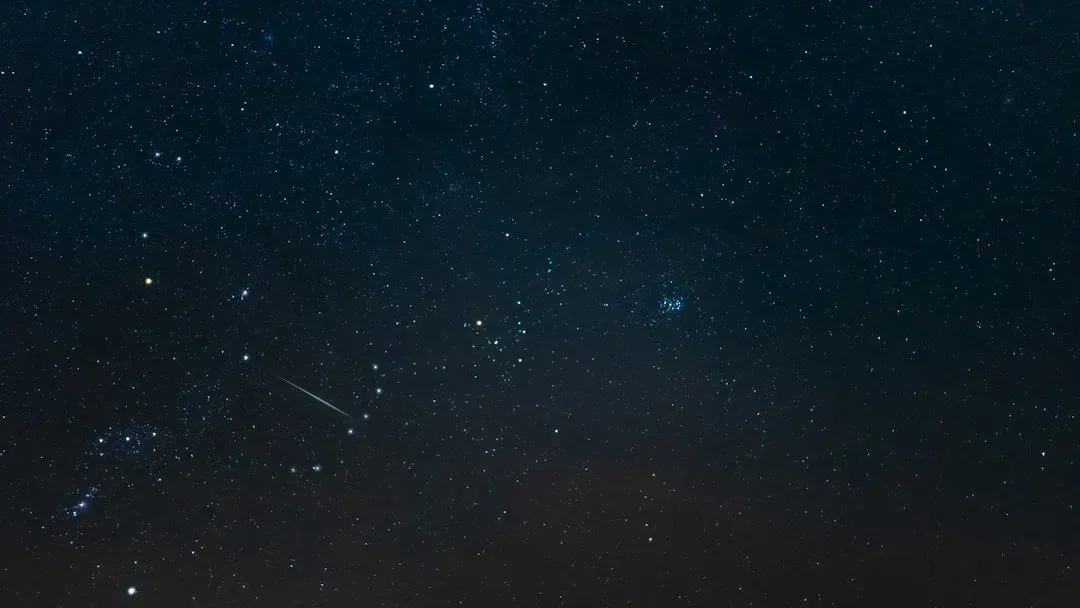
The Orionids radiate from a point near the upraised club of Orion the Hunter. That’s the radiant, the spot the meteors appear to fan out from. You don’t need to stare at it, though.
Meteors can show up anywhere overhead. Many observers suggest looking a bit away from the radiant, since the trails look longer there. If you have to watch while the Moon is up, place yourself in the Moon’s shadow, such as behind a building or tree.
What Rates to Expect
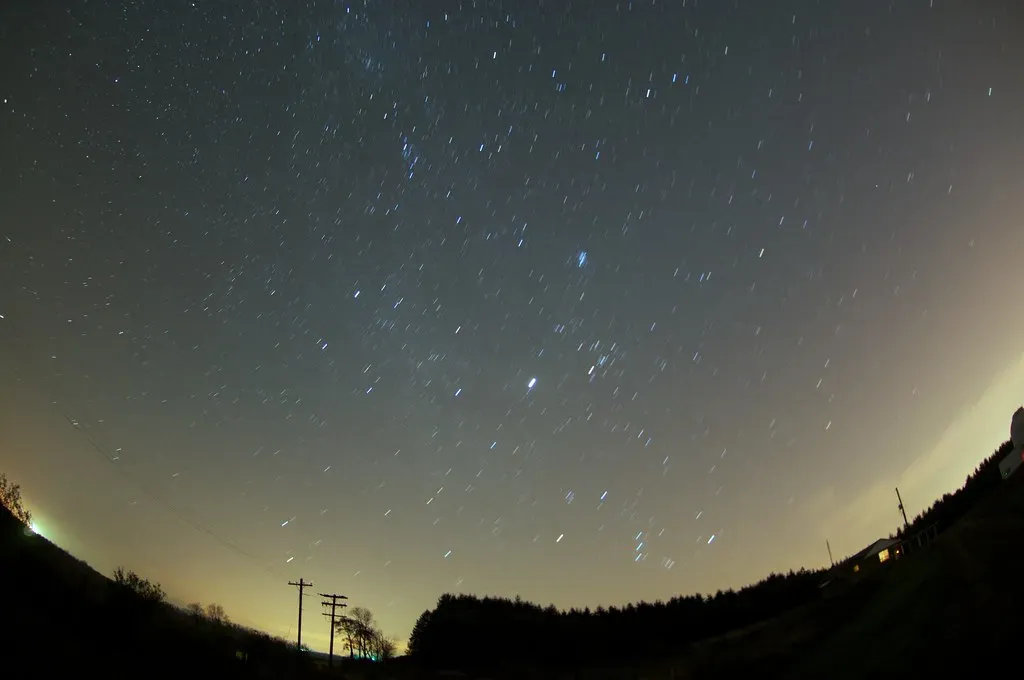
The Orionids are reliable rather than spectacular. The rate at peak is fifteen to twenty five meteors per hour under dark skies. Other guides put the theoretical maximum at around twenty an hour.
Those numbers assume ideal conditions. The typical observed rate is closer to ten to twenty an hour, and moonlight will likely push your count toward the low end. Think of it as a meteor every few minutes, not a downpour.
Fast Streaks and the Odd Fireball
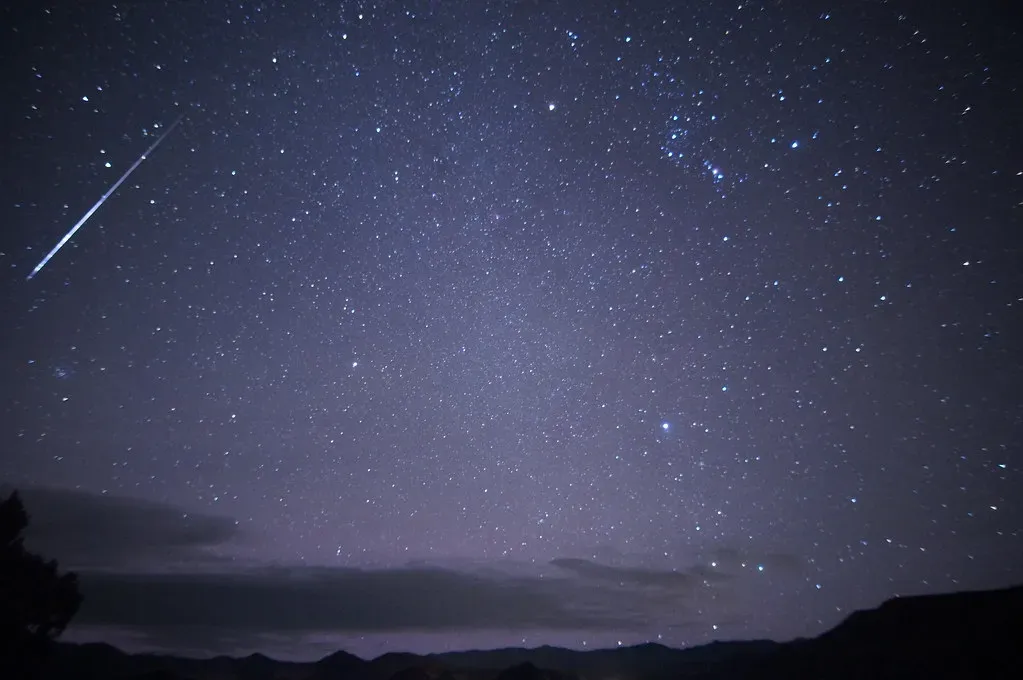
What the Orionids lack in numbers they make up for in speed. Their meteors travel at roughly sixty six kilometers per second. We’re moving in nearly the opposite direction to the debris, and the combined speeds produce fast meteors.
Fast meteors often leave brief glowing trains. The shower can also produce bright fireballs even outside the maximum. If you spot one, the American Meteor Society takes fireball reports online.
What to Bring and How to Settle In
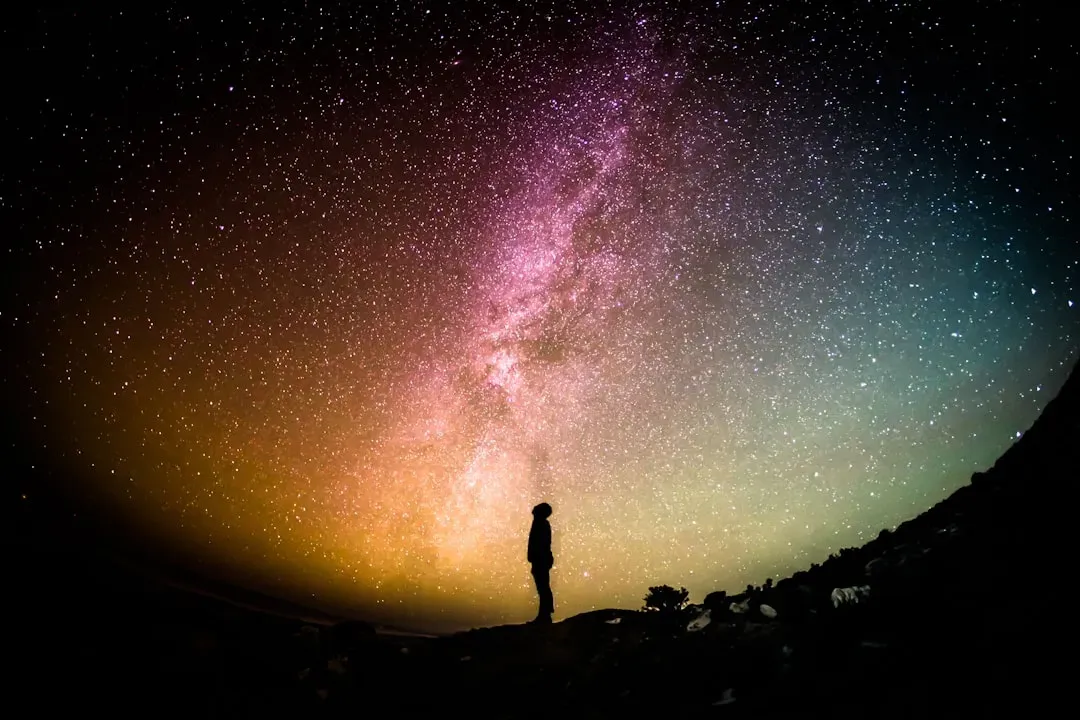
You don’t need a telescope or binoculars. A reclining chair, warm layers, and your unaided eyes are the recommended kit. Late October nights get cold, so a blanket and a hot drink help more than most gear.
Find a spot away from streetlights and give your eyes time to adjust. That usually takes about twenty to thirty minutes without looking at your phone. Then lie back, look up, and let the sky do the work.

- 6 Things Scientists Monitor in Space That Most People Never Think About - November 13, 2026
- I Asked AI and a Waste Auditor How to Cut My Household Trash – Where They Disagreed - November 12, 2026
- Einstein’s equations suggest gravity can reconnect like the sun’s magnetic field - November 12, 2026
