

Ask a chatbot how to produce less garbage and you’ll usually get a tidy list: compost your scraps, recycle more, buy in bulk, carry a reusable bag. None of that is wrong. Still, a person who spends their days sorting through bins tends to look at the problem from the other end, starting with what people actually throw out.
That gap between general advice and bin level evidence is where this gets interesting. Below, I’ve laid out the main points where generic tips and audit findings line up, and the places where they pull apart.
Start With the Number Everyone Quotes
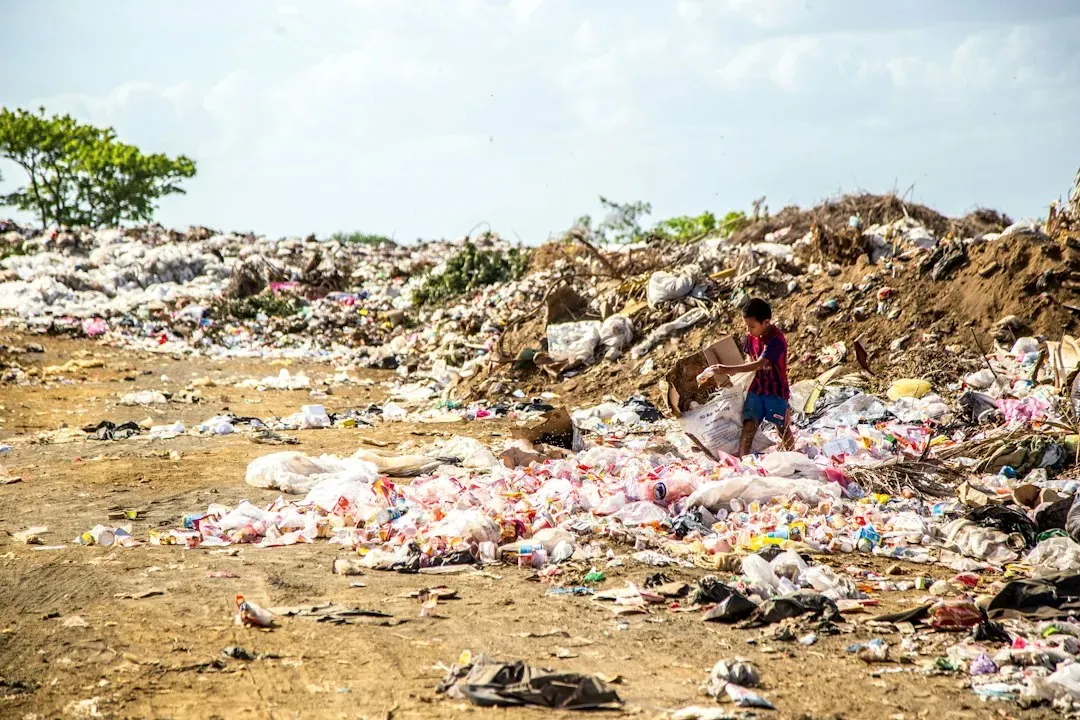
The figure most people hear is about the American average. The EPA reports that the U.S. generated 292.4 million tons of municipal solid waste in 2018, or 4.9 pounds per person per day. That’s a useful anchor, though it covers far more than your kitchen bin.
It also isn’t fresh. Commentators in early 2026 were still treating the 2018 EPA total as the most recent nationwide figure, so anything newer is an estimate. An auditor would say your own bin matters more than a national average anyway.
Where the Trash Really Comes From
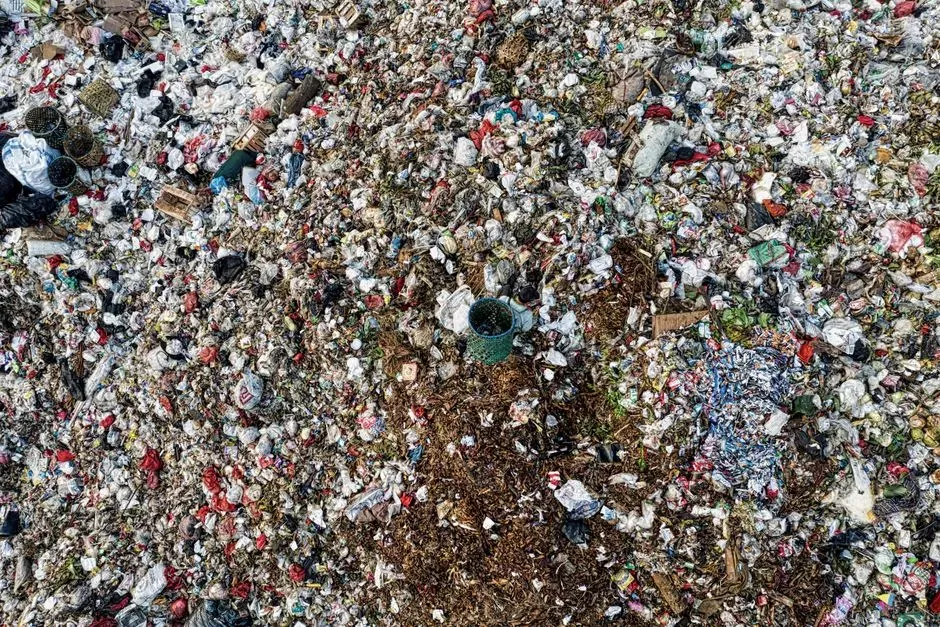
Generic advice often leads with plastic straws and bags. The federal data points somewhere less glamorous. Paper and paperboard were the largest category generated at about 23 percent, with food waste close behind at roughly 22 percent.
Things shift once you look at what goes to landfill. Food was the biggest landfilled item at around 24 percent, ahead of plastics at about 18 percent and paper at nearly 12 percent. So the heaviest lever in many homes is the stuff that rots, not the stuff that’s shiny.
Food Scraps: The Point Where They Agree
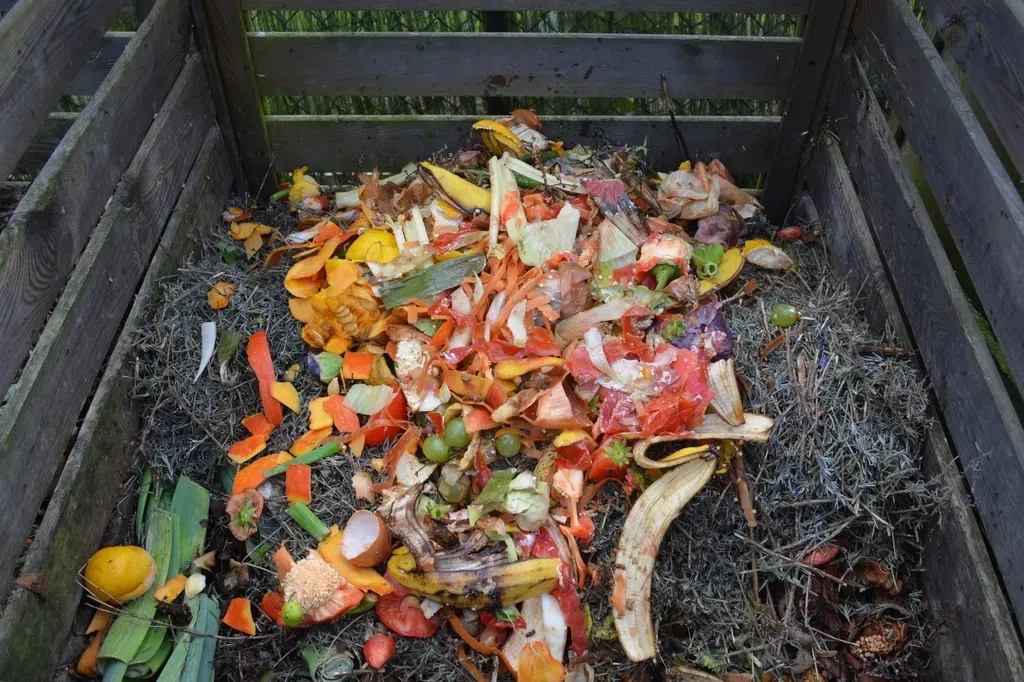
This is the rare topic where advice from software and from a sorting floor tends to match. Cutting food waste at the source, through meal planning and smarter storage, beats any disposal method. Composting what’s left is the next step.
The logic is backed by what happens after burial. Municipal solid waste landfills are the third largest source of human related methane in the United States. Food scraps are a big part of that story, which makes the kitchen the best place to start.
Recycling: Where Optimism Meets Reality
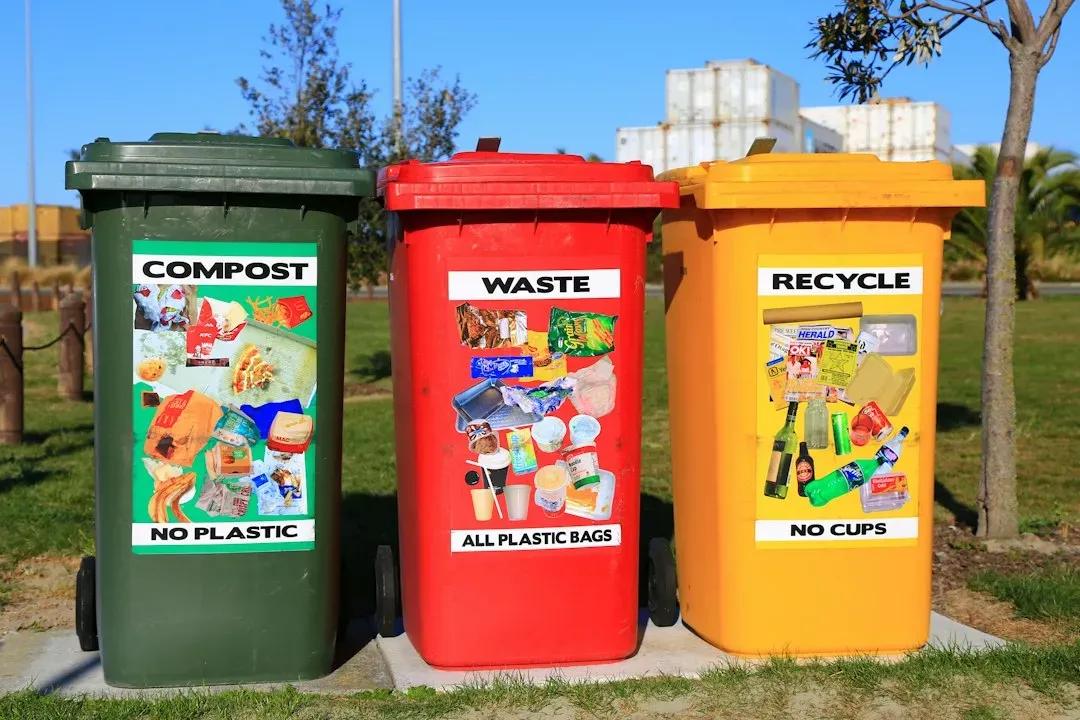
Here the two views split. A quick answer might simply tell you to recycle more, which sounds sensible. An auditor would ask what you’re putting in the bin, because more isn’t always better.
The national picture shows why. The EPA put the combined recycling and composting rate at 32.1 percent for 2018. Researchers at Ohio State’s Fisher College note that about a fifth to a quarter of collected recyclables are contaminated.
The Wishcycling Problem
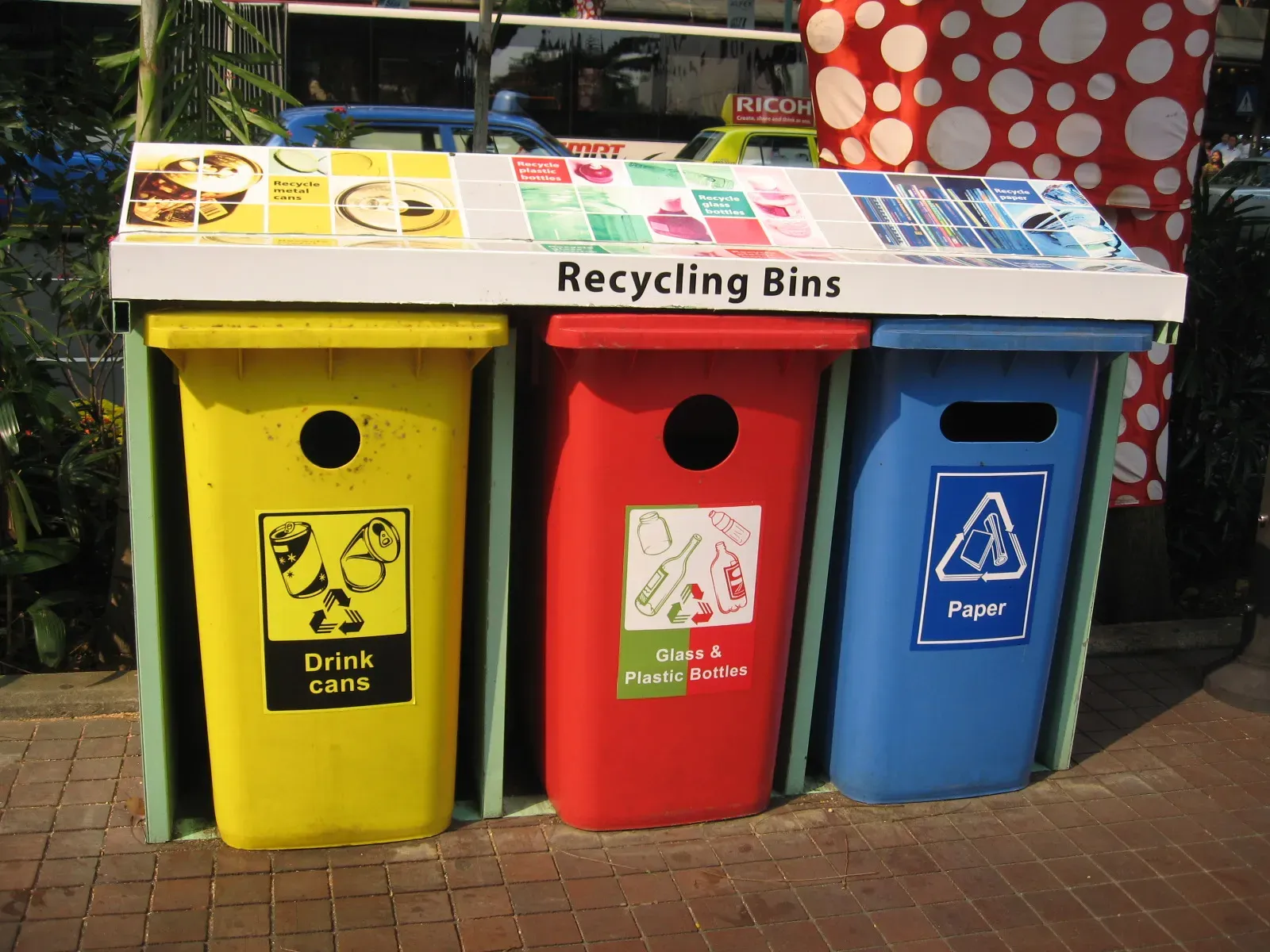
Wishcycling is the habit of tossing a doubtful item into the recycling and hoping for the best. Lexington, Kentucky describes it as people acting with good intentions but poor knowledge. The city’s own figures are sobering, since its recycling center reports a contamination rate of around 35 percent.
The cost isn’t abstract. Contamination makes it harder to sell sorted paper, plastic and glass, and badly contaminated loads can end up in the landfill. A well meant guess can therefore undo someone else’s careful sorting.
Items That Quietly Cause Trouble
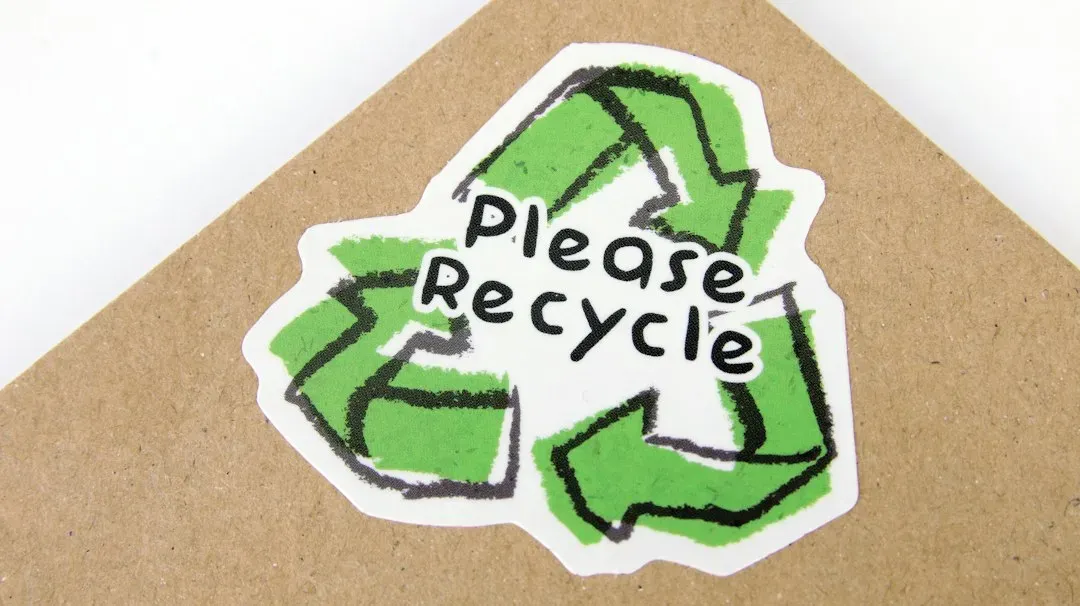
Some of the worst offenders are things people assume are fine. The Recycling Partnership has flagged tanglers such as hoses, cords and clothes, along with film plastic like wrap and bags. These jam sorting machinery.
Others are less obvious. Thermal paper receipts carry a chemical coating, so they belong in general waste. Drinking glasses and glass cookware are heat treated and don’t melt at the same temperature as bottles and jars. A chatbot may not know your local rules, so your council’s list is the better reference.
Do Audits and Penalties Actually Work?
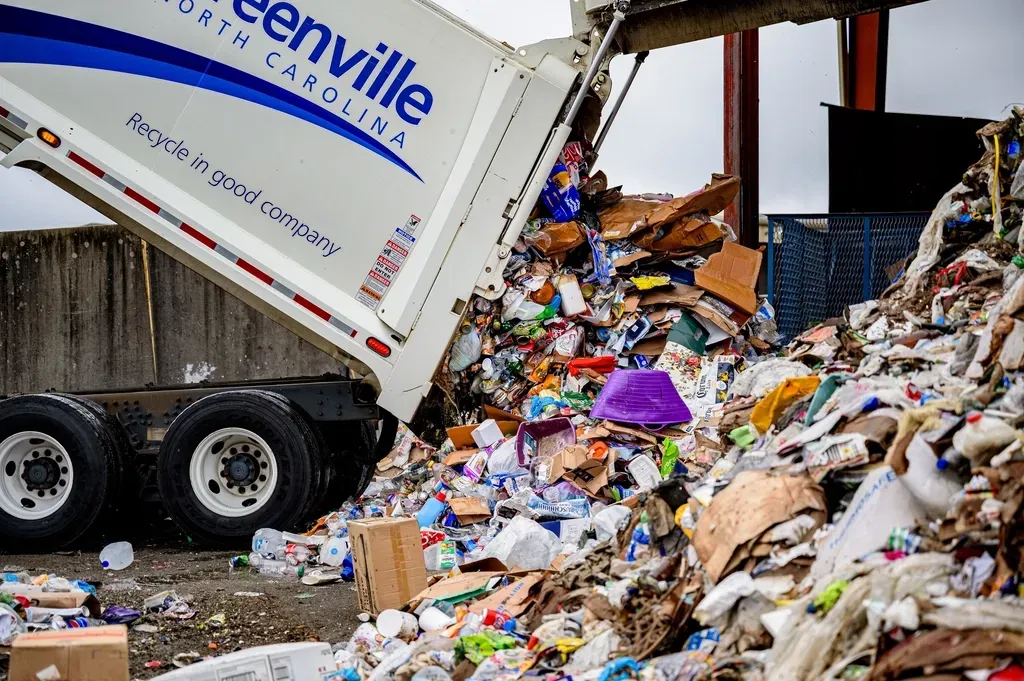
An auditor’s toolkit often includes feedback, and sometimes consequences. Research from Ohio State found that a mix of education and penalties is surprisingly effective at cutting contamination without discouraging participation. That cuts against the assumption that tough rules scare people off.
Some places are already moving that way. The Regional District of Nanaimo in British Columbia plans warnings, then a $500 fine after three strikes, and could eventually stop pickups. Recycle B.C. sets its acceptable contamination threshold at five percent.
Running a Mini Audit at Home
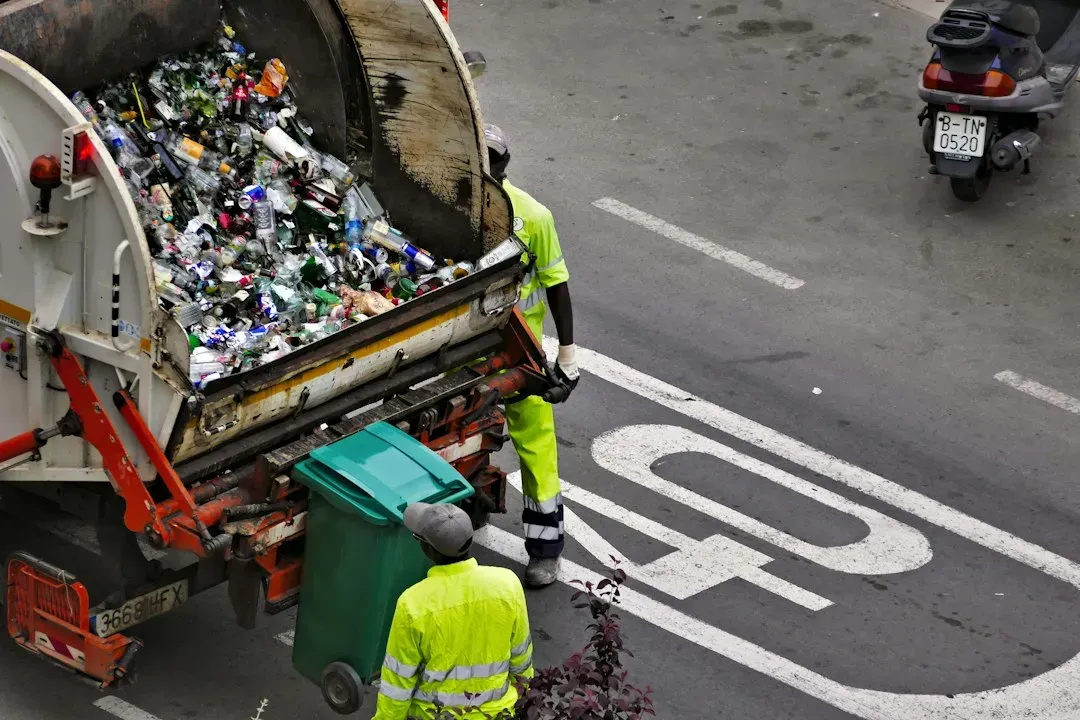
You don’t need a professional to try this. The TRUE Home Zero Waste Audit toolkit suggests laying out three tarps labeled landfill, recycling and compost, then sorting a bag’s contents onto them. Weigh or photograph what lands on each, and the patterns appear fast.
The aim is learning, not guilt. A zero waste audit goes beyond fixing contamination, aiming to change habits so less gets thrown away. Repeating it every few months shows whether the changes are sticking.
A Practical Order of Operations
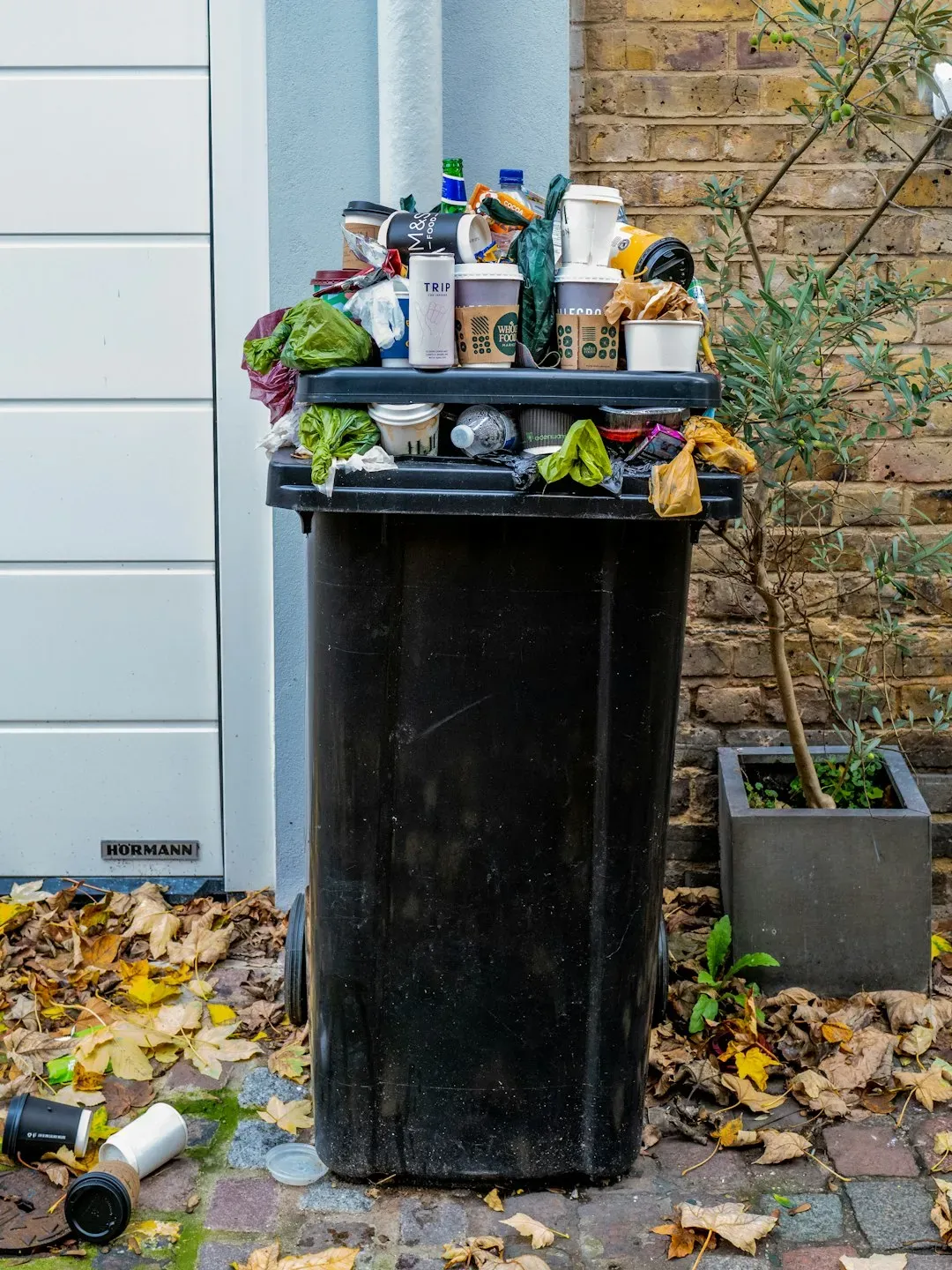
Put the two views together and a sensible order emerges. First, shrink food waste, since it’s the largest landfilled material. Second, learn your local recycling list and stick to it, even when that means putting questionable items in the trash.
Third, buy fewer items that arrive in film or mixed packaging, because they’re hard to recycle at the curb. Finally, audit your own bin once in a while. Chatbots can help you draft a plan, but your bin and your council’s rules decide what actually works.

- The Shoreline Sucked Dry in Seconds – 5 Tsunami Signals Beachgoers Mistake for Low Tide - November 14, 2026
- 9 Dark-Sky Destinations Around the World Where the Stars Look Unreal - November 14, 2026
- The Fault Line That Never Slips – 7 Locked Seismic Zones Overdue for a Massive Release - November 14, 2026
