

- 9 Items Experienced Skywatchers Bring Along That Beginners Always Wish They’d Packed - November 12, 2026
- I Moved to Tornado Alley in Oklahoma – 7 Things I Did Not Anticipate About Storm Season - November 12, 2026
- VR tool shows how rising seas could flood Fort Lauderdale - November 12, 2026
The first night out under a dark sky usually goes the same way. You arrive with a telescope or a pair of binoculars, a jacket that seemed fine in the car, and a lot of enthusiasm. Then the temperature drops, your phone screen blinds you, and the one thing you needed is sitting at home.
Seasoned observers rarely carry fancy gear for its own sake. Their bags are built around small, practical fixes for cold, glare, fatigue, and fumbling in the dark. Here are nine items that tend to earn their place.
Red Flashlight or Headlamp
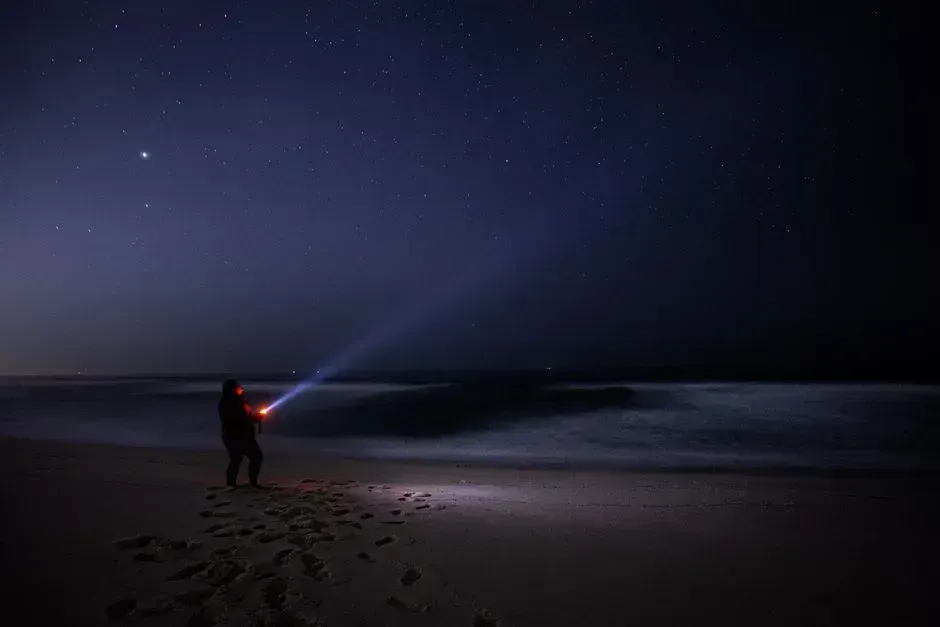
A red light is the classic skywatcher’s tool, and there’s a good reason for it. Red wavelengths have less effect on the rod cells in your eyes, so your night vision isn’t wiped out each time you check a chart. A bright white beam, by contrast, can undo the adaptation you’ve built up.
Full dark adaptation typically takes around half an hour or more. A headlamp with a red mode keeps your hands free for eyepieces and notes. Beginners often rely on a phone flashlight and then wonder why faint galaxies keep vanishing.
Warm Layers and a Hat
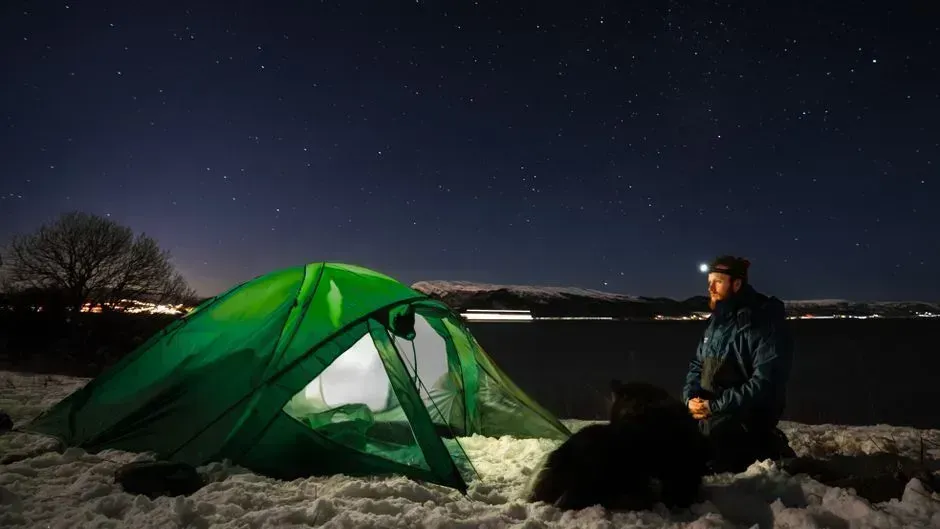
Stargazing means standing or sitting still for hours, and your body makes very little heat when it isn’t moving. Clear nights also tend to cool quickly because there are no clouds to hold warmth in. Experienced observers dress for temperatures well below the forecast.
Layers work better than one thick coat, since you can add or remove them as the night goes on. A warm hat matters more than most people expect, as does a pair of thin gloves you can still work knobs with. Beginners usually learn this lesson around ten o’clock, shivering.
Binoculars
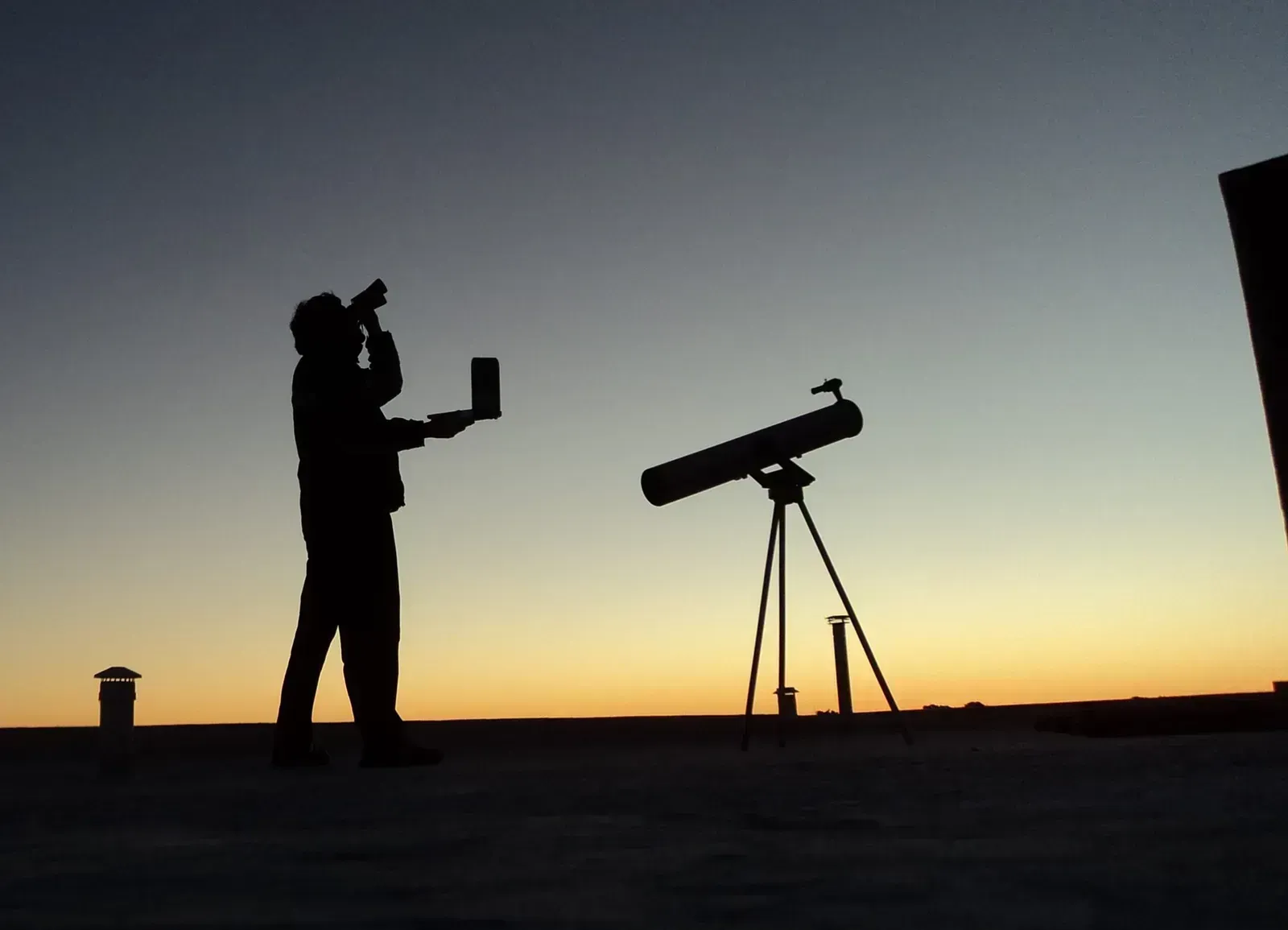
Many veterans carry binoculars even when they’ve brought a big telescope. They’re quick to point, easy to use, and show a wide patch of sky. The Pleiades, the Andromeda Galaxy, and the Milky Way’s rich star fields all look lovely through them.
A common starter choice is a 7×50 or 10×50 pair, which balances light gathering with a steady view. Even a modest pair can reveal the moons of Jupiter and craters on the Moon. For newcomers, they’re often the most rewarding thing in the bag.
A Planisphere or Star Chart
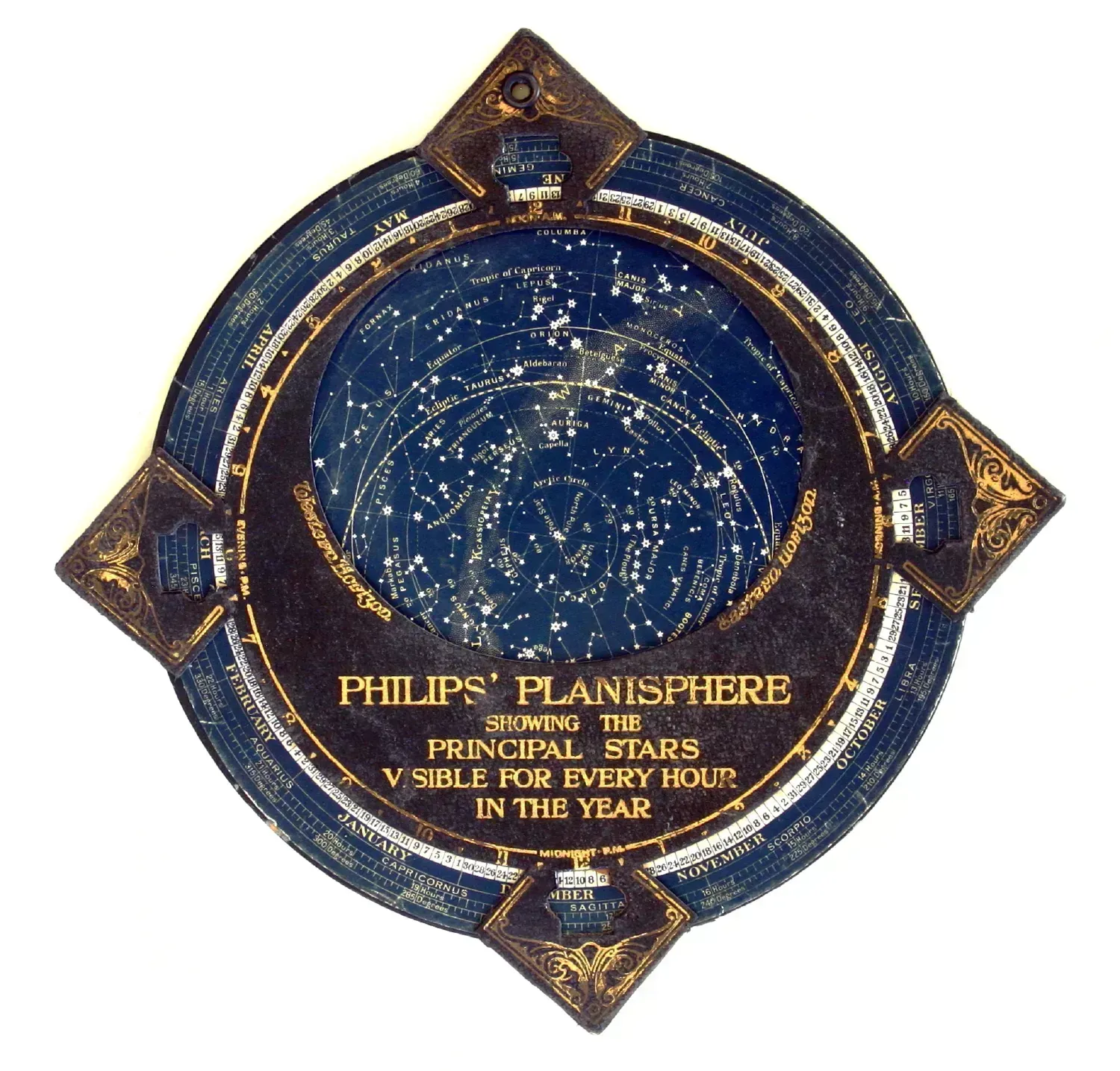
Apps are handy, but a paper planisphere never runs out of battery or lights up your face. You set the date and time, and it shows which constellations are above the horizon. It’s a simple way to learn the sky as a whole rather than hopping from target to target.
Many observers pair it with a printed monthly chart from an astronomy club or a magazine. Under a red light, paper stays readable without hurting your eyes. Beginners who skip it often spend the first hour just trying to work out which way is north.
A Folding Chair or Reclining Lounger
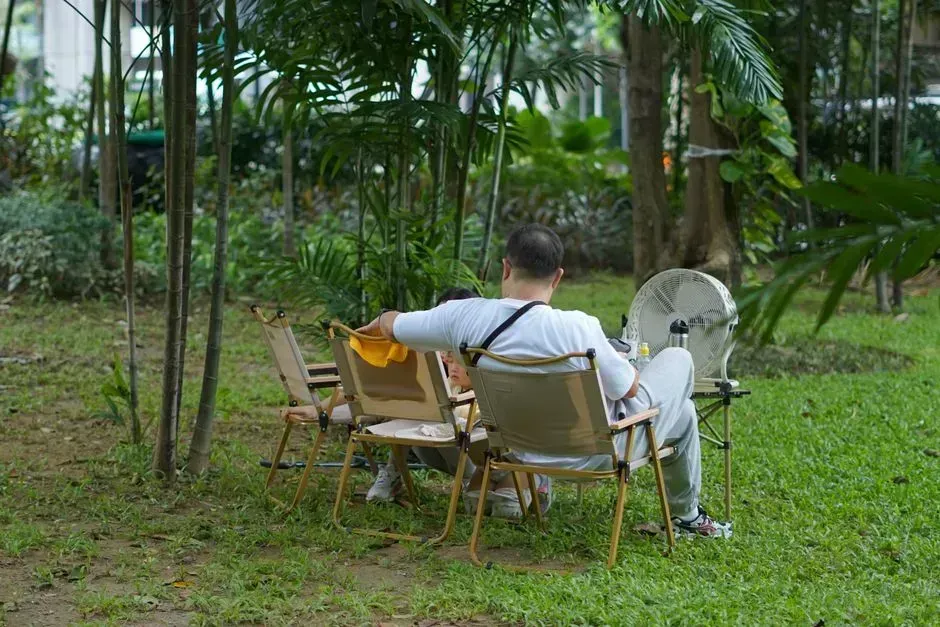
Looking up for long stretches is hard on the neck. A reclining chair lets you scan the sky with binoculars or just soak in a meteor shower without craning. Observers using telescopes often prefer an adjustable stool to match the eyepiece height.
Comfort matters because tired observers see less. Strain and stiffness shorten sessions, and the best views often come late. A cheap camping chair is one of the most underrated pieces of astronomy kit.
A Thermos With a Hot Drink
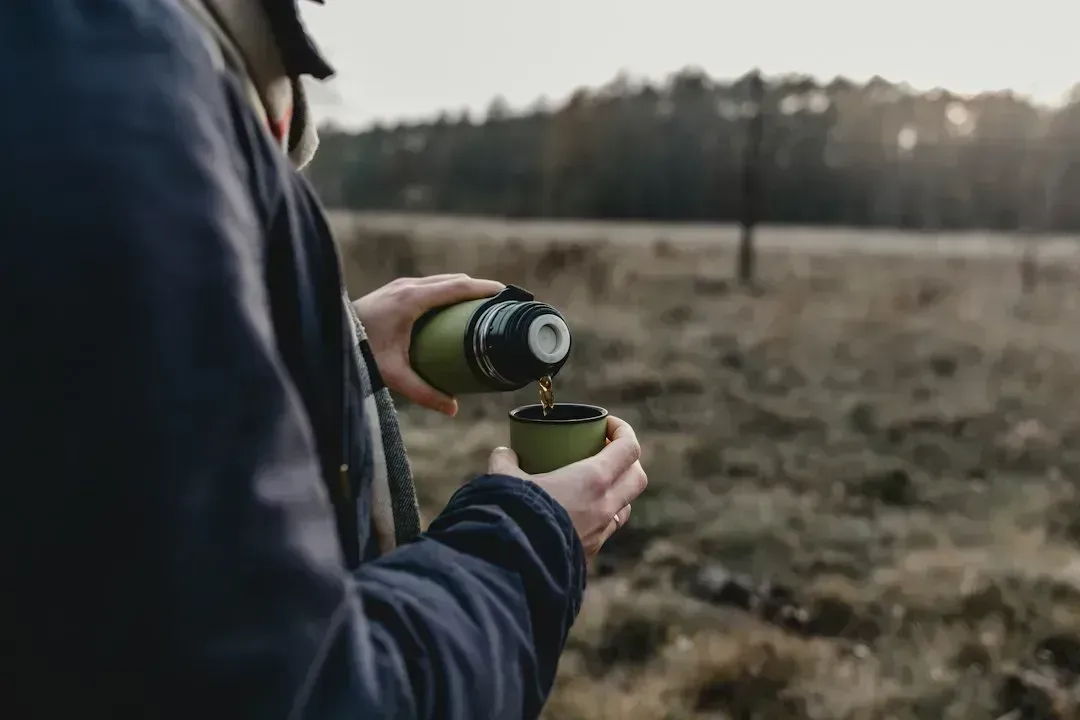
Warm tea, cocoa, or broth does more than lift your mood. It helps you stay out longer, and long sessions are where deeper sky details start to appear as your eyes adapt. Experienced skywatchers often bring more than they think they’ll drink.
Keep it caffeine light if you plan to sleep afterward. A few snacks help too, since cold air makes you hungrier. Neither takes up much space, yet beginners forget them constantly.
Spare Batteries and a Power Bank
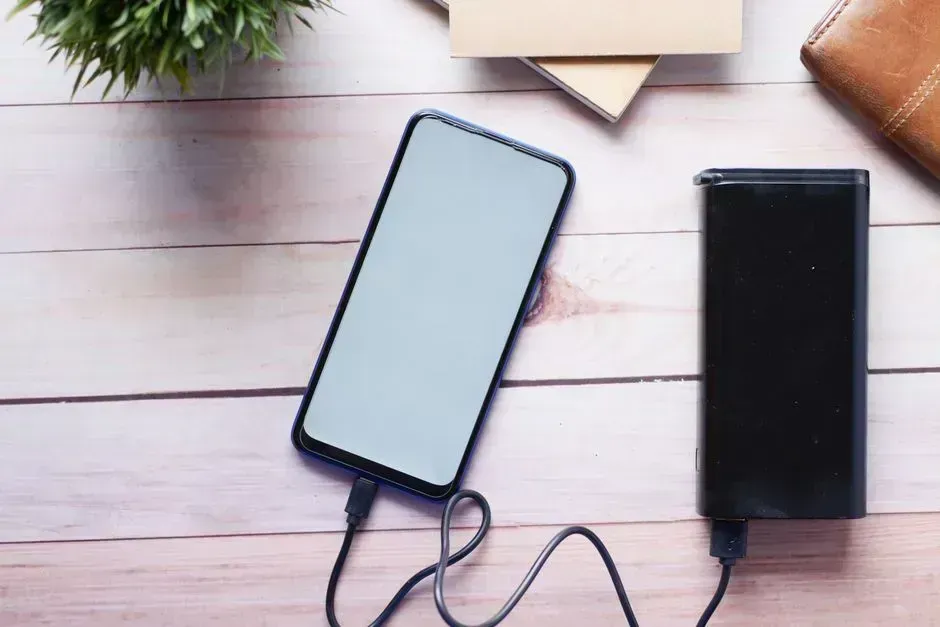
Cold drains batteries faster than most people realize. Go-to mounts, red lights, cameras, and phones can all fade right when the best target rises. Veterans carry spares and keep them in an inner pocket to stay warm.
A small power bank can keep a mount or a tracker running through the night. It’s worth checking everything the afternoon before, too. Few things sting like driving an hour to a dark site and finding a flat battery.
Lens Cloths and a Dew Strategy
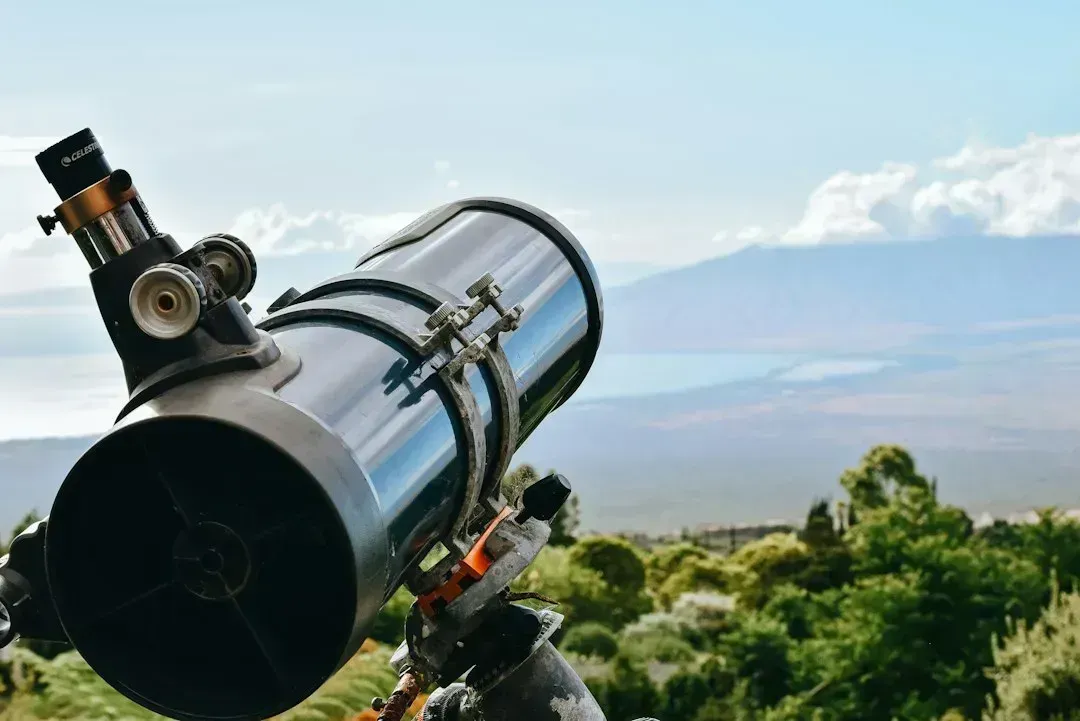
Dew forms when surfaces cool below the dew point, and optics are often the first to go. Fogged eyepieces and corrector plates can end a night early. Many observers use a dew shield, which is simply an extension that shelters the front of the telescope, and some add a small heater strap.
A clean microfiber cloth is also useful, though gentle handling matters since rubbing grit across glass can scratch it. A soft blower brush removes dust first. Beginners tend to wipe with a shirt sleeve and regret it later.
A Notebook and Pencil
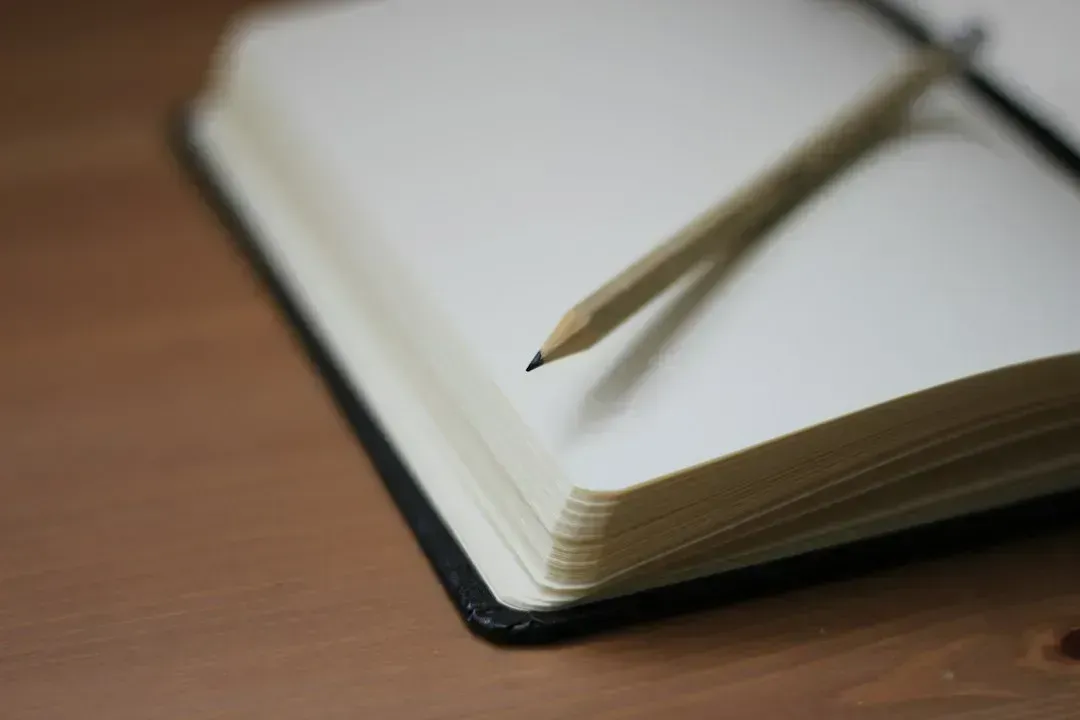
Writing down what you see makes observing more meaningful. Jot the date, time, location, sky conditions, and a short description of each object. Over weeks, those notes show how your eyes and skills improve.
Pencils work better than pens in damp, cold conditions. Some people add quick sketches, which force you to look longer and notice subtle detail. Many experienced observers say a sketch teaches more than a casual glance ever does.
