


- The Planet Where It Rains Liquid Glass – 7 Alien Worlds Defying Known Physics - November 14, 2026
- Stars Consuming Entire Worlds – 6 Planetary Systems Swallowing Their Own Worlds - November 14, 2026
- The Ground Liquefies Like Water – 6 Silent Fault Lines Geologists Watch Closely - November 14, 2026
Before I moved to Oklahoma, I thought I knew what storm season meant. I pictured a funnel on the horizon, a siren, and a dash to the basement. The reality is messier, more varied, and in some ways more manageable than I expected.
I’m no meteorologist, so I’ve leaned on National Weather Service records and local reporting to check my impressions against the data. Here are the seven things that surprised me most, and what the numbers say about each one.
1. Tornadoes Aren’t the Only Danger
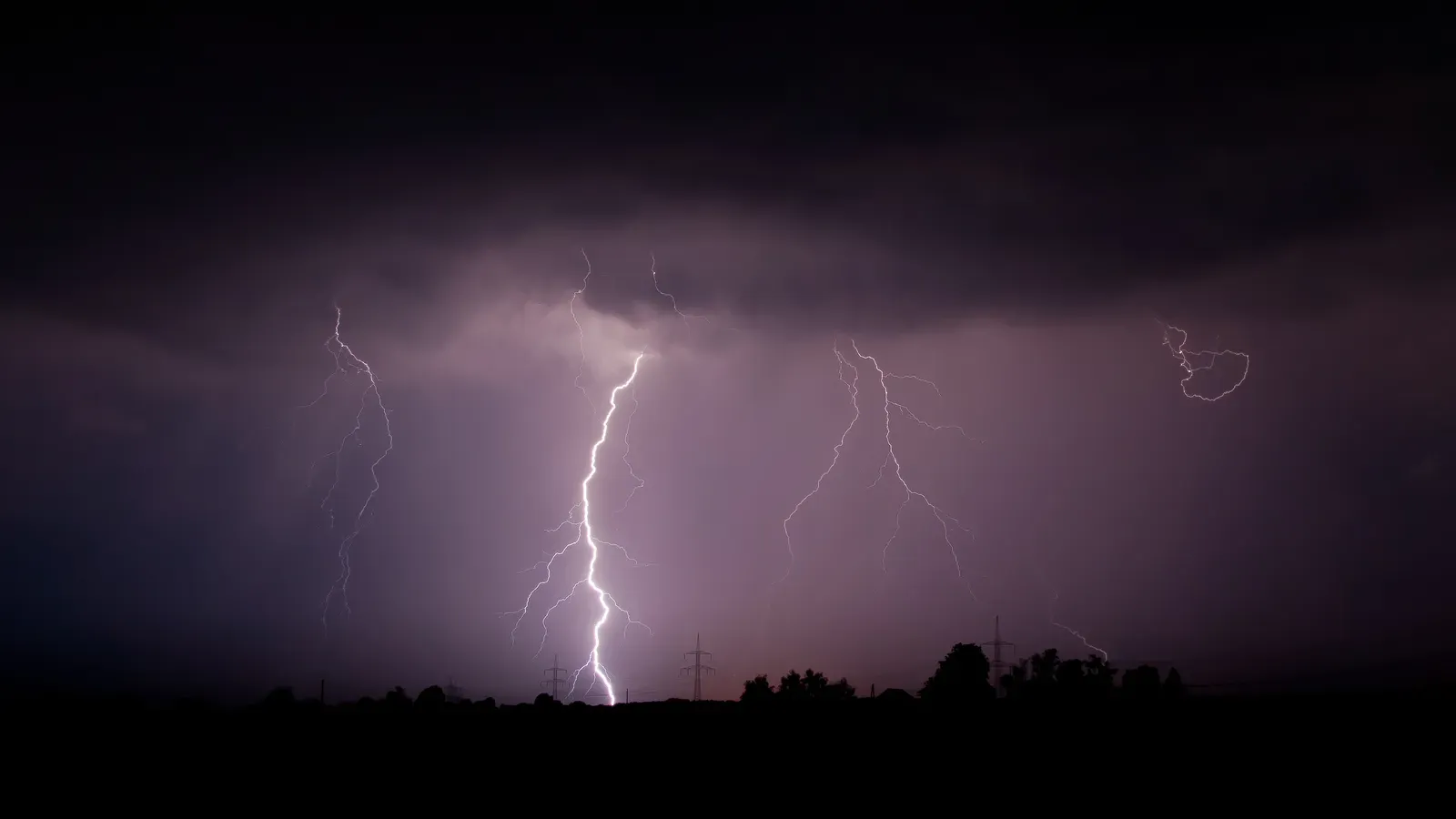
I arrived braced for tornadoes and underestimated everything else a storm can do. The National Weather Service’s write-up of the May 6, 2024 event shows how many hazards can arrive together. Supercells that day produced large hail and damaging wind gusts, and training thunderstorms dropped 2 to 4 inches of rain in a short period and caused flash flooding in several counties.
That changed how I read a forecast. A storm that never produces a tornado can still damage a car with hail, knock out power, or flood a low road. Now I check for hail, wind, and flooding as carefully as I check for rotation.
2. The Season Doesn’t Stay Inside Spring
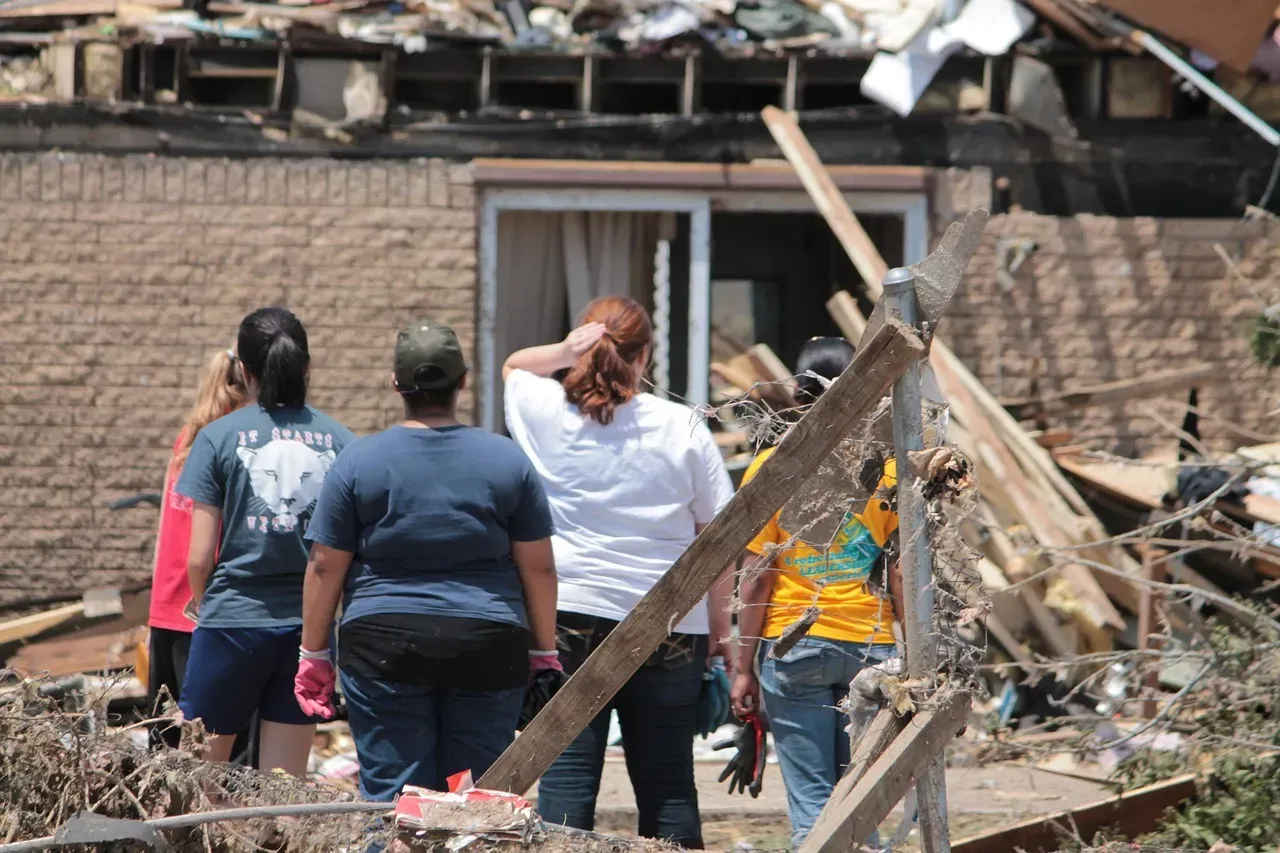
I assumed storm season meant April and May and nothing else. May is the peak, and Oklahoma averages about 24 tornadoes that month, its most active. Still, the calendar isn’t a wall. June 2025 was the most active month for Oklahoma tornadoes that year, and June set a record with 39.
Late-year storms happen too. A four-day outbreak from November 2 to 5, 2024 produced 44 tornadoes across the South-Central U.S., and Oklahoma was among the affected states. I’ve stopped treating the fall as a safe window and keep my weather alerts on all year.
3. One Year Tells You Almost Nothing About the Next
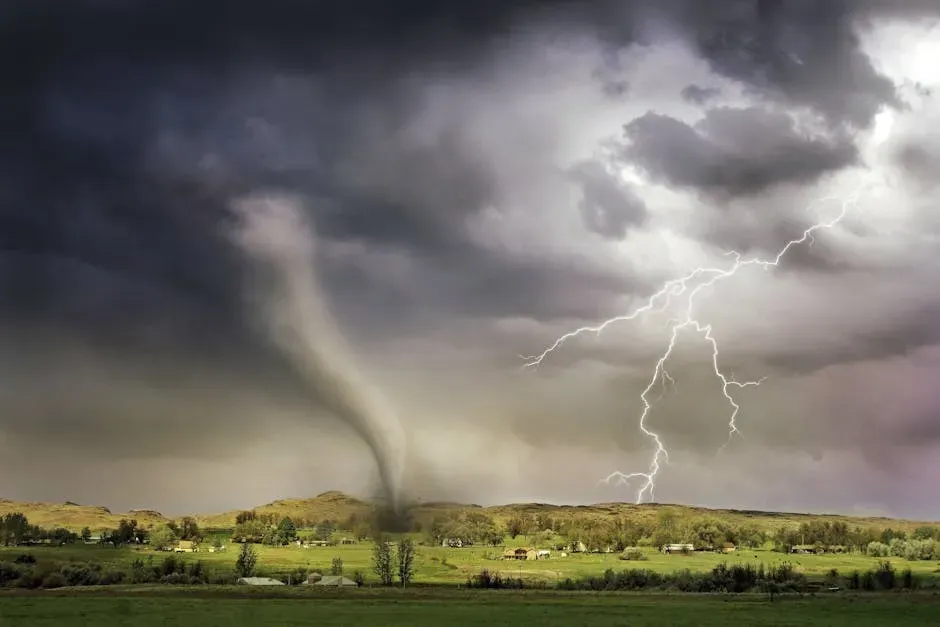
Locals will tell you that every storm season is different, and the records back them up. The National Weather Service data compiled by a local station lists 2024 with 152 tornadoes, and 2025 ranks seventh all time with 105. The same list shows a 75-year average of 59 per calendar year, so recent years have run well above normal.
Counts also swing wildly in the other direction. Over the past decade the annual total has ranged from 148 in 2019 to just 38 the next year. Different sources show slightly different totals for the same year, so I treat the exact figures with caution. What I take from it is that a quiet spring isn’t a promise, and a busy one isn’t a trend I can count on.
4. A Quiet Start Doesn’t Mean a Quiet Season
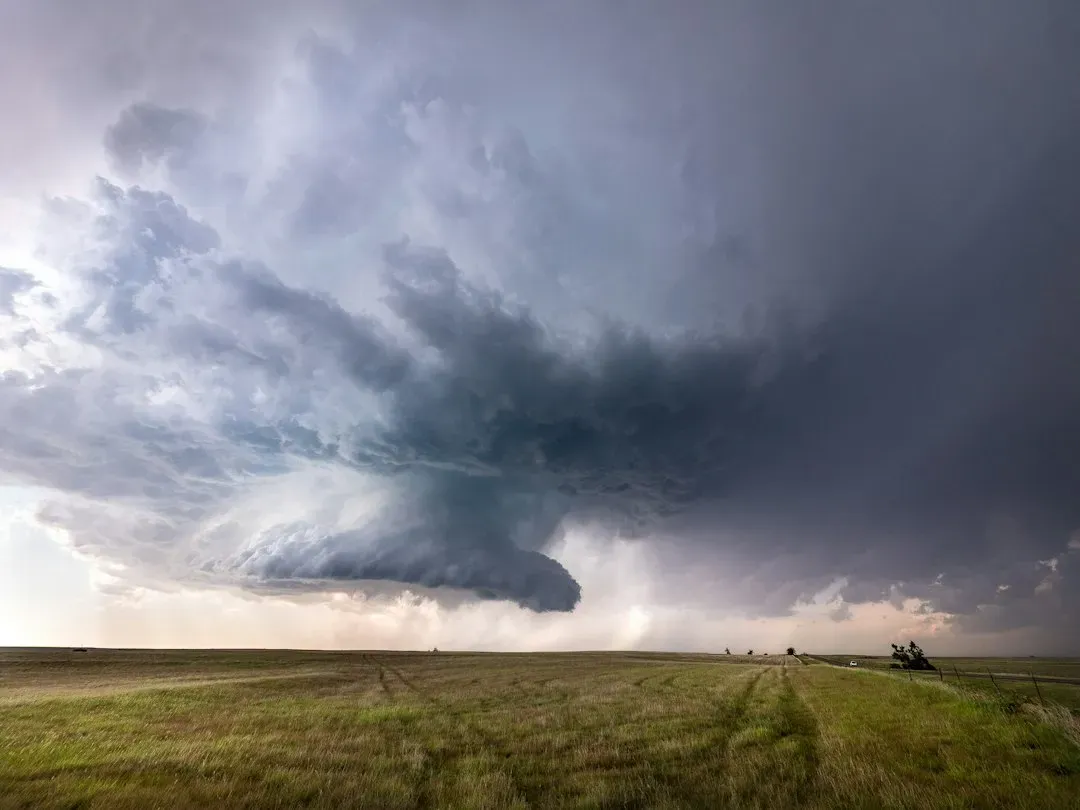
Early 2025 taught me this one. The country was seeing a lot of tornadoes, but most of them were in Dixie Alley, along and near the Mississippi River. Oklahoma had recorded only 12 by early April, and I’ll admit I relaxed a little.
That turned out to be premature. Tornado season in Oklahoma usually begins in April and ramps up sharply in May, and by year’s end the state had logged roughly double its yearly average. Watching a slow start and then a very active early summer made me respect the pattern more than any single month.
5. Planning Your Shelter Is Part of Moving Here
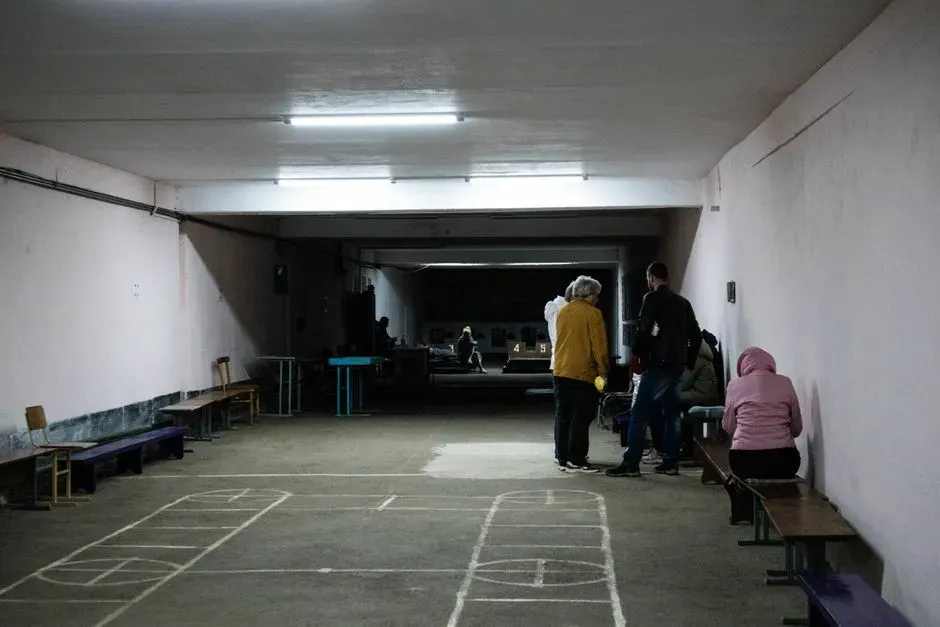
Nobody warned me that finding a place to live would include thinking about where I’d take cover. The state’s history explains why people take it seriously. The first F5 tornado to hit the Oklahoma City metro killed 36 people and caused roughly $1 billion in damage, and a 2013 EF5 later became the state’s costliest.
Because of that history, shelters and safe rooms are part of the housing conversation here. I now ask about them when looking at homes or apartments, and I know my fallback spot in each building I use. It’s a bit like knowing where the fire exit is, a small habit that costs almost nothing.
6. Forecasting Is Specific, and Local Offices Matter
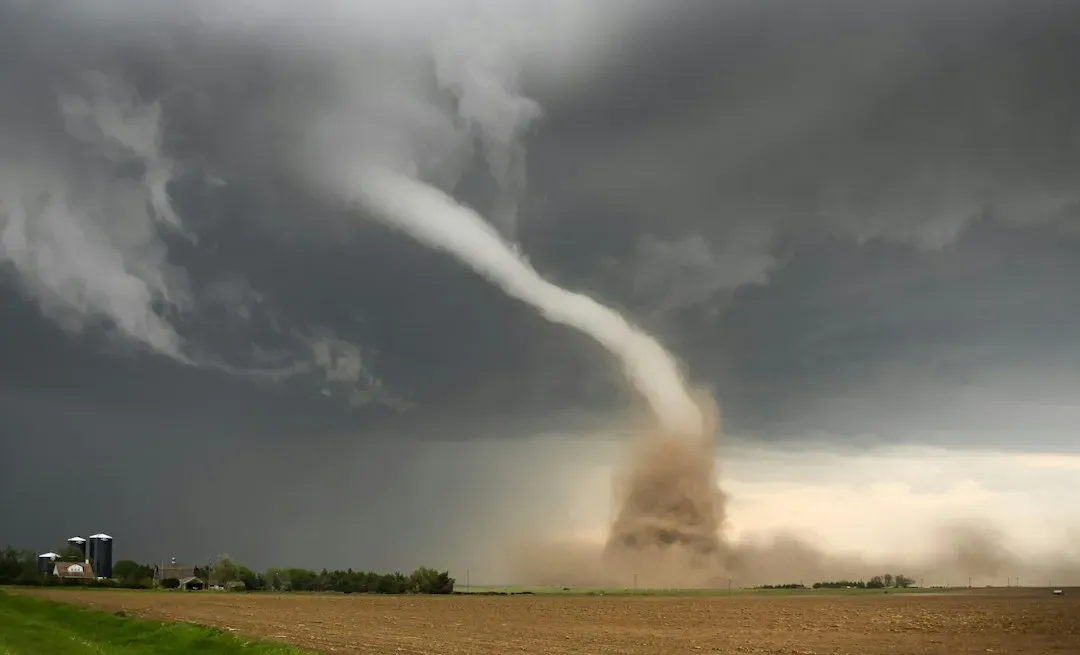
I expected vague warnings. Instead, I found a detailed system run through local offices. The May 2024 event alone was documented by two offices, Norman and Tulsa, which split the 15 tornadoes between their forecast areas. That level of local detail is why knowing which office covers your county is useful.
The Storm Prediction Center’s risk categories also became part of my routine. An Enhanced risk, level 3 of 5, doesn’t mean a tornado is guaranteed, but it tells me to have a plan before the afternoon. I don’t rely on outdoor sirens as my only alert. I use phone alerts and a trusted local forecast as well.
7. Storm Season Becomes Part of Everyday Life
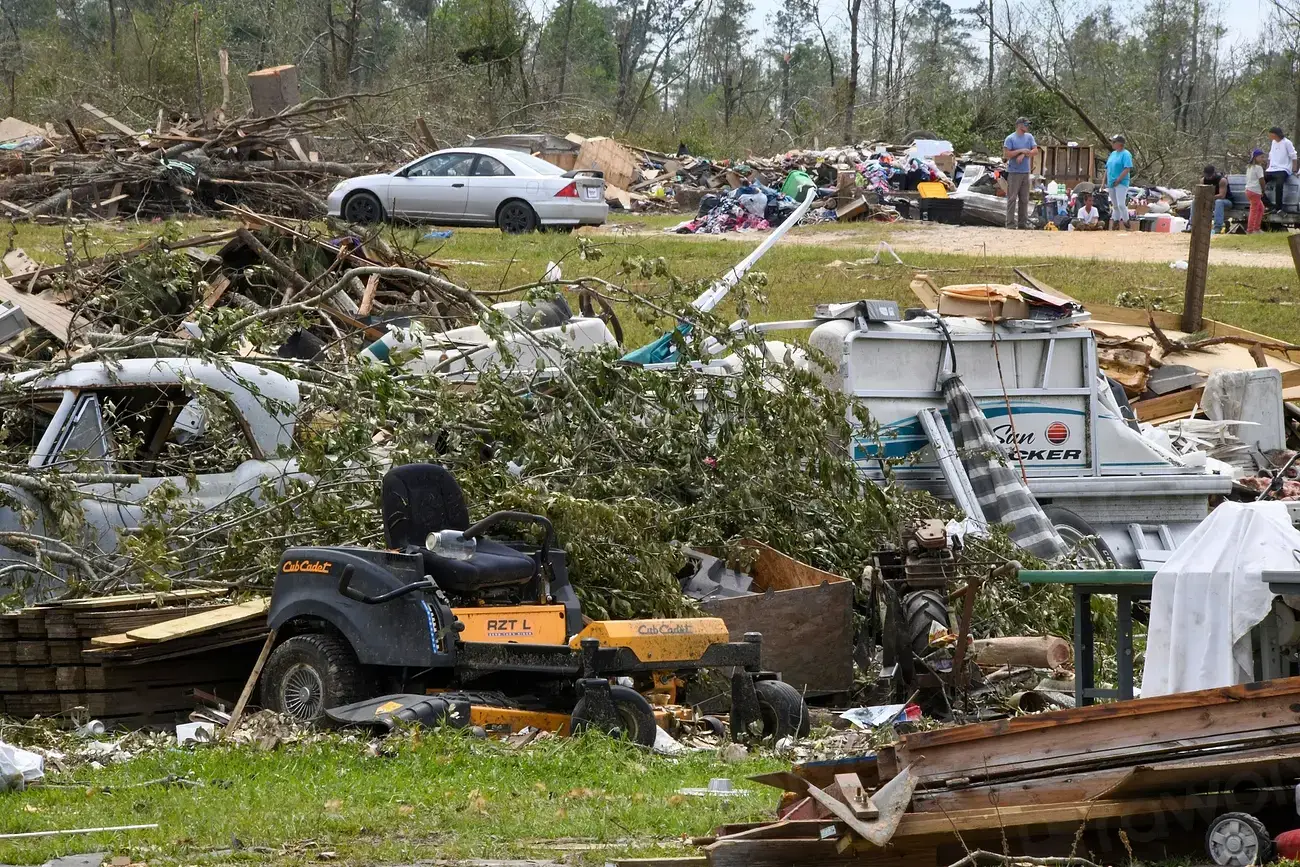
What surprised me most was how normal it all feels. Neighbors compare forecasts the way people elsewhere compare traffic. Plans get moved without drama, and cars get parked in garages when hail is in the forecast.
That ordinary attitude is useful. Because severity varies so much from year to year and even day to day, the habit of paying attention matters more than fear. The statistics vary widely from year to year, and large clusters of tornadoes tend to come when conditions line up. Knowing that keeps me alert without being anxious.
Moving to Tornado Alley didn’t make me fearless, but it did make me better prepared. Storm season here is longer, more varied, and more data-driven than the movie version, and the best response is a plan rather than panic. Know your shelter, keep several ways to get warnings, and take every forecast seriously, even in the months you didn’t expect.
If you’re thinking about the move, the hazards are real, but so are the tools for dealing with them. Oklahoma teaches you to respect the sky and still enjoy the sunsets.
