

A farmer can walk a green field on Monday and find stressed, curling leaves by the end of the following week. No long dry spell came first, and no slow warning built up over a season. That is the pattern researchers call a flash drought, and it has become one of the more closely watched problems in climate science.
The headline idea is that these events are coming on faster than they used to. The research behind it is real, though the details are more specific than a single doubling figure suggests. Here is what the studies from recent years show, and where the numbers do and don’t line up.
What Makes a Drought a Flash Drought
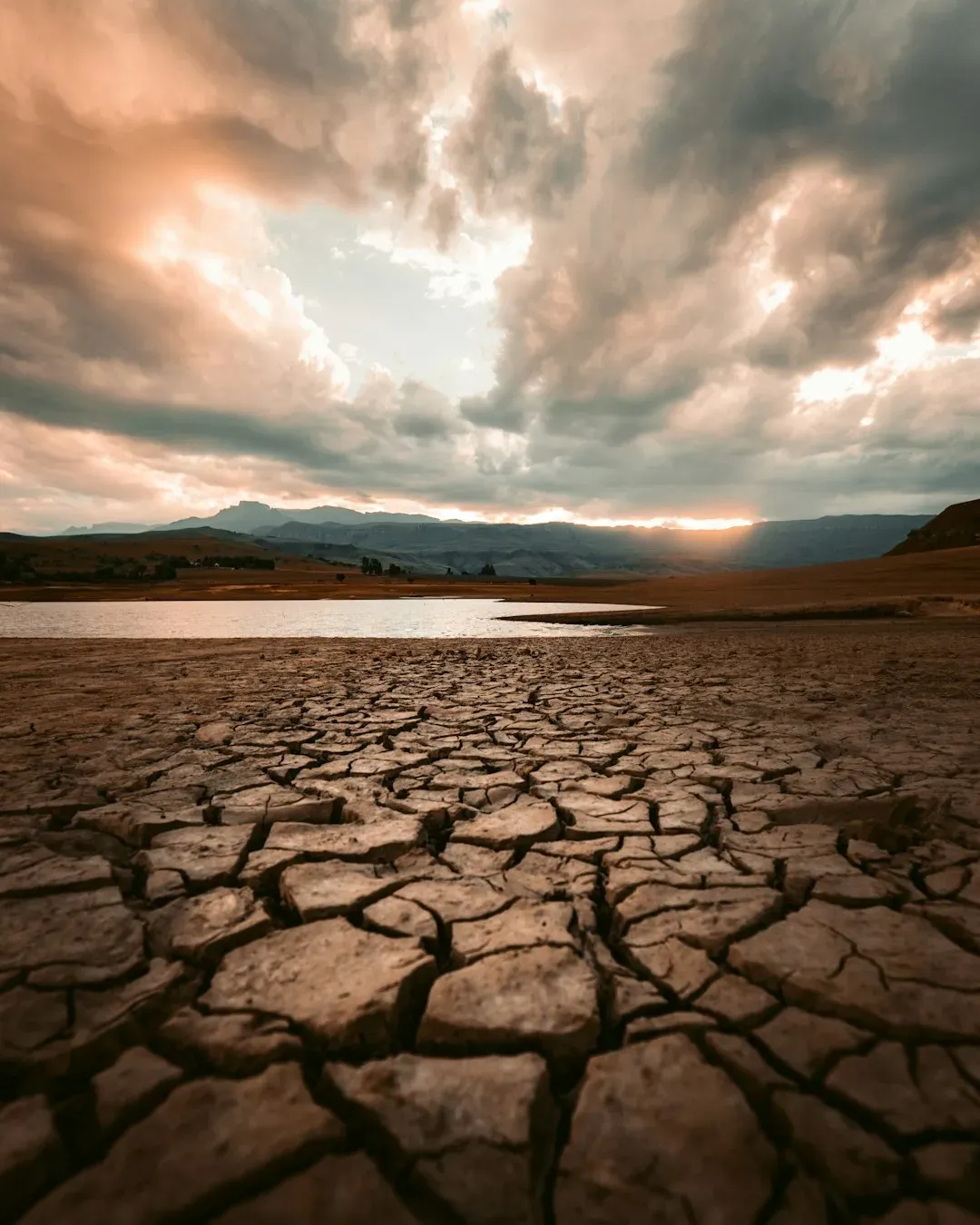
Flash droughts are separated from ordinary droughts by one trait, which is speed. They can be viewed as a subset of droughts that are distinguished from slowly developing droughts by their rapid onset development. Soil dries out and plants run short of water over days to a few weeks, not over several months.
Researchers describe this onset as the defining feature, with rapid onset and intensification often over a matter of days to few weeks. Communities are often caught off guard. Flash droughts arrive suddenly, within weeks, hitting communities that are often not prepared.
The Five Day Finding From 2000 to 2020
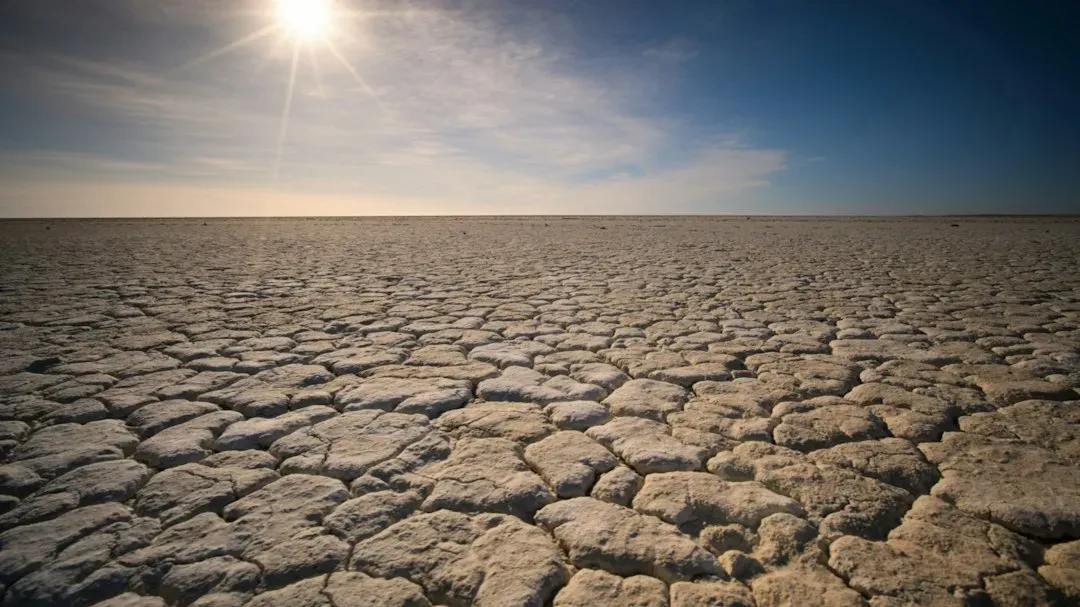
One of the most cited studies appeared in Nature Communications in 2022, led by researchers at Hong Kong Polytechnic University. It found that roughly 34 to 46 percent of flash droughts began with a drying phase of just five days, with a significant rising trend in the share of such one pentad events from 2000 to 2020. A pentad is simply a block of five days.
The team used satellite soil moisture records and global hydroclimate data. The remaining events emerge within a month, with more than 70 percent developing in half a month or less. That timing is tight for anyone trying to issue a warning.
Faster, but Not Necessarily More Often
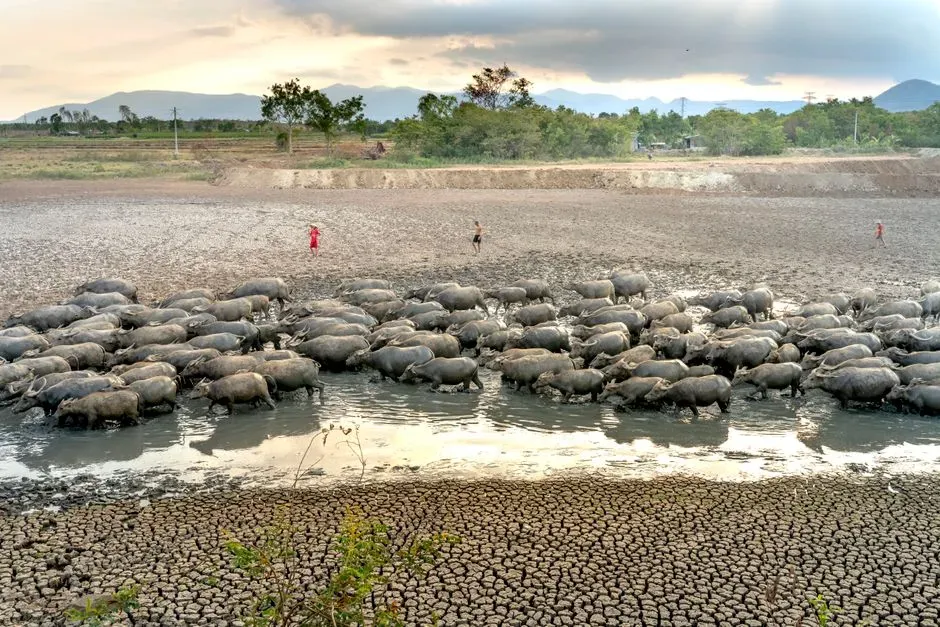
It’s easy to blur two separate questions here. How often do flash droughts happen, and how quickly do they form once they start? On the first, that 2022 analysis found flash droughts do not appear to be occurring more frequently in most global regions, just coming on faster.
Other work points in a somewhat different direction. A study covered by Science News reported that fast forming droughts are occurring more often and with greater speed in many parts of the world due to climate change. The datasets, definitions and regions differ, so the two results aren’t a clean contradiction. They do show that frequency is still being debated while the speed trend is more consistent.
Where the Twice as Fast Idea Fits
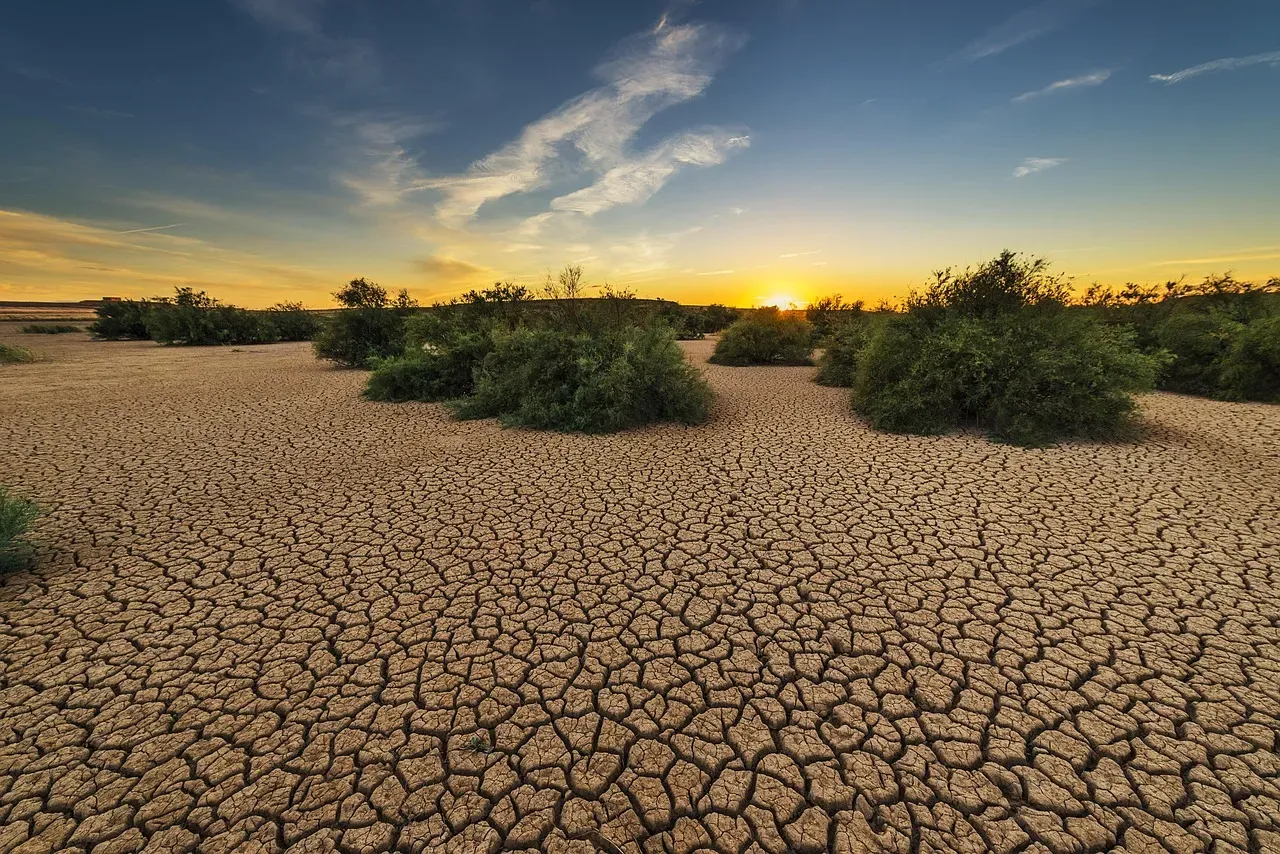
The studies I reviewed don’t report a single global figure showing onset time cut exactly in half. What they show is a measurable shift toward quicker onset, and the size of that shift depends on the region, the dataset and the definition used. Treat “twice as fast” as a rough shorthand for a real acceleration, not a precise measurement.
Regional numbers show how modest the yearly changes can look. In South American watersheds, onset is getting faster by about 0.12 days per year, so over a decade they are developing a day earlier. Small steady shifts like that add up over decades, but they aren’t a doubling on their own.
Dry Soil Meets Thirsty Air
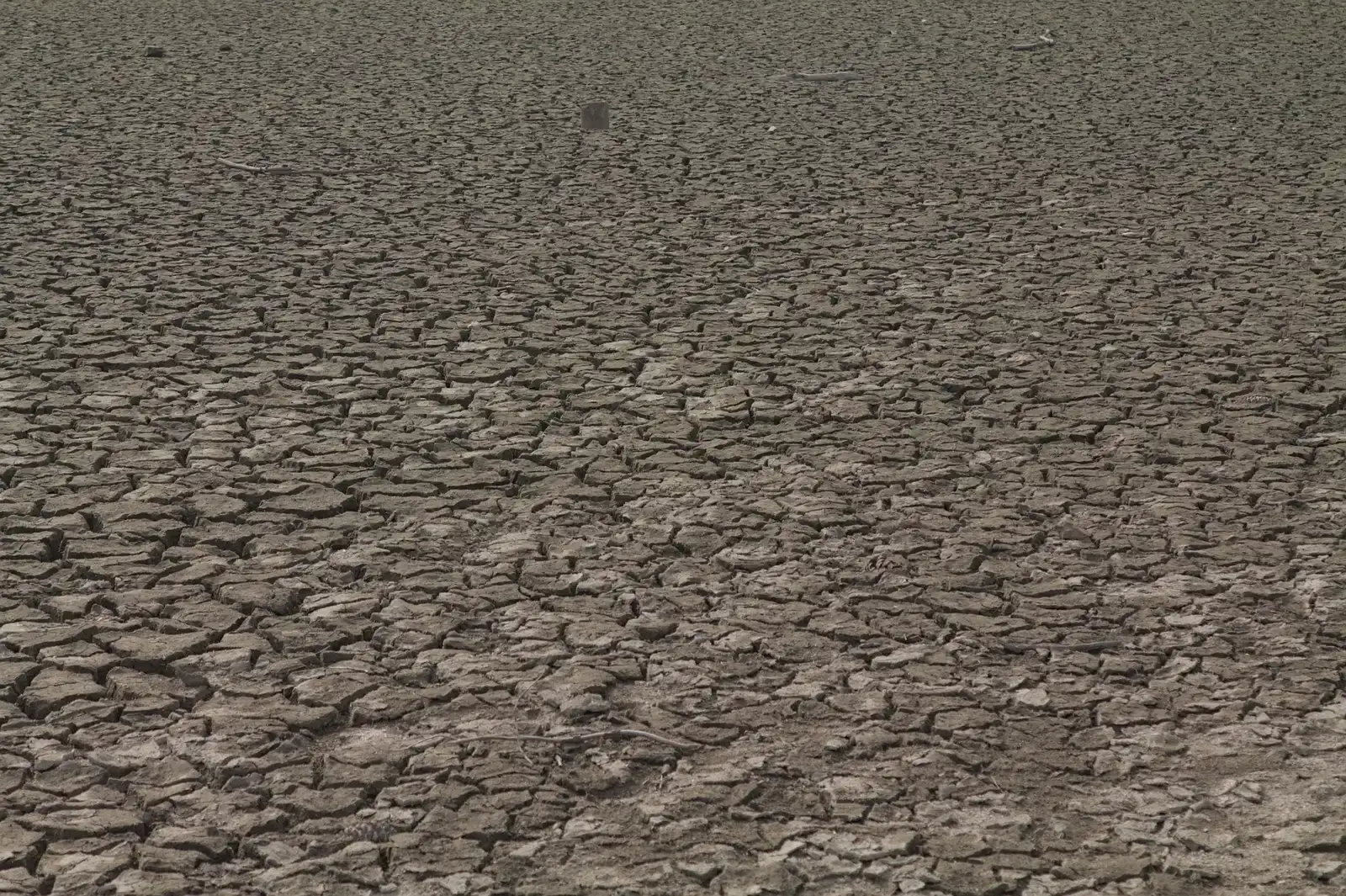
Why does the clock speed up? The 2022 paper pointed to large scale atmospheric dynamics and land atmosphere feedbacks as the cause of the rapid onset. Its title names two ingredients, soil moisture depletion and atmospheric aridity, acting together.
A 2025 paper in Geophysical Research Letters added detail. It found that flash droughts intensify more rapidly with stronger increases in vapor pressure deficit during onset. Vapor pressure deficit measures how strongly the air pulls moisture from surfaces, and warmer air tends to pull harder.
Drylands and Humid Regions Behave Differently
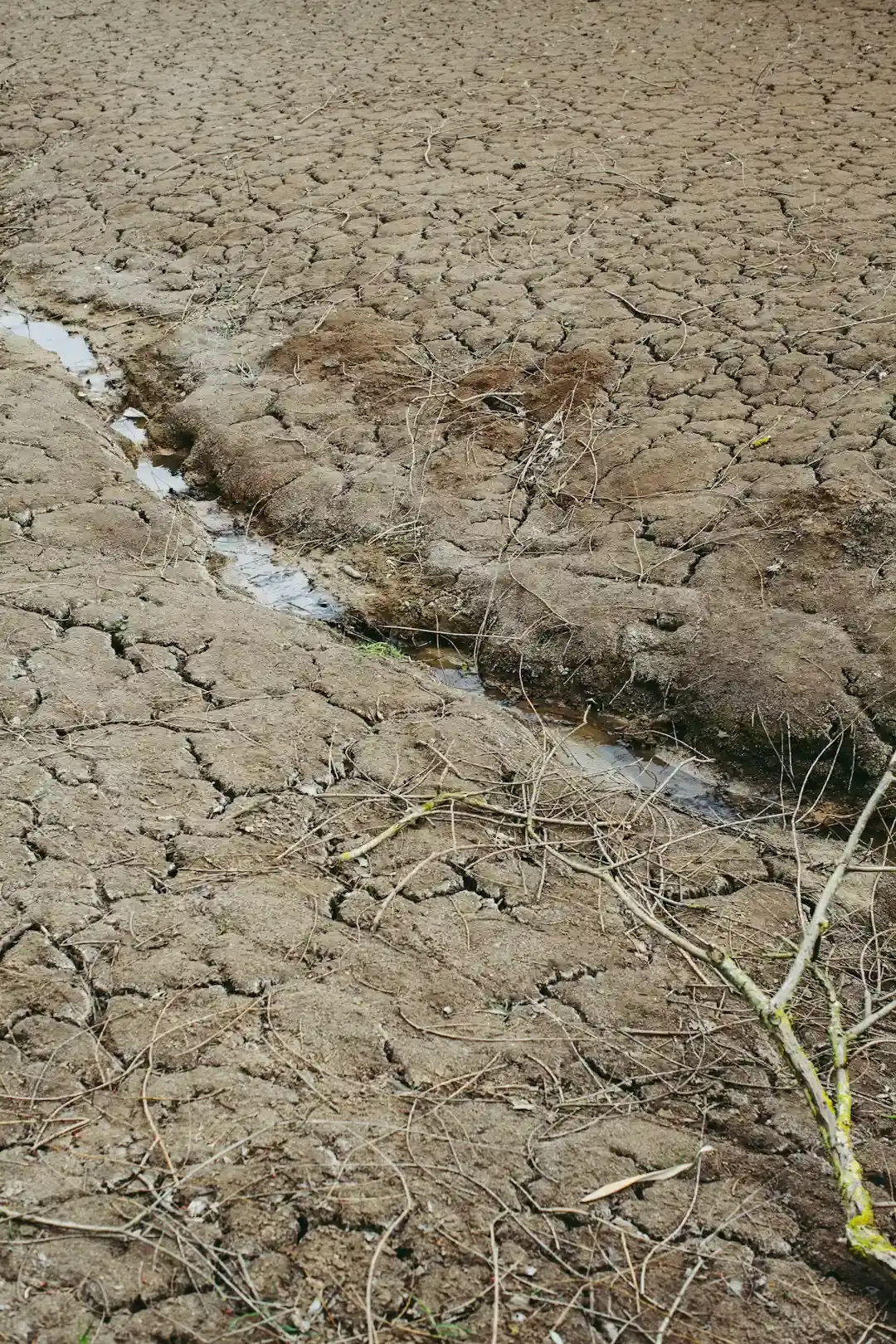
You might expect the driest places to see the most flash droughts. The 2025 Geophysical Research Letters study found something more nuanced: flash droughts are more common in humid areas but intensify faster in drylands. Climate type shapes both how often they appear and how sharply they develop.
The same study identified a trigger pattern. Flash droughts accelerate when short term moisture recovery occurs during the five days before onset, followed by soil moisture depletion during the onset phase. A brief wet spell, in other words, can be followed by an abrupt dry down.
Hotspots in the Southern Hemisphere
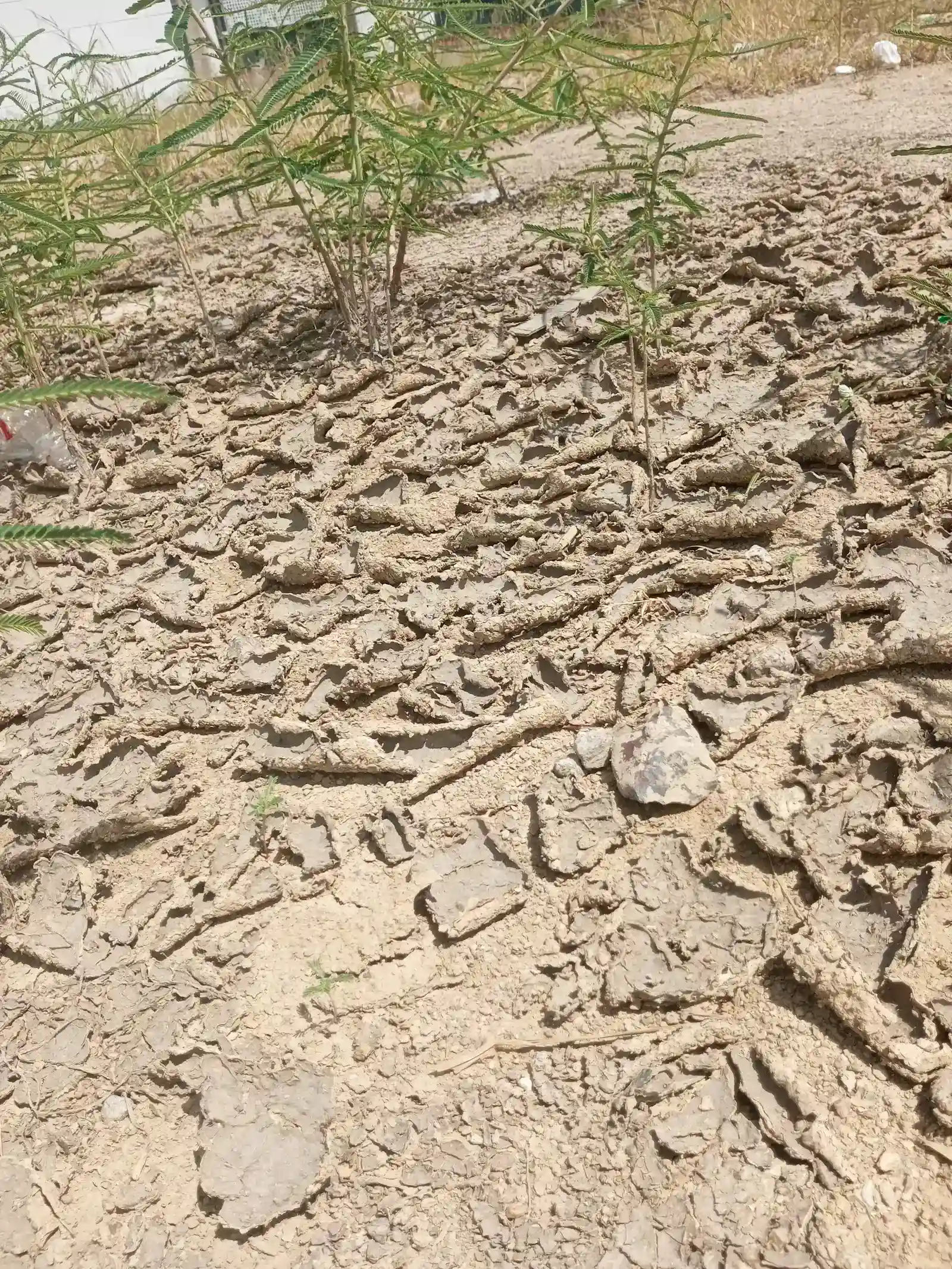
A 2024 study led by NASA affiliated scientist Maheshwari Neelam mapped flash droughts at watershed scale. It tracked three measures: speed of onset, duration and geographic extent. Across much of the world, it found events covering larger areas, lasting longer and starting faster.
The strongest signals appeared in the south. Watersheds in the Southern Hemisphere are witnessing expanding, faster developing and longer lasting flash droughts. The average onset time across the study fell between roughly 17 and 29 days, while average duration was about 21 days.
A Global Shift Under Climate Change
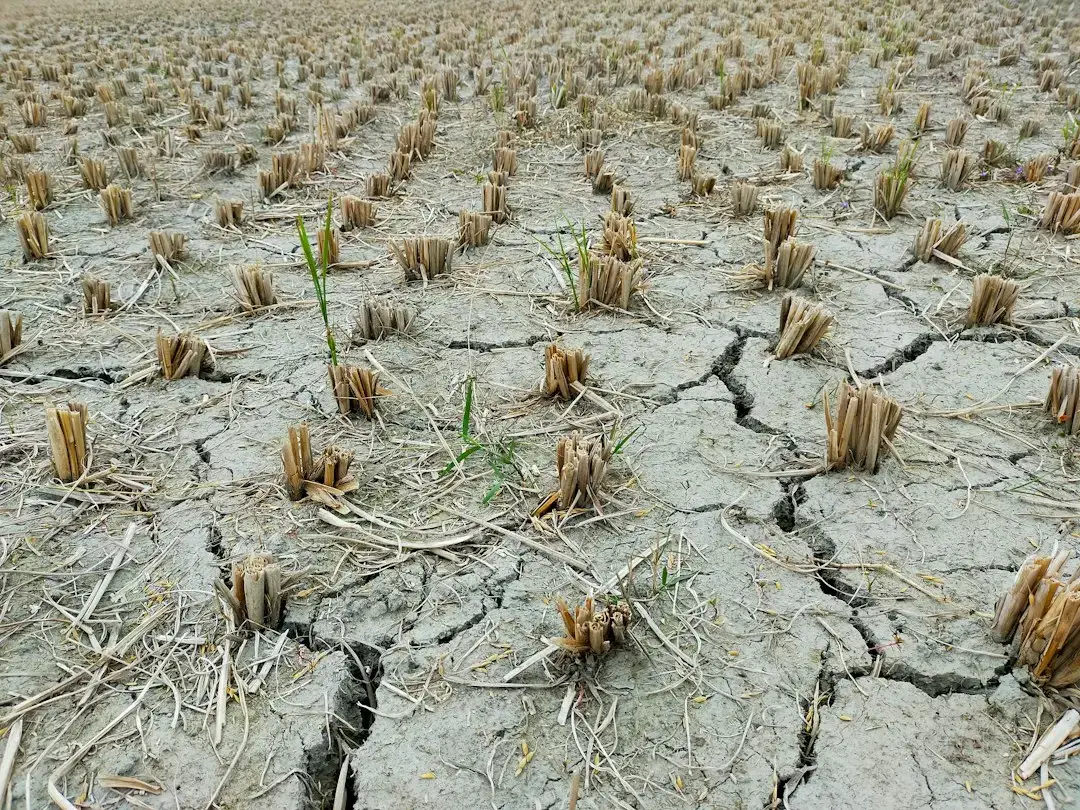
A study published in Science examined whether slow droughts were being replaced by fast ones. Its authors reported upward trends in the global mean flash drought ratio and subseasonal drought onset speed, meaning droughts have shifted from slow to flash at global scale. The trend is tied to climate change.
Projections matter here too. According to Science News, these patterns intensify under higher emission scenarios, and the onset speed for droughts also increases. The same coverage noted that flash droughts happen two to three times as often in humid regions such as northwest North America, Europe and southern China as elsewhere.
Why Speed Makes Monitoring Harder
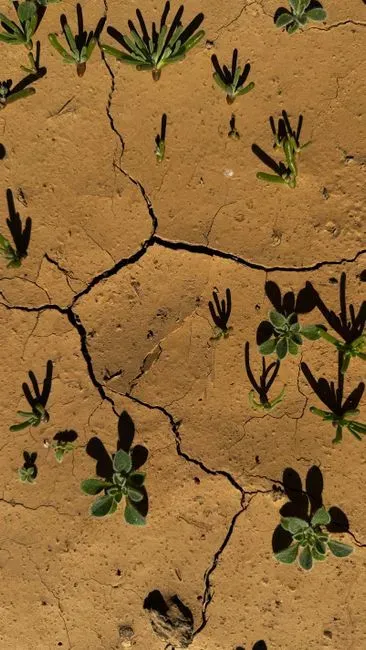
Many drought indices were built around monthly or seasonal data, which can miss a collapse that unfolds in a week. The 2022 authors noted that the finding poses a great challenge for drought monitoring. Faster onset leaves less time to move water, adjust irrigation or warn growers.
An Australian study from 2025 supports this concern. It found the onset speed of both conventional and flash droughts is quicker than has been described in past literature. Its authors suggested updated indices using daily scale data would capture fast onset events more reliably, though the work focused on Australia alone.
What the Evidence Currently Shows
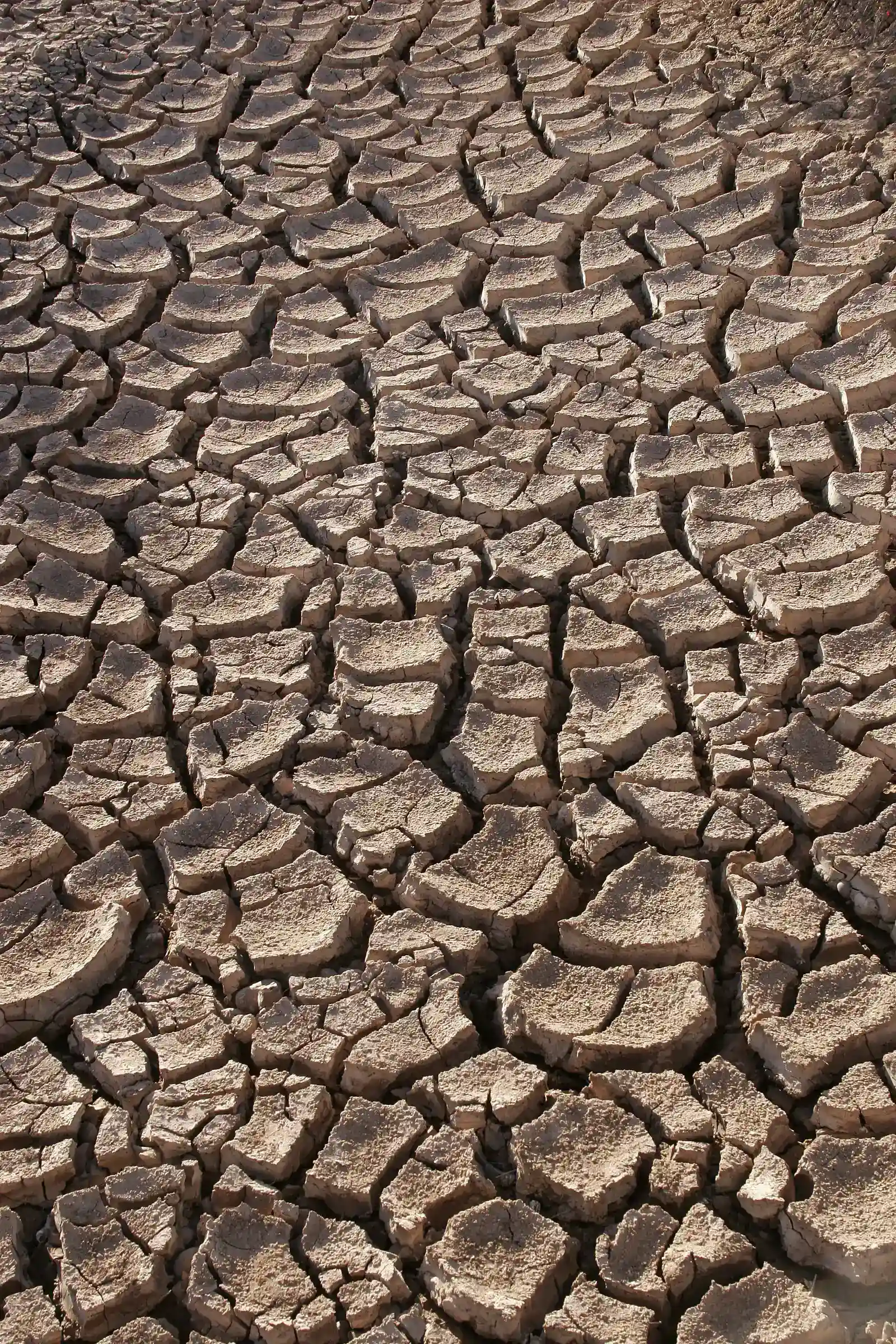
Between 2000 and 2020, a large share of flash droughts reached full strength within about five days, and the proportion with that fastest onset kept rising. Regional work from 2024 and 2025 shows steady acceleration in places like South America, southern Africa and parts of Australia, driven by warmer air, drier soils and abrupt shifts in moisture.
Researchers still disagree on how much frequency is changing, and no single study cited here confirms an exact doubling of onset speed worldwide. The consistent finding is that onset is getting quicker, which puts pressure on forecasting systems to work at the scale of days.

- I Asked AI and a Waste Auditor How to Cut My Household Trash – Where They Disagreed - November 12, 2026
- Einstein’s equations suggest gravity can reconnect like the sun’s magnetic field - November 12, 2026
- This Map Shows Which States Get the Most Severe Storms Each Year – And It’s Not What You’d Expect - November 12, 2026
