

Global fossil fuel emissions are projected to fall slightly in 2026 because of renewable energy expansion and the oil price shock sparked by the Iran war, according to researchers who presented their findings on Tuesday. The dip is small, but it is the kind of headline the climate world rarely gets to write.
The catch is the reason behind it. Scientists stress that a decline driven partly by a geopolitical shock isn’t the same as a durable shift away from fossil fuels, and the details of the numbers show why.
What the 2026 Global Carbon Budget Says
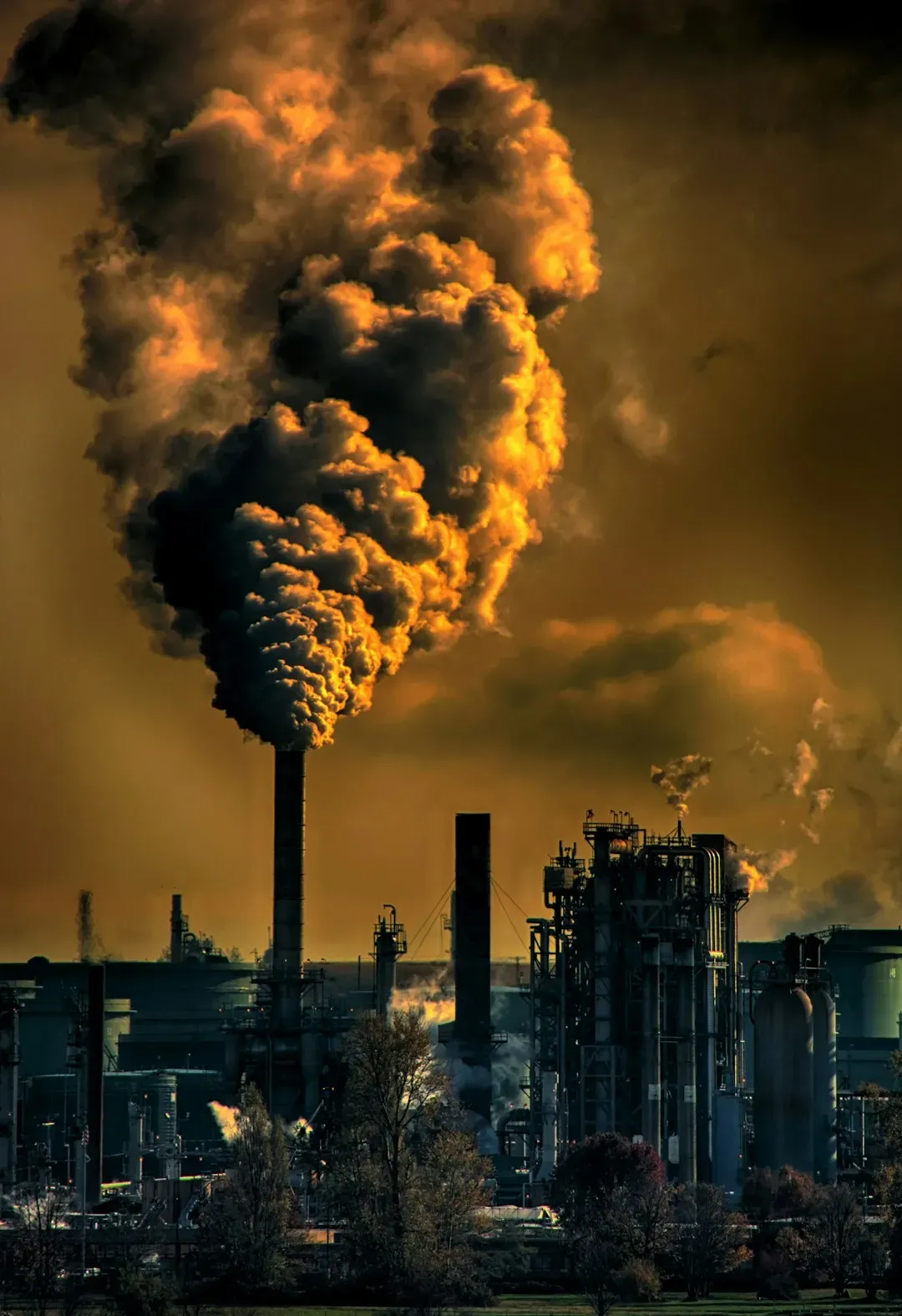
The 2026 Global Carbon Budget projects 38.2 billion tons of fossil carbon dioxide emissions this year, down 0.4% from last year. The figures come from the Global Carbon Project, which releases its budget every November to coincide with COP and projects emissions from the year’s data so far.
The numbers are preliminary. The projection carries a range that spans a fall of 1.5% to a rise of 0.6%, so the true result could land on either side of flat. That uncertainty is worth keeping in mind when reading the headline figure.
How the War Hit Oil Use
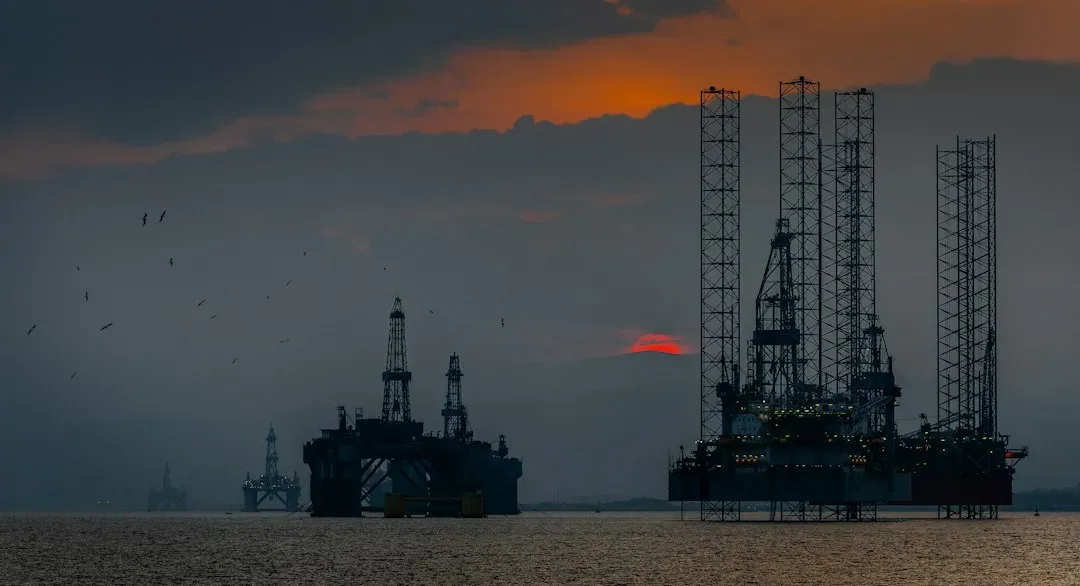
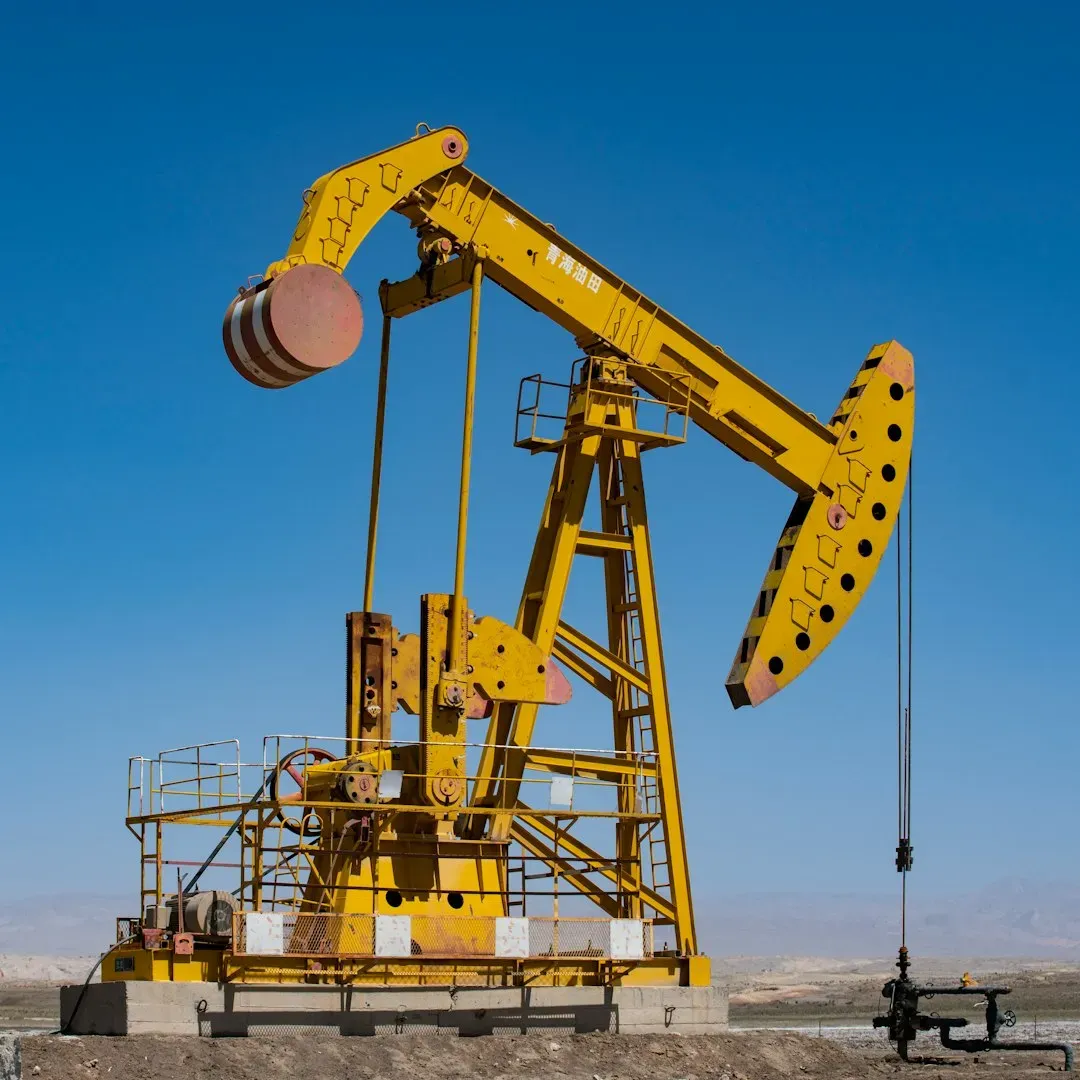
The U.S.-led war in Iran and the closure of the Strait of Hormuz helped drive emissions down by cutting oil consumption as crude prices soared. When fuel gets expensive and supply tightens, people and businesses use less of it, at least for a while.
Oil emissions are projected to fall 1.9%, the largest move among the fuels. The Jerusalem Post, citing the New York Times, noted this is the first annual decline since the pandemic year of 2020.
Gas, Coal and the Mixed Picture
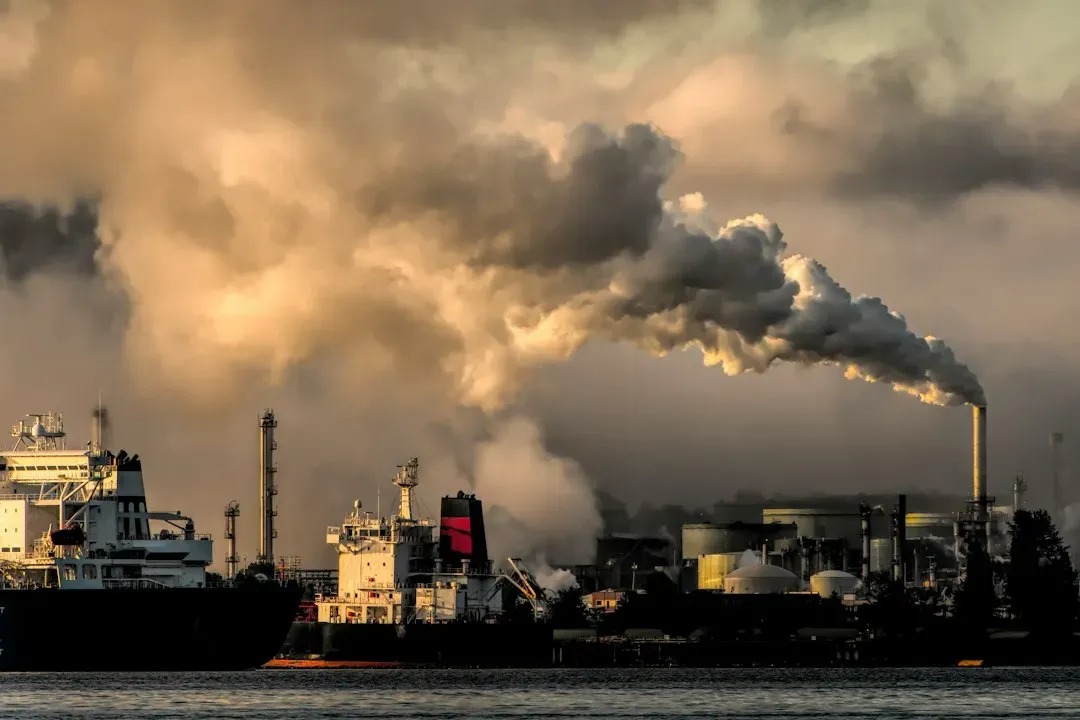
Not every fuel moved the same way. Gas emissions are set to fall 0.3%, while those from coal use will rise 0.6%. So the overall dip hides a split story, with coal still creeping upward.
Regionally, results vary too. India’s fossil fuel pollution went up 4.4% this year, the study found. Carbon Brief’s analysis, meanwhile, reports that fossil emissions fall in most major economies.
The Role of Clean Energy
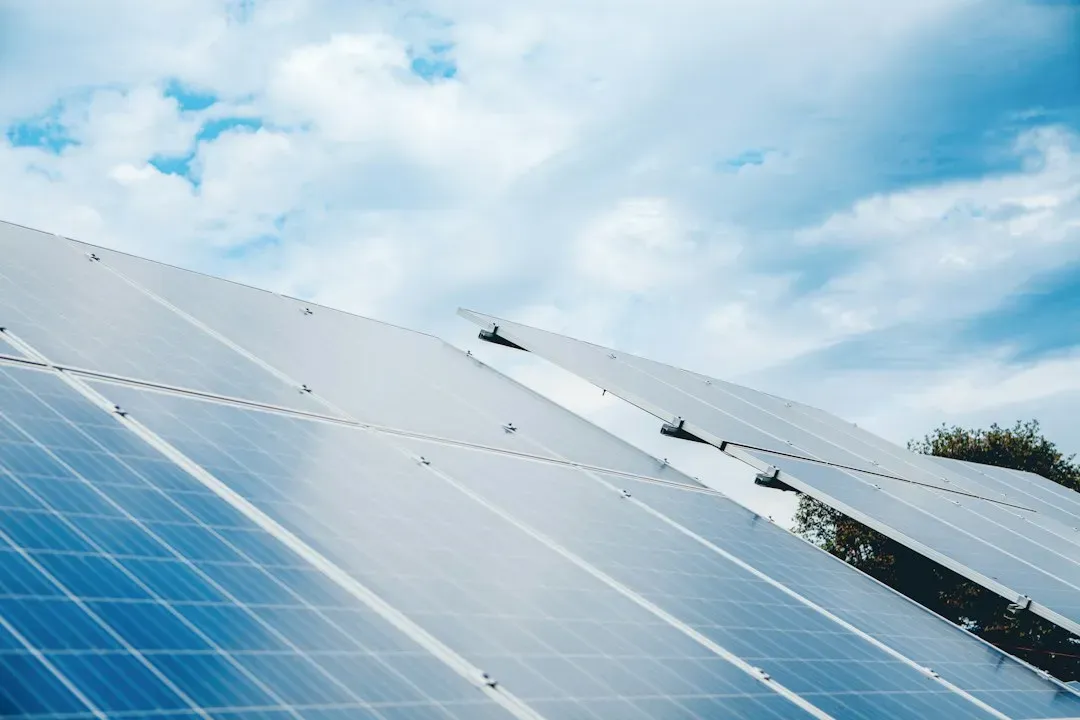
The war wasn’t the only factor. The deployment of solar panels, wind farms and electric vehicles also contributed to the drop. The researchers say clean technologies are pushing emissions down in dozens of countries and slowing growth in many more.
Still, they are blunt about the limits. They find that clean energy growth is not yet fast enough for a durable decline in global fossil CO2 emissions.
Without the Shock, Emissions Would Likely Have Risen

Carbon Brief’s reading of the data is sobering. The researchers’ central estimate suggests global emissions would have continued to rise had it not been for the energy shock from the Iran war. In other words, the renewables boom alone wasn’t enough this year.
The shape of the oil drop supports this. Glen Peters, one of the scientists, said a systemic shift would show oil emissions slowly peaking and declining, whereas this year they went up and then suddenly dropped about 2%. That abruptness points to a shock, not a trend.
The Caveat Researchers Keep Repeating
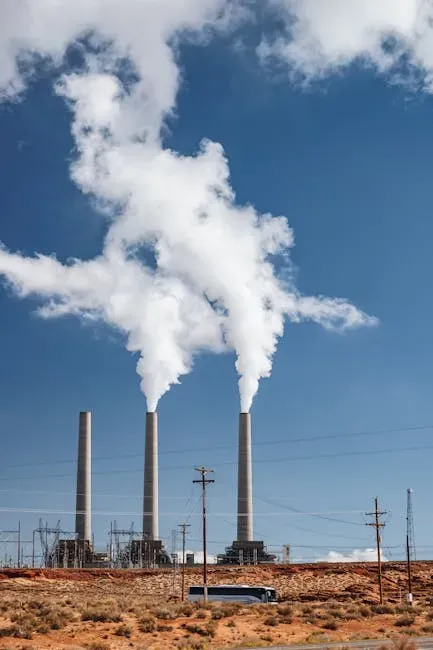
Pierre Friedlingstein of the University of Exeter put it plainly: a decline in fossil CO2 emissions is encouraging, but a reduction driven partly by geopolitical shocks is not a sustainable climate solution. The warning is about durability, not about whether the drop is real.
History backs the concern. Corinne Le Quere noted that emissions rebounded when economies recovered after shocks such as COVID-19 or the global financial crisis. Fast Company similarly flags the risk that the world returns to business as usual once oil prices drop and supply chain issues are solved.
Could the Shock Speed Up Electrification?

Some see a possible upside. The 1970s oil shocks from Middle East conflict produced vast changes in the global energy system and drove innovations in fuel efficiency. Some experts argue this crisis could play a similar role, though that remains an argument, not an outcome.
PBS reports that the energy crunch has some experts wondering whether nationalism may be a more likely way to save the planet, by boosting support for homegrown renewables over imported fossil fuels. At the climate talks, UN Secretary General António Guterres made a related point, noting that fossil fuels come with steep economic and security costs, as the conflict illustrates.
Where This Leaves Climate Goals

The wider picture is still tough. ABC News reports that the world is on track to reach 1.5 degrees Celsius of warming within four years. A 0.4% dip doesn’t change that arithmetic.
The researchers do see some room for hope. They say avoided emissions from clean energy are substantial, and that if clean energy deployment keeps accelerating, a sustained peak and decline in global CO2 emissions could be a few years away.
Conclusion
The 2026 dip is real but fragile. It reflects an oil shock layered over genuine clean energy growth, and researchers say the shock did most of the heavy lifting.
A fall caused by disruption can vanish when prices settle. A fall caused by lasting change in how the world makes and uses energy is the one that counts, and this year’s data suggests we aren’t there yet.

- The Shoreline Sucked Dry in Seconds – 5 Tsunami Signals Beachgoers Mistake for Low Tide - November 14, 2026
- 9 Dark-Sky Destinations Around the World Where the Stars Look Unreal - November 14, 2026
- The Fault Line That Never Slips – 7 Locked Seismic Zones Overdue for a Massive Release - November 14, 2026
