

Florida: the sunshine state that never stops thundering
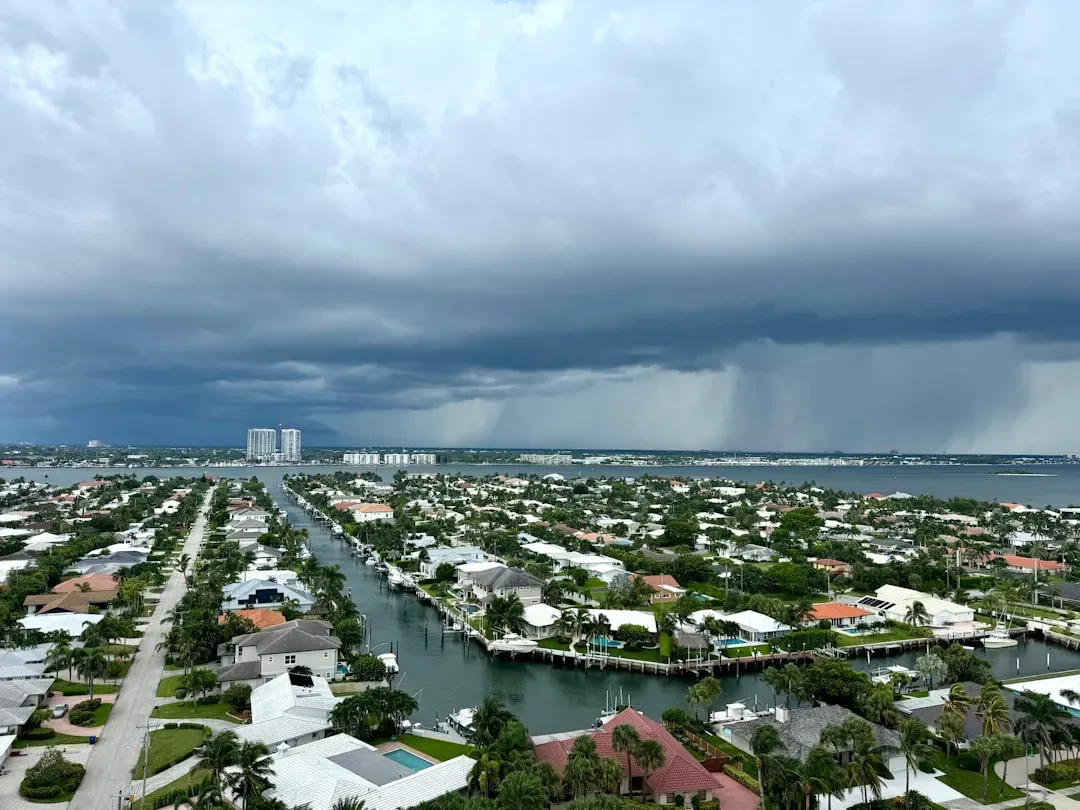
It sounds like a punchline, but it holds up statistically. The state with the most thunderstorms yearly is Florida, and the top five stormiest cities in the country are all located there. Fort Myers alone logs an eye popping number of storm days most years, and it is not an outlier.
Fort Myers averages 89 thunderstorms per year, Tampa follows at 87, and Tallahassee sits at 83, with eight of the ten stormiest US cities located in Florida. The mechanism is almost boringly reliable. Hot sun heats humid tropical air that collides with cooler sea breezes from both coasts, and that collision creates the instability and convection a thunderstorm needs, which Florida’s flat peninsula geography produces almost every summer afternoon.
Texas: too big to be beaten on raw storm output
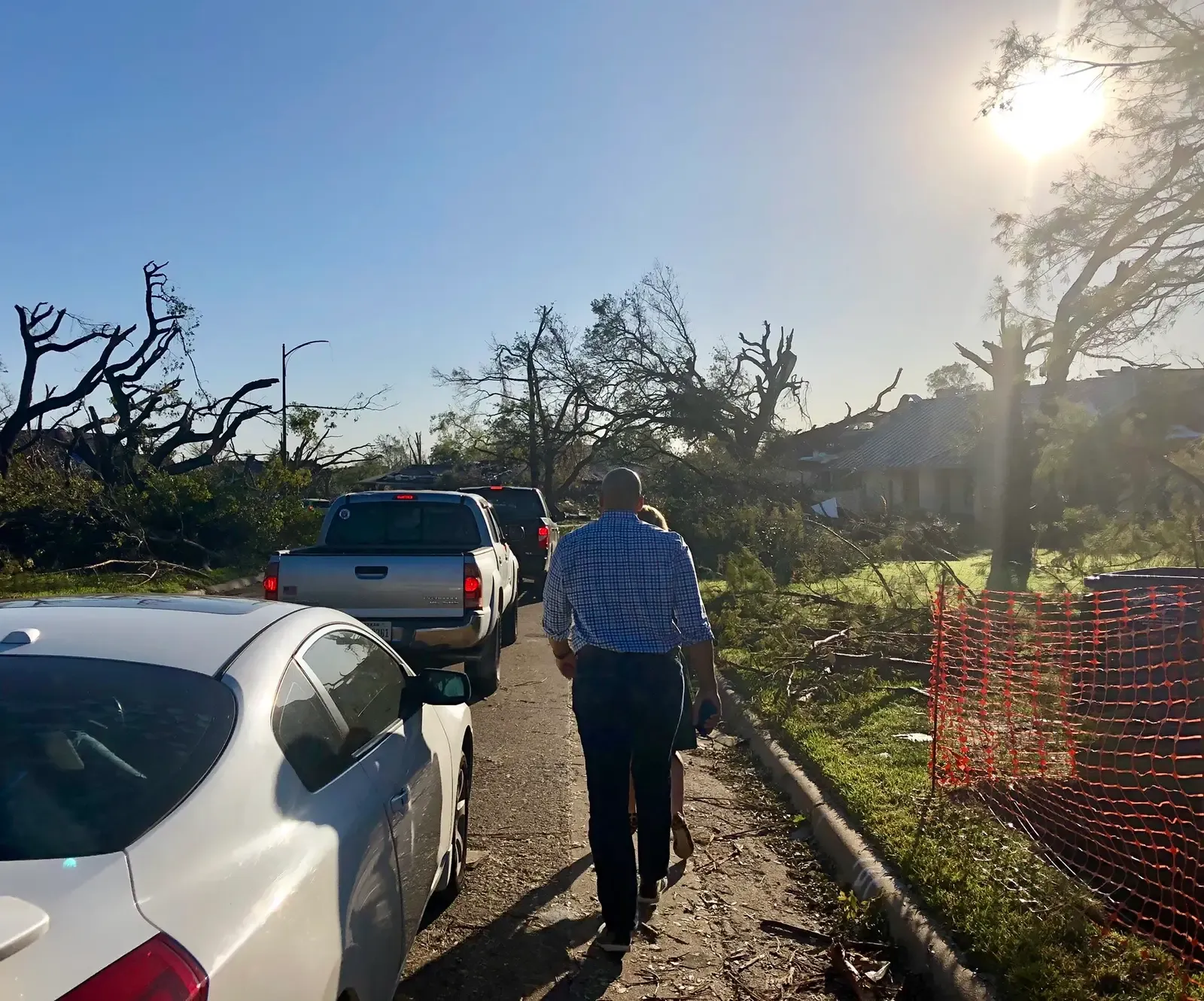
Texas does not top every single category, but it wins by sheer scale more often than any other state. With 9,103 Dangerous Thunderstorm Alerts in 2025, Texas had more than twice as many dangerous thunderstorms as the next highest state, Oklahoma, and Plains states accounted for half of the top ten states with the most such alerts. That kind of gap is not a close call.
The tornado numbers back this up too. Southern and midwestern states bear the brunt of tornado activity in the US, and Texas averages 123.8 tornadoes a year, the highest average of any state. Texas’s geography basically guarantees it a permanent spot near the top of almost any severe weather list, simply because there is so much of it sitting in a volatile atmospheric zone.
Oklahoma: the new center of gravity for lightning
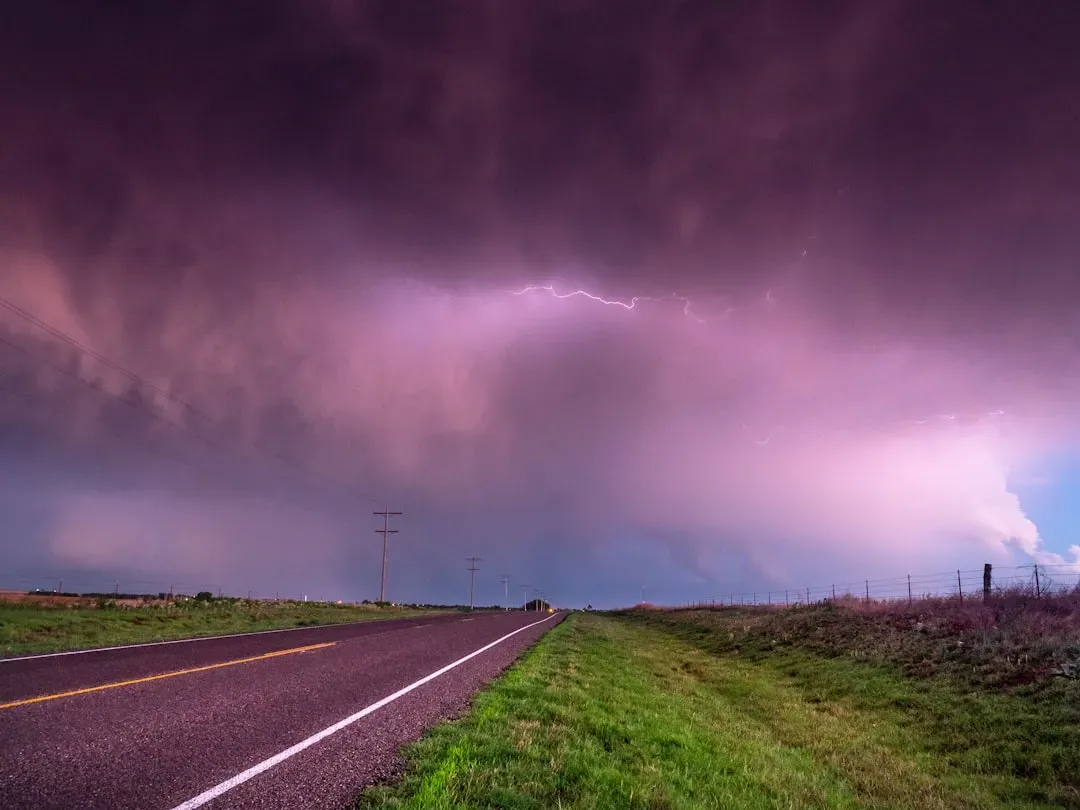
Oklahoma used to sit quietly behind Florida in lightning rankings. That changed in 2025. Oklahoma topped Florida to become the state with the highest concentration of lightning, at 73 flashes per square mile, a shift that signals a broader surge in lightning activity across the Great Plains.
The state’s geography practically invites trouble every spring. In Tornado Alley, warm, humid air from the equator meets cool to cold, dry air from Canada and the Rocky Mountains, creating an ideal environment for tornadoes to form within developed thunderstorms and supercells, and Oklahoma sits at the very heart of that collision zone. Tornado season there runs on a predictable calendar, with tornado season in Oklahoma typically running from April to June, with May being the peak month, due to the combination of warm, moist air from the Gulf of Mexico and cooler, dry air from the Rockies.
Kansas: the classic corridor still earns its reputation
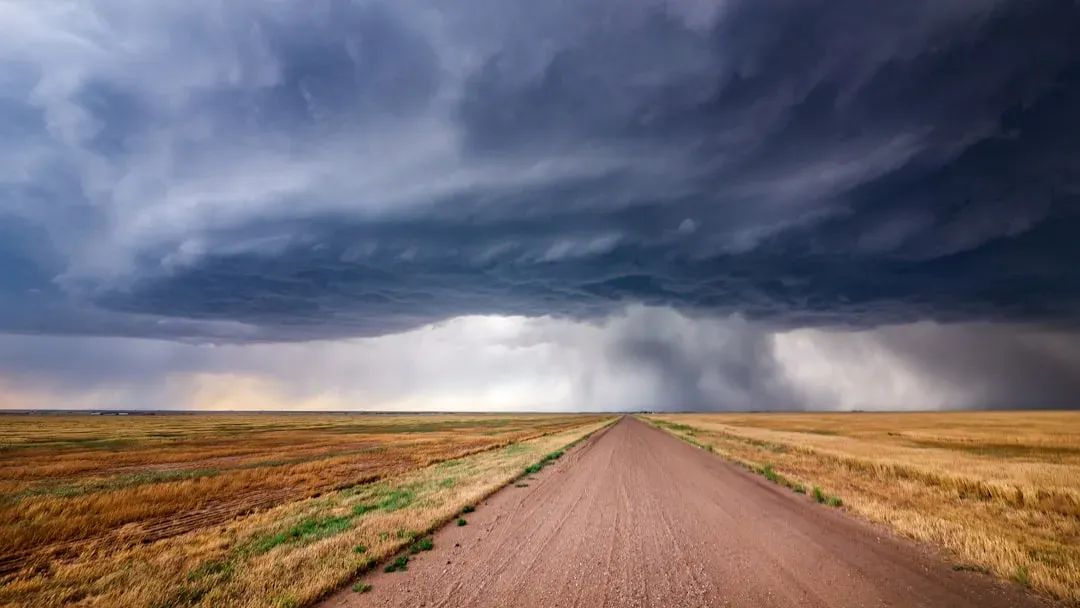
Kansas has been synonymous with tornadoes for generations, and the historical data explains why. Older federal figures placed Kansas and Oklahoma at the top of the national ranking, and while newer eastward shifts have chipped away at that dominance, Kansas still sits squarely inside the collision zone between Gulf moisture and dry continental air. Locals here have grown up watching the sky the way coastal residents watch hurricane forecasts.
What makes Kansas notable now is less about raw counts and more about supercell intensity. The state continues to produce some of the most photogenic, and most dangerous, rotating storms in the country each spring, even as the broader statistical center of tornado activity drifts eastward toward the Mississippi Valley.
Missouri: where the financial damage has been piling up
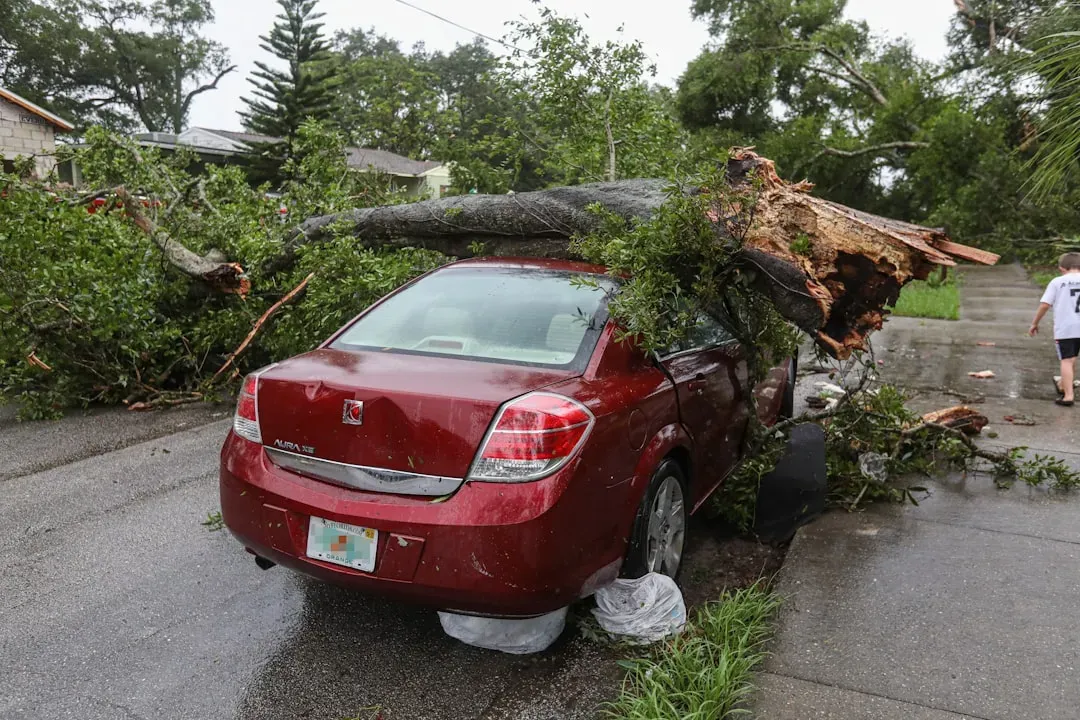
If you measure severity by dollars rather than counts, Missouri has quietly become the most expensive place in America to be hit by a tornado. In 2025, tornadoes caused 1.7 billion dollars in damage in Missouri, the most of any state. That single figure reshaped how meteorologists talk about risk, because it showed cost does not always track with frequency.
The injury numbers tell a similar story. Missouri and Mississippi had the highest injury totals, accounting for roughly forty percent of all tornado related injuries nationwide, while NOAA reported that Missouri’s damages made up the vast majority of all tornado related property damage in the country that year. Missouri sits right in the path of the eastward shifting activity researchers have been tracking for years.
Illinois: quietly climbing the tornado leaderboard
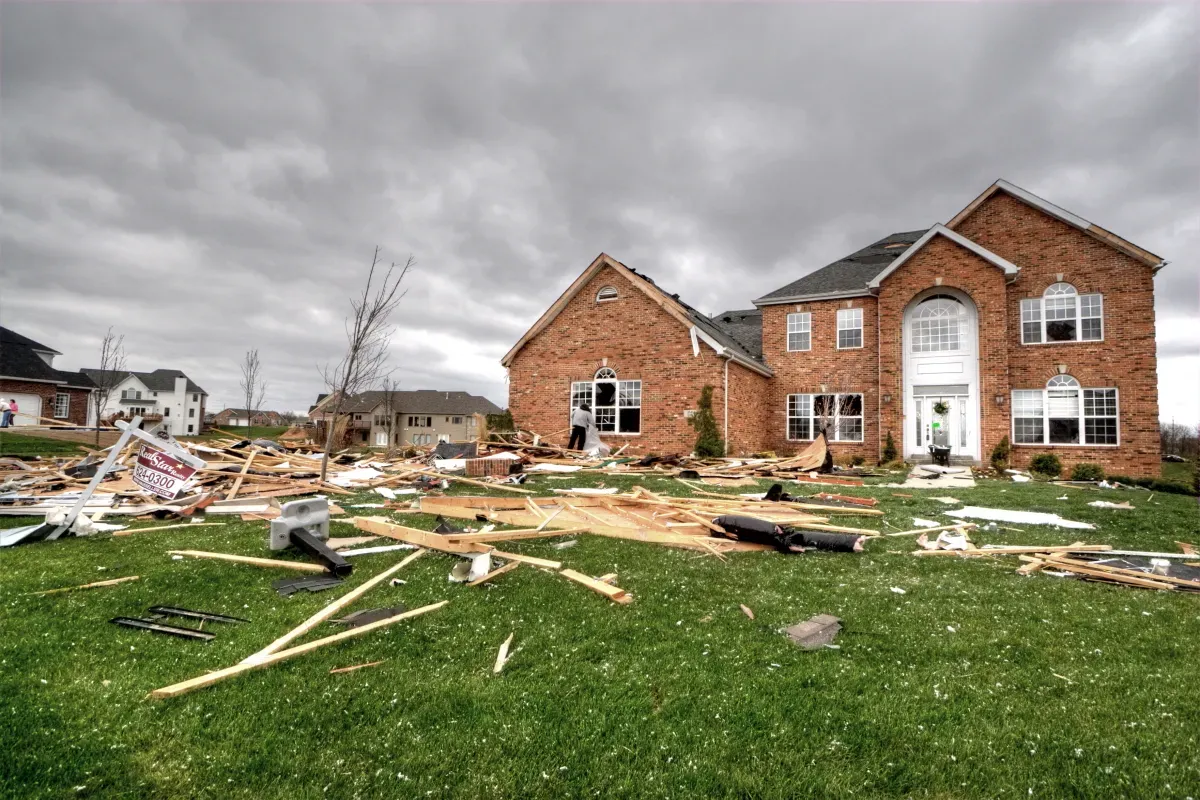
Illinois rarely gets mentioned in the same breath as Oklahoma or Texas, yet its 2025 numbers put it near the very top. In 2025, there were 1,559 tornadoes in the United States, well above the annual average of 1,225, with Texas, Illinois, and Missouri experiencing the highest number of tornadoes. That ranking would have surprised most forecasters a generation ago.
The longer term averages confirm this is not a fluke year. Next highest after Texas were Illinois with 569 recorded tornadoes and Mississippi with 559. Illinois sits close to the newer eastern edge of what used to be a much narrower storm corridor, and its flat farmland offers little to slow a rotating storm once it forms.
Mississippi: humidity, frequency, and a rising tornado count
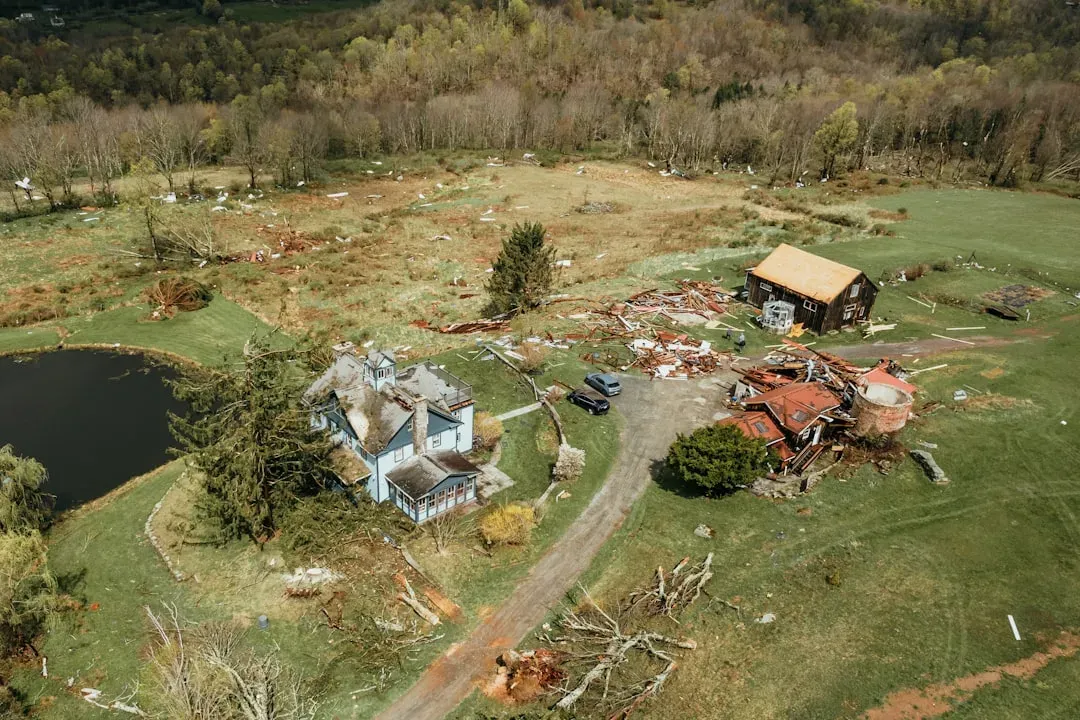
Mississippi’s storm problem starts with its air. Mississippi sees thunderstorms on an average of 81 days per year, thanks to warm, humid air from the Gulf of Mexico that often collides with cooler systems from the north and west, fueling both frequent and severe storms. That combination has made it one of the most consistently active states in the country.
Its tornado numbers have grown just as troubling. The most fatalities in 2025 were in Kentucky with 19 deaths, Missouri with 16, and Mississippi and Tennessee each with 9. Mississippi’s position along the Gulf makes it an early landing zone for the same moist air masses that eventually push northward into the Ohio Valley.
Kentucky: where recent tornadoes have proven deadliest

Kentucky is not typically included in old tornado alley maps, yet it has recorded some of the most lethal storms of the past two years. Tornadoes killed 68 people in a recent year, with the deadliest single storm hitting Somerset-London, Kentucky on May 16 and killing 19 people. That single event reshaped how seriously officials treat eastern Kentucky’s exposure.
Researchers had already flagged this region as a growing danger zone before that storm hit. From 1994 to 2024, places like southern Illinois, western Kentucky, and western Tennessee had a 90 to 100 percent likelihood of a tornado touching down there each year, compared to a 60 to 70 percent likelihood covering most of the same area decades earlier. Kentucky’s hilly terrain and dense mobile home population make its tornado risk especially serious.
Tennessee: mountains and southern heat working together
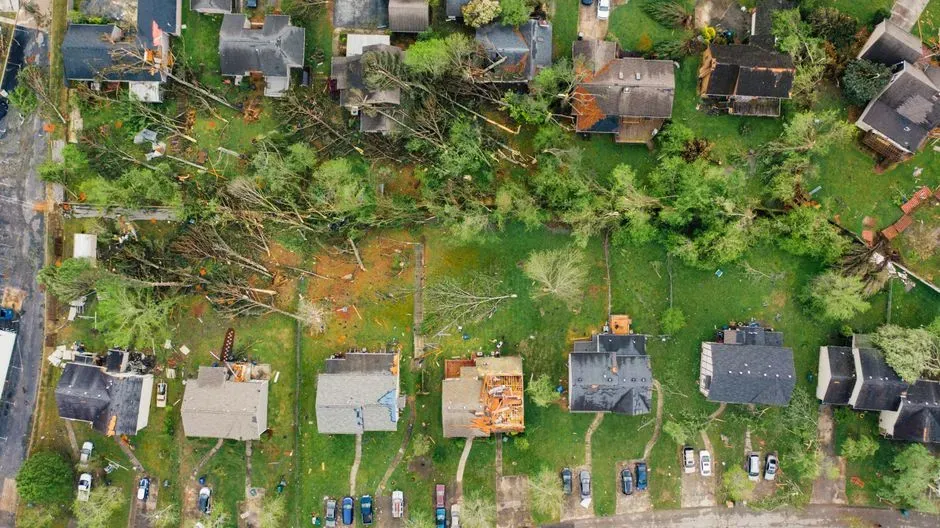
Tennessee benefits from an unusual geographic mix that most storm prone states do not share. Tennessee benefits from a combination of factors that most states don’t share simultaneously, since the Cumberland Plateau and the eastern Appalachians provide orographic lift, forcing air upward into cooler layers where thunderstorms can form. That lift effect, combined with humid southern air, gives the state a storm engine most flatter regions lack.
Tennessee’s fatality numbers in 2025 matched Mississippi’s, tying for third highest in the nation that year according to federal tallies. The state has become a fixture in discussions about the so called new tornado alley, sitting right along the eastward path researchers have documented since the late twentieth century.
Alabama and Arkansas: the expanding heart of Dixie Alley
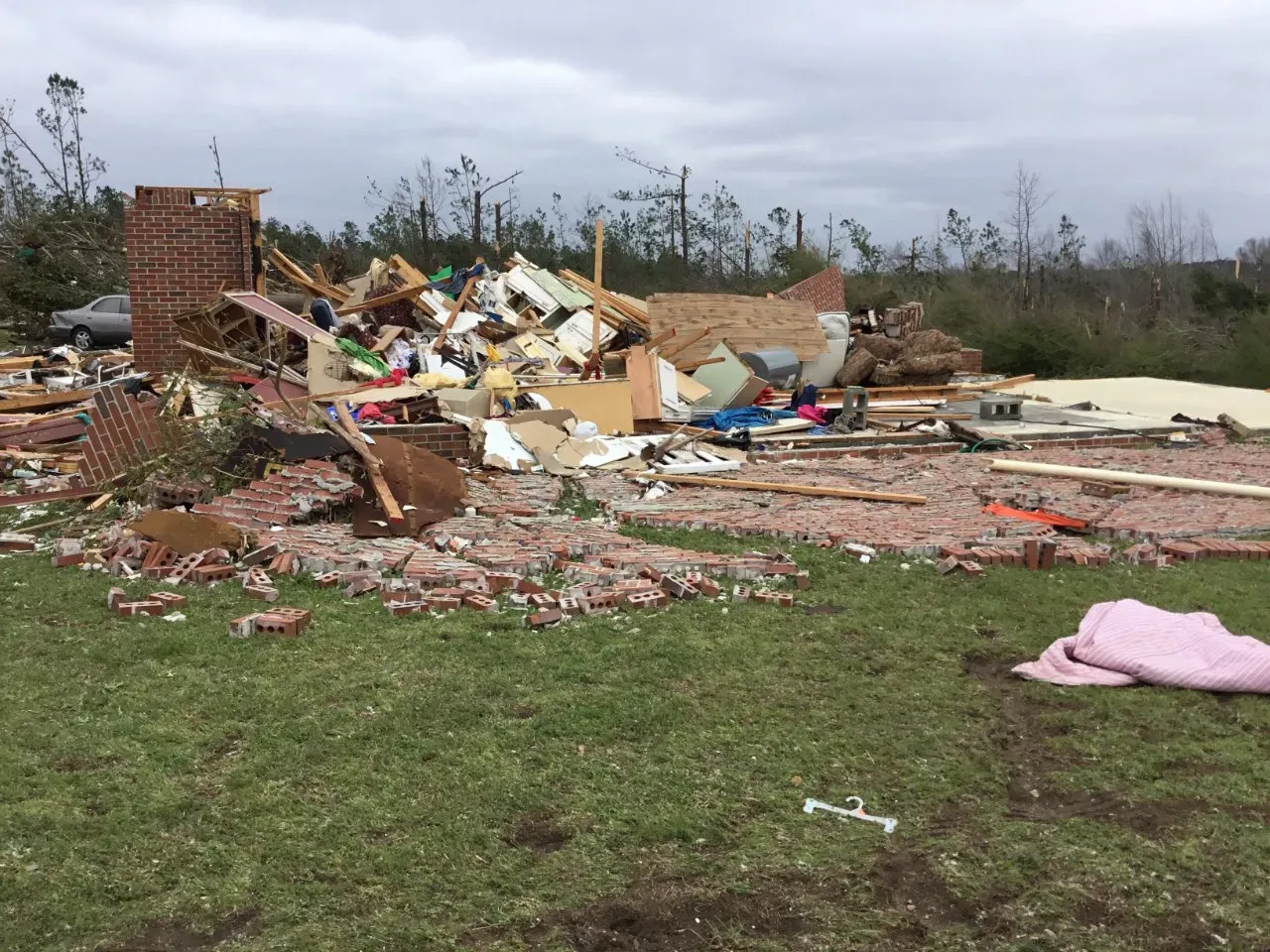
Alabama and Arkansas have become central players in what meteorologists now informally call Dixie Alley. From 1986 to 2020, tornado formation peaked in Mississippi, Louisiana and Alabama, with such events also increasing further east, including Virginia, West Virginia and Pennsylvania. That geographic spread shows just how far the old boundaries have stretched.
Arkansas has felt this shift acutely in recent seasons. Arkansas’s peak lightning day in 2025 aligned with a billion dollar tornado outbreak, underscoring how dangerous the state’s thunderstorm environment can be. Both states now regularly appear in the same severe weather outbreaks that once concentrated almost entirely in Texas and Oklahoma.

- I Asked AI and a Waste Auditor How to Cut My Household Trash – Where They Disagreed - November 12, 2026
- Einstein’s equations suggest gravity can reconnect like the sun’s magnetic field - November 12, 2026
- This Map Shows Which States Get the Most Severe Storms Each Year – And It’s Not What You’d Expect - November 12, 2026
