

- Real Estate Analysts Just Changed Their Mind About the Safest Places to Buy – Here’s Why - November 12, 2026
- Black Holes Firing Beams at Near-Light Speed – 5 Cosmic Engines Warping Spacetime - November 12, 2026
- Silent Rogue Worlds Drifting in Total Dark – 6 Planets Ejected From Their Star Systems - November 12, 2026
Most planets we know of have a sun to circle, and a sky that changes with the seasons. Some don’t. A growing list of worlds travels through the galaxy with no star at all, and the cold between stars is their whole environment.
Astronomers call them rogue or free floating planets. Many are thought to have been born around a star and then thrown out, though that’s not proven for every object. The six worlds below show how different these wanderers can be, and how carefully the evidence has to be read.
The Saturn Mass Wanderer Measured in 2026
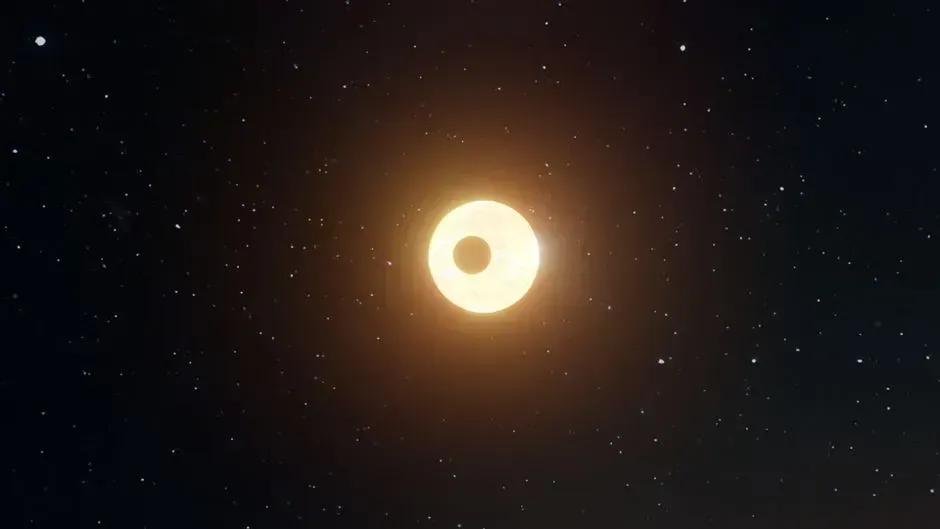
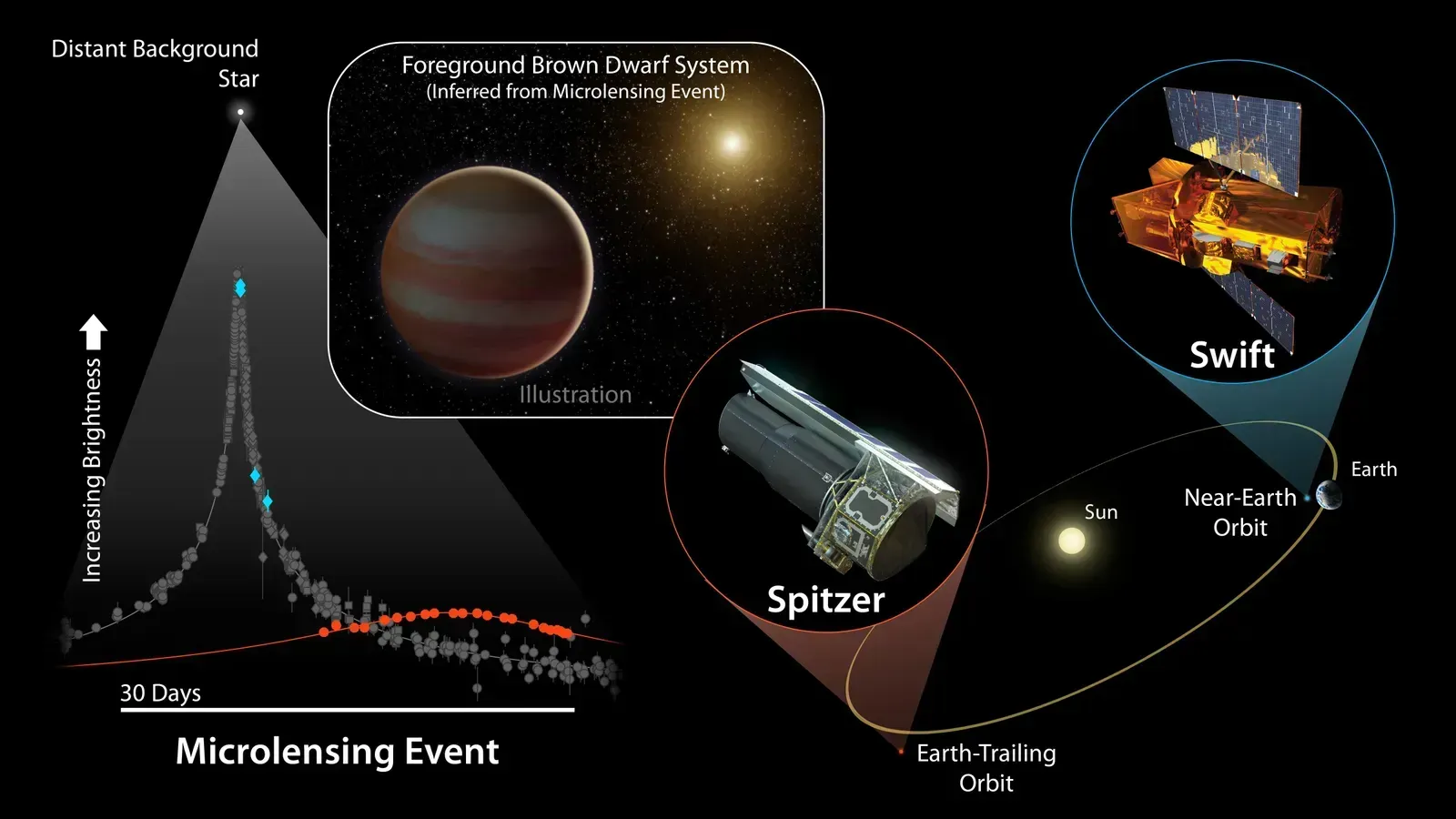
On January 1, 2026, a paper in Science reported the first successful measurement of both the mass and the distance of a free floating planet. The object was found through a brief microlensing event, and it sits nearly 10,000 light years from Earth with a mass similar to Saturn.
The trick was watching one event from two places at once. Observers on Earth and in space measured both its mass and its distance. Gaia was the space telescope involved, and the team used it alongside several ground based telescopes.
Why That Planet Is Probably an Exile
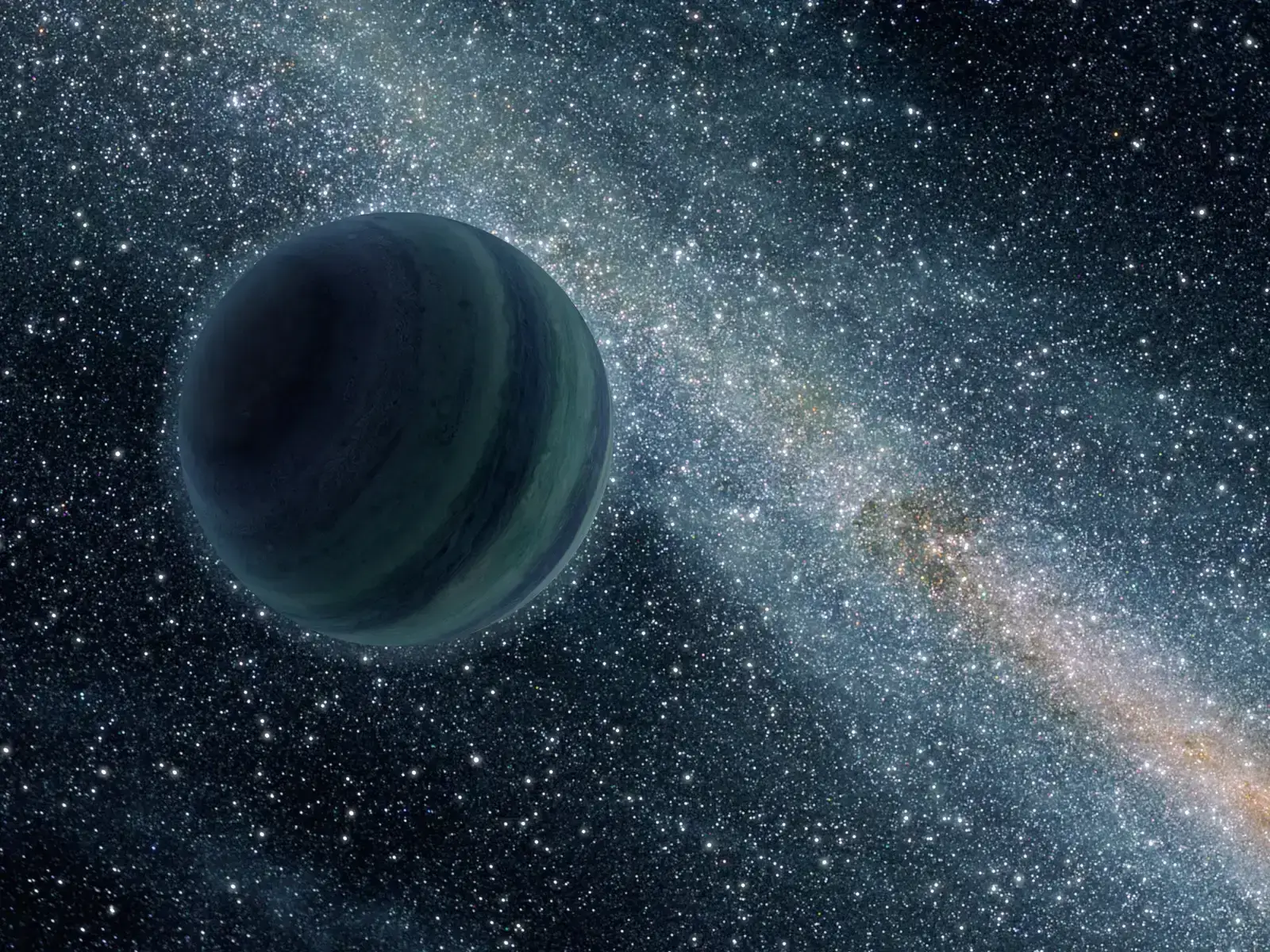
Mass is the clue. A planet this light likely didn’t form alone like a star or brown dwarf, but in a disk around a star before being cast out. That makes it a good candidate for an ejected world rather than a failed star.
The likely causes are violent. Low mass rogue planets are thought to be expelled by gravitational upheavals, such as interactions with neighboring planets or unstable stellar companions. Still, nobody has watched this particular planet leave, so the origin is an inference.
OGLE-2016-BLG-1928, the Earth Mass Drifter
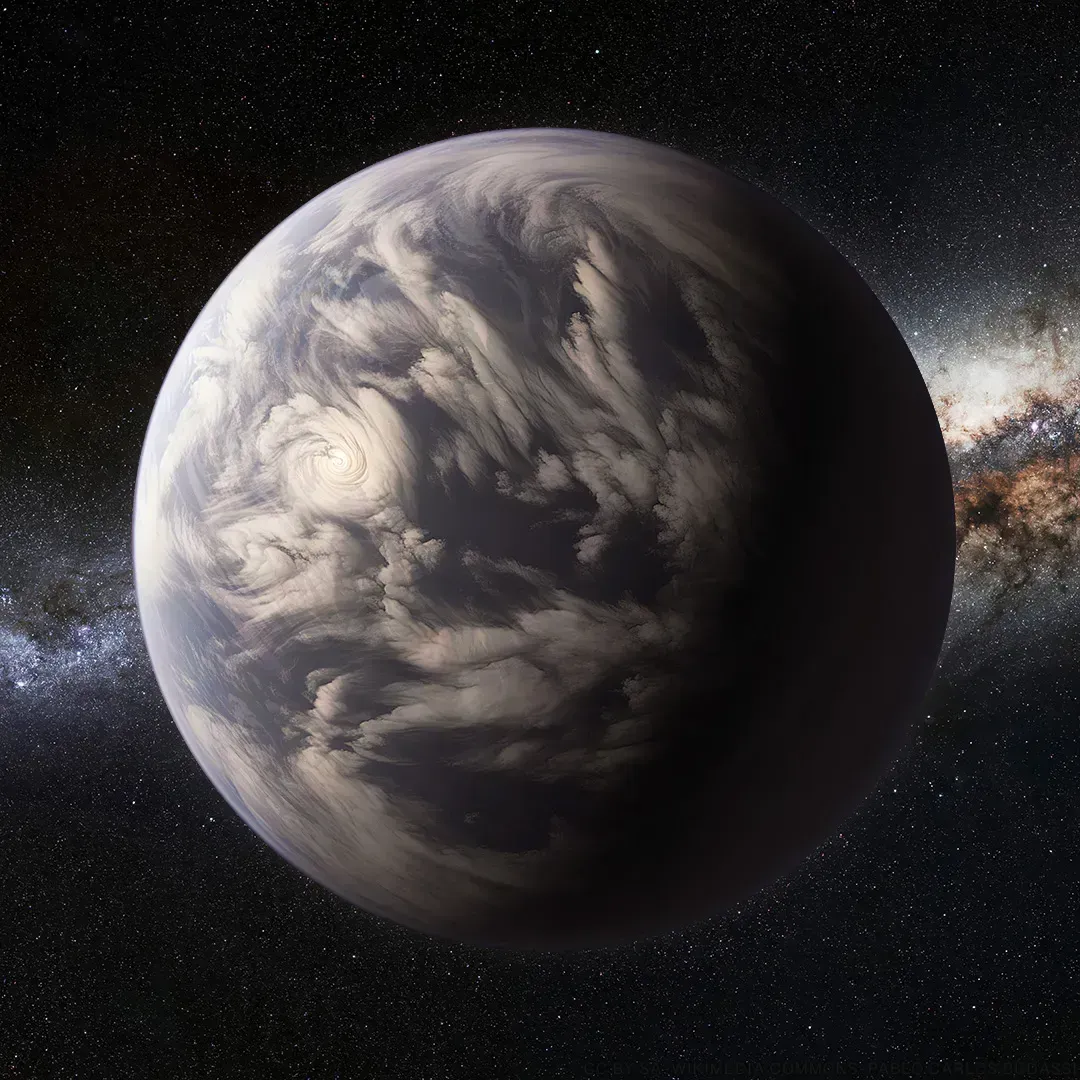
Not every rogue planet is a giant. Microlensing surveys reported an Earth mass rogue planet, named OGLE-2016-BLG-1928, that is unbound to any star in the Milky Way. It was announced in 2020, and it remains one of the lightest free floating objects detected.
Its tiny size shows how rich the hidden population might be. Small planets are easier to eject than massive ones, so a galaxy full of lonely, rocky worlds isn’t a stretch. The detection came from a very short brightening of a background star, a signal that lasts only hours.
WISE 0855−0714, the Neighbor in the Cold
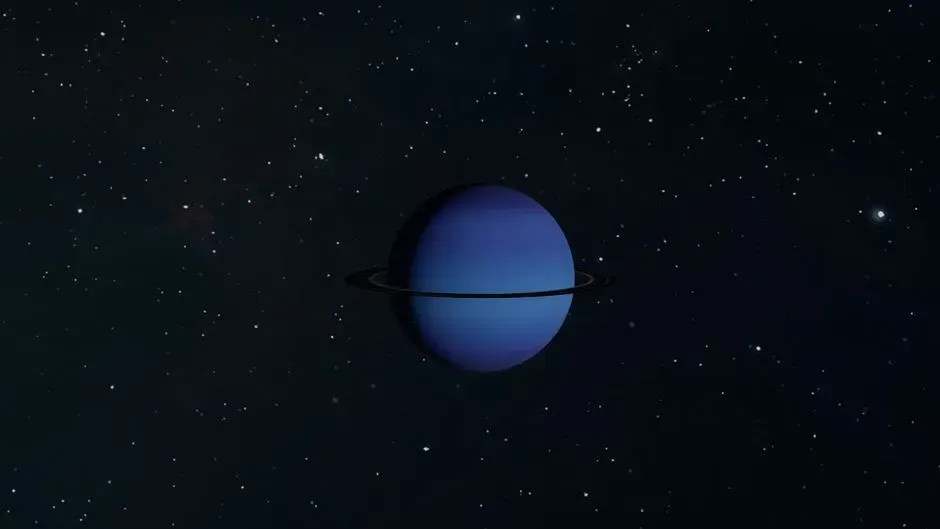
Some rogue candidates are surprisingly close. WISE 0855−0714 lies about 7.27 light years away and is listed among nearby rogue planet candidates of spectral type Y. Few objects outside our solar system are nearer.
It’s extremely cold and faint, which is why it went unnoticed for so long. Its mass is debated, and astronomers often describe it as sitting near the planet and brown dwarf boundary. That uncertainty is typical for isolated objects, since there is no orbit to weigh them against.
Cha 1107-7626, a Rogue World Still Growing
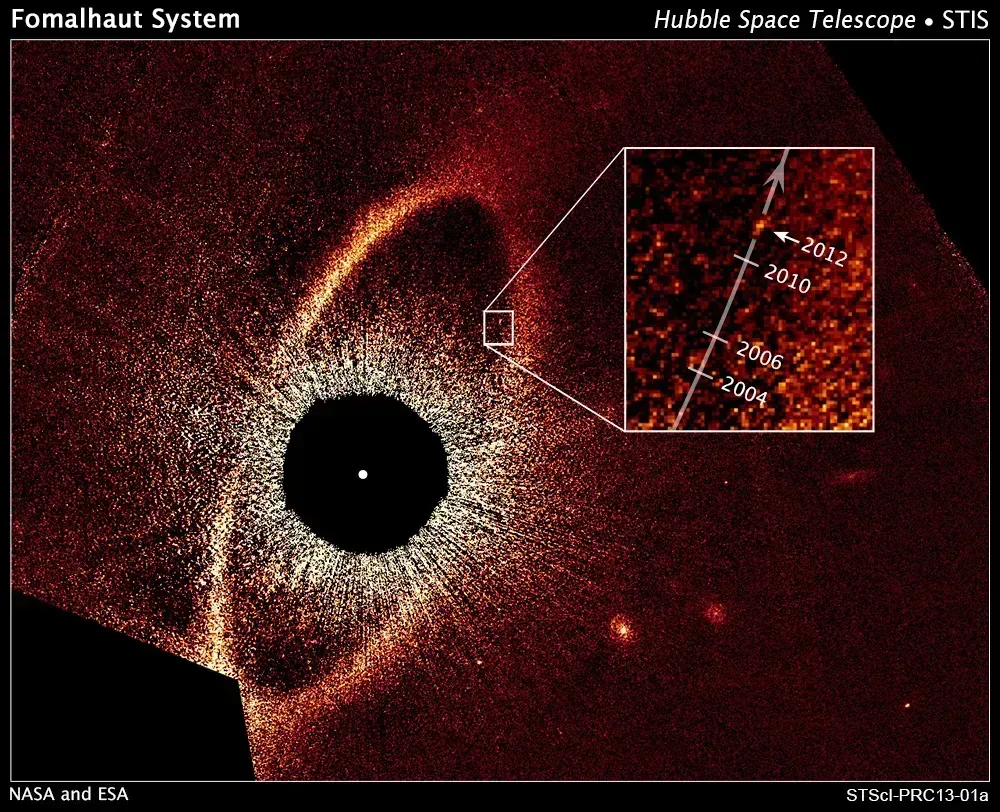
This one is young, and it surprised researchers in 2025. Observations using the European Southern Observatory’s Very Large Telescope caught it in a burst of growth, pulling in gas and dust from a surrounding disk. It lies roughly 620 light years away in the Chamaeleon star forming region, and its mass is a few Jupiters.
Its history is different from the ejected planets above. Objects like this may form on their own, much as stars do, rather than being flung from a system. That’s a useful reminder that “rogue” describes where a world is, not always how it got there.
PSO J318.5-22, the Young Red Wanderer
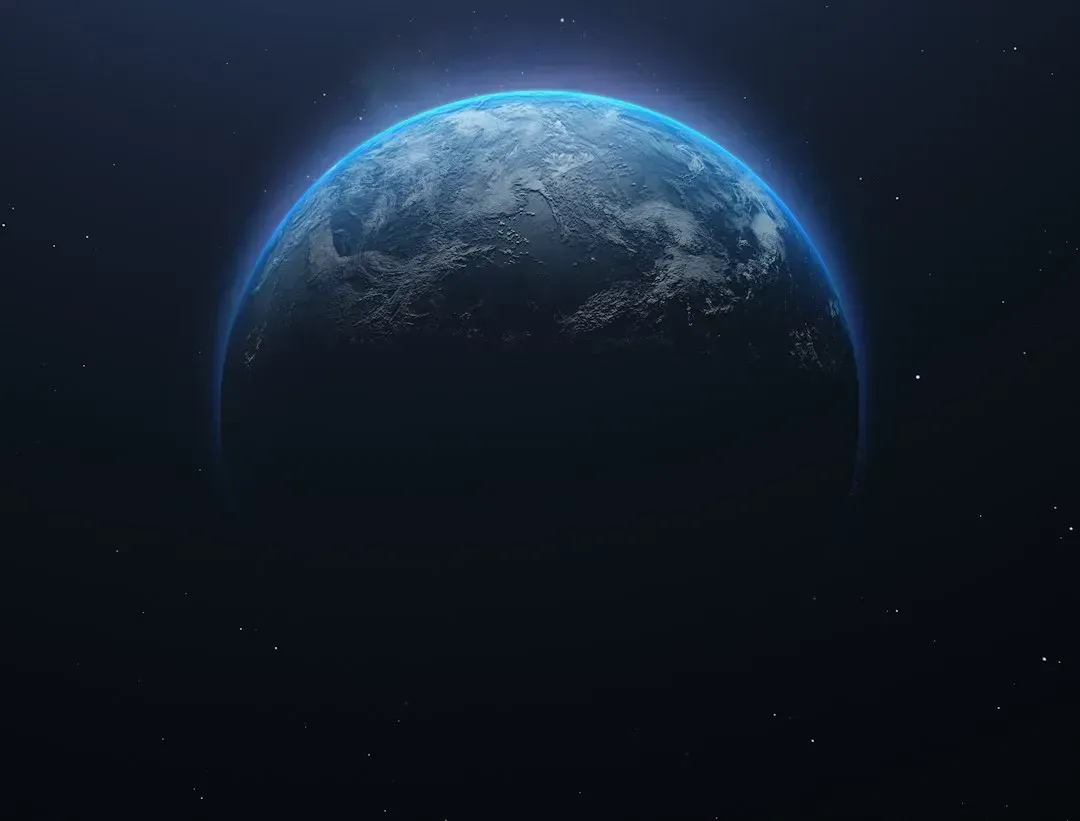
PSO J318.5-22 was announced in 2013 and still turns up in discussions of free floating planets. It’s about 80 light years away, and its mass is around eight times that of Jupiter. It belongs to a young group of stars, which helps astronomers estimate its age.
Its young age matters because a youthful planetary mass object is still warm and easier to study. As with Cha 1107-7626, we can’t say for sure whether it was ejected or formed alone. Researchers treat it as a close, bright test case for what these objects look like.
Where the Search Goes From Here
Only a small number of these worlds have solid measurements, and each one helps. Every new case helps astronomers test ideas about planet formation and survival. Counts of rogue planets in the galaxy remain estimates, not settled numbers.
New instruments are expected to change that. Detections should rise with NASA’s Nancy Grace Roman Space Telescope campaign, scheduled to launch in 2027. China’s Earth 2.0 satellite, planned for 2028, will also search for free floating planets.
Final Thoughts
These six worlds range from an Earth mass drifter to a growing young giant. Some were probably expelled from their systems, while others may never have had a star. The next few years of microlensing data should show how many are true exiles.
