
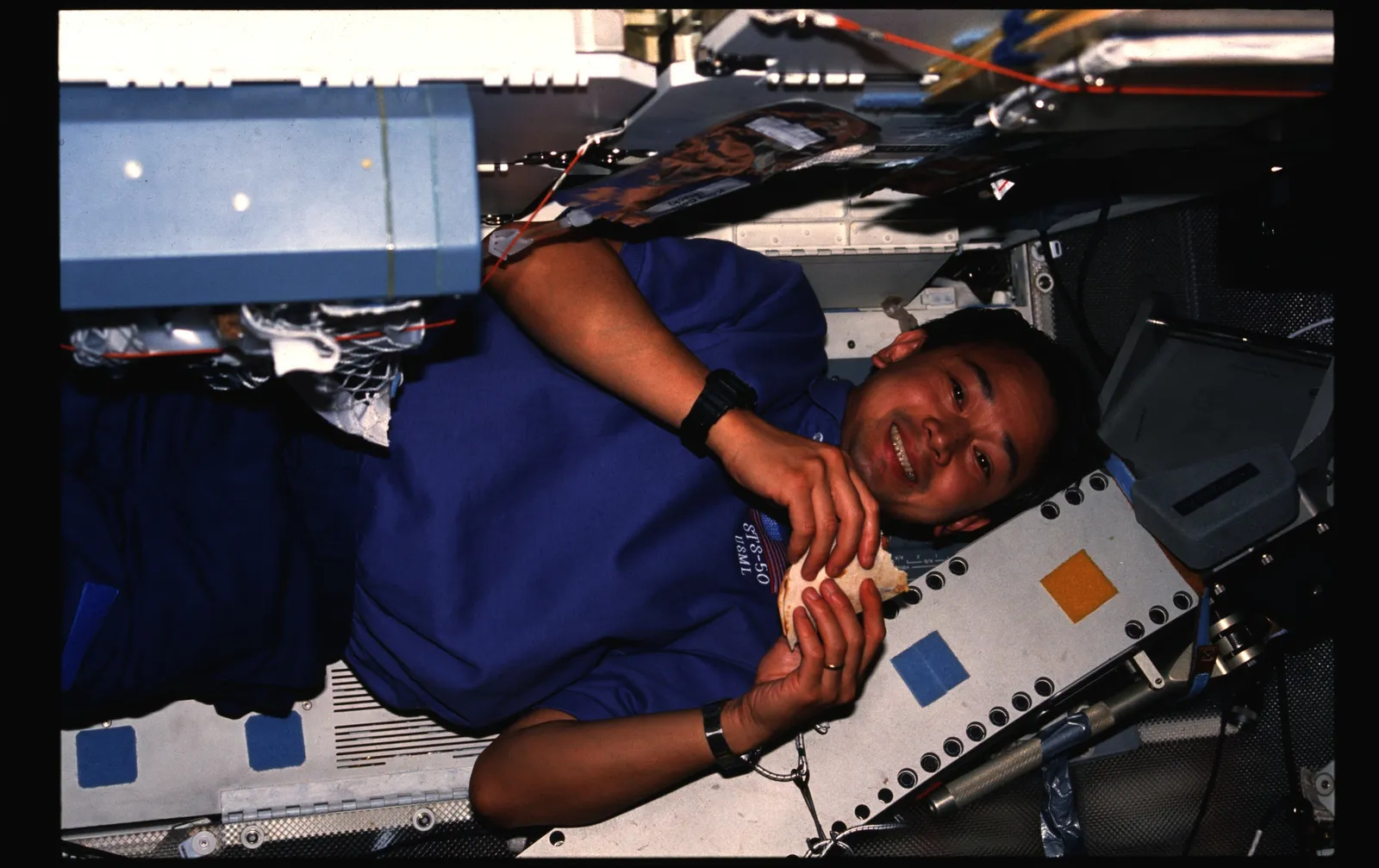
Astronauts eat some of the most carefully engineered meals ever made. Every crumb, droplet and wrapper has to be planned, because floating debris can clog air vents or drift into someone’s eyes.
Some of these inventions have crossed over to grocery aisles, and freeze dried snacks are the best known. Plenty more stayed in orbit, stuck in museum cases, or remained one time experiments. Here are six that never made it to your local store.
Gelatin Coated Bite Sized Cubes
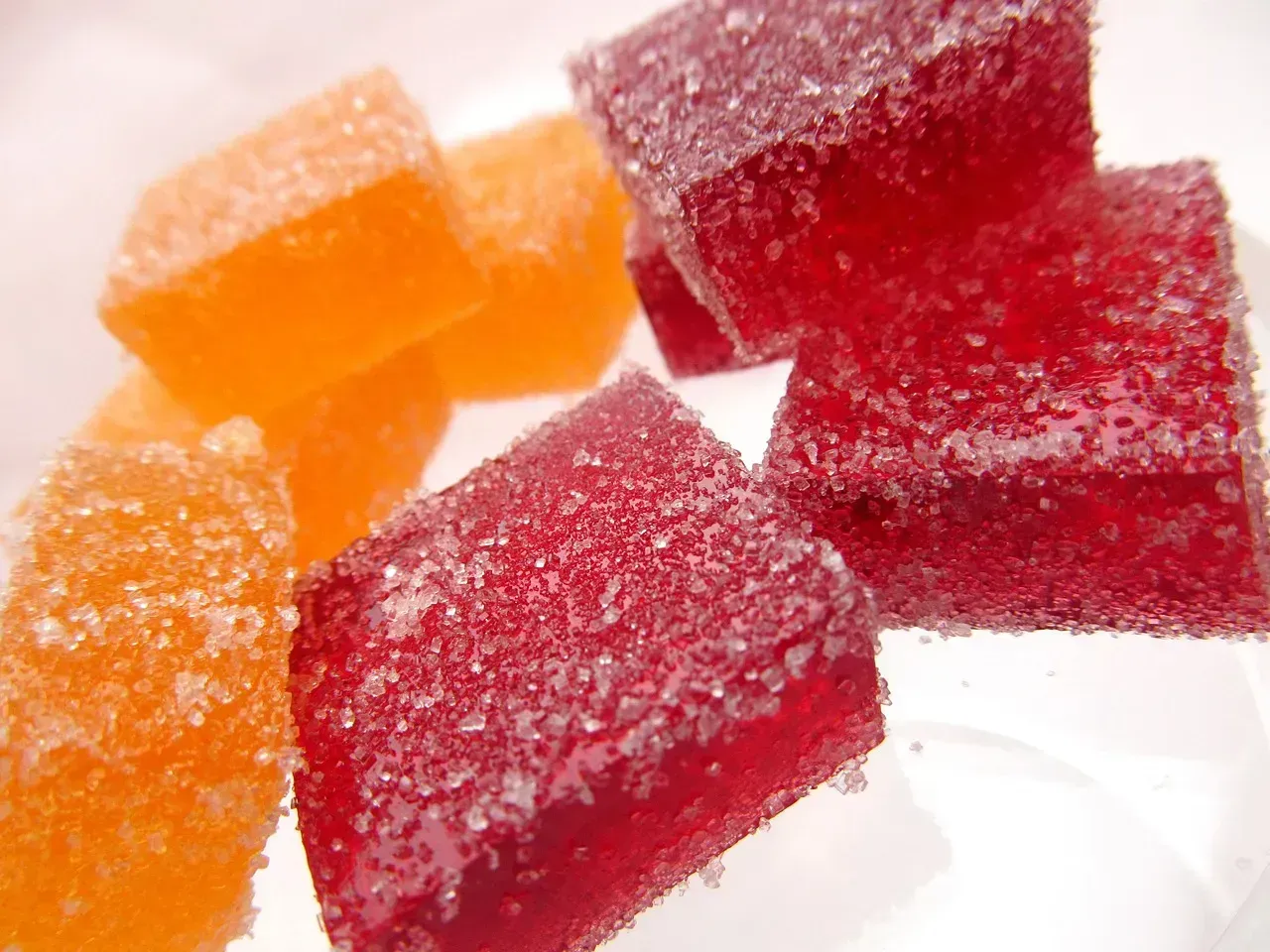
Early American crews in the Gemini and Apollo programs ate compact cubes of food. These were small, dense pieces meant to fit into the mouth in a single bite. Many were coated with an edible layer such as gelatin to hold in crumbs.
The idea made sense in weightlessness, where loose particles float. Crews still complained about taste and texture, and better rehydratable and thermostabilized meals soon replaced the cubes. Nobody found a reason to sell them in shops, and they remain mostly a footnote in spaceflight history.
The Smuggled Corned Beef Sandwich
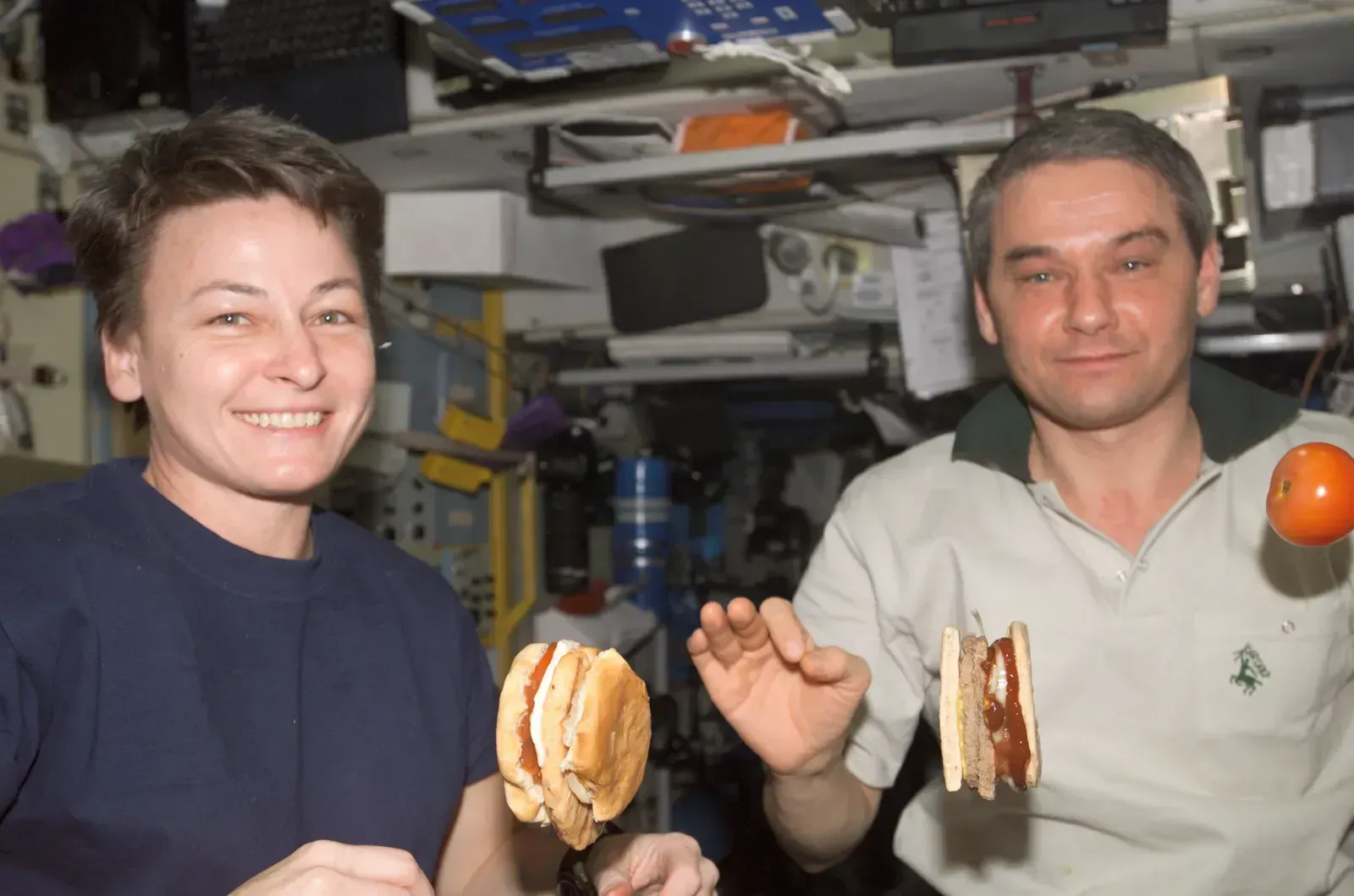
In March 1965, astronaut John Young pulled a corned beef sandwich from his pocket during the Gemini 3 mission. He had brought it aboard without official approval. It is probably the best known unauthorized snack in space history.
The sandwich crumbled, and NASA took the lesson that bread and cabin air don’t mix. Crumbs were a genuine hazard, so the agency treated the episode seriously. A fresh deli sandwich never became a space staple, so there was no product to sell back home.
Space Cola From the 1985 Can Experiment
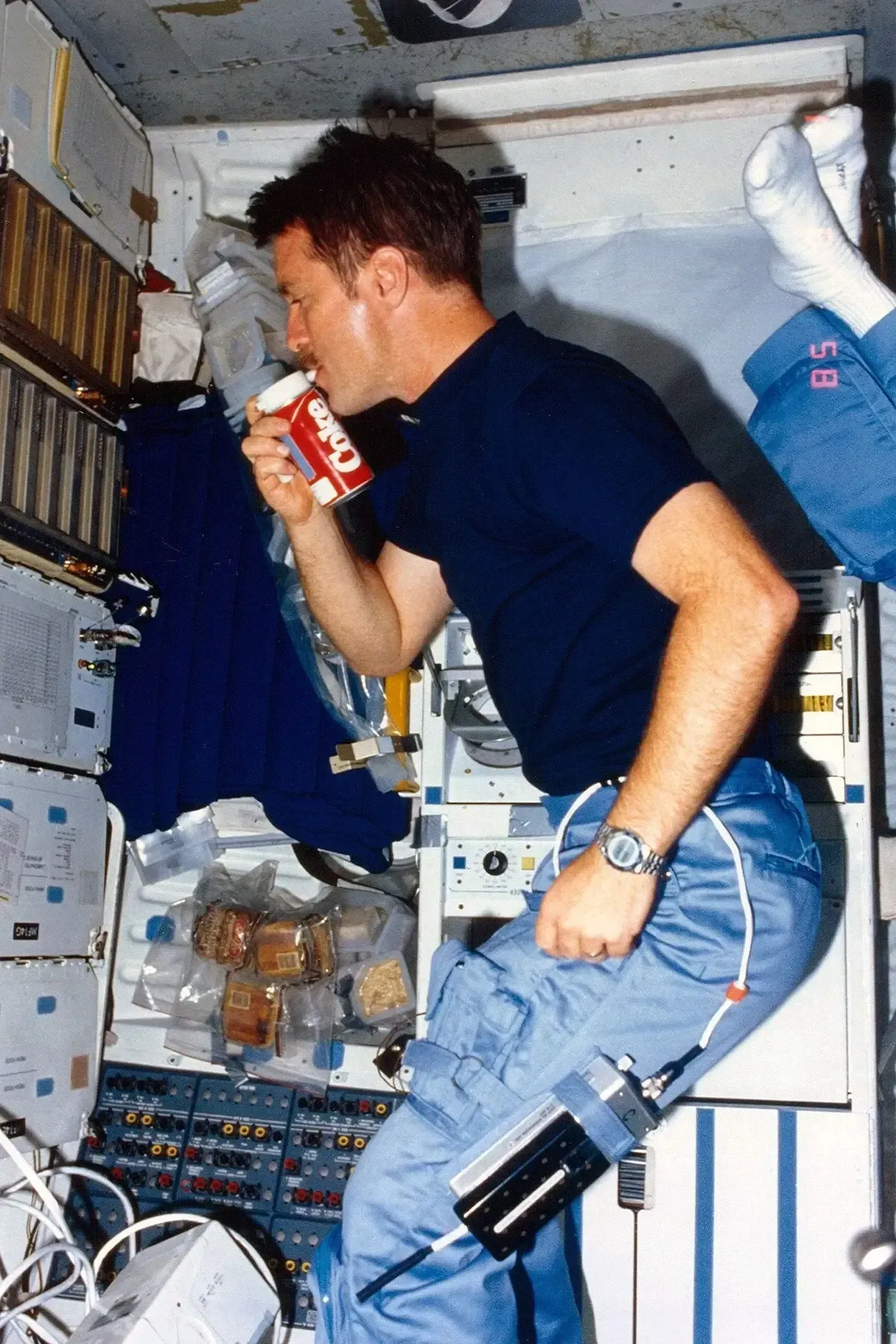
In 1985, the Space Shuttle Challenger carried specially built dispensers for Coca-Cola and Pepsi. The experiment was part of the STS-51F mission, and it tested whether carbonated soft drinks could work in microgravity. Both companies had designed their own cans for the flight.
Carbonation behaves strangely when nothing separates gas from liquid, and crew reaction was lukewarm. Fizzy drinks never became a regular part of the shuttle menu. The cans were a marketing and engineering curiosity, not a product line.
The Pizza Hut Pizza Delivered to Orbit
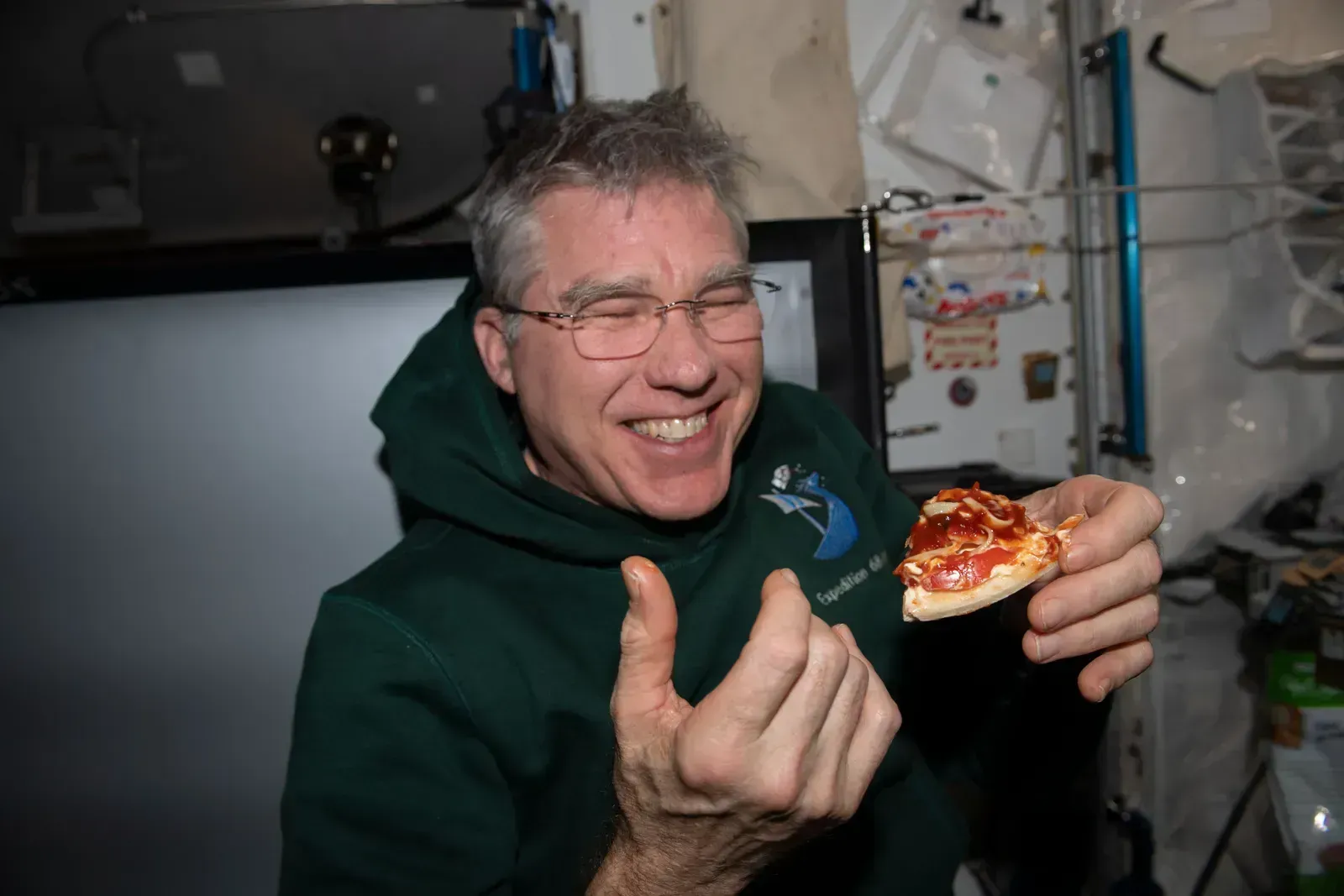
In 2001, Pizza Hut sent a pizza to the International Space Station, which was widely described as the first delivery to space. It rode up on a Russian rocket, and cosmonaut Yuri Usachev was the recipient. The company’s reported price tag was very high, though exact figures vary by source.
The pizza was a promotional stunt tied to the station, not a menu launch. Pizza Hut never turned it into a “space pizza” for restaurants. Today, crews on the ISS still make their own pizzas from kits, but that’s a different story from a commercial product.
Liquid Salt and Pepper
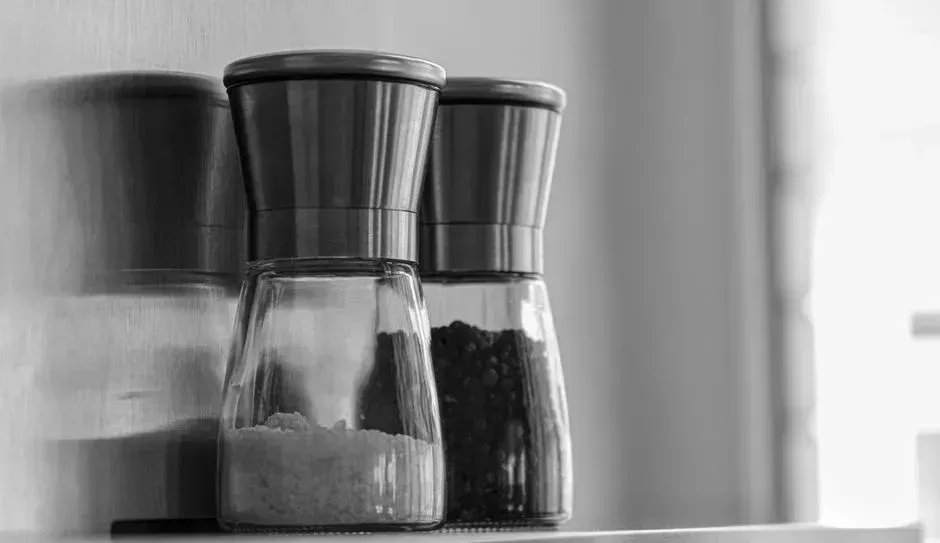
On the ISS, salt and pepper don’t come in shakers of loose grains. Salt is dissolved in water, and pepper is suspended in oil. That way the seasoning stays put and can’t float into equipment or someone’s face.
These liquid seasonings solve a real problem in orbit. On Earth, a shaker works fine, so few shoppers would trade it for a dropper bottle of oily pepper. Liquid seasoning has never found a mainstream audience at the grocery store.
Squeeze Tube Meals From the Mercury Era
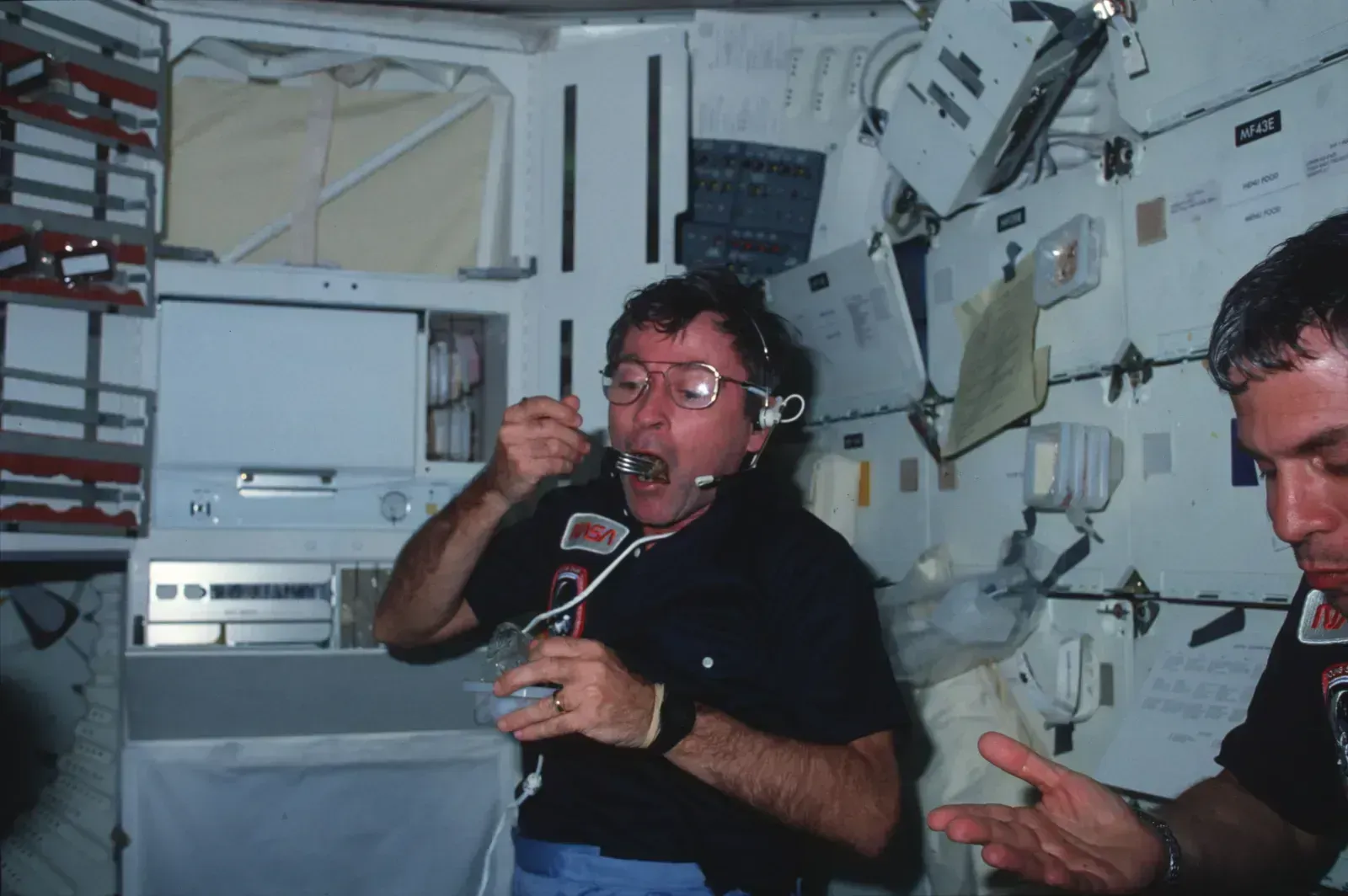
When John Glenn ate applesauce from an aluminum tube during his February 1962 orbital flight, he became the first American to eat in space. His meal came from a squeezable tube, squeezed into the mouth like toothpaste. Mercury astronauts tested several pureed foods this way.
Pouch foods are common today, but the aluminum tube meals of the Mercury era did not become a lasting retail category. Astronauts preferred more recognizable meals as missions grew longer and packaging improved. The original tubes are now mostly museum objects.

- 6 Things Scientists Monitor in Space That Most People Never Think About - November 13, 2026
- I Asked AI and a Waste Auditor How to Cut My Household Trash – Where They Disagreed - November 12, 2026
- Einstein’s equations suggest gravity can reconnect like the sun’s magnetic field - November 12, 2026
