

More than a century after Einstein wrote down the equations of general relativity, physicists are still finding new ways to read them. A recent theoretical study argues that, under the right conditions, gravitational field structures can break and rejoin. The process resembles the magnetic reconnection that powers solar flares.
The idea is called “gravitational reconnection.” It comes from Luca Comisso of Columbia University and Felipe Asenjo of Universidad Adolfo Ibáñez in Chile. It’s a mathematical result, not an observation, so it’s worth being clear about what has and hasn’t been shown.
What Magnetic Reconnection Does on the Sun
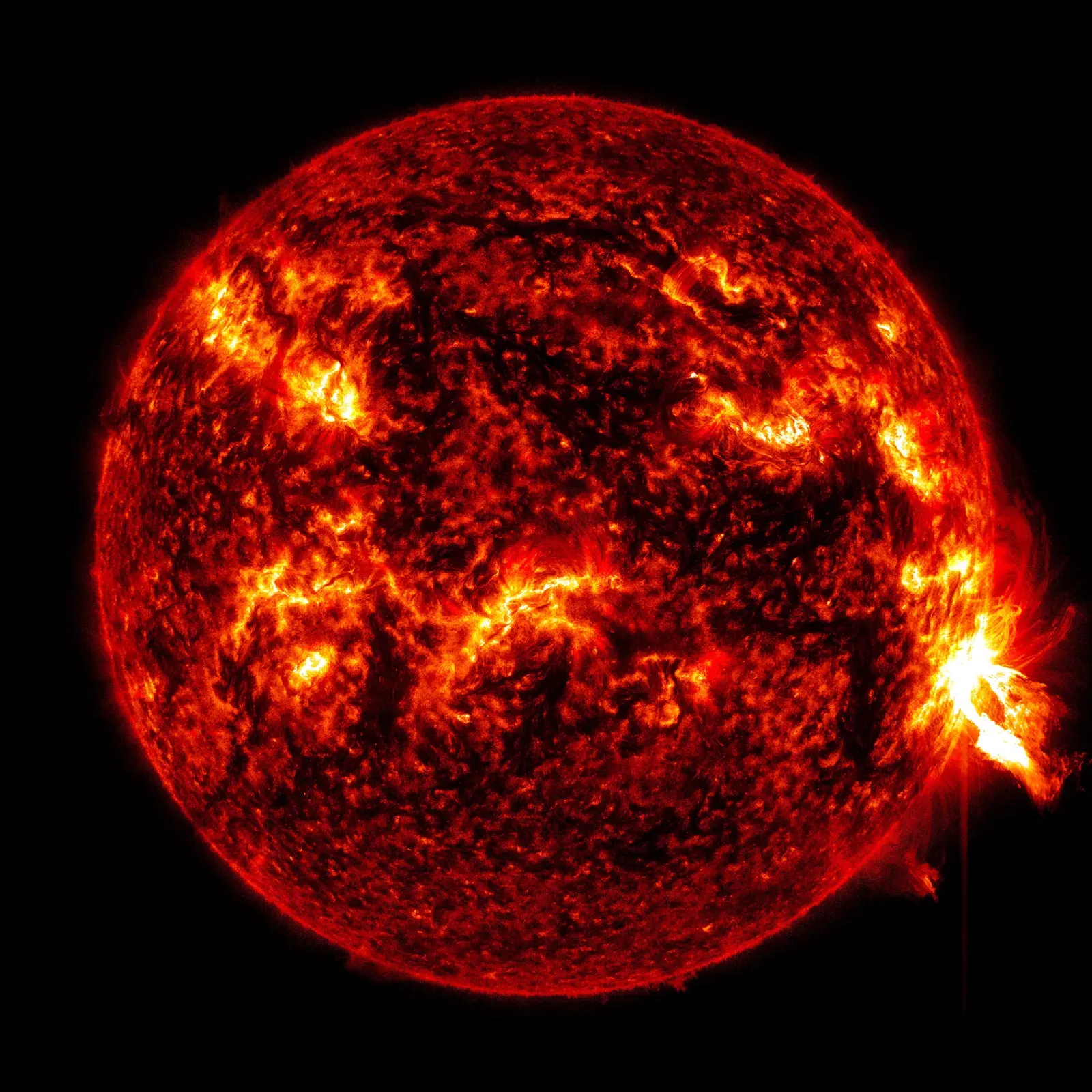
Comisso describes magnetic reconnection as field lines that, in a specific configuration, break and reattach in a different configuration. The reattachment releases energy. This is the process behind solar flares, and one of the most important energy-release mechanisms in all of astrophysics.
In practice, it takes energy from the magnetic field and gives it to the particles in the plasma. That is what produces the explosive events. The gravity analogy rests on this energy handoff from a field to matter.
A New Way of Writing Einstein’s Equations
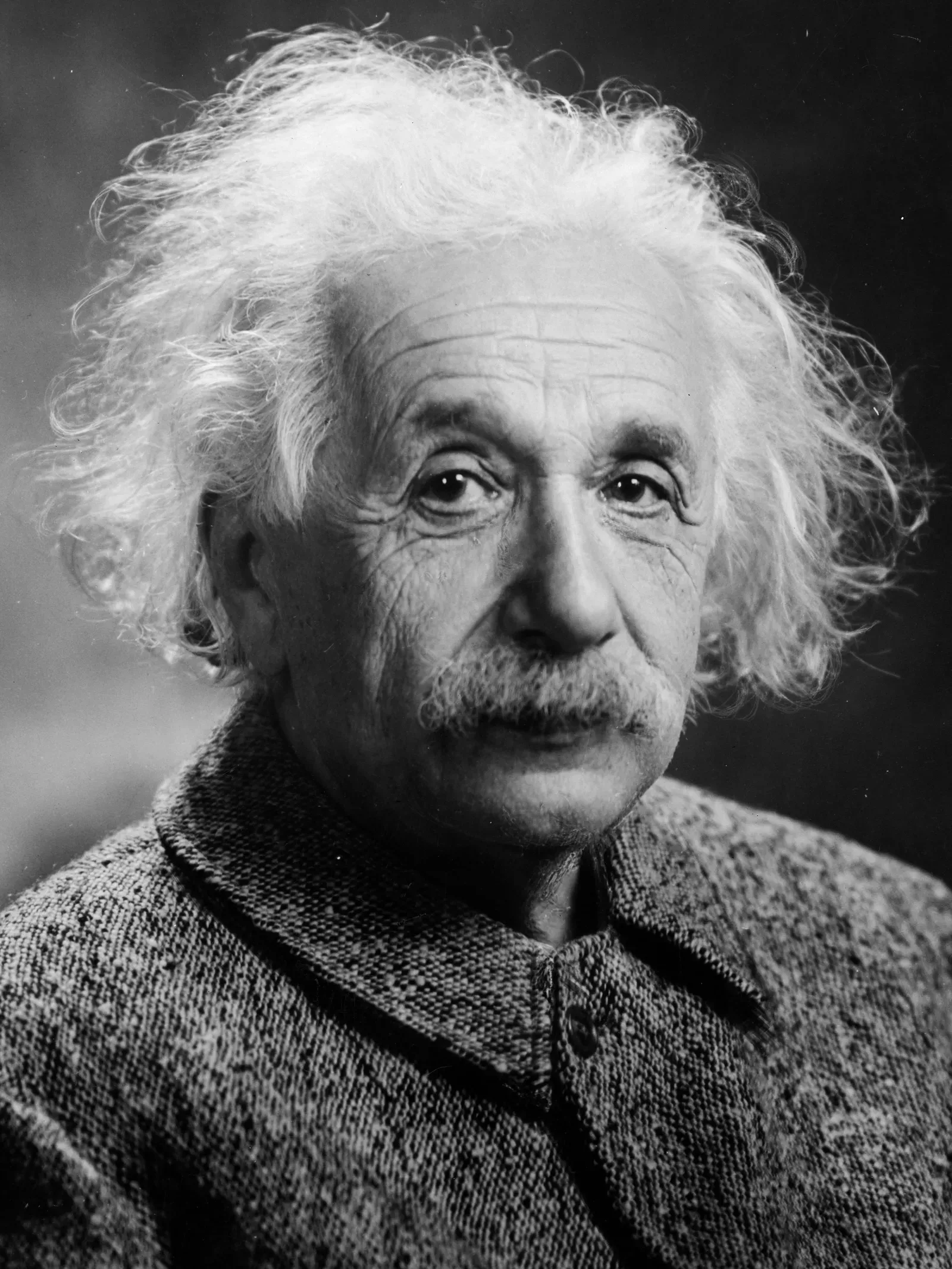
The work builds on a reformulation of the Einstein equations. According to the new paper, this approach uses quantities analogous to electric and magnetic fields, organizing spacetime curvature into field-like geometric structures. The idea isn’t new in itself, but the team pushed it further.
Comisso says that written this way, the equations of gravity start to look a great deal like the equations that govern plasmas. Plasmas are the gases that make up the Sun and fill much of the space between stars. Some of the same principles that govern magnetic fields therefore appear in gravity too.
Why Gravity Has Sheets Instead of Lines
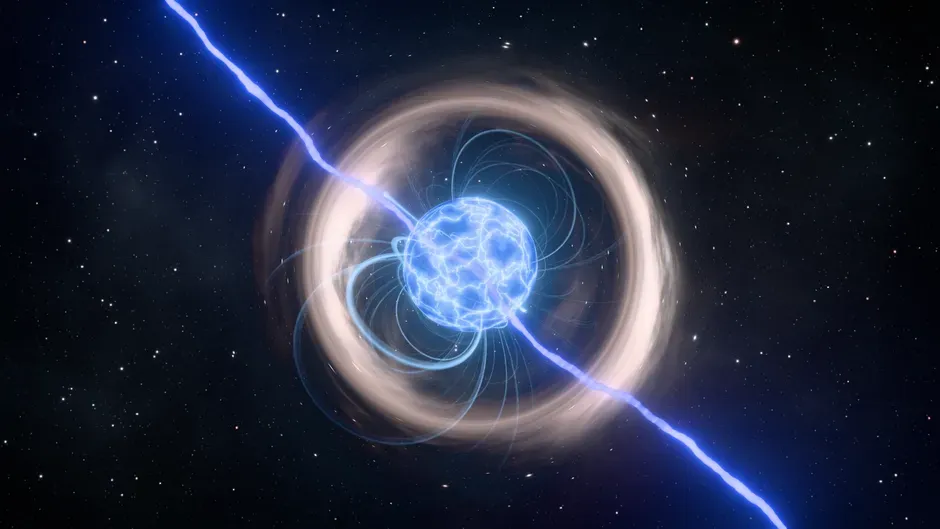
The main difference is dimensionality. Comisso explains that because space-time is four-dimensional rather than three-dimensional, gravity involves something like field “sheets” rather than field lines. A magnetic field line is a one-dimensional thing in ordinary space. Gravity’s equivalent is a two-dimensional structure.
So the picture changes slightly. Instead of field lines that stretch, reconnect and release energy, the gravitational field takes the form of sheets that move, reconnect, and release energy. The earlier study with Maricarmen Asenjo had already suggested these gravitational field sheets exist as mathematical objects.
The Frozen-In Rule and When It Fails
In the ideal case, the paper says, the connectivity of gravitational field sheets is preserved. Gravitational flux and helicity follow conservation laws. Physicists call this the frozen-in property, and it works like a rule that keeps the sheets from tearing.
The key step is what happens when that rule is violated. The authors write that the connectivity of gravitational field sheets can change through their reconfiguration. They add a caveat, though. Breaking the frozen-in rule doesn’t by itself guarantee reconnection, which happens only when no alternative flow exists.
Energy Moving From Gravity Into Matter
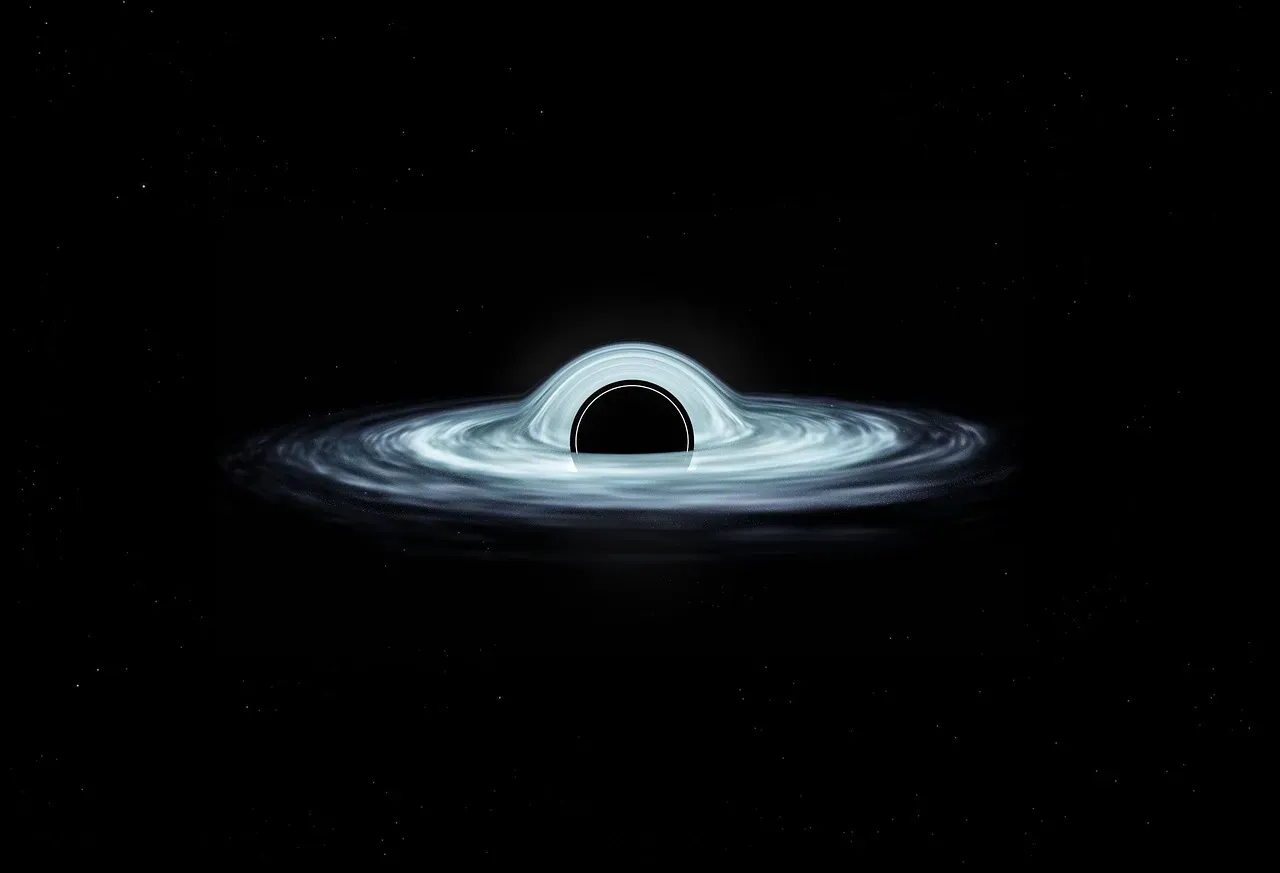
The practical consequence is an energy exchange. The researchers say that when gravitational structures reconnect, energy moves out of the gravitational field and into matter. That mirrors how a solar flare hands magnetic energy to particles.
The paper also tries to make this measurable in principle. The authors introduce quantitative measures of the gravitational reconnection rate. They also examine the implications for energy-momentum exchange and for gravitational helicity.
Where It Might Matter in the Cosmos
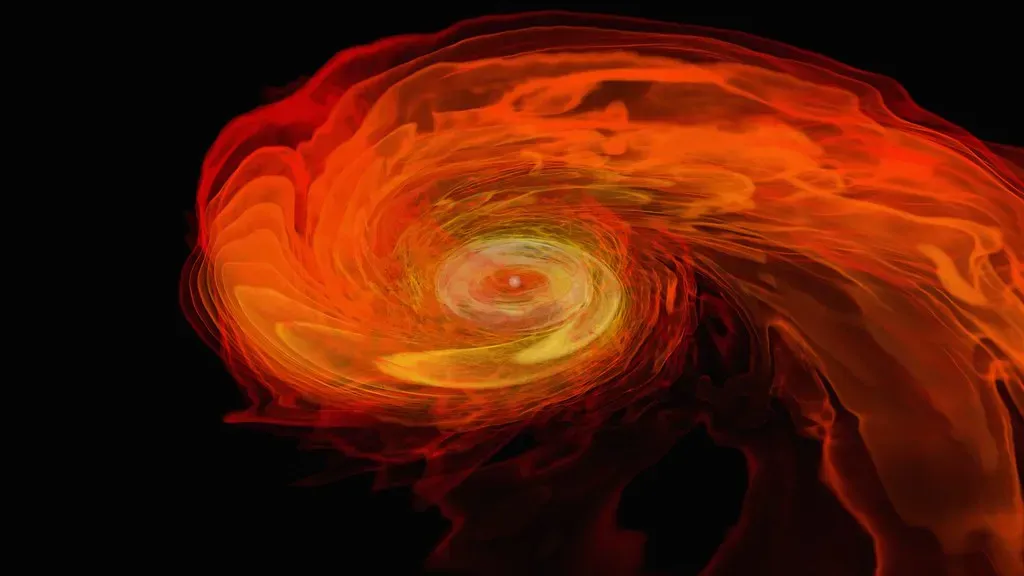
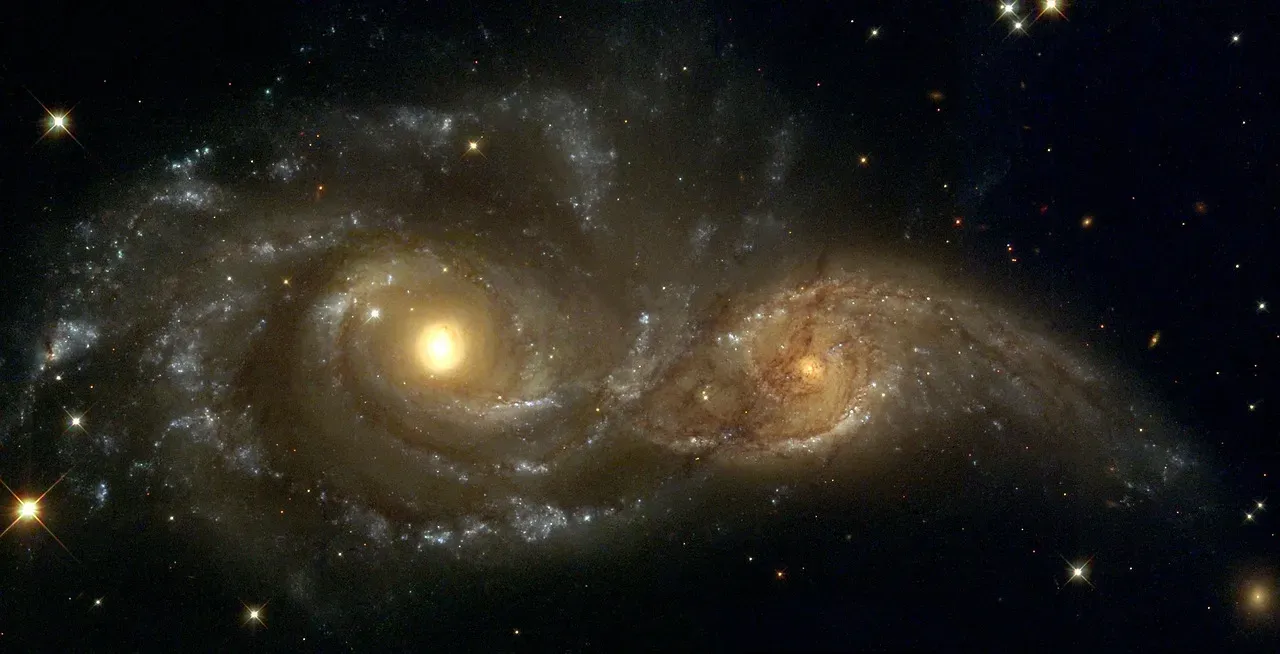
Columbia’s announcement links the idea to extreme events, saying it could help explain cosmic events like the merger of two neutron stars into a black hole. Those mergers are modeled with supercomputer simulations. The hope is that this framework gives researchers a new way to interpret what such simulations show.
That is a possibility, not a result. The work is framed as a way of describing dynamical spacetimes, and no one has yet identified gravitational reconnection in data or in a specific simulation. It’s a lens for looking, not a finding about any particular merger.
A Theoretical Result, Not an Observation
The researchers are open about the status of the idea. Columbia’s release states that for now, gravitational reconnection remains a theoretical discovery. The analysis is also described as built entirely on general relativity, with no new physics added.
The work has been reported as published in Physical Review D, with a preprint on arXiv. Some secondary coverage adds its own branding and interpretation, such as one outlet’s “Torsional Release Inception” label. That isn’t part of the researchers’ framework, so it’s best set aside.
Conclusion
The analogy is neat. Magnetic fields reconnect and power flares. Gravity, rewritten in similar language, seems to allow sheets that reconnect and pass energy to matter. The result comes from a reformulation of Einstein’s equations, not from new data.
What matters next is whether the framework shows up in detailed simulations of mergers or other violent spacetimes. Until then it stays an elegant piece of mathematics that shows how much Einstein’s equations still have to say.

- I Asked AI and a Waste Auditor How to Cut My Household Trash – Where They Disagreed - November 12, 2026
- Einstein’s equations suggest gravity can reconnect like the sun’s magnetic field - November 12, 2026
- This Map Shows Which States Get the Most Severe Storms Each Year – And It’s Not What You’d Expect - November 12, 2026
