

Most people have no idea what’s actually in their glass of tap water. It looks clean, smells fine, and tastes ordinary. Yet researchers have been steadily documenting a quiet contamination crisis – one measured not in color or odor, but in particles smaller than a human hair. Microplastics are now showing up in drinking water supplies across the globe, and the scale of the problem is bigger than most consumers realize.
Into this concerning picture steps an unlikely candidate: a fast-growing tropical tree that ancient civilizations have relied on for millennia. A study published in April 2026 found that seeds from the Moringa oleifera tree – widely known as the “miracle tree” – can remove over 98% of certain microplastics from tap water. The findings are drawing serious attention from water treatment experts, and for good reason.
The Microplastic Problem in Your Drinking Water
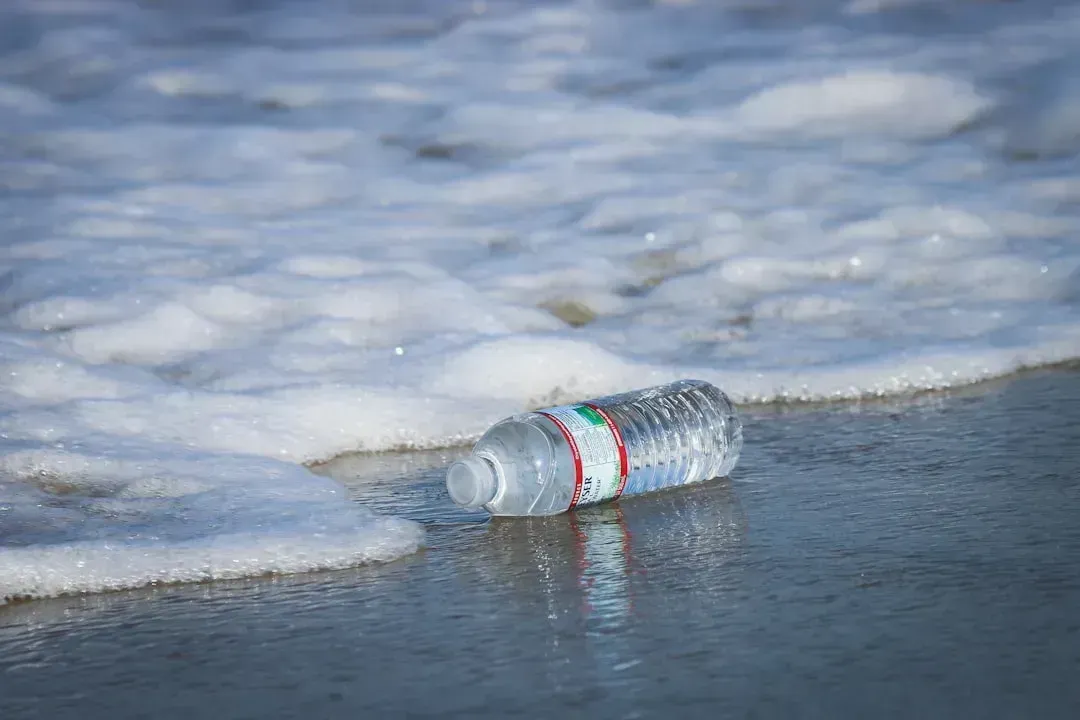
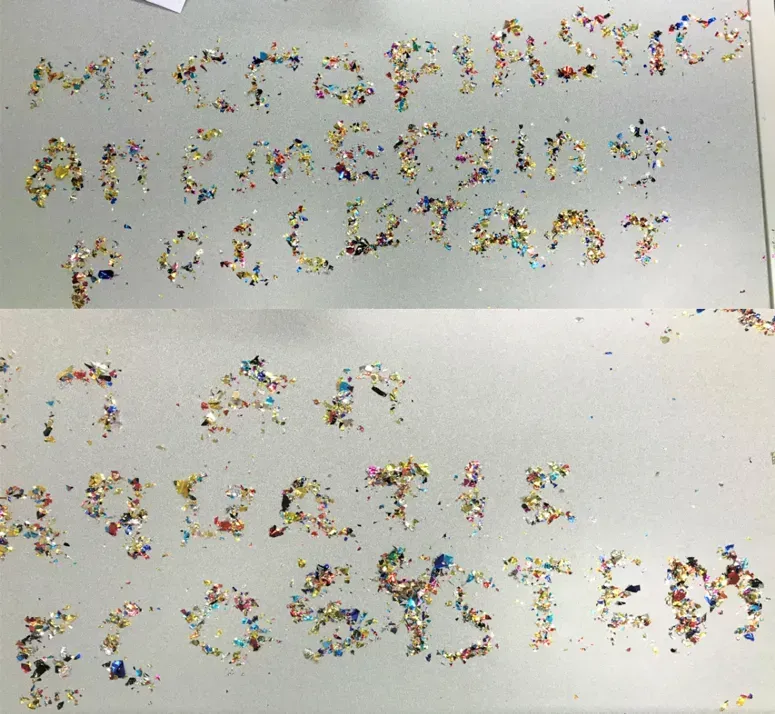
Tiny plastic particles released from car tyres, paint, textiles, and degraded plastic packaging have been building up in global water systems for decades, creating a silent but growing health risk. These particles don’t just sit on the surface. They work their way into municipal water supplies, private wells, and even bottled water.
A 2024 study found microplastics in 83% of tap water tested around the world, and they have made their way into our bodies, including our brains, reproductive organs, and cardiovascular systems. That statistic should be enough to make anyone pause before their next glass from the kitchen sink.
Meet Moringa Oleifera, the Tree Behind the Discovery
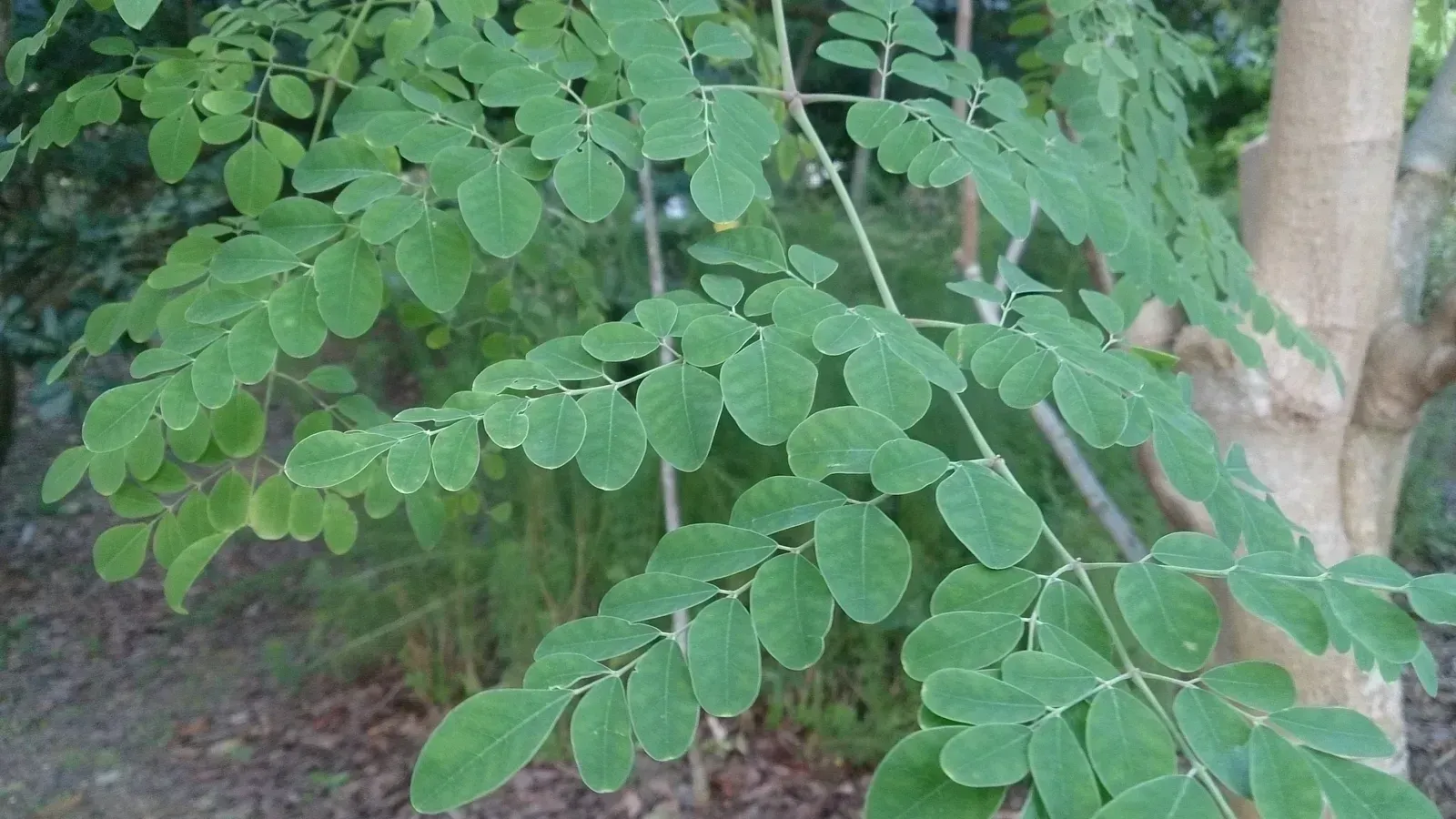
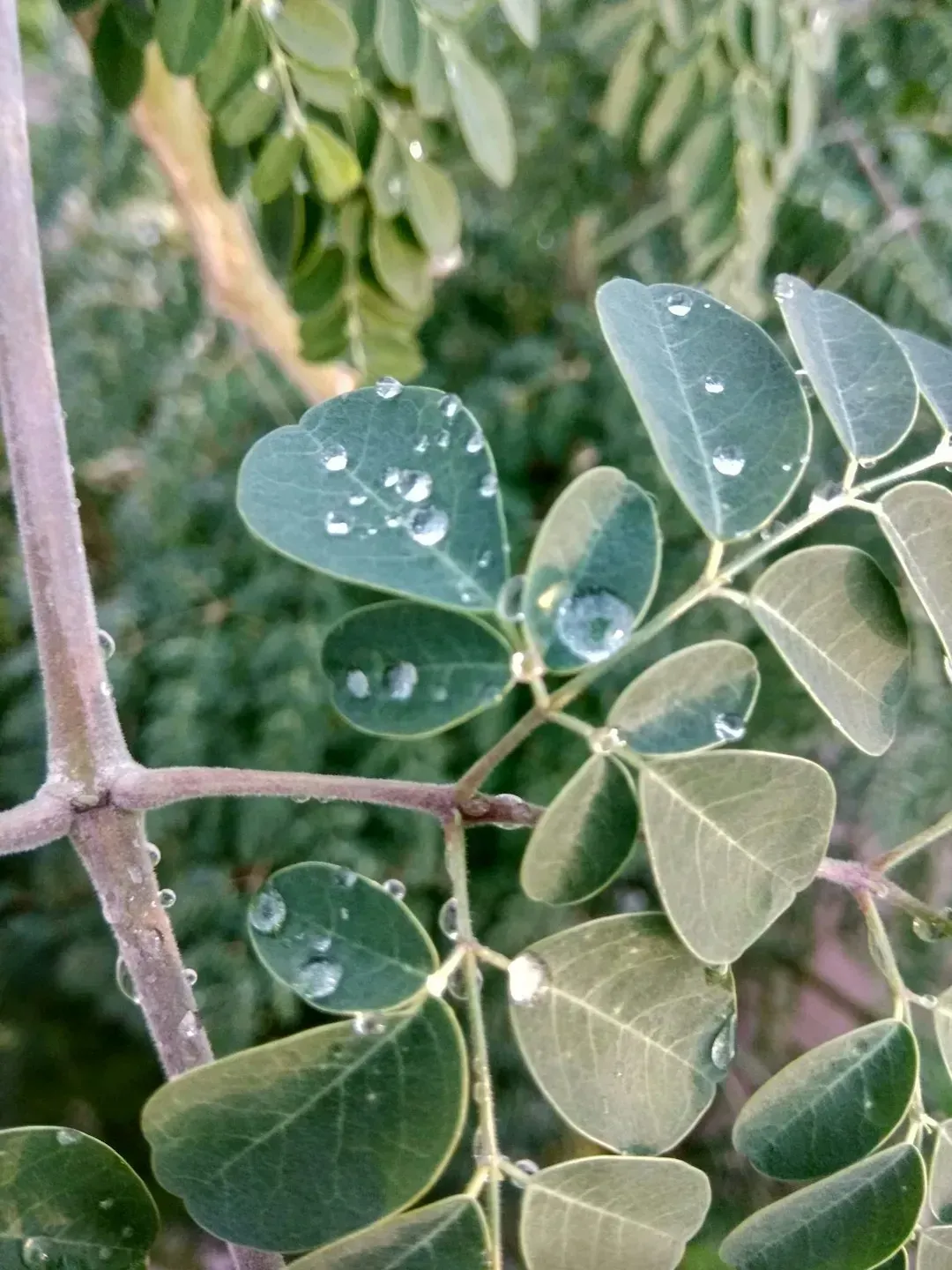
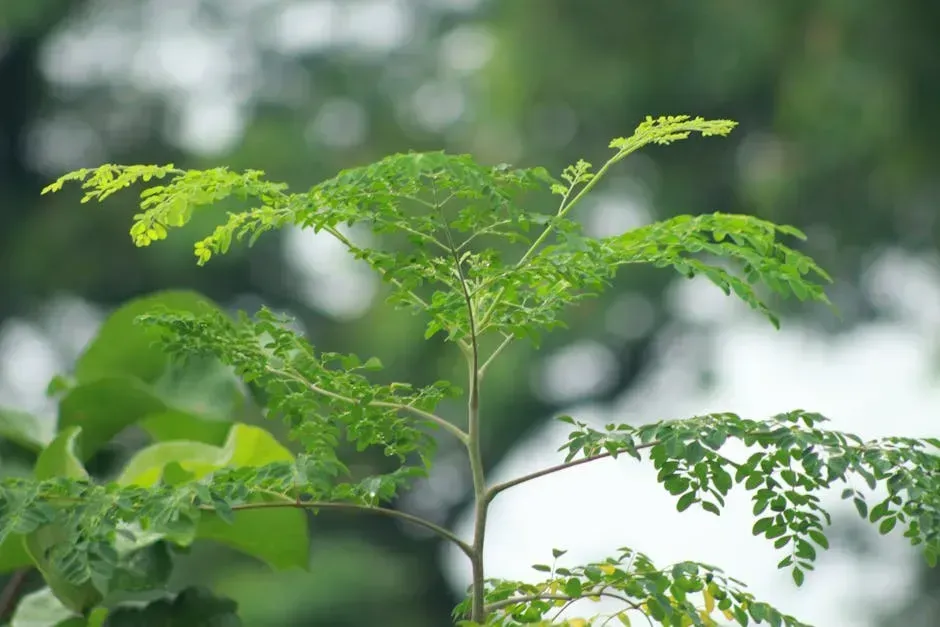
Researchers at the Institute of Science and Technology of São Paulo State University in Brazil have found that Moringa oleifera, commonly known as moringa or white acacia, could help remove microplastics from water. The plant is native to India and grows well in many tropical regions. Its leaves and seeds are widely consumed as food due to their nutritional value.
The plant earned its nickname, the “miracle tree,” because nearly every part of it serves a practical purpose. Long before scientists studied its seeds for microplastic filtration, communities relied on the tree for basic survival. Moringa is a fast-growing and drought-resistant crop that has been used for centuries for water purification.
Ancient Water Purification With Modern Relevance
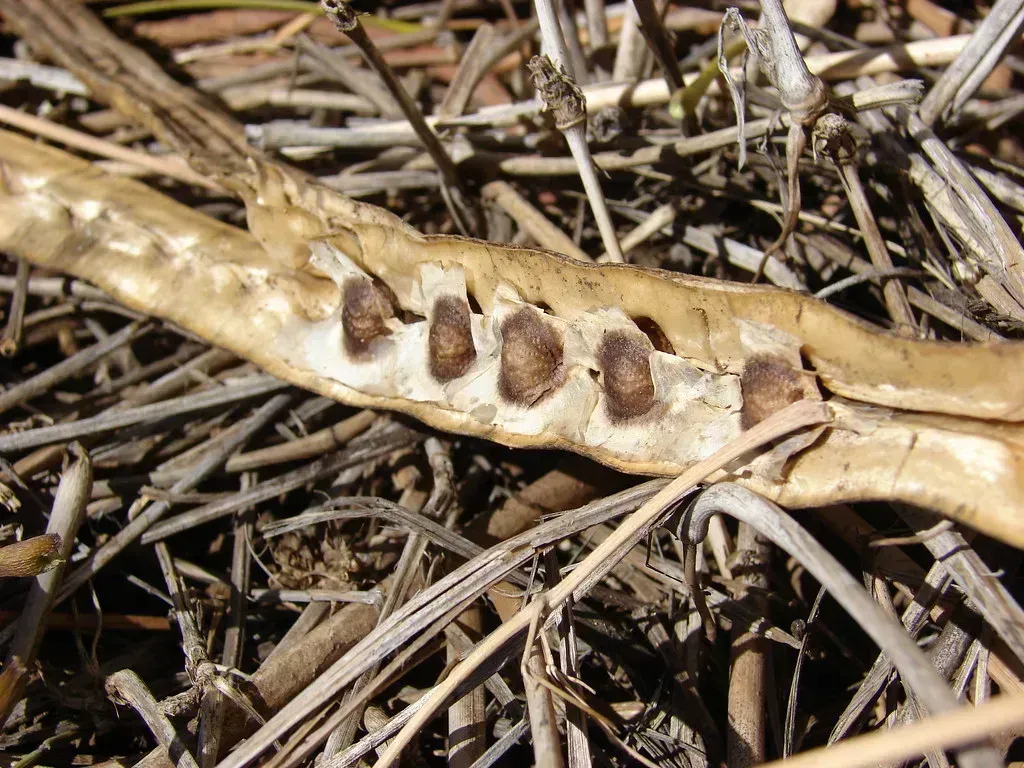
Moringa trees have been used to purify water for millennia, with evidence of their use by ancient Greeks, Romans, and Egyptians. Researchers have been studying the tree’s seeds for a decade, specifically the role they can play as a “coagulant,” a substance which causes tiny particles in water to stick together so they can be filtered out.
Ancient Egyptians specifically used moringa to sterilize their water. It’s a remarkable thought – that a practice thousands of years old could now be applied to one of the most contemporary environmental challenges we face. The science behind it has simply caught up to what traditional communities already understood intuitively.
How the Seeds Actually Filter Microplastics
Both coagulants work by neutralising the negative electrical charge that causes microplastic particles to repel each other and evade filters. Once neutralised, the particles clump together into larger aggregates – called flocs – that can be caught by a sand filter. It’s an elegant mechanism, one that requires no synthetic chemistry to trigger.
The researchers focused specifically on PVC microplastics, as these are among the most hazardous and prevalent in drinking water. They tested microplastics with a mean size of 18.8 micrometers – about a quarter of the thickness of the average human hair – and found the seed extracts were 98.5% effective at removing them from tap water when used in filtration systems. A result that small and precise carries real weight.
Comparing Moringa to the Chemical Standard
Both alum and its moringa counterpart successfully removed over 98% of PVC particles in water, with moringa proving to be more consistently reliable across a wider pH range. That consistency matters enormously in real-world water treatment, where conditions vary from one facility to the next.
Moringa seeds performed even better than alum in more alkaline water. A big advantage of using the seeds compared to alum is that they are renewable, biodegradable, don’t create large amounts of sludge, and have fewer toxicity concerns. For water utilities weighing long-term costs and environmental footprint, those are not minor benefits.
Why PVC Microplastics Were Specifically Targeted
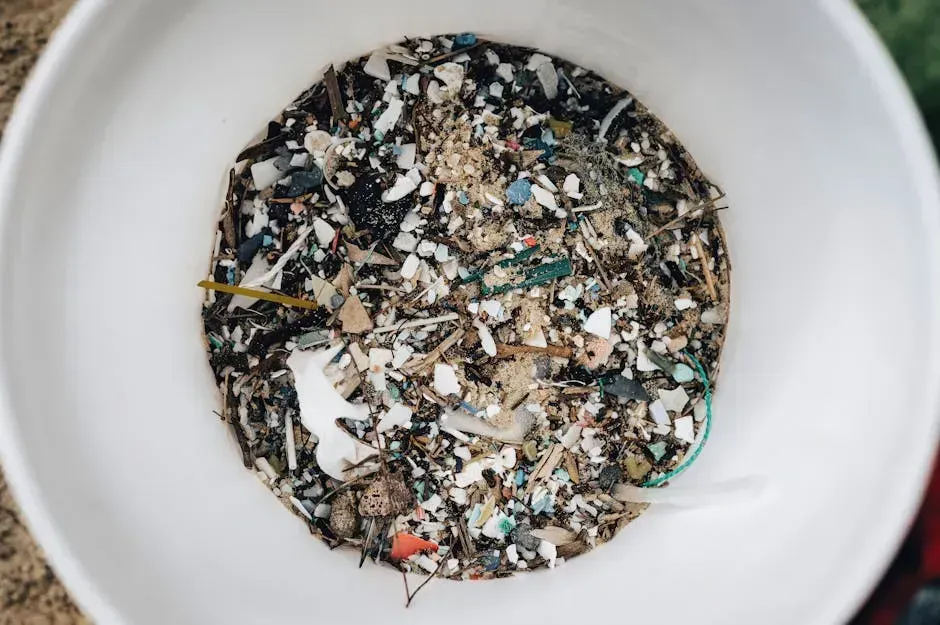
PVC microplastics were selected because they are among the most hazardous types owing to their mutagenic and carcinogenic potential, and their documented prevalence in both surface freshwater and treated water. PVC microplastics represent nearly 13% of total world plastic production in 2024, ranking third only behind polyethylene and polypropylene in production volume.
Seeds from the “miracle” moringa tree were found to match or outperform their chemical counterpart in filtering out aged PVC microplastics – one of the most harmful plastic types for human health. Choosing aged PVC for the tests was a deliberate and rigorous choice, since weathered plastics more closely reflect what actually exists in contaminated water sources.
What Microplastics Are Actually Doing to Our Bodies

Microplastics have been found throughout the human body, including in blood, lungs, placenta, and brain, with research showing they remain in tissues and accumulate over time. Animal studies suggest microplastics may cause inflammation, cellular damage, hormonal disruption, and potentially increase risks for conditions like cancer, heart disease, and dementia.
Research from the 2025 ACC Annual Scientific Session demonstrated that communities exposed to higher concentrations of microplastic pollution experience higher rates of chronic noncommunicable diseases, including diabetes, stroke, and hypertension. The connections between plastic exposure and human disease are becoming harder to dismiss as coincidence.
The Nutritional Powerhouse Behind the Filter
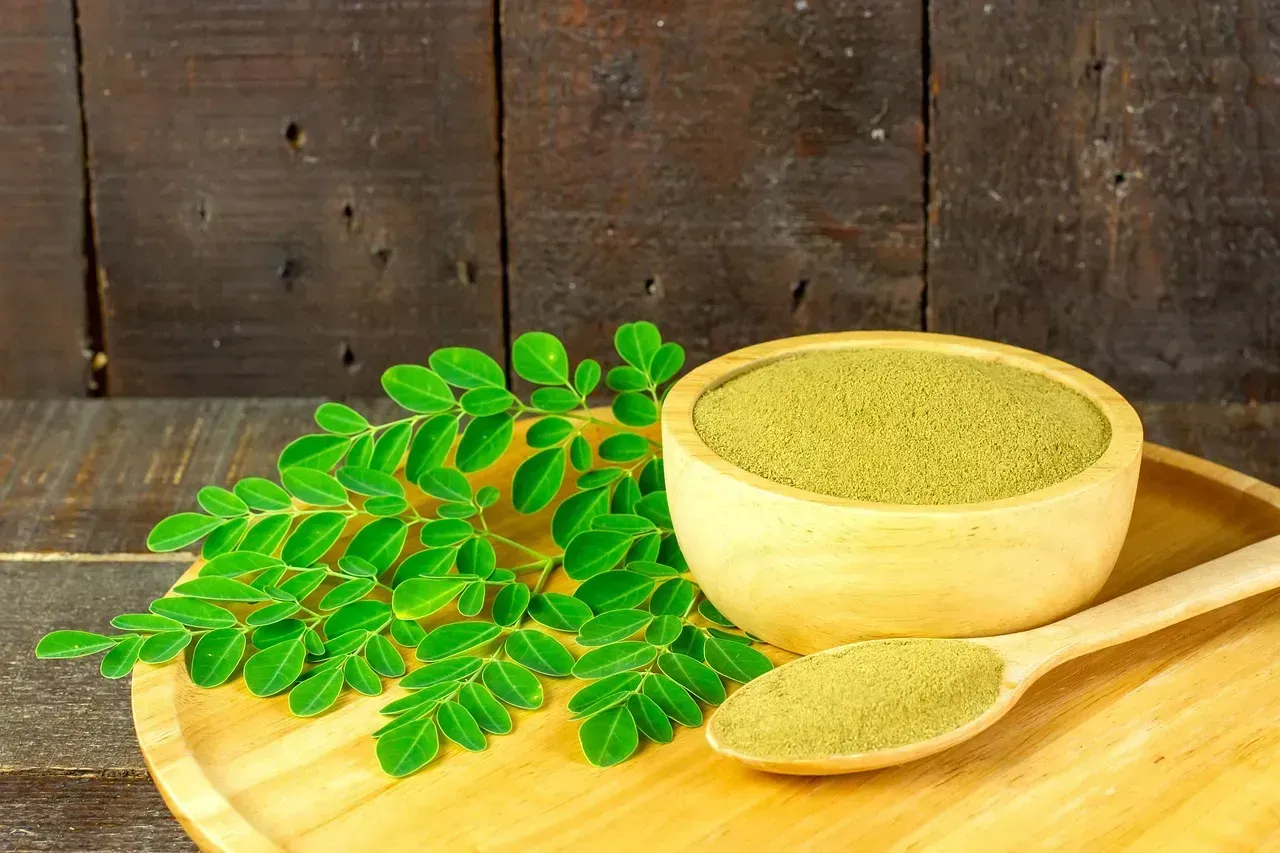
Moringa is renowned for its exceptional nutritional profile, offering a multitude of vitamins and minerals that far exceed those found in many common foods. It contains seven times the vitamin C found in oranges, ten times the vitamin A of carrots, seventeen times the calcium of milk, and nine times the protein of yogurt. It’s a tree that practically does too much, which is precisely how it earned its reputation.
Almost all parts of the tree, including the bark, pods, and leaves, are eaten or used as ingredients in traditional herbal medicines. Researchers have found over 90 bioactive plant compounds that may help protect against oxidative stress, inflammation, fungi, and cancer, among other benefits. The filtration research is simply the latest chapter in a very long story.
Limitations, Challenges, and the Road to Scale
The researchers acknowledge that further testing with natural water sources and a broader range of microplastic types would be needed to confirm whether these results hold under real-world conditions. A second limitation involves the moringa extract itself: because it is derived from whole seeds containing proteins, lipids, and vitamins, it introduced additional dissolved organic carbon into the treated water.
The next major hurdle for scientists and engineers is figuring out how to scale this natural process. Municipal water plants process millions of gallons of water every single day. To replace commercial chemicals entirely, facilities would need a massive, steady supply of moringa seed extract. Researchers are currently studying the most efficient ways to harvest and process the seeds on a large scale without losing their purifying qualities.
What This Means for the Future of Water Treatment
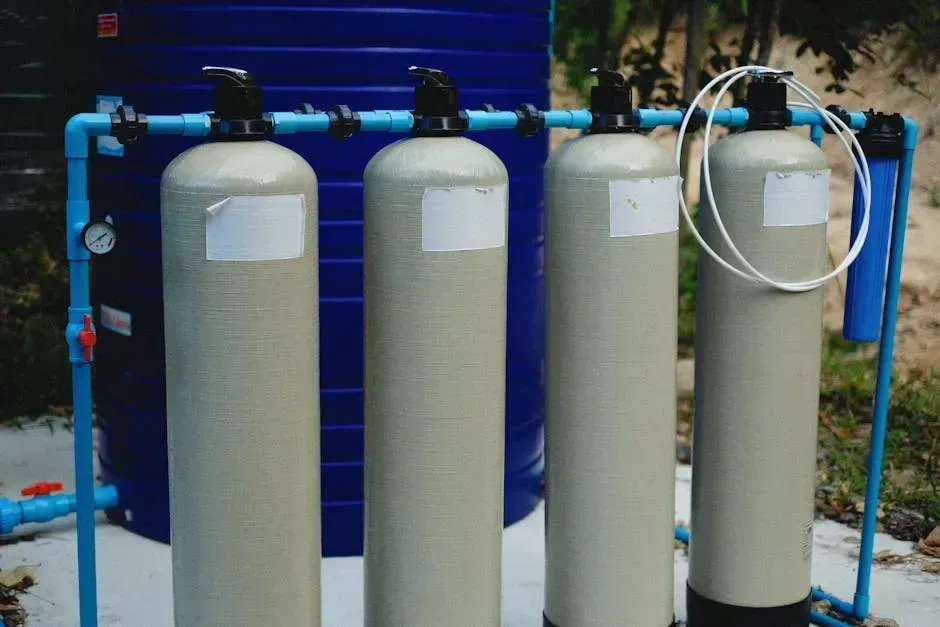
A recent study published in the scientific journal ACS Omega noted that the plant could perform as well as or better than commonly used chemical treatments, and worked well in simpler filtration setups, potentially reducing energy and infrastructure costs. That last point is significant for lower-income regions where complex treatment infrastructure simply isn’t available.
Instead of manufacturing synthetic chemicals in factories and shipping them worldwide, communities can grow their own water filters locally. The process leaves behind organic waste that can be composted back into the soil, rather than leaving toxic chemical sludge that requires special disposal. A solution that feeds the land while cleaning the water is, in its own way, a rather elegant loop – one worth taking seriously as plastic contamination continues to rise.

