


- The 8 U.S. Cities Where Winter Temperatures Are Surprisingly Mild - August 29, 2026
- The American State With the Most Diverse Climate Zones - August 29, 2026
- 11 U.S. Cities Where Summer Heat Is Intensifying the Fastest - August 28, 2026
Yuma, Arizona
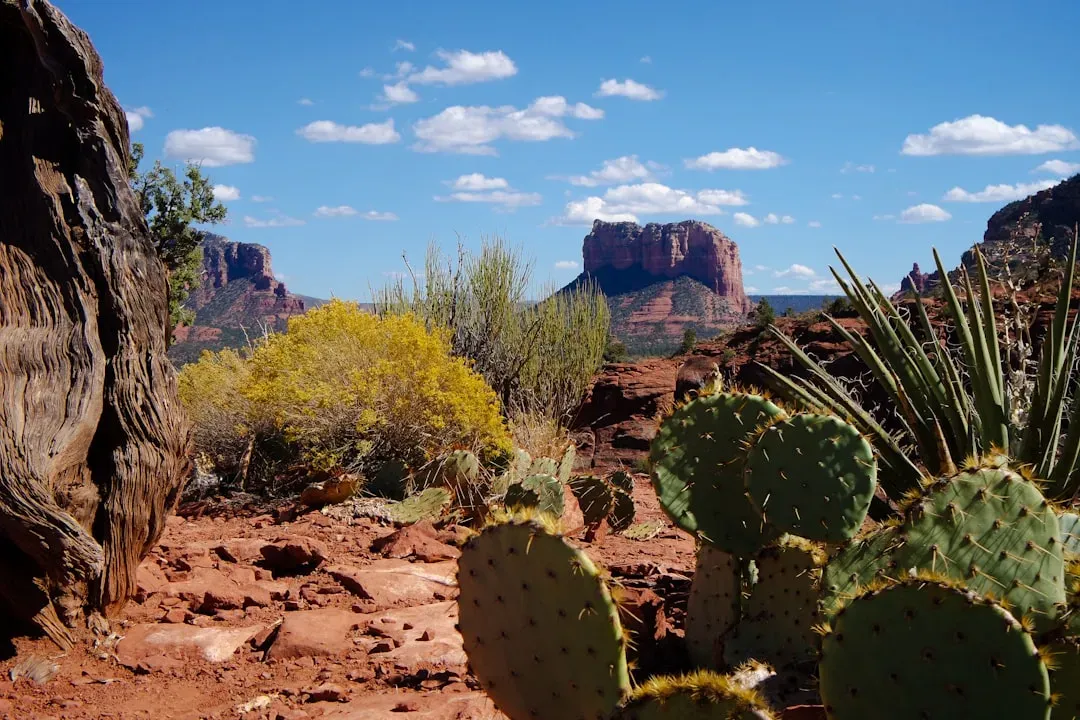
Yuma in western Arizona is the sunniest place in the United States during December, January and February, the only spot on record where the sun shines for over 80 percent of winter’s daylight hours and where more than half the days are clear. That statistic alone puts it in a category of its own among American cities. Sitting in the far southwestern corner of the state near the California and Mexico borders, Yuma benefits from a dry desert climate that rarely produces the kind of persistent cloud cover found elsewhere.
For visitors looking for more sunshine and warm winters, the desert city of Yuma promises more sunshine per day than any place on earth, and it stands as the sunniest, driest, and least humid city in the continental United States. Retirees and snowbirds have known this for decades, which is why Yuma’s population swells noticeably each winter as people from colder states arrive to soak up the reliable light.
Phoenix, Arizona
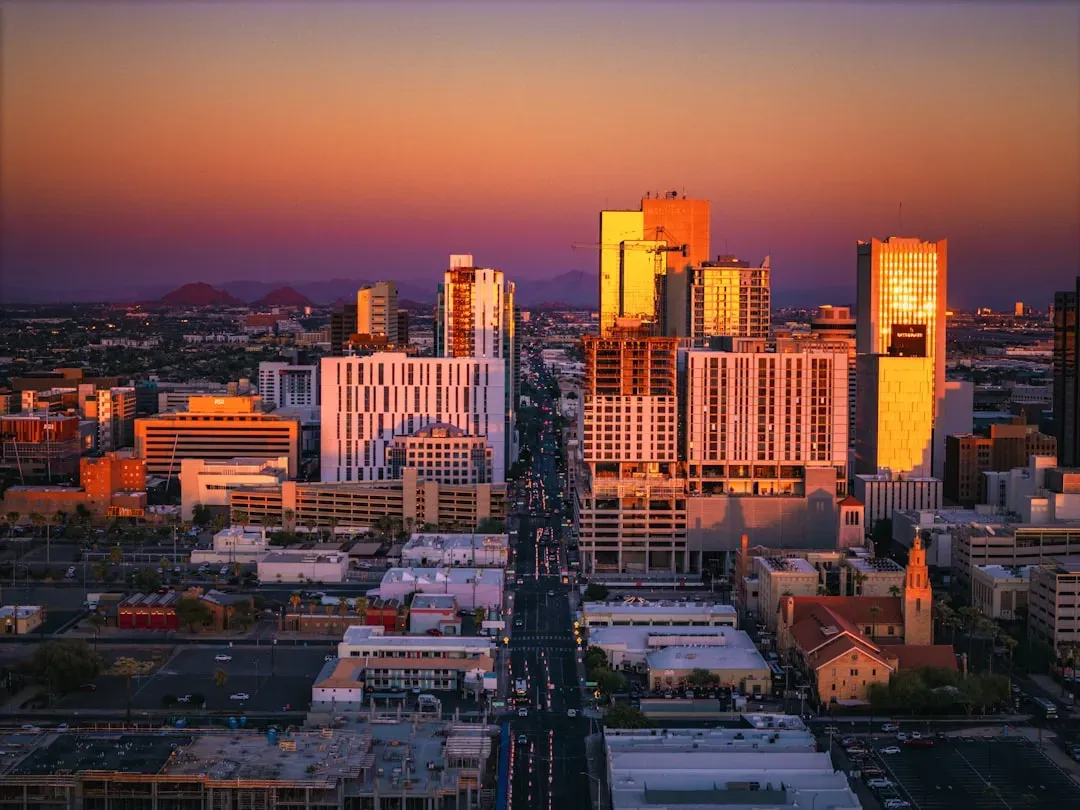
Phoenix trades some of Yuma’s extreme dryness for big city amenities, but it still ranks among the sunniest major metropolitan areas in the country. At the very top of national sunshine rankings sit Phoenix, Tucson, and Las Vegas, which consistently post the highest sunshine percentages among U.S. cities with 100,000 or more residents. Winters here tend to be mild and dry, with clear skies stretching across most of the season.
Arizona is a popular place to retire because of its warm, dry air and sunny days, so it’s not shocking that Phoenix tops so many of these lists. As the fifth largest city in the country, it offers a rare combination for winter travelers, big city infrastructure paired with desert level sunshine that rarely disappoints.
Tucson, Arizona
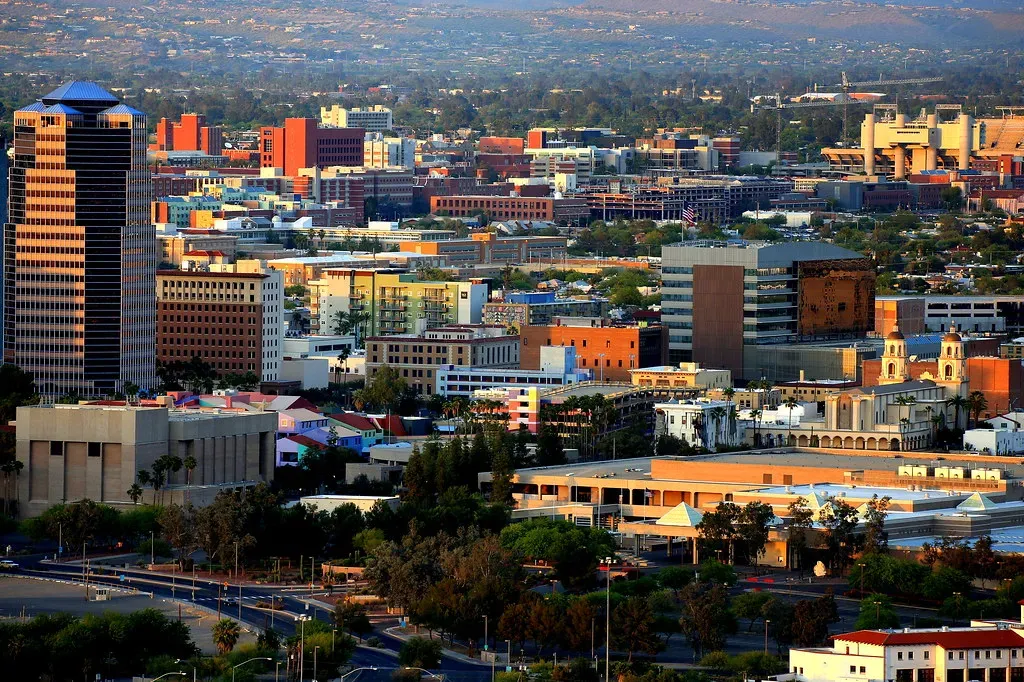
Tucson sits at about 2,450 feet in the Sonoran Desert, nestled among five mountain ranges, and meteorologists classify its climate as a hot desert, though its elevation tempers the heat slightly compared to Phoenix. That elevation and surrounding mountain geography give Tucson a slightly different feel than its neighbor to the north, but the sunshine numbers remain just as impressive through the winter months. Clear desert air and minimal winter precipitation keep cloud cover to a minimum.
Even when storms do roll through, they tend not to linger. The combination of intense surface heating, ample low-level moisture, and air rising along nearby mountains can trigger thunderstorms, but these storms are intense and short-lived, and once they pass, the sky clears quickly and the sun reasserts itself. That quick recovery is part of why Tucson stays in the upper tier of sunny winter destinations.
El Paso, Texas
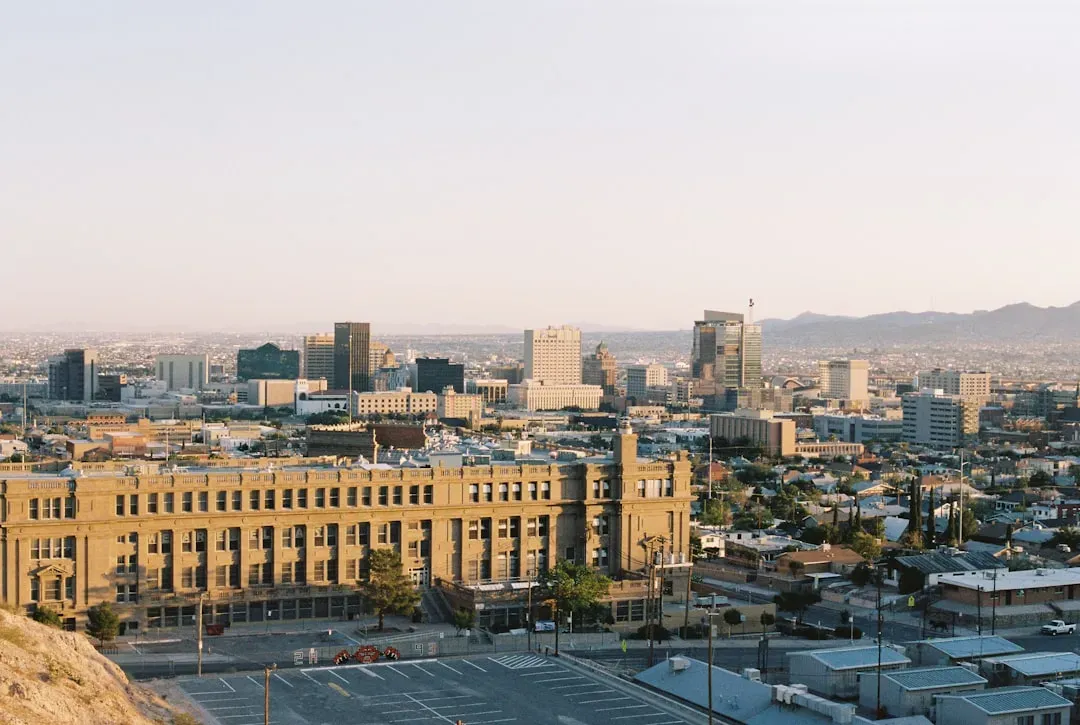
Tucked into the far western tip of Texas along the border with Mexico, El Paso benefits from a high desert climate that keeps skies clear through most of the winter season. El Paso sits directly on the United States-Mexico border and is home to one of the largest military centers in the country, with a sky that stays bright year round through hot, dry summers and short, cold winter days. The dryness of the region, similar to nearby New Mexico and Arizona, limits the kind of cloud buildup that plagues cities farther east.
The yearly median percentage of possible sunshine in El Paso sits around 79 percent, a figure that holds up reasonably well even during the shorter days of December and January. For a city its size, El Paso rarely gets the credit it deserves as a winter sunshine destination, overshadowed by flashier desert cities to its west.
Las Vegas, Nevada
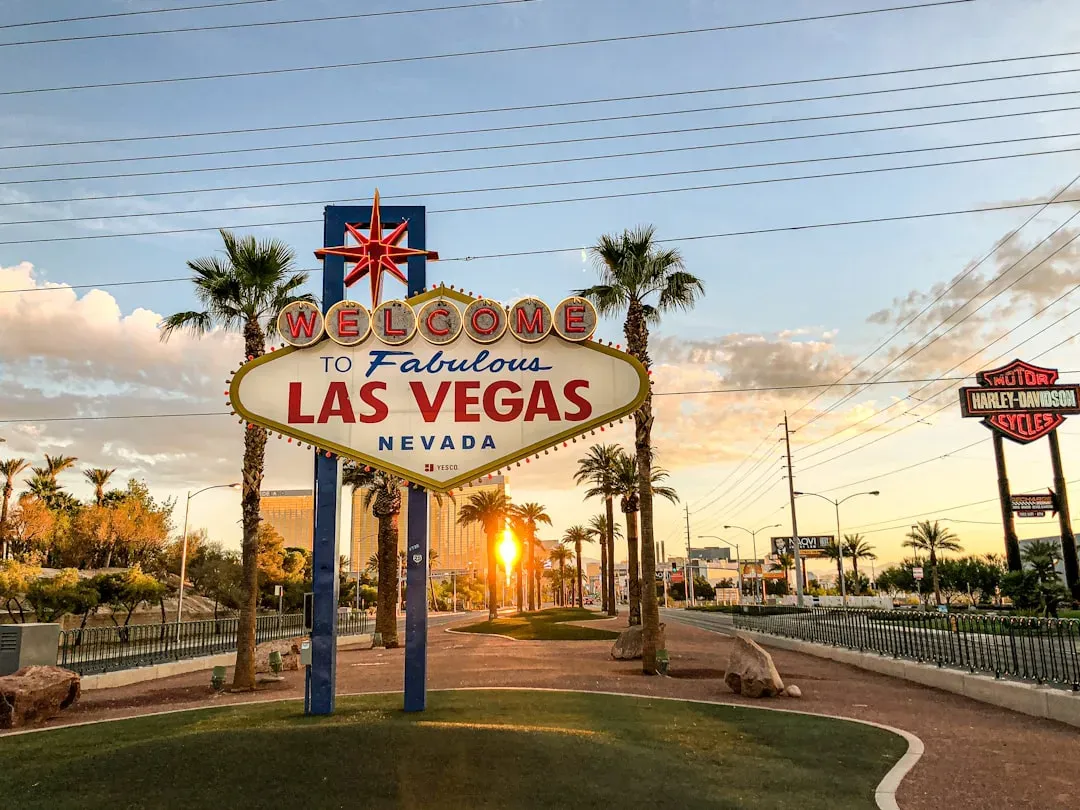
Las Vegas is known for plenty of things, but its consistent winter sunshine deserves more attention than it usually gets. Las Vegas ranks alongside Phoenix and Tucson among the cities that consistently post the highest sunshine percentages in the country. Surrounded by the Mojave Desert, the city sees very little in the way of persistent winter cloud cover, and rainfall totals remain among the lowest of any major American metro area.
Even during the coldest stretches of the year, when daytime highs might dip into the fifties, the skies above the Las Vegas Valley tend to stay largely clear. That combination of cool but sunny weather makes it an appealing winter escape for people from colder northern states who want mild days without giving up reliable sunshine entirely.
San Diego, California

San Diego offers a rare pattern among sunny cities, one where winter actually competes with, and sometimes beats, summer for clear skies. On the California coast the typical seasonal pattern reverses, and San Diego, another of the top ranking U.S. cities for sunshine, actually gets more sun in winter than in summer. That’s largely because coastal marine layers tend to blanket the city more heavily during summer mornings than in the drier winter months.
This inversion makes San Diego something of an anomaly on lists like this one. Winter visitors often find crisper, clearer days than summer tourists do, paired with mild temperatures that rarely dip uncomfortably low, a combination that keeps the city’s tourism numbers steady well into the colder months.
Key West, Florida

At the southern tip of the Florida Keys, Key West enjoys a subtropical climate that keeps winter sunshine abundant even as northern states shovel snow. Out of 164 U.S. places that measure sunshine, only 20 see the sun’s rays hitting the ground in winter for at least two thirds of the time on average, and places farther south have more daylight hours available, meaning a given sunshine percentage translates into more total hours of sun at Key West than at more northern locations. Because of its latitude and longer winter days relative to places like Reno, Key West effectively squeezes more usable sunlight out of each winter day.
Warm ocean waters surrounding the island also help suppress the kind of cloud formation common in continental climates. Visitors flock here specifically because the winter sun feels closer to a guarantee than a hopeful forecast, a rarity for any coastal destination in North America.
Reno, Nevada
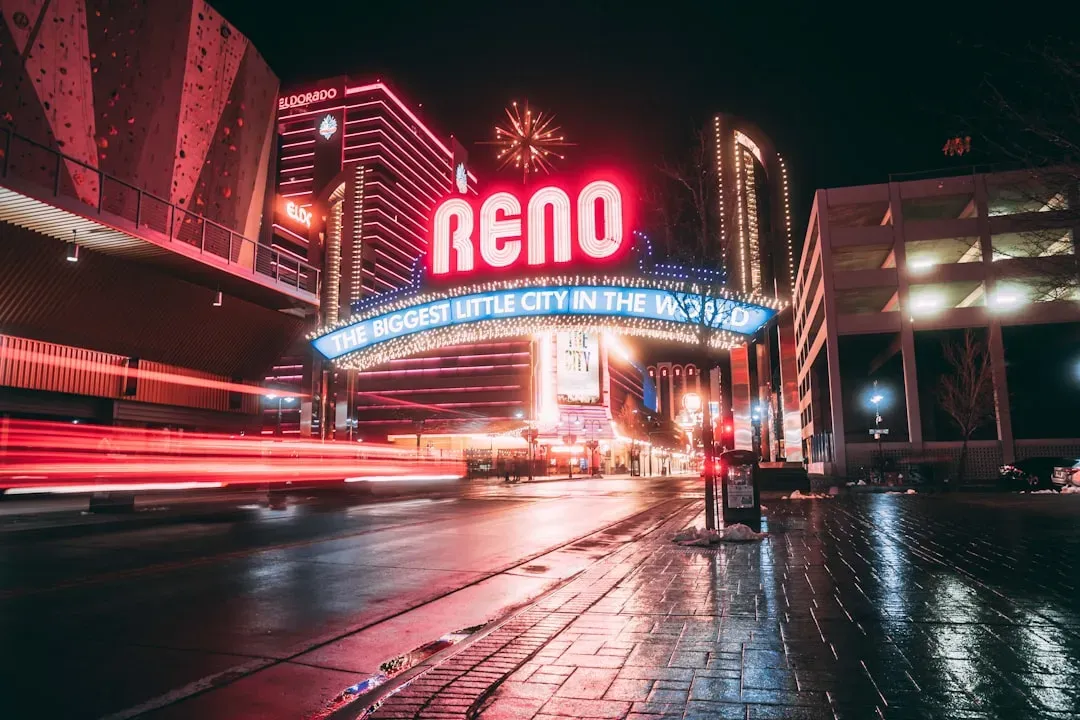
Reno sits in a high desert basin on the eastern side of the Sierra Nevada, and that mountain range plays a crucial role in its winter sunshine. Storms moving in from the Pacific tend to drop most of their moisture on the western slopes of the Sierras before reaching Reno, leaving the city in what’s often called a rain shadow. This geographic quirk is part of why a location like Reno can post a sunshine percentage similar to Key West despite very different latitudes and daylight hour totals.
Cold winter mornings are common in Reno, given its elevation and desert setting, but clear afternoons tend to follow reliably. The dry air that makes the city chilly at night also keeps clouds from accumulating during the day, which is part of what earns Reno a spot among the more dependable winter sun destinations in the country.
Flagstaff, Arizona
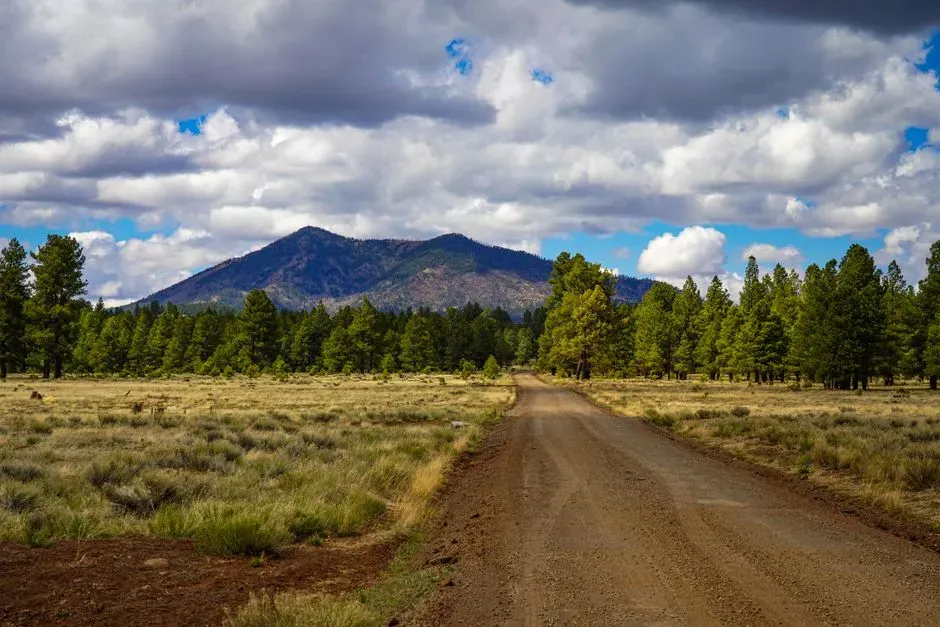
Flagstaff might seem like an unlikely candidate for a sunshine list, given its elevation and regular snowfall, but the numbers tell a different story. Flagstaff sits at a high elevation of 7,000 feet near Mount Elden, and while cities at higher elevations are naturally cooler, it surprisingly makes the list of sunniest U.S. cities with an average possibility of sunshine around 78 percent. That’s a notably high figure for a mountain town that regularly sees measurable snow throughout the winter.
Even with regular snowfall, Flagstaff remains sunnier than its snowy northern counterparts, a combination that appeals to winter sports enthusiasts who want skiing or snowboarding without sacrificing bright, clear days. The contrast between snow covered ground and consistently sunny skies is part of what makes the city feel distinct from other mountain destinations.
Albuquerque, New Mexico
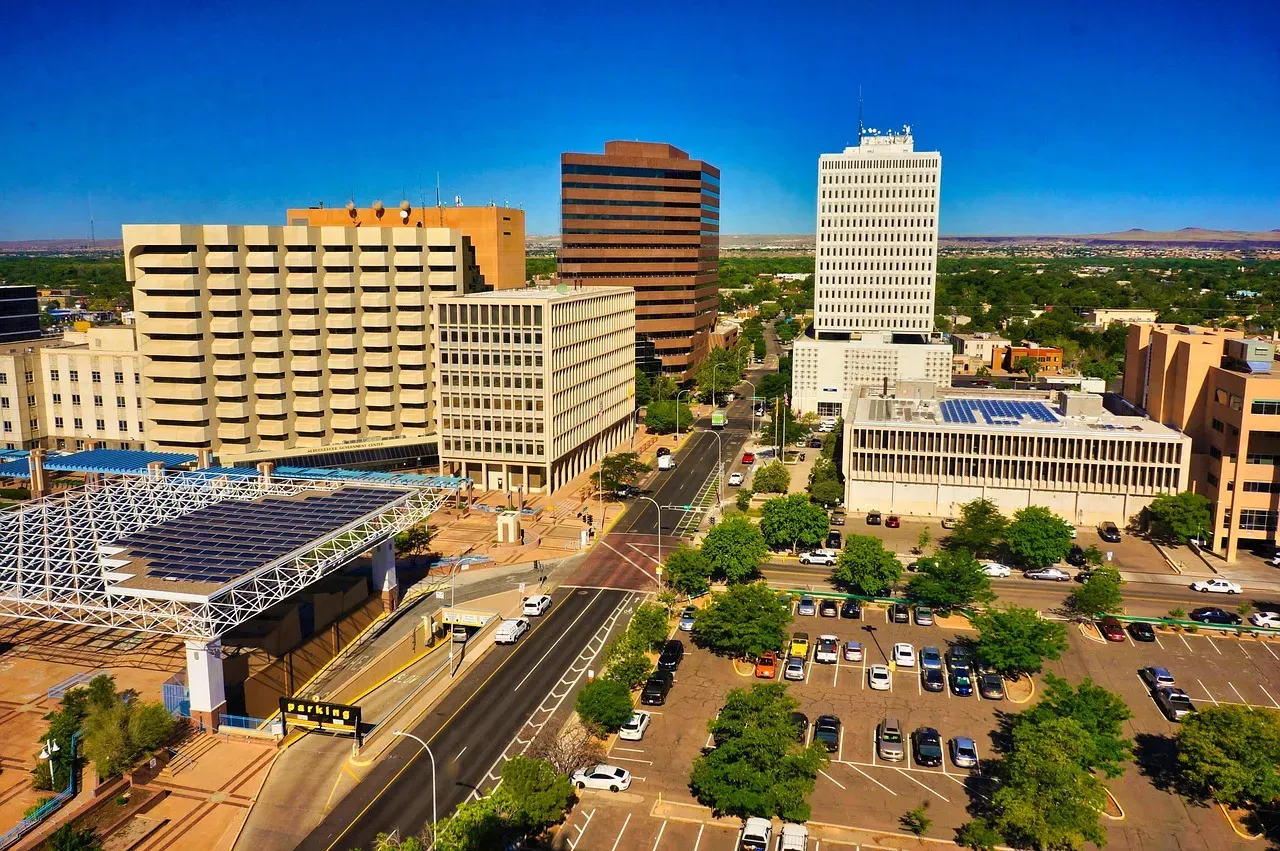
Albuquerque sits in a high desert valley along the Rio Grande, and its winters combine cool temperatures with persistently clear skies. The city’s elevation, roughly a mile above sea level, keeps the air thin and dry, conditions that discourage the kind of cloud formation common at lower, moister elevations. Snow does fall occasionally, but it rarely sticks around for long given how quickly the sun returns afterward.
Locals often describe Albuquerque’s winter light as sharp and clear, a quality tied directly to the region’s low humidity and high altitude. That clarity, combined with mild daytime temperatures even in January, has made the city an increasingly popular stop for people seeking dependable winter sun without the extreme heat of lower desert cities like Phoenix or Yuma.
Pueblo, Colorado
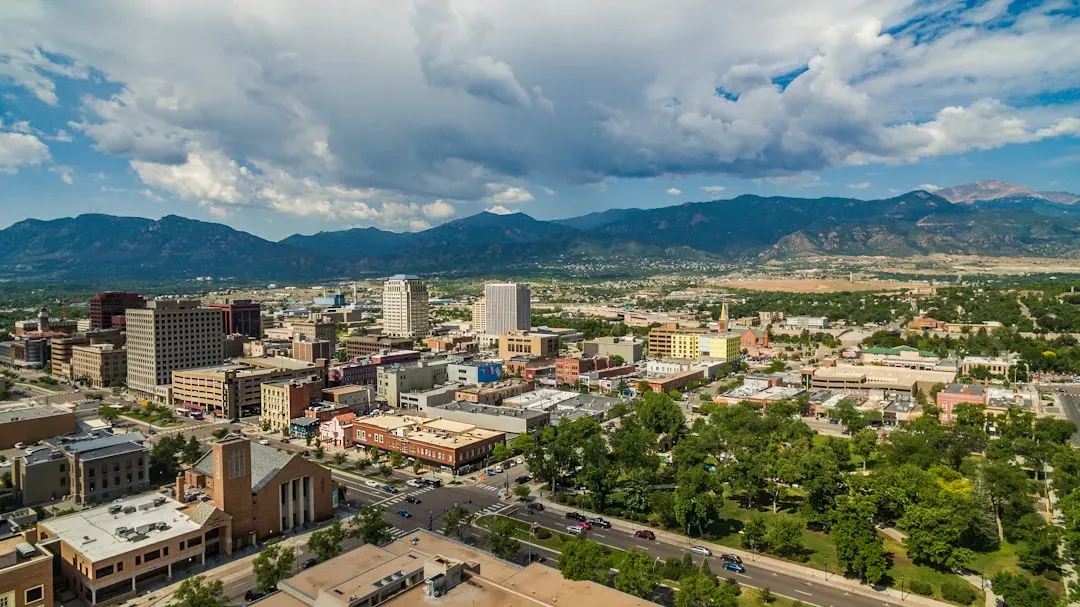
Pueblo sits away from Colorado’s mountainous western terrain, offering a location that’s still pleasantly sunny and known as the sunniest city in the state, home to the Colorado State Fair. Its position on the eastern plains, away from the heavier snow and cloud cover typical of the Rockies, gives it a climate more similar to nearby high plains cities than to Denver or the mountain resort towns.
Winters in Pueblo tend to be cold but consistently clear, a pattern shaped by the same dry continental air that benefits places like Albuquerque and Reno. For a state often associated with heavy mountain snowfall, Pueblo stands out as proof that Colorado has its own quietly sunny corners even in the depths of winter. These eleven cities share a common thread despite their geographic spread, from Florida’s coastline to the high plains of Colorado. Low humidity, desert or high altitude terrain, and distance from major storm tracks all play a role in keeping winter skies clear when so much of the country is dealing with gray, overcast stretches. For anyone chasing reliable sunlight during the darker months, these are the places where the odds are genuinely in their favor.
