


- 11 U.S. Cities Where Summer Heat Is Intensifying the Fastest - August 28, 2026
- 10 Cities Where Americans Are Moving Despite Growing Climate Risks - August 28, 2026
- 11 American Cities Where Winter Sunshine Is Surprisingly Reliable - August 28, 2026
1. Reno, Nevada
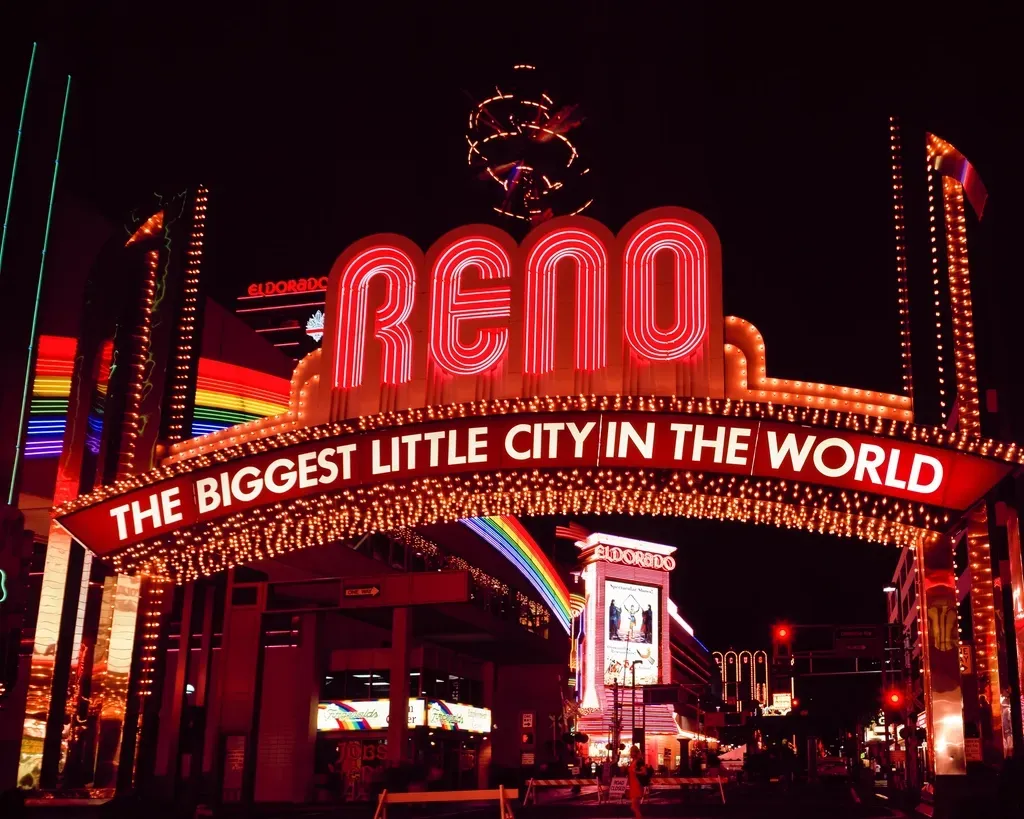
No city in the country comes close to Reno’s trajectory. Reno has recorded an average summer increase of 11.3 degrees Fahrenheit since 1970, a figure so far ahead of the pack that analysts describe it as an outlier rather than part of a normal distribution. Nearly double the next city on the list, this single number reshapes how experts talk about warming in the Great Basin.
Part of the explanation lies in geography and growth colliding at once. Vivek Shandas, a professor of geography at Portland State University, said inland western cities such as Reno and Boise are facing what he called a “double exposure,” broader climate warming across the region combined with rapid urban development that intensifies how heat is felt locally. The high desert setting, paired with a construction boom that has paved over open land, has turned Reno into the clearest example of how quickly a place can change.
2. Boise, Idaho
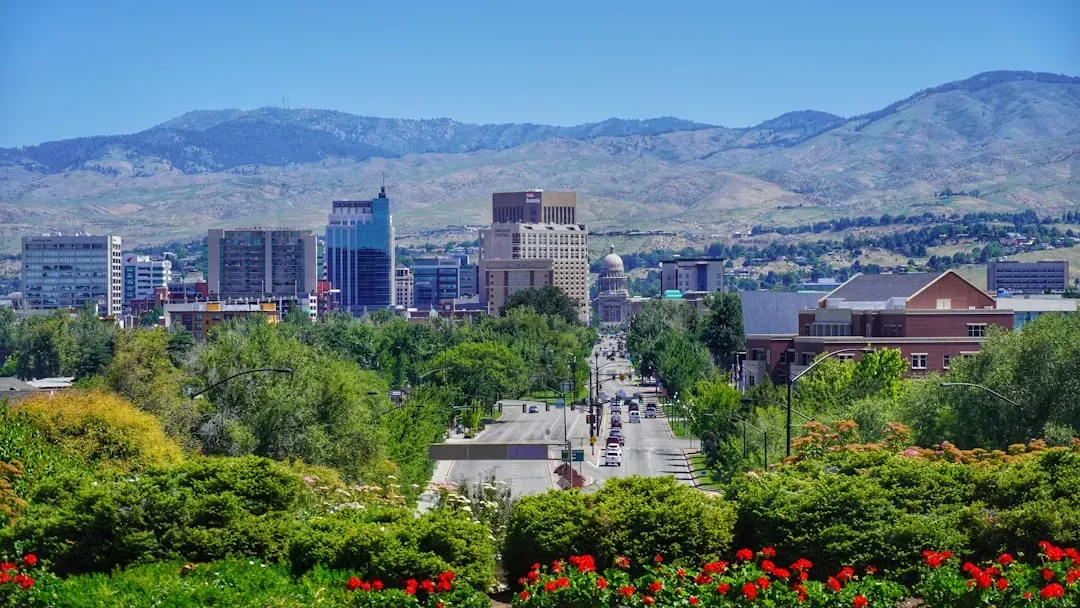
Boise ranks second on the list of fastest-warming summer cities, with an average summer temperature increase of 6.3 degrees Fahrenheit since 1970. That places it well above cities that are typically thought of as heat capitals, a reminder that warming trends do not always track with which places are hottest in absolute terms.
Boise’s growth mirrors Reno’s story in many ways. The city has expanded rapidly over the past two decades, trading sagebrush and farmland for subdivisions and shopping centers, a pattern that tends to amplify regional warming through the loss of vegetation and the spread of heat-absorbing surfaces.
3. El Paso, Texas
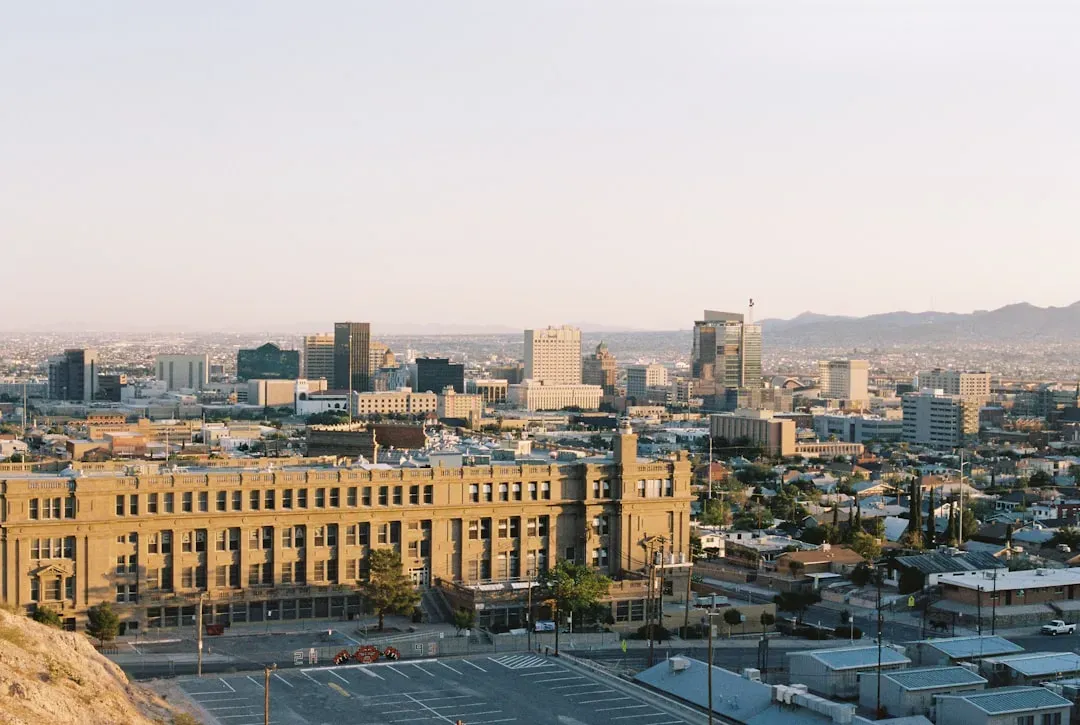
El Paso has shown up near the top of fastest-warming lists for years, and recent data confirms the trend has not slowed. The city’s summers have warmed by 6.2 degrees Fahrenheit since 1970, placing it among the top five nationally. Earlier Climate Central analyses going back to 2018 and 2019 also flagged El Paso as one of the two fastest-warming cities in the country on an annual basis.
Sitting at the western edge of Texas along the Rio Grande, El Paso experiences the kind of dry desert heat that intensifies quickly once daytime temperatures climb. Its long-term rise reflects a broader pattern across the Southwest, a region that keeps showing up at the top of nearly every warming metric researchers track.
4. Las Vegas, Nevada
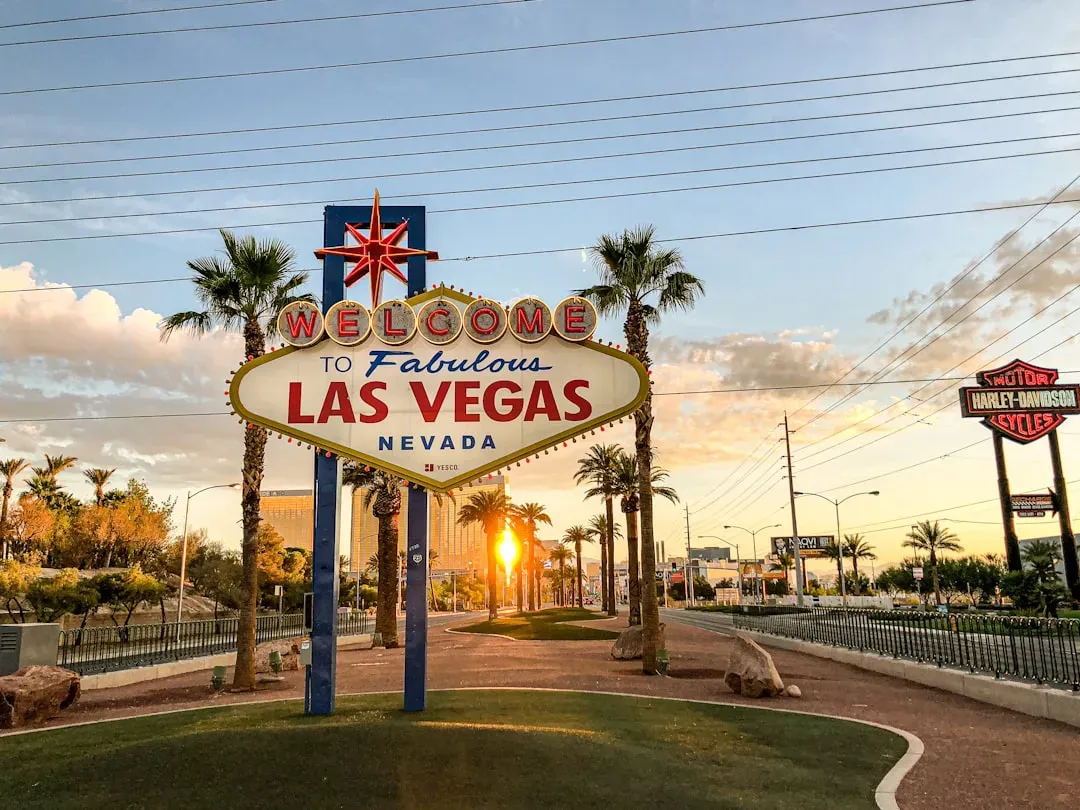
Las Vegas has long been recognized as one of the fastest-warming cities in America, and newer figures keep it firmly in the top tier. The city’s average summer temperature has climbed 6.1 degrees Fahrenheit since 1970, and older annual-average analyses placed it at the very top of the national list with a rise of nearly 5.8 degrees since the same starting year.
The Las Vegas Valley combines a naturally hot desert climate with one of the fastest population booms in the country. The metro’s population has nearly doubled since 2000, and that growth has brought more pavement, more concrete, and more of the infrastructure that traps heat overnight rather than letting it dissipate.
5. Salt Lake City, Utah
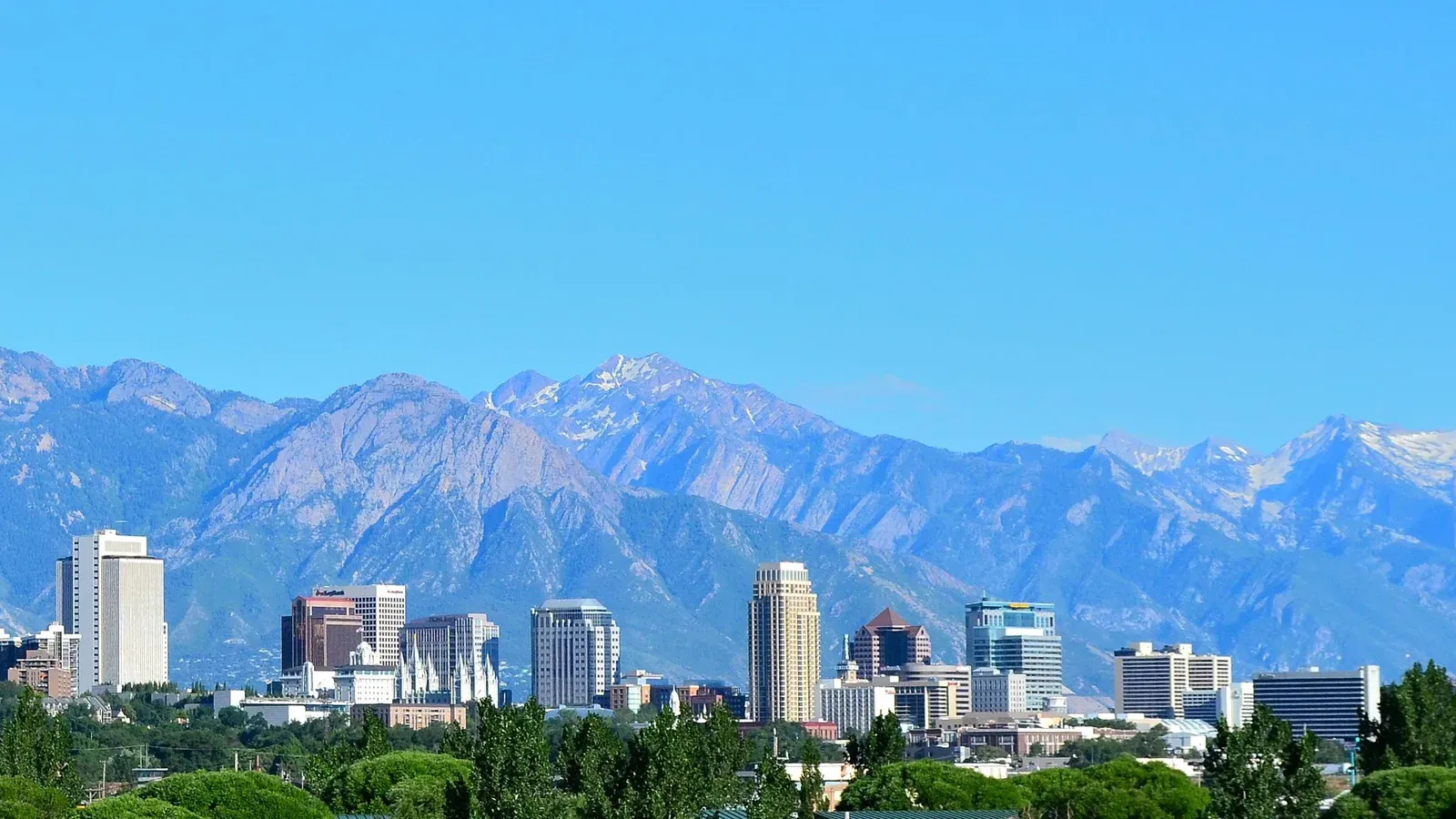
Salt Lake City rounds out the top five nationally, with summer temperatures rising 5.9 degrees Fahrenheit since 1970. That is a striking figure for a city better known for snow-capped mountains and ski resorts than for scorching summers.
The Salt Lake Valley sits in a basin that traps heat and pollution alike, a geographic quirk that becomes more consequential as baseline temperatures rise. Combined with rapid suburban growth along the Wasatch Front, the city has seen its summer character shift noticeably over the past two generations.
6. Tucson, Arizona
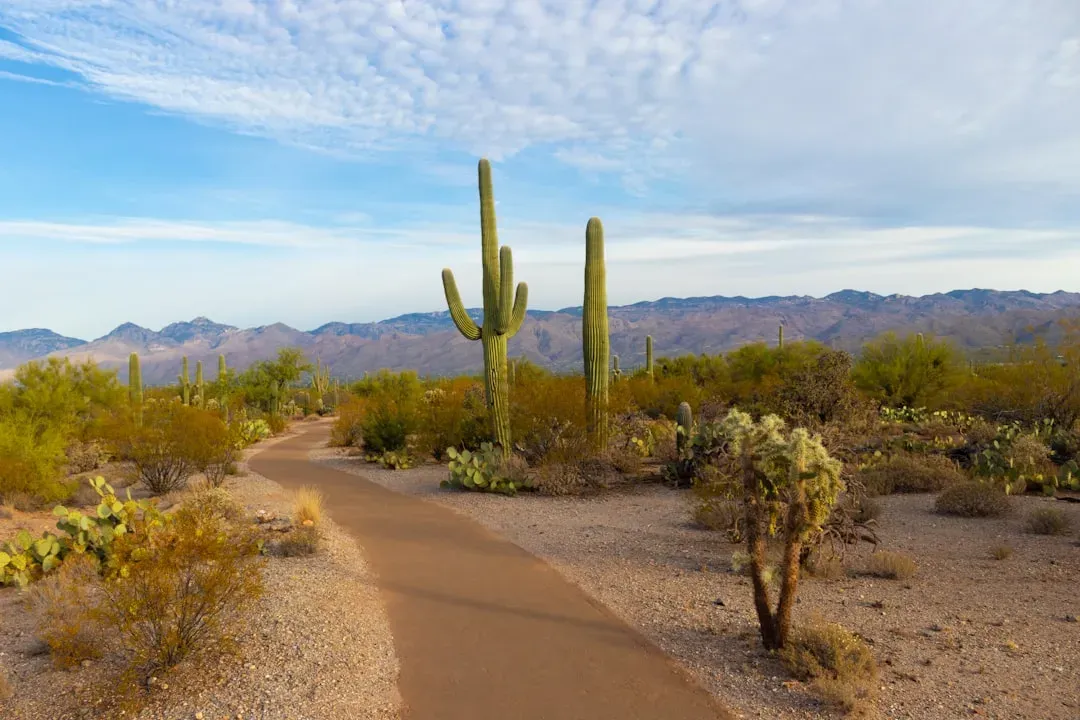
Tucson has consistently ranked among the fastest-warming cities in the country, with earlier Climate Central data putting its annual average temperature rise at 4.48 degrees since 1970, the third-largest increase measured at the time. Tucson and Phoenix were the third and fourth fastest-warming cities in the United States over the past several decades, among 10 cities whose average annual temperatures rose more than 4 degrees over that period.
The change shows up starkly in day-to-day extremes. Tucson’s count of extremely hot days climbed from 79 to 132, a jump that has forced the city to rethink cooling centers, water use, and outdoor work schedules during the hottest stretches of the year.
7. Phoenix, Arizona
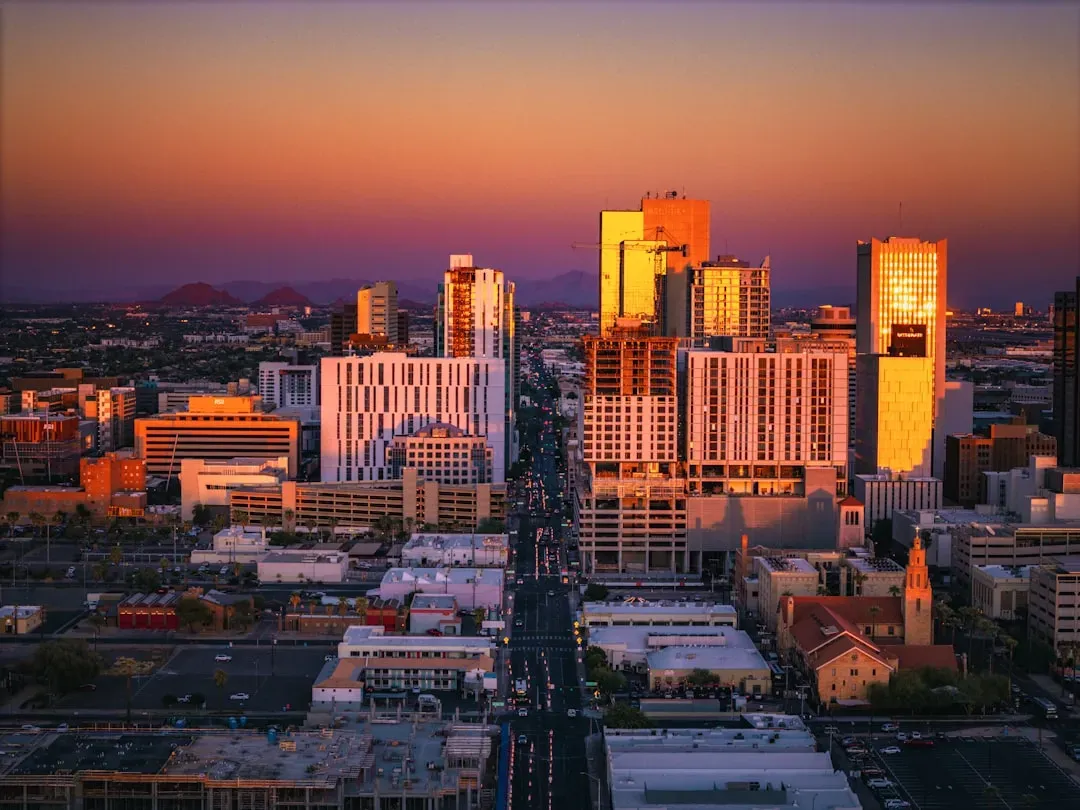
Phoenix might be the most recognizable name on any list of American heat, and the recent numbers back up the reputation. Phoenix recorded its two hottest years on record in 2024 and 2025, and the city’s warming trend has been building for decades.
Phoenix experienced an unprecedented 113 consecutive days with temperatures reaching at least 100°F, shattering the previous record of 76 days set in 1993, and produced 70 days with temperatures above 110°F, more than triple the city’s average of 21 days. That kind of sustained heat is no longer a rare event in Phoenix. It has become closer to an annual expectation, straining power grids, water supplies, and outdoor infrastructure each summer.
8. Fresno, California
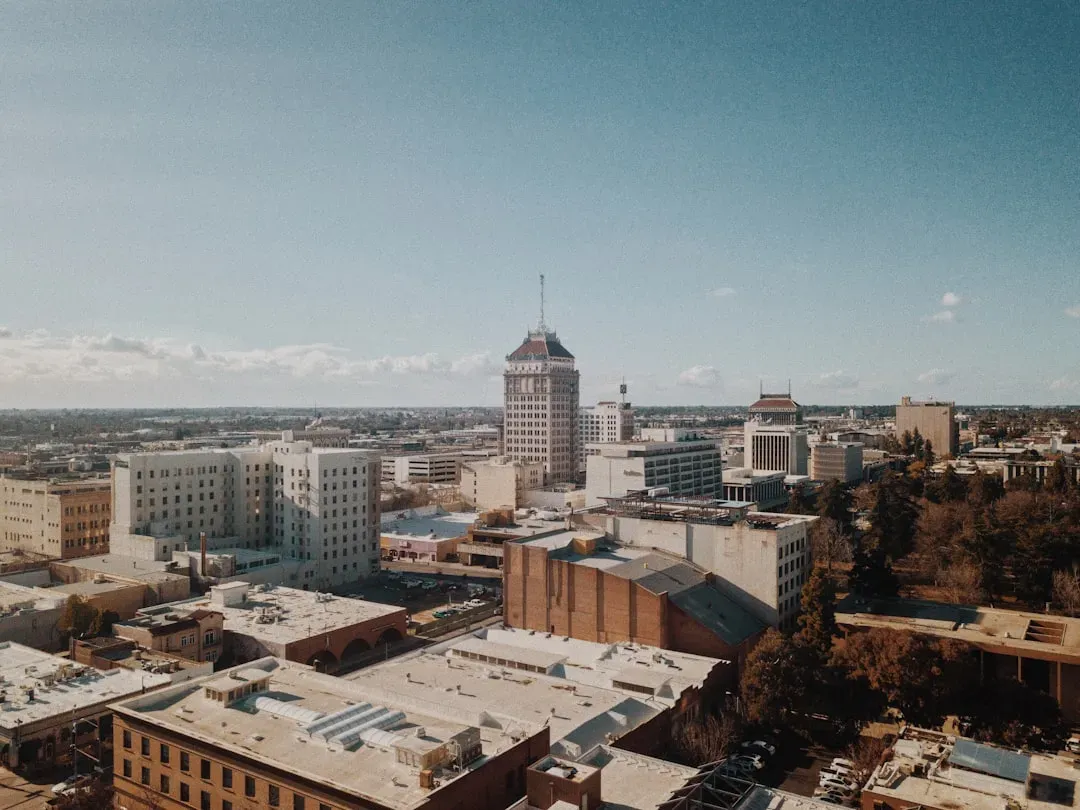
Fresno does not always make headline lists of the hottest cities, but its trajectory tells a different story. The city’s count of extremely hot days rose from 60 to 92, a jump of more than fifty percent that places it among the fastest-changing climates in the country.
Sitting in California’s Central Valley, Fresno’s agricultural surroundings once helped moderate extreme heat through evaporative cooling from irrigated farmland. As development spreads and water availability shifts with drought cycles, that natural buffer has weakened, leaving the city more exposed to sustained high temperatures.
9. Denver, Colorado
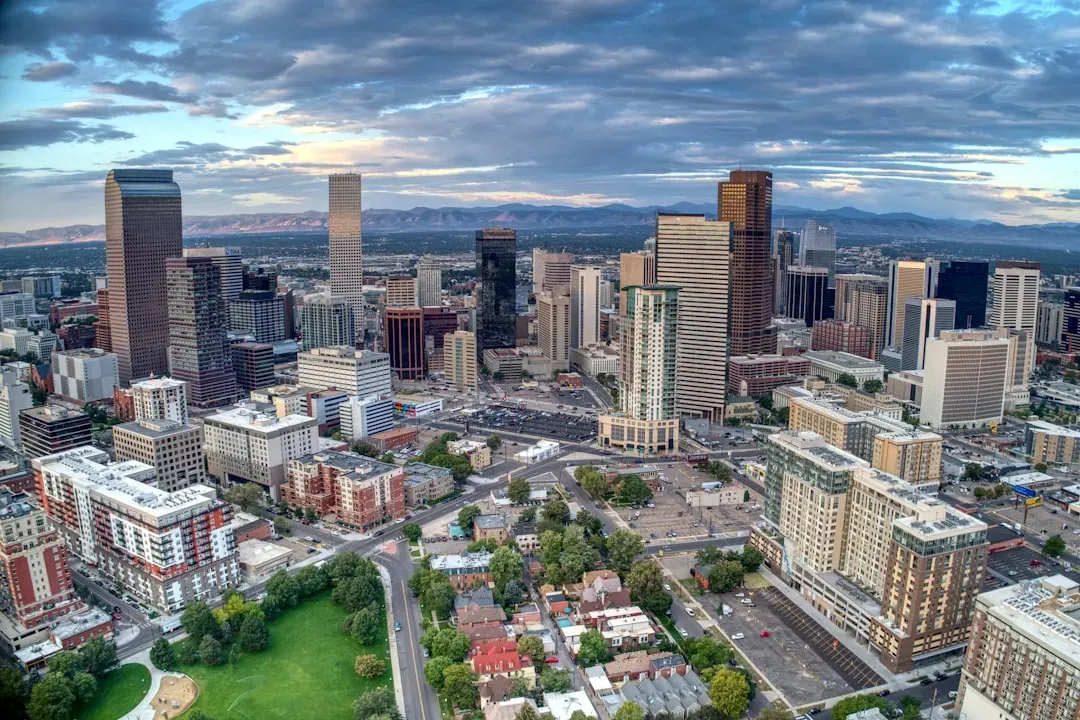
Denver’s inclusion on this list surprises people who associate the city with mountain air and mild summers. Yet the data shows a dramatic shift. Denver’s extremely hot days rose from just 5 to 31, a leap from one work week of extreme heat to six full weeks.
That sixfold increase reflects both a warming climate and the city’s rapid growth along the Front Range. Denver’s elevation once offered some insulation from the worst of summer heat, but that advantage has narrowed considerably as regional temperatures climb.
10. Burlington, Vermont
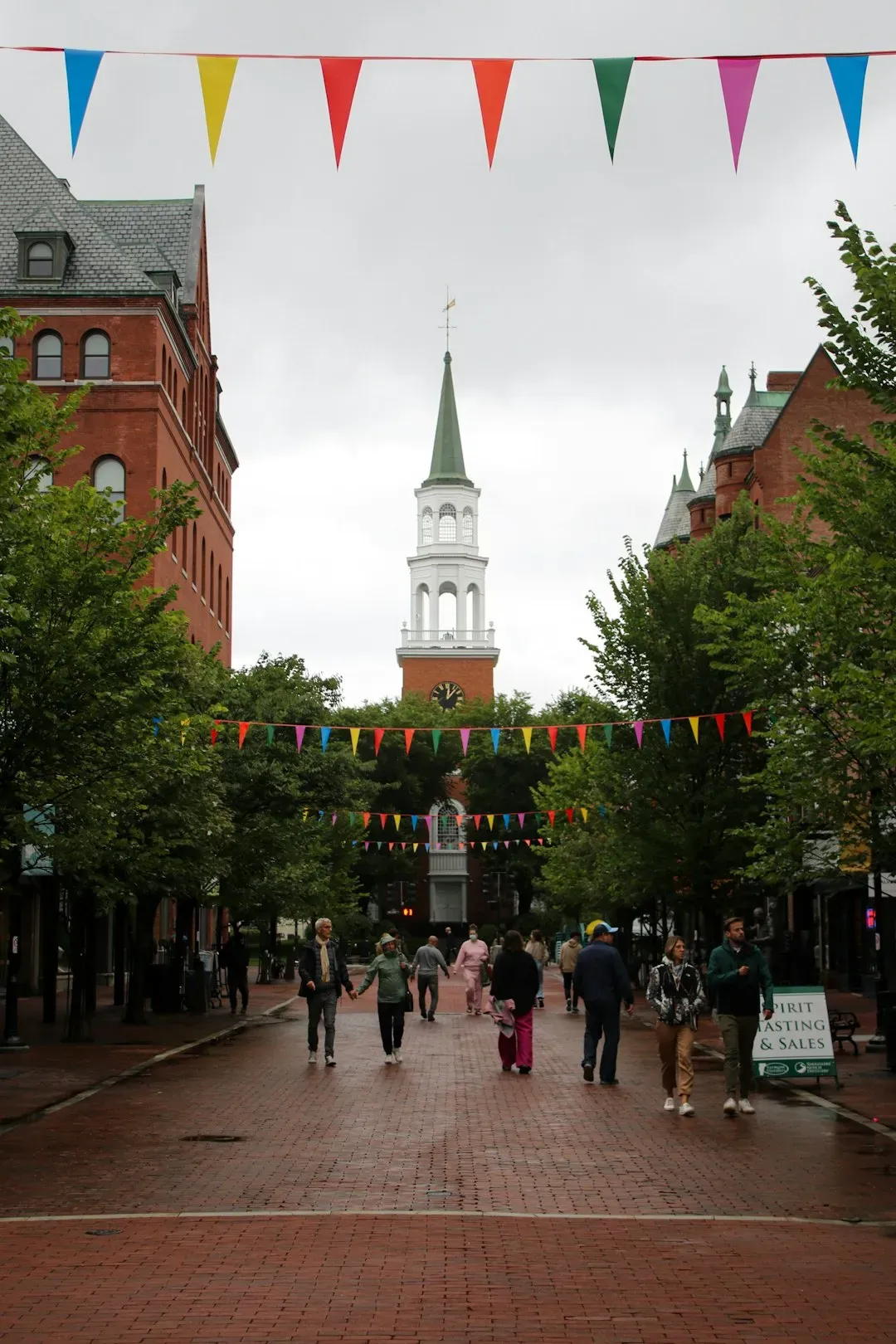
Burlington is an unlikely name to see alongside desert cities, yet it consistently ranks among the fastest-warming places in the country. Climate Central’s most recent analysis lists Burlington among the fastest-warming U.S. cities, and earlier reports found its temperatures rose more than 4 degrees since 1970, enough to place it in the top five nationally at the time.
Vermont’s broader warming trend helps explain the pattern. The state itself ranks among the fastest-warming in the country, a reflection of how New England has experienced outsized warming compared to much of the rest of the country, particularly in winter and shoulder-season months that bleed into summer.
11. Tyler, Texas
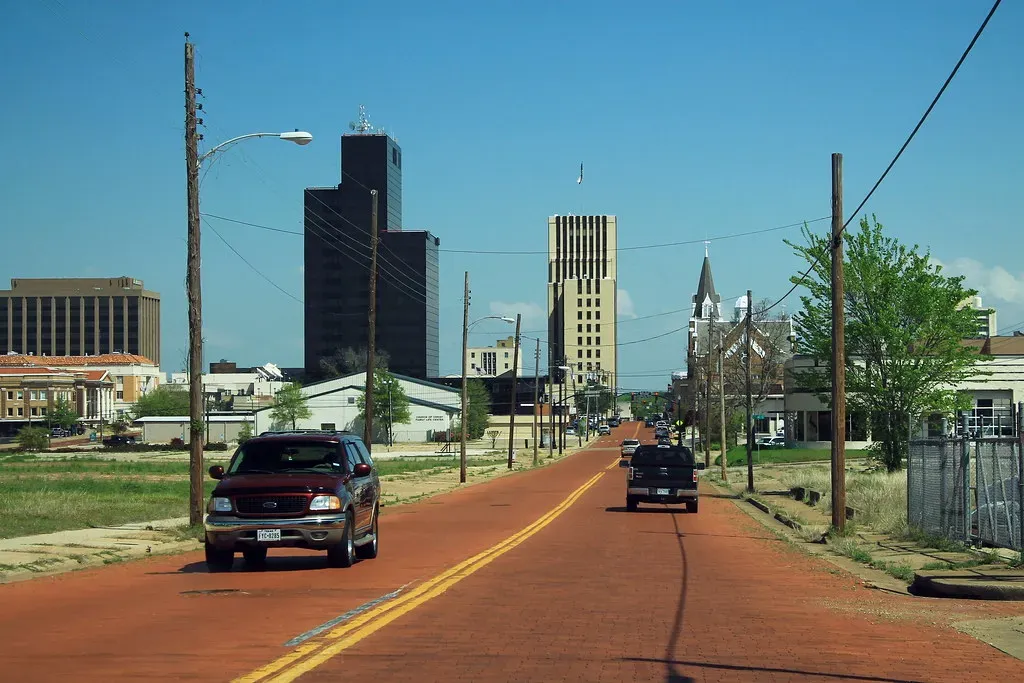
Tyler, a mid-sized city in East Texas, has quietly become one of the fastest-warming places in the country. Recent Climate Central data places Tyler among the top five fastest-warming U.S. cities, a notable distinction for a city outside the usual desert Southwest cluster.
Tyler’s warming fits into a larger Texas story. Texas as a whole has warmed exceptionally quickly, becoming the hottest state in the country, with triple-digit heat becoming the norm and average temperatures now 6 to 12 degrees above what was once considered normal. That statewide shift has pushed cities like Tyler, once considered a moderate climate zone, into a much hotter category.
These eleven cities span deserts, mountain basins, farmland, and even the forests of New England, proof that rapid summer warming is not confined to one region or one type of climate. Some, like Phoenix and Las Vegas, were already known for extreme heat and have simply gotten more extreme. Others, like Burlington and Denver, show that no city can assume its geography or history will keep it insulated from the broader trend. The common thread running through all eleven is a mix of rising background temperatures and, in many cases, the added weight of rapid growth and urban development that traps heat closer to the ground where people actually live.