
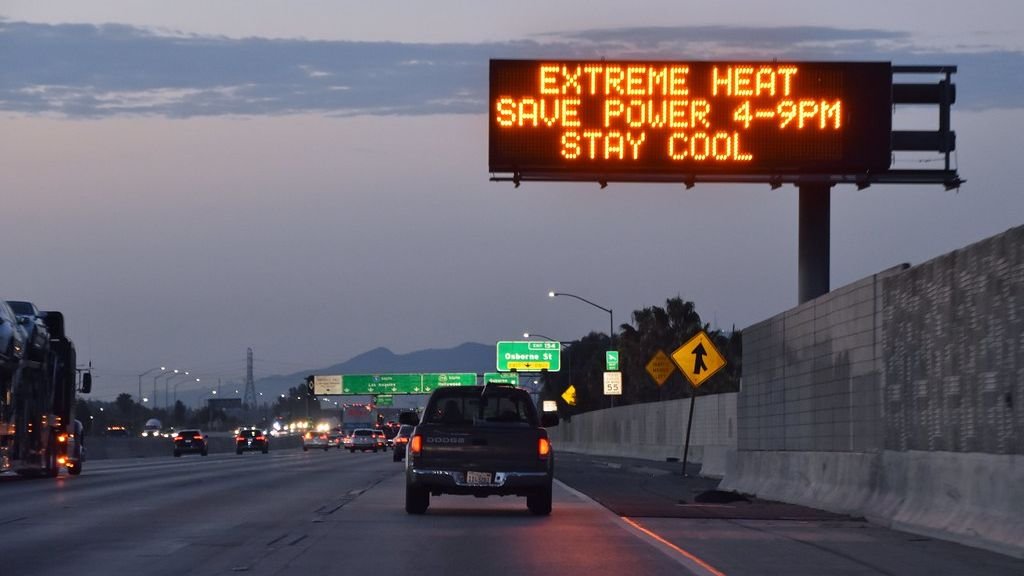

Summer’s warmth can be deceptive. What starts as pleasant sunshine transforms without warning into dangerous territory. Most of us believe we understand heat, that we can handle it just fine because we’ve lived through countless summers.
Yet people keep underestimating this silent killer. Extreme heat claims 489,000 deaths annually, more than floods, hurricanes, earthquakes and wildfires combined. Those aren’t just statistics on a screen somewhere far away. The death certificates of more than 2,300 people who died in the United States last summer mention the effects of excessive heat, the highest number in 45 years of records. Here’s the thing: many of these tragedies stem from surprisingly common mistakes, errors that seem harmless in the moment but escalate frighteningly fast. Let’s be real, knowing what not to do during a heat wave might just save your life.
Trusting Your Thirst as a Hydration Guide
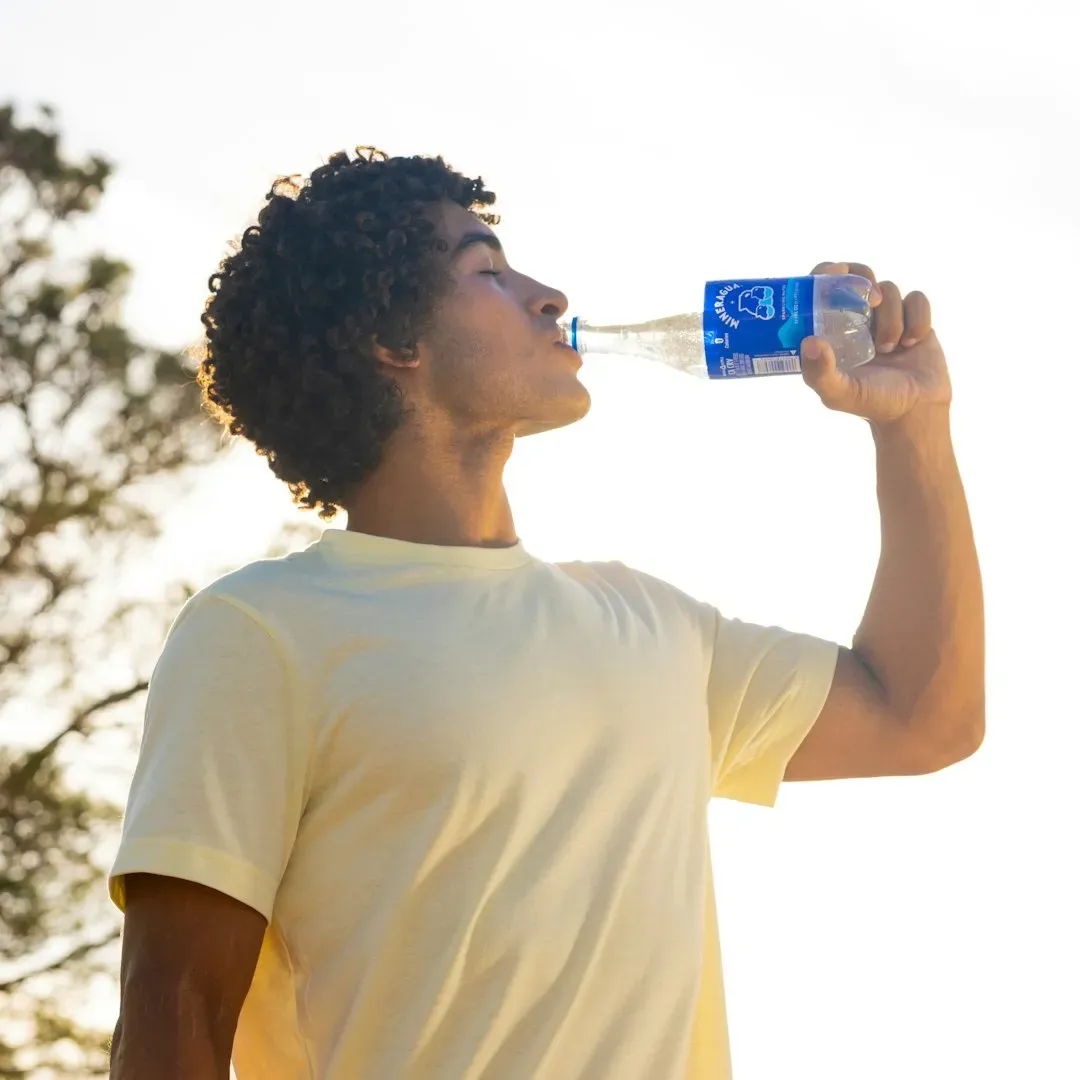
One of the most widespread misconceptions about staying safe in extreme heat is waiting until you feel thirsty to drink water. Thirst is often the first sign of dehydration, along with other signs of mild to moderate dehydration including headache, fatigue, dry or sticky mouth, and dark yellow urine. By the time that parched feeling hits, your body is already running behind on fluids.
People who work or need to be out in the heat should drink 8 oz. of water every 20 minutes. That’s a lot more frequent than most of us naturally drink. Even if you’re inside, you should still remember to drink plenty of water when it’s hot outside. Think of it like keeping a car engine cool. You don’t wait for the warning light to flash; you maintain the coolant levels constantly. Your body deserves at least that much attention during a scorching day.
Relying on Alcohol or Caffeine to Stay Refreshed
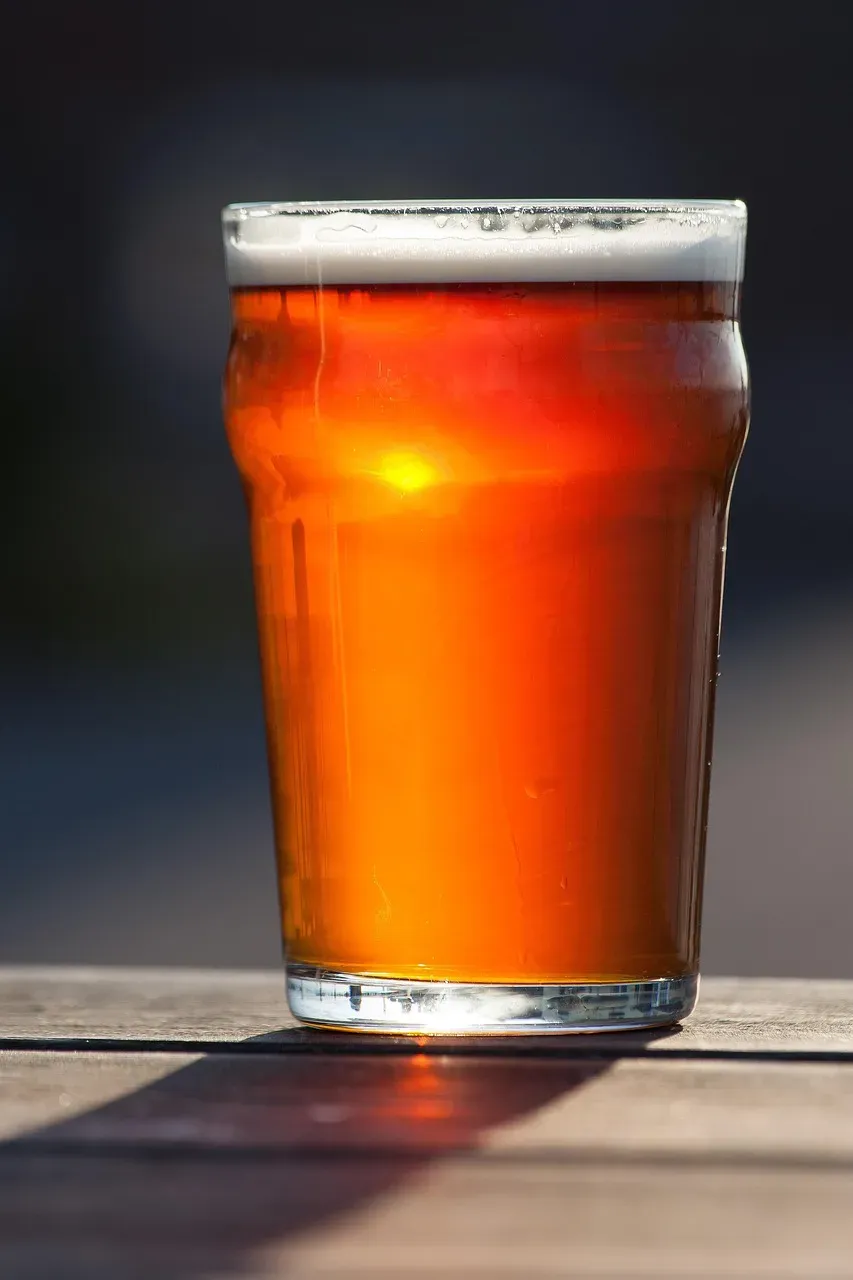
Nothing sounds better than an ice-cold beer on a sweltering afternoon, right? Unfortunately, that refreshing feeling is dangerously misleading. Alcohol slows the production of the body’s antidiuretic hormone, causing you to urinate more frequently and lose even more fluid. Alcohol is a diuretic, which means more urinating and loss of fluid, which can lead to increased dehydration. When you add in increased sweating or loss of fluids from the hot sun, it can become a recipe for a dehydration disaster.
Caffeinated drinks present a similar trap. Caffeine is dehydrating, though the effect is somewhat less severe than alcohol for moderate consumption. Most caffeinated drinks are diuretics, meaning they cause the body to lose water, including caffeinated soda, certain teas, energy drinks and coffee. Caffeine, whether via coffee, soda or some sort of tasty mixer for liquor, can heighten your dehydration risk even more. The irony is brutal: the drinks that feel most satisfying in the heat are precisely the ones working against your body’s cooling system.
Using Electric Fans When Temperatures Soar Above 95°F
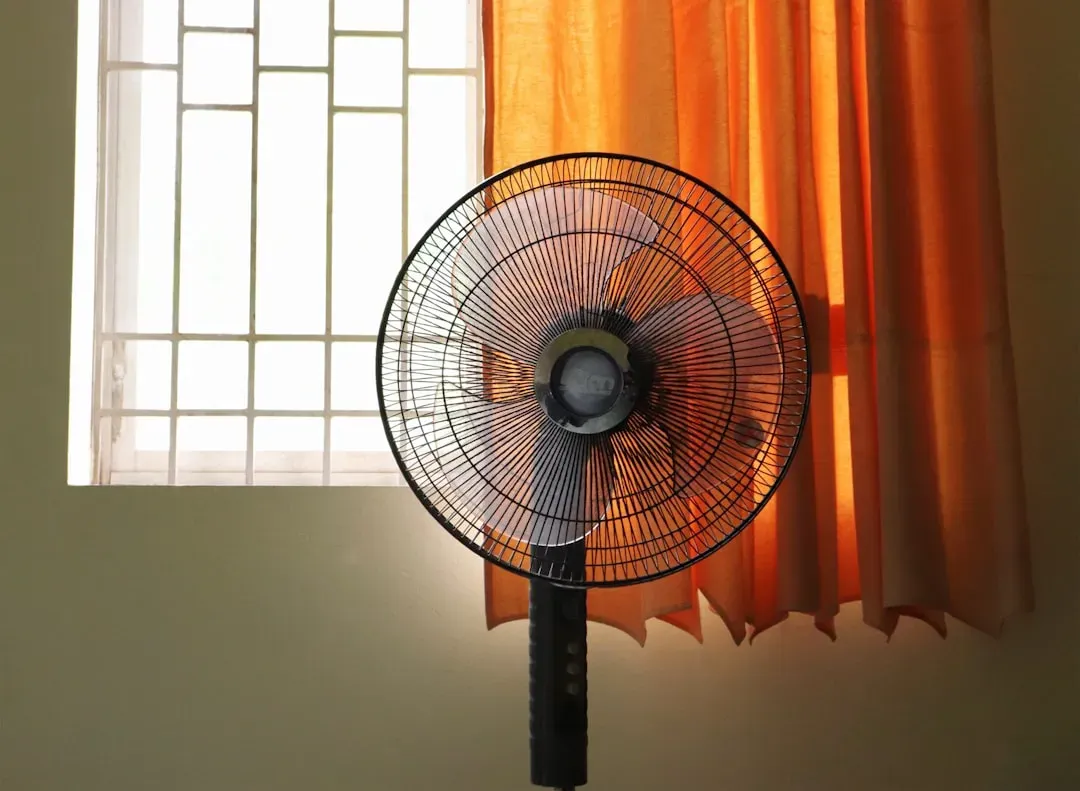
Fans feel like common sense during heat waves, especially for people without air conditioning. They’re affordable, accessible, and create that blessed breeze. Except science reveals a darker reality at extreme temperatures. Although fan use improves sweat evaporation, these benefits are of insufficient magnitude to exert meaningful reductions in body core temperature in air temperatures exceeding 35°C. Health agencies should continue to advise against fan use in air temperatures higher than 35°C, especially for people with compromised sweating capacity.
Fans result in a higher heart rate or core temperature compared to still air in healthy adults when indoor air temperature is greater than 43°C. Think about it: at sufficiently high temperatures, fans essentially blow hot air onto your body, like standing in front of a convection oven. The moving air accelerates heat transfer into your body rather than cooling it. A study of 18 adults aged 65 to 72 found little difference in peak core temperatures as a result of electric fan use during simulated heat wave conditions. That cooling sensation is deceptive, potentially lulling vulnerable people into false security.
Exercising During Peak Heat Hours

People who exercise on hot days are more likely to become dehydrated and get heat-related illness. Yet gyms stay packed at noon, joggers pound pavement under brutal midday sun, and athletes push through afternoon practices. Pretty much everywhere in the U.S., the hottest part of the day is between 10 a.m. and 6 p.m.. That six-hour window transforms ordinary exercise into a serious health gamble.
Exercising in hot, humid weather can rapidly raise your body’s core temperature, putting you at risk of heat exhaustion or heat stroke. Schedule workouts and practices earlier or later in the day when the temperature is cooler. It sounds restrictive, limiting your exercise freedom to dawn and dusk. Still, is that inconvenience worth risking your cardiovascular system, kidneys, and brain? Early morning runs offer cooler air plus stunning sunrises. Evening workouts let you decompress after work. Honestly, adapting your schedule seems like a small price for staying conscious and healthy.
Ignoring Early Warning Signs of Heat Illness
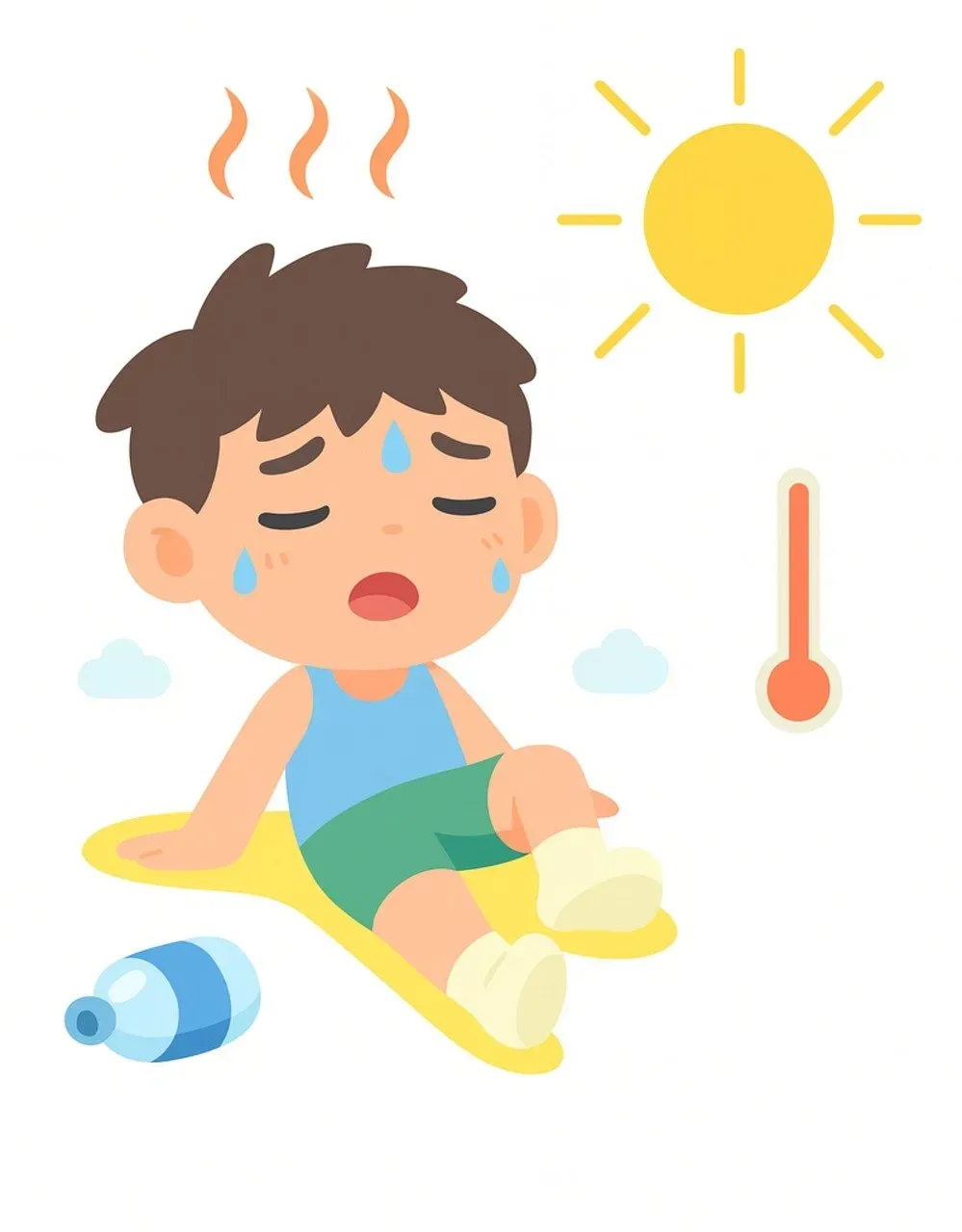
Heat exhaustion doesn’t announce itself with sirens. It creeps in gradually, masked as ordinary discomfort. The signs of heat exhaustion include heavy sweating, weakness, nausea, headache, light-headedness, and skin that feels cool and damp. In many cases, people with heat exhaustion also feel anxious or confused. Those symptoms get dismissed constantly: “I’m just tired,” “It’s normal to feel dizzy in this heat,” “I probably need lunch.”
If left uninterrupted, there can be progression of symptoms to heatstroke, a life-threatening emergency. Heat exhaustion left untreated may result in heat stroke, a life-threatening condition that can result in damage to the brain or other important organs. In some cases, heat stroke may cause multiple organ systems to fail and can ultimately cause death. The window between “I feel a bit off” and “this is a medical emergency” can be shockingly narrow. Deaths and hospitalizations triggered by extreme hot weather occur rapidly, same day and following days. Listen to your body’s whispers before they become screams.
Wearing Dark or Heavy Clothing in Hot Weather
Fashion choices carry unexpected weight during heat waves. Wear loose, lightweight, light-colored clothing for good reason. Dark fabrics absorb heat rather than reflecting it, essentially creating a portable sauna around your body. Heavy materials trap heat and prevent air circulation against your skin, blocking the evaporation of sweat that would otherwise cool you.
When exercising in heat, what you wear matters. Light-colored, sweat-wicking clothing is best for hot weather; dark, heavy clothes can make you even hotter. Gear, such as protective padding or helmets, also traps heat and raises your body temperature. If you have to suit up, shorten your workout intensity and duration. I think we all underestimate how much clothing influences our body temperature. That black t-shirt might look great, but it could be actively working against your survival mechanisms.
Assuming You’re Fine Because You’re Not Sweating Much
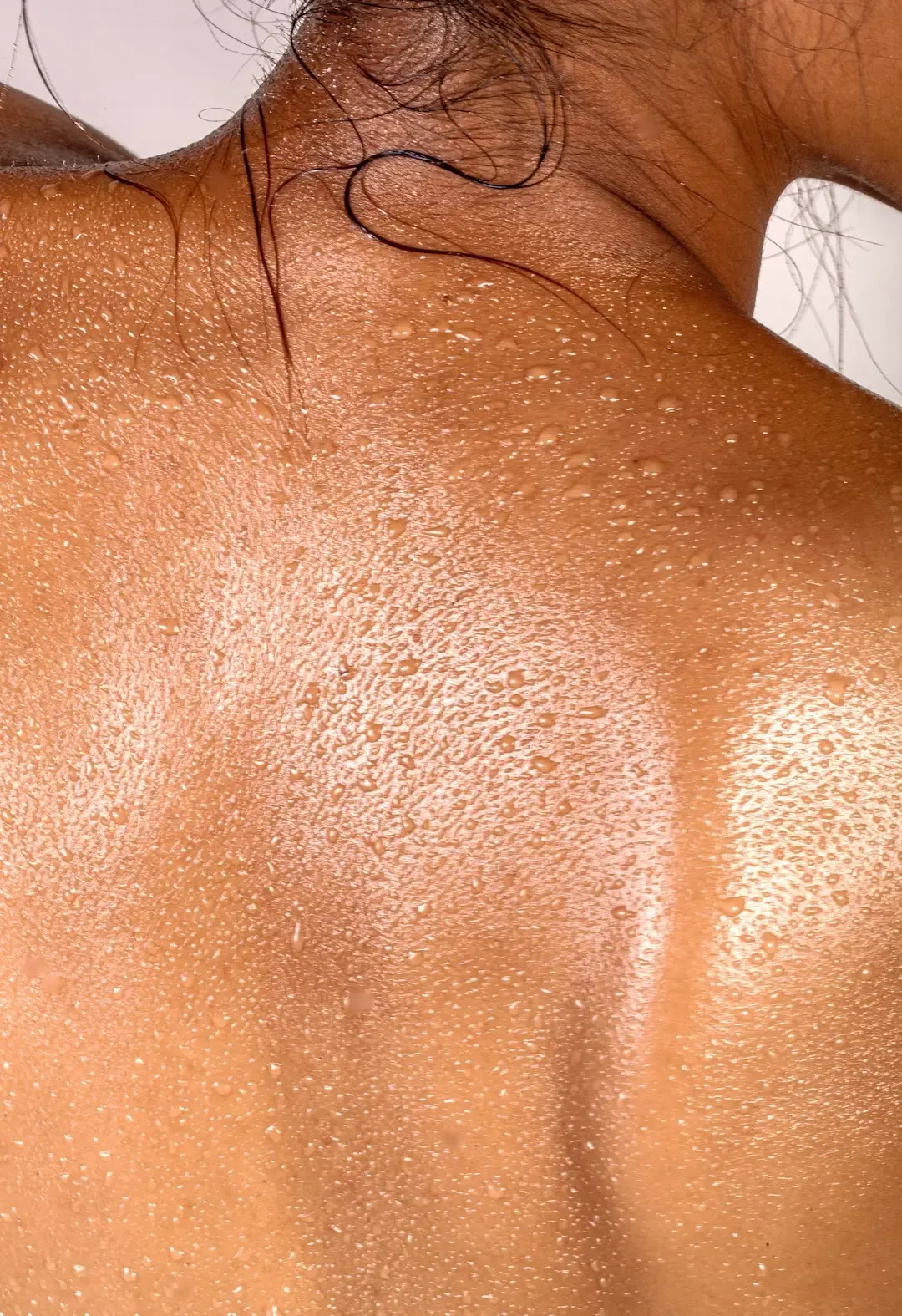
Here’s where things get counterintuitive and dangerous. Many people believe that if they’re not sweating heavily, they must not be overheating. Wrong. Reduced sweating during extreme heat exposure can signal that your body’s cooling system is failing. Heavy sweating, sometimes followed by a decrease in sweating is actually a symptom of heat stress. When sweating stops, that’s not your body successfully adapting; it’s your body running out of resources.
Heat stroke symptoms include hot, red, dry or damp skin. Notice that “dry” in there? By the time your skin feels hot and dry, you’re potentially entering heat stroke territory. Your sweat glands have given up. Your internal temperature is climbing unchecked. This is the moment when casual heat exposure transforms into a life-threatening emergency. The absence of sweat isn’t comfort; it’s a five-alarm fire inside your body.
Skipping Meals or Eating Heavy Foods
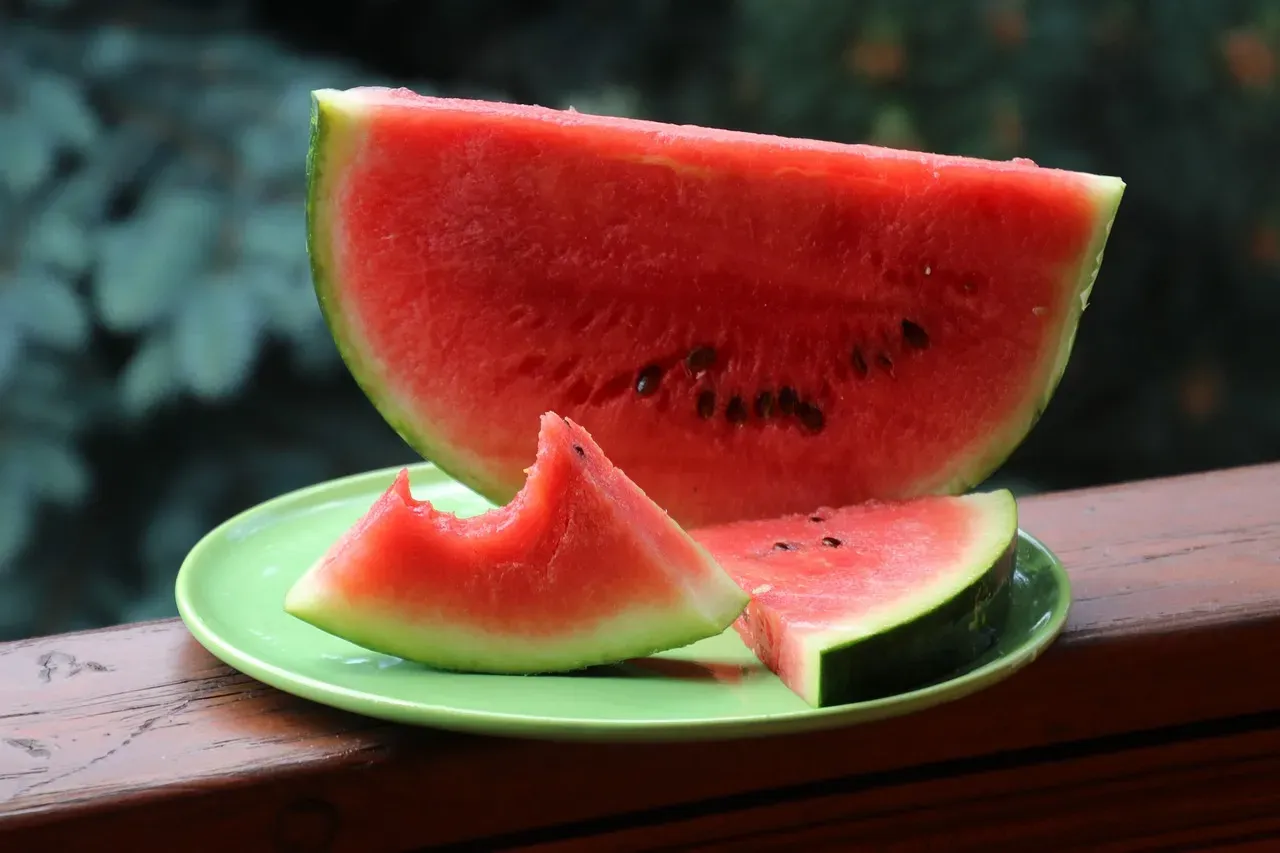
Food choices matter more than most realize during extreme heat. Eating large, heavy meals forces your digestive system into overdrive, generating additional internal heat when your body is already struggling to stay cool. Metabolism produces heat as a byproduct, so digesting that steak or loaded burger creates an internal furnace effect at precisely the wrong moment.
Conversely, skipping meals entirely creates different problems. Your body needs electrolytes and energy to maintain its cooling mechanisms. Hydration is key. One way to monitor this is observing the color of urine: clear or pale yellow is a sign of adequate hydration. It is also helpful to develop the habit of keeping track of pre- and post-workout weights. Generally, the number of pounds a person loses during a workout should be replenished by drinking an equivalent amount of water. For example, if an athlete loses 2 pounds they should drink 2 extra bottles of water. Light, frequent snacks with high water content work better. Think fruits, vegetables, smoothies. Let your body focus on temperature regulation, not digesting last night’s leftovers.
Not Acclimatizing Before Intense Summer Activities
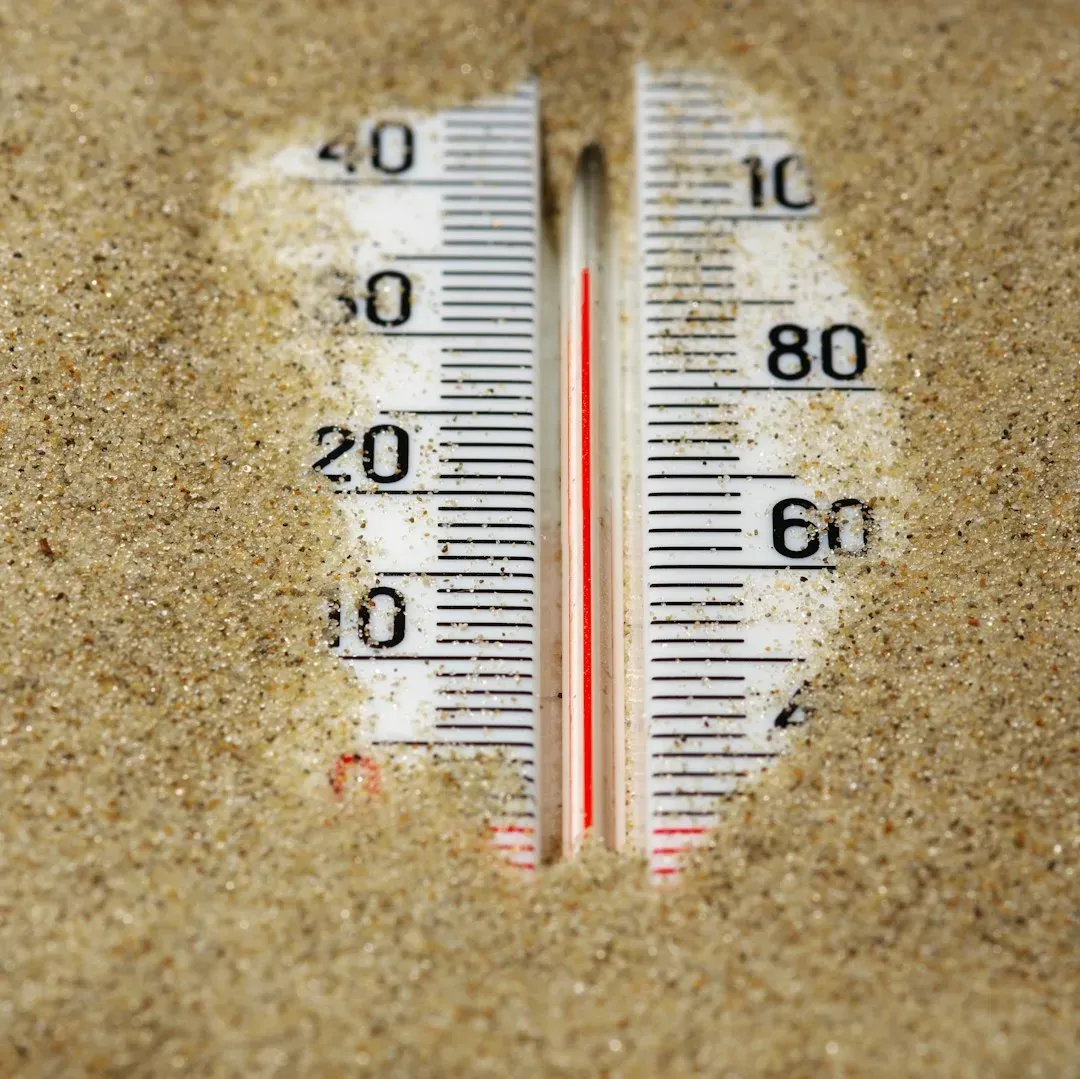
The first truly hot days of summer catch bodies unprepared. Your sweat rate improves, dissipating heat more effectively. Your plasma volume expands so you have more blood pumping through your body, so the heart doesn’t have to work as hard. Because your cardiovascular system is more efficient, your body doesn’t heat up as much. You also retain salt a bit better, which helps you keep water in your body. These adaptations don’t happen instantly.
Acclimatization can be broadly defined as a complex series of changes or adaptations that occur in response to heat stress in a controlled environment over the course of 7 to 14 days. Allow yourself time to adapt to the heat. Some experts say that this can take about 4 to 14 days. Keep in mind that you may not be able to work out as long or as hard as usual when it’s very hot. Jumping straight into intense summer training without gradually exposing yourself to heat is asking for trouble. Your cardiovascular system needs time to adjust.
Leaving Vulnerable People or Pets in Vehicles

Heat-related deaths among adults aged 65 and above have surged by an estimated 85% since the 1990s. Older adults, children, and pets lack efficient temperature regulation compared to healthy adults. Vehicles become death traps with shocking speed. Even with windows cracked, car interiors can reach lethal temperatures within minutes.
The worst part? People genuinely believe “just five minutes” is safe. It’s not. The temperature inside a parked car can rise roughly twenty degrees within ten minutes, and double that within an hour. Children’s bodies heat up three to five times faster than adults. Pets can’t sweat effectively. What seems like a quick errand transforms into a preventable tragedy. There’s simply no circumstance where leaving vulnerable beings in hot vehicles makes sense. None.
Overlooking Medication Interactions with Heat
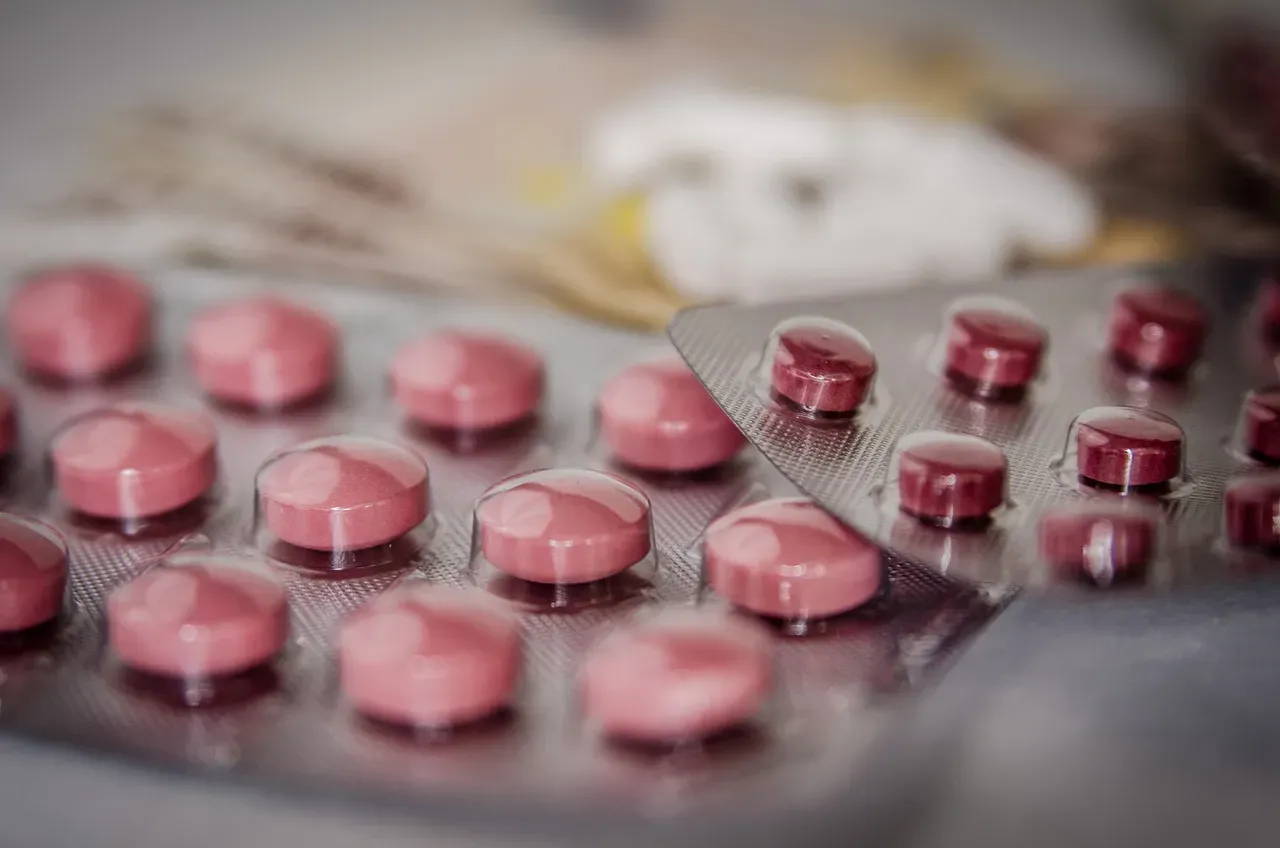
Some medications increase the risk of heat-related illness. These include diuretic medicines, antihistamine medicines (including many allergy medicines), and many antipsychotic medicines used to treat a variety of psychiatric and neurologic illnesses. Certain medications, including beta blockers, ace receptor blockers, ace inhibitors, calcium channel blockers and diuretics, can exaggerate the body’s response to heat. Many people taking these medications daily never receive warnings about heat exposure risks.
These drugs interfere with your body’s natural cooling processes in various ways. Some reduce sweating. Others affect blood flow to the skin. Some impair your sense of thirst. The danger compounds when people assume their usual routines remain safe, unaware that their prescriptions have fundamentally changed how their bodies handle heat stress. If you take regular medications, talk to your doctor about heat-related precautions. That conversation could literally save your life during the next heat wave.
Conclusion
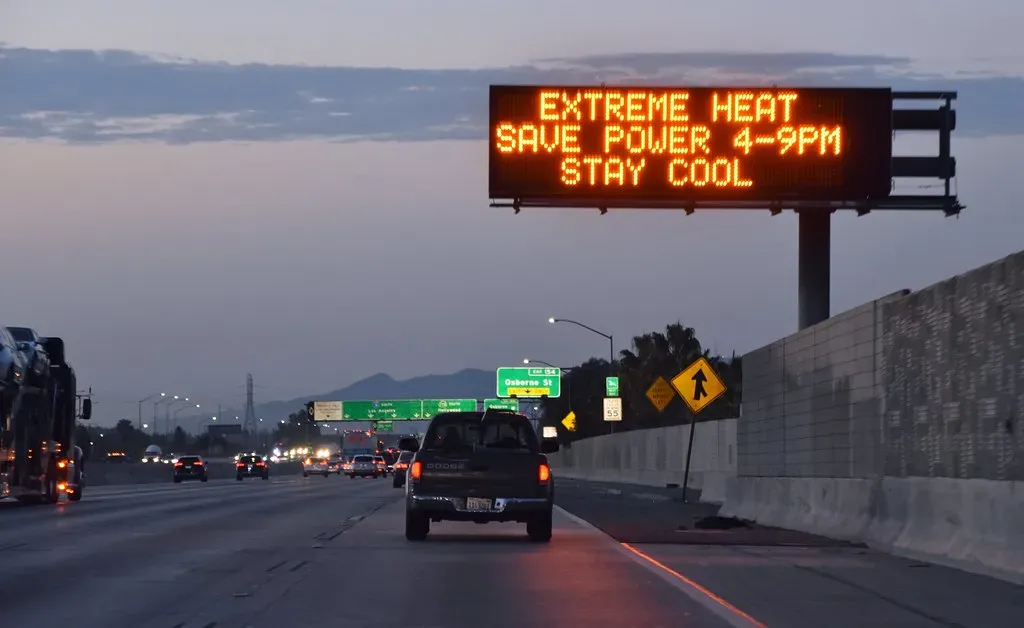
Heat waves reveal how fragile our bodies truly are, how quickly comfortable summer weather crosses into dangerous territory. Earth’s average surface temperature in 2024 was the warmest on record, averaging 1.55°C above pre-industrial levels. These extreme temperatures aren’t going anywhere. They’re becoming our new normal, which makes understanding these mistakes increasingly critical.
The common thread through all these errors is underestimation. We underestimate how much water we need, how dangerous alcohol becomes in heat, how ineffective fans are at extreme temperatures, how rapidly symptoms progress. We assume our bodies will simply handle it. Sometimes they don’t. Prevention requires awareness, planning, and respecting heat as the legitimate threat it represents. Stay vigilant, stay informed, and take heat seriously before it takes you seriously. What surprised you most about these heat wave dangers?
