
Something fundamental is shifting in the American climate story. The U.S. experienced 23 billion-dollar weather and climate disasters in 2025, ranking third behind 2023 and 2024 for the annual number of such events – capping a dramatic rise in disaster frequency since 1980. The pace at which extreme weather is accelerating has made comparisons between one decade and the next almost startling in some places.
Some 240 major U.S. cities have warmed since 1970, with an average increase of 2.9°F across those cities. That number sounds modest on paper. On the ground, for millions of residents, it translates into weather that genuinely looks and feels different from what came before. Here are nine cities where that transformation is especially striking.
1. Miami, Florida – The City Learning to Live With Water
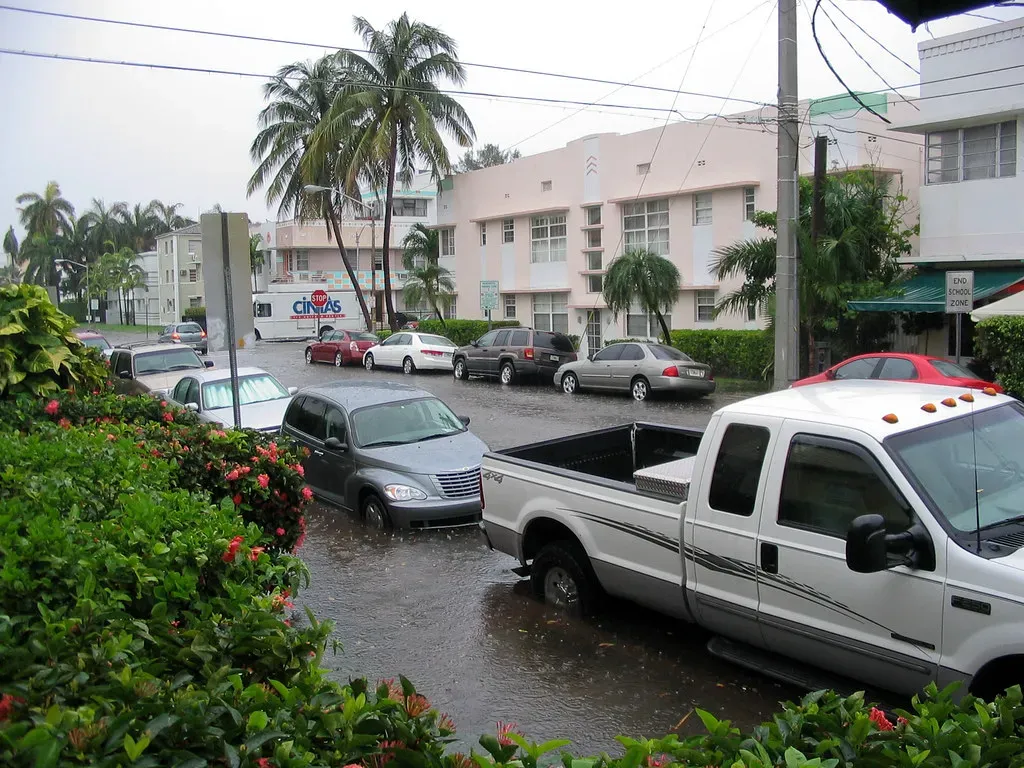
Floods, storms, and extreme heat have caused severe threats to Miami’s people and infrastructure in recent years, and the city is rated by some as the most vulnerable coastal city in America for natural disasters. Miami’s famous beachfront has been subject to severe hurricane damage and recurring flooding at high tides due to rising sea levels. The frequency of that tidal flooding has escalated to the point where some streets now flood on sunny days during the highest tides of the year.
By 2040, sea levels are expected to be 10 to 17 inches higher than 2000 levels, and Miami-Dade County maintains a flooding vulnerability viewer that lets residents explore multiple flood risk layers. By 2050, people in Miami are projected to experience an average of roughly 89 days per year over 92.6°F – a dramatic departure from what Miami summers felt like even a decade ago.
2. Phoenix, Arizona – Approaching a Heat Threshold No City Has Faced
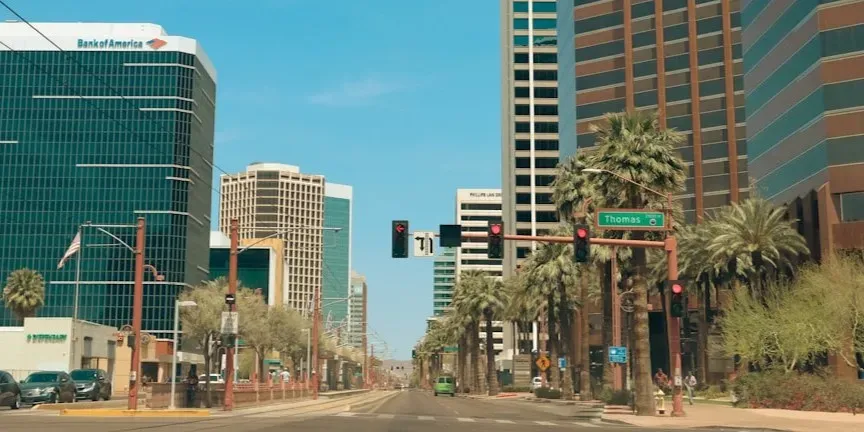
Summer highs in Las Vegas are projected to average around 111°F, comparable to what Riyadh, Saudi Arabia experiences today, while Phoenix could reach 114°F – comparable to Kuwait City. These projections reflect a trajectory that Phoenix is already tracking toward, with the city routinely shattering its own records for consecutive days above 110°F.
If the current heat trend continues, the United States can witness an increase in extreme heat days from an average of 20 days per year to more than 60 days per year by 2050. For Phoenix, a city that already leads the nation in heat-related deaths in absolute numbers, that shift isn’t theoretical. Arizona has named a statewide chief heat officer as part of broader efforts to coordinate response to more extreme heat conditions.
3. New Orleans, Louisiana – Running Out of Land and Time
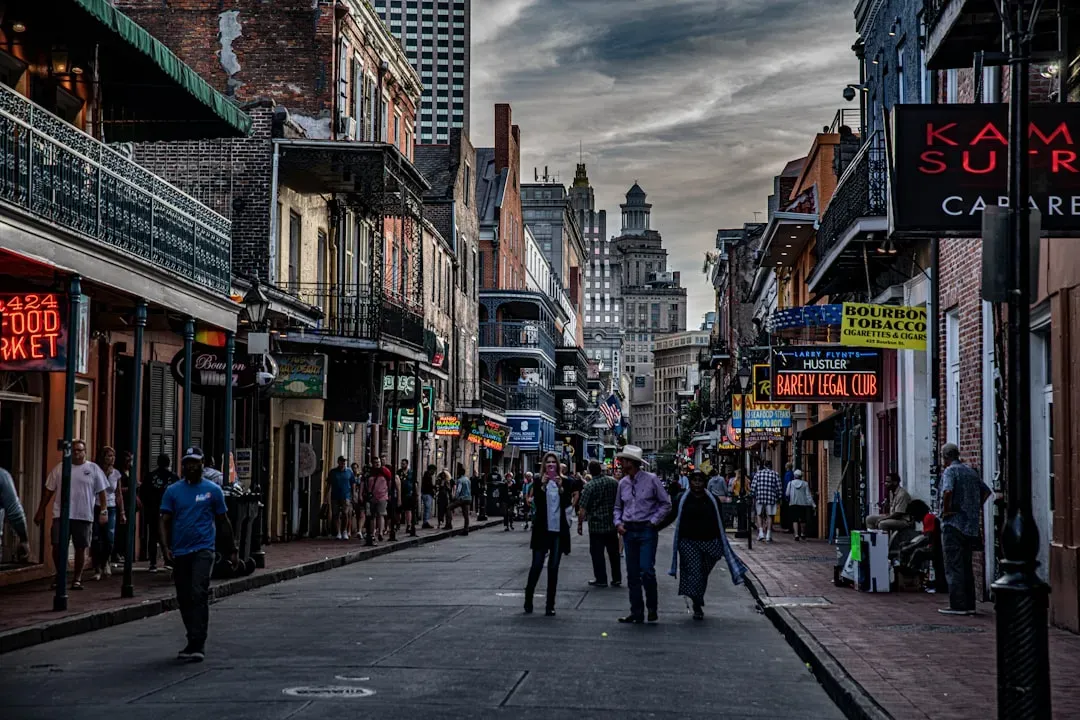
The city of New Orleans now rests about six feet below sea level on average, a consequence of decades of land subsidence following swamp drainage and flood control projects. Ongoing sea level rise and the rampant erosion of wetlands in southern Louisiana are threatening to swallow up the New Orleans area within a few generations.
Buildings in New Orleans average roughly a 39% chance of a flood about 2.2 feet deep over 30 years, and of 248 census tracts in the city, 231 have more than half of buildings at significant risk from storm surge, high tide flooding, surface flooding, and riverine flooding. In a typical year around 1990, people in New Orleans experienced about 7 days above 95.5°F annually. By 2050, that figure is projected to climb to roughly 50 days per year.
4. Seattle, Washington – A Rainy City Facing Drought and Fire
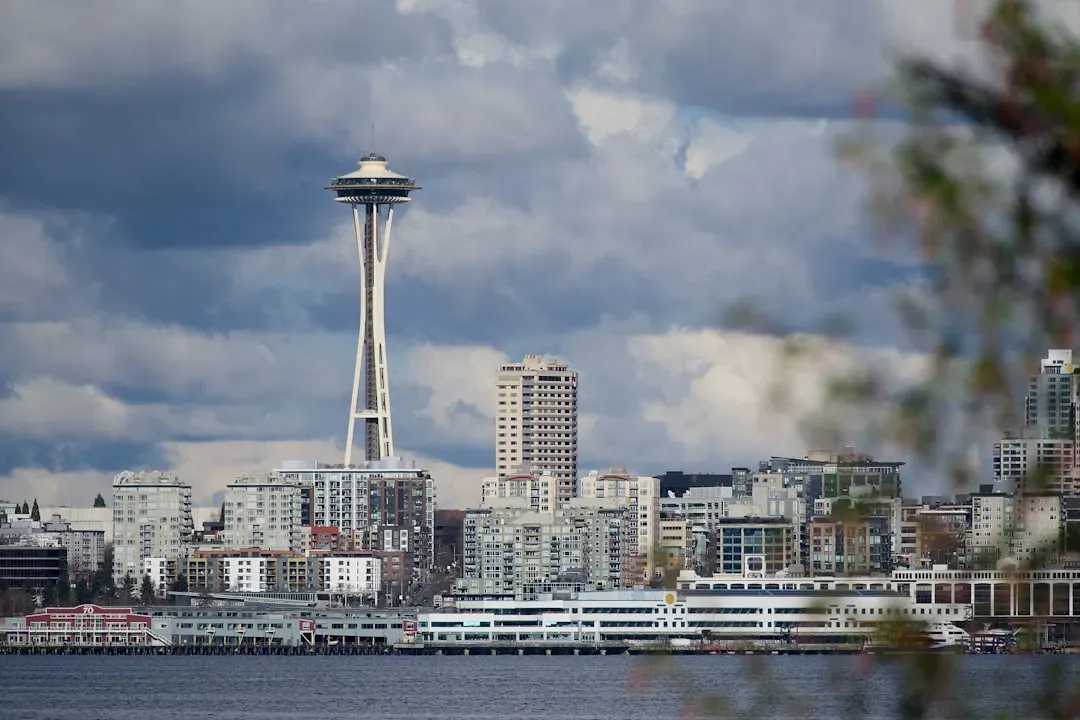
Washington state officials declared a statewide drought emergency after a warm winter left mountain snowpack near record lows, raising concerns about water supplies, fish habitat, and wildfire risk heading into summer. Projected water supplies were likely to fall far short of the state’s summer demand. For a city long defined by its gray, wet winters, the shift toward snowpack droughts represents a genuinely new pattern.
As climate change raises winter temperatures, snowpack droughts are becoming more common. In the 1990s, these conditions occurred about one in every five years, but today they happen roughly 40% of the time. By the 2050s, research projects that about seven out of every ten years will see snow droughts on average. Seattle now regularly contends with sweltering heatwaves, wildfires that choke the air, rising seas, and extreme floods washing out roads.
5. Portland, Oregon – Where Smoke Season Is Now Just Season
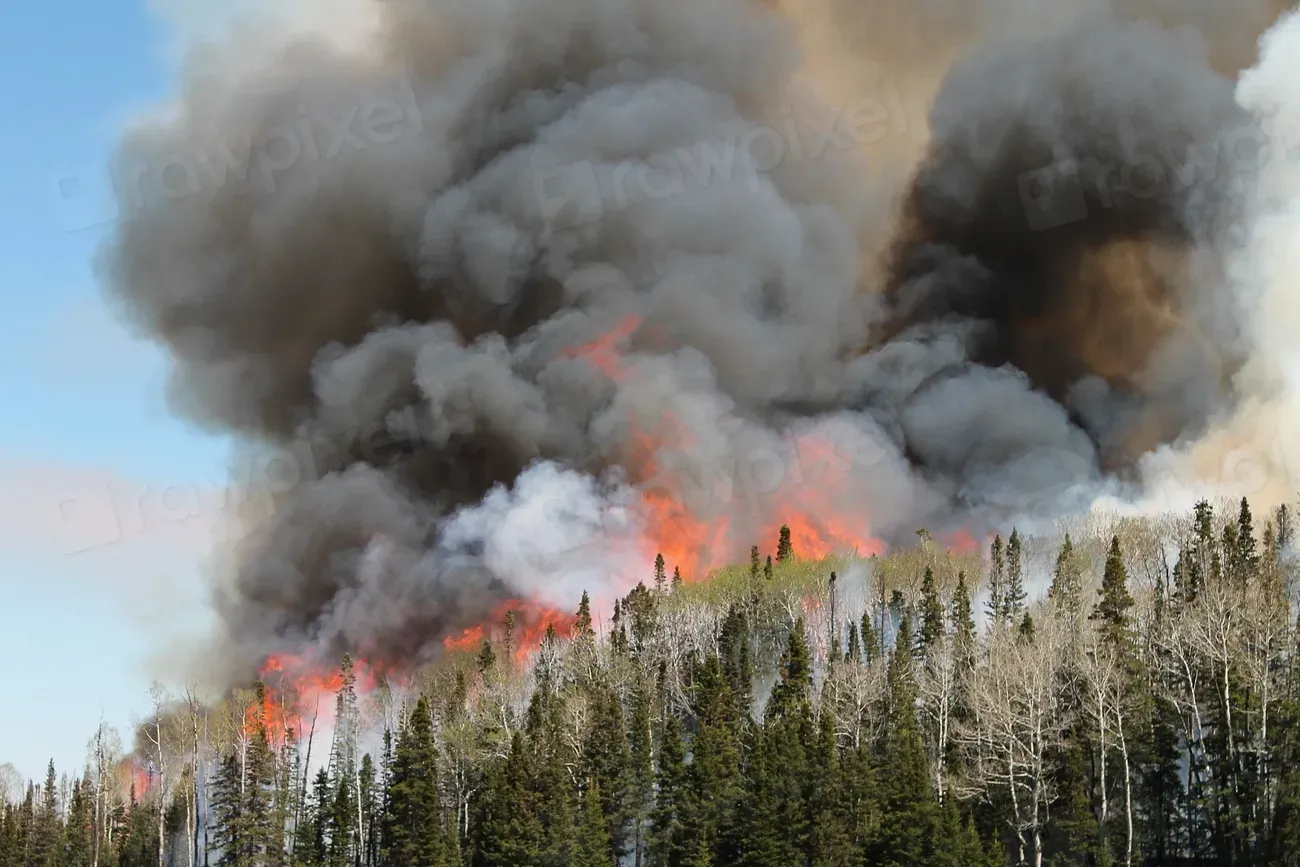
Portlanders are already experiencing record-shattering heat, choking smoke from increasing wildfires, more frequent floods, and other extreme weather that is changing daily life and reshaping the city. A decade ago, a week of wildfire smoke blanketing the city would have been unusual. Now it’s an expected part of late summer planning.
Increasing temperatures, drought, reduced snowpack, and extreme fire weather have heightened the risk of large and severe wildfires in Oregon. Fire seasons are beginning earlier in the year and ending later, and ignitions are occurring in ecosystems that haven’t experienced fire in many decades. Meanwhile, increasingly common nighttime heat events heighten the severity of wildfires. Snow water equivalent in Oregon was measured at its lowest recorded level on April 1 of 2026, setting up another difficult warm season.
6. Minneapolis, Minnesota – Winters Changing Faster Than Anyone Expected
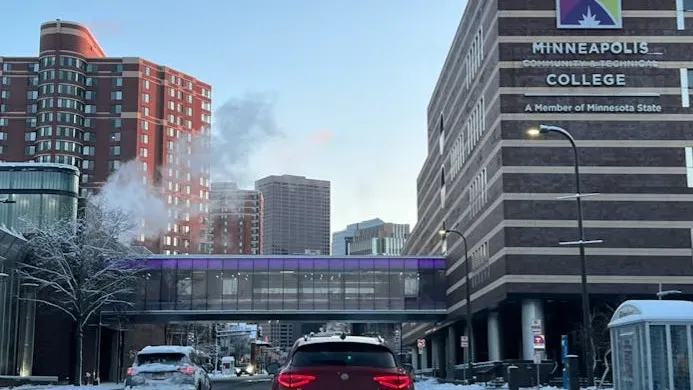
Winters have warmed by 3.9°F on average across 239 U.S. cities since 1970, and warmer, shorter winters have lingering effects on health, water supplies, and agriculture throughout the year. Few cities feel this more acutely than Minneapolis, where the identity of the place has long been bound up in its brutal, reliable cold. That cold is becoming less reliable.
Summers have been heating up for decades and will only get hotter if heat-trapping pollution continues, with future summers in Minneapolis projected to feel more like current summers in Tulsa, Oklahoma. The Upper Midwest has seen some of the most significant warming among all U.S. climate regions, averaging a rise of more than 3°F since 1970. The freeze-thaw cycles that define the region’s infrastructure and ecology are being disrupted in ways that will compound across the next decade.
7. Houston, Texas – Flooding, Heat, and the Compounding Threat
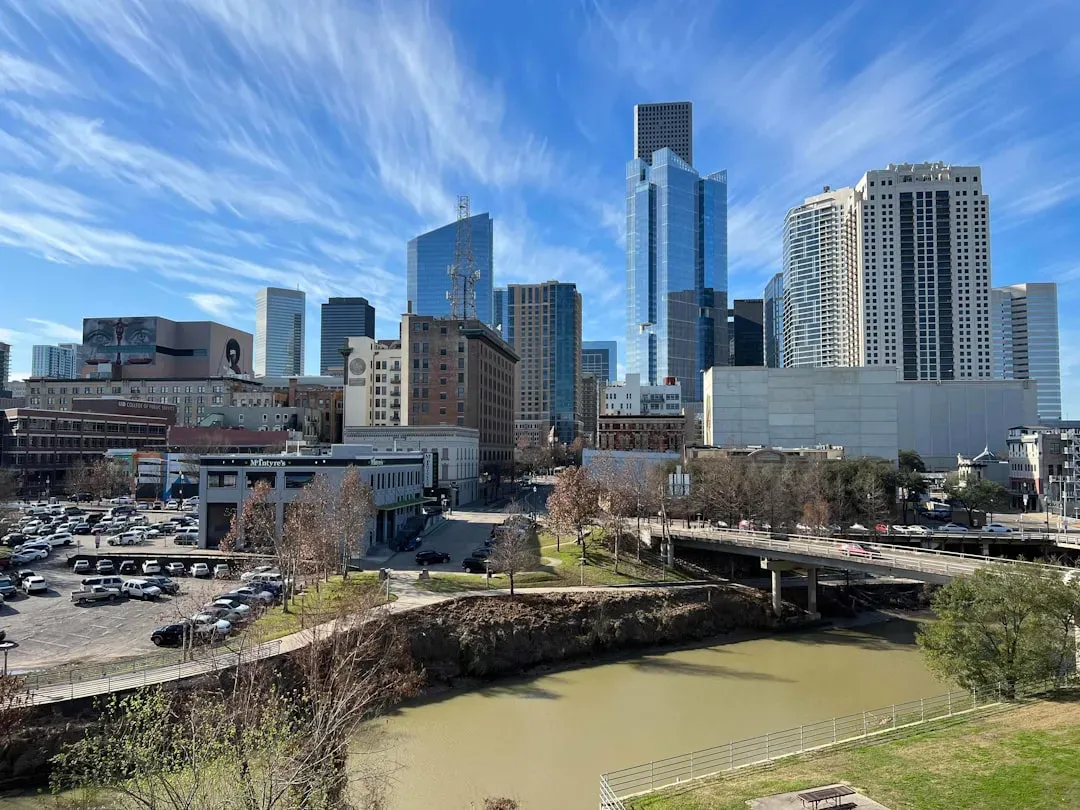
The U.S. saw a record number of flash floods in 2025, including the deadly July floods in Texas. Carbon pollution brings heavier rainfall extremes and more of the inland flood hazards that marked that year. Houston has been through Harvey, through repeated extreme rainfall events, and the pattern is not easing. The city sits in a region where warming Gulf waters feed stronger storm systems and heavier rainfall.
As heat-trapping pollution continues to warm the planet, summer temperatures are arriving earlier and getting hotter, and dangerous heat extremes are becoming more frequent and intense. For Houston specifically, that means compounding risks: extreme heat that extends further into spring and fall, combined with rainfall events that strain a drainage system built for a climate that no longer exists.
8. Boston, Massachusetts – A Northeastern City With a Southern Future
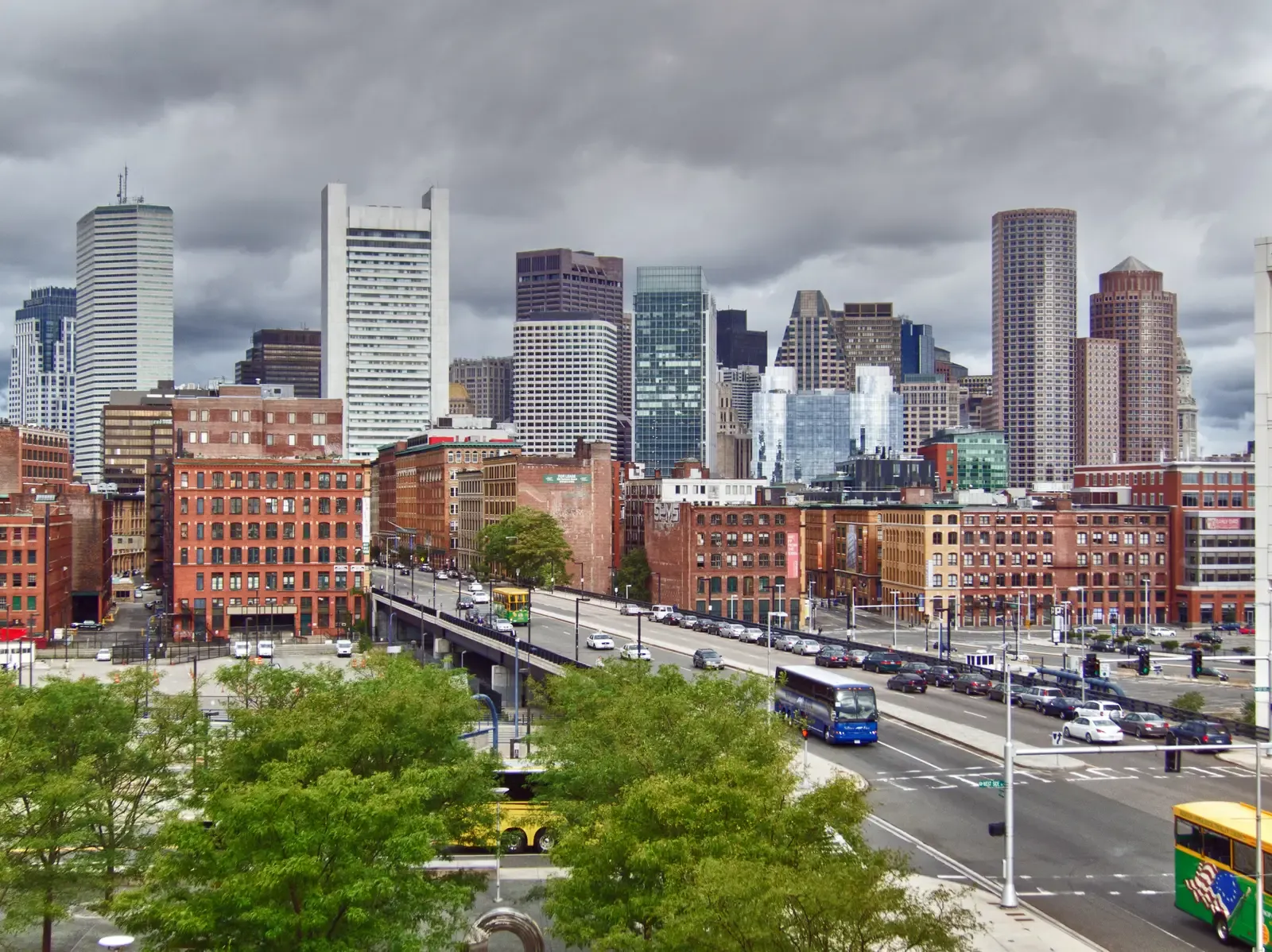
By the end of the century, assuming current emissions trends, Boston’s average summer high temperatures will be more than 10°F hotter than they are now. In some cases, summers will warm so dramatically that their best comparison is to cities in the Middle East. Even within the next decade, the trajectory is noticeable. Boston’s summers are arriving earlier and lingering longer, with more frequent stretches of dangerous humidity.
According to the latest NOAA data, 2025 was the fourth-warmest year on record for the contiguous U.S., with average temperatures 2.6°F warmer than the 20th-century average. The nine warmest years for the U.S. have all occurred since 2012. Boston sits in a region where more than 71 million people experienced at least two weeks of days with temperatures made at least twice as likely due to climate change during just one recent winter-to-spring period.
9. Los Angeles, California – Fire Weather as the New Normal
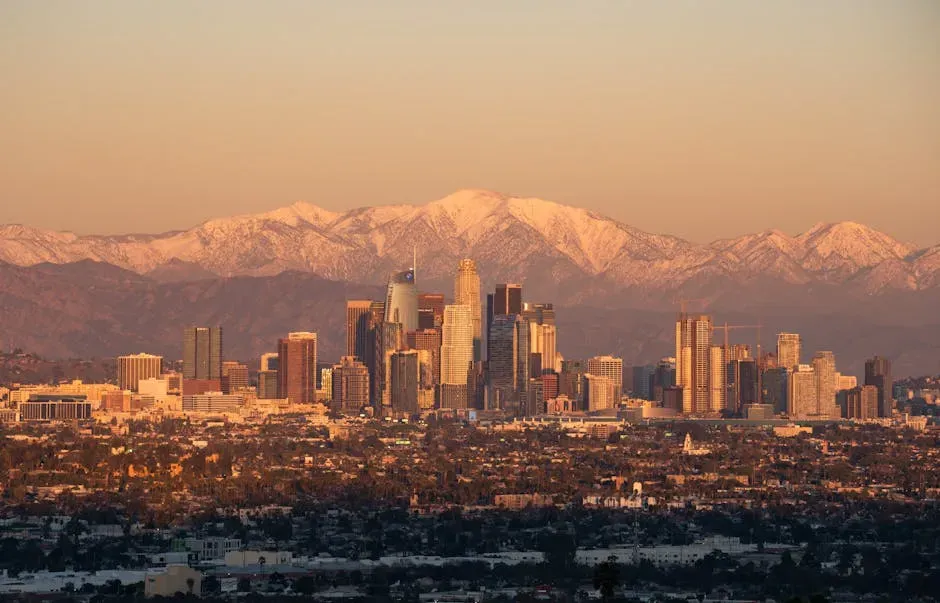
Carbon pollution helped fuel the Los Angeles fires of January 2025, the costliest on record, partly by making fire weather conditions at the time more likely and intense. The fires that tore through Los Angeles in early 2025 weren’t just a disaster – they were a signal. The devastating fires caused 31 deaths, destroyed 16,000 homes and businesses, and doubled the previous record for the most costly wildfire.
More frequent hot, dry, and windy fire weather conditions are boosting wildfire risks across the U.S., and Los Angeles is at the intersection of all three. Analysis based on Climate Central’s Climate Shift Index found that average 2025 temperatures were made warmer by human-caused climate change in every U.S. county. On average across all U.S. counties, 2025 was 2.6°F warmer than it would have been without human-caused climate change. In the hills and canyons surrounding Los Angeles, that warming feeds into longer dry seasons, desiccated vegetation, and fire seasons that now barely have an off-switch.
What connects all nine of these cities is the gap between the weather residents grew up with and the weather they’re increasingly being asked to live in. The emissions released in recent years, in combination with cumulative historical emissions, commit the planet to a future of more frequent and intense extreme weather events. The changes underway aren’t uniform or distant anymore – they’re local, measurable, and in many places, already reshaping the basic rhythms of city life.
