


- 12 U.S. Cities Where Winters Have Changed Dramatically Since the 1970s - August 28, 2026
- The 11 American Cities With the Biggest Day-to-Night Temperature Swings - August 28, 2026
- Why Some Northern States Are Losing Snow Faster Than Others - August 28, 2026
1. Burlington, Vermont
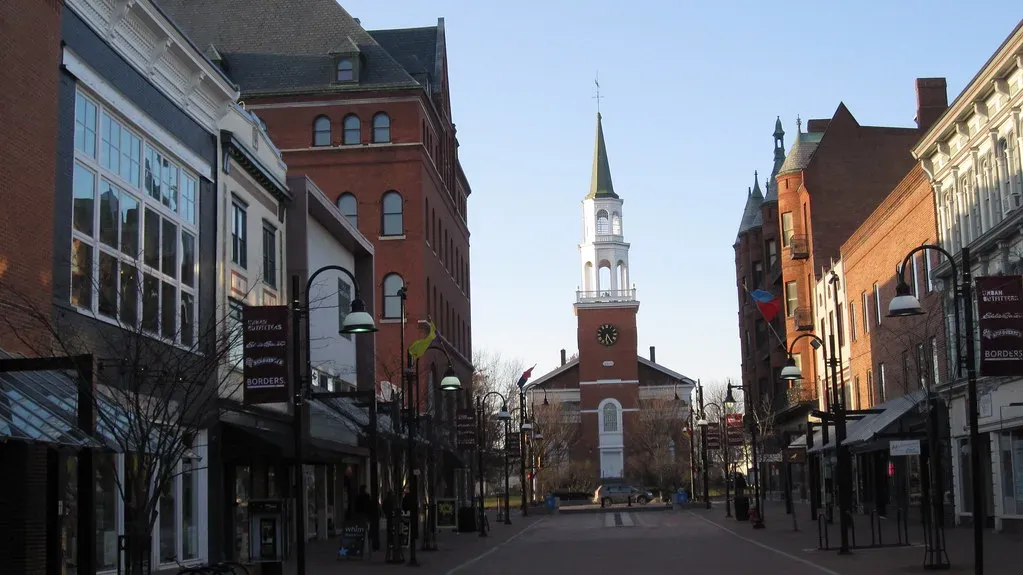
No city on the Climate Central list has warmed more dramatically than Burlington. Winters have warmed in 98% of 244 U.S. cities since 1970, rising by an average of 3.9°F, with Burlington, Vermont topping the list with an 8.1°F rise. That’s more than double the national average shift, packed into a single mid-sized city on the shore of Lake Champlain.
Local residents have noticed the practical effects, from a shorter ice-fishing season to more rain mixing into what used to be reliably snowy months. The lake itself, once famous for freezing over almost entirely most winters, now goes years at a stretch without a full freeze. For a city whose identity has long been tied to hard winters, that’s a meaningful cultural shift, not just a statistical one.
2. Minneapolis, Minnesota
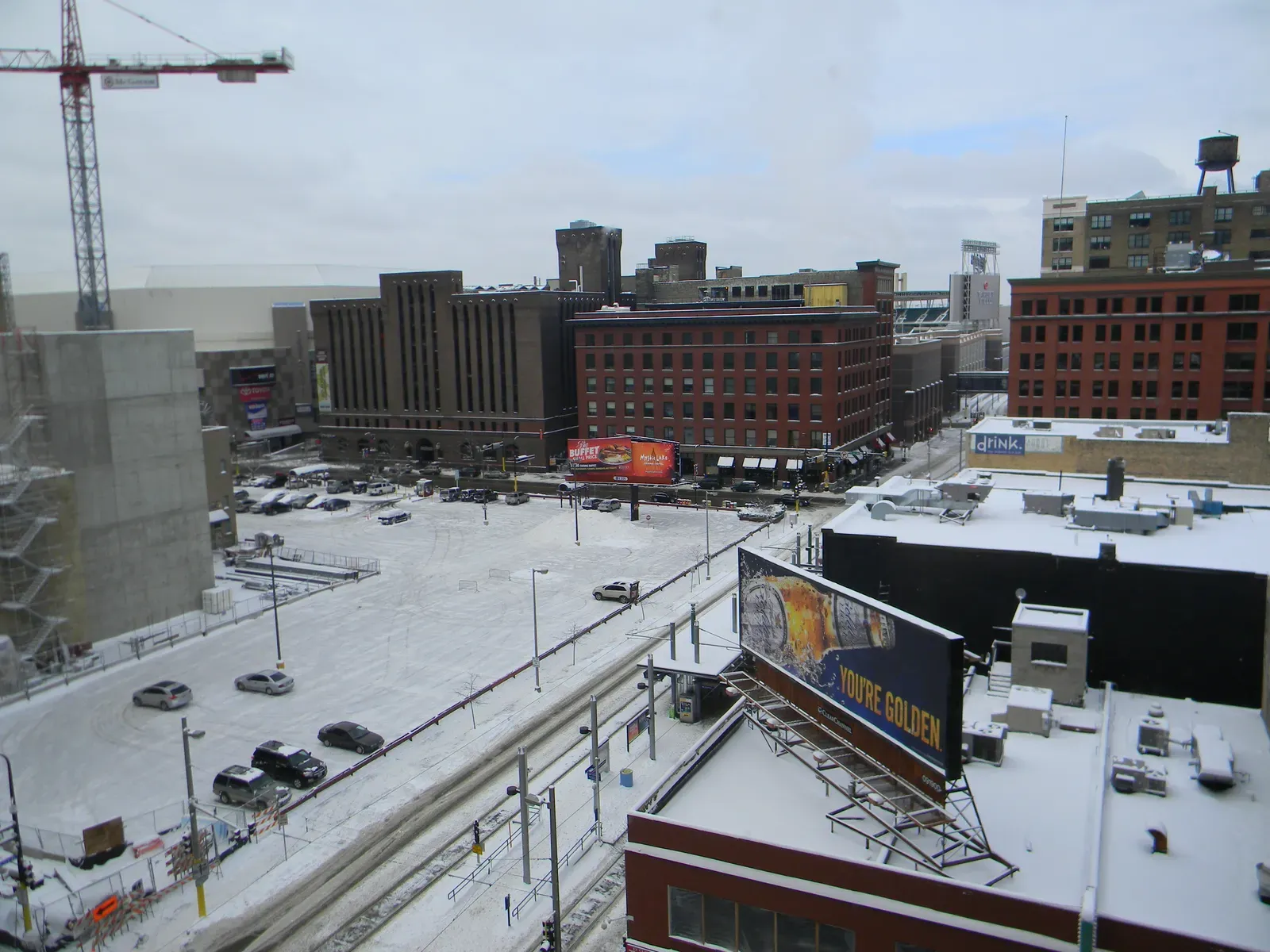
The Twin Cities have become something of a poster child for winter warming research, and the numbers explain why. The average temperature in Minneapolis is 6 degrees warmer now than in 1970, a shift large enough that longtime residents describe entire categories of cold weather simply disappearing from the calendar.
Minnesota’s own climatologists have tracked the change closely. Over the last 50 years, Minnesota’s winter has warmed roughly 13 times faster than summer, and the frequency of extreme cold readings in the north and south of the state has fallen by up to 90%. January 2025 brought a vivid illustration of the new normal when the mercury touched 52 degrees at Minneapolis-St. Paul International Airport, breaking a previous record of 48 degrees set back in 1989 and 1879.
3. Fargo, North Dakota
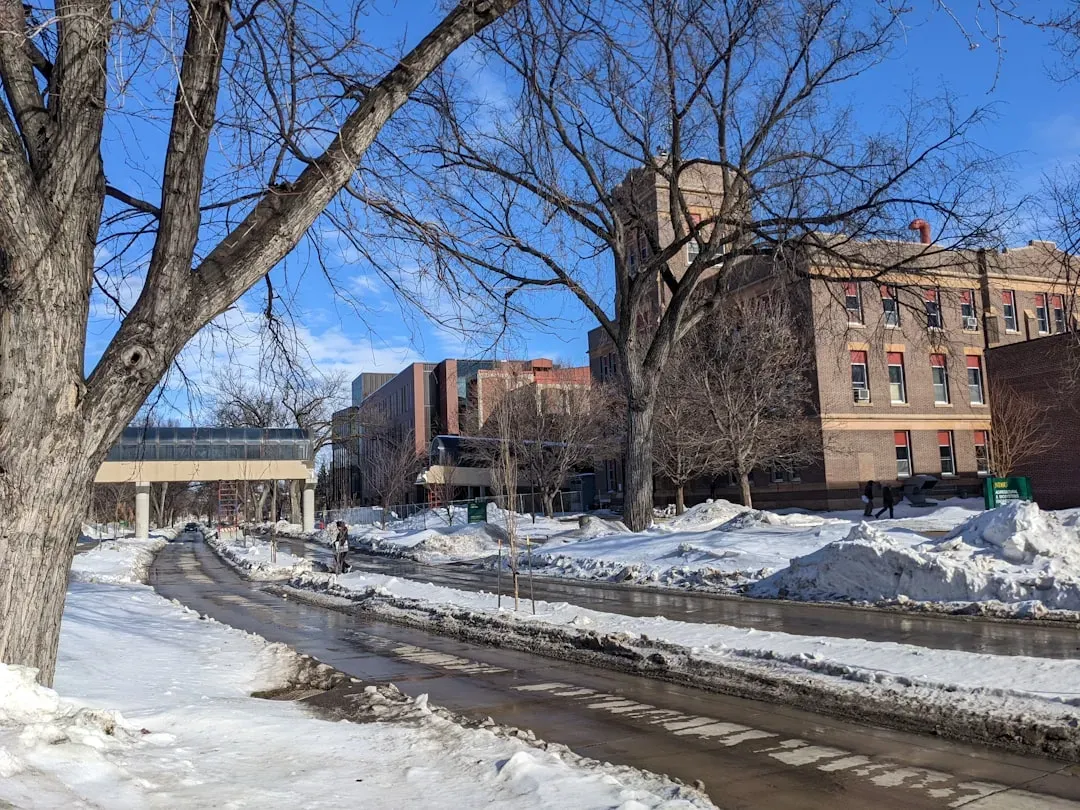
Fargo sits in the heart of the Upper Midwest, a region that climate researchers have flagged repeatedly as ground zero for winter warming. Average winter temperatures in Fargo are 5.9 degrees warmer now than they were in 1970, putting it near the top of the national list alongside its Minnesota neighbors.
The region’s warming has been tied specifically to vanishing snow cover, which normally reflects sunlight and keeps the ground cold through late winter. Without that reflective blanket sticking around as long, the ground and air above it warm up faster, creating a feedback loop that accelerates the trend. It’s a pattern local meteorologists have watched intensify decade after decade.
4. Duluth, Minnesota
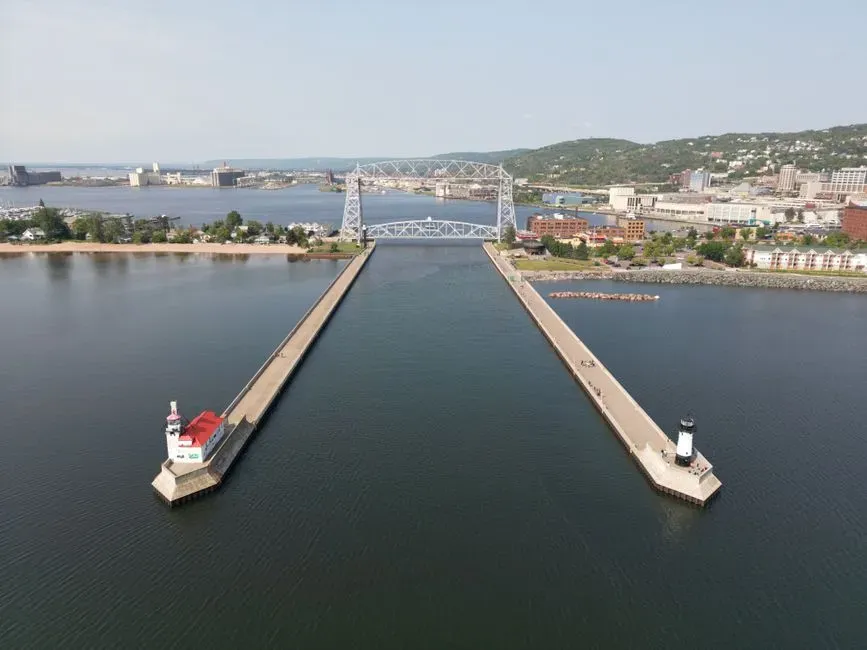
Perched on the shore of Lake Superior, Duluth has long marketed itself as a cold-weather destination, home to dog sledding, ice fishing, and brutal wind chills off the big lake. That identity has had to adjust somewhat, since Duluth has registered 5.8 degrees warmer winters compared to 1970.
The change is visible on the water too. Average lake ice duration across Minnesota has decreased by more than 10 days over the last 50 years, and by 10 to 22 days over the last century. For a city built around winter recreation and Great Lakes shipping schedules tied to ice-out dates, that shift carries real economic weight, not just symbolic significance.
5. Waterloo, Iowa
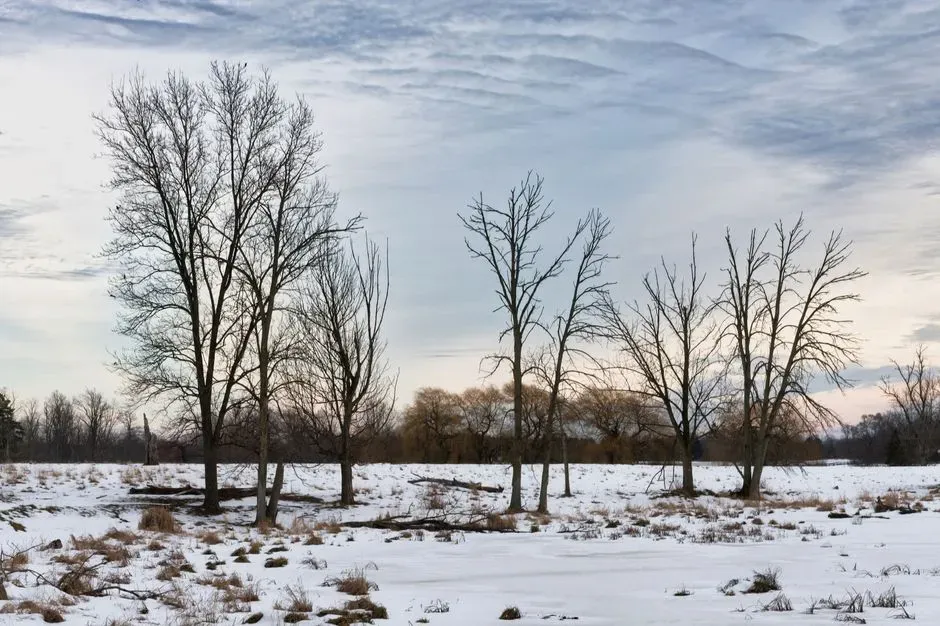
Iowa doesn’t always make the headlines when people talk about climate change, but its northeastern city of Waterloo has quietly recorded one of the steepest winter temperature increases in the country. Average winter temperatures in Waterloo are 5.9 degrees warmer than they were in 1970, matching Fargo’s dramatic rise.
That places Waterloo squarely in the band of cities across the Upper Midwest and northern Plains where the warming trend has been most pronounced. Farmers in the region have had to rethink planting schedules and livestock management as the frost-free season stretches longer each year. What was once a stable winter routine has become something that needs re-evaluating almost annually.
6. Detroit, Michigan
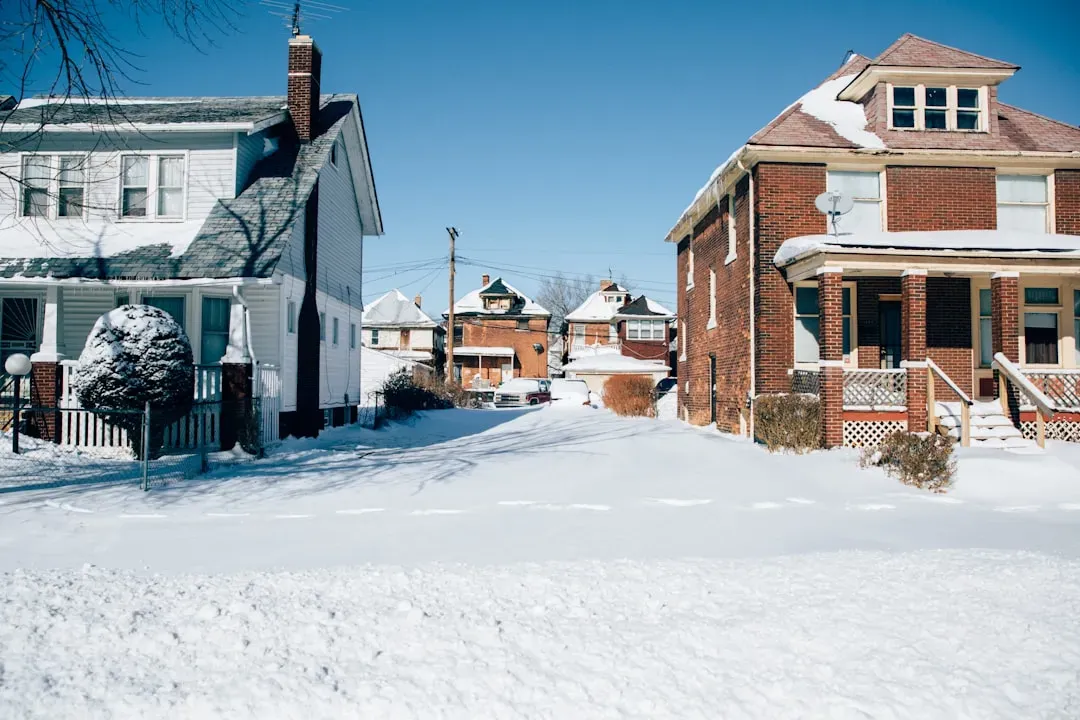
Detroit sits within the Great Lakes region, an area that climate trackers consistently flag as one of the fastest-warming parts of the country during winter months. Locations across the Northeast and the Great Lakes region have seen some of the highest rates of winter warming since 1970, and Detroit’s own station data reflects that broader regional pattern.
Local coverage of the Climate Central findings noted the shift plainly, describing how much warmer winters in the metro area have become compared to half a century ago. Lake-effect snow patterns have shifted too, with the Great Lakes freezing over less completely most years, which in turn changes how much moisture gets picked up and dumped as snow downwind. It’s a regional domino effect that touches everything from commuting conditions to home heating bills.
7. Anchorage, Alaska
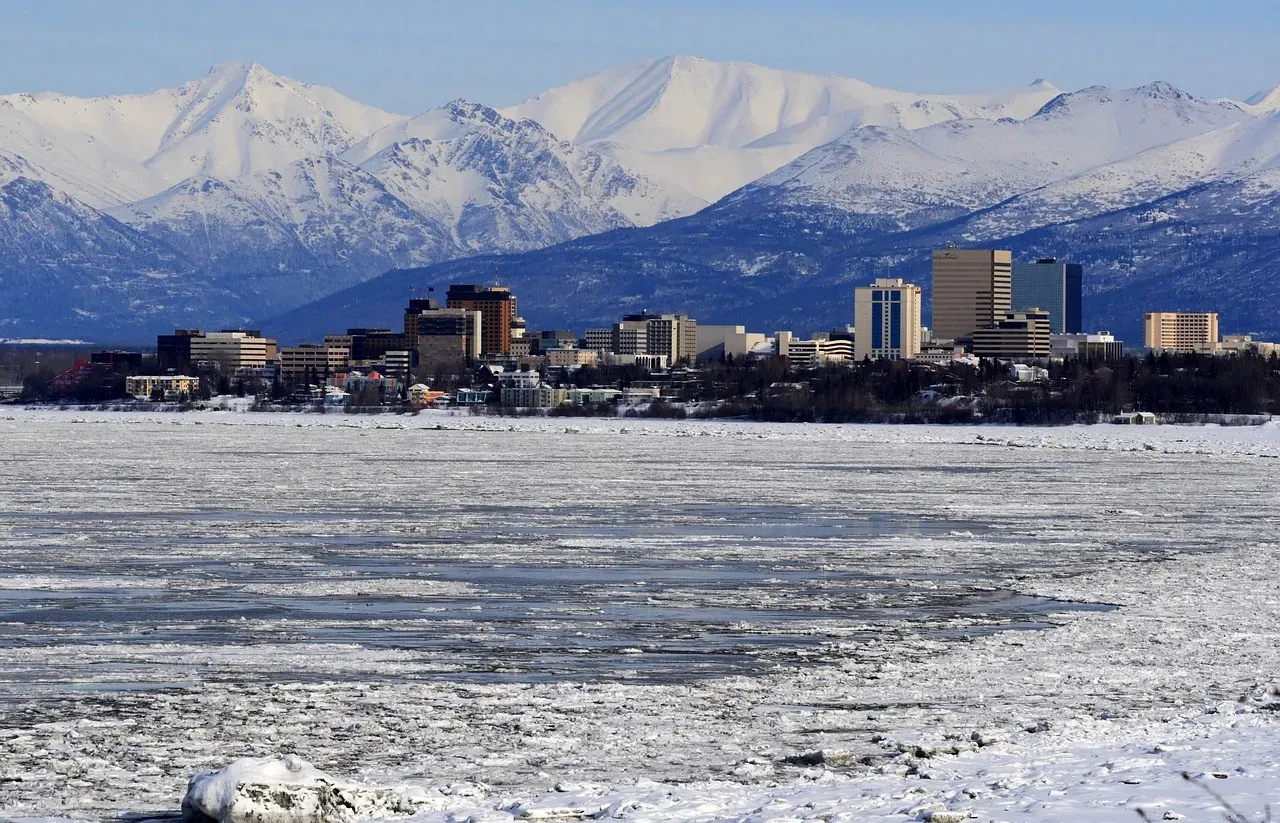
Alaska’s largest city presents one of the more counterintuitive stories on this list. Rather than losing snow, parts of the state have actually seen totals hold steady or even climb in certain years, largely because while two-thirds of continental U.S. weather stations see less snow than they did 50 years ago, a warmer Gulf of Alaska, with sea surface temperatures up 1 to 2 degrees Fahrenheit over the past 30 years, has been a major factor in the region’s snowfall patterns.
The warming itself is not in question. Increases in average annual temperatures since 1971 have ranged from 2.2°F in central Southeast Alaska to as much as 6.0°F on the North Slope. Anchorage’s winters have grown milder overall even as individual storms occasionally dump historic amounts of snow, a paradox that scientists attribute to warmer ocean water fueling stronger storm systems even as the baseline climate trends warmer.
8. San Francisco, California
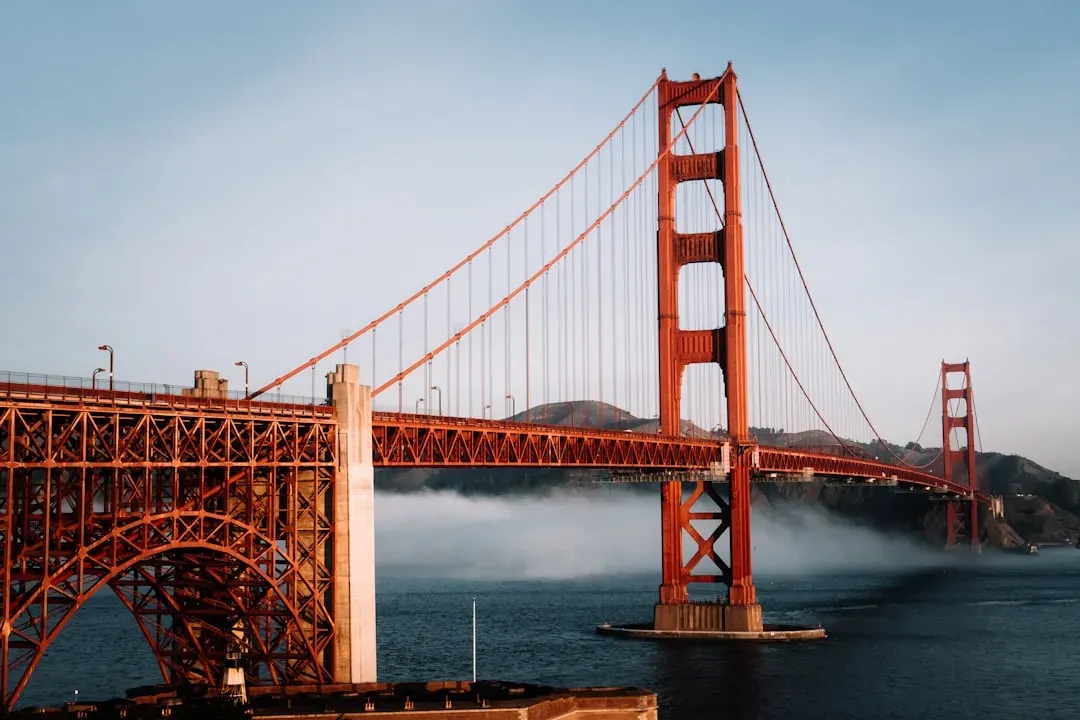
San Francisco rarely comes to mind when people picture dramatic winter change, since its temperate coastal climate never featured the deep freezes of the Midwest. Still, the shift has been measurable in a different way. San Francisco saw one of the largest increases in warmer-than-normal winter days since 1970, with 30 more such days now than in the early 1970s.
That statistic matters because California’s water supply depends heavily on winter precipitation patterns and mountain snowpack timing, both of which shift when winter temperatures creep upward. A warmer Bay Area winter also means fewer of the cool, foggy stretches that once defined the season locally, replaced instead by longer runs of unseasonably mild, dry days.
9. Fresno, California
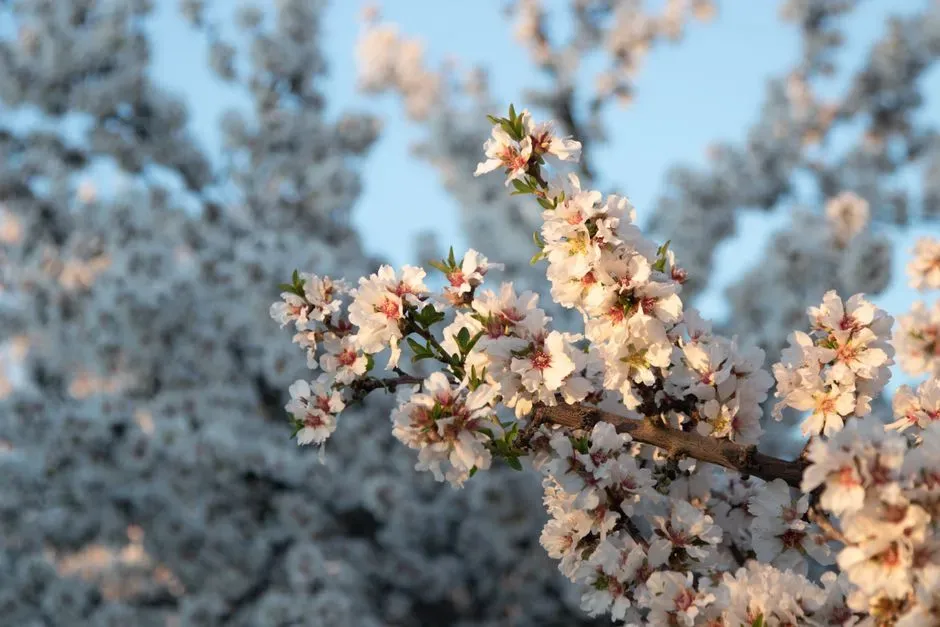
Central California’s Central Valley has its own distinct winter warming story, driven partly by the region’s reliance on the Sierra Nevada snowpack that feeds its agricultural water supply. Fresno recorded 30 more warmer-than-normal winter days compared to the early 1970s, placing it among the four cities nationwide with the largest jump in that measure.
For a region that produces a huge share of the nation’s fruits, nuts, and vegetables, shifting winter chill hours carry direct agricultural consequences. Many fruit and nut trees require a minimum number of cold hours each winter to produce properly the following season, and warmer winters threaten to push some crops out of their traditional growing zones over time.
10. Las Vegas, Nevada
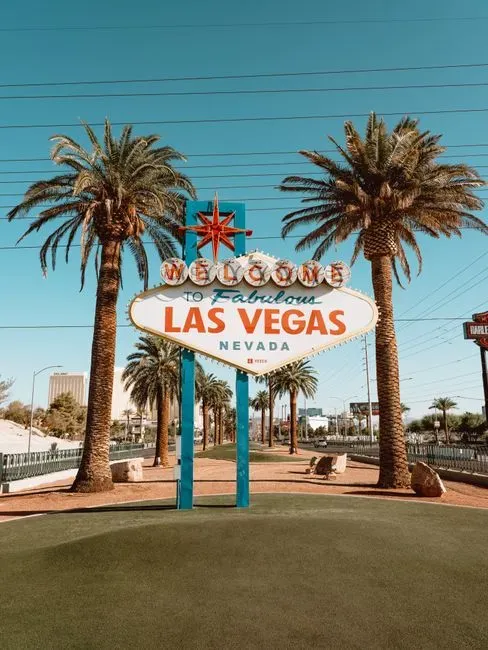
Las Vegas already sits in one of the hottest climates in the country, so it might seem like winter warming there would go unnoticed. The data says otherwise. Las Vegas topped the national list for the increase in warmer-than-normal winter days since 1970, gaining 32 more such days than it experienced in the early 1970s.
That’s the largest shift of any city Climate Central tracked, remarkable given how mild Las Vegas winters already were decades ago. The change has practical implications for the region’s already strained water resources, since a warmer Southwest winter typically means less snowpack accumulating in the mountains that feed the Colorado River system Las Vegas depends on.
11. Chicago, Illinois
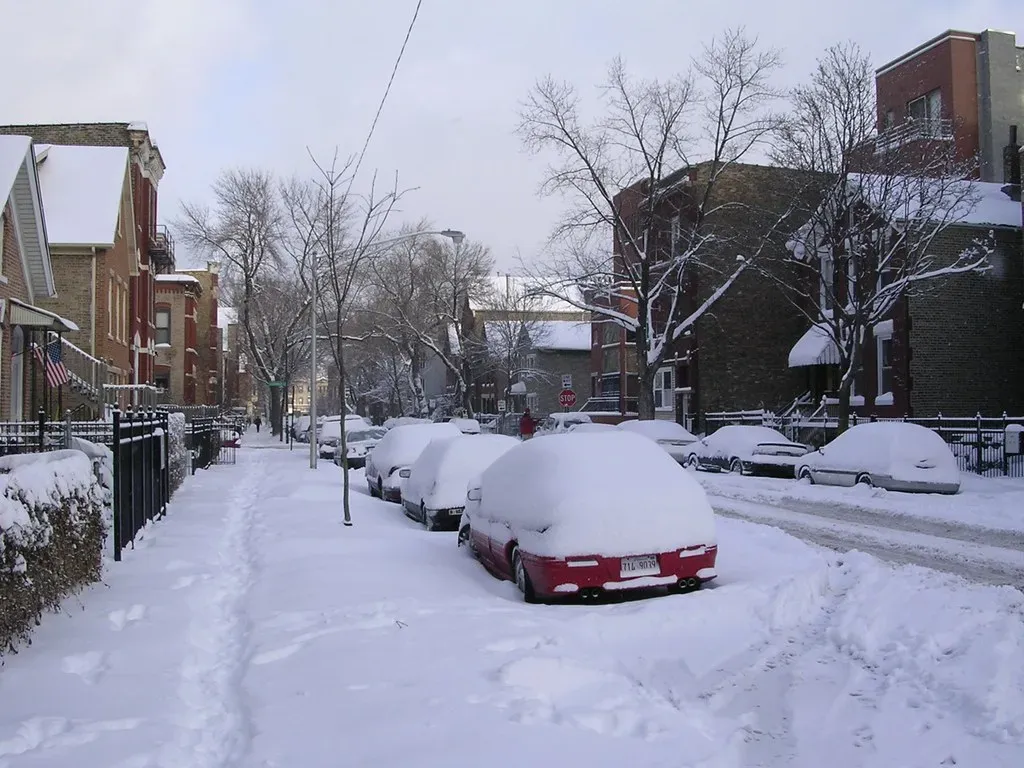
Chicago’s winters have long been part of the city’s mythology, defined by lake-effect snow, biting wind off Lake Michigan, and stretches of bitter cold that shaped everything from architecture to daily routines. The broader Great Lakes trend of accelerated winter warming applies directly here, with the Northeast and Great Lakes region among the areas seeing some of the highest rates of winter warming since 1970.
Chicagoans have noticed fewer of the extended deep freezes that once defined a typical January, replaced by more frequent thaws and rain events mixed into the winter season. Lake Michigan itself now freezes over completely far less often than it once did most winters, a visible marker of the broader regional pattern playing out along the entire Great Lakes basin.
12. Boston, Massachusetts
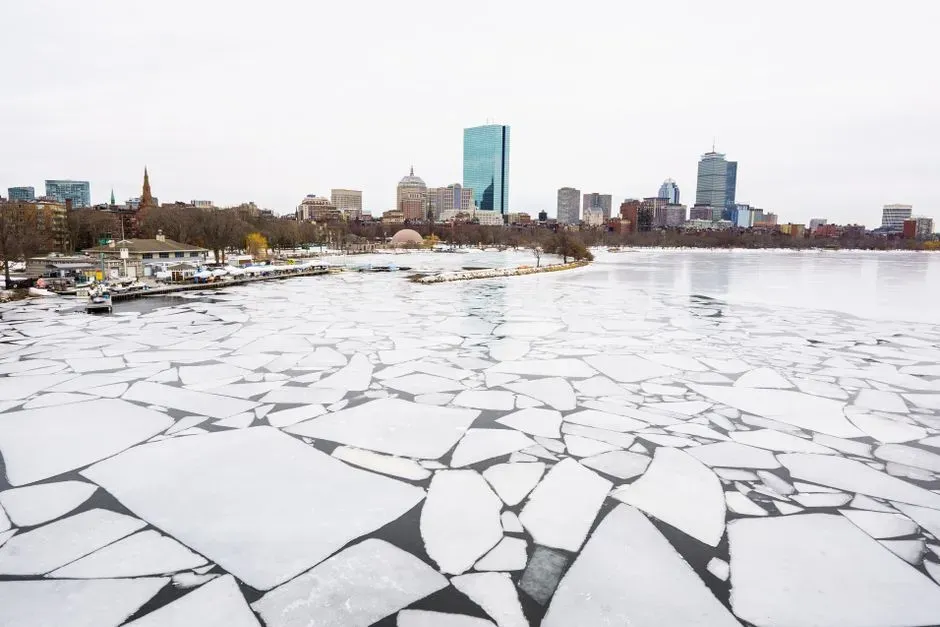
New England’s largest city sits within a region that Climate Central specifically identified as warming fastest during winter months nationwide. The rise in warmer-than-normal winter days was largest among cities in the Northeast and Upper Midwest, both averaging 16 more such days now than in the early 1970s.
Boston’s harbor and surrounding waterways reflect the shift too, with ice forming later and clearing earlier than older residents recall from decades past. First freeze dates have also crept later across the broader Northeast, part of a pattern where the first freeze now arrives later in 88% of cities analyzed, roughly 12 days later on average than in the early 1970s. For a city whose winters once defined New England’s rugged reputation, that slow creep toward milder conditions marks a genuine departure from the historical baseline.
Taken together, these twelve cities tell a consistent story even though their local details differ wildly, from Nevada desert heat to Alaskan coastal storms. The most rapid warming in the U.S. has generally occurred when and where it’s coldest, including at night, in northern parts of the country, and winter itself is now the fastest warming season for the majority of U.S. locations studied. Whether that shows up as fewer extreme cold snaps, shorter lake-ice seasons, or simply more days that feel unseasonably mild, the underlying trend across the past half century points in the same direction almost everywhere researchers have looked.