

- 9 Communities Using Nature to Reduce Climate Risks - August 26, 2026
- The U.S. City Where Summer Nights Cool Down the Fastest - August 25, 2026
- The 7 U.S. Cities Most Vulnerable to Flash Flooding - August 25, 2026
Concrete seawalls and steel flood gates still dominate how most people picture climate defense. Yet in coastal towns, river valleys, and dense city blocks around the world, a quieter strategy has been gaining ground: letting ecosystems do the heavy lifting instead of, or alongside, engineered infrastructure.
From reef insurance policies in the Caribbean to beavers rebuilding wetlands in English river catchments, these projects share a common thread. They treat healthy ecosystems not as a nice-to-have but as working infrastructure, something that can be measured, funded, and maintained like a bridge or a drainage system. Here are nine communities putting that idea into practice.
San Juan, Puerto Rico: turning coral reefs into legal infrastructure
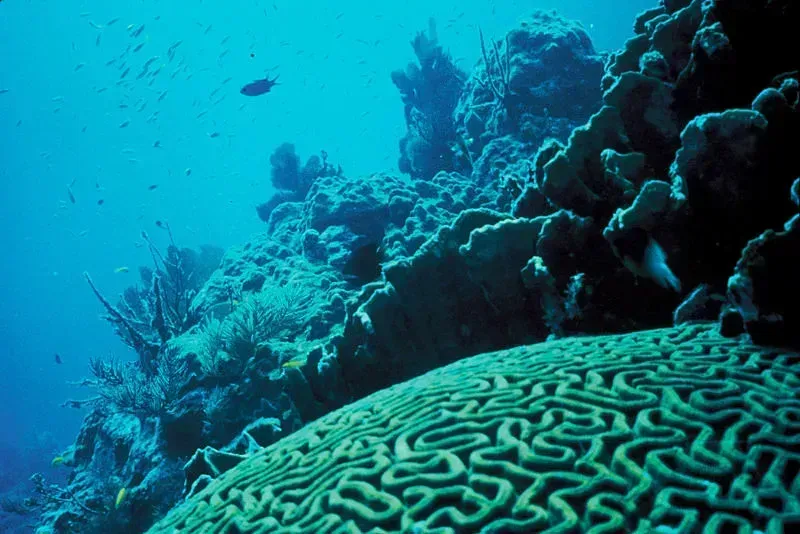
In 2020, Puerto Rico became the first U.S. jurisdiction to make a formal legal move that most places still treat as symbolic. The Commonwealth declared coral reefs as an essential structure for the protection of the coasts of Puerto Rico and their inherent relationship in the conservation of beaches and other elements of nature. That single legislative act reclassified a living reef system as something closer to a seawall in the eyes of federal funders.
The practical payoff has been real money. Since its passage, Puerto Rico has secured millions of dollars in federal hazard mitigation FEMA funding that was otherwise inaccessible without this unique qualifier of essential infrastructure. The reefs ringing San Juan aren’t decorative. In the U.S., reefs protect over 18,000 people and 1.8 billion dollars in assets from flooding each year. Hawaii, the U.S. Virgin Islands, American Samoa, and the Mariana Islands have since copied the approach.
Grenada and Saint Lucia: insuring the reef itself
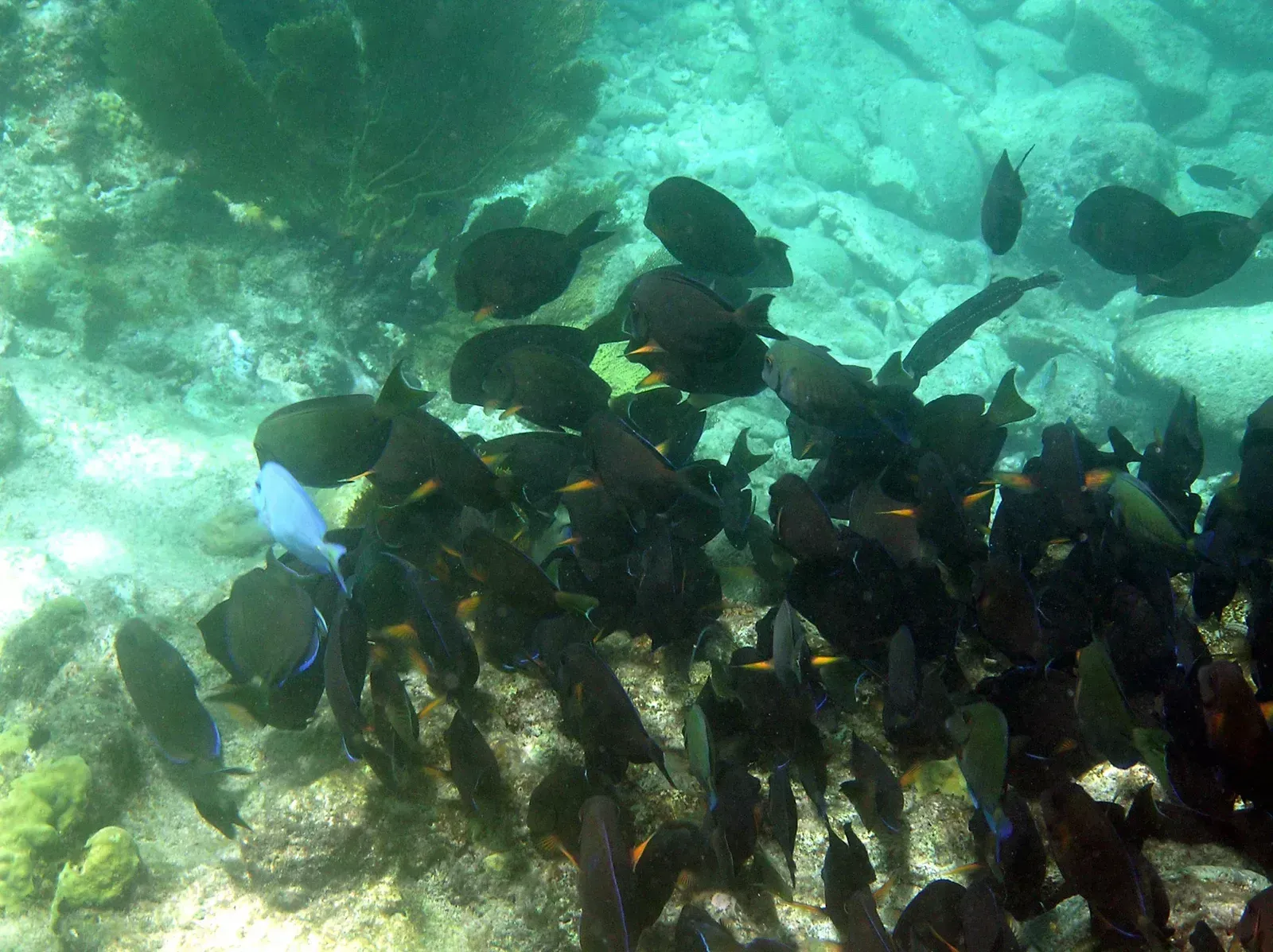
Two small island nations in the eastern Caribbean tried something financial institutions rarely attempt: writing an insurance policy for a coral reef. The ecosystem livelihoods insurance, launched in 2019 by the Caribbean Ocean and Aquaculture Sustainability faciliTy initiative, offers 3-year policies in Grenada and Saint Lucia. Payouts trigger automatically once wind speeds or wave heights cross a set threshold, rather than waiting on lengthy damage assessments.
That speed matters more than it sounds. Reef damage after a hurricane compounds quickly, since broken coral stops protecting the shoreline right when storm surge risk is highest. Fast payouts fund emergency reef repair crews within weeks instead of months, keeping the natural barrier intact for the next storm season. The model has drawn interest from Fiji and other island nations facing similar exposure.
Devon, England: beavers as unpaid flood engineers

Along the River Otter in Devon, a five-year trial quietly reshaped British attitudes toward one of the country’s most maligned rodents. The Wildlife Trusts, which played a key role in Scotland’s first legal reintroductions in 2009, have also led projects in England, including the five-year River Otter Beaver Trial. The University of Exeter tracked the results for over a decade, watching what happened when beavers were simply left to build.
Their dams slow water down during heavy rain and release it gradually during dry spells, smoothing out both flood peaks and drought stress. According to government data, only 14 percent of rivers in the UK are in good ecological condition, which is part of why the beaver’s engineering work is being taken seriously rather than dismissed as a nuisance. In February 2025, the government formally opened the door to wider licensed releases across English river catchments.
Sheffield, England: paying to find out what beavers could do

Not every community waited for national policy to catch up. Sheffield City Council was recently awarded 96,725 pounds to look at the possibility of reintroducing beavers into Sheffield or surrounding areas. The funding came through the Yorkshire Regional Flood and Coastal Committee, a sign that flood authorities themselves see potential value here.
The funded feasibility study is now investigating how beaver engineering, such as the building of dams, could benefit South Yorkshire by improving water quality and reducing flooding by slowing the flow of water at peak times. It’s a modest, cautious step compared to full wild releases elsewhere, but that caution is deliberate. Local authorities are working with Natural England and the Environment Agency before committing to anything permanent, testing the idea against a dense, flood-prone urban catchment rather than a rural valley.
Shanghai, China: rebuilding wetlands the city once paved over
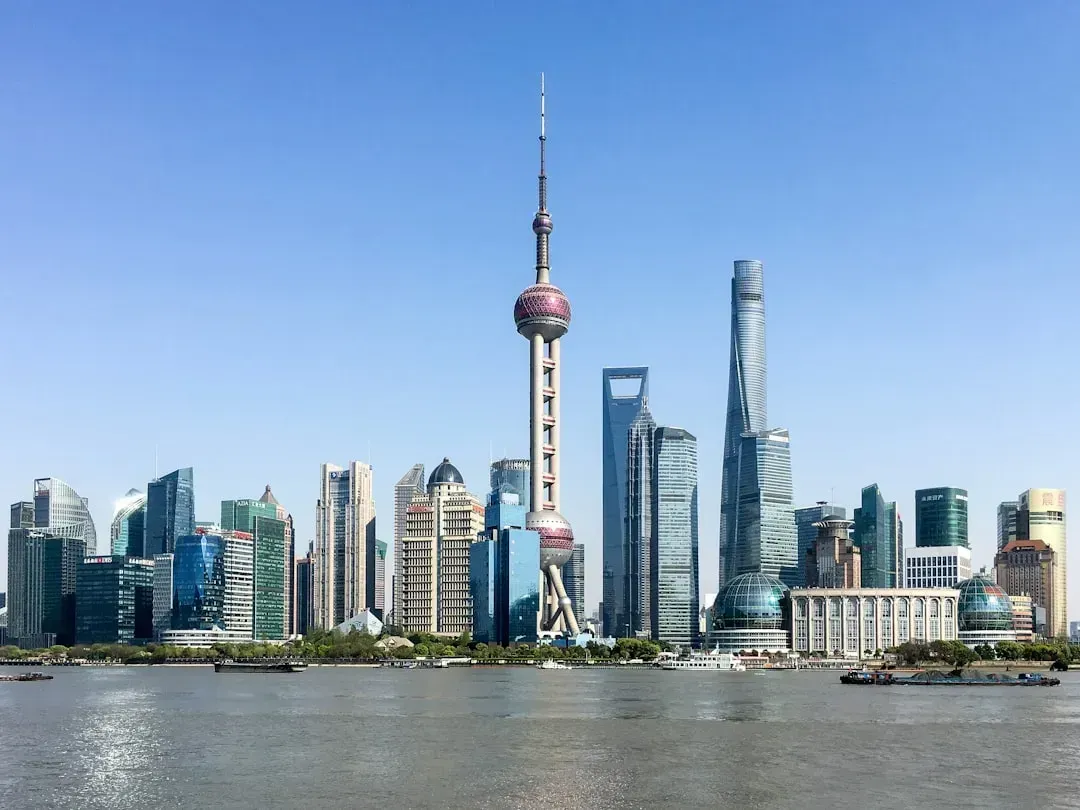
China’s sponge city program began in 2014 as a direct answer to a wetland crisis of the country’s own making. China has experienced large-scale rapid urbanization, resulting in the loss of nearly 53 percent of its wetlands over the past two decades, which may have contributed to exacerbating flood risks under climate change. Shanghai has since set some of the most ambitious targets in the program.
As part of the program, Shanghai updated its urban planning in July 2024 to cover 40 percent of the city into a sponge mode by 2025 and 80 percent by 2030. The idea, at its simplest, is to let rain soak into soil and wetland rather than rushing straight into overloaded drains. Critics note the program has leaned heavily on pavement and pipe upgrades rather than genuine wetland restoration, but the wetland-focused pilot zones remain the part of the plan drawing the most attention from urban planners abroad.
Wuhan, China: proving the cheaper option can also work better
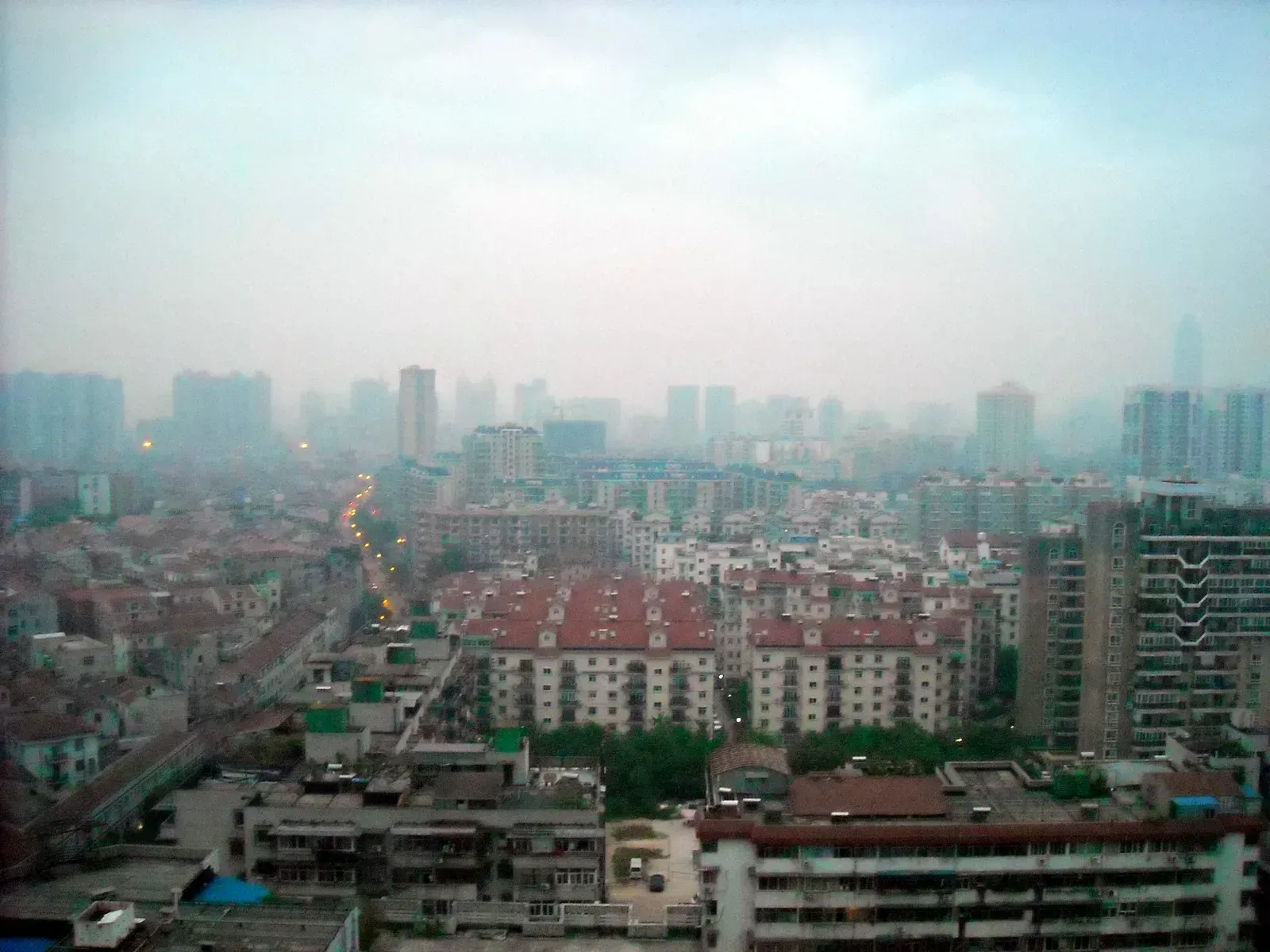
Wuhan offers one of the clearest cost comparisons available for nature-based flood defense anywhere in the world. Researchers directly compared the city’s sponge infrastructure investment against a conventional engineered alternative designed to achieve the same level of flood resistance. Wuhan’s Sponge City project turned out to be more than 4 billion Chinese yuan less expensive than a proposed alternative option to enhancing the city’s resistance to flooding.
That gap is not a rounding error. It reflects a broader pattern researchers have found across multiple sponge city pilots, where green and hybrid approaches to stormwater management outperform pure grey infrastructure on cost once flood damages are factored in over time. Xiamen has produced similar findings in separate economic assessments of its own sponge city investments.
Mangrove-restoring fishing communities of Latin America and the Caribbean
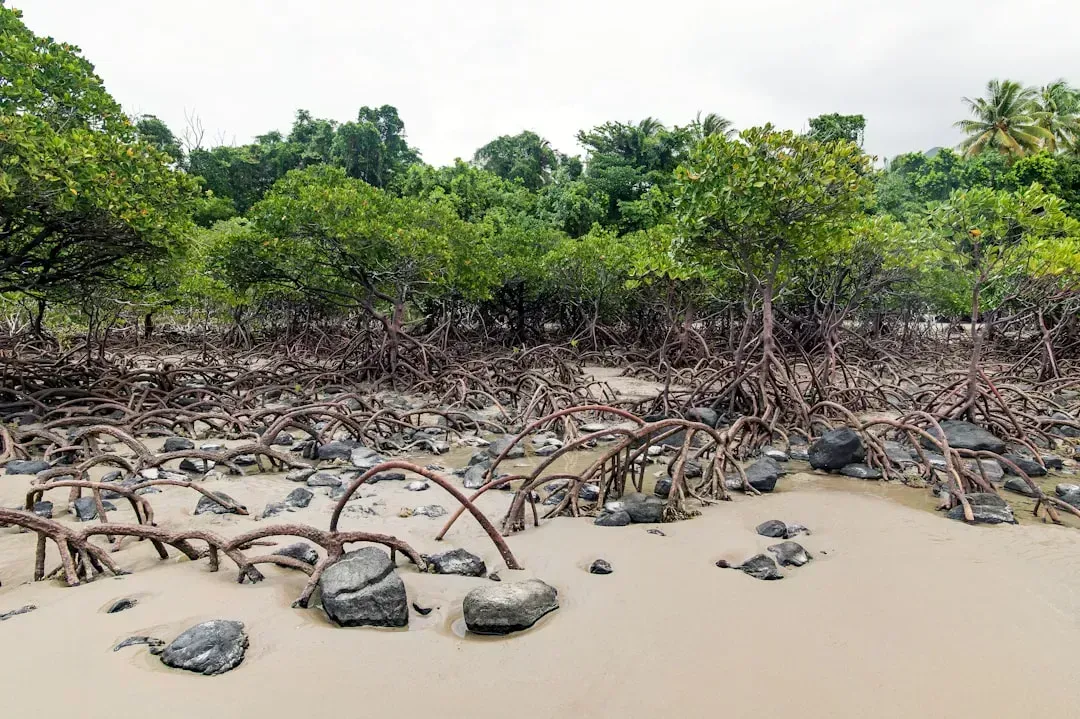
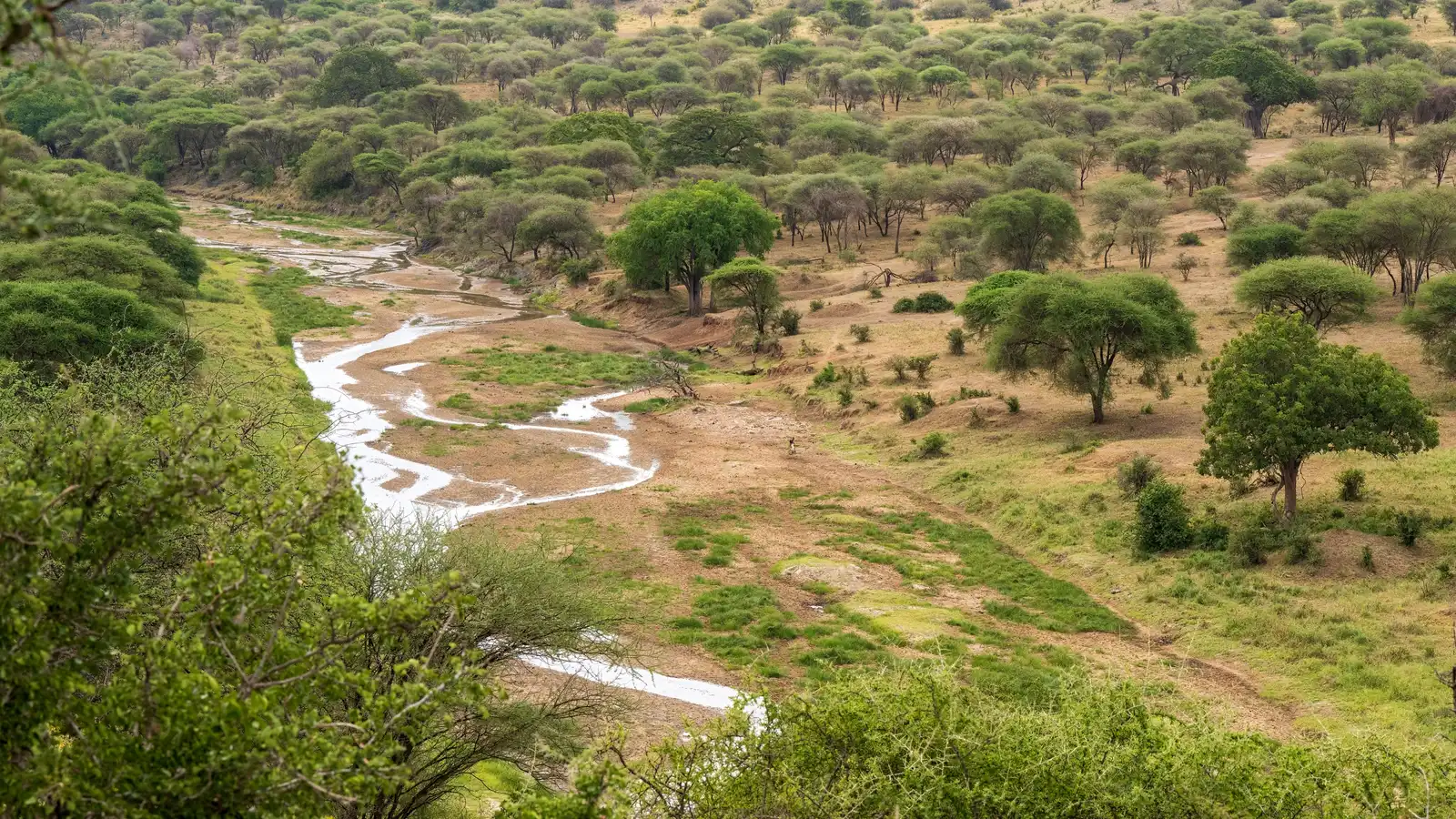
Long before governments started writing sponge city policies, small fishing villages were already replanting mangroves by hand, largely because their livelihoods depended on it. Research compiled by the World Resources Institute captured how residents themselves assess the payoff. Researchers found that 63 percent of respondents believe that restored mangroves protected them from hurricanes, floods and high winds, reducing the economic and social impact of hydrometeorological phenomena.
The benefits extend well past storm protection. Mangrove restoration not only has the potential to protect communities from extreme climate events, but it can also revitalize ecosystems, generate sustainable employment and strengthen social cohesion. Communities restoring dried-up mangrove channels have watched fish, birds, and reptiles return to habitats that had been silting up for years, tying environmental recovery directly to food security.
Rural Tanzania: nature-based work as a safety net
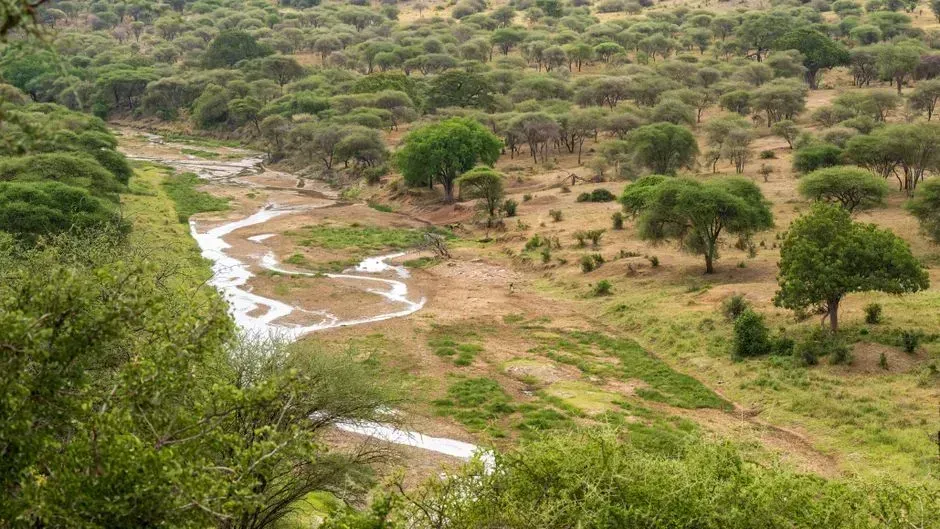
In parts of rural Tanzania, nature-based solutions have become something closer to a seasonal employment program than a purely environmental one. Restoration projects funded through World Bank-backed initiatives hire local labor to plant, maintain, and monitor natural flood and erosion defenses. This work has provided temporary employment that has benefited 745,000 households in Tanzania during lean seasons between 2017 and 2025.
That timing is deliberate. Lean seasons, the stretch between planting and harvest when household income typically dries up, are exactly when families are most vulnerable to shocks like drought or flooding. By paying people to do restoration work during those months, the program manages to reduce climate risk and cushion household income at the same time, rather than treating the two as separate problems.
Jamaica, the Philippines, and Vietnam: a shared disaster risk playbook
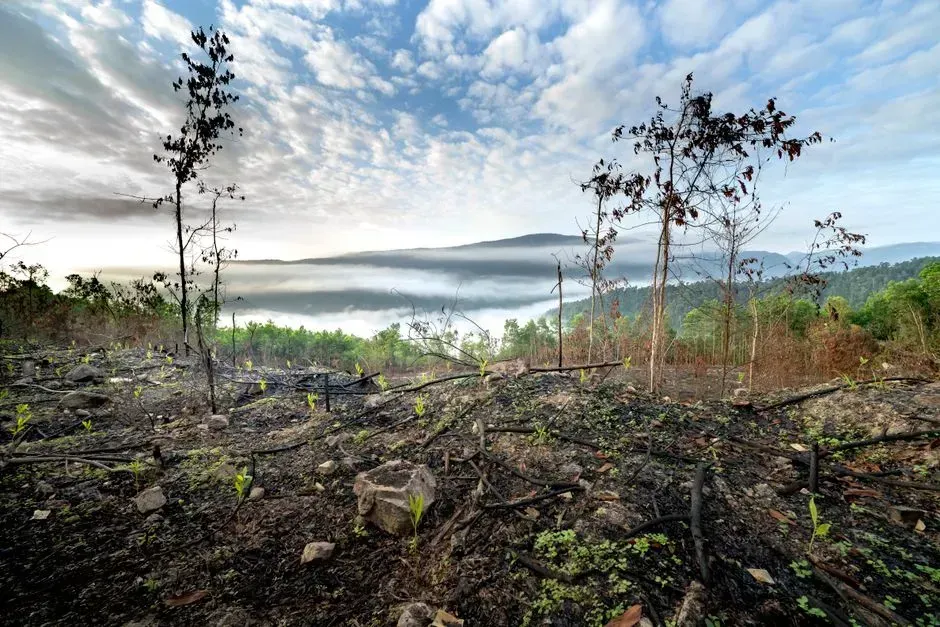
The International Federation of Red Cross and Red Crescent Societies has taken a multi-country approach, applying similar nature-based principles across three very different coastlines. The organization is working with communities in Jamaica, the Philippines, and Viet Nam to design and deliver disaster risk reduction projects involving nature-based solutions. Each country faces its own mix of hazards, from typhoons in the Philippines to hurricane exposure in Jamaica.
What ties the projects together is a shared toolkit. These efforts include protecting and restoring forests, the protection of mangroves and coral reefs, the conservation and restoration of wetlands, and the creation of urban green spaces. The Red Cross network’s stated ambition is to have 100 national societies running nature-based projects by 2025, using lessons from these three countries as a template for others.
None of these nine efforts claims that nature alone can replace every flood wall or drainage pipe. What they show instead is a shift in how risk gets priced and planned for, with reefs, wetlands, and beaver dams increasingly treated as infrastructure worth funding, insuring, and maintaining rather than scenery to protect after the fact.
