

- Top 10 Countries Driving the Future of AI and Robotics - September 18, 2026
- Solo Stargazing, Simplified: 10 Best Places to Go Alone - September 18, 2026
- 2026 Climate Tech Trends: Where Investment Is Going Now - September 18, 2026
Curious about the species teetering closest to the edge right now, I turned to Claude for insights drawn from the latest conservation data. The conversation highlighted how human pressures continue to push certain animals and plants toward irreversible loss in the coming years.
Claude pointed to the IUCN Red List as the key reference, noting that over ten thousand species sit in the critically endangered category as of recent assessments. Many face such small populations or rapid declines that experts see real extinction risks materializing within this decade without stronger intervention.
The Vaquita’s Shrinking Gulf Habitat
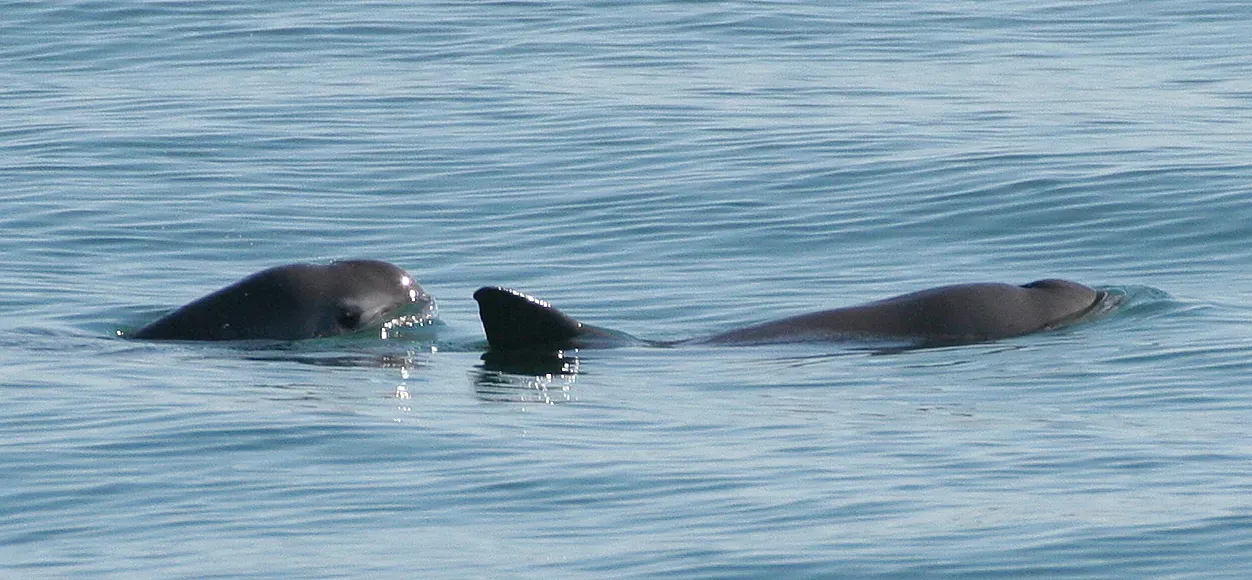
The vaquita, a small porpoise found only in Mexico’s northern Gulf of California, stands out as one of the most imperiled marine mammals. Its population has fallen to roughly a handful of individuals according to recent surveys, driven mainly by entanglement in illegal fishing gear targeting totoaba.
Conservation groups have tried acoustic monitoring and net removal efforts, yet the species remains on a trajectory that could lead to extinction in the wild very soon. The narrow range and low numbers leave little room for recovery if bycatch continues unchecked.
Tapanuli Orangutan Habitat Pressures
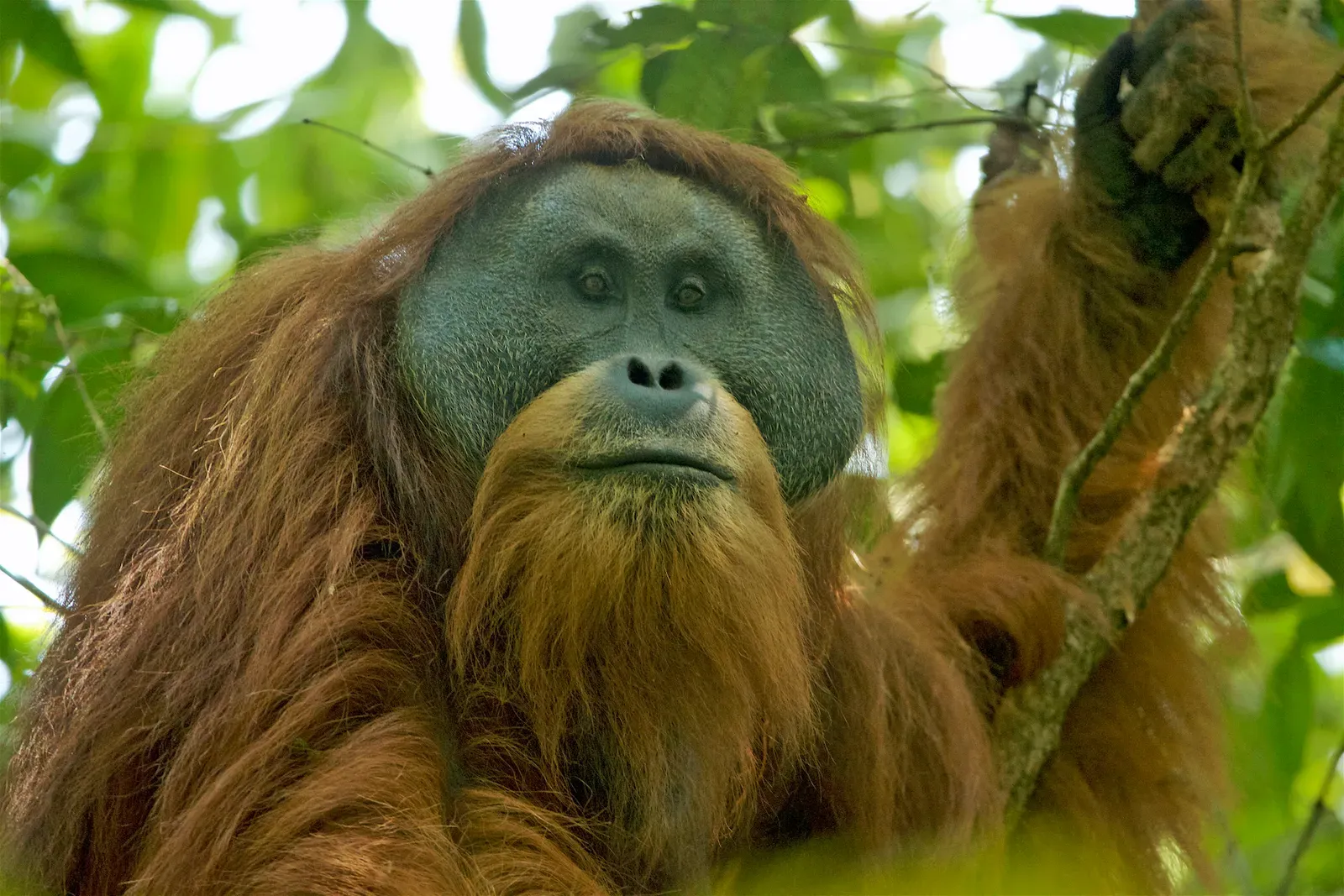
Discovered as a distinct species only recently, the Tapanuli orangutan clings to a tiny area of forest in Sumatra with estimates placing the wild population between five hundred and eight hundred animals. Deforestation for agriculture and infrastructure projects has fragmented its home and reduced numbers sharply in recent years.
Landslides and flooding linked to habitat loss have added further stress, pushing the species into the category of the world’s most endangered great ape. Without expanded protection for its remaining forest patches, survival through the decade looks uncertain.
Javan Rhinoceros Limited Range
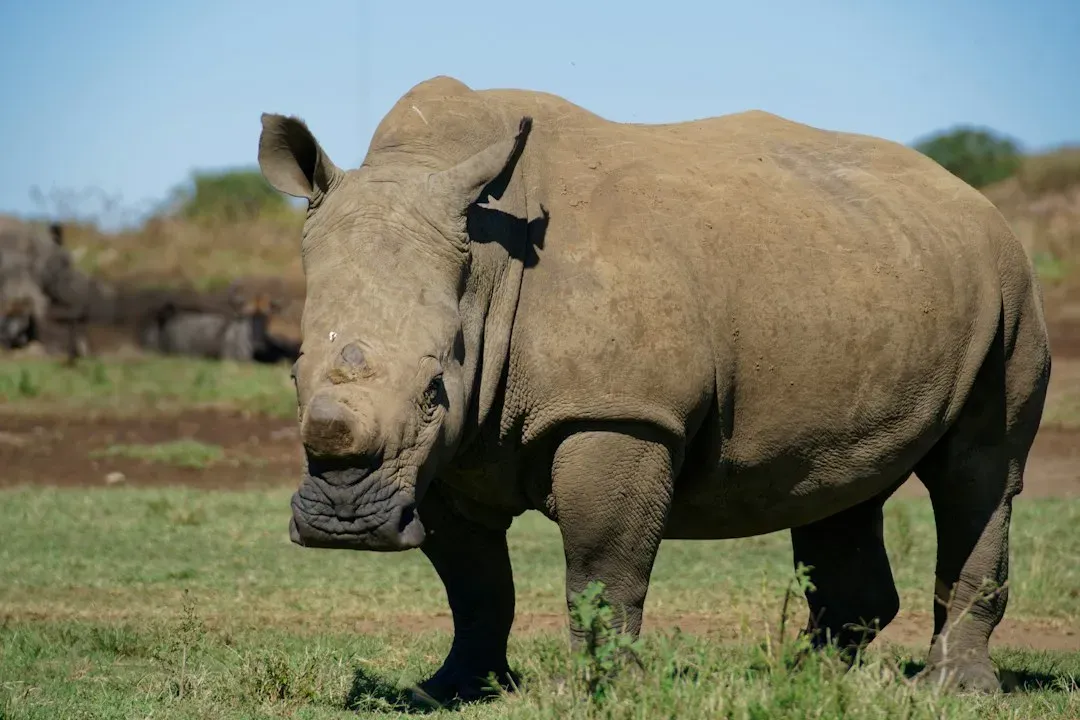
The Javan rhinoceros survives in a single protected area on the island of Java, with current counts hovering below eighty individuals. Poaching for its horn and ongoing habitat constraints keep the population under constant threat despite anti-poaching patrols.
Its extreme concentration in one location makes the species vulnerable to disease outbreaks or natural disasters that could wipe out a large portion at once. Ongoing monitoring shows slow but steady pressure that demands continued vigilance to avoid further drops.
Saola in Remote Mountain Forests
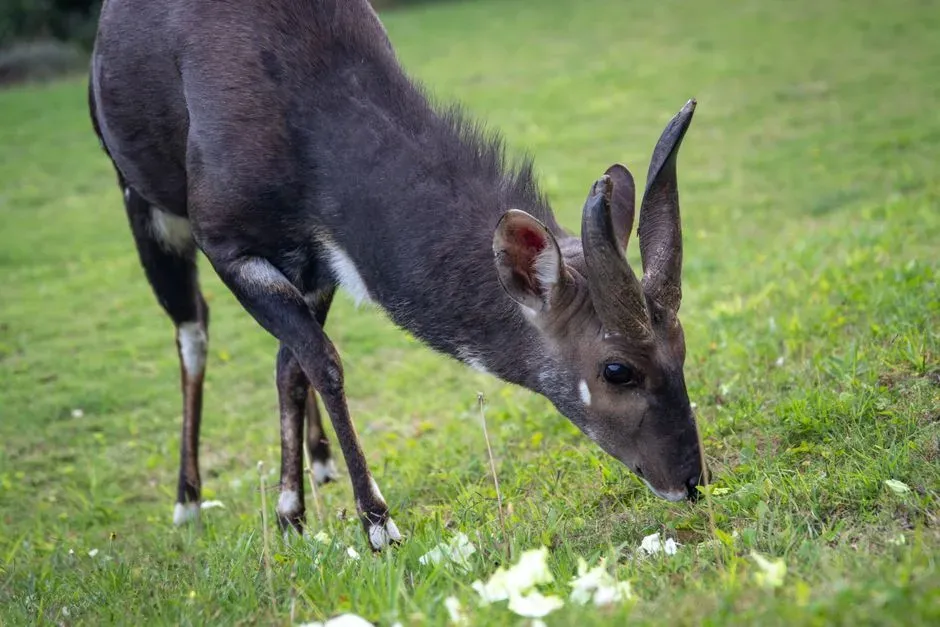
Known as the Asian unicorn, the saola inhabits the Annamite Mountains along the Vietnam-Laos border and numbers likely fall between fifty and a few hundred at most. Camera traps and local reports confirm its presence remains rare, with hunting and habitat disturbance as primary drivers of decline.
The animal’s elusive nature makes accurate population tracking difficult, yet every indication points to a species on the brink. Targeted anti-poaching work in key zones offers the best hope for keeping it from disappearing entirely in the near term.
Yangtze Giant Softshell Turtle Scarcity
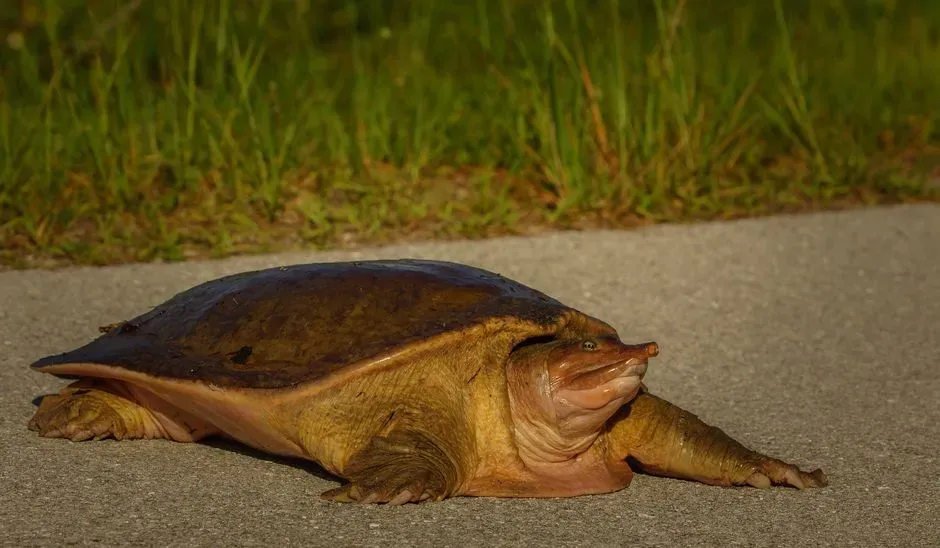
With only a few known living individuals left, the Yangtze giant softshell turtle faces one of the steepest odds among reptiles. Captive breeding attempts have met limited success, and wild sightings have become exceptionally uncommon in its native Chinese rivers.
Pollution, dam construction, and historical overharvesting reduced its numbers dramatically over recent decades. The species now depends heavily on intensive human management to have any chance of persisting beyond the current decade.
Reef-Building Corals Under Climate Strain
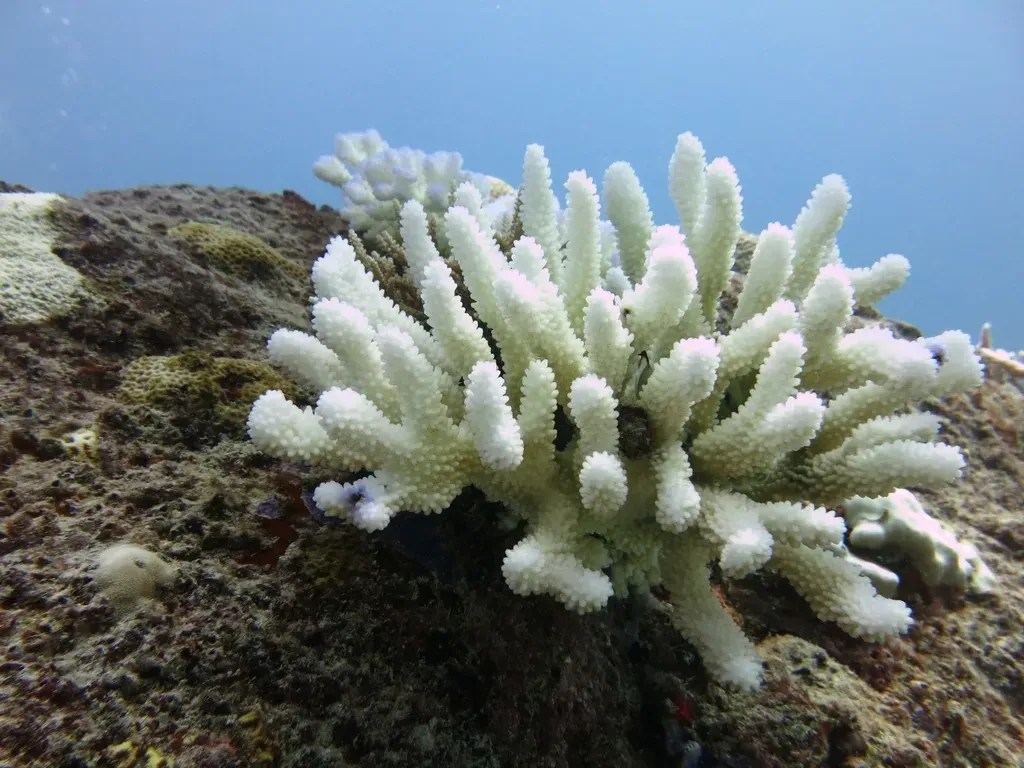
Recent global assessments show that forty-four percent of reef-building coral species now qualify as threatened, a sharp rise from earlier evaluations. Warming ocean temperatures trigger repeated bleaching events that kill colonies and shrink suitable habitat.
Pollution and destructive fishing practices compound the damage across both the Indo-Pacific and Atlantic regions. These foundational species support entire marine ecosystems, so their losses ripple outward to affect countless other organisms.
Amphibian Declines in Fragmented Landscapes
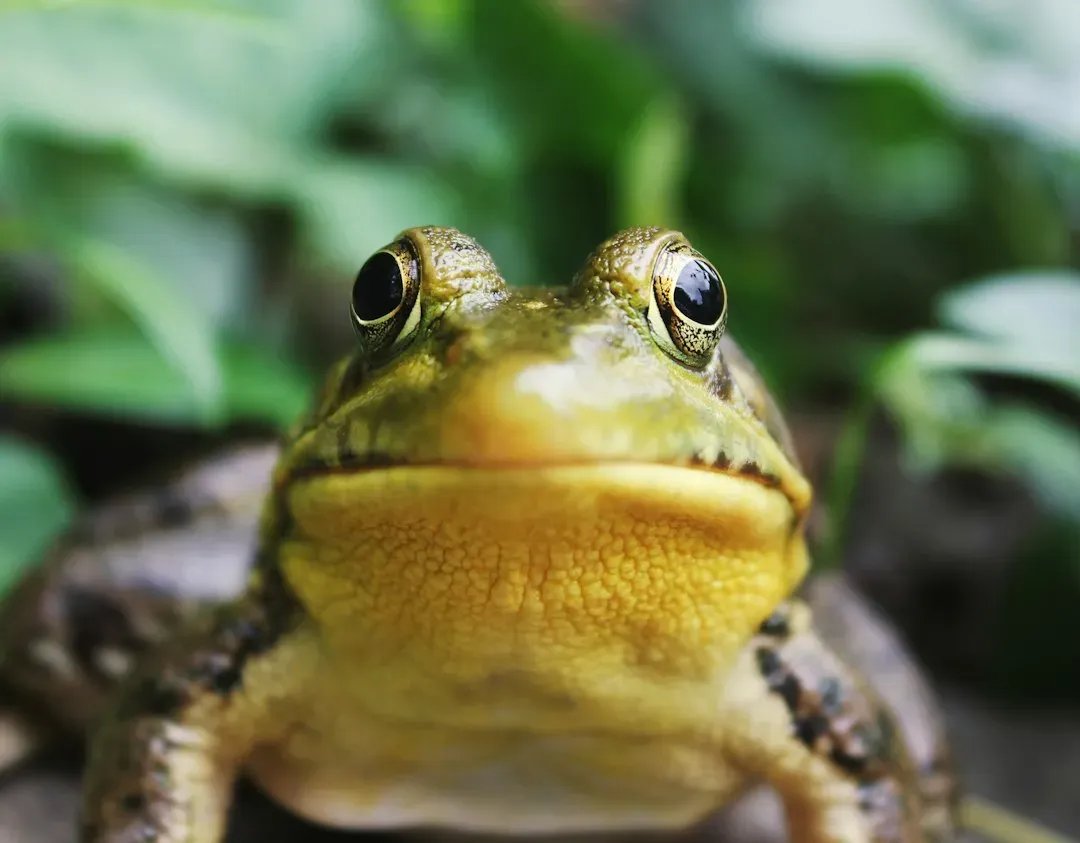
Amphibians rank among the most threatened vertebrate groups overall, with roughly forty-one percent of assessed species facing elevated extinction risk. Habitat loss, disease such as chytrid fungus, and climate shifts hit many populations hard in tropical and temperate zones alike.
Species like certain salamanders and frogs often occupy tiny ranges that leave them exposed when forests are cleared or water sources dry up. Coordinated captive breeding and habitat restoration programs have helped some groups stabilize, yet broader trends remain concerning.
Conservation Lessons From the Data
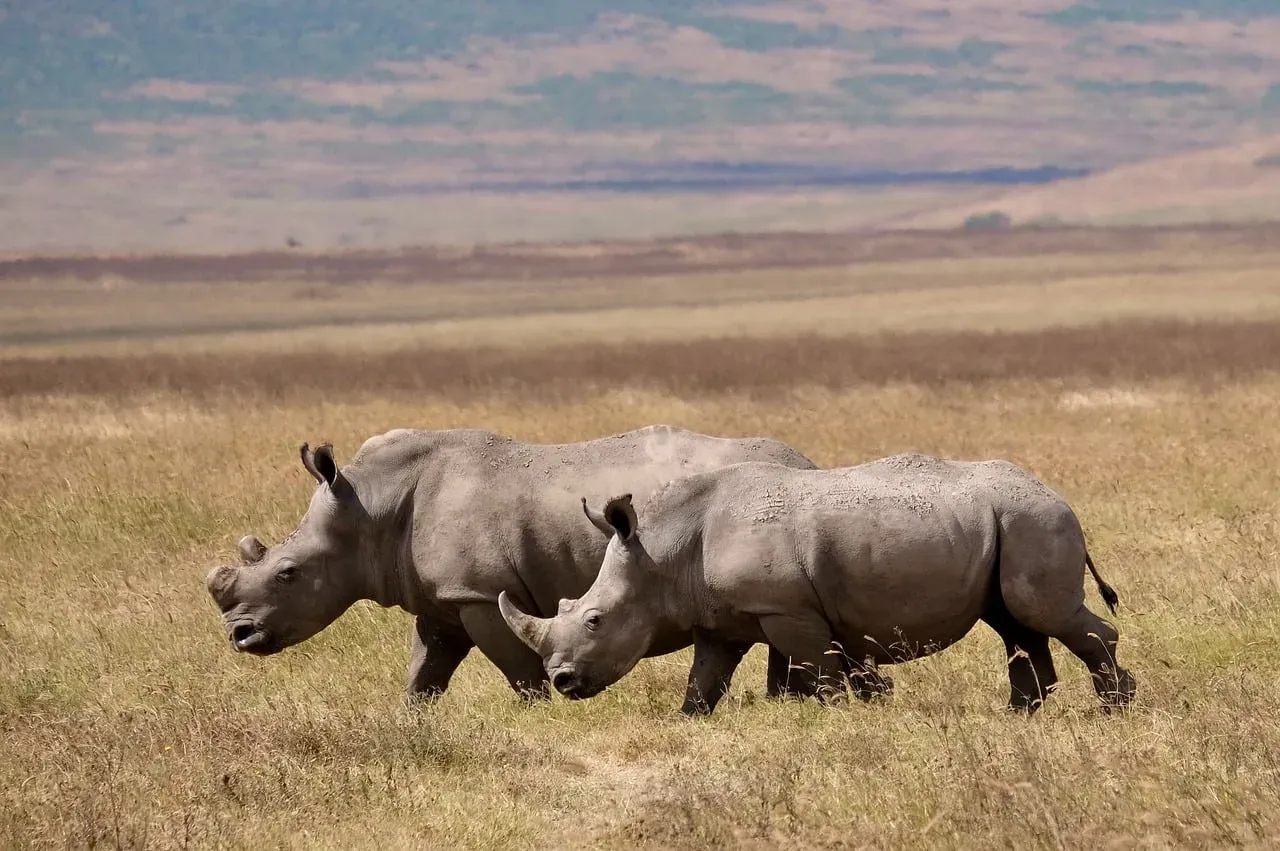
Claude emphasized that while the numbers look grim, documented successes show targeted actions can reduce extinction risk for many critically endangered species. Protected areas, species-specific interventions, and international cooperation have already turned around trajectories for select populations.
Still, gaps remain in coverage for plants and invertebrates that make up a large share of the critically endangered list. Sustained funding and policy support will determine how many of these species cross into the next decade intact.
Looking Ahead With Measured Hope
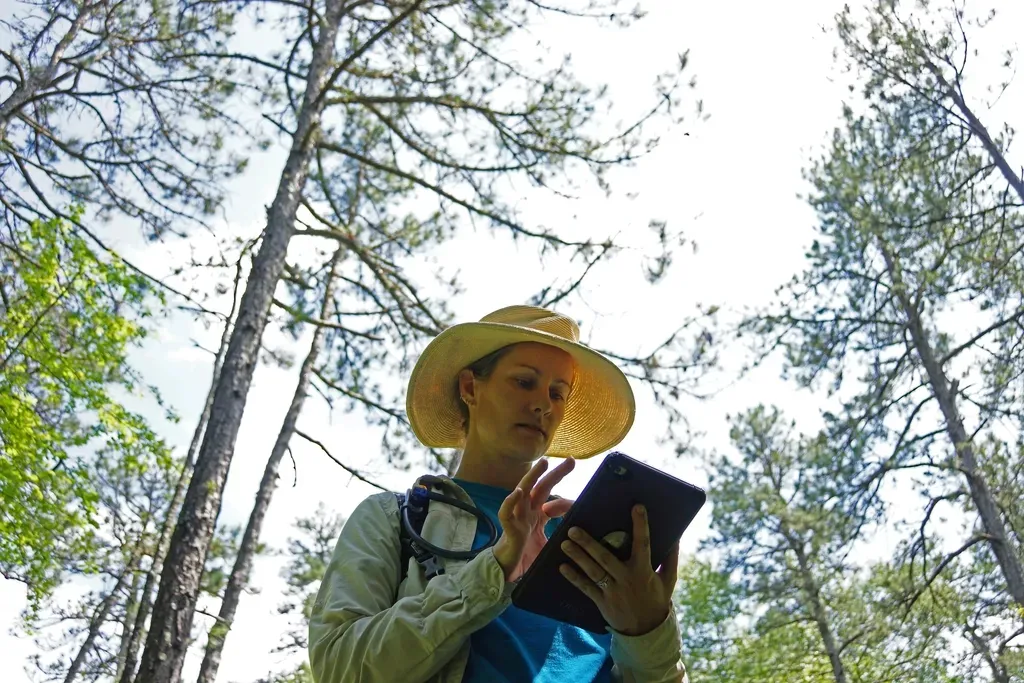
The species highlighted in this exchange represent just a fraction of those needing urgent attention, yet they illustrate the patterns of threat playing out worldwide. Small populations and concentrated ranges amplify vulnerability in the face of ongoing human activity.
Real progress hinges on translating awareness into consistent on-the-ground efforts that address root causes like habitat destruction and illegal trade. Every avoided loss adds to the collective resilience of global biodiversity.
