

- Top 10 Countries Driving the Future of AI and Robotics - September 18, 2026
- Solo Stargazing, Simplified: 10 Best Places to Go Alone - September 18, 2026
- 2026 Climate Tech Trends: Where Investment Is Going Now - September 18, 2026
The open ocean: statistically the safest spot on the planet
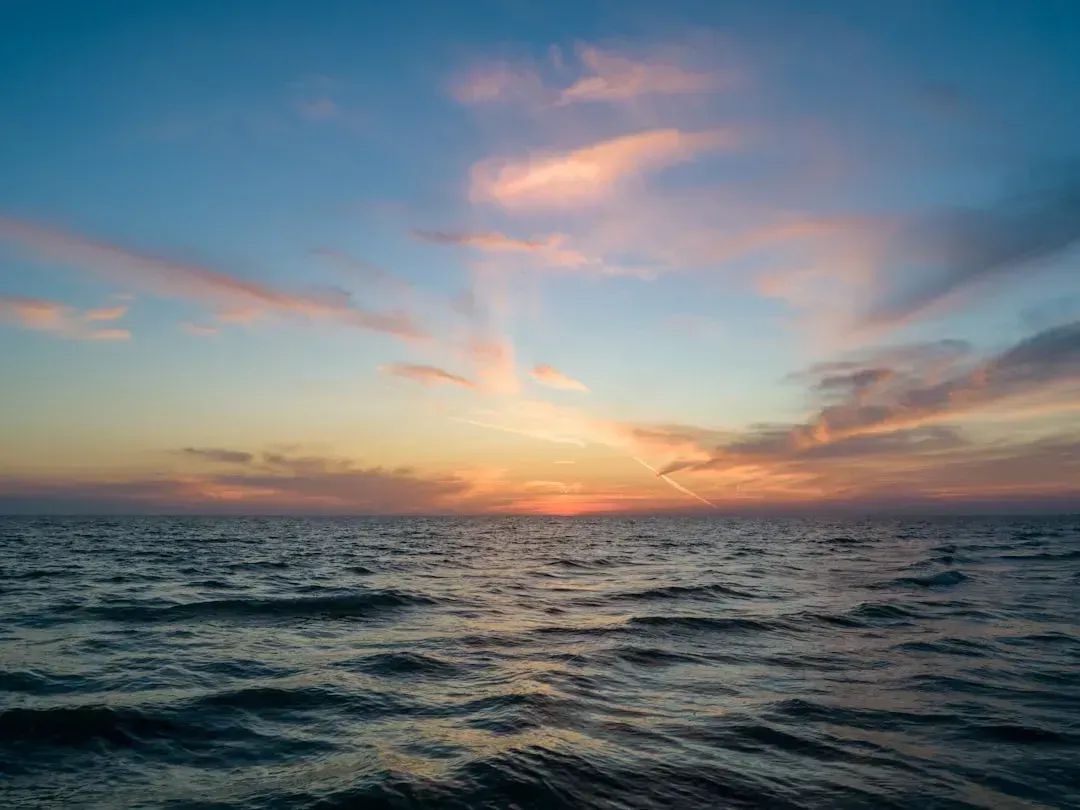
If you had to bet on the single safest place for a meteorite to land, the smart money is on water. Most meteorites fall into the ocean due to the fact that the world’s oceans cover 70% of the world’s surface. That simple geometry means the majority of space debris entering our atmosphere each year ends up sinking quietly to the seafloor, unnoticed and unrecovered.
There’s no drama here, no fireballs over cities, just rocks disappearing into deep water where they’ll likely never be found. There have been nearly 1,100 recovered falls and nearly 40,000 finds, and it’s estimated that probably 500 meteorites reach the surface of the Earth each year, but less than 10 are recovered. The ocean effectively absorbs the vast majority of that traffic without anyone noticing.
Antarctica: dangerous for meteorites, harmless for people
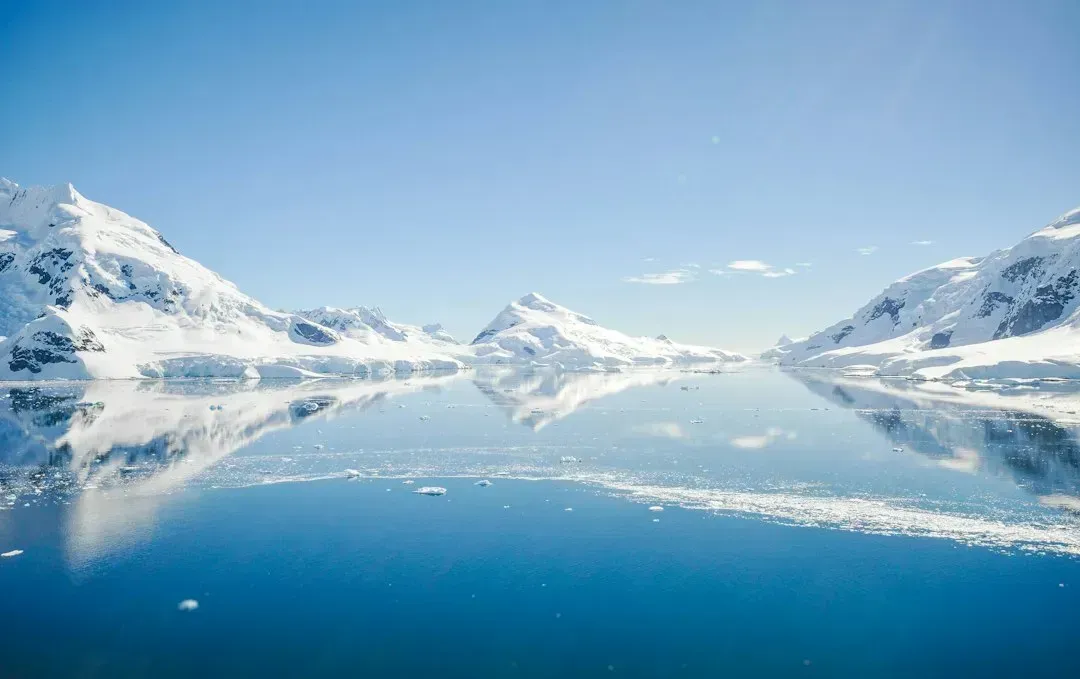
Antarctica sounds like it should be a meteorite hotspot, and in a sense it is, but not because more rocks fall there. Statistically, meteorites can land anywhere on Earth, and most fall into the ocean due to the fact that the world’s oceans cover 70% of the world’s surface. Antarctica just happens to be exceptional at preserving and revealing the ones that do land.
The arid and cold Antarctic environment helps to preserve these rocks, and the lack of other rocks combined with the contrast against ice makes spotting meteorites much easier. Since almost nobody lives there permanently, the continent is effectively one of the safest places for humans even though it’s a goldmine for scientists. Researchers estimate there might be as many as 300,000 more meteorites remaining to be discovered in Antarctica, with only about 15% recovered so far.
Remote deserts: nature’s meteorite storage lockers
Beyond Antarctica, the world’s great deserts, the Sahara, the Atacama, the Australian Outback, act almost like museums for fallen space rocks. Nearly all meteorites are found in deserts because they accumulate meteorites over thousands of years and then nothing much happens to the meteorite, and they’re easier to find there than in places with topography, vegetation, and other rocks. That preservation, though, doesn’t mean higher risk to anyone living nearby.
These regions are safe in the way that matters most: low population density. Roughly 2,200 meteorites have been found in Chile, mainly in the Atacama Desert. A meteorite landing in an empty stretch of sand a thousand kilometers from the nearest town is, practically speaking, a non-event, even if it makes for a great find decades later.
Siberia’s Tunguska region: the historical epicenter of risk
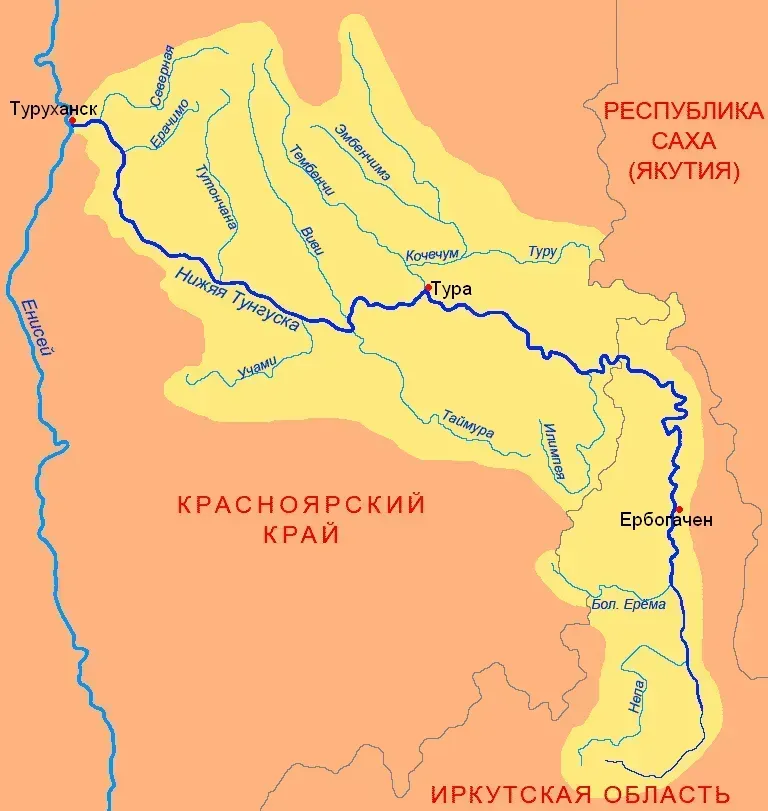
If there’s a single place that symbolizes the riskier end of the spectrum, it’s the Tunguska River basin in Siberia. The explosion of an asteroid near the Tunguska River in Siberia in 1908 had an estimated energy of 5 to 20 megatons of TNT, though only limited data exist because the event occurred over a very remote region. No one was killed only because the area was so sparsely populated.
Had the same object detonated over a city, the outcome would have been catastrophic. That single historical event is part of the reason scientists still watch this stretch of Russia and similar high-latitude continental zones with extra interest, since this condition is not restricted to those sites, and in the northern hemisphere Norway, Canada and Alaska are in continental areas with similar latitudes.
Chelyabinsk: proof that risk isn’t just theoretical
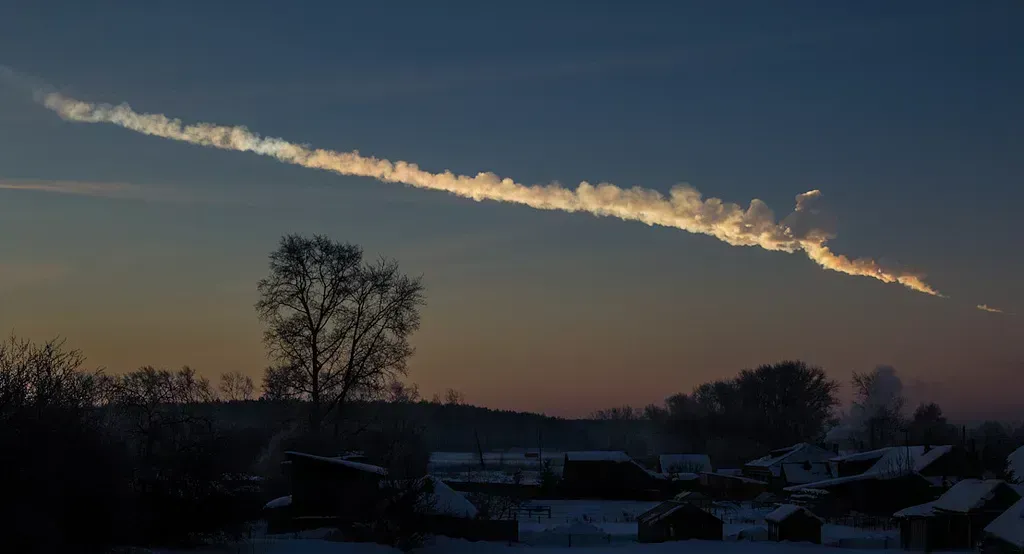
Tunguska was remote, but Chelyabinsk was not, and that’s what made the 2013 event so alarming. On 15 February 2013, the Russian district of Chelyabinsk, with a population of more than 1 million, suffered the impact and atmospheric explosion of a 20-meter-wide asteroid, the largest impact on Earth by an asteroid since 1908. It struck a region full of ordinary people going about a Friday morning.
The damage came almost entirely from the shockwave rather than a direct hit. The explosion was equivalent to 440,000 tons of TNT, and the resulting air blast blew out windows over 200 square miles, damaged buildings, and injured over 1,600 people, mostly due to broken glass. It remains the clearest modern example of what happens when a mid-sized object meets a populated area rather than an empty forest or ocean.
The equator: a subtle statistical edge in risk
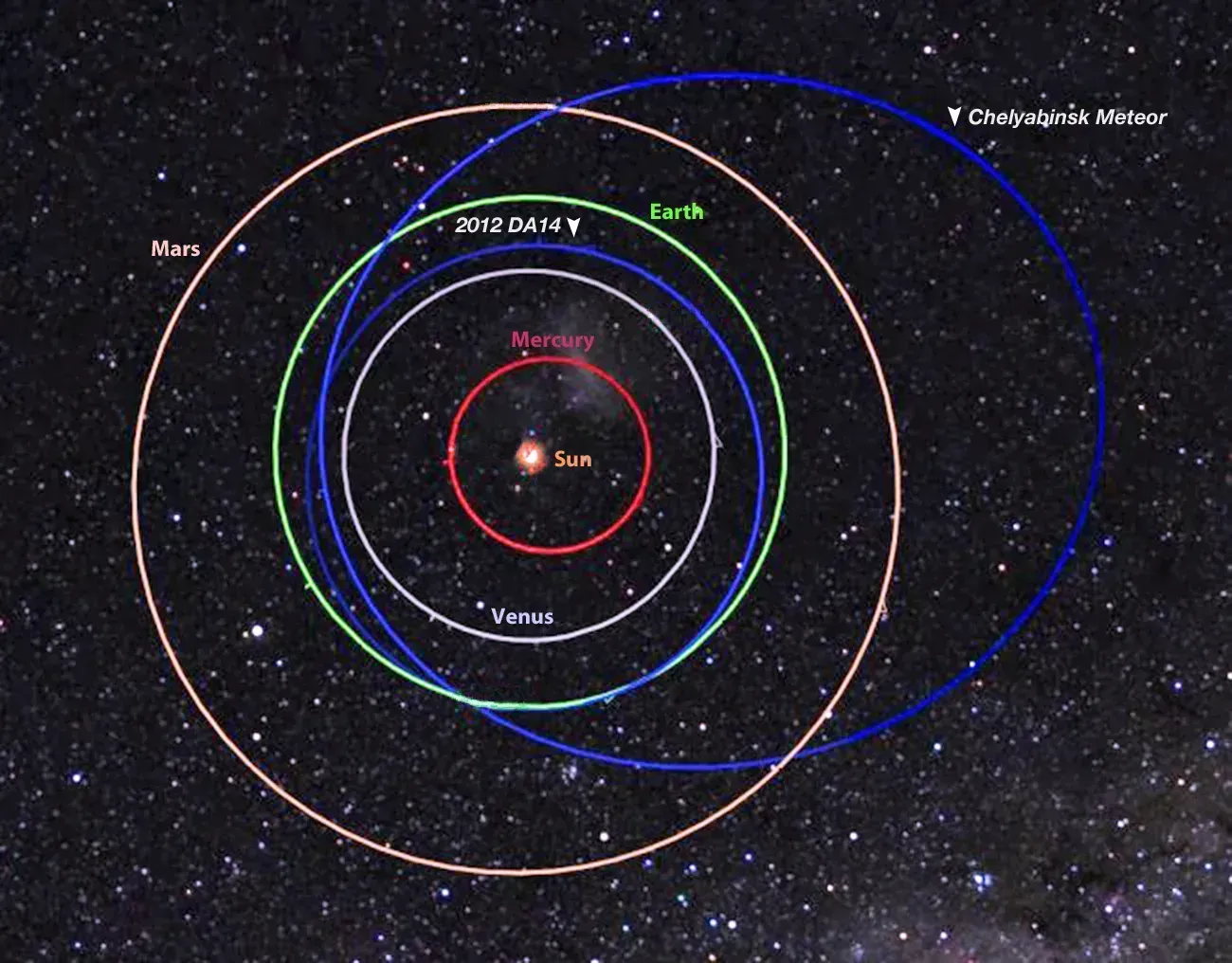
There’s a geometric quirk that nudges the odds slightly in favor of impacts near the equator, and it has nothing to do with luck. Most meteorites arrive from the asteroid belt, which circles the sun in the same plane as Earth and is therefore positioned close to the equator. That orbital alignment means equatorial latitudes see a marginally higher theoretical flux of incoming material compared to the poles.
The effect is subtle and easy to overstate, since actual impacts remain rare events scattered somewhat unpredictably. Impact of meteoroids is a stochastic process, and even if a geographical site is more prone to an impact at a given time, it does not imply that an actual impact will happen at that location. Still, it’s one more factor that separates purely random risk from slightly weighted risk.
Densely populated river valleys and low-lying cities
Probability aside, the places that carry the highest practical risk are the ones packed with people. A meteorite falling on an empty plain is a curiosity, but the same object over a dense urban corridor becomes a public safety event, as Chelyabinsk demonstrated with over a million residents in the blast radius. The asteroid impact near the Russian city of Chelyabinsk on 15 February 2013 was the largest airburst on Earth since the 1908 Tunguska event, causing a natural disaster in an area with a population exceeding one million.
Researchers who model these scenarios focus less on where a rock is statistically likely to fall and more on what happens when it lands somewhere crowded. For a chosen population density, the minimum asteroid size found to cause casualties was 18 meters due to wind blast and thermal radiation, while overpressure shock only became lethal for objects around 40 meters. That threshold matters enormously for cities sitting in flight paths of common meteoroid streams.
North America’s known impact corridor
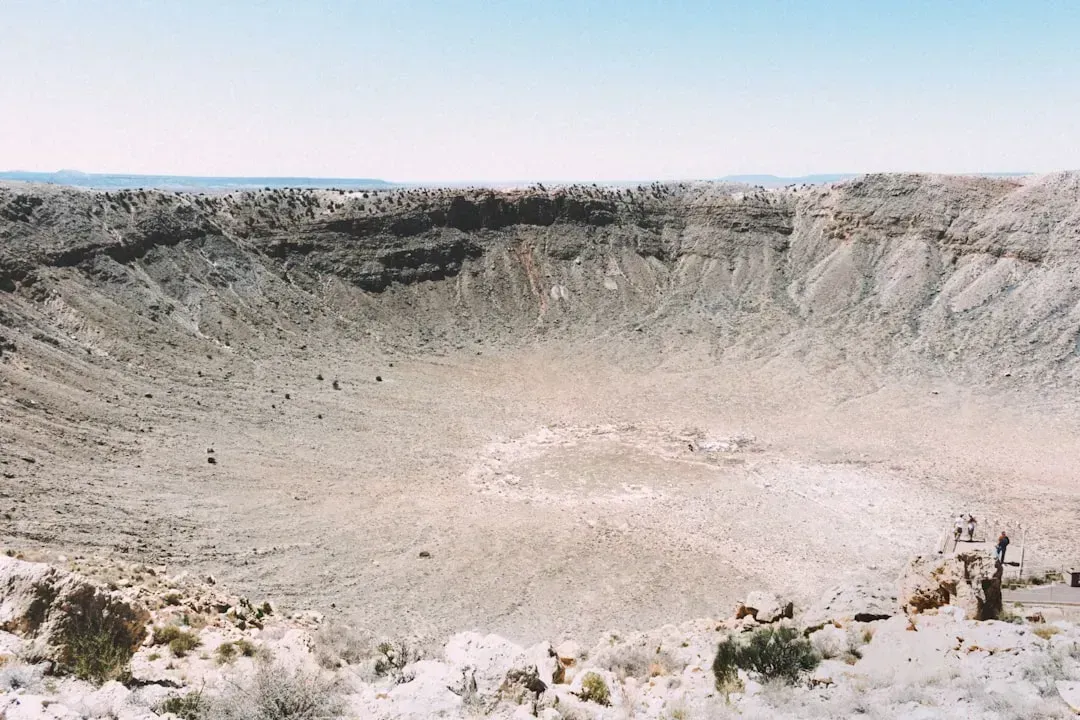
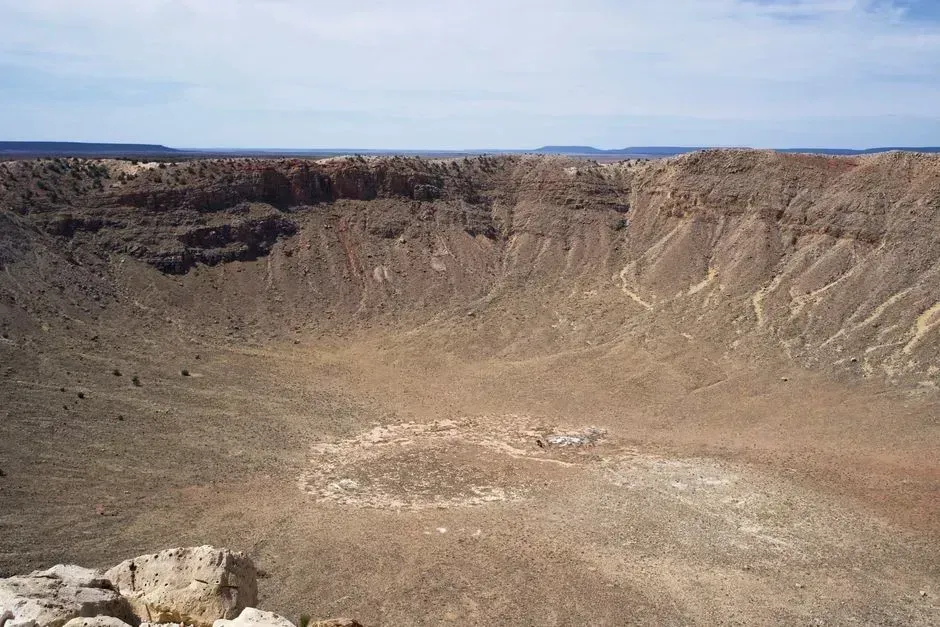
The United States has its own long relationship with meteorite falls, concentrated heavily in its arid interior. About two thirds of meteorites found in the United States have been found in arid regions of California, Nevada, Arizona, New Mexico, Texas, and Kansas. Arizona’s famous Meteor Crater, formed by an ancient impact, sits right in this same dry belt, a reminder that the region has been receiving cosmic visitors for a very long time.
None of this makes the American Southwest especially risky today. If anything, it illustrates the same pattern seen everywhere else: dry, open, low-population terrain simply preserves evidence better than anywhere lush or crowded ever could. The historical record there is rich precisely because nothing gets buried or overgrown.
Southern hemisphere oceans: the quiet, empty risk zone
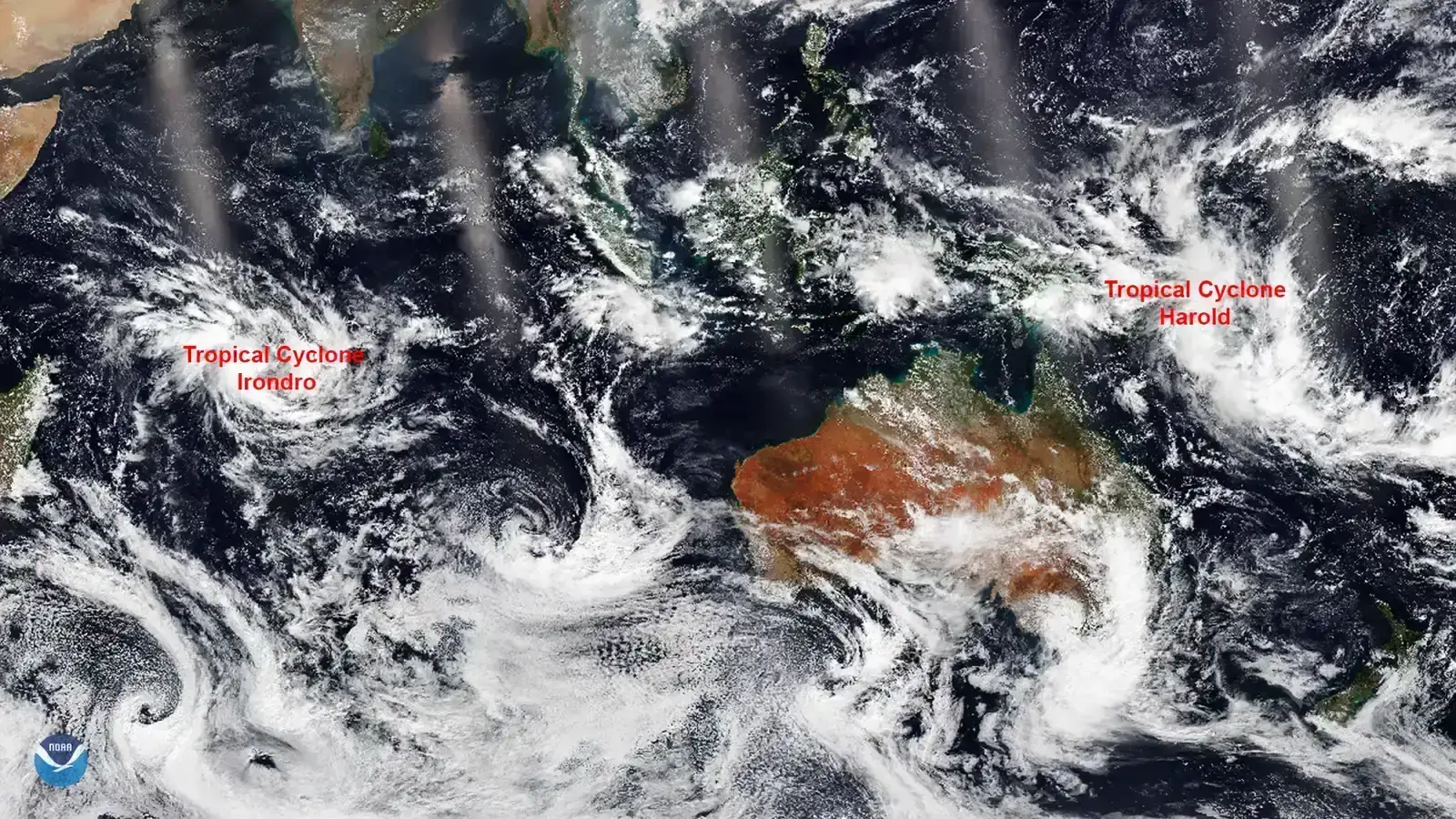
One of the more overlooked details in impact geography is how much of the theoretically higher-risk latitude band in the southern hemisphere simply sits over open water. In the southern hemisphere, geographical locations with conditions similar to Tunguska and Chelyabinsk are in the middle of the ocean, whether Indian, Atlantic, or Pacific. That’s a fortunate accident of geography, since a Tunguska-scale event landing near a populated southern coastline instead of open sea could look very different.
This asymmetry between hemispheres is part of why planetary defense researchers pay close attention to seasonal and orbital timing, not just physical location. A slightly higher statistical pull toward certain latitudes means little if those latitudes are mostly water, but it becomes far more relevant wherever continents happen to intersect that band.
How scientists track and prepare for the next big one
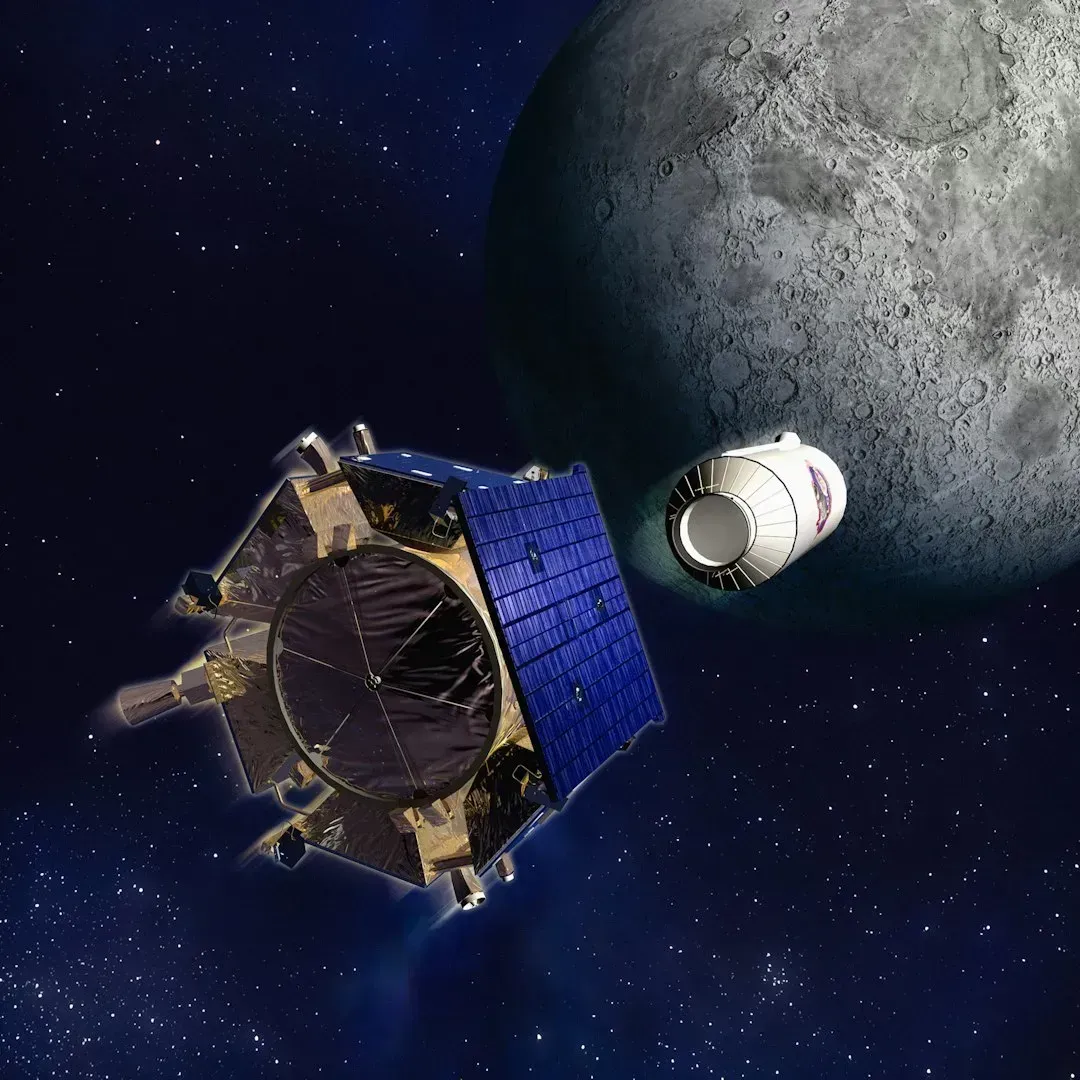
Modern planetary defense work has shifted from reacting to events like Chelyabinsk toward anticipating them. Due to the asteroid’s approach from the daytime sky, it was not detected prior to impact, serving as a reminder that while there are no known asteroid threats to Earth for the next century, an Earth impact by an unknown asteroid could occur at any time. That single line from NASA’s own retrospective captures the core tension in this entire subject.
Detection systems have improved substantially since 2013, and researchers now build detailed models predicting blast radius, casualty likelihood, and evacuation windows well before an object might strike. If a small asteroid could be seen approaching Earth in time, researchers could run models to inform authorities of the potential risk, similar to a hurricane map, allowing protective actions such as evacuating residents or issuing shelter in place orders. That kind of forecasting is exactly what separates the safest places on Earth, mostly empty ones, from the riskiest, which are simply the crowded ones caught off guard.
