


- Top 10 Countries Driving the Future of AI and Robotics - September 18, 2026
- Solo Stargazing, Simplified: 10 Best Places to Go Alone - September 18, 2026
- 2026 Climate Tech Trends: Where Investment Is Going Now - September 18, 2026
1. The Amazon Rainforest
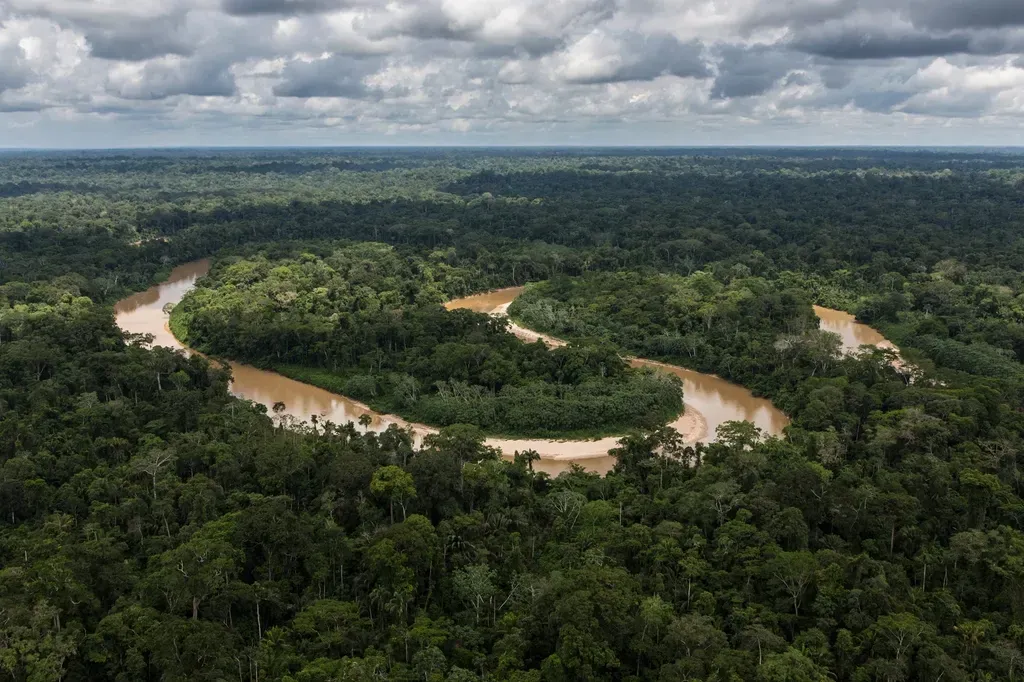
The Amazon still covers roughly 6.9 million square kilometers across nine countries, making it home to an estimated one tenth of the world’s known species. Recent monitoring actually brings a bit of good news: Amazon deforestation fell by 68% in 2025, with forest degradation down 48%, according to data from the Amazon Regional Observatory. That decline followed a brutal 2024, when deforestation increased by 256% compared to 2023, rising from 10,391 km² to 37,033 km².
Even with the improved numbers, researchers caution against celebrating too soon. Despite the progress, structural pressures persist, with the expansion of cattle ranching and illegal mining remaining among the main drivers of deforestation and degradation. Add a warming climate into the mix, and the world’s largest rainforest remains one good drought away from another crisis year.
2. The Congo Basin Rainforest
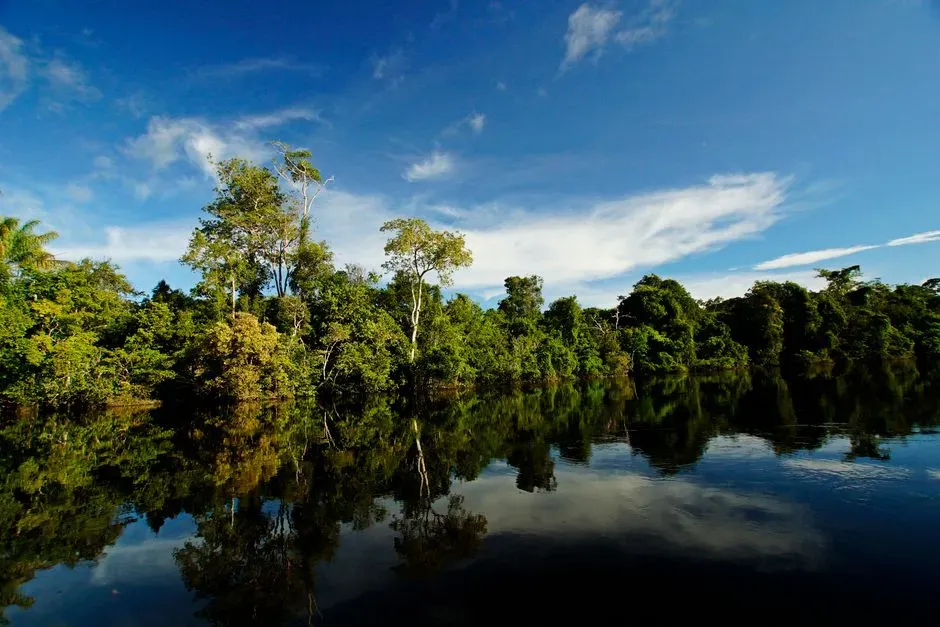
Africa’s Congo Basin is often called the planet’s second lung, and for good reason. Africa’s great Congo Basin rainforest covers an area about the size of India, and unlike the Amazon, it has avoided decades of industrial-scale clearing. Unlike the Amazon rainforest and the tropical forests of Indonesia, which have suffered large-scale, industrial deforestation for decades, the forests of the Congo Basin are still relatively intact. That intactness is starting to erode. The DRC lost a record 590,000 hectares of primary forest in 2024, up from 530,000 hectares in 2023, and between 2002 and 2024 the country recorded the third-largest absolute loss of primary forest in the world, after Brazil and Indonesia. Population growth across the basin is the underlying driver, since the total population of the region is approximately 147 million, and this figure is projected to double by 2050, which will push demand for farmland and fuelwood ever higher.
3. The Great Barrier Reef
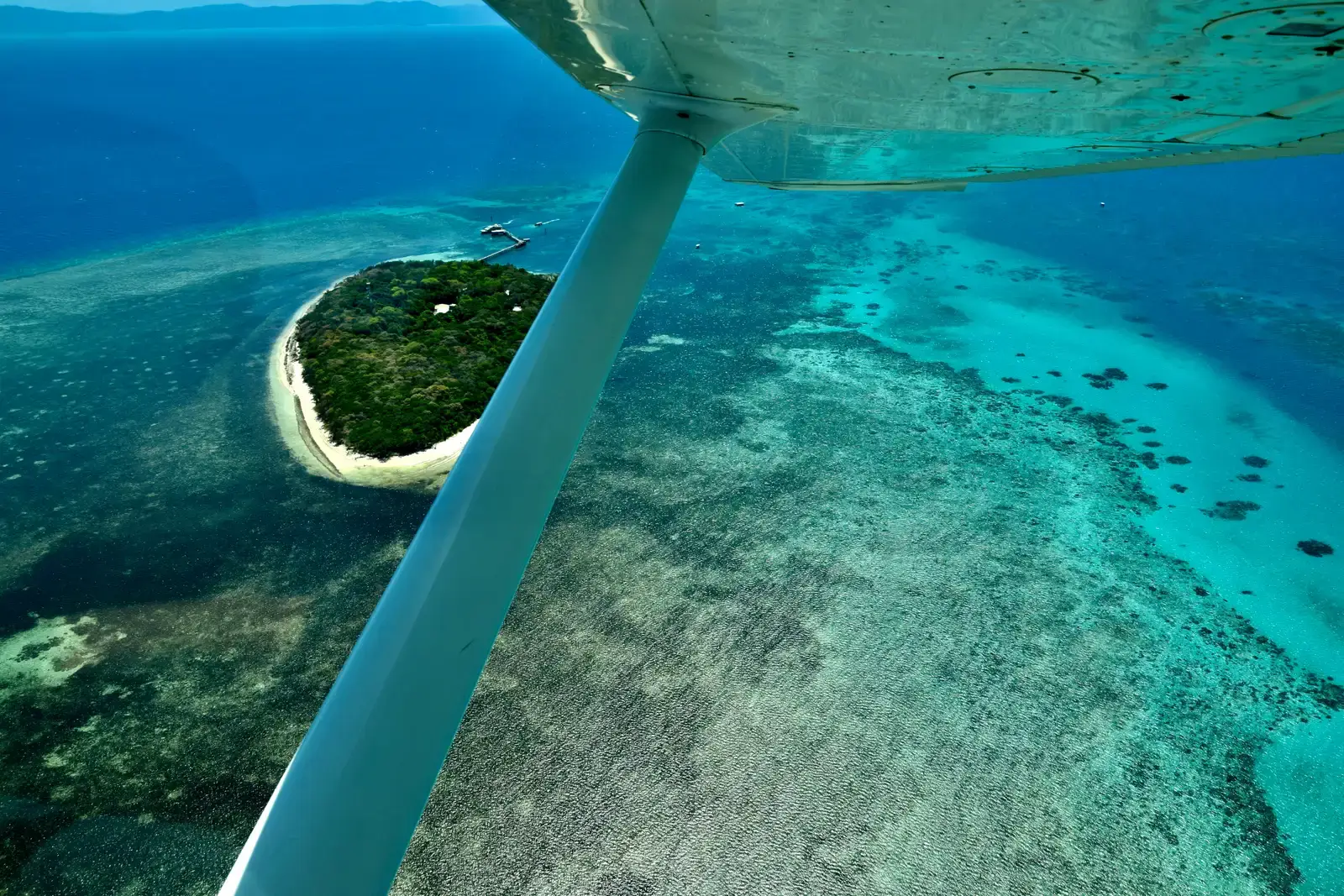
Stretching over 2,300 kilometers off Australia’s coast, the Great Barrier Reef is the largest living structure on the planet and still holds impressive coral cover in places. But it has been through a rough stretch. The Great Barrier Reef experienced its fifth mass bleaching event in 2024, affecting 74% of surveyed reefs with unprecedented spatial extent across all regions, and the damage was measurable the following year too.
The Great Barrier Reef has experienced the largest annual decline in coral cover in two of the three regions since AIMS began monitoring 39 years ago. Scientists monitoring the reef describe a system swinging wildly between highs and lows rather than staying stable, noting that this is a phenomenon that emerged over the last 15 years and points to an ecosystem under stress, oscillating between record lows and record highs in a relatively short amount of time. The reef is not gone, not by a long shot, but its resilience is being tested nearly every summer now.
4. The Coral Triangle
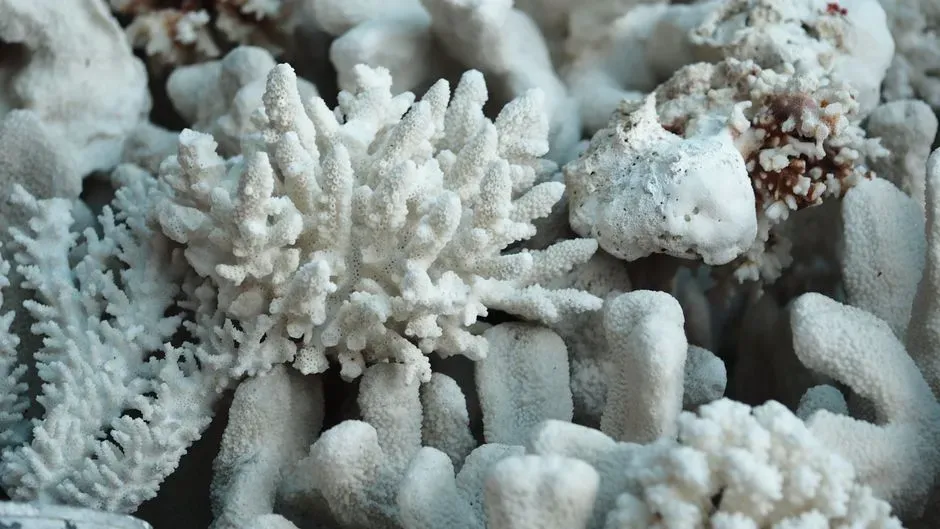
Tucked between Indonesia, the Philippines, and Papua New Guinea, the Coral Triangle holds more coral and reef fish species than anywhere else on Earth, functioning as a kind of evolutionary engine for the entire Indo-Pacific. It has largely escaped the industrial fishing pressure seen in other oceans, thanks partly to its remote, island-studded geography. That isolation is no longer enough protection on its own, since the same global bleaching event battering Australia has also swept through this region. The scale of the current crisis is hard to overstate. From 1 January 2023 to 30 September 2025, bleaching-level heat stress has impacted approximately 84.4% of the world’s coral reef area, a figure that includes vast stretches of the Coral Triangle. Local communities that depend on these reefs for fishing and tourism are watching a system that took millennia to build show signs of strain within a few warm summers.
5. The Siberian Taiga
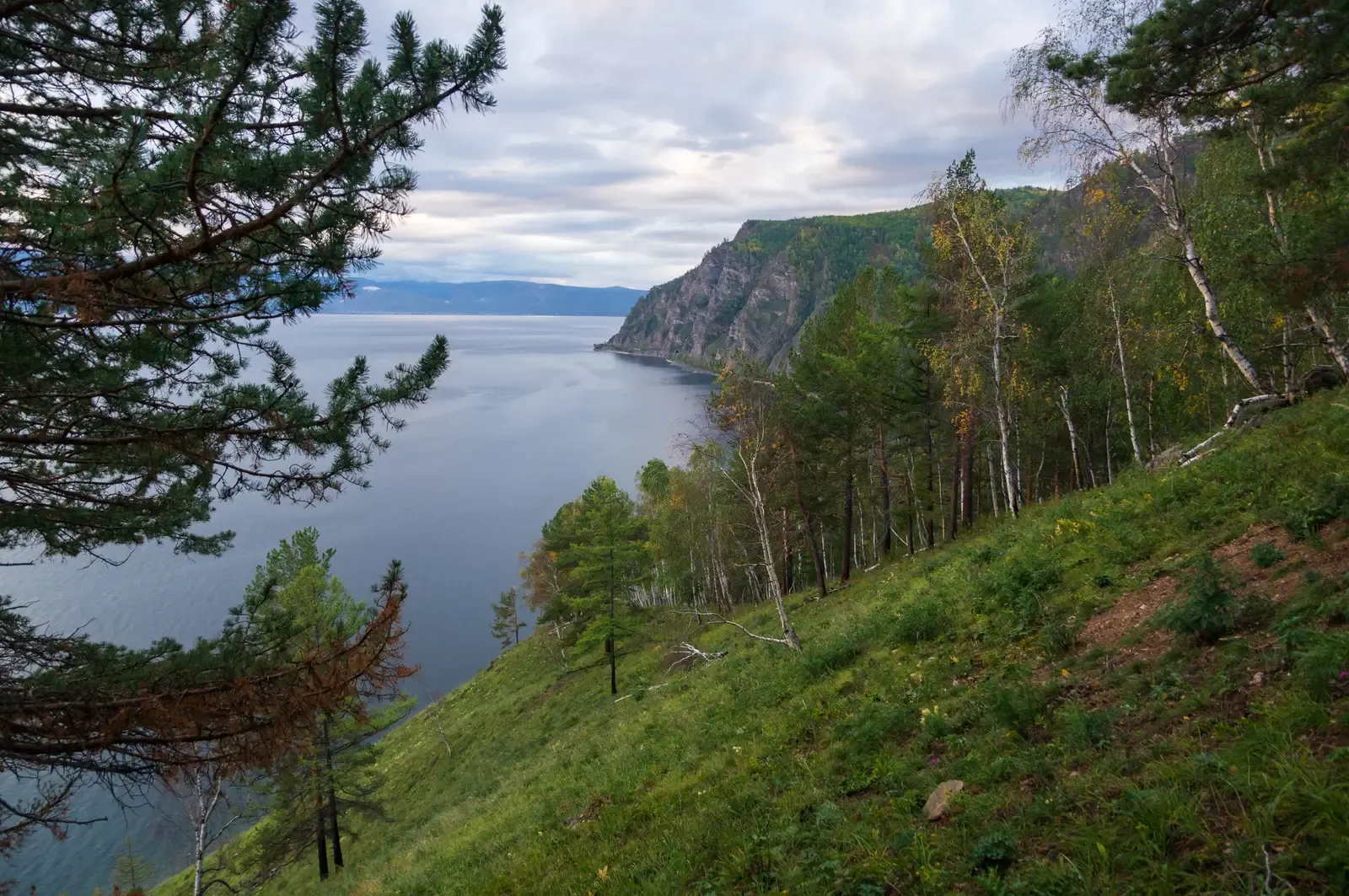
The taiga belt across Russia is the largest forest biome on the planet, a nearly unbroken expanse of conifers stretching thousands of kilometers with minimal human settlement. Wolves, brown bears, and lynx still roam here largely undisturbed by roads or agriculture. What is changing the picture is heat, not chainsaws. Scientists tracking the region have found that Russia experienced unprecedented wildfire activity in eastern Siberia and north of the Arctic circle in 2019, 2020, 2021 and 2024, linked to warming temperatures, early snow melt, and polar jet dynamics associated with climate change. Researchers following these fires closely note they are burning in ways that were rare a generation ago, with one expert observing there is essentially “no way they’re not burning down” into the deep organic soils beneath the surface. If that pattern continues, the taiga’s role as a carbon sink could flip into becoming a carbon source.
6. Arctic Tundra
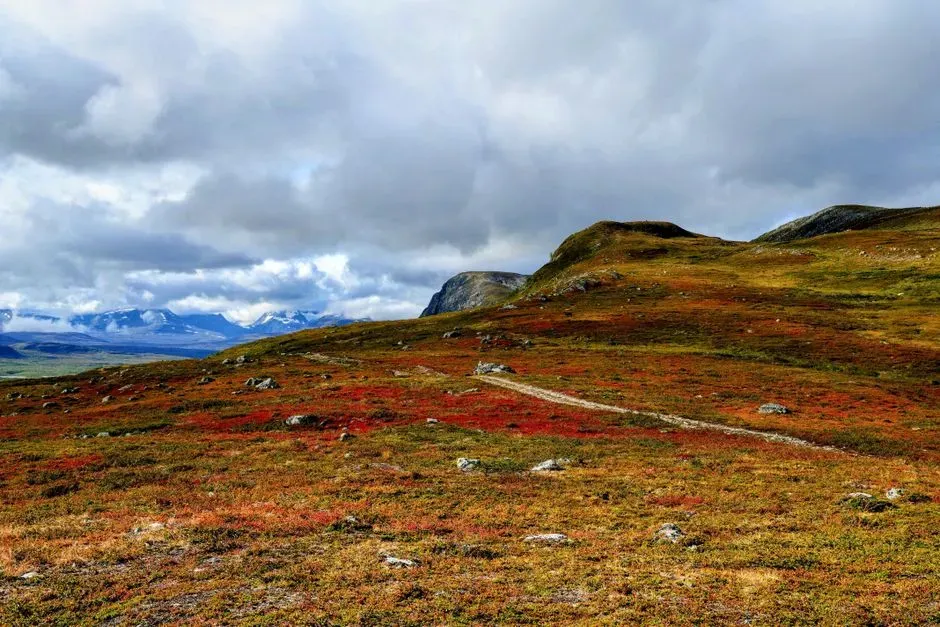
North of the tree line, the tundra has always been a place of extremes, frozen for most of the year and briefly alive with migratory birds, caribou, and wildflowers each summer. It remains one of the least developed biomes left, simply because so little of it is hospitable to permanent settlement. Underneath that quiet surface, though, permafrost is thawing at a pace that alarms climate scientists. New research on the region’s fire history is striking. A composite charcoal record shows minimal fire activity for centuries, but this pattern shifted abruptly after 1900, reaching its maximum between 1950 and 2015, when fire activity exceeded any levels observed in the preceding three millennia. Combined with projections that Arctic burned area could increase by 75 percent for every degree Celsius of global warming, the tundra’s long stretch of relative stability looks increasingly fragile.
7. Borneo’s Rainforest Interior
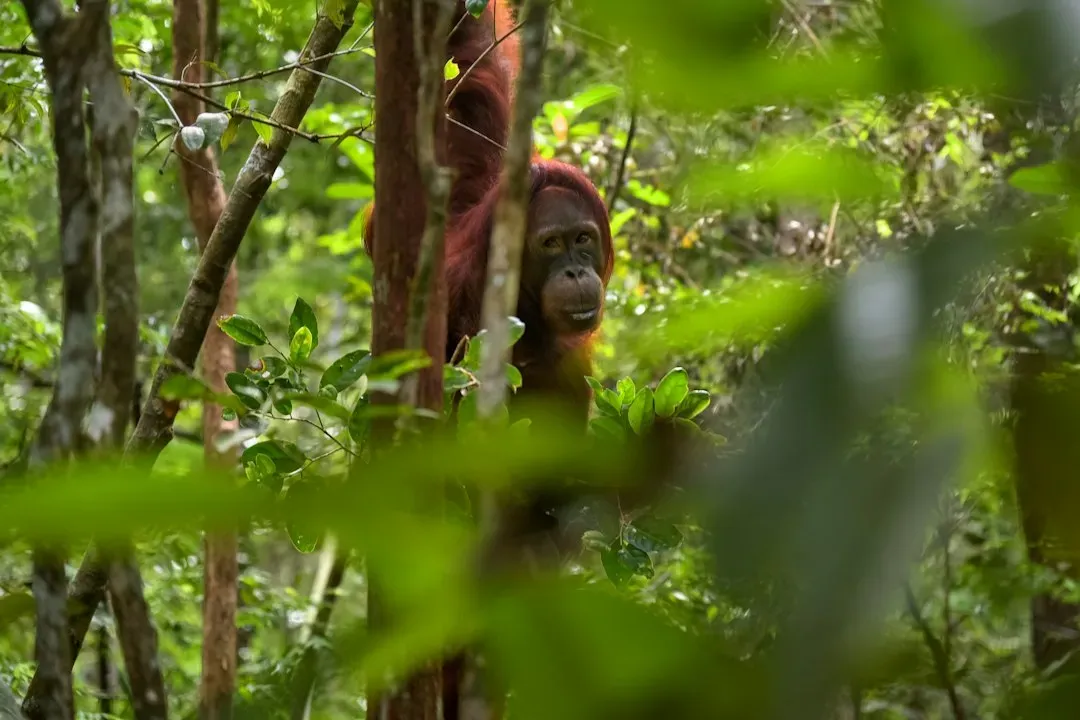
The mountainous interior of Borneo still hides pockets of forest that few outsiders have ever walked through, home to orangutans, clouded leopards, and pygmy elephants found nowhere else. Unlike the coastal lowlands, which have been heavily converted to palm oil plantations, the highland core has been harder to reach and therefore harder to log. That geographic protection is finite, though, as roads and mining concessions push further inland each year. Conservation groups have long flagged Borneo as a priority because so much of its endemic wildlife exists only within these remaining forest blocks. Once a road cuts through, illegal logging and smallholder clearing tend to follow within a few years. The island’s fate increasingly rests on how well its national parks and indigenous land claims hold up against commercial pressure.
8. The Pantanal Wetlands
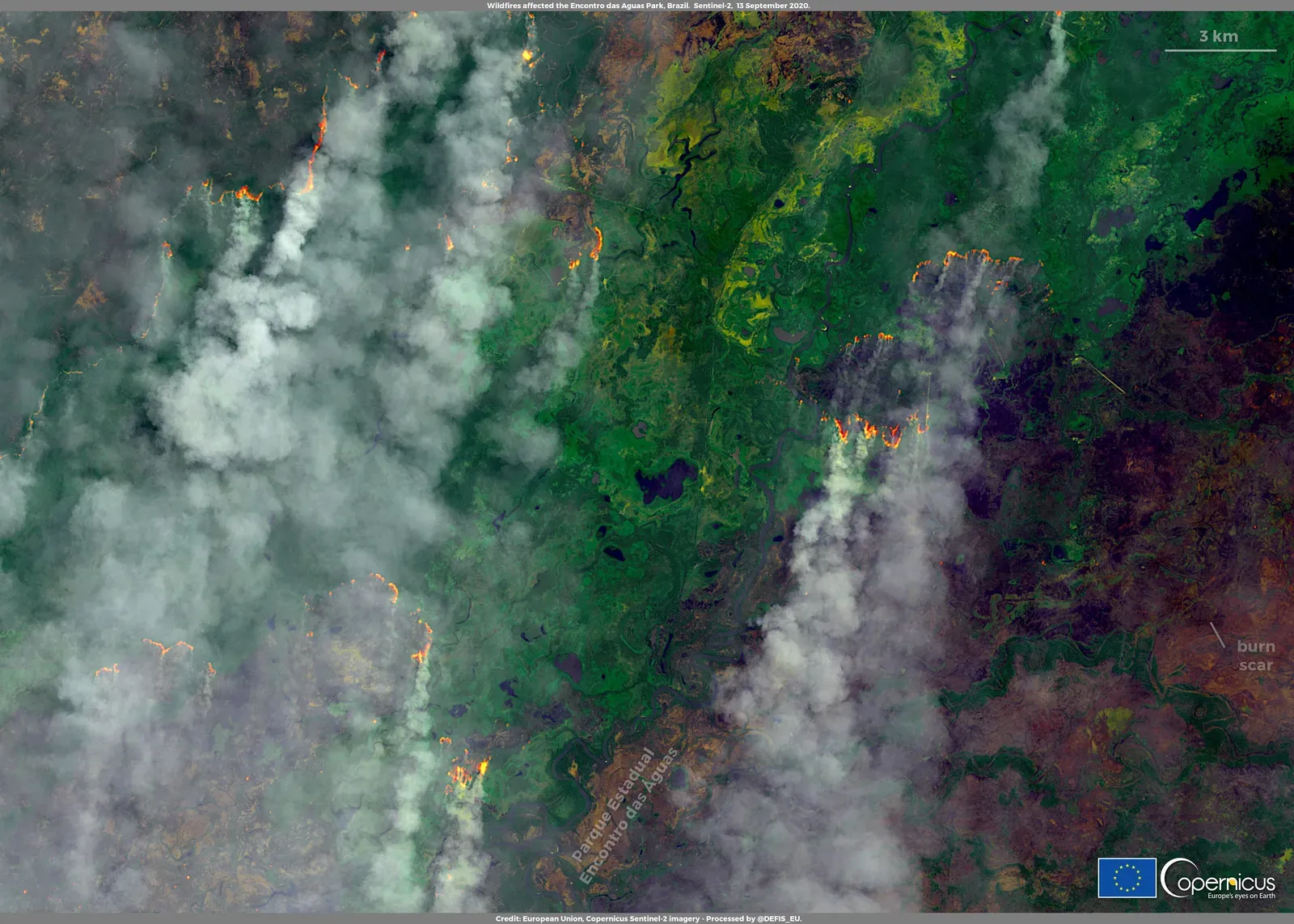
Spanning parts of Brazil, Bolivia, and Paraguay, the Pantanal is the world’s largest tropical wetland, a mosaic of flooded grasslands that supports jaguars, giant otters, and enormous flocks of wading birds. Its seasonal flood pulse, where water levels rise and fall dramatically each year, keeps the ecosystem naturally reset and remarkably productive. For decades this made it one of South America’s healthiest large landscapes. Recent dry years have disrupted that rhythm in troubling ways. Reduced rainfall upstream, combined with cattle ranching along the wetland’s edges, has led to unusually severe fire seasons that burn through areas that would normally be underwater. When a wetland burns, recovery is slower and less certain than in a typical grassland fire, since the soil and vegetation are adapted to moisture, not flame.
9. The Okavango Delta
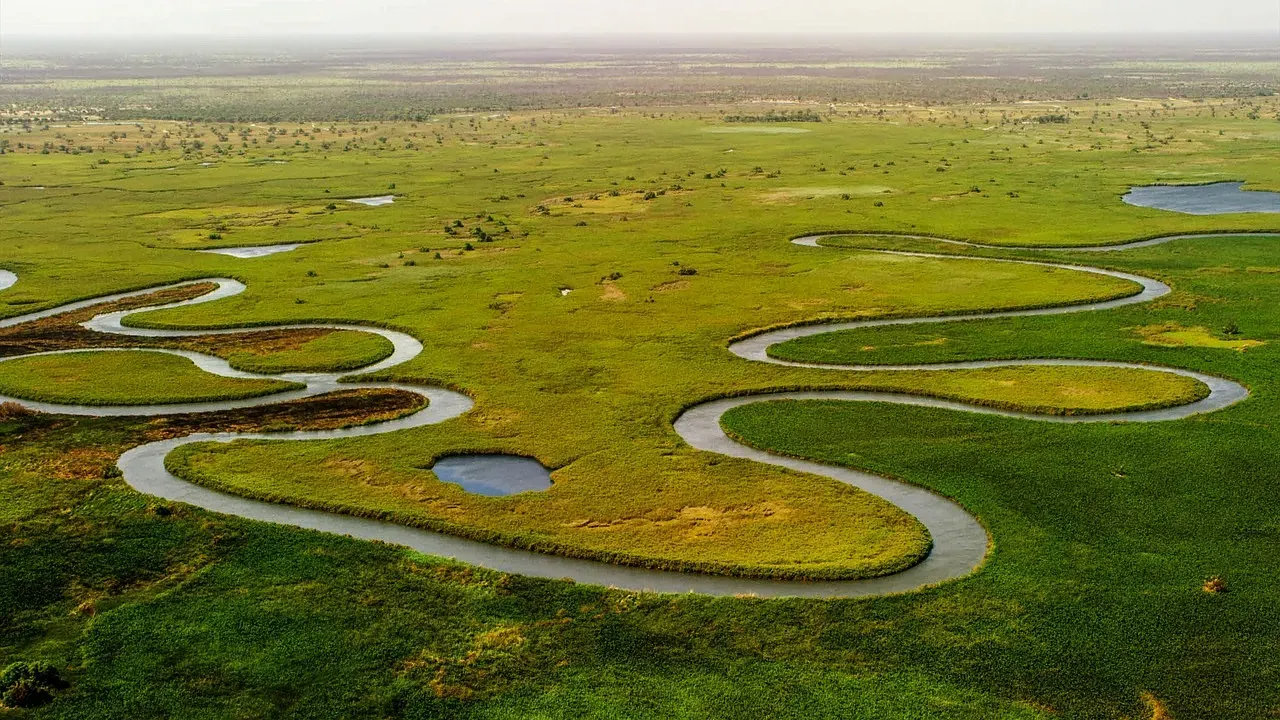
Botswana’s Okavango Delta is one of the rare inland deltas that never reaches the sea, spreading instead across the Kalahari sands and creating a lush oasis that draws elephants, lions, and hippos from across the region. Its remoteness and Botswana’s relatively strong conservation policies have kept it in far better shape than many other African wetlands. Poaching pressure remains lower here than in much of the continent, partly due to well-funded anti-poaching efforts tied to the tourism economy. The bigger long-term threat sits upstream, in the river systems of Angola and Namibia that feed the delta. Any large-scale damming, irrigation expansion, or oil exploration in those upstream watersheds could reduce the water reaching the delta each year. Because the entire ecosystem depends on that seasonal flood, changes hundreds of kilometers away could reshape the Okavango even if the delta itself is never directly developed.
10. The Daintree Rainforest
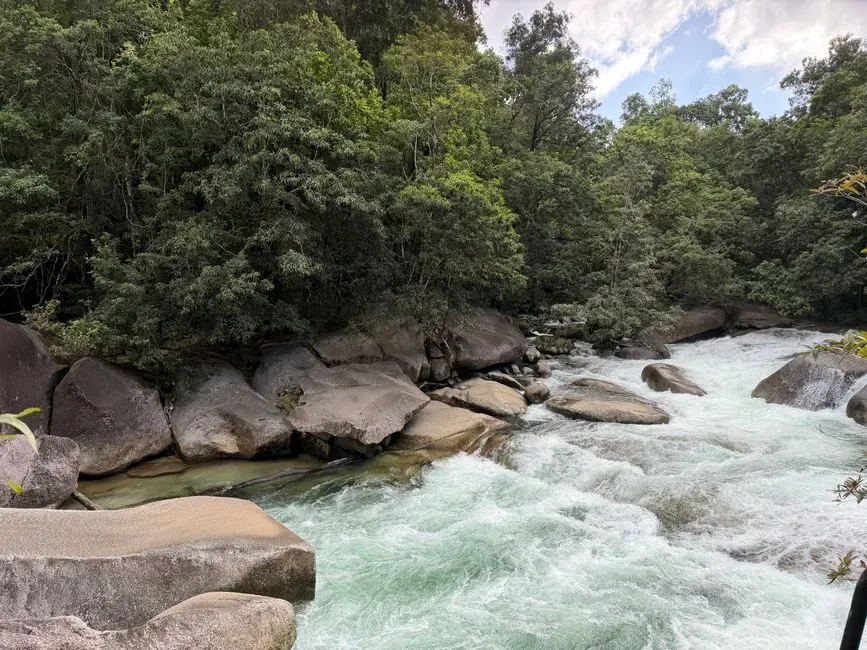
Australia’s Daintree is thought to be one of the oldest continuously surviving rainforests on Earth, with plant lineages tracing back well over one hundred million years. It sits in a narrow strip along the Queensland coast, wedged between the ocean and the Great Barrier Reef, making it one of the only places where two ancient World Heritage ecosystems meet directly. Strict protections since the late 1980s have kept large-scale logging out of the core forest. Rising temperatures and shifting rainfall patterns are now the main concern for a forest that evolved under far more stable conditions. Cyclones passing through the region have also grown more intense in recent decades, according to regional climate assessments, which can flatten sections of canopy that take generations to regrow. The Daintree’s age is part of what makes it remarkable, but that same age means it has little evolutionary experience with rapid change.
11. Papua New Guinea’s Highland Forests
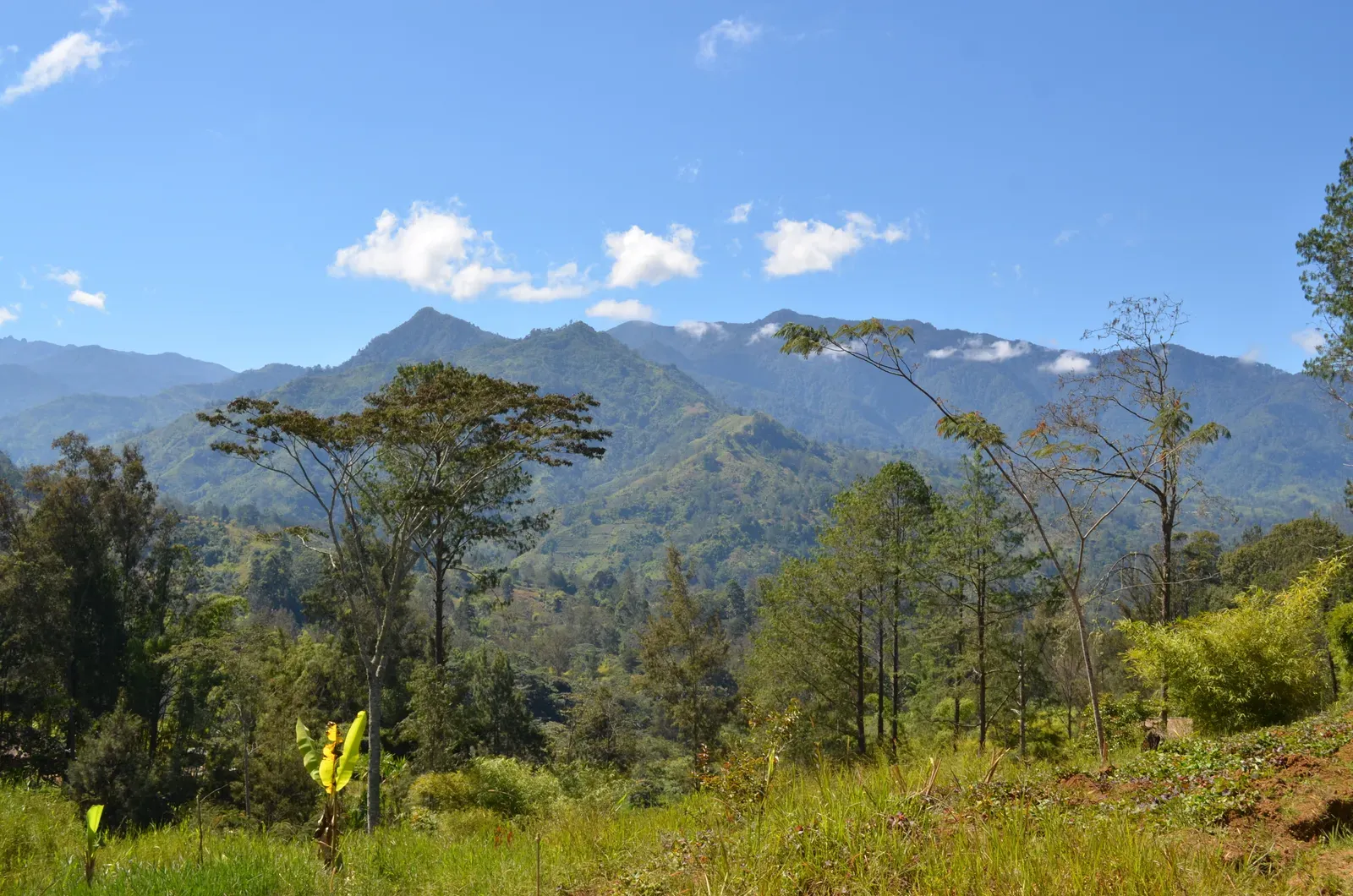
Papua New Guinea holds one of the most linguistically and biologically diverse landscapes on the planet, with mountain forests so isolated that new species are still being described there on a regular basis. Traditional land ownership, where the vast majority of land remains under customary tribal control rather than government or corporate title, has slowed the kind of rapid deforestation seen in neighboring Indonesia. This unusual governance structure has, almost by accident, become one of the forest’s best defenses. That protection is being tested by logging companies negotiating directly with local landowners, sometimes offering short-term payments that undervalue the long-term worth of standing forest. Mining interests, particularly for gold and copper, add another layer of pressure in the highlands. As global demand for these resources grows, the informal protections that have worked for generations may not hold indefinitely.
12. Madagascar’s Dry Forests
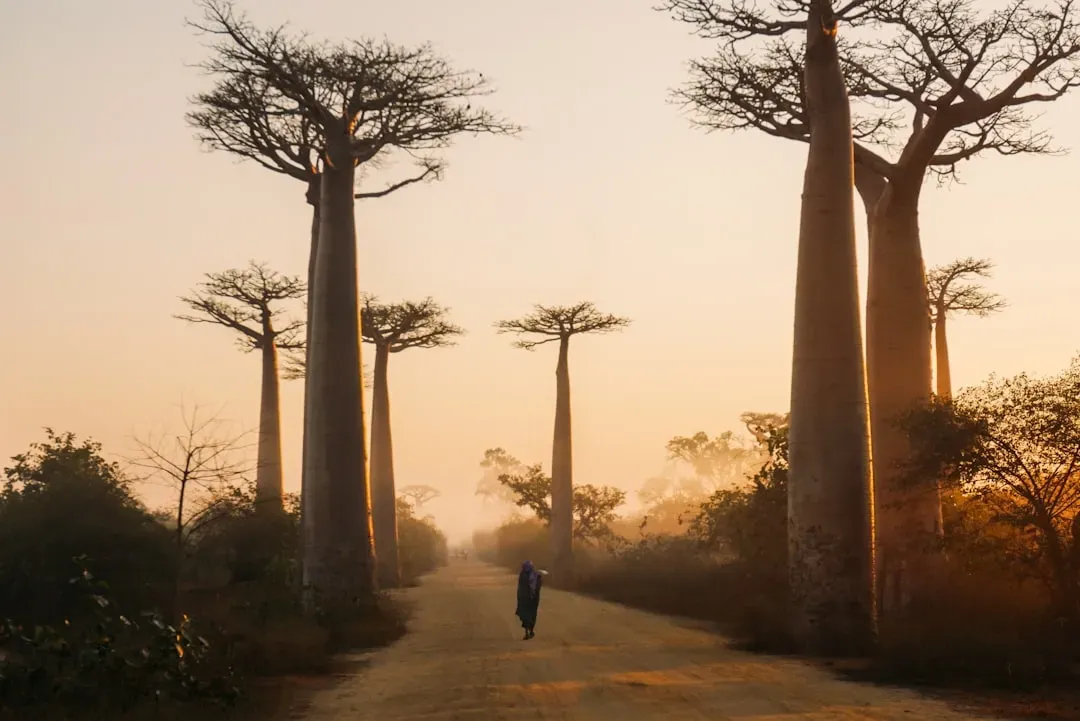
The spiny and dry deciduous forests of western Madagascar host some of the highest rates of species found nowhere else on the planet, including multiple lemur species that exist only in specific forest fragments. Because Madagascar split from mainland Africa so long ago, evolution here has taken its own separate path for tens of millions of years. Much of this dry forest zone has historically seen less agricultural pressure than the island’s eastern rainforests. That is changing as population growth pushes farming and charcoal production further into these dry woodlands. Madagascar has already lost the majority of its original forest cover across all biomes combined, and the dry forests in the west are considered among the most threatened tropical forest types anywhere in the world. Conservationists describe the situation as urgent precisely because so many of these species have nowhere else to go if their specific forest patch disappears.
13. The Galápagos Marine Reserve
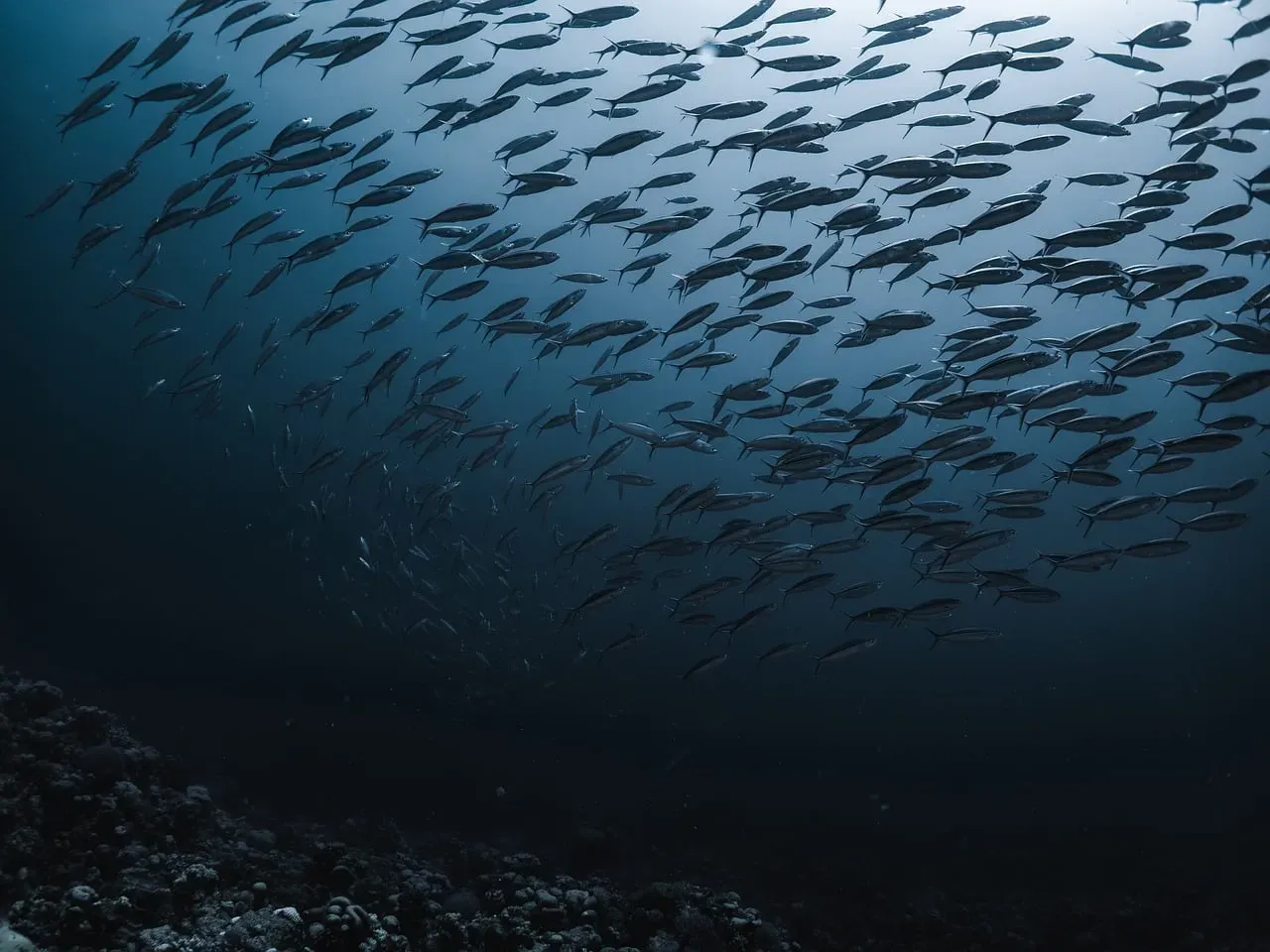
The waters surrounding the Galápagos Islands support an unusual mix of tropical and cold-water species, thanks to the convergence of several ocean currents in one place. This mixing zone is part of why the islands produced the observations that shaped Darwin’s theory of evolution, and the marine reserve surrounding them remains one of the best-protected large ocean areas on Earth. Ecuador has expanded the reserve’s boundaries in recent years specifically to keep industrial fishing fleets further offshore. Warming ocean temperatures tied to El Niño cycles pose the clearest long-term risk, since the cold-water upwelling that feeds the islands’ unique food web depends on temperature differences that climate change is gradually eroding. Illegal fishing fleets, particularly from distant-water nations, continue to test the reserve’s boundaries despite increased patrols. The Galápagos remains a conservation success story, but one that requires constant vigilance rather than a one-time fix.
14. The Vatnajökull Wilderness
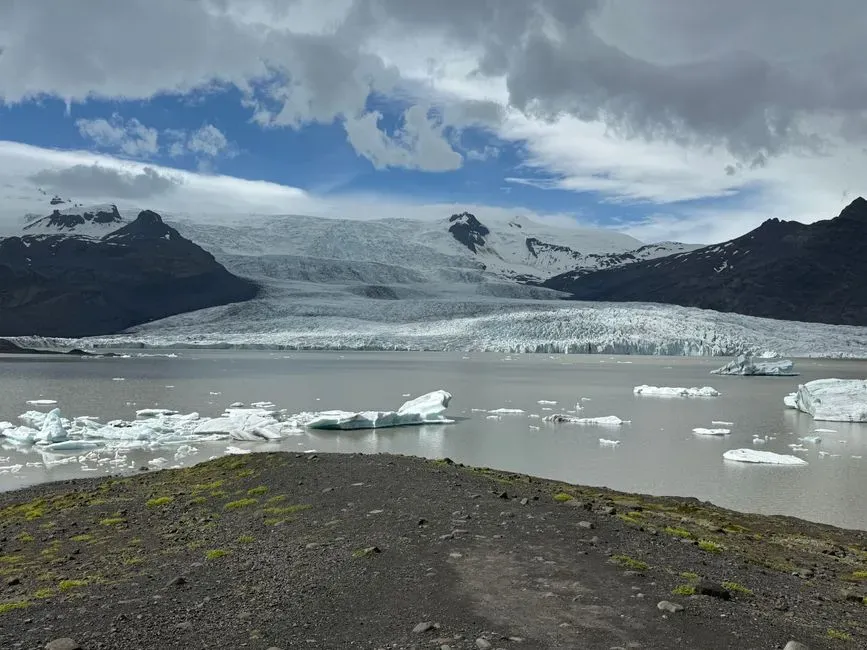
Iceland’s Vatnajökull National Park surrounds Europe’s largest glacier by volume, combining ice caps, volcanic landscapes, and glacial rivers in a combination found almost nowhere else. The park’s remoteness and Iceland’s small population have kept human impact minimal across most of its interior. It remains one of the few places in Europe where you can walk for days without encountering a road or building. The glacier itself is retreating at a pace that has alarmed Icelandic glaciologists tracking it for decades, with measurable thinning recorded nearly every year this century. As the ice retreats, the rivers and wetlands that depend on glacial meltwater are shifting in ways researchers are still working to fully understand. Iceland has increasingly used Vatnajökull as a visible symbol in its climate messaging, precisely because the changes there are so easy to measure and see.
15. The Kamchatka Peninsula
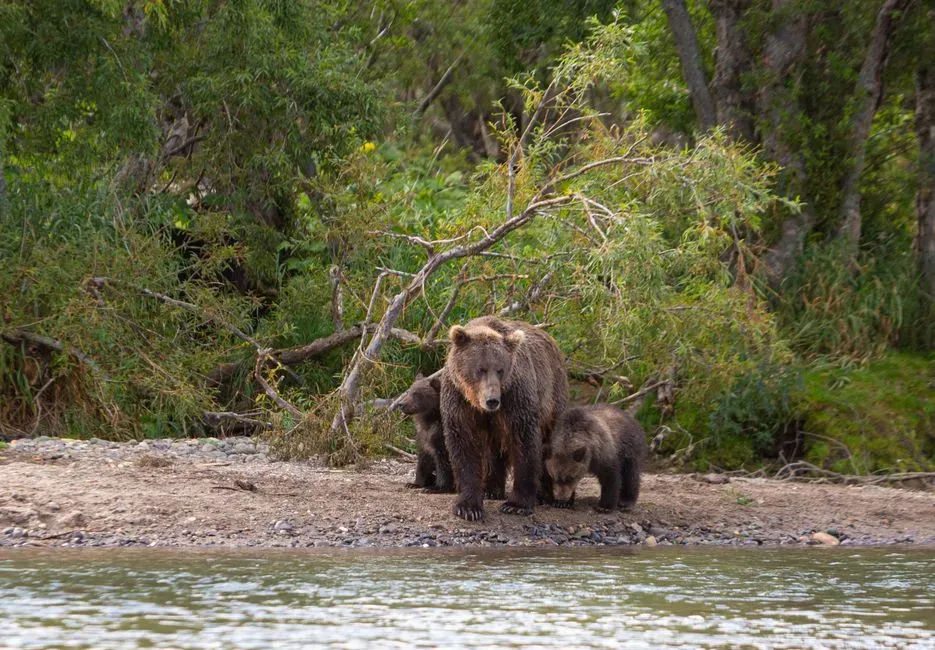
Russia’s Kamchatka Peninsula, jutting into the Pacific between the Sea of Okhotsk and the Bering Sea, is home to one of the largest populations of brown bears anywhere on Earth alongside active volcanoes and pristine salmon rivers. Its extreme isolation, with no road connection to the rest of Russia, has kept development to a minimum for most of its history. The peninsula’s salmon runs are considered among the healthiest left in the world, supporting bears, eagles, and an entire food web that has largely disappeared elsewhere due to overfishing and dam construction. Commercial fishing pressure in the surrounding seas has grown steadily, and there have been recurring proposals over the years to expand mining operations in the peninsula’s mineral-rich interior. Conservationists have pushed back against several of these projects, citing the risk to salmon spawning grounds that support the entire regional ecosystem. Kamchatka’s fate largely depends on whether Russia continues prioritizing conservation status over resource extraction in a region most of the world rarely thinks about.
These fifteen places share a common thread: each one has survived, so far, mostly because of remoteness, difficult terrain, or protective policy rather than any guarantee of permanence. Climate change is proving to be the great equalizer, reaching into places that logging trucks and fishing fleets never managed to touch. Whether these ecosystems remain recognizable a few decades from now will depend less on their isolation and more on decisions being made far beyond their borders.