

United States
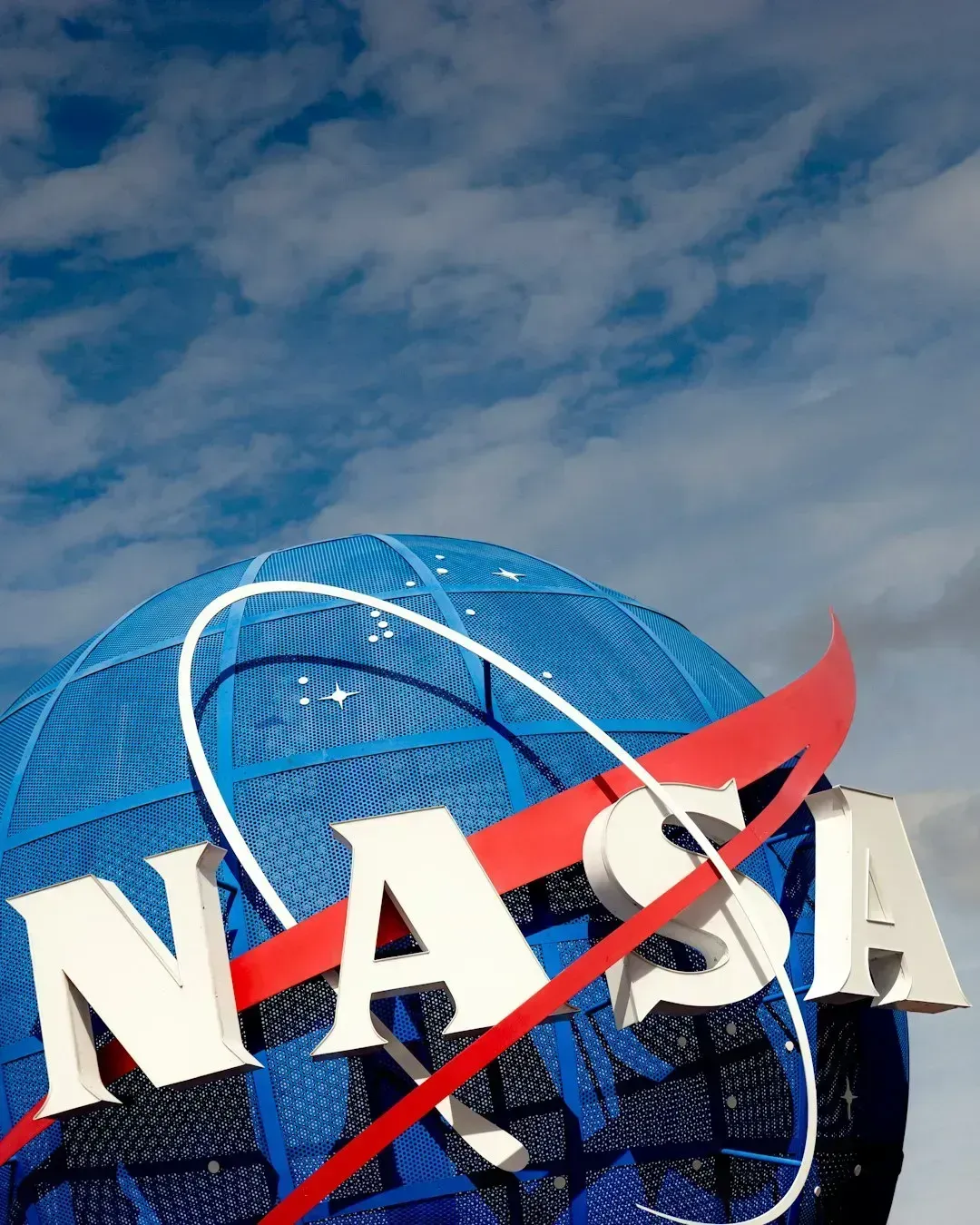
No country comes close to matching American spending on space. In 2024, global government expenditure for space programs hit a record of approximately 135 billion U.S. dollars, with the United States Government spending around 79.7 billion U.S. dollars on its space programs that year. That figure blends NASA’s civil budget with a much larger and less transparent military space apparatus.
The United States dominates at roughly 80 billion dollars, more than half the global total, split between NASA at around 25 billion and national-security space. The United States still represented 58% of global government space budgets in 2025. Much of that military side flows through the Space Force, which requested 40 billion dollars for fiscal year 2026 even though its 2025 budget remained confidential.
China

China holds a firm second place, though the exact number is a moving target. The U.S. was followed by China, with government expenditure on space programs of over 19 billion U.S. dollars. Some analysts believe the real figure runs higher once military space programs are folded in.
For 2025, China allocated 246 billion dollars to its defence budget, and a significant portion of it, approximately 72 billion dollars, is believed to be for the space budget, with some European analysts suggesting the true figure sits well above the official number. China ranked second at 15 percent of global government space budgets in 2025. Civilian and military programs are deeply intertwined there, run through the China National Space Agency on one side and the People’s Liberation Army’s space forces on the other.
Japan
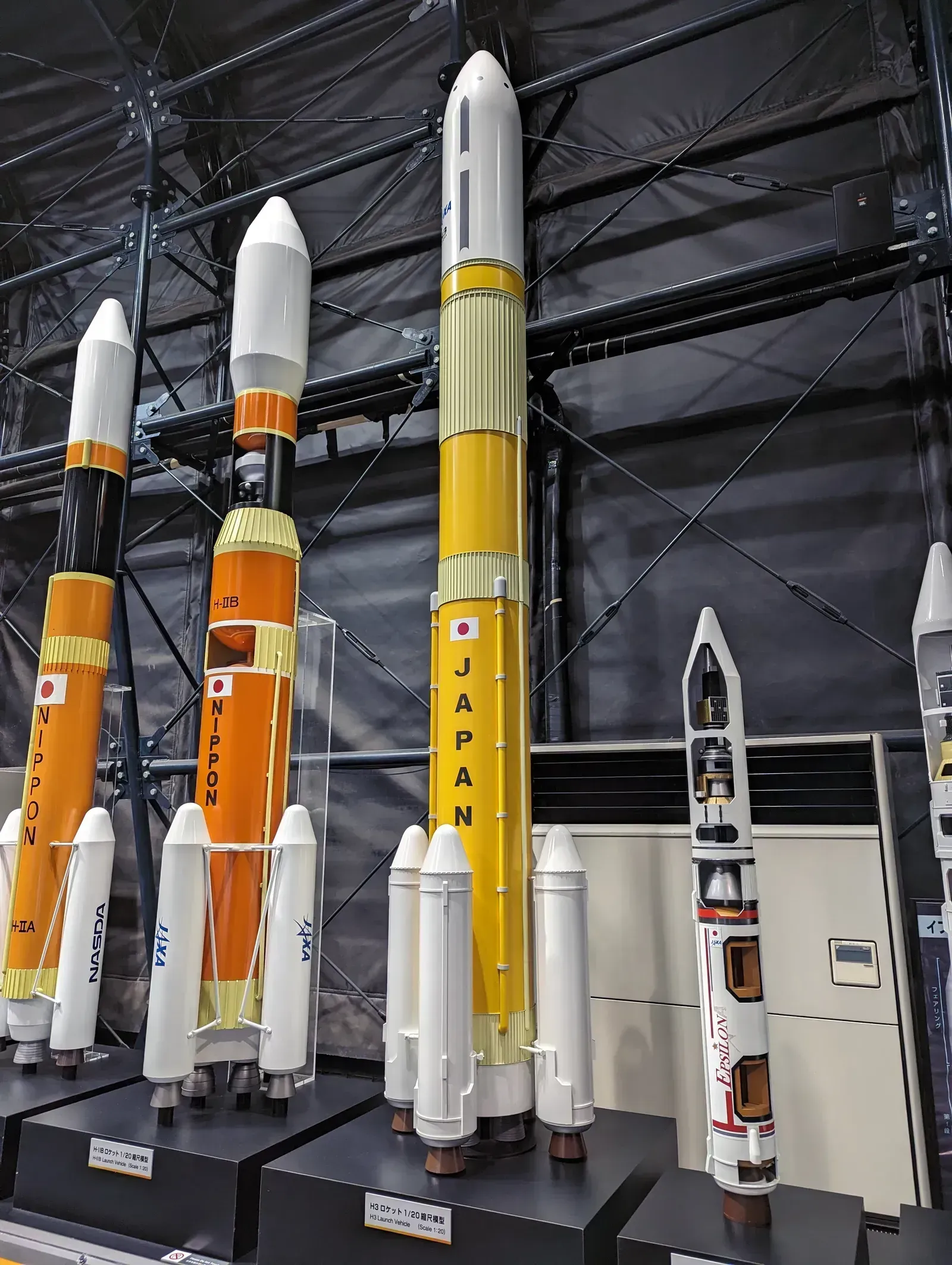
Japan sits comfortably in third place among individual nations, well behind the two leaders but ahead of most of Europe. Japan is third at 4.9 billion dollars. The Japan Aerospace Exploration Agency, known as JAXA, handles most of the country’s civil space work, from lunar landers to Earth observation satellites.
Japan has leaned into partnerships with the United States on lunar exploration through the Artemis program while also building out its own launch capability with the H3 rocket. It is a steadier, less flashy approach than some rivals, built on incremental technical gains rather than dramatic announcements.
France
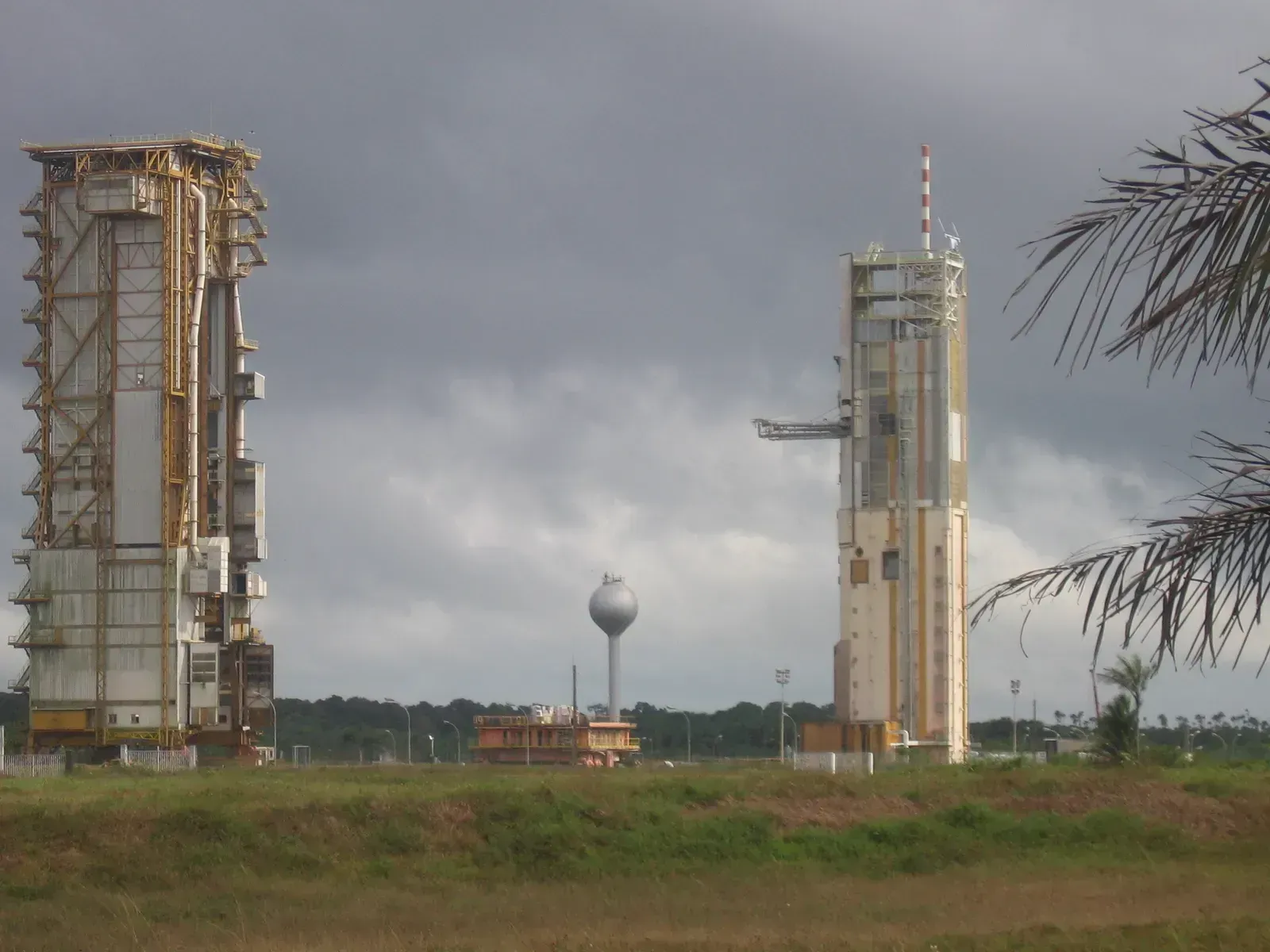
France anchors much of Europe’s space effort and ranks as the largest single national contributor within the continent. France shows up with 4.5 billion dollars in spending. A good portion of that flows through the French space agency CNES as well as through France’s substantial contributions to the European Space Agency.
Measured per person or as a share of GDP, France ranks far higher than raw totals suggest. France also carries outsized weight in Europe’s rocket program, hosting the Guiana Space Centre and pushing hard on the continued development of the Ariane launcher family.
Russia
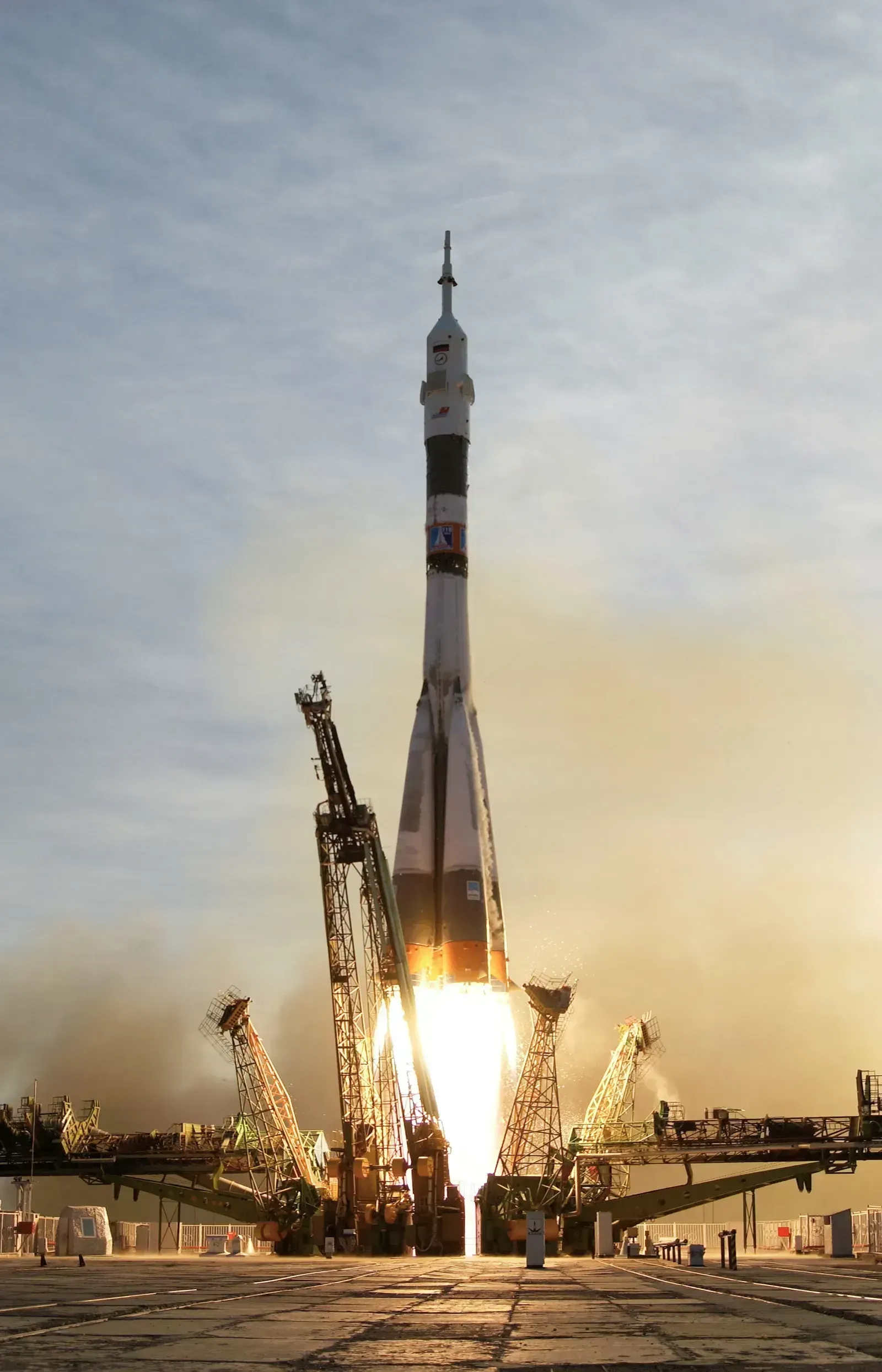
Russia’s space spending has slipped from its Soviet-era prominence, though it remains a significant player on paper. Russia sits at 3.4 billion dollars. Russia’s government expenditure on space activities is expected to continue through 2027, with plans for a decrease that year.
Roscosmos still operates crewed launches to the International Space Station and maintains a domestic satellite navigation system, GLONASS, alongside its own space station ambitions. Economic pressures and sanctions have narrowed what the program can realistically pursue, and international cooperation has grown more limited than it once was.
Germany
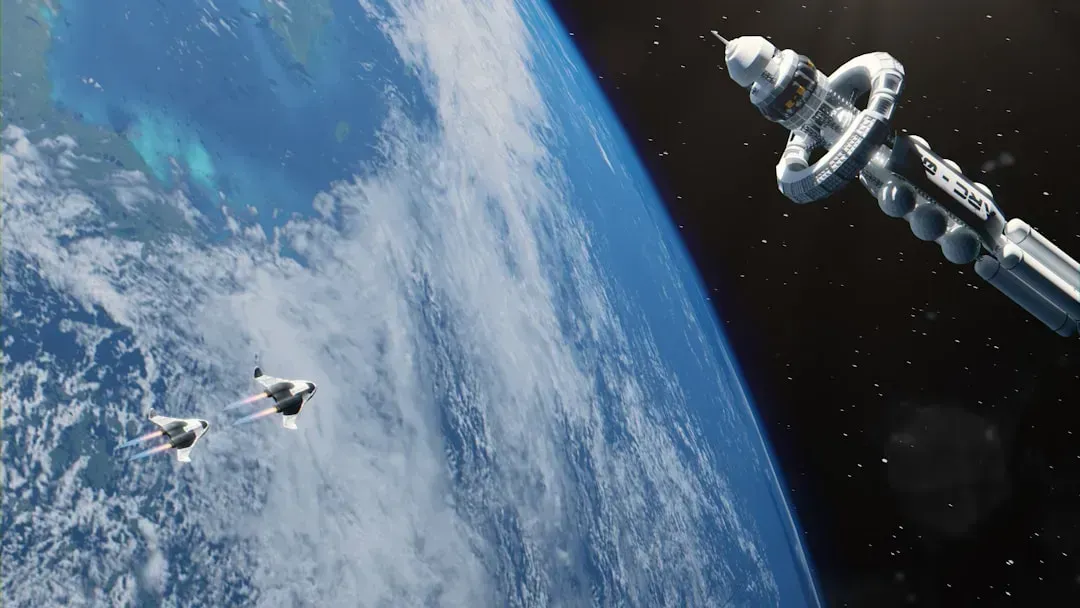
Germany has been one of the more interesting movers in recent years, largely because of a pivot toward defense-linked space spending. Germany brings 2.7 billion dollars in current government space investment. That number is set to climb sharply.
Germany has made Europe’s most significant near-term commitment, with plans to invest 35 billion euros in space security and defense by 2030. That single pledge would make Germany a much larger player within a few years, reflecting a broader European trend of folding space capability into national defense planning rather than treating it as a purely scientific pursuit.
Italy
Italy rounds out the group of larger European spenders, sitting just behind Germany in total government outlay. Italy adds 2.3 billion dollars, reinforcing the idea that Europe is a major player, but also a fragmented one. The Italian Space Agency has carved out a strong niche in satellite manufacturing and Earth observation technology.
Italy has also positioned itself as an active partner in NASA’s Artemis lunar program, contributing modules and hardware rather than simply funding research from the sidelines. That practical, hardware-focused approach has helped Italian industry punch above what the raw budget figures might suggest.
India
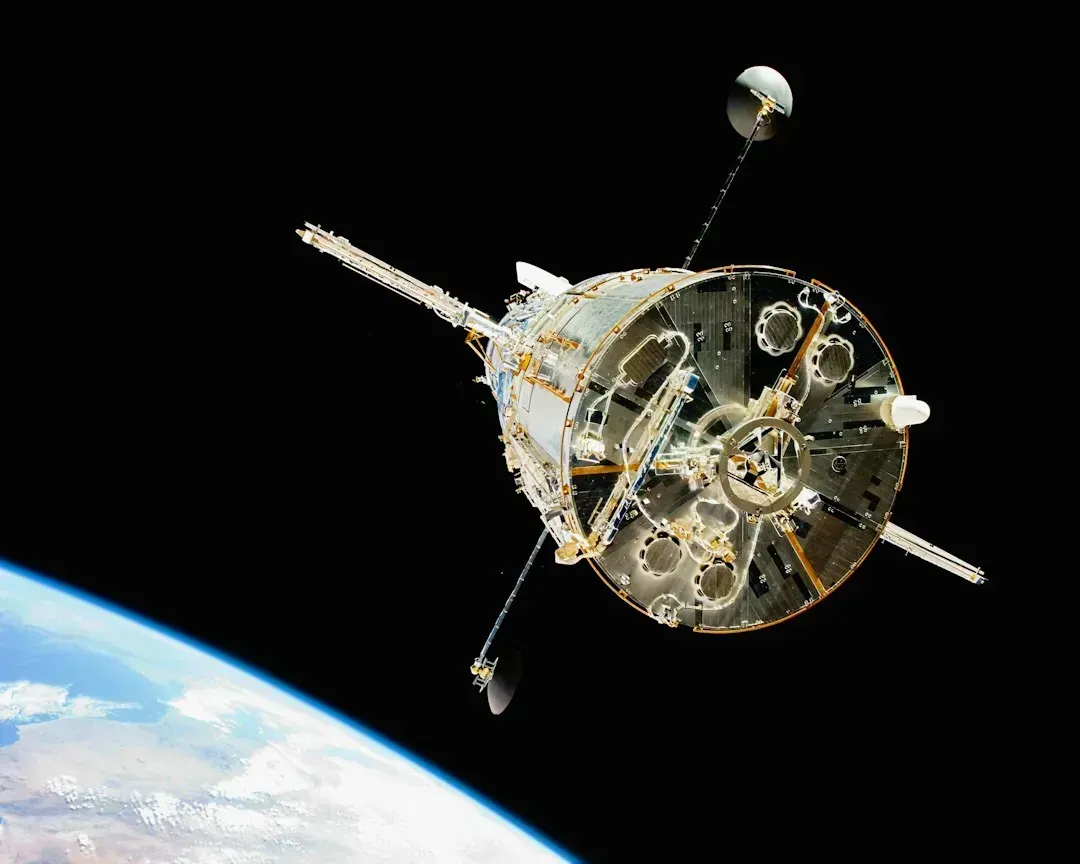
India has moved from budget-conscious newcomer to a genuinely serious space power in a remarkably short span. India’s government space budget reached 1.9 billion dollars in 2025, showing its emergence as a serious global space player. That is a modest figure next to the top spenders, yet India has achieved an outsized return on it.
The Indian Space Research Organisation has landed a spacecraft near the lunar south pole, launched successful Mars and solar missions, and built a reputation for delivering complex missions at a fraction of what comparable programs elsewhere would cost. India’s low-cost engineering culture has become something other space agencies now study closely.
United Kingdom
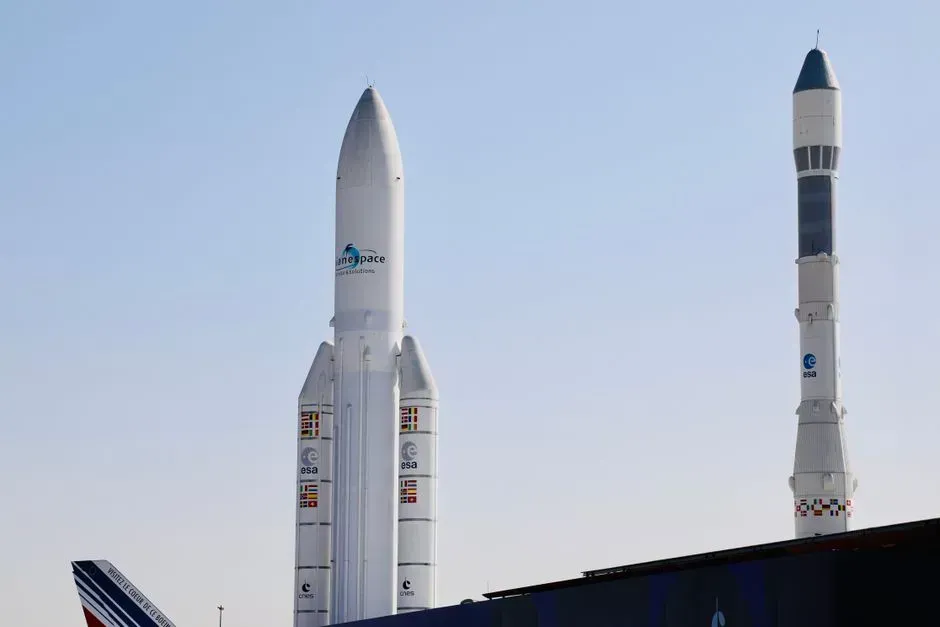
The UK’s space spending is smaller in absolute terms but notable for how heavily it relies on multinational cooperation. The UK government recently set a new contract record with the European Space Agency, securing 844 million pounds since 2022. The United Kingdom relies heavily on ESA, with 75 percent of its space budget allocated to the agency in 2022.
That dependence on ESA membership rather than a large standalone national program is part of why some analysts have questioned whether Britain is making the most of its space ambitions. The UK Space Agency underwent structural changes recently, and from 1 April 2026 the UKSA transitioned from being an arm’s-length body to a directorate within the Department for Science, Innovation and Technology.
South Korea
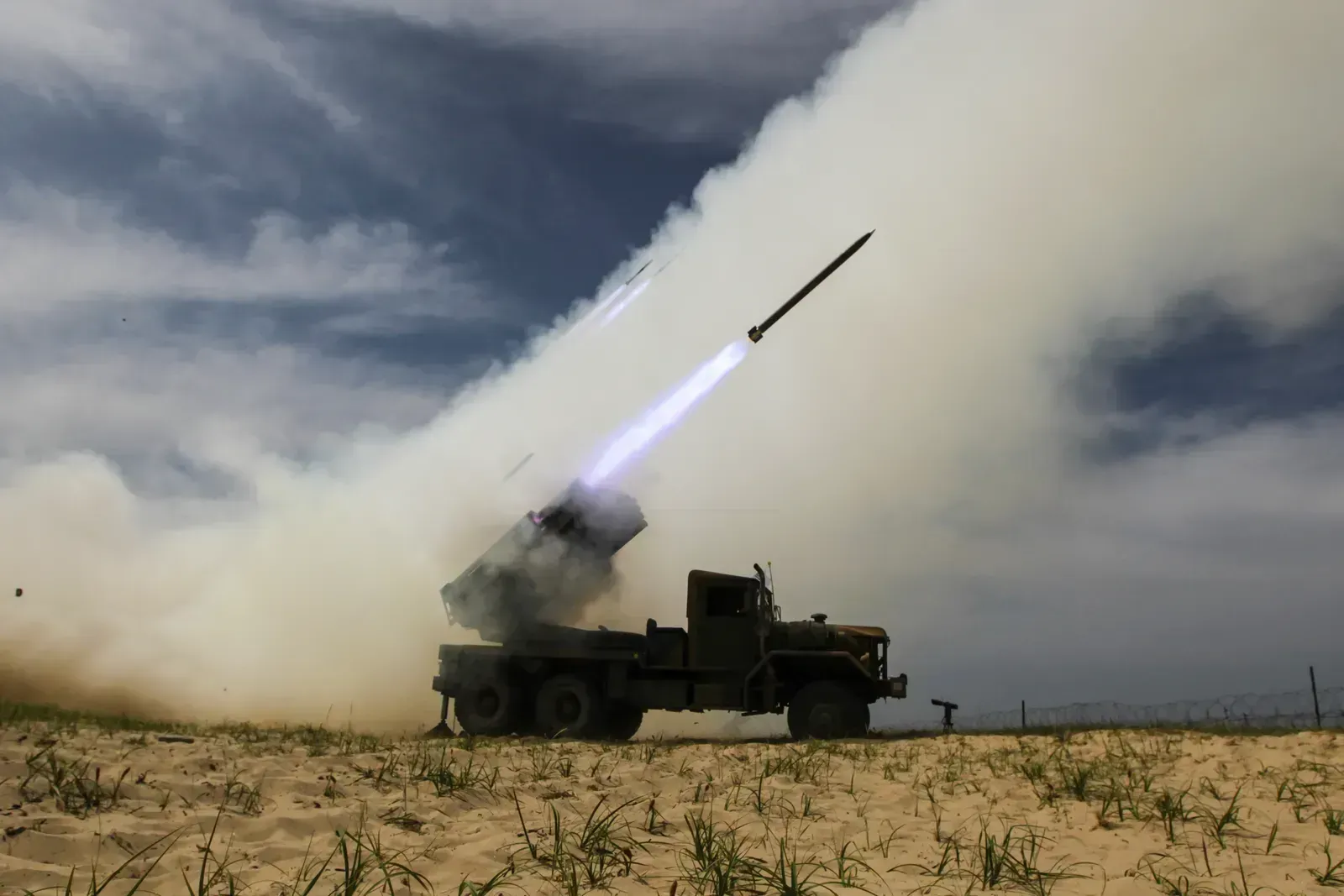
South Korea has arrived late to the top tier of space spenders but is closing the gap quickly. KASA’s 2026 budget was finalized at 1.1201 trillion Korean won, an increase of 16.1 percent compared to the 2025 budget of 964.9 billion won. That figure is approximately 800 million US dollars, marking the first time the agency has entered the 1 trillion won budget era.
The ambition behind those numbers is considerable. South Korea has pledged a total investment of 100 trillion won, or 72.6 billion dollars, by 2045, aiming to establish itself as one of the world’s leading space nations within two decades. That is a long runway, but the trajectory of annual budget increases suggests the country is serious about following through.
Final thoughts
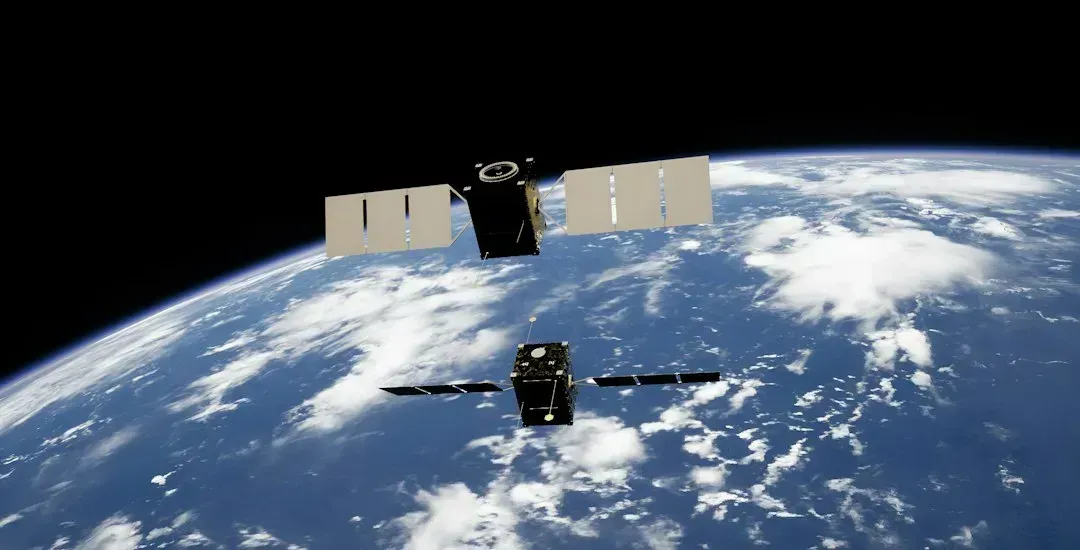
What stands out across this list is not just the size of the gap between the United States and everyone else, but how differently each country has chosen to close in on that gap. Some, like India, have built a reputation on frugality and precision. Others, like Germany and South Korea, are betting on rapid multi-year budget increases to leapfrog into relevance.
Europe’s fragmented approach, spread across national programs and the shared ESA structure, continues to produce solid science without the singular scale of American or Chinese spending. Whether that patchwork model holds up as space becomes more entangled with defense strategy is one of the more interesting questions for the years immediately ahead.

- The “Solar Effect”: 5 Unlikely Cities Remade by Renewable Energy Investment - September 18, 2026
- 6 Places That Appear Low-Risk on Flood Maps – But Tell a Different Story on the Ground - September 18, 2026
- The 10 Countries Investing the Most in Space Exploration - September 17, 2026
