


- If You Live in These 6 States, Your Cooling Bills Could Rise Sharply by 2040 - September 13, 2026
- U.S. Wetlands Are Seeing the Return of 6 Bird Species, Scientists Say - September 13, 2026
- Claude is AI and can make mistakes. Please double-check responses. - September 13, 2026
Texas

Texas leads all states with a 427-CDD increase between the 2001-2005 and 2021-2025 periods, averaging a gain of nearly 20 cooling degree days per year. That is not a minor statistical wobble. It reflects a state where summer heat has become more intense and more persistent across nearly every region, from the Gulf Coast to the Panhandle.
Because cooling degree days translate almost directly into air conditioner runtime, each additional cooling degree day adds approximately 2 kilowatt-hours of electricity consumption for a typical household running a 2.5-ton central air conditioner at a SEER 14 efficiency rating. Applied to a jump of more than four hundred CDDs, that adds up to a meaningful annual increase in electricity use for the average Texas household. With the state’s population still growing and grid demand already stretched during heat waves, homeowners there have real reason to expect cooling costs to keep climbing toward 2040.
Mississippi

Mississippi ranks second nationally in the recent surge of cooling demand. Mississippi (+274), Arkansas (+234), Utah (+229), and Oregon (+227) round out the top five. That places Mississippi firmly among the states where summer heat has intensified the fastest over the last two decades.
Mississippi already carries one of the higher shares of household income spent on cooling, since these regions spend a much larger share of home energy budgets on air conditioning (up to 27% in Gulf Coast states) compared to the national average (12%). A state that is both humid and increasingly hot is a tough combination for household budgets, and there is little in the current climate trend to suggest that combination is easing anytime soon.
Arkansas

Arkansas sits close behind Mississippi in the ranking of cooling degree day increases, with a gain of 234 CDDs comparing the early 2000s to the most recent five year period. That kind of jump moves a state from moderate cooling needs toward something closer to the demand levels seen further south.
Homes in Arkansas were not necessarily built with the same cooling capacity assumptions as homes in Texas or Louisiana, which means the state may see faster growth in air conditioner upgrades and retrofits as residents adapt to hotter summers. The financial pressure tends to hit hardest in older housing stock, where insulation and window efficiency lag behind newer construction standards.
Utah
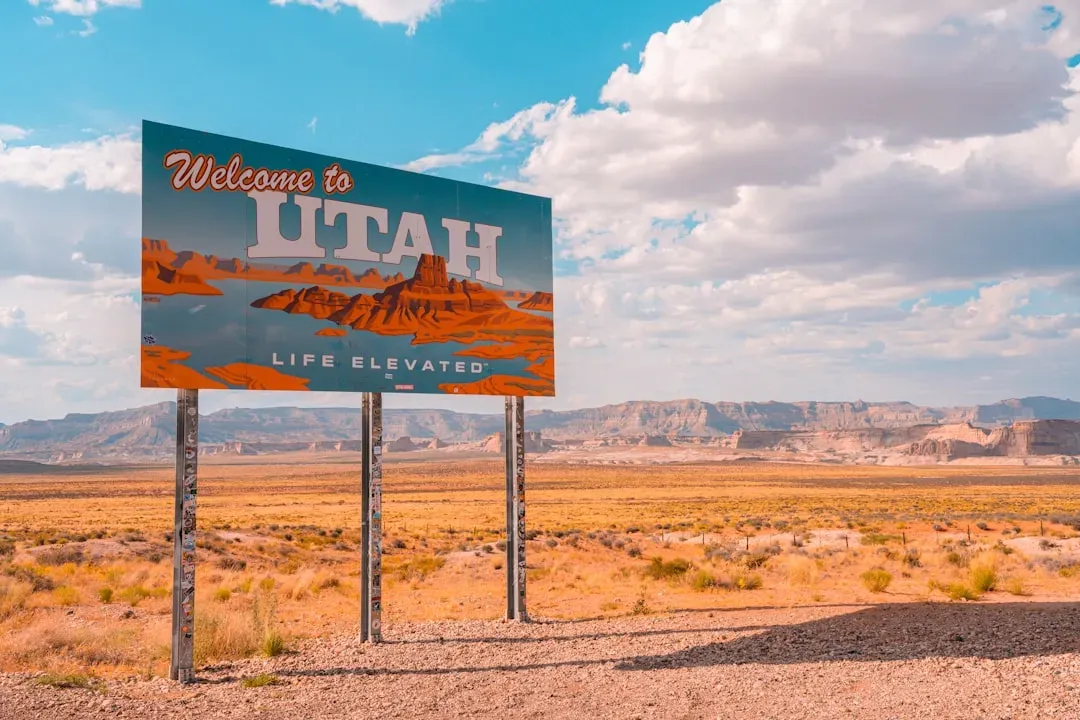
Utah is one of the more surprising entries on this list. Several of these may surprise readers, Utah and Oregon are not states typically associated with intense cooling demand, but both have seen sustained warming that is pushing their CDD totals well above historical norms. A state known more for skiing than sweltering summers is now dealing with a rapidly rising need for air conditioning.
This shift matters because much of Utah’s housing stock, particularly along the Wasatch Front, was built with heating in mind rather than cooling. As summer temperatures continue trending upward, homeowners there may face higher retrofit costs on top of rising electricity bills, since older homes were not designed with the same cooling efficiency priorities as newer construction in traditionally hot states.
Oregon

Oregon rounds out the top five states nationally for cooling degree day growth, and like Utah, it defies the usual mental map of where American summers get dangerously hot. Its mild, temperate reputation is being tested by a climate that increasingly produces longer stretches of high heat, particularly east of the Cascades and in the Willamette Valley during late summer.
Air conditioning penetration in Oregon has historically been lower than in southern states, partly because it was not seen as a necessity. That is changing, and each new air conditioner installed in a home that previously relied on natural ventilation adds new electricity demand to a grid that was not originally built with that level of summer load in mind.
Georgia

Georgia has shown up consistently in national analyses of rising cooling demand, with the locations with the largest increase in CDD were: Las Vegas, Nev.; McAllen, Texas; Phoenix, Ariz.; Reno, Nev.; El Paso, Texas; Tucson, Ariz.; and Albany, Ga. appearing among the cities with the sharpest jumps since 1970. That kind of sustained increase in a Southeastern city signals a broader statewide pattern rather than an isolated local anomaly.
Georgia already deals with both heat and humidity, a combination that pushes air conditioners to work harder than dry heat alone would require. As the Southeast continues to see some of the largest cumulative increases in cooling degree days nationally, Georgia households are likely to see cooling costs make up a growing share of their overall utility bills through 2040.
The bigger national picture

These six states are not outliers so much as leading indicators of a nationwide trend. In the U.S., household cooling demand is projected to rise 43% over 2025 levels by 2050, according to the U.S. Energy Information Administration’s latest outlook. That figure covers the whole country, but the increase will not be distributed evenly, and states already showing the steepest recent gains are the ones most likely to feel it first.
It is worth noting that 45 of 48 contiguous states show higher average CDD totals in the most recent five-year period compared to the early 2000s, so almost nowhere in the country is fully insulated from this shift. Still, the states with the fastest recent growth in cooling demand, Texas, Mississippi, Arkansas, Utah, Oregon, and Georgia among them, are the places where household budgets are likely to feel the pressure sooner and more sharply than the national average suggests.
