

- If You Live in These 6 States, Your Cooling Bills Could Rise Sharply by 2040 - September 13, 2026
- U.S. Wetlands Are Seeing the Return of 6 Bird Species, Scientists Say - September 13, 2026
- Claude is AI and can make mistakes. Please double-check responses. - September 13, 2026
Walk along almost any restored marsh in the eastern United States these days and there’s a decent chance you’ll hear something that wasn’t there a generation ago: the trumpet-like call of a swan, the rattling cry of a crane, or the sharp whistle of an osprey circling overhead. These sounds, once rare or entirely absent from many American wetlands, are becoming familiar again.
Decades of habitat restoration, legal protection, and patient reintroduction work are paying off in ways that field biologists are now documenting with hard numbers. From the Gulf Coast marshes of Louisiana to the prairie potholes of Iowa, several species that were pushed to the brink are re-establishing themselves in wetland habitats across the country.
1. Whooping crane
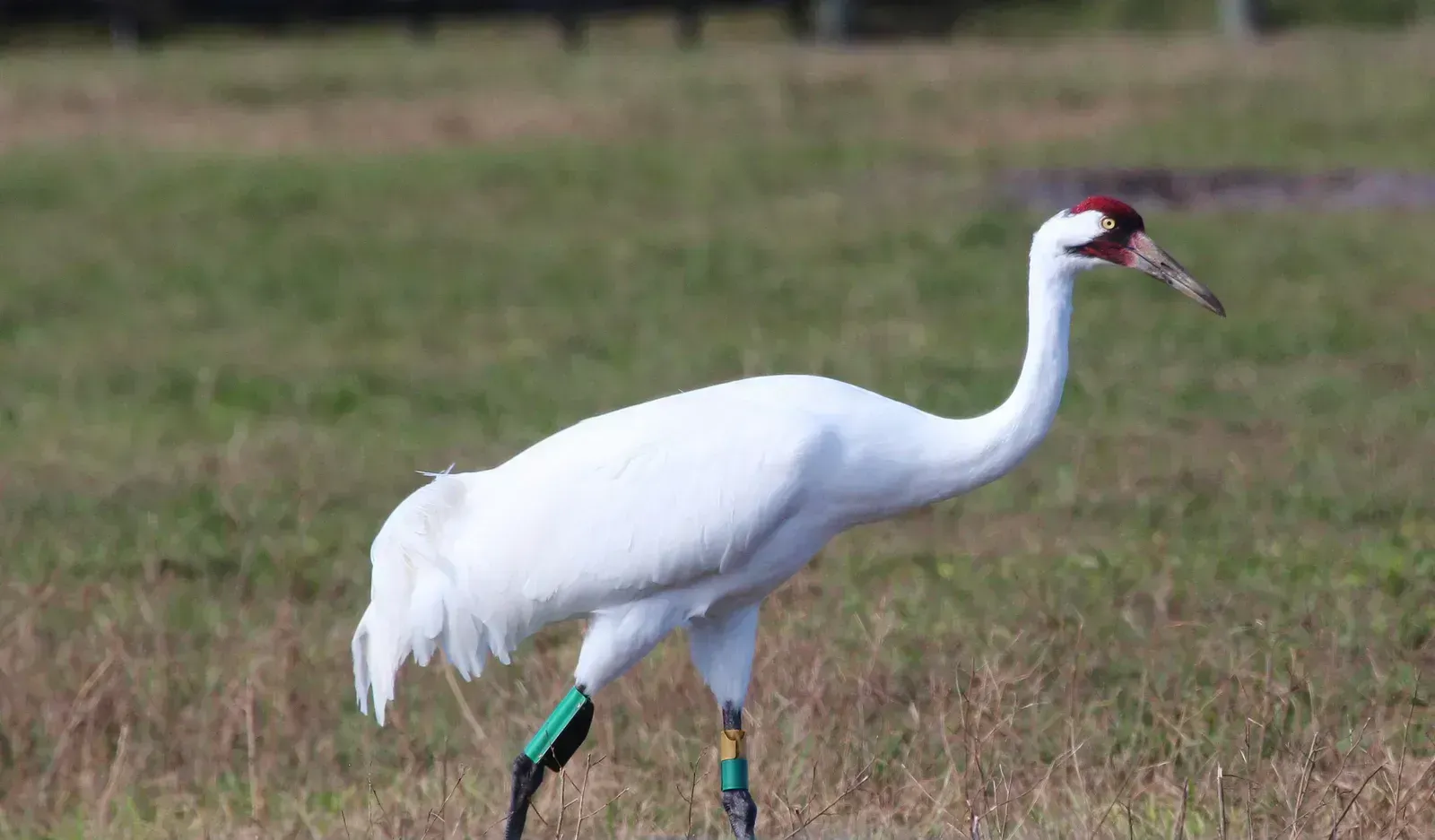
The whooping crane remains one of the most closely watched recovery stories in American conservation. When the species was first listed as endangered in 1967, only around 50 individuals remained. The most recent aerial survey of the main Aransas–Wood Buffalo population estimated approximately 540 birds wintered near Aransas National Wildlife Refuge on the Texas Gulf Coast.
That figure matters because it reflects a population that has remained above 500 for nine consecutive years, a threshold first crossed after decades of intensive recovery work through international partnership. A separate, smaller eastern migratory population, managed through captive rearing and careful monitoring, currently sits at 64 birds, of which fifteen are wild-hatched and the rest are captive-reared. Biologists caution that growth has slowed in recent years, and the species remains endangered despite the progress.
2. Wood stork
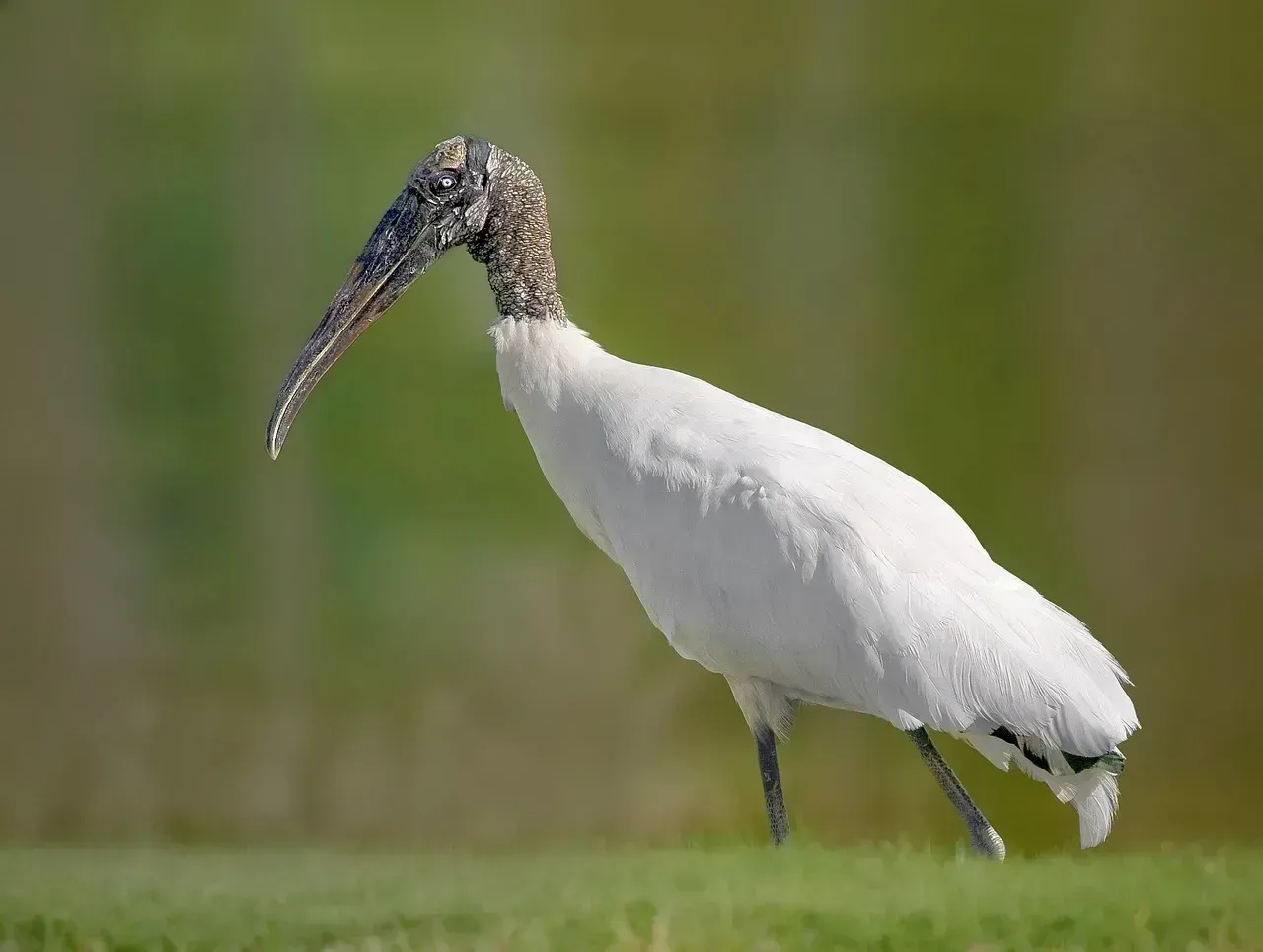
Few recovery stories are as clean cut as the wood stork’s. In February 2026, the U.S. Fish and Wildlife Service announced it would remove the bird from the endangered species list entirely, with the rule taking effect on March 9, 2026.
The numbers behind that decision are striking. The wood stork breeding population is estimated at 10,000 to 14,000 nesting pairs across roughly 100 colony sites, more than twice the number of nesting pairs and more than three times the number of colonies compared to when the species was listed. The birds have also broadened their range, and now inhabit the coastal plains of Mississippi, Alabama, Florida, Georgia, South Carolina and North Carolina, having adapted to new nesting areas including coastal salt marshes, flooded rice fields, floodplain forest wetlands and human-created wetlands. Federal officials will still track the species closely, since the Service has a 10-year post-delisting monitoring plan to ensure the species’ recovery is maintained.
3. Trumpeter swan
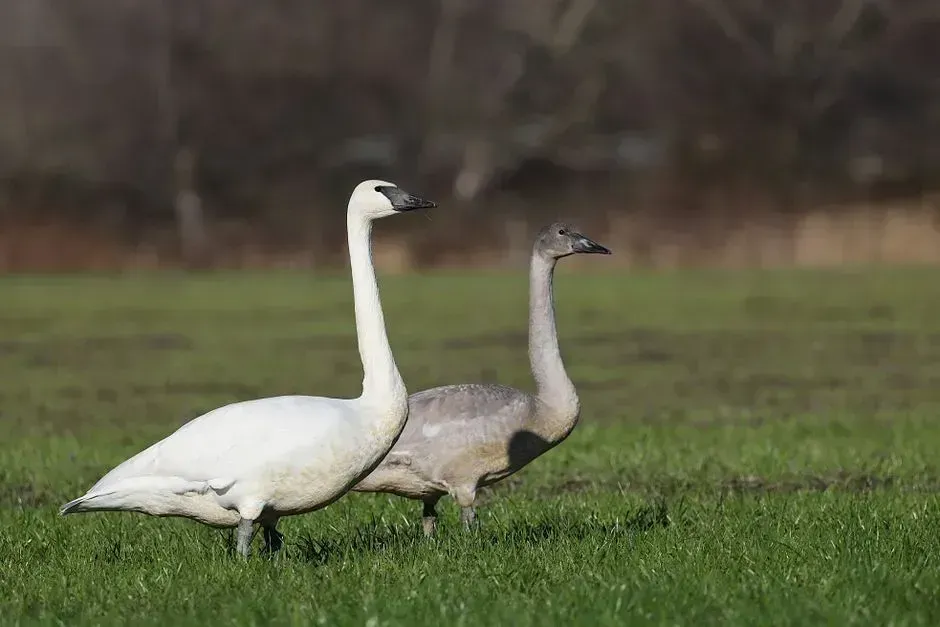
Of all the wetland comeback stories, the trumpeter swan’s might be the most dramatic in raw numbers. By the 1930s, the species had been hunted and displaced to the point that only 69 trumpeter swans remained in the lower 48 states, living in the remote Red Rock Lakes area in southwestern Montana.
The turnaround since then has been substantial. In Iowa alone, swans attempted a modern-day record 158 nests in 2025, an increase of 17 percent over 2022, according to the most recent statewide observation survey completed in December. Iowa’s winter counts are even more telling, with more than 4,700 swans recorded in Iowa during the 2025 midwinter survey. Wisconsin’s population has grown similarly, with the state’s spring survey showing the population now exceeds 15,000 individuals, according to the WDNR 2025 spring waterfowl survey. Threats persist, particularly collisions with powerlines, which remain a major problem, along with lead ingestion.
4. Osprey
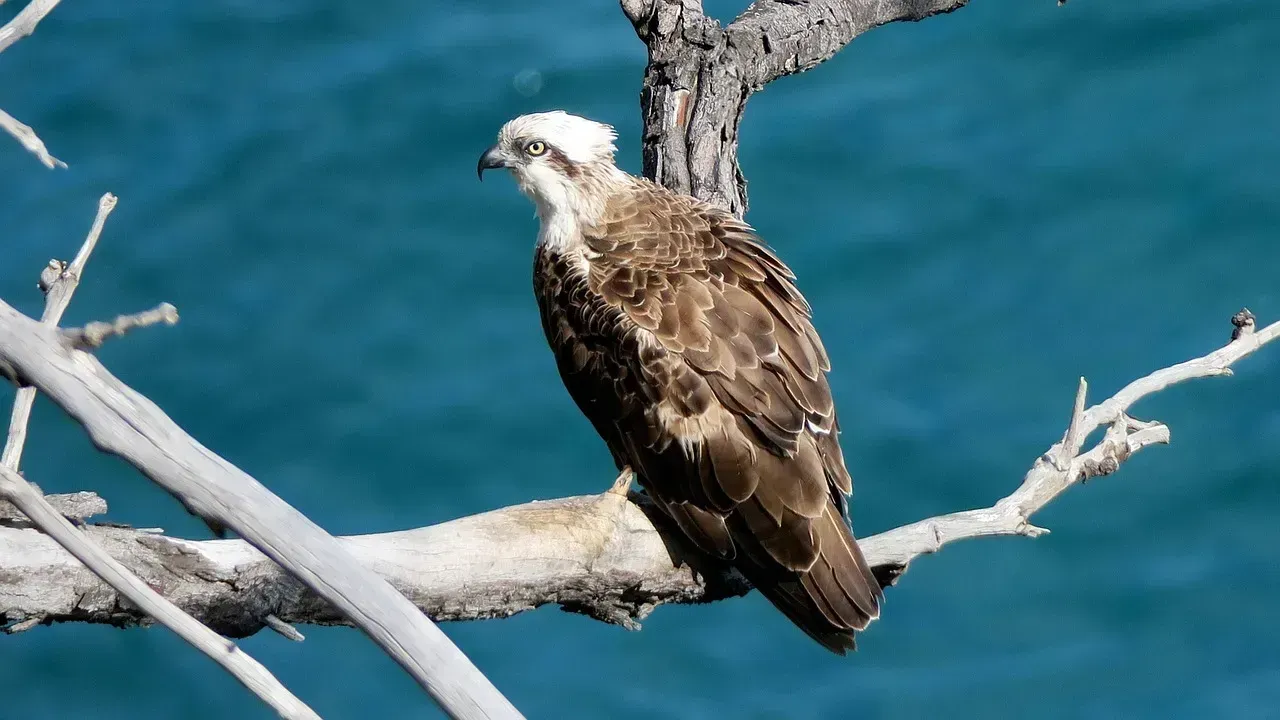
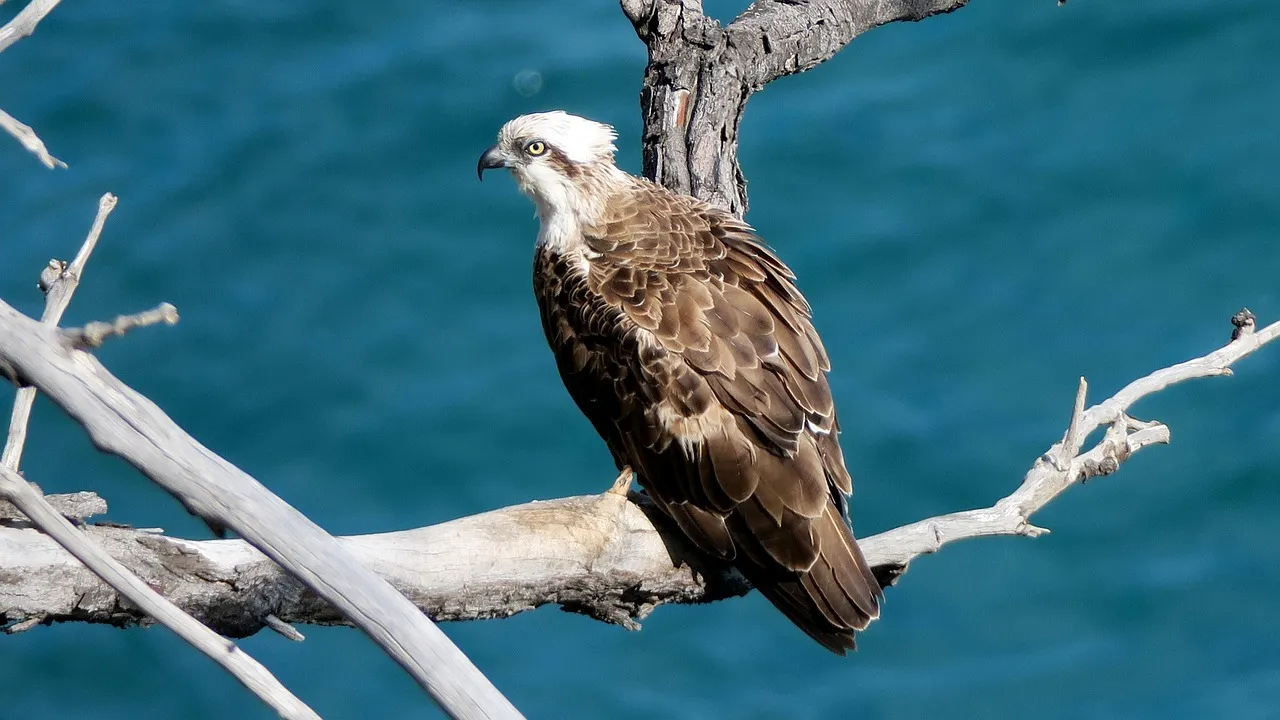
Ospreys have quietly become one of the clearest signs that America’s wetlands and waterways are recovering from decades of pesticide contamination and habitat loss. Across the continent, the species has rebounded from a low point of just 1,450 breeding pairs in the 1970s to more than 20,000 pairs today.
New Jersey offers one of the most concrete regional examples. In January of 2025, ospreys were officially removed from New Jersey’s list of endangered species, a decision built on years of steady growth. State wildlife officials had already counted an estimated 729 occupied nests in the state in 2024, with 35 new nests compared to 2023. Not every regional count shows uninterrupted growth. On eastern Long Island, a 2025 survey found 385 active nesting pairs, which produced 386 fledglings, a slight dip from 2022’s 353 nests, though monitors describe the overall population there as still strong.
5. Black-necked stilt
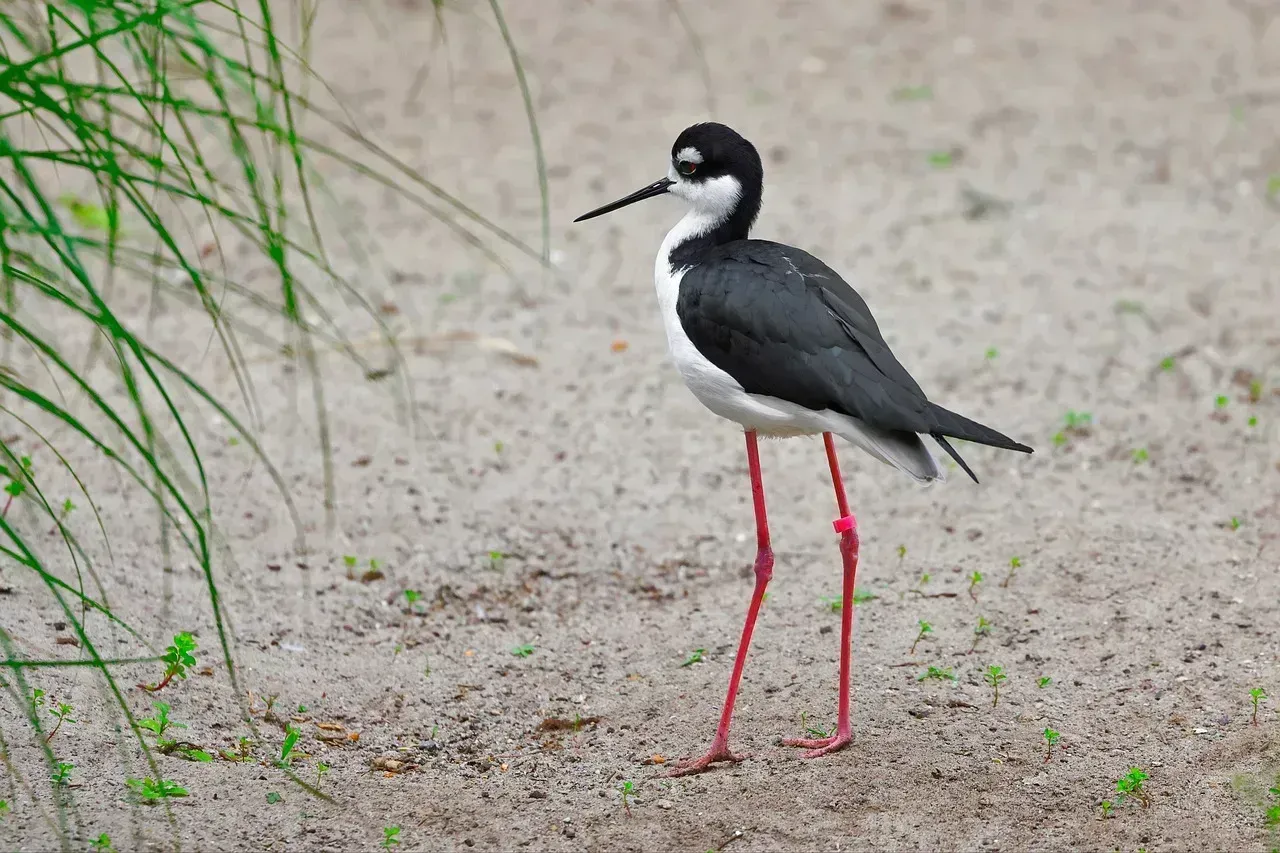
The black-necked stilt, a slender wading bird with impossibly long pink legs, has been showing up in places where it was once a rarity. At Wisconsin’s Horicon Marsh, a wetland that ranks among the most important bird habitats in the country, numbers have climbed enough that the site now likely holds a significant regional stronghold for the species.
Researchers point to two possible explanations for the shift. One is that climate change, whether through severe drought or conversely flooding, may be leading stilts to expand their range northward from the Gulf Coast. The other has to do with the bird’s breeding habits, since stilts usually do not stay with a breeding partner long term and often pair with a new mate after breeding, which may create an opportunity for a former pair to bring along new mates, thereby increasing breeding numbers substantially. Out west, in San Francisco Bay’s restored salt ponds, stilt numbers tell a more cautious story, with 2024 nest counts remaining at or near 20 year lows, though both species had small increases in their nesting population sizes compared to 2022.
6. Forster’s tern
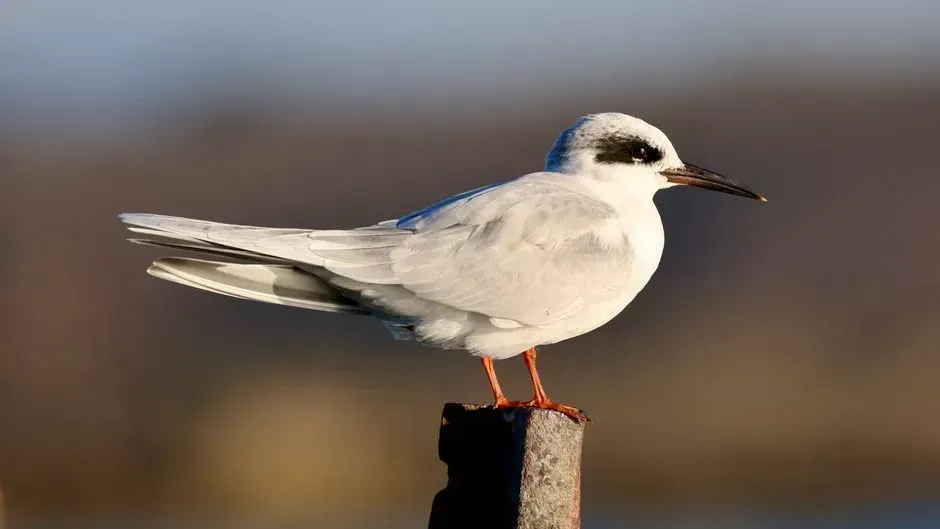
Forster’s terns have become an unexpected bright spot within the same San Francisco Bay restoration effort that has helped, but not fully revived, the region’s stilts and avocets. The South Bay Salt Pond Restoration Project, which is converting former industrial salt evaporation ponds back into tidal marsh and tidal mudflats across as much as 15,100 acres, appears to be paying off for this particular species.
Nest counts collected since 2005 show a clear upward trend for the terns. Forster’s tern nest abundance in 2024 reached 1,808 nests, the highest recorded between 2005 and 2024, maintaining the high abundance first observed in 2022 at 1,727 nests, which reversed the historically low abundance observed during 2015 to 2017. Nest success rates have improved as well, with researchers recording 64 percent nest success for Forster’s terns in 2024, up from 53 percent in 2022. The pattern illustrates something biologists often stress: wetland restoration rarely benefits every species equally, but for species that respond well to newly created island and marsh habitat, the gains can be dramatic.
What’s driving the turnaround
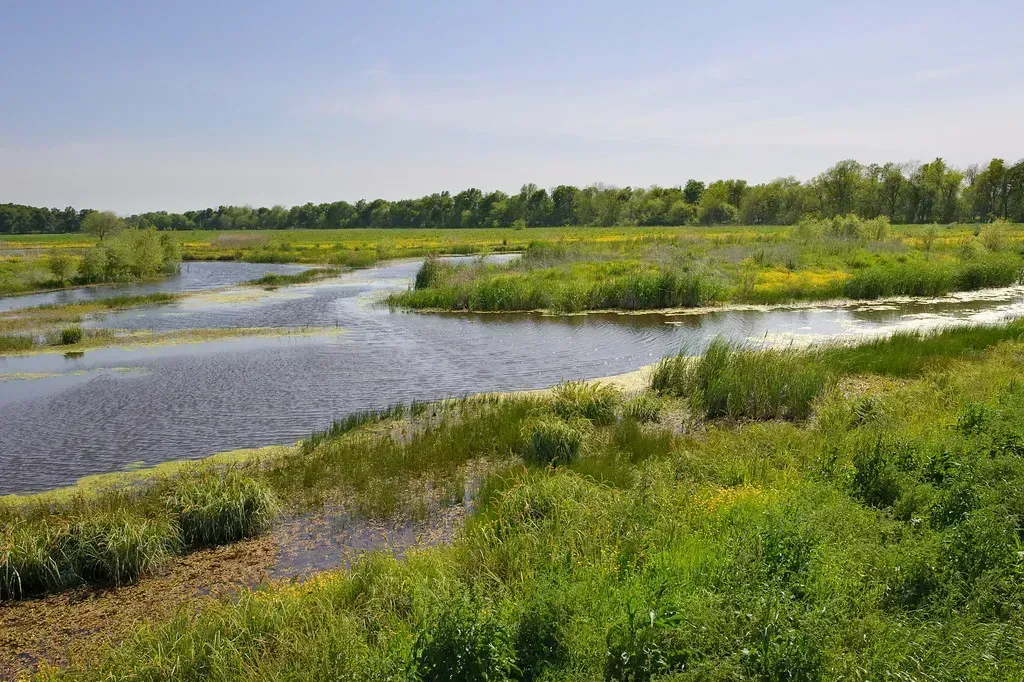
None of these recoveries happened by accident. Each involved some combination of legal protection under the Endangered Species Act, targeted habitat restoration, and in several cases, active reintroduction programs that reestablished birds in places they had disappeared from decades earlier.
Large scale wetland restoration projects, like the ongoing effort in South San Francisco Bay or the wetland reserve easements supporting bird communities in the Lower Mississippi Alluvial Valley, have created the physical space these species need to nest and feed. At the same time, monitoring programs run by state agencies, federal wildlife services, and organizations like the International Crane Foundation have allowed biologists to track progress closely enough to know when a species is truly stable versus simply having a good year. That distinction matters, since several of these recoveries, including the whooping crane’s, are described by the scientists tracking them as encouraging but still fragile.
