

- Astronomers Track 5 Near-Earth Objects Passing This Year - September 14, 2026
- NOAA Data Reveals North America’s 6 Coldest Year-Round Inhabited Areas - September 14, 2026
- Why 9 Amazon Species Have Quietly Vanished From Their Native Habitats - September 14, 2026
Winter in the American West does not look the way it used to. Mountain ranges that once held snow well into summer are now bare by June, and water managers across the region are recalibrating decades-old assumptions about supply. The shift is not anecdotal. Long-term monitoring networks, tree-ring reconstructions, and hydrologic models all point to the same pattern: a steady, measurable retreat of mountain snowpack across specific states, with some losing far more than others.
Understanding which states have been hit hardest matters for anyone who depends on snowmelt, whether for drinking water, farming, or river recreation. Below are six states where the data shows the sharpest declines in snowpack over the last three decades.
Oregon
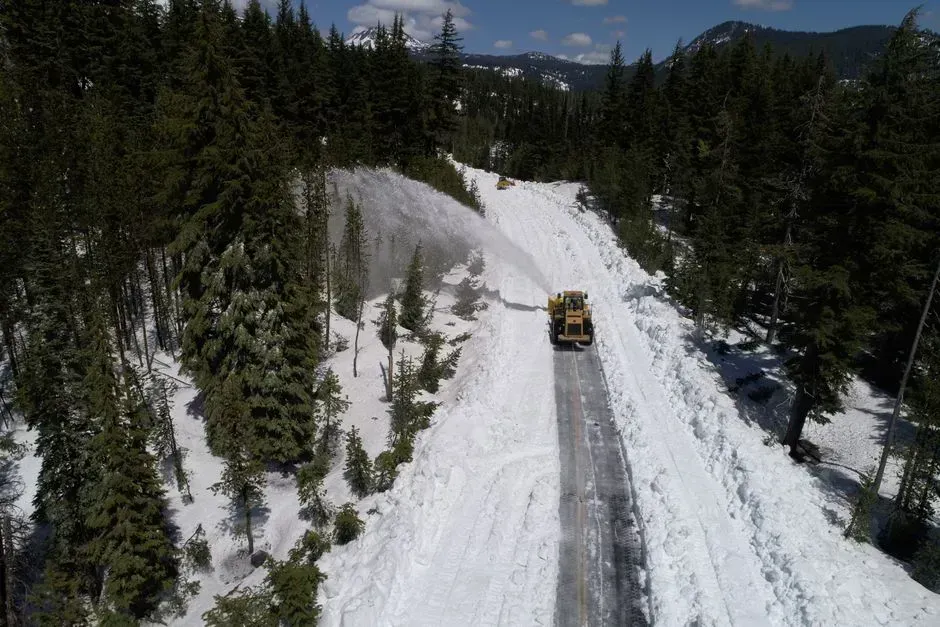
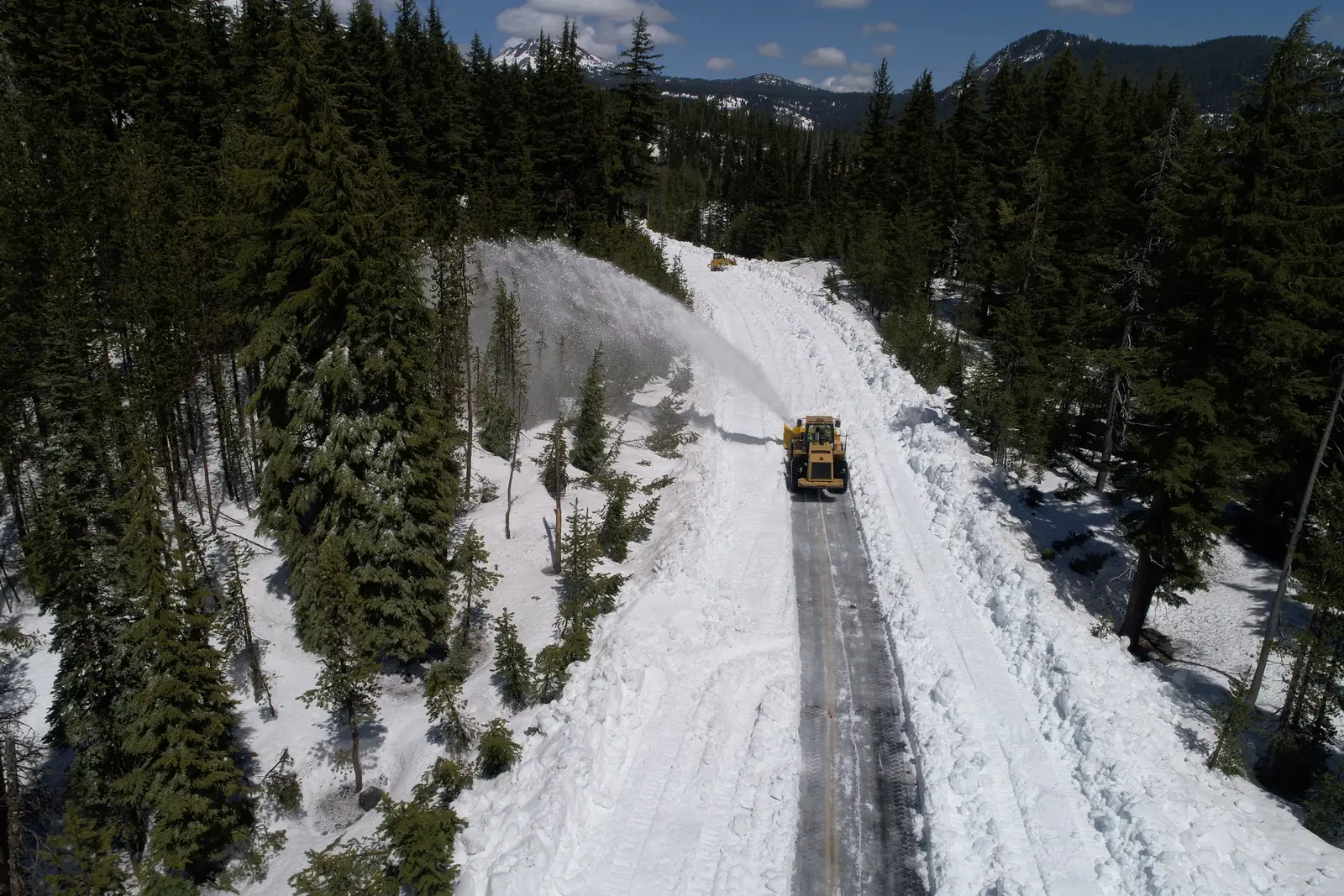
Oregon consistently shows up at the top of nearly every snowpack decline analysis, and for good reason. Research on the Cascade Range has found that the Cascade Range in the Pacific Northwest has undergone the most dramatic declines during the instrumental era, and Oregon has sustained the greatest reductions among western states. A more recent SNOTEL-based analysis backs this up, finding that Oregon stations averaged a 29.5% reduction in peak snow water equivalent, with Hogg Pass losing more than half of its historical snowpack.
The problem is partly geographic. Much of Oregon’s mountain terrain sits at elevations where winter temperatures hover close to freezing, meaning small amounts of warming can flip precipitation from snow to rain. Scientists note that in many lower-elevation sites, what used to fall as snow is now rain, while upper elevations have not been affected nearly as much, though most states don’t have that much area at 7,000-plus feet. Oregon’s Cascades, with relatively few high-elevation refuges, are especially exposed to that vulnerability.
Washington
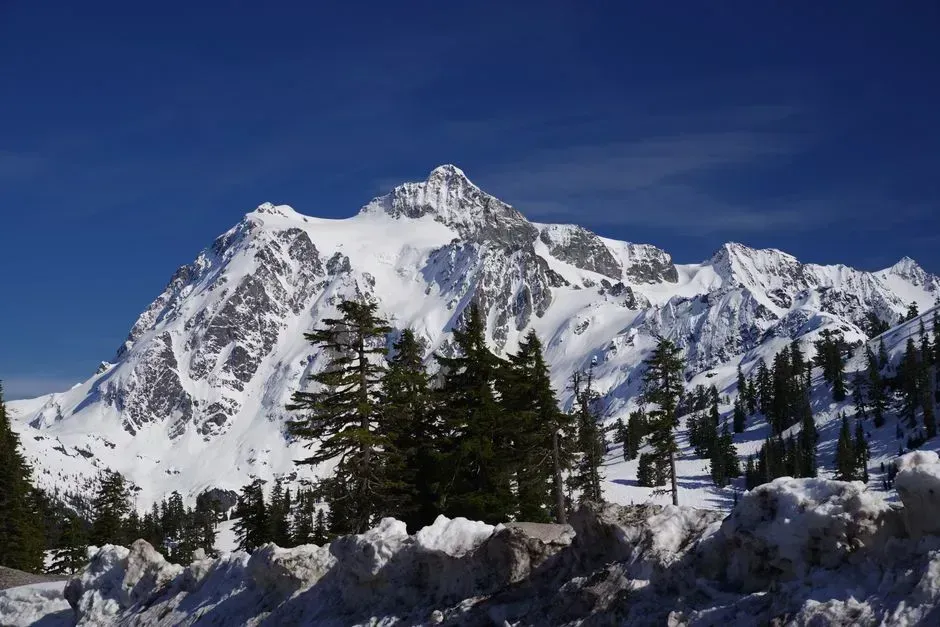
Washington shares much of Oregon’s climate exposure, and the numbers reflect it. Federal climate summaries describe how decreases have been especially prominent in Washington, Oregon, northern California, and the northern Rockies, with all but four stations in the Northwest showing declines over the period of record. The Cascade Mountains that run through the state simply do not offer the same high-altitude buffer found in steeper ranges further east.
Part of what makes Washington’s situation distinct is topography. Researchers point out that the Cascade Mountains are not as steep as the Rocky Mountains, so they have more area affected by changes in temperature, which leaves a larger share of the snowpack sensitive to even modest warming trends. Combined with the state’s reliance on mild, moisture-laden Pacific storms, Washington has become one of the clearest examples of snow turning to rain over the past three decades.
Nevada
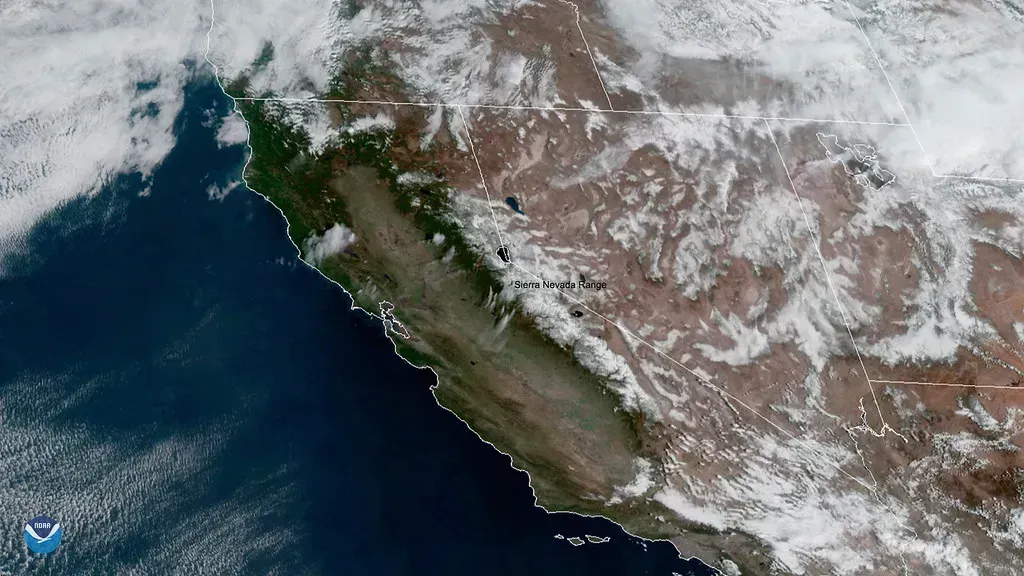
Nevada’s decline has been notable both for its scale and its regional pattern. Studies identify eastern Oregon and northern Nevada as the regions with the most significant decrease in snowpack, a distinction that stands out even among western states already experiencing widespread loss. The same body of research also found that snowpack decreases in excess of 70 percent occurred at some sites in California, Montana, Washington, Idaho and Arizona, underscoring how severe localized losses have become across the broader Great Basin and Sierra region that touches Nevada.
Nevada’s mountains, largely isolated ranges rather than one continuous chain, tend to have lower average elevations than the Sierra Nevada or Rockies. That makes them more susceptible to warming-driven shifts from snow to rain. With much of the state already arid, even modest reductions in mountain snowpack translate into outsized effects on downstream water availability.
California
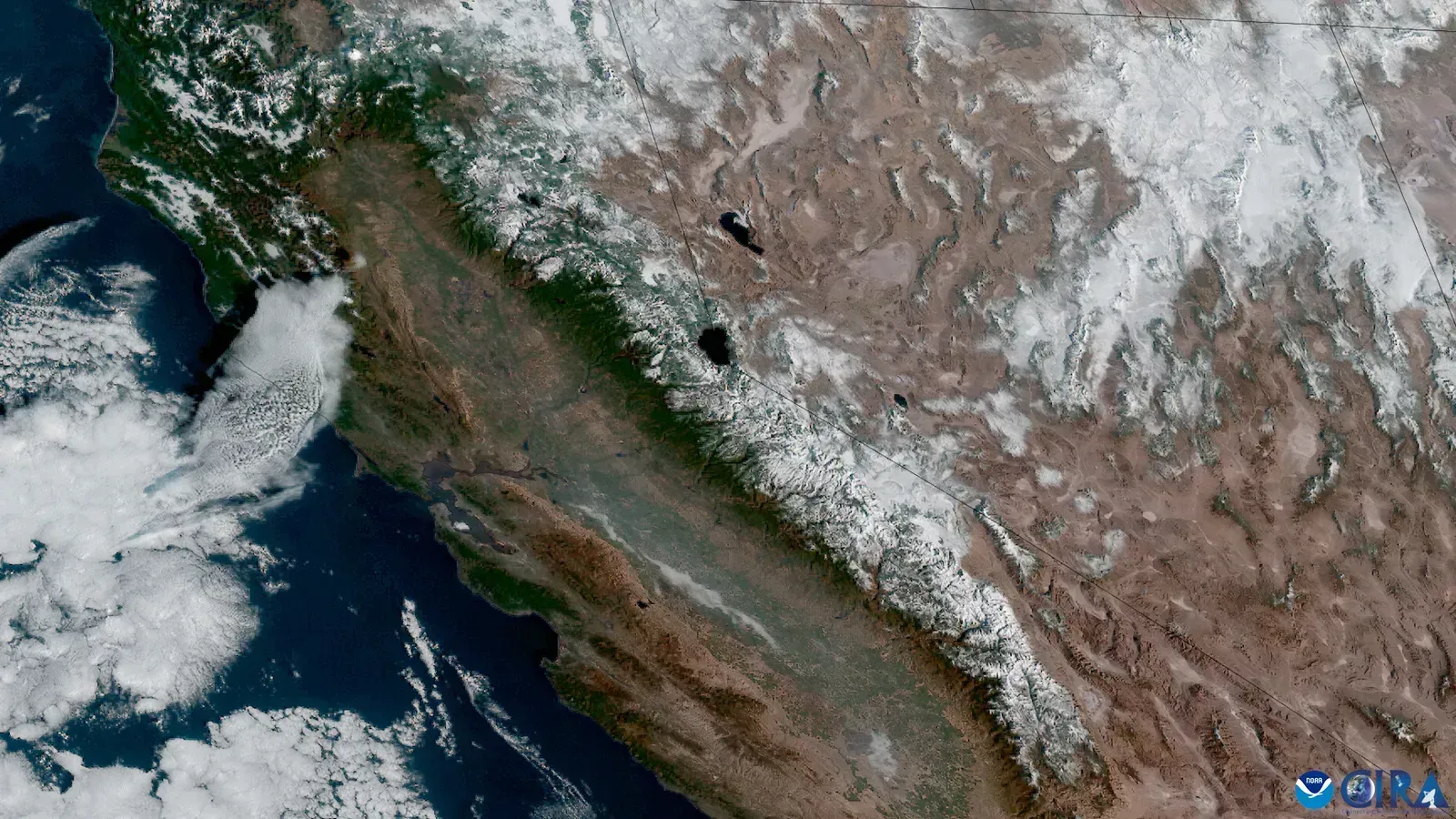
California’s story is more complicated than a simple downward line, but the long-term trend still points to loss. Research covering the state notes that California had the highest number of positive snowpack trends since 1955, but lingering drought during the past decade erased most of those gains, and snowpack declines still dominated overall. In other words, occasional wet years have not been enough to offset the broader warming pattern.
The state’s geography adds another layer of vulnerability. Because so much of California’s water storage strategy has historically relied on the Sierra Nevada snowpack rather than built reservoirs, any decline carries outsized consequences. Scientists have emphasized that in many western watersheds, snowpack stores more water than human-constructed reservoirs, a dynamic that makes California’s snowpack losses a direct threat to both agricultural and municipal water planning.
Montana
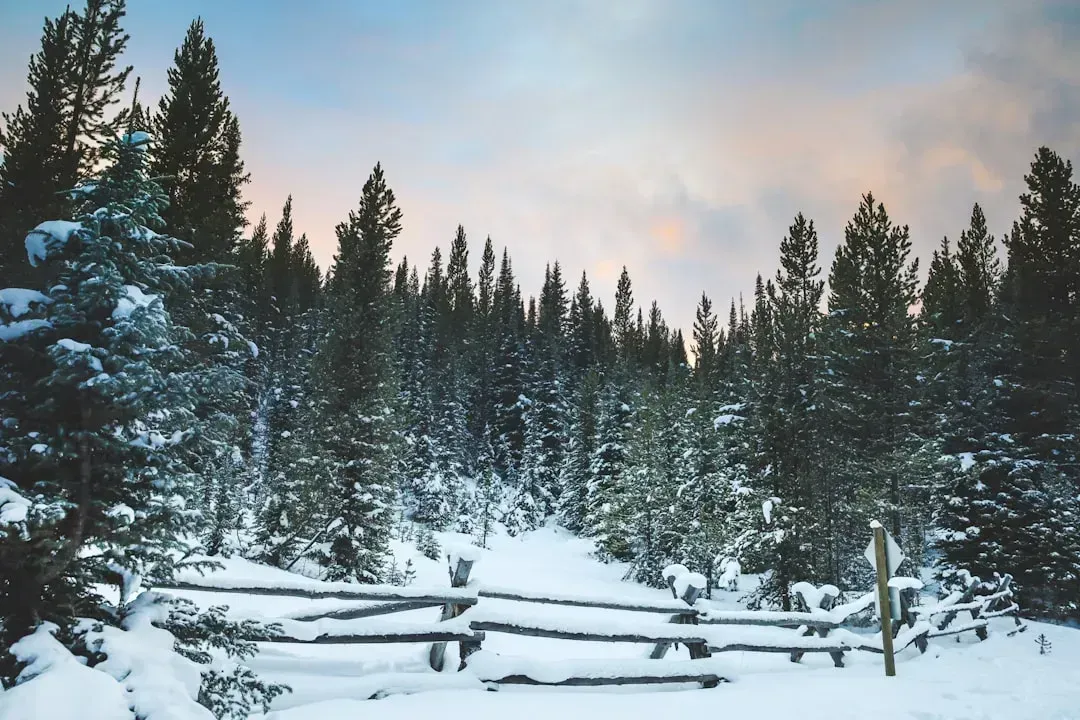
Montana’s northern Rockies have not been spared from the broader western trend. Federal data shows that decreases have been especially prominent in Washington, Oregon, northern California, and the northern Rockies, a category that includes much of Montana’s high country. Separate research also found that some Montana sites experienced snowpack decreases in excess of 70 percent, placing the state among those with the most extreme localized losses recorded anywhere in the West.
What makes Montana’s case notable is the longer historical context. A USGS-backed study concluded that snowpack declines in the Rocky Mountains over the last 30 years are unusual compared to the past few centuries, suggesting Montana’s recent losses are not simply part of a normal cycle. Researchers tied much of the change to unusual springtime warming, more precipitation falling as rain rather than snow, and earlier snowmelt, all factors that have reshaped Montana’s water timing far beyond natural variability.
Idaho
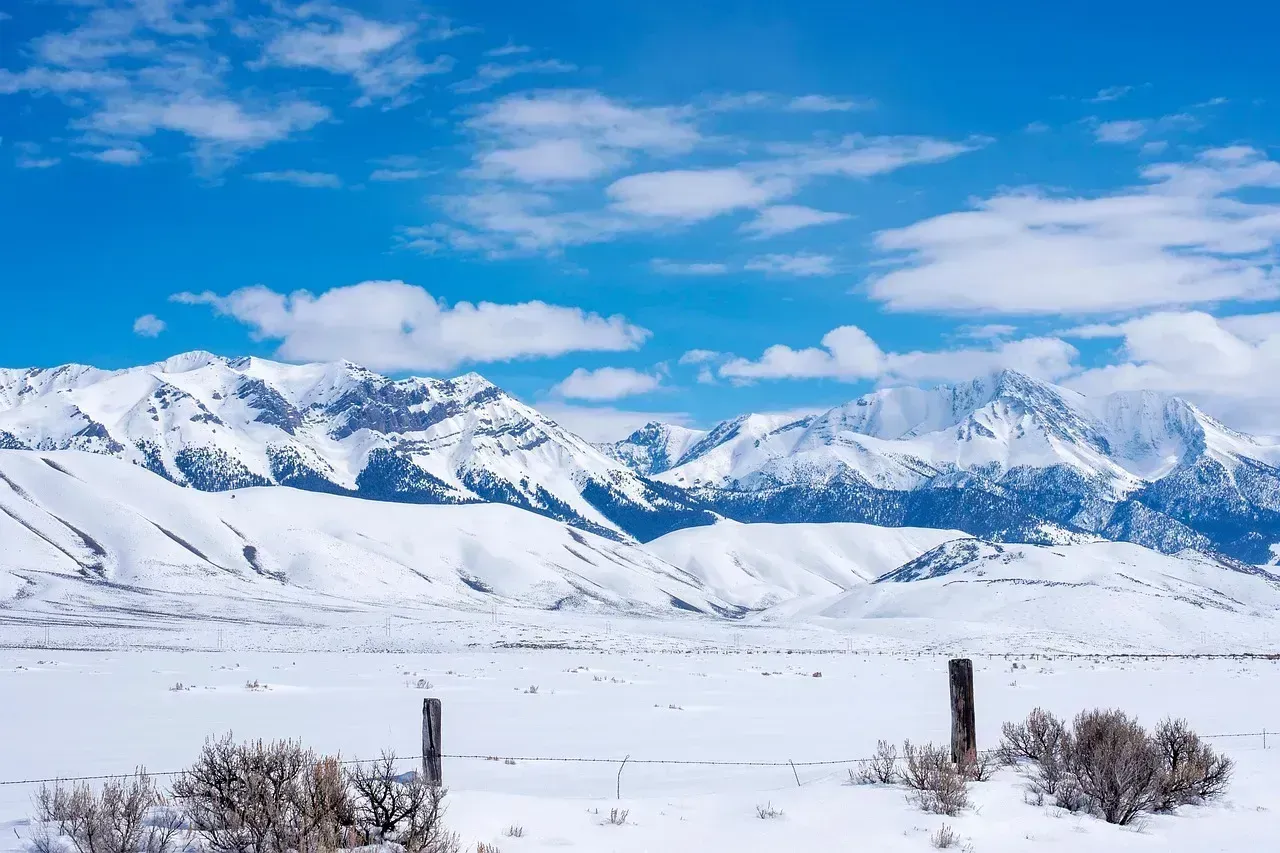
Idaho rounds out the list of states with the steepest snowpack losses, again showing up in the group of states where declines have exceeded 70 percent at individual monitoring sites. The same analysis that flagged Montana and Nevada also identified Idaho among the states where snowpack decreases in excess of 70 percent occurred, a striking figure given how central mountain snow is to the state’s rivers and irrigation systems.
Idaho’s exposure comes from a mix of elevation and climate. Much of its snow accumulates at mid-range elevations that sit right at the threshold between snow and rain during winter storms, the same vulnerability driving losses in Oregon and Washington. As the broader research on western snowpack concluded, declining trends are observed across all months, states, and climates, but are largest in spring, in the Pacific states, and in locations with mild winter climate, a description that fits much of Idaho’s mountain terrain closely.
Across all six states, the underlying driver is consistent: warmer winters are pushing the snow line higher and shrinking the window during which mountains hold onto their water. Researchers who study the trend describe it plainly, noting that the broader western snowpack decline amounts to a loss of between 15 and 30 percent since 1915, comparable in volume to Lake Mead, the West’s largest manmade reservoir. For the states above, the losses have run well past that regional average, and the consequences for water supply, wildfire risk, and mountain ecosystems are already being felt.
