


- Astronomers Track 5 Near-Earth Objects Passing This Year - September 14, 2026
- NOAA Data Reveals North America’s 6 Coldest Year-Round Inhabited Areas - September 14, 2026
- Why 9 Amazon Species Have Quietly Vanished From Their Native Habitats - September 14, 2026
Utqiagvik, Alaska
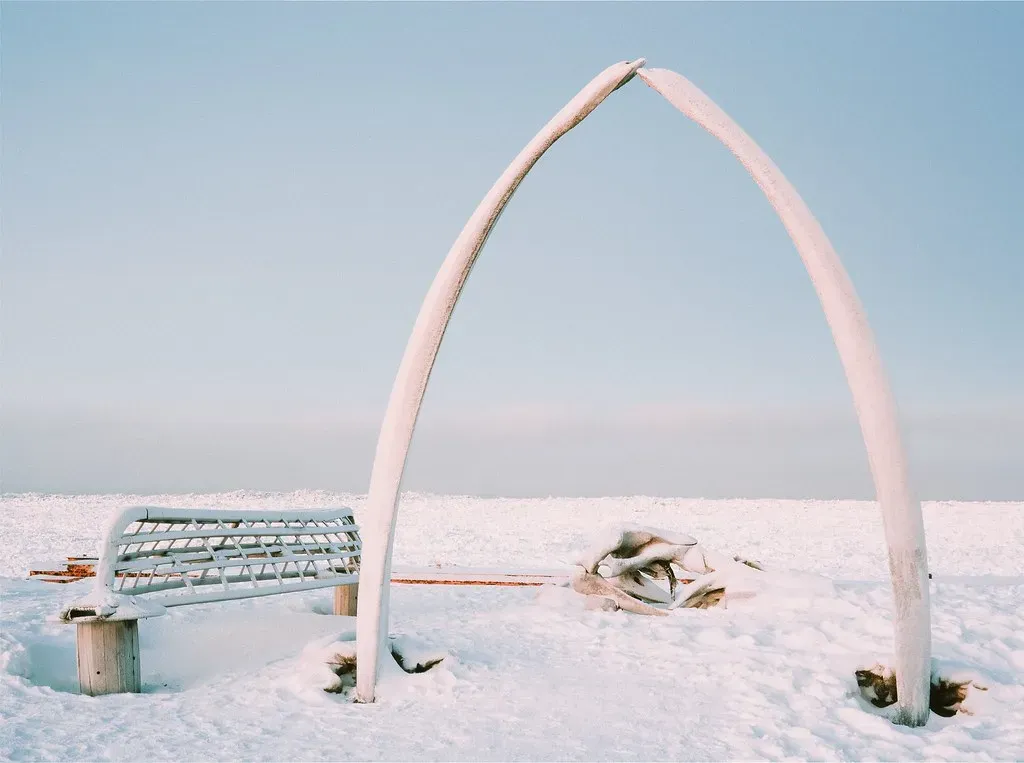
Sitting on the northern tip of Alaska along the Arctic Ocean, Utqiagvik is the outright coldest inhabited place in the U.S., with an average annual temperature of just 12.7°F and winter temperatures that average around 11 degrees below zero. Older climate normal datasets put the number slightly higher, with the mean annual temperature of Utqiaġvik at 13.7 degrees Fahrenheit from 1991 to 2020, according to the Alaska Climate Research Center, but either figure lands firmly below freezing for the year as a whole.
What makes this town remarkable isn’t just the thermometer reading. Utqiagvik experiences polar nights for over 60 days during the winter, meaning the sun never rises, yet over 4,000 people live in the town year-round. Access is limited to plane or boat, and the Iñupiat people have called this stretch of coastline home for well over a thousand years, long before anyone was recording temperature data at all.
Fairbanks, Alaska
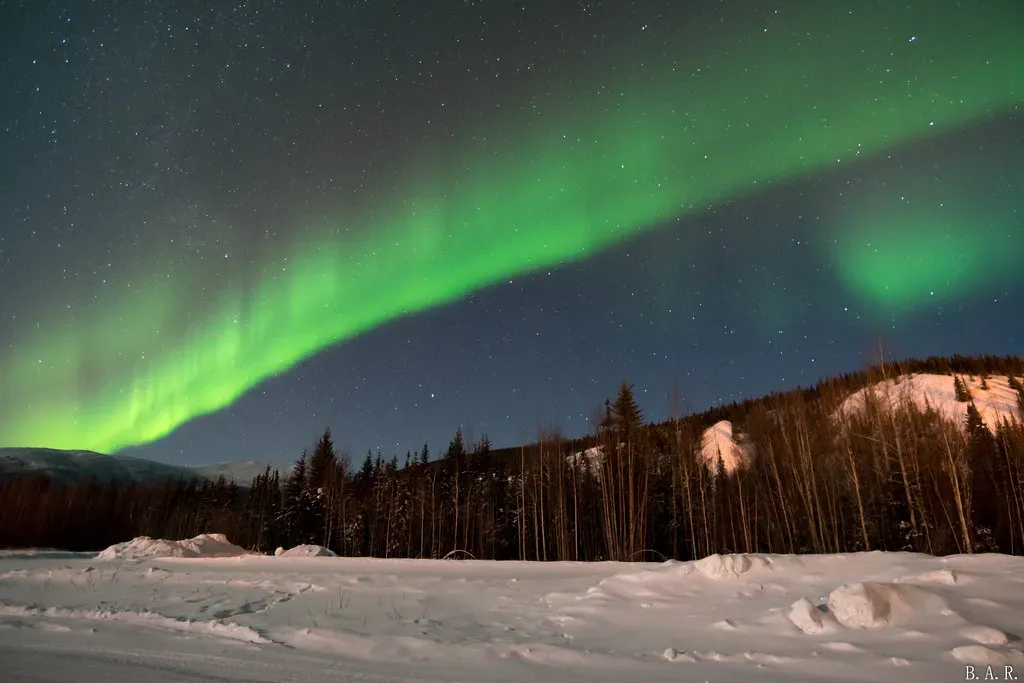
Move inland from the Arctic coast and you land in Fairbanks, a very different kind of cold. Fairbanks, Alaska is the coldest major city in America, averaging a mean annual temperature of just 29.5°F, below freezing for the year as a whole. Unlike the coastal moderation seen in Utqiagvik, Fairbanks sits deep in the interior, where continental air masses settle in and refuse to budge for weeks at a time.
The town’s reputation for extremes is well earned. Historic lows have reached about −66°F in 1934, according to NOAA records, and it remains a reference point for anyone comparing serious cold across the state. Not far away sits Prospect Creek, a defunct mining camp that recorded the coldest temperature ever measured anywhere in the United States, though its population today is effectively zero, which is why Fairbanks carries the title for any place people actually call home.
International Falls, Minnesota
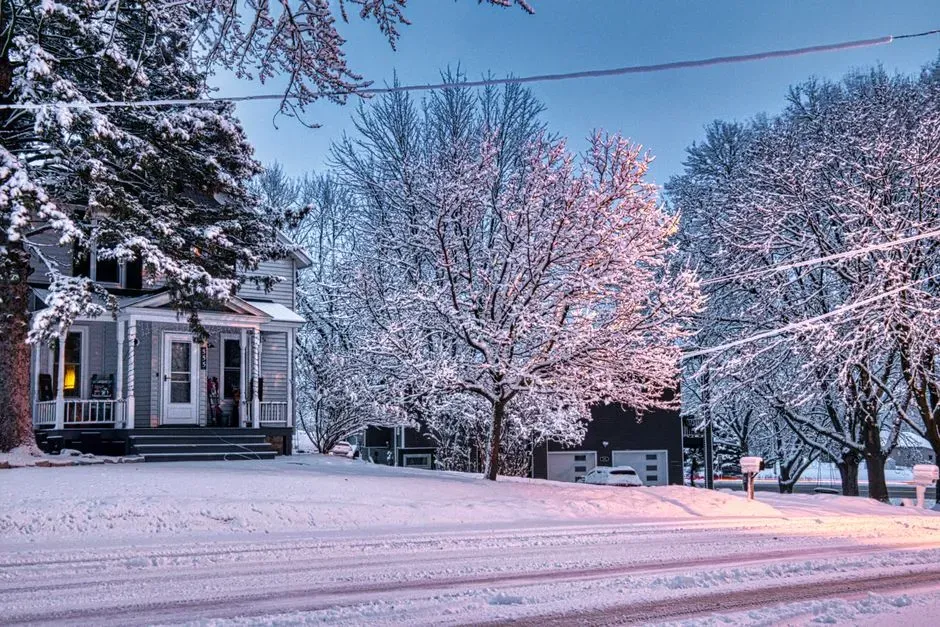
Cross into the Lower 48 states and the cold map shifts to the northern border of Minnesota. International Falls reports the coldest average annual temperature of any National Weather Service first-order station in the contiguous United States, at 37.4°F. Some more recent averaging methods put the number closer to 38.8°F, but either way it consistently tops lists of coldest cities outside Alaska.
The town has fought hard to keep its identity. Widely described as the coldest city in the continental United States, International Falls has long promoted itself as the Icebox of the Nation, a slogan repeatedly challenged by the town of Fraser, Colorado. That trademark dispute actually went to court, and International Falls won. Average snowfall exceeds 70 inches per year, with snow depths of 5 inches or more observed on the majority of days from December through March, which gives some sense of just how long winter actually lingers there.
Embarrass, Minnesota
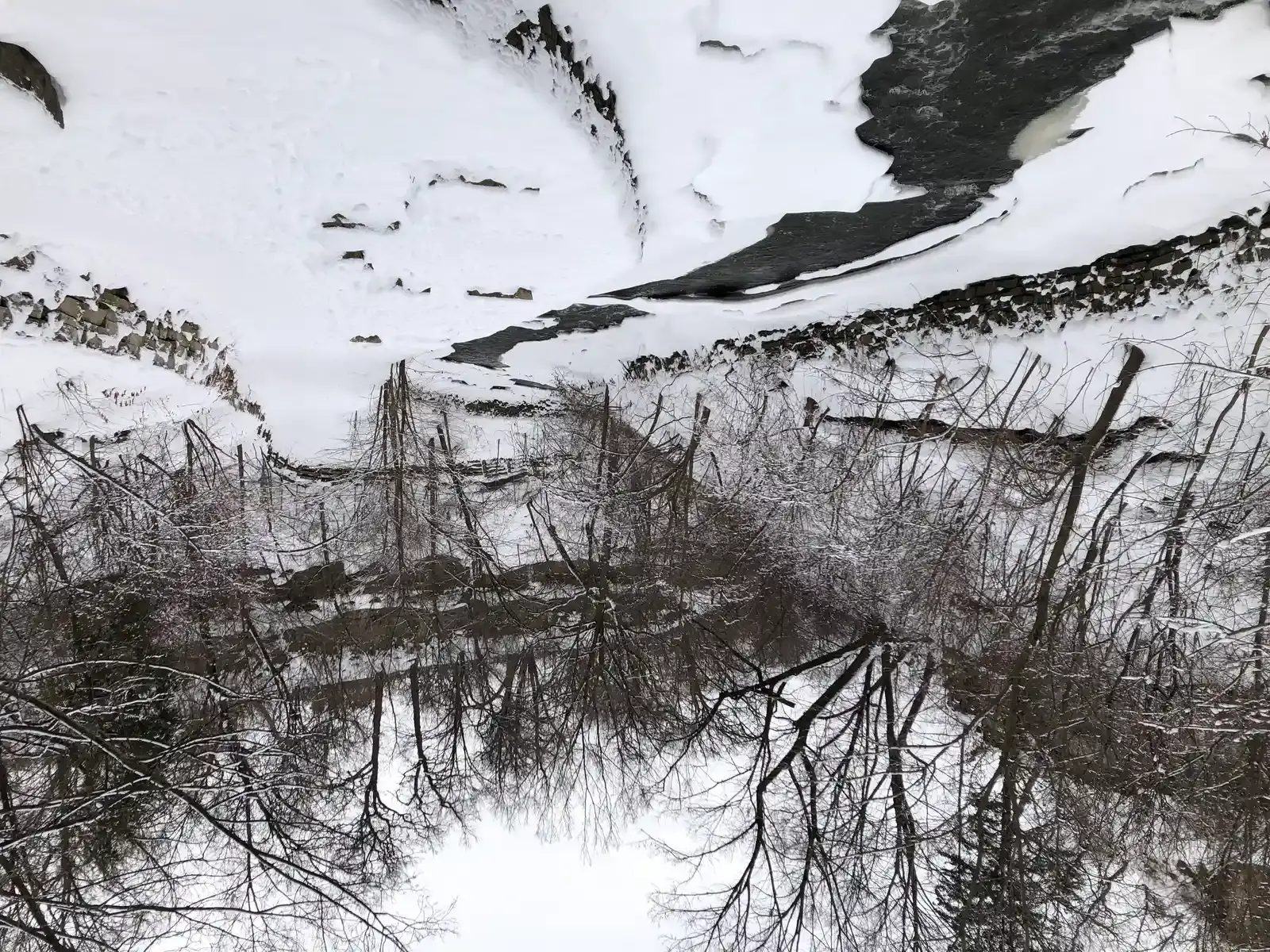
A short drive from International Falls sits a much smaller and, in some ways, even colder spot. With an average annual temperature of 36.4°F, Embarrass is notable as the coldest place in Minnesota. The town sits in a river valley, a geographic feature that traps cold air overnight and lets it pool rather than drain away.
Life there settles into a rhythm most people would find hard to imagine. In the winter of 2000–2001, the temperature in Embarrass did not rise above freezing from November 24 to March 1, with the high for that entire meteorological winter reaching only 32°F on January 10. Residents have grown used to mornings that dip well below zero, and even summer nights rarely feel warm enough to relax the guard against frost.
North Pole and the Fairbanks region, Alaska
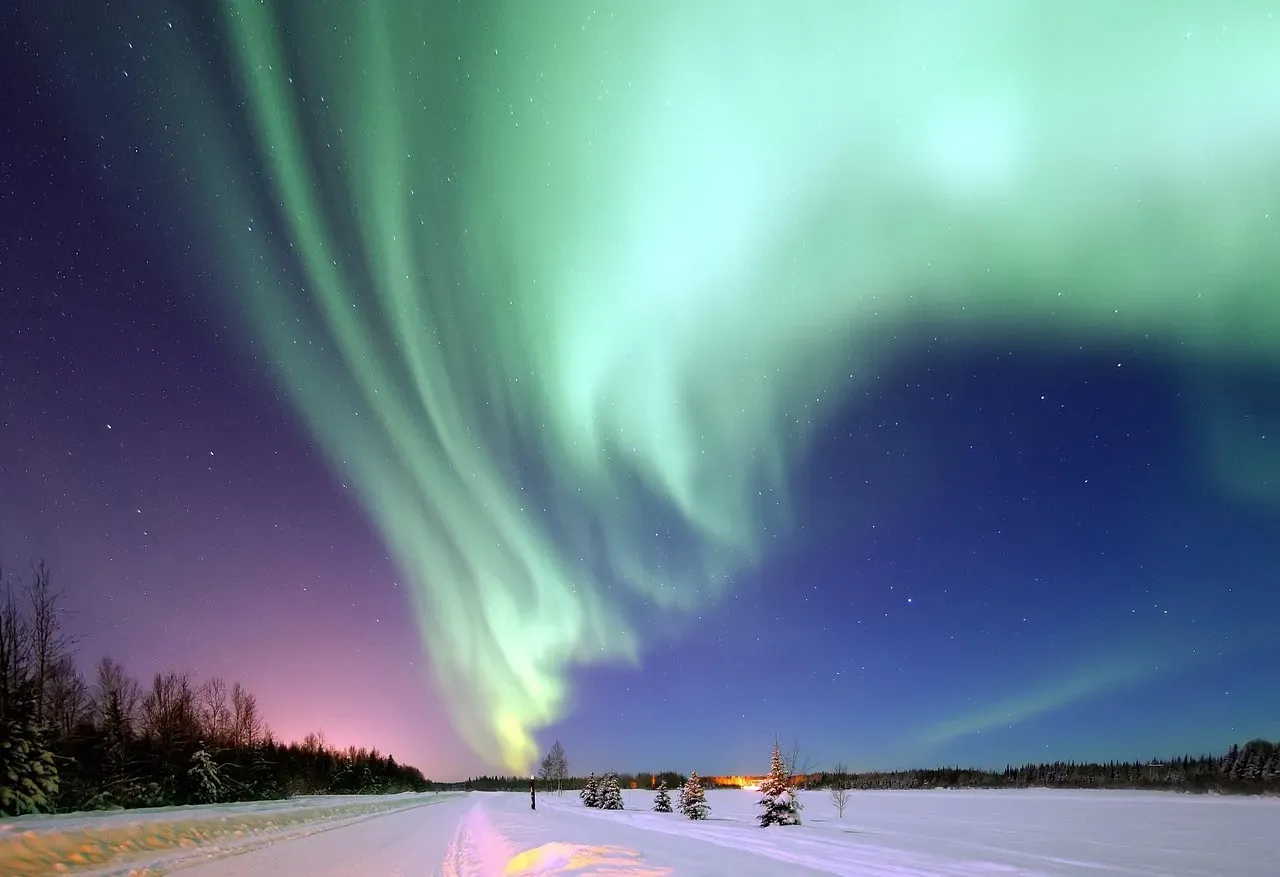
Just outside Fairbanks proper sits North Pole, a small city that leans into its identity with candy cane striped street lights and year round holiday decorations. Despite the cheerful branding, the climate here is anything but festive. This small city of around 2,700 residents experiences average January temperatures around -13°F, with extremes dropping below -50°F.
The contrast between the town’s holiday theme and its actual weather is part of what makes it stand out on any list of North America’s coldest inhabited spots. Locals rely on engine block heaters just to keep vehicles starting through the depths of winter, a practical necessity rather than a novelty. It’s a reminder that even a town built around Christmas cheer still has to answer to the same brutal interior Alaska climate that grips Fairbanks and its surrounding communities.
Yellowknife, Northwest Territories
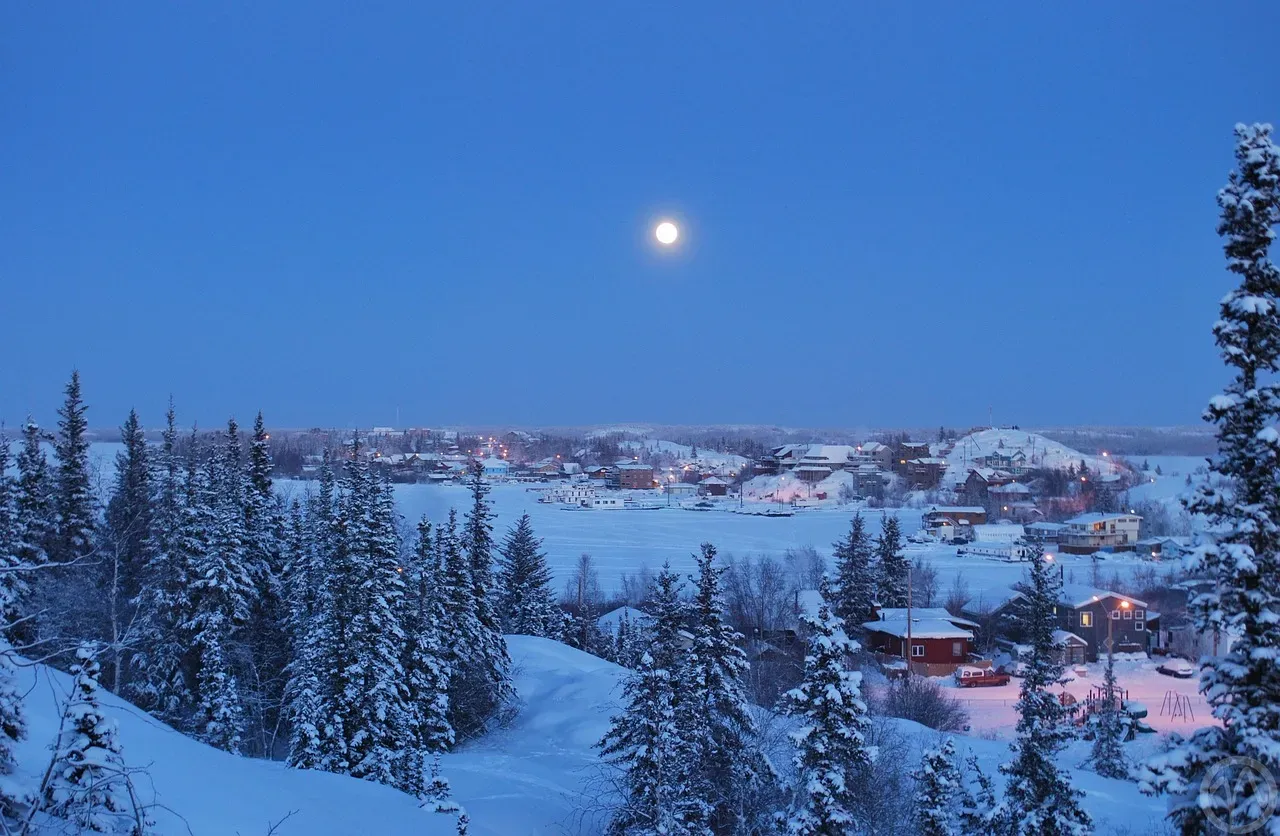
North of the U.S. border, Yellowknife holds a similar title in Canada that International Falls holds in the Lower 48. With an average annual temperature of about -5.4°C, or 22.3°F, Yellowknife is the coldest city in Canada. Some climate datasets put the figure slightly higher, closer to 25°F, but every version of the numbers lands well below freezing for the year.
Environment Canada has documented just how dominant Yellowknife’s winter climate really is. The city topped many winter weather lists, including coldest year round, longest snow cover, most cold days and most extreme wind chill, with average winter temperatures of -28.9 degrees. Despite all that, Yellowknife remains a functioning capital city with tens of thousands of residents, drawn partly by the aurora displays that the same cold, dry winter air helps make so vivid.
The takeaway on North America’s cold frontier