There’s a quiet pattern showing up in dive logs, survey data, and government reports from opposite corners of the planet. In places where fishing pressure eased or protections finally got teeth, fish are coming back in numbers that surprised even the scientists tracking them. Not every coastline is thriving, and plenty of oceans remain under real strain, but a handful of regions offer a genuinely useful blueprint for what recovery can look like when it’s given room to happen.
Cabo Pulmo, Mexico: a reef that refused to stay barren
Cabo Pulmo, Mexico: a reef that refused to stay barren (Image Credits: Unsplash)
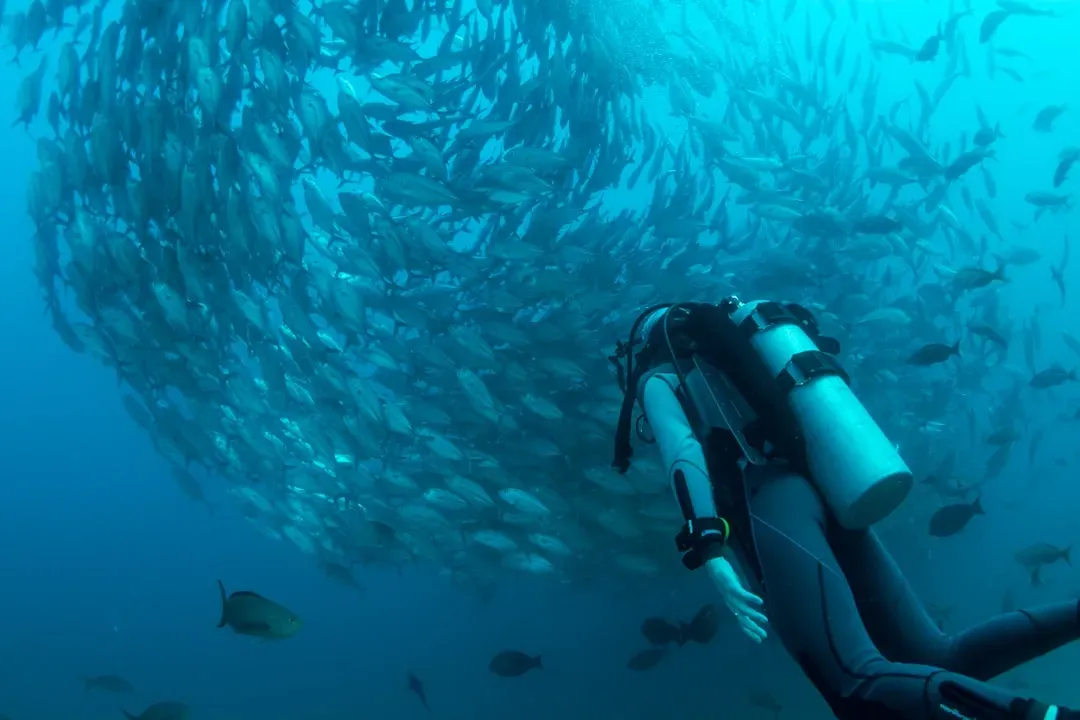
Cabo Pulmo National Park sits on the eastern edge of Mexico’s Baja California Peninsula, and its story has become something of a reference point in marine biology circles. The park was created in 1995 and is the only well enforced no-take area in the Gulf of California, and in 1999, four years after establishment, there were no significant differences in fish biomass between the park and other protected or open access areas. That changed dramatically over the following decade.
By 2009, total fish biomass at the park had increased to 4.24 tonnes per hectare, an absolute increase of 463%, and the biomass of top predators and carnivores increased by 11 and 4 times respectively. The turnaround came from a local family, the Castros, who pushed for the reserve after realizing overfishing had gutted the reef. Whale sharks, manta rays, humpback whales and endangered sea turtle populations rebounded alongside the fish. It remains, by most measures, the largest recovery of its kind ever recorded in a marine reserve.
Palau: an entire nation’s waters as a no catch zone
Palau: an entire nation’s waters as a no catch zone (Image Credits: Pexels)
Palau took a different approach: instead of protecting a single reef, it protected almost everything. Fishing of any kind is banned across 80% of Palau’s marine territory, giving its coastal ecosystems, home to over 700 species of coral, the chance to recover and thrive. That’s an unusually large commitment for a small Pacific nation whose economy still depends heavily on the sea.
The results have been measurable rather than anecdotal. Since these protections were put in place, fish stocks in the protected areas have more than doubled, supporting both biodiversity and the livelihoods of local communities. Conservation groups now point to Palau as evidence that sweeping national-scale protection, not just isolated marine parks, can produce results within a matter of years rather than decades.
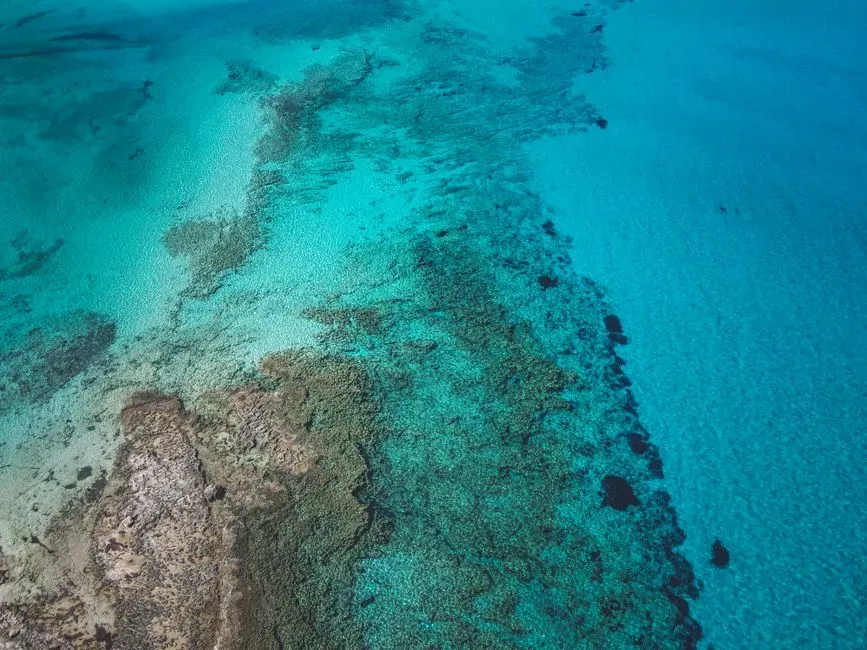
French Polynesia: the largest marine protected area on Earth
French Polynesia: the largest marine protected area on Earth (Image Credits: Unsplash)
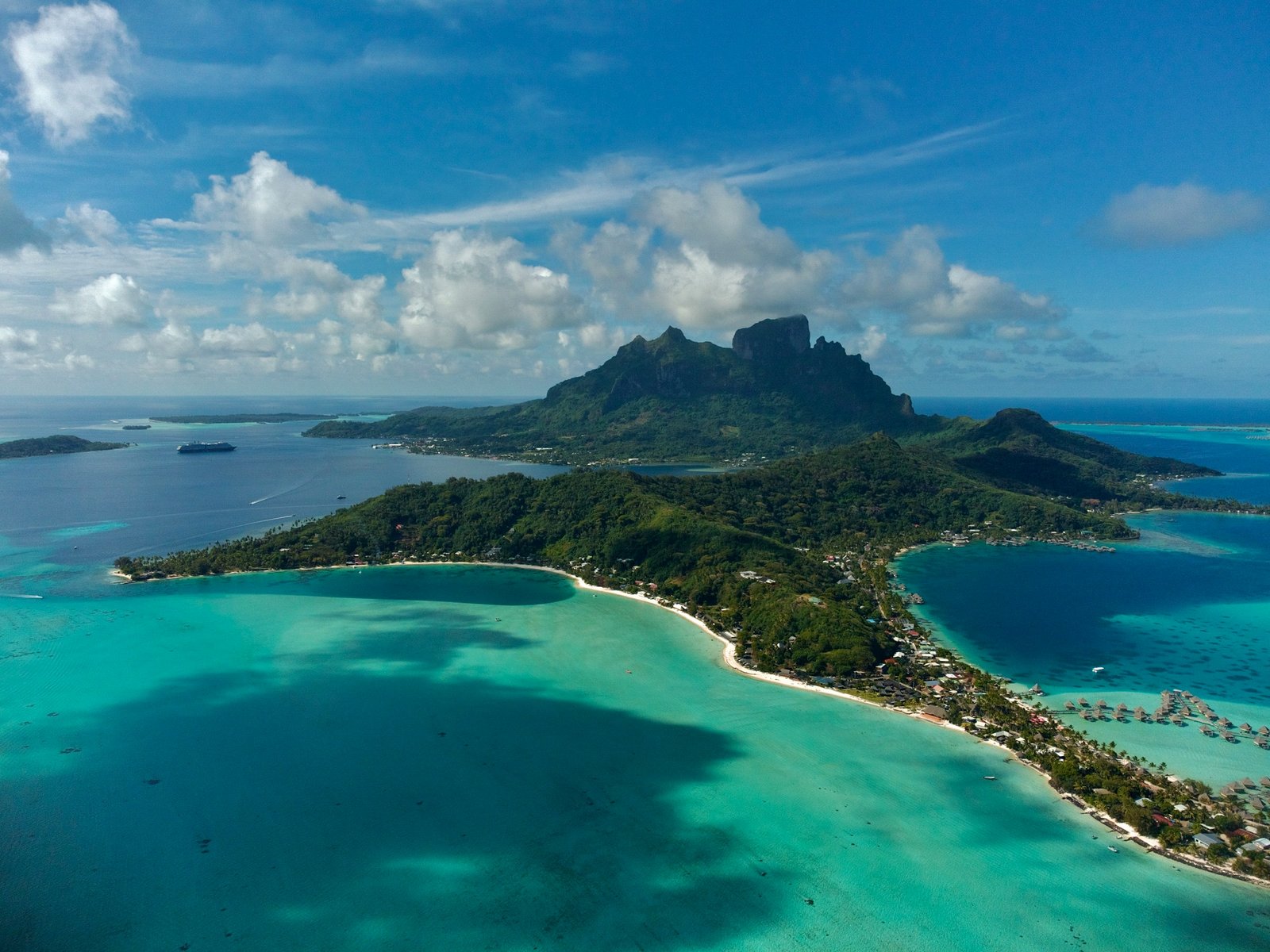
In 2025, French Polynesia made one of the boldest announcements in the history of ocean conservation. In June, the territory announced it would protect its entire exclusive economic zone, amounting to 4.8 million square kilometers of its waters, with more than 1 million square kilometers set to be highly and fully protected where no extractive fishing or mining is allowed. That single move reshaped the global math on ocean protection.
The scale here is genuinely hard to picture. At the United Nations Ocean Conference in 2025, French Polynesia made the announcement that it would establish the world’s largest marine protected area, covering an enormous 1.9 million square miles in the Pacific. It’s worth noting the plan has not yet been fully written into law, but the fishing restrictions already in effect across the highly protected zones are giving fish populations, coral, and pelagic species room to recover that simply didn’t exist before.
Raja Ampat, Indonesia: rewilding a shark that almost vanished
Raja Ampat, Indonesia: rewilding a shark that almost vanished (Image Credits: Pexels)
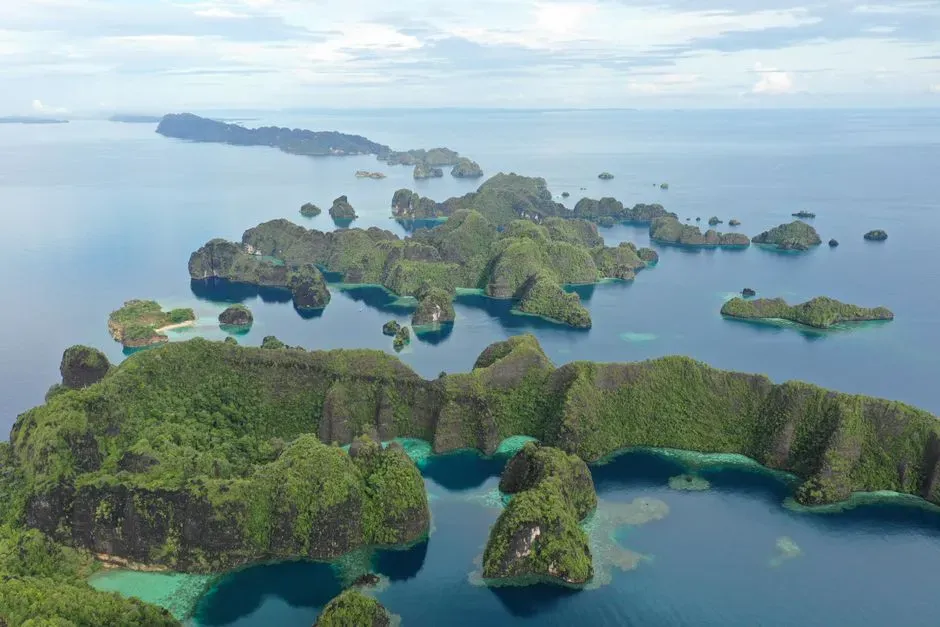
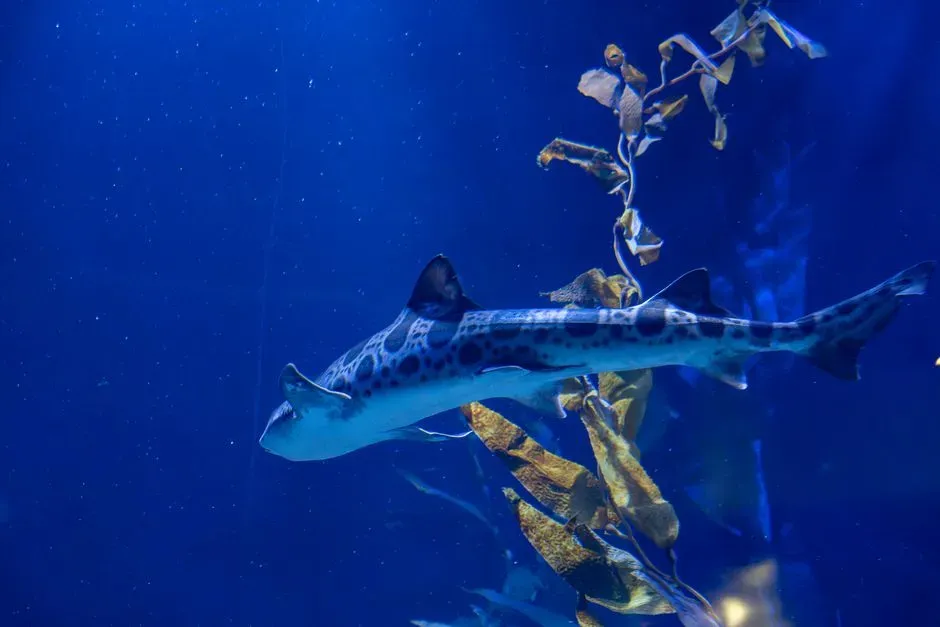
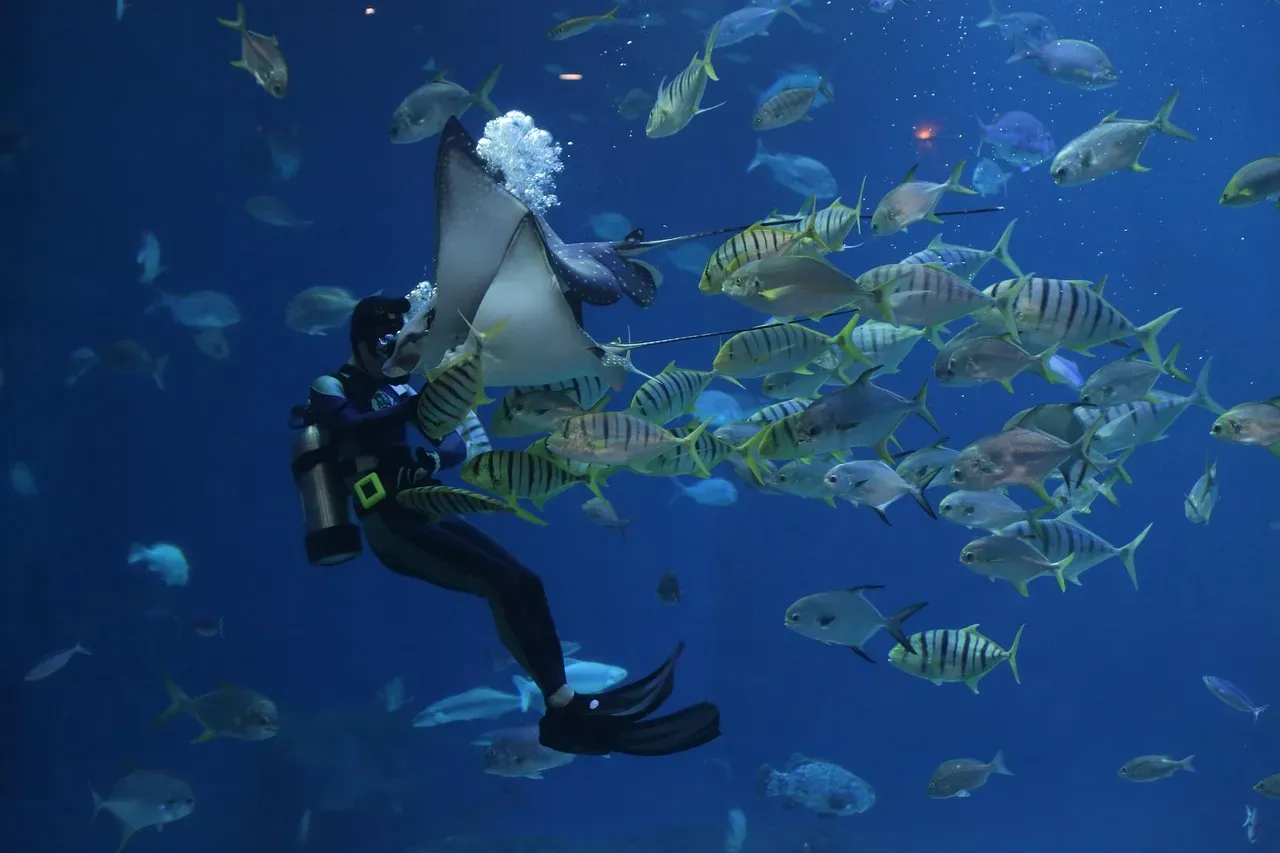
Raja Ampat is often described as the most biodiverse marine region on the planet, and it’s now also home to one of the more creative recovery projects around. In Raja Ampat, conservationists have launched the world’s first rewilding programme for the endangered leopard shark, also known as the zebra shark. The species had been hunted to near disappearance in some parts of Southeast Asia.
What makes the program notable is where the eggs come from. Aquariums realized their sharks were producing a surplus of eggs, and the idea for the rewilding programme grew out of that surplus. Pups raised from those eggs are released into protected reef zones once they’re large enough to survive, giving the local population a boost that wild breeding alone couldn’t provide fast enough.
The Ross Sea and New Zealand’s no catch zones
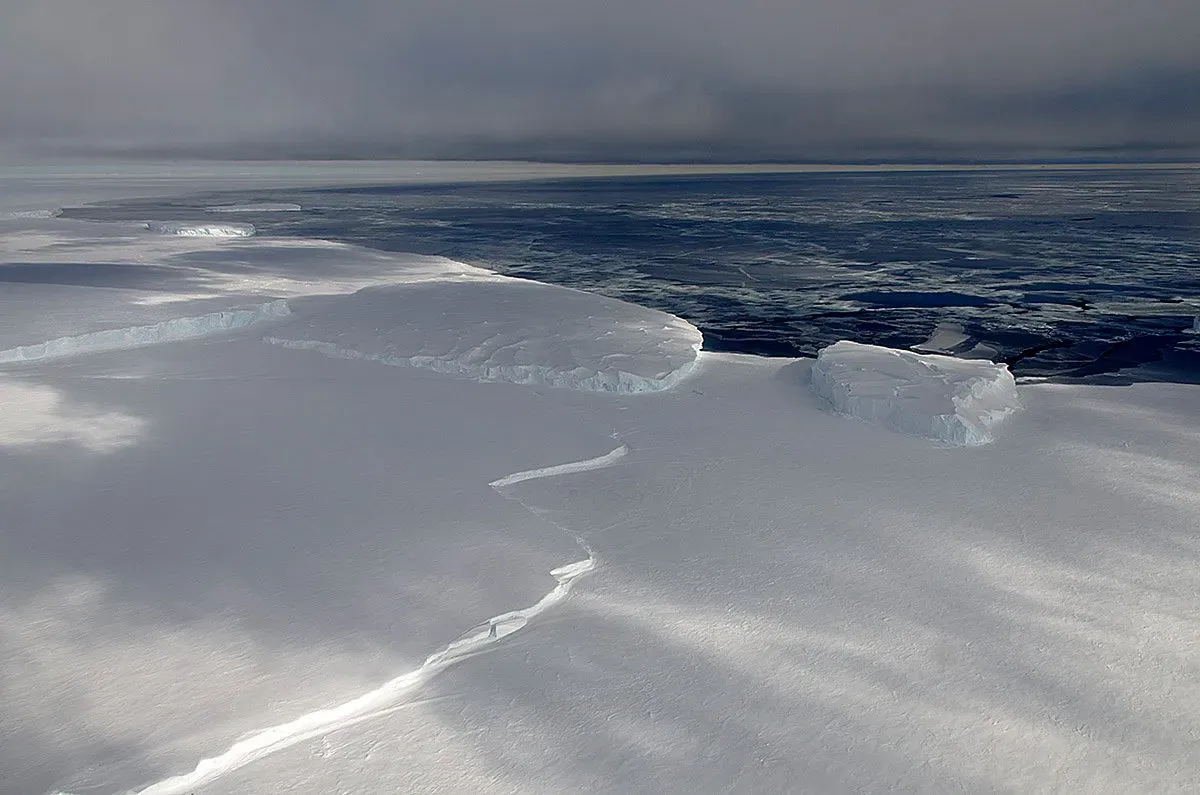
The Ross Sea and New Zealand’s no catch zones (Ross Sea, Public domain)
Some of the clearest recovery signals come from areas where fishing has been banned outright rather than merely regulated. No catch zones are already in place in Palau, the Ross Sea, and New Zealand, and in these areas, evidence of the ocean’s recovery is already visible to scientists. The Ross Sea, one of the largest marine protected areas in the Southern Ocean, has become a particularly closely watched case because it covers waters that were largely undisturbed to begin with.
Deep-sea habitats, such as reefs, corals, and seamounts, are protected from destruction in these zones, preserving biodiversity and critical ecosystem functions. New Zealand’s smaller coastal no-take reserves have shown similar patterns on a more local scale, with fish density and size climbing steadily once trawling and line fishing stopped. Researchers treat these zones as useful control sites, since they show what an ocean does when human pressure is removed almost entirely.
South Georgia and the South Sandwich Islands
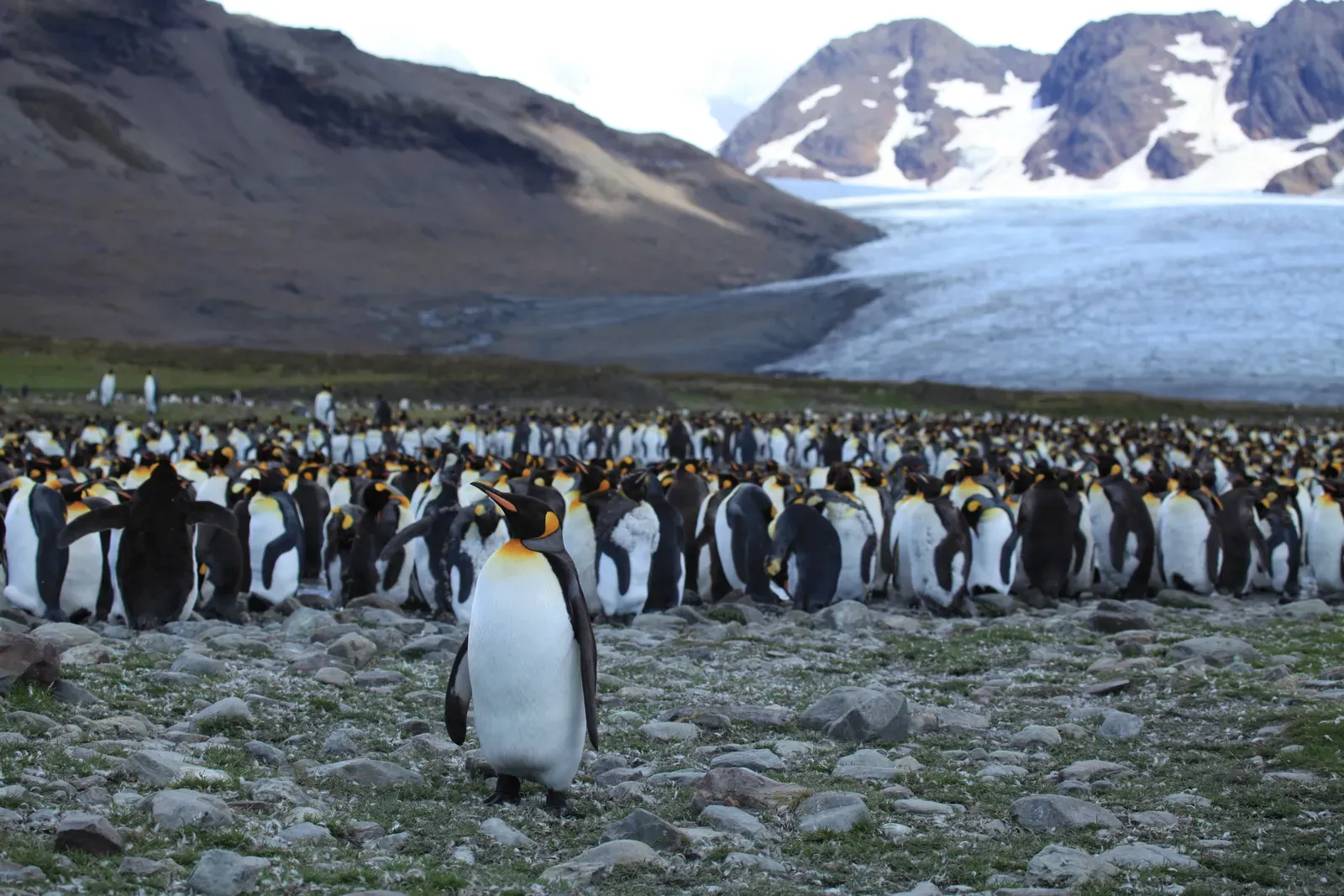
South Georgia and the South Sandwich Islands (King Penguins at St. Andrews Bay, South Georgia, CC BY-SA 2.0)
Far south in the Atlantic, the waters around South Georgia and the South Sandwich Islands have seen one of the more significant expansions of no-take protection in recent memory. The ‘no take zones’ where no fishing can occur have been expanded to cover over 470,000 square kilometers, 38% of the marine protected area. That’s a substantial slice of Southern Ocean habitat now off limits to commercial fishing fleets.
The region matters disproportionately because of what passes through it. Krill, penguins, seals, and migrating whales all rely on this stretch of ocean at different points in their life cycles, and the expanded no-take zones are designed specifically to protect those migration corridors. Early monitoring suggests krill populations and seabird foraging success are both holding up better in the fully protected sections compared to areas still open to fishing.
California’s Channel Islands: sea lions bouncing back
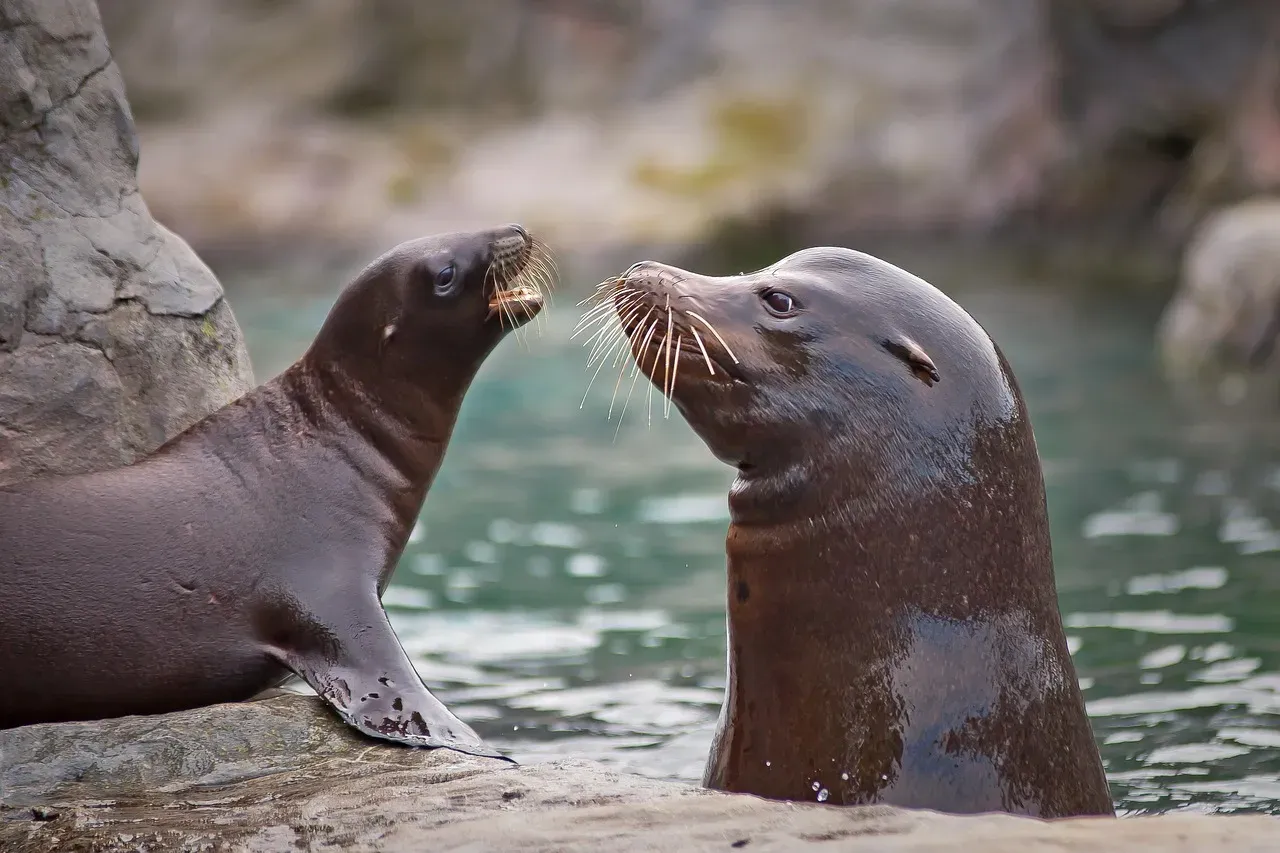
California’s Channel Islands: sea lions bouncing back (Image Credits: Pixabay)
Not every recovery story involves fish or coral. Off the coast of Southern California, sea lion populations have rebounded to levels that would have seemed unlikely a few decades ago. The latest large-scale estimate cited by the National Park Service’s 2025 to 2026 monitoring summary placed the 2023 population at 194,903 animals, including 44,397 births, with about 81% counted on the Channel Islands, which remain the species’ demographic center.
The reasons behind the rebound are fairly well understood. Hunting bans removed the dominant source of mortality, and protected rookeries gave females reliable places to give birth, while long-running counts at breeding sites made the recovery visible and helped managers respond to storms, crowding, and changing colony locations. It’s a slower, less dramatic kind of recovery than a reef bouncing back, but it’s arguably more durable, since it reflects decades of consistent protection rather than a single policy shift.
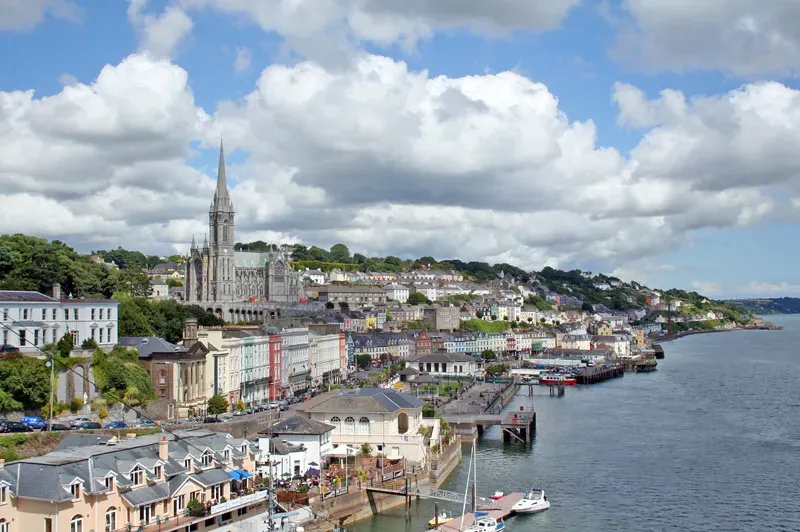
Cobh, Ireland: engineering hard coastlines to host life again
Cobh, Ireland: engineering hard coastlines to host life again (Shaun Merritt, Flickr, CC BY 2.0)
Not every region on this list relied purely on fishing bans. In County Cork, Ireland, researchers have been testing whether concrete seawalls, usually dead zones for marine life, can be redesigned to support it instead. In 2025, Ireland’s first Living Seawalls installation was established at Kennedy Pier in the port town of Cobh, and marine life is already starting to colonize the panels.
The project is part of a broader international effort. Spearheaded by the Sydney Institute of Marine Science and the company Reef Design Lab in Australia, the Living Seawalls project aims to create biodiversity-friendly panels, boulders and pilings that can be installed on seawalls, marinas, piers and other hard coastal infrastructure to make them more hospitable to marine wildlife. Early observations at Cobh, checked again in the spring of 2026, showed the textured panels attracting seaweed, barnacles, and small invertebrates within months, something a flat concrete wall never would have supported.
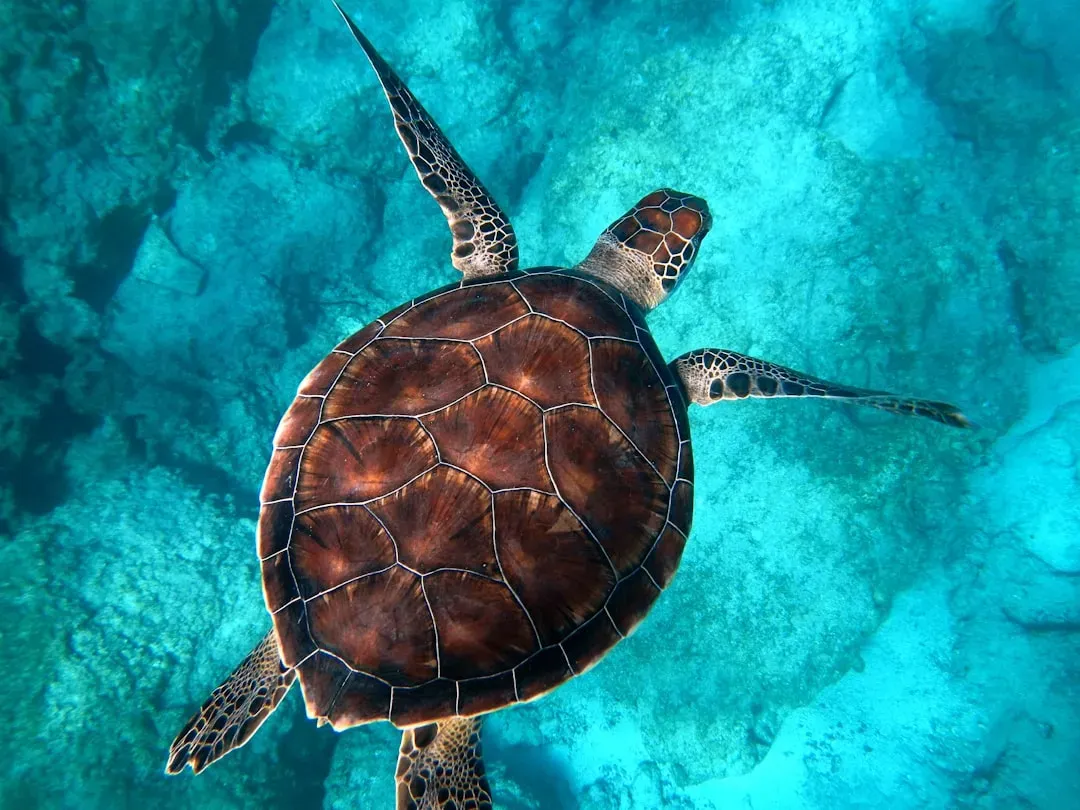
Cousin Island and the wider hawksbill turtle recovery
Cousin Island and the wider hawksbill turtle recovery (Image Credits: Unsplash)
Sea turtles offer one of the more encouraging trend lines in ocean conservation right now, and green and hawksbill turtles nesting around islands like Cousin Island in the Seychelles are a big part of why. Once heavily hunted, their recovery can be attributed to reduced fishing, patrol teams guarding females and their eggs on nesting beaches, and volunteers helping hatchlings reach the sea, and global numbers have rebounded enough for the species to be reclassified as Least Concern, meaning they are no longer considered at risk of extinction.
The knock-on effects reach beyond the turtles themselves. As these turtles graze on seagrass, they keep underwater meadows healthy, supporting fish, storing carbon and keeping marine ecosystems in balance. Cousin Island’s protected nesting beaches, in particular, have become one of the most cited small-scale success stories in the Indian Ocean, showing how a single species’ recovery can ripple outward into the health of an entire coastal habitat.
What these recoveries have in common, and what still worries scientists
What these recoveries have in common, and what still worries scientists (Image Credits: Pexels)
Looking across these eight regions, the pattern is fairly consistent: strong local enforcement, community buy-in, and genuine no-take zones tend to produce results, while protections that exist mostly on paper do not. Globally, only 3.2% of marine protected areas are considered highly or fully protected, which raises concerns about areas that are protected in name only, including ones that still allow bottom trawling and other highly destructive activities. The eight regions covered here are exceptions precisely because they closed that gap between policy and enforcement.
At the same time, none of these wins erase the broader pressures still bearing down on the ocean. NOAA reported that the fourth global coral bleaching event exposed about 84% of the world’s reef area to bleaching-level heat stress between early 2023 and mid-2025. And after decades of warnings that sustained temperatures greater than 1.5 degrees Celsius above pre-industrial levels would risk irreversible changes to Earth’s systems, the world crossed its first climate tipping point in 2025. Recovery in eight regions is real and worth celebrating, but it’s happening against a backdrop that remains genuinely difficult.
The takeaway
The takeaway (Image Credits: Pixabay)
None of these eight regions got lucky. Each one involved a deliberate choice, sometimes made by a national government, sometimes by a handful of families in a fishing village, to give the ocean room it hadn’t had in generations. The results, from a 463% jump in fish biomass at Cabo Pulmo to sea lions filling the Channel Islands again, suggest that marine ecosystems are more resilient than they’re often given credit for, provided the pressure actually lets up. Whether that pattern spreads further than these eight pockets of ocean is still an open question, but for now, they’re proof that recovery isn’t just theoretical.
Lorand is a weather policy expert specializing in climate resilience and sustainable adaptation. He develops data-driven strategies to mitigate extreme weather risks and support long-term environmental stability.
Latest posts by Lorand Pottino, B.Sc. Weather Policy (see all)
Lorand is a weather policy expert specializing in climate resilience and sustainable adaptation. He develops data-driven strategies to mitigate extreme weather risks and support long-term environmental stability.