

Somewhere in the data streams pouring in from Texas ridgelines, Arizona mountaintops, and a spacecraft quietly orbiting far from our planet, astronomers have spent the past few years quietly assembling a new short list. Eight worlds, each flagged for sharing at least one trait with our own planet, whether that’s size, temperature, or their position in that narrow band around a star where liquid water could theoretically survive.
None of these are confirmed twins of Earth. Scientists are careful about that distinction, and rightly so. But taken together, these eight discoveries, made using instruments built and operated across American research institutions, mark a meaningful step in the decades-long search for rocky worlds that might resemble home.
TOI-715 b: A super-Earth found by NASA’s TESS

Discovered using NASA’s Transiting Exoplanet Survey Satellite, TOI-715 b is a super-Earth exoplanet in the habitable zone of its parent M-type star, and is 1.55 times larger than Earth, located at 0.083 astronomical units from its star. The planet sits roughly 137 light-years away, which by galactic standards counts as fairly close. NASA described the world as situated “fairly close to us” and orbiting within a “habitable zone.”
It has an equilibrium temperature of 234 K, or about negative 39 degrees Celsius. That’s cold by human standards, but well within the range researchers consider workable if the planet holds an atmosphere. According to the discovery team, it stands as the first TESS finding located in the conservative habitable zone. Because of that distinction, the James Webb Space Telescope has been proposed as a future tool to probe the planet’s atmosphere for signs of water.
TOI-700 e: The second Earth-sized world in its system
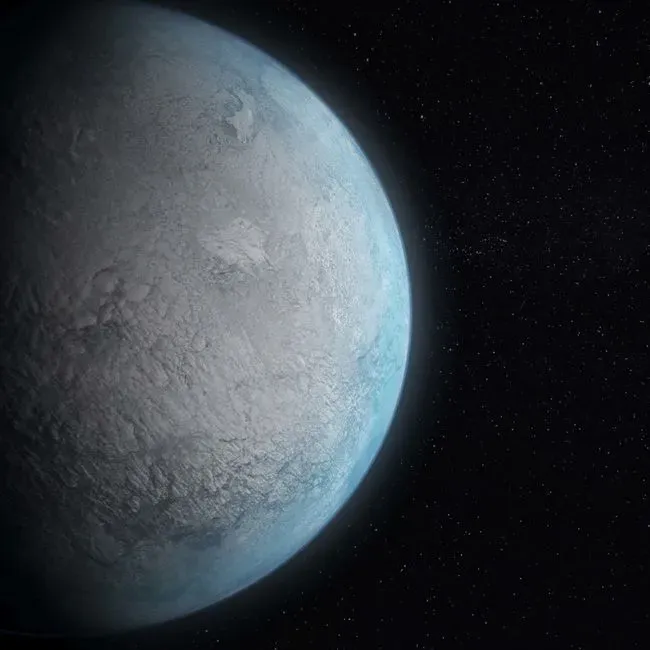
Few star systems have produced as many small, temperate planets as TOI-700, and the fourth one found there turned out to be the most Earth-like yet. Using data from NASA’s Transiting Exoplanet Survey Satellite, scientists identified an Earth-size world, called TOI 700 e, orbiting within the habitable zone of its star, the range of distances where liquid water could occur on a planet’s surface. The world is 95% Earth’s size and likely rocky.
What makes this system unusual is the sheer density of small planets packed into one habitable zone. Astronomers had previously discovered three planets in the system, called TOI 700 b, c, and d, with planet d also orbiting in the habitable zone. Scientists needed an additional year of TESS observations to discover TOI 700 e. Researchers involved in the find have called it one of the very few known systems hosting multiple small, habitable-zone planets at once.
GJ 3378 b: A Texas telescope finds a close neighbor
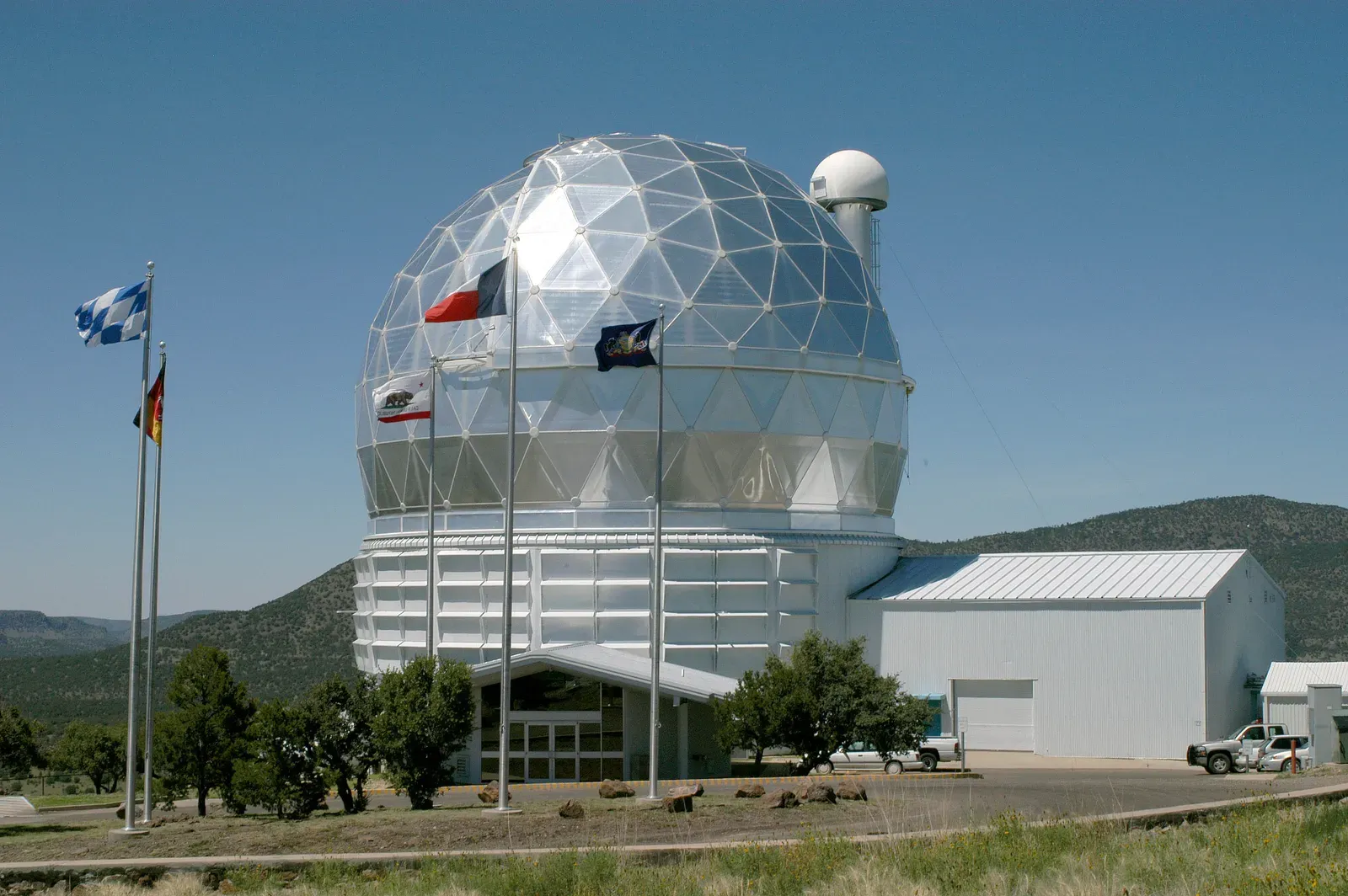
Not every discovery on this list came from a spacecraft. GJ 3378 b was found using ground-based instruments in the American Southwest. Astronomers used the Habitable-zone Planet Finder instrument on the Hobby-Eberly Telescope at McDonald Observatory in Texas, along with the NEID Spectrometer on the WIYN Telescope at Kitt Peak National Observatory in Arizona. The star, also known as GJ 3378 or Gliese 3378, sits 25 light-years away in the constellation Camelopardalis, and the newfound planet has a mass about 2.3 times that of Earth with an orbital period of 21.45 days.
What stands out about this planet is how closely its energy balance mirrors Earth’s own. One of the lead researchers, Dr. Robertson, noted that “this super-Earth gets about 90% of the radiation from its host star as Earth gets from the Sun, so it’s right in the sweet spot.” Even so, one lingering mystery is the nature of the planet’s atmosphere, since it sits right on the edge of what researchers call the cosmic shoreline, the region around a star where solar radiation can strip a planet’s atmosphere away if it sits outside that boundary. A later follow-up review by the same institutions reinforced the finding rather than overturning it, giving the planet added credibility as a genuine candidate.
GJ 251 c: A near neighbor built for direct imaging
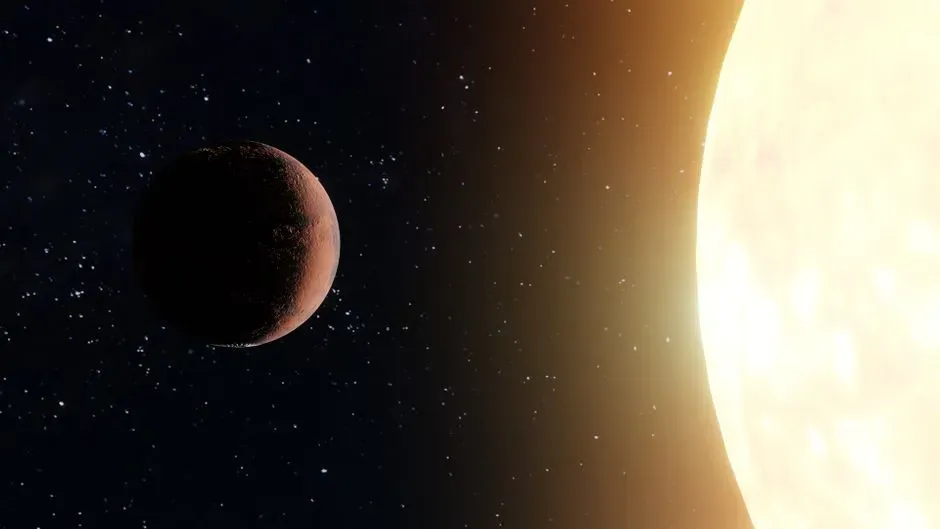
Another product of the same Texas-based spectrograph, GJ 251 c, drew attention for being unusually well positioned for future study. Researchers dubbed the exoplanet a “super-Earth” as data suggest it is almost four times as massive as Earth and likely a rocky planet. It was found using data from the Habitable-Zone Planet Finder, a high-precision, near-infrared spectrograph fixed to the Hobby-Eberly Telescope at the McDonald Observatory in Texas.
The instrument itself was purpose-built for this kind of hunt. Penn State researchers led the design and construction of the HPF, built specifically to detect Earth-like planets in the habitable zones of nearby stars. Lead researcher Suvrath Mahadevan has described the project’s guiding logic plainly: “We look for these types of planets because they are our best chance at finding life elsewhere.” Because the star is relatively nearby and bright by red dwarf standards, some scientists consider GJ 251 c a strong candidate for eventual direct imaging, a technique that could one day let telescopes photograph the planet itself rather than infer its presence indirectly.
HD 137010 b: Buried in old Kepler data
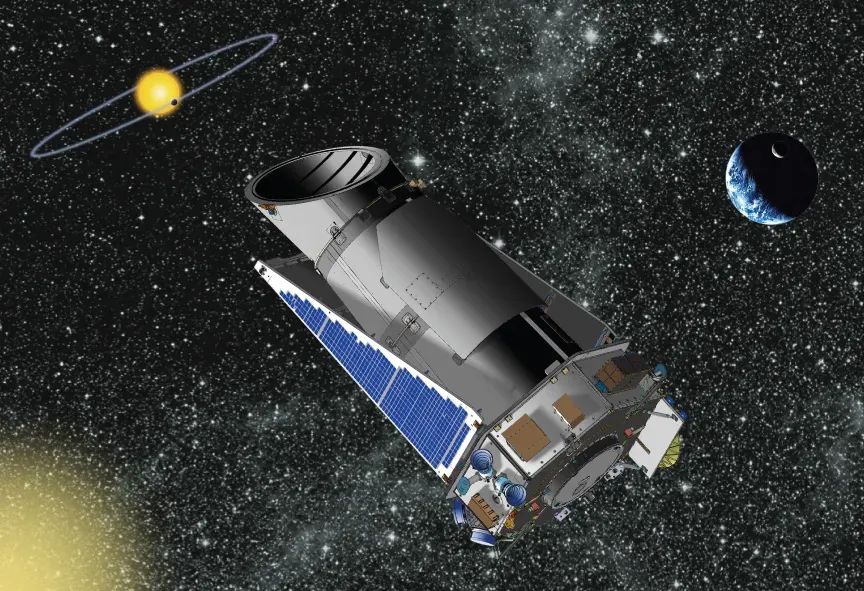
Sometimes a discovery doesn’t come from new observations at all, but from a second look at old ones. The discovery comes from continued analysis of data collected by NASA’s Kepler Space Telescope, which ended its mission in 2018, with researchers uncovering evidence of a rocky planet slightly larger than Earth orbiting a Sun-like star about 146 light-years away. The signal was a single transit buried in years of archival brightness measurements.
Its orbital characteristics echo Earth’s own trip around the sun in a way few candidates manage. Early calculations suggest it completes one orbit roughly every year, placing it at a distance from its star similar to Earth’s orbit around the Sun, and the planet appears to lie near the outer boundary of its star’s habitable zone. Still, caution is warranted here. HD 137010 b is currently classified as a “candidate,” meaning it still needs additional observations to confirm its existence. Researchers involved noted that its host star’s brightness and Sun-like nature make it an unusually promising target if confirmation holds up.
GJ 4256 b: A terrestrial world with an Earth-like build
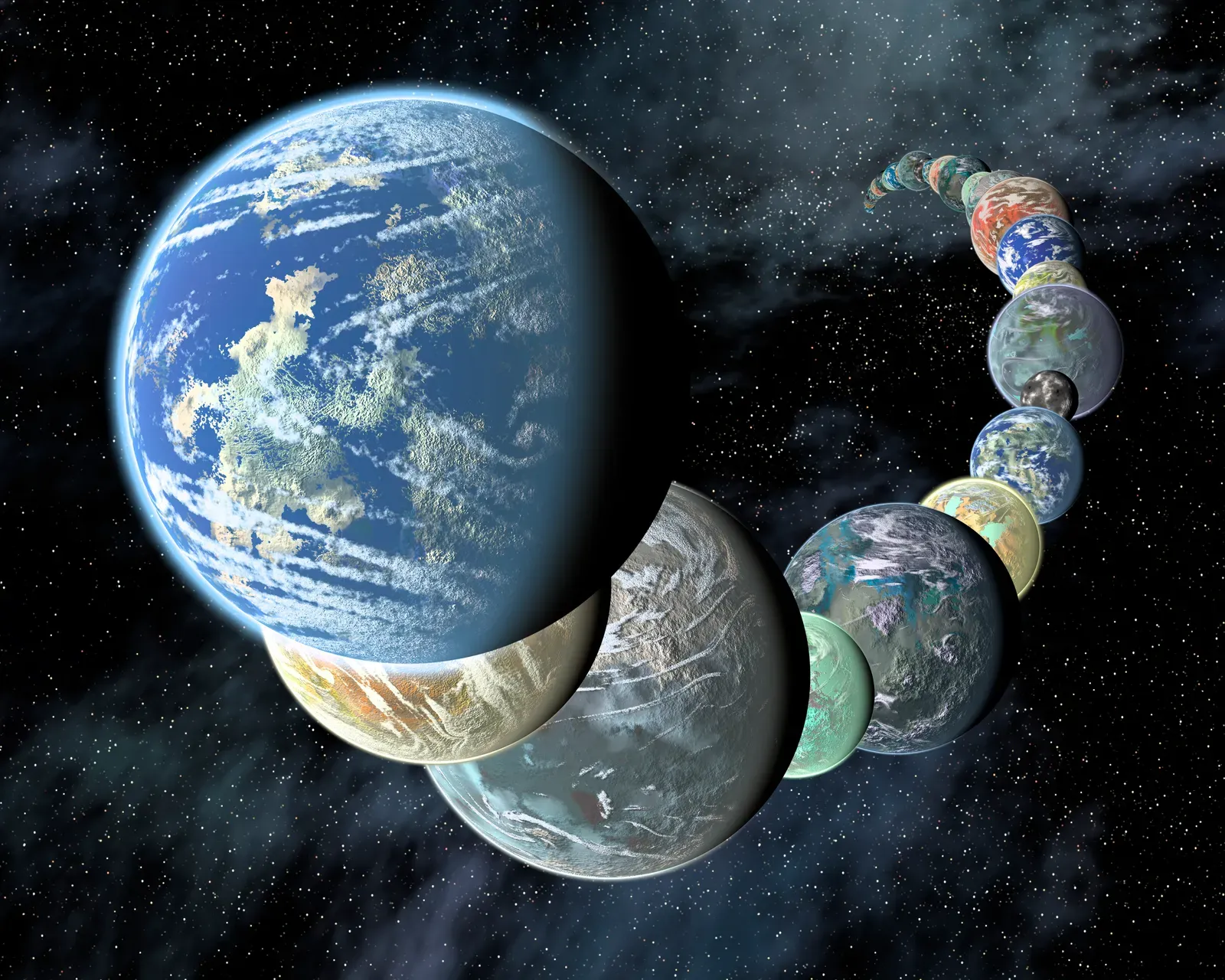
Not every planet on this list sits in a temperate zone, and GJ 4256 b is a reminder that “Earth-like” often refers to composition and size rather than climate. GJ 4256 b, also known as TOI-6255 b, is an Earth-size terrestrial exoplanet located around 66.21 light years from Earth, orbiting the red dwarf star GJ 4256. It was flagged through transit data collected by TESS.
Its physical stats line up closely with our own planet, even if its neighborhood does not. The planet has a mass of 1.44 plus or minus 0.14 Earths and a radius of 1.079 plus or minus 0.065 Earths. That near-perfect size and mass match to Earth makes it a valuable comparison point for scientists studying how rocky planets form and hold together, even though its scorching proximity to its star rules out any chance of liquid water on the surface.
TOI-4616 b: An Earth-sized world in an extreme orbit
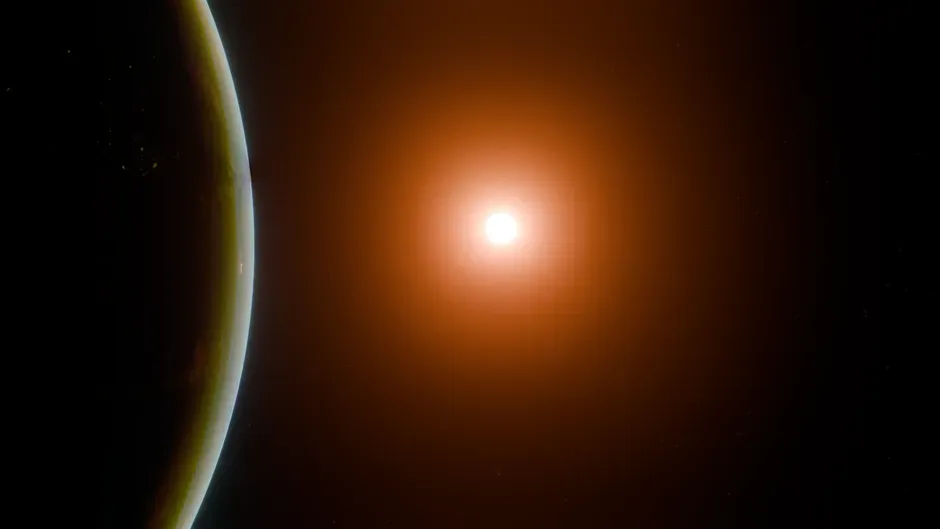
TOI-4616 b offers a similar lesson in nuance. Found through NASA’s TESS mission, astronomers identified TOI-4616 b as an Earth-sized planet orbiting a nearby M-dwarf star, offering a unique opportunity to study exoplanets in extreme irradiation environments. The findings, published as a March 2026 study on the preprint server arXiv, reveal a rocky world situated just 91.8 light-years from Earth.
Its close orbit makes for a punishing environment despite its familiar size. Its orbital period is remarkably short, just 1.5 days, and with an equilibrium temperature of about 525 K, or roughly 252 degrees Celsius, TOI-4616 b exists in a zone where radiation levels are extreme. Researchers involved described the system’s value less as a habitability candidate and more as “a particularly valuable system for future atmospheric and dynamical studies” given the precision of its stellar measurements and the brightness of its host star.
TOI-2285 b: A rocky world on the inner edge
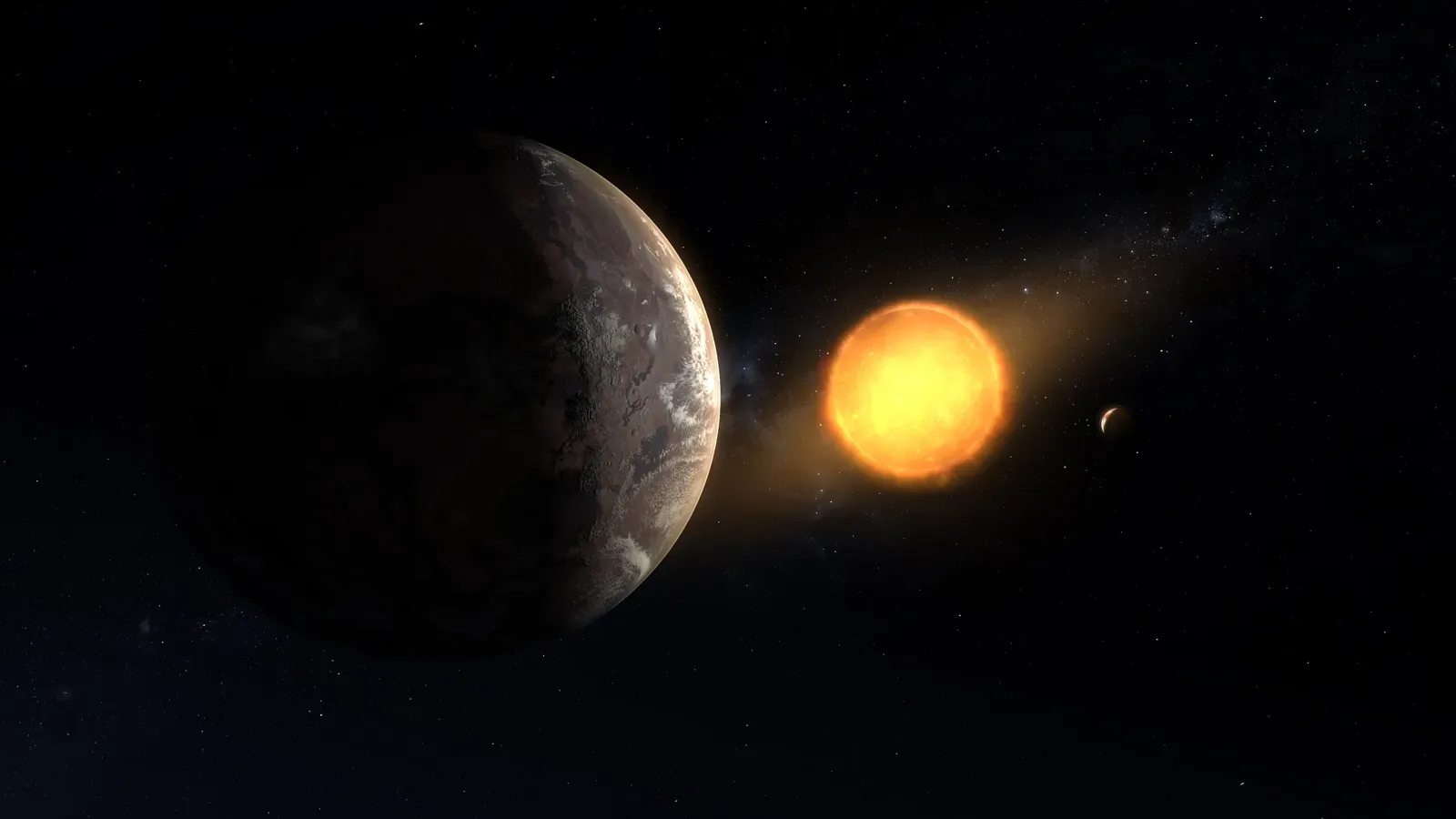
Rounding out the group, TOI-2285 b came out of the same TESS pipeline that has produced most of the entries on this list. It’s cataloged among a small group of confirmed rocky planets whose orbits place them near the boundary of their star’s habitable zone rather than comfortably in the middle. Non-transiting eccentric exoplanets and transiting TOI-2285 b orbit near the inner edge of the empirical habitable zone.
Sitting on that inner edge makes the planet a useful test case rather than a leading habitability contender. Researchers studying catalogs of rocky habitable-zone worlds use planets like this one to map out exactly where the boundaries of livability might fall for different star types. Its inclusion on recent survey lists reflects growing interest in comparing planets across the entire width of the habitable zone, not just its most comfortable middle stretch.
What these eight worlds actually tell us
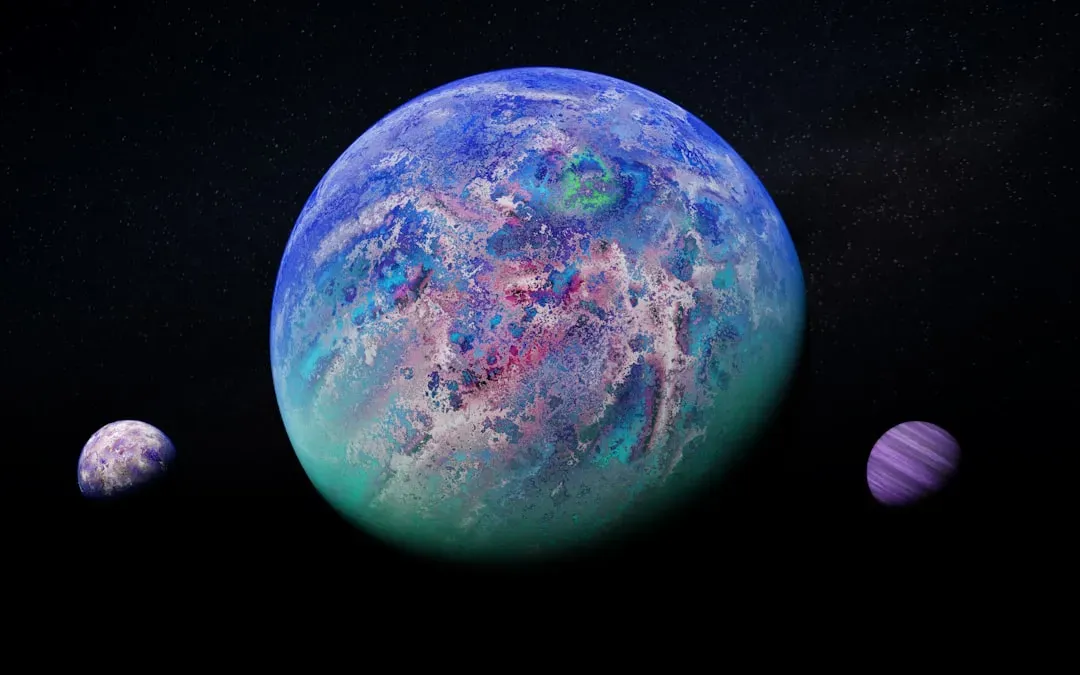
None of these eight planets are confirmed to be habitable, and researchers involved in each discovery have been careful to say so. What they share is more modest but still significant: sizes close to Earth’s, orbital distances that place at least some of them in workable temperature ranges, and enough scientific interest to warrant follow-up observation with more powerful instruments.
The tools behind these finds, TESS in orbit and ground-based spectrographs like the Habitable-Zone Planet Finder in Texas and NEID in Arizona, represent a coordinated American effort spanning space-based and terrestrial astronomy. As instruments improve and archival data gets revisited with fresh eyes, as happened with HD 137010 b, the list of candidates worth a second look keeps growing. The real payoff, most researchers agree, will come from future observatories capable of directly examining these planets’ atmospheres rather than just estimating their size and orbit from a distance.

- South America Sees 7 Animal Species Rebound After Years of Decline - September 14, 2026
- Marine Life Is Rebounding Faster Than Expected in 8 Coastal Regions - September 14, 2026
- U.S. Observatories Detect 8 Exoplanets With Earth-Like Characteristics - September 14, 2026
