


- These 6 Americas National Parks Rank Highest for Biodiversity - September 14, 2026
- Snowfall Is Declining Across 9 Andean Mountain Ranges, Data Shows - September 14, 2026
- 7 Electrical Upgrades That Can Help Homes Handle Extreme Heat and Storms - September 14, 2026
Summers have gotten longer and meaner in a lot of the country, and the storms that follow them are not exactly gentle either. Homeowners in Texas, Florida, the Gulf Coast, and increasingly the Midwest are learning that their electrical systems, many of them decades old, were never built for this kind of stress. Heat waves push air conditioners and refrigerators to their limits while lightning and grid instability threaten to fry whatever is still running.
The good news is that a handful of targeted electrical upgrades can meaningfully reduce the risk of damage, downtime, and even fire during these events. None of them are exotic. They are practical, well-documented improvements that licensed electricians install every day, and together they form a layered defense against both heat stress and storm chaos.
1. Whole-home surge protection at the main panel
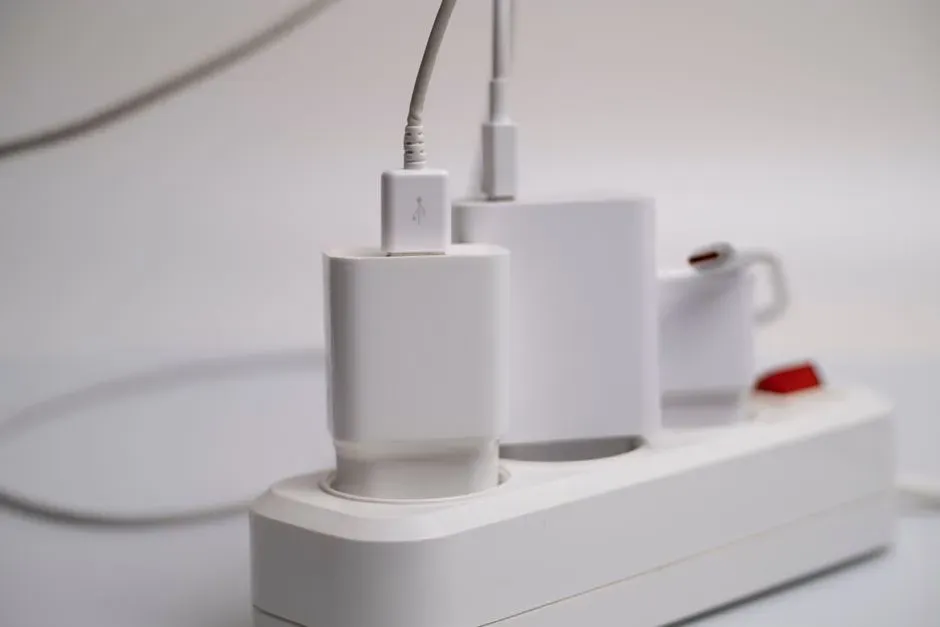
A single lightning strike near a power line can send a voltage spike racing through a home’s wiring in a fraction of a second, and a simple outlet strip has no chance of stopping it. Standard power strips can’t protect hardwired 220-volt AC compressors, pool pumps, or water heaters. That is exactly why whole-home units are installed differently. A whole-home surge protector is installed directly at your electrical panel, acting as a first line of defense that stops or redirects excess voltage before it travels through your home’s wiring.
This matters most for the expensive, hardwired systems that keep a home livable during a heat wave. One of the most overlooked risks of power surges is damage to HVAC systems, since modern heating and cooling units rely on sensitive electronic components including control boards, thermostats, and sensors that are expensive to replace and easily damaged by voltage spikes. Many electricians now recommend a layered approach, pairing the panel-level device with point-of-use strips for particularly sensitive electronics like computers and home theater gear.
2. A modern, higher-capacity electrical panel
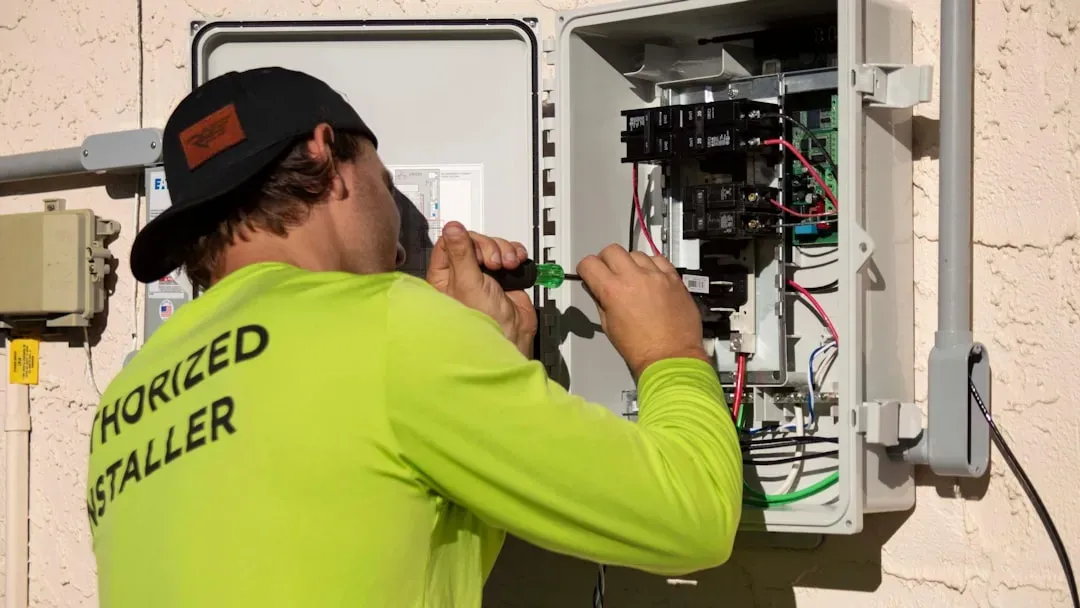
Older homes were often wired for a fraction of today’s electrical load, and cramming central air, an EV charger, and a growing pile of smart devices onto a 100-amp panel is asking for trouble. Every appliance relies on an effective electrical panel to ensure power flows where it needs to go, and protecting that panel is one of the most effective ways to guard a home’s electrical system against extreme weather. Upgrading to a 200-amp service gives a house the headroom to run heavy cooling loads without tripping breakers during the hottest days of the year.
A panel upgrade also tends to be the moment homeowners add other protections at once. Surge protection has become important not just as a recommendation but as a necessity for electrical safety, and homeowners having a panel upgrade or installing a new panel will typically need a surge protector in place to meet code requirements. Rolling several improvements into a single project, rather than tackling them piecemeal, usually saves money on labor and permitting too.
3. Battery storage paired with solar or the grid
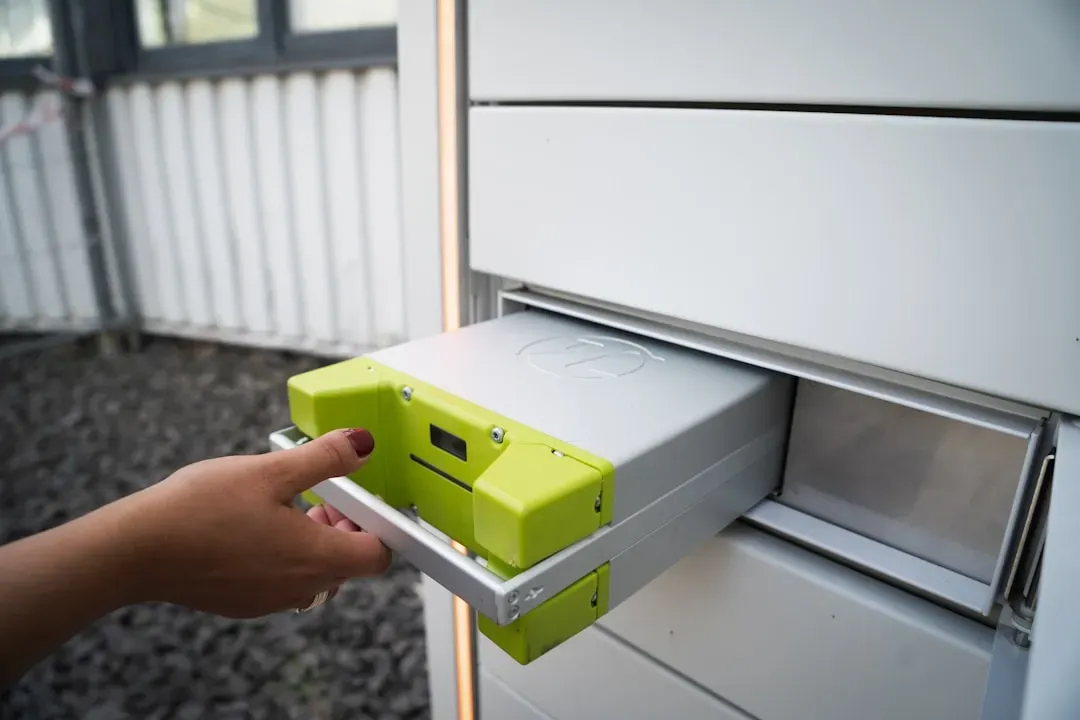
Batteries have quietly become one of the most effective tools against both heat-driven outages and storm-related blackouts. From April 2024 through April 2025, U.S. grid-scale battery capacity increased by 40%, with about 180 new facilities coming online, and in 2024 U.S. residential home battery storage increased by 64%. That growth is not a coincidence; it tracks almost exactly with the years when heat domes and storm-driven grid strain became a near-annual headline.
The appeal for homeowners is straightforward: keep the essentials running without waiting on the utility to restore power. Researchers found solar panels and energy storage would power essentials like refrigeration, interior lighting, a few outlets, and well pumps for a majority of homes affected by a lengthy outage, with a 10kWh battery paired with solar able to get virtually all homes through a three-day outage if that home did not need heating or cooling, and the same storage size meeting most of the load for three days when cooling was included. Bigger systems close that gap further, since a 30kWh storage capacity could meet 96% of the power load during a 3-day outage, including heating and cooling.
4. A standby generator with an automatic transfer switch
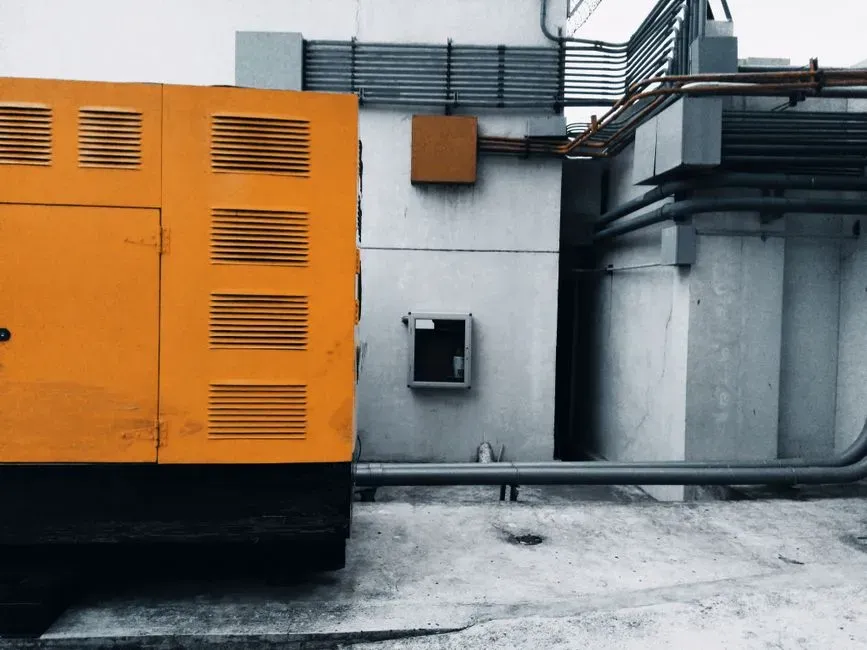
Batteries are great for quiet, steady backup, but for whole-house coverage during a multi-day outage, many homeowners still lean on a standby generator wired directly into the electrical system. In the event of a power outage, having a backup generator can serve as a lifeline, and many electricians trust Generac generators to safeguard homes and businesses from power interruptions. The automatic transfer switch is the part that actually matters most from a safety standpoint, since it isolates the home from the grid and prevents dangerous backfeed into utility lines.
Outage data helps explain why this upgrade has become more common rather than less. According to survey results, 45% of Americans experienced an outage in the first half of 2025, and the longest outage reported that year averaged 12.8 hours, up from 8.1 hours in 2022. In storm-prone regions the numbers get worse fast: in the South, the longest outage averaged 18.2 hours, and when extreme weather caused the outage, the average length jumped to 95.2 hours. A generator with a properly installed transfer switch turns that kind of multi-day gap from a crisis into an inconvenience.
5. Upgraded GFCI and AFCI breaker protection
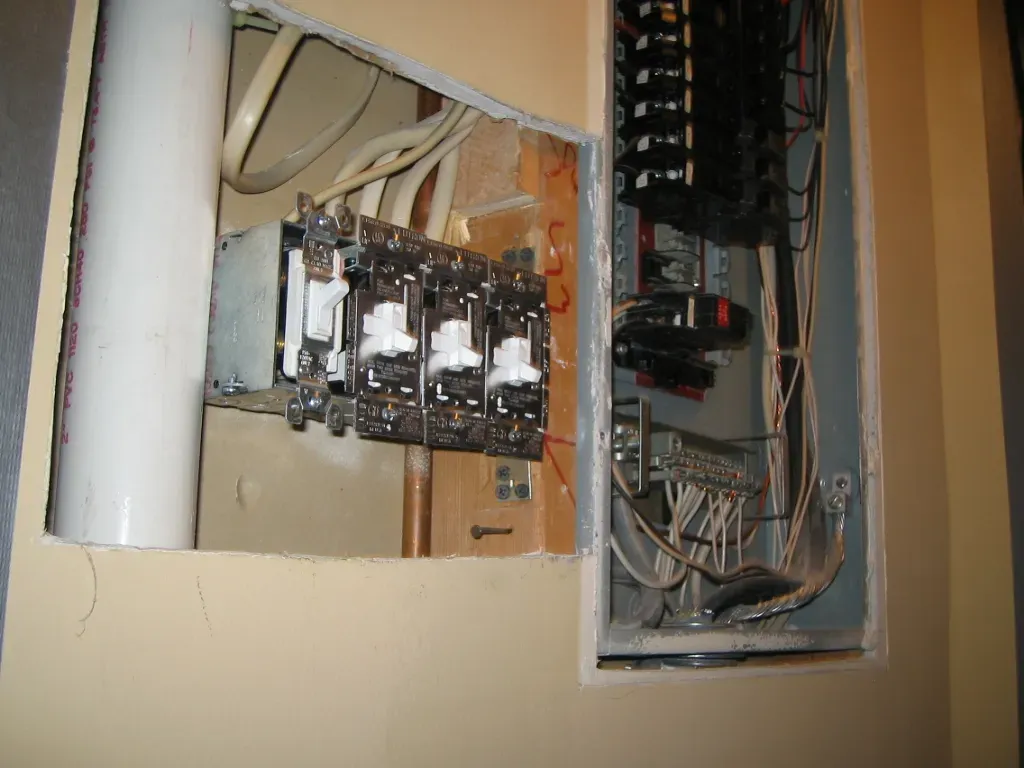
Heat and moisture are a rough combination for old wiring, and storms bring both in quick succession. Ground-fault circuit interrupters cut power instantly if current starts leaking somewhere it shouldn’t, which matters enormously in flooded basements, wet garages, or outdoor outlets exposed to wind-driven rain. Arc-fault breakers catch a different problem: the small sparking that happens when insulation degrades from years of heat cycling, long before that sparking turns into a fire.
Pool equipment is a good example of why this pairing matters during storm season. Having properly bonded wiring, working GFCI protection, and main-panel surge protection together creates a much stronger defense than any single safeguard on its own. Older homes built before these code requirements existed are the ones most likely to benefit from a targeted upgrade, since a licensed electrician can often add this protection without a full rewire.
6. Dedicated, heat-tolerant wiring for HVAC and major appliances
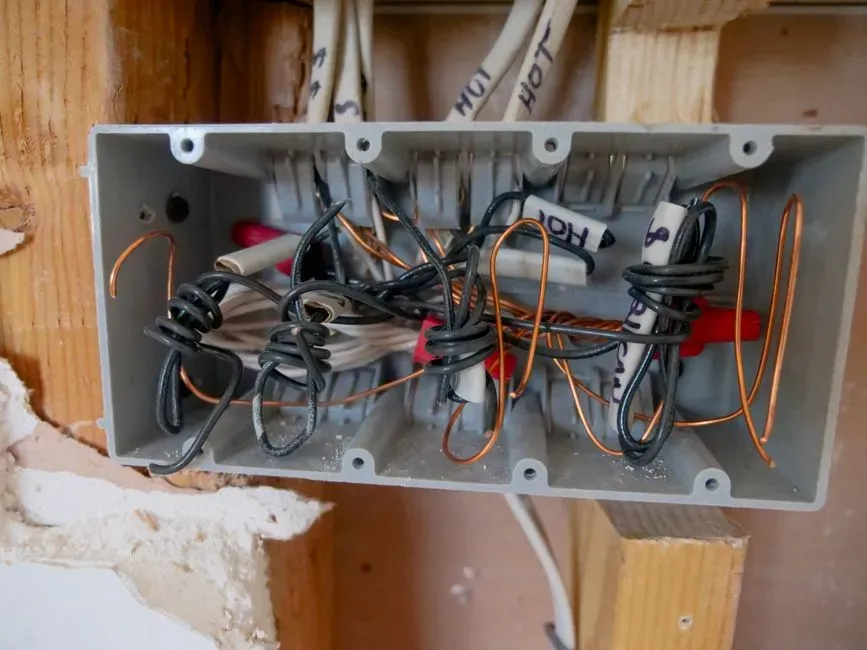
Running a central air conditioner nonstop through a heat wave puts a different kind of stress on wiring than most circuits were designed for. Undersized or aging wire can overheat under sustained load, and that heat buildup is exactly the kind of slow, invisible damage that eventually leads to a tripped breaker at best or a fire hazard at worst. Dedicated circuits sized correctly for the appliance, using wire insulation rated for higher continuous temperatures, give HVAC systems, water heaters, and large kitchen appliances room to run hard without pushing the wiring past its limits.
This kind of upgrade rarely gets attention on its own because it is invisible once the drywall goes back up. Still, electricians who inspect homes after a rough summer often find scorched outlets or discolored breaker connections tracing back to circuits that were simply never sized for how much modern households actually use their air conditioning. Addressing it before a heat wave, rather than after a failure, is the difference between a routine upgrade and an emergency repair.
7. Smart panels and load management for grid resilience
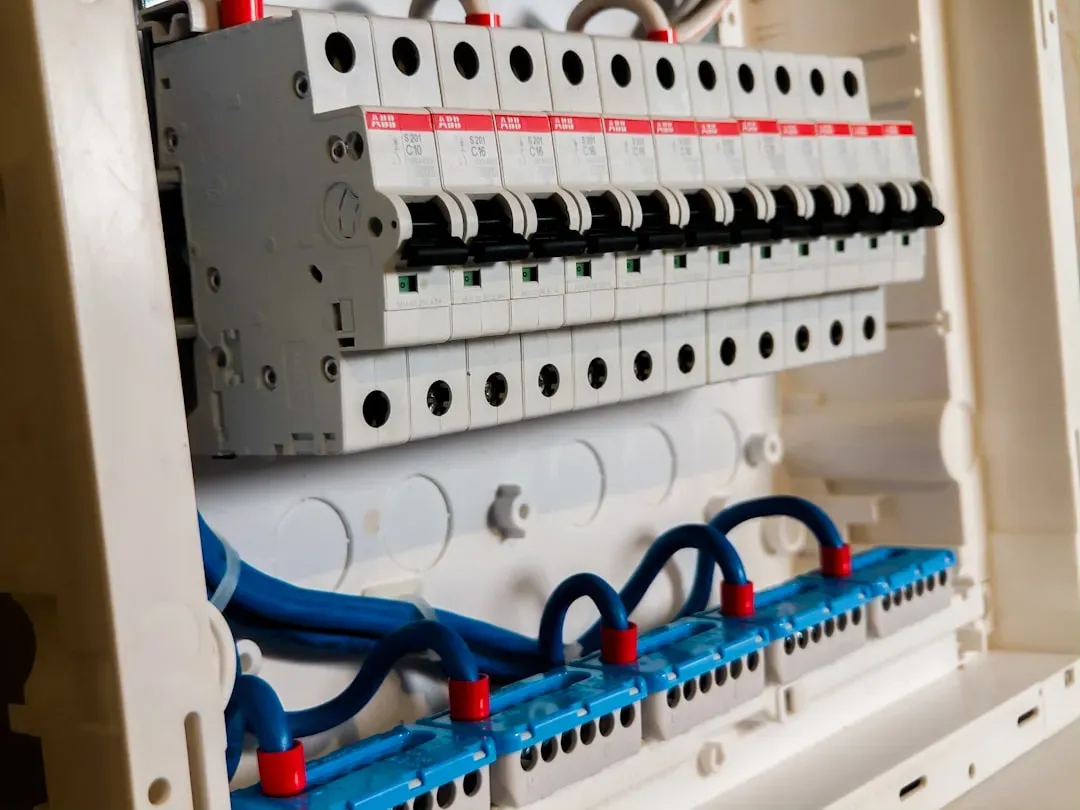
The newest wave of electrical upgrades is not just about protecting a home, it is about making it a smarter participant in a strained grid. Smart panels can automatically shed non-essential loads during peak demand, prioritize the refrigerator and air conditioning over the pool pump, and coordinate with battery storage to stretch backup power further during a long outage. Automatic transfer switches eliminate the need for homeowner involvement, and rapid transition to backup power minimizes disruption and the frustration that comes along with it.
This matters more every year because the grid itself is under growing pressure. AI data centers are consuming massive amounts of electricity, and as the weather gets hotter and more extreme, residential energy demand is also increasing. A smart panel that can manage a home’s own demand, rather than simply drawing whatever it needs whenever it needs it, is becoming less of a luxury and more of a practical response to a grid that is being asked to do more with less margin for error.
None of these upgrades work in isolation, and that is really the point. Surge protection guards the equipment, a stronger panel and smarter wiring give that equipment room to run safely, and backup power through batteries or a generator keeps the lights on when the grid itself gives out. Homeowners weighing where to start usually get the most value by talking to a licensed electrician about which combination fits their region’s specific risks, whether that is monsoon lightning, hurricane season, or a summer heat dome that shows no sign of easing.
