


- These 6 Americas National Parks Rank Highest for Biodiversity - September 14, 2026
- Snowfall Is Declining Across 9 Andean Mountain Ranges, Data Shows - September 14, 2026
- 7 Electrical Upgrades That Can Help Homes Handle Extreme Heat and Storms - September 14, 2026
Great Smoky Mountains National Park
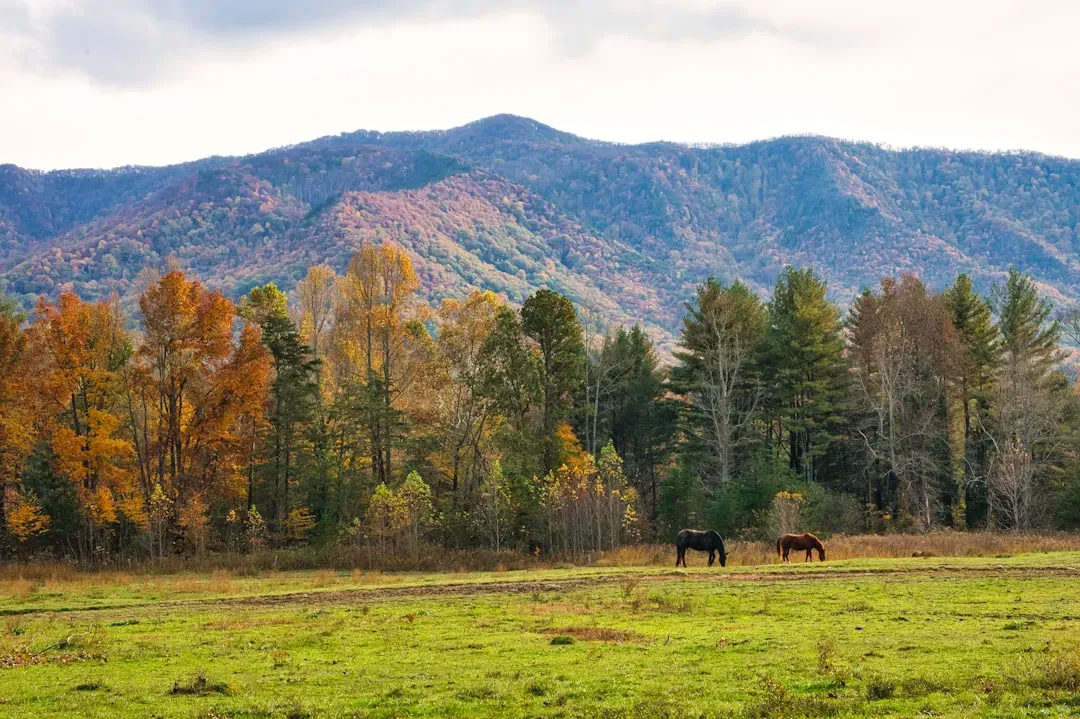
No park in the country comes close to matching the sheer number of documented species found in the Smokies. Great Smoky Mountains is the most biologically diverse national park in the United States, largely because this land became a refuge for species displaced during the last ice age. Since 1998, an ongoing inventory project has been steadily working to catalog every living thing within the park’s boundaries.
Since 1998, researchers have tallied more than 21,000 species, including more than 1,000 that are new to science, and scientists believe there may be as many as 80,000 to 100,000 living species overall. The park is often called the salamander capital of the world, and for good reason. The park is home to 43 known species of amphibians, and salamanders make up the greatest proportion by weight of any group of vertebrates in the park, even when you count humans.
Everglades National Park
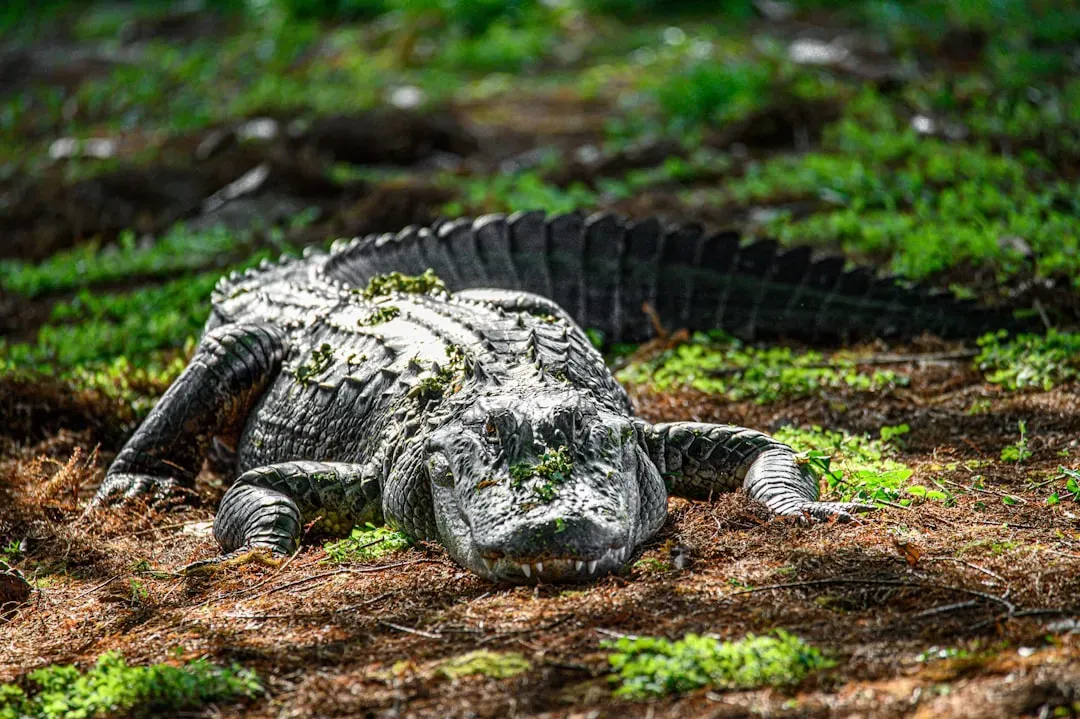
Florida’s Everglades represents something entirely different from a mountain forest: a sprawling wetland system unlike anything else in the country. Everglades National Park is famous for its unique wetlands ecosystem, the largest subtropical wilderness in the United States, home to a diverse range of habitats including sawgrass marshes, mangrove forests, and freshwater sloughs. That habitat variety translates directly into species variety.
The species richness in Everglades National Park is unparalleled, with over 350 species of birds, 40 species of mammals, and 50 species of reptiles calling the park home. Fish and invertebrates round out an ecosystem where freshwater meets saltwater in a slow, shallow river of grass. It’s one of the few places on Earth where alligators and crocodiles share the same waters.
Congaree National Park
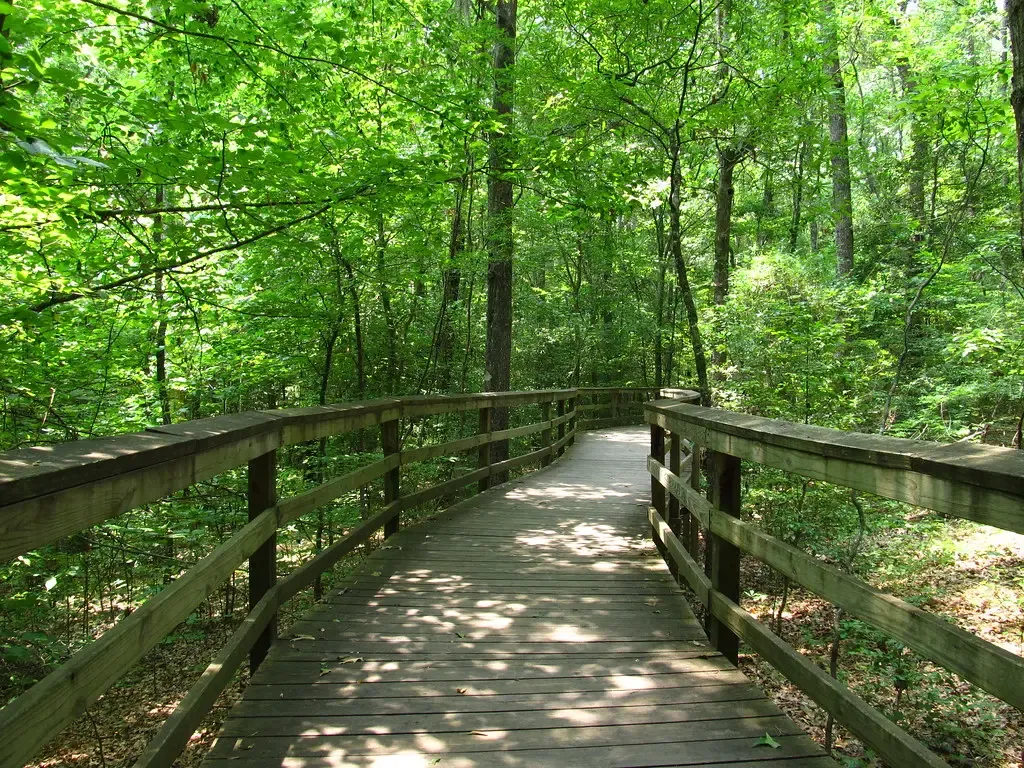
Tucked into South Carolina, Congaree is small by national park standards, but it punches well above its weight in terms of wildlife density. Congaree in South Carolina is one of America’s smaller national parks, but with 362 wildlife species and 804 plant species per 100 square kilometers, it packs a mighty punch. That concentration comes from its old-growth bottomland hardwood forest, one of the largest remaining tracts of its kind in North America.
The park’s floodplain forest floods seasonally, creating a rotating cycle of habitats that support everything from river otters to barred owls. Towering champion trees form one of the tallest deciduous forest canopies in the world, giving the park a cathedral-like quality that shelters an unusually dense mix of species in a relatively compact footprint. Few parks manage this much biological activity in such a small area.
Biscayne National Park
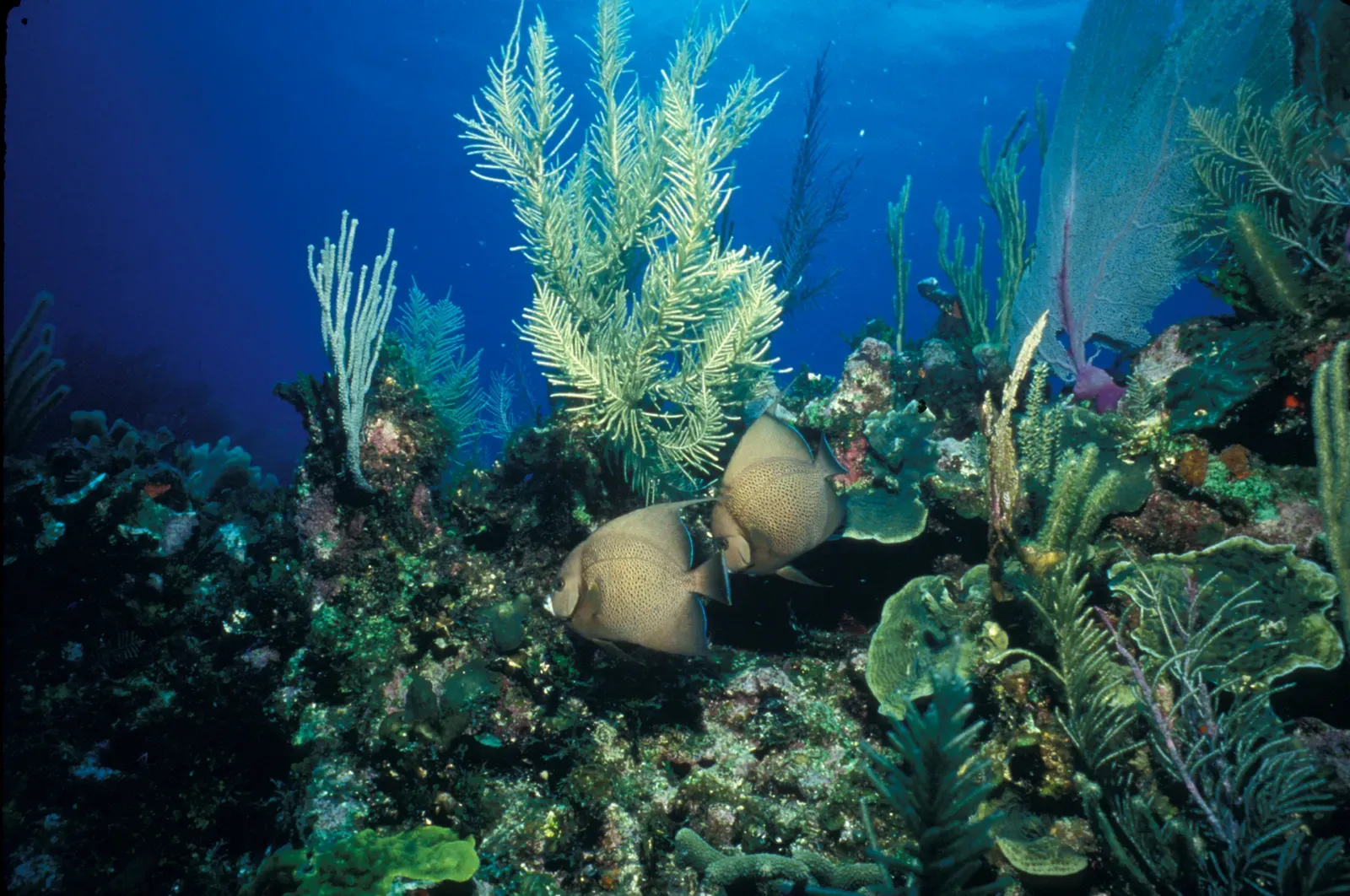
Just south of Miami, Biscayne is mostly underwater, and that’s exactly why its species count is so high. Biscayne in Florida has more overall species than most other parks, with a total of 1,002. Coral reefs, mangrove shorelines, and a shallow bay all overlap within its boundaries, creating layered habitats that few land-based parks can replicate.
The park protects a section of the Florida Reef, the third largest coral barrier reef system in the world, along with seagrass beds that serve as nurseries for countless marine species. Sea turtles, manatees, and a wide range of tropical fish move through these waters throughout the year. Because roughly ninety-five percent of the park is open water, its biodiversity story is really a story about what lies beneath the surface.
Olympic National Park
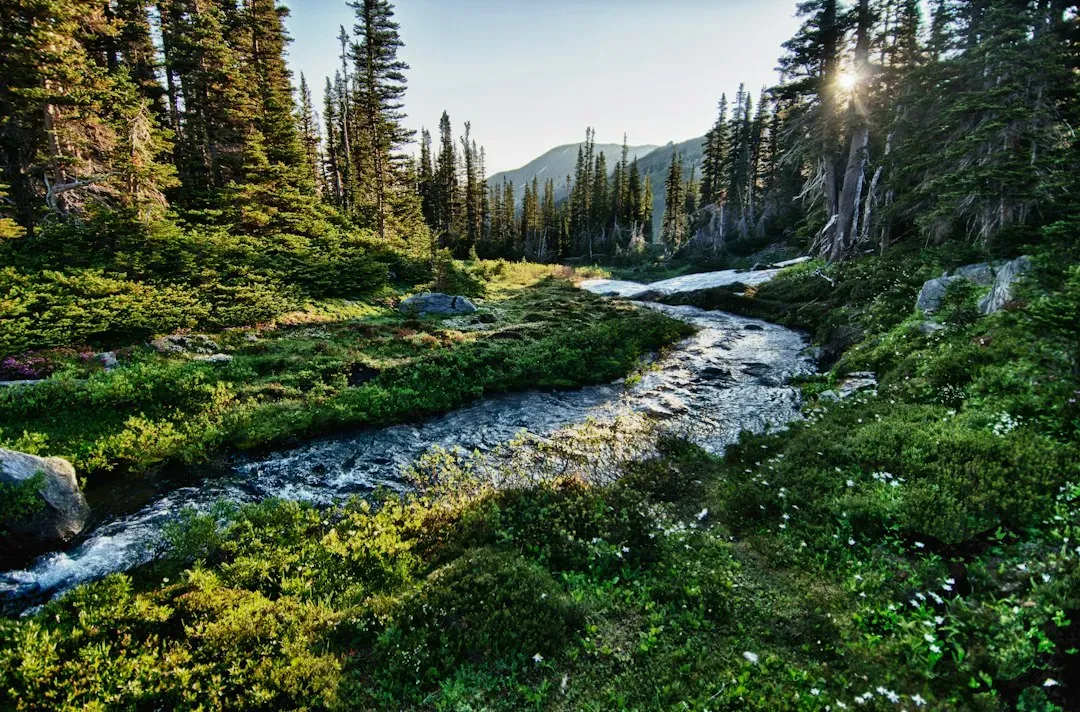
Washington State’s Olympic National Park earns its spot on this list by combining three almost entirely separate ecosystems within one boundary. The park protects nearly 923,000 acres, encompassing three distinctly different ecosystems: rugged glacier-capped mountains, wild Pacific coast, and old-growth temperate rain forest, each containing a unique array of habitats and life forms resulting from thousands of years of geographic isolation. That isolation has driven some genuinely unusual evolutionary outcomes.
The park’s relative isolation, high rainfall, strong precipitation gradient, and rugged topography have combined to produce varied and complex life zones, from coastline to temperate forest to alpine meadows to glaciated peaks, giving the park a high rate of endemism. The Olympic marmot and Olympic torrent salamander exist nowhere else on the planet. Add in Roosevelt elk, black bears, and some of the best salmon-bearing rivers left in the Pacific Northwest, and the diversity here feels almost stacked on top of itself.
Channel Islands National Park
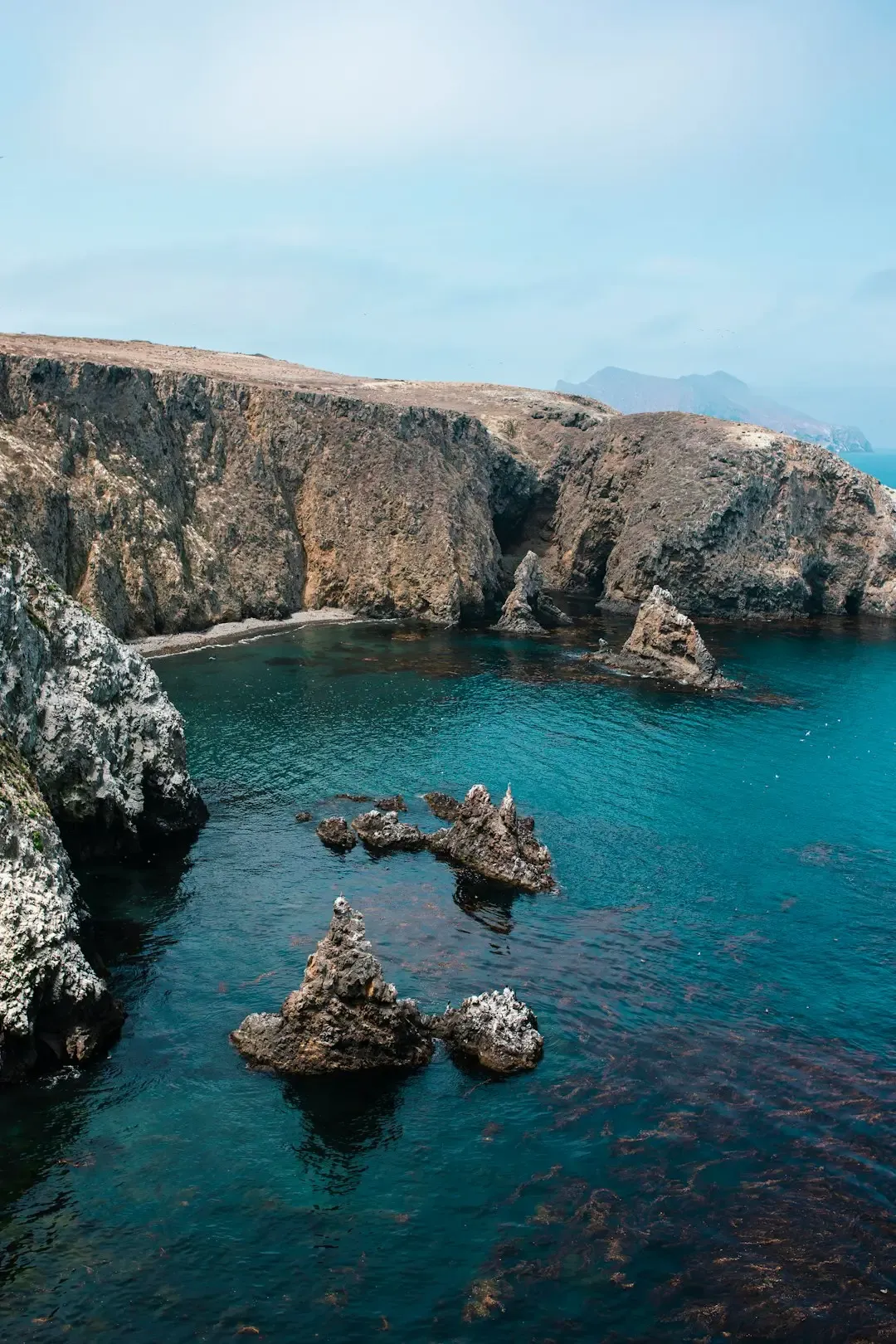
Off the coast of Southern California, five rugged islands make up a park that scientists sometimes compare to a much more famous archipelago. The park is often called the Galápagos of North America because of its remarkable concentration of endemic species, with more than 150 plants and animals occurring nowhere else in the world, having evolved in isolation over thousands of years. That isolation created a living laboratory of divergent evolution.
A total of 23 endemic land animals have been identified in the park, including 11 land birds, which are subspecies or races. The island fox, found on only a handful of the islands, has its own distinct subspecies on each one it inhabits. Offshore, the surrounding marine sanctuary adds another layer entirely, protecting kelp forests and feeding grounds that draw whales and dolphins close to shore throughout the year.
