


- These 6 Americas National Parks Rank Highest for Biodiversity - September 14, 2026
- Snowfall Is Declining Across 9 Andean Mountain Ranges, Data Shows - September 14, 2026
- 7 Electrical Upgrades That Can Help Homes Handle Extreme Heat and Storms - September 14, 2026
Curious about how climate change might reshape everyday life a few decades from now, I asked ChatGPT to walk me through which American states face the steepest risk of extreme, potentially dangerous heat by 2080. The answer wasn’t a single dramatic headline but a patchwork of regions where rising temperatures, humidity, water stress, and aging infrastructure could combine to make daily life genuinely harder, and in some pockets, physically risky for extended stretches of the year.
What follows isn’t a doomsday forecast. It’s a grounded look at the states climate scientists and federal researchers keep flagging as the ones to watch, based on current peer-reviewed projections and recent reporting rather than speculation.
Arizona
Arizona, and Phoenix in particular, comes up first in nearly every conversation about American heat extremes. Climate Explorer data shows Phoenix may average 124 days above 100 degrees by 2050 in a lower-emissions scenario or 134 days a year in the triple digits by 2050 in a higher-emissions scenario. Push that timeline to the 2080s and the numbers climb further, with Phoenix potentially averaging 131 to 156 days per year in the triple digits by the 2080s, depending on emissions.
Researchers studying Arizona’s climate using downscaled models have found that the state’s climate is projected to become overall warmer and wetter, more so towards the end of this century and for higher emission scenarios, with an increase in wet bulb temperature and cooling degree days implying potential impacts on public health and the economy. Climate Central’s own modeling adds another layer, projecting that Phoenix’s average summer high temperatures will be 7.2 degrees hotter by the year 2100, making the future climate of the Valley feel more like the current climate of Saudi Arabia.
Texas
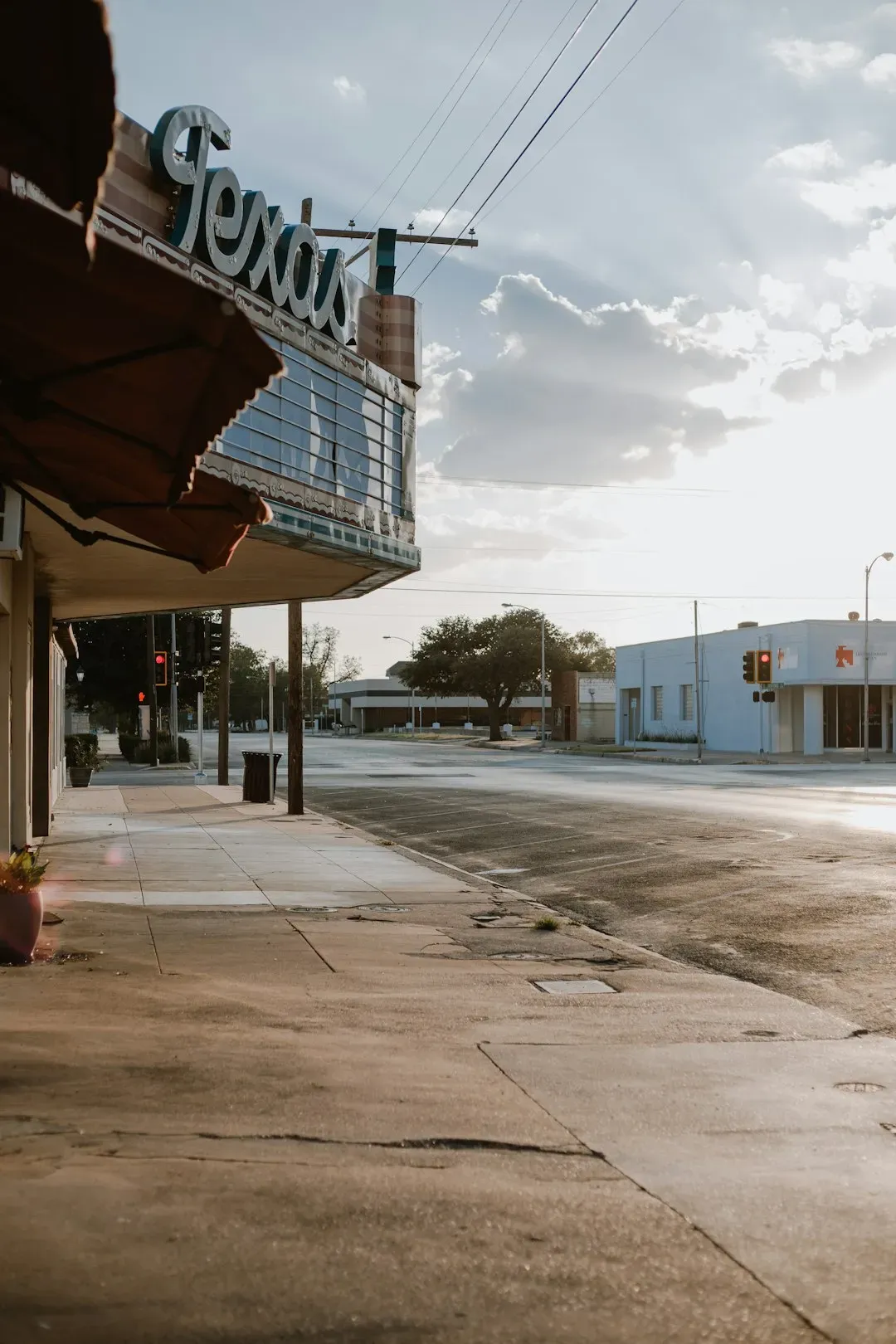
Texas is enormous and climatically diverse, but its central and southern regions are increasingly singled out for heat concerns. Some researchers project that by century’s end, cities such as Austin could experience summer heat comparable to Dubai. That’s not a subtle shift. It represents a fundamental change in what a Texas summer feels like, with implications for outdoor labor, agriculture, and energy demand on an already strained grid.
Texas also sits within the swath of the country that recent modeling has flagged for approaching physiologically significant heat and humidity thresholds. Reporting on NASA-funded climate research notes that sections of the central United States are projected to approach dangerous wet-bulb thresholds during severe heat events. Combined with rapid population growth in Texas metro areas, this puts more people directly in the path of intensifying heat than almost anywhere else in the country.
Florida

Florida’s heat problem is less about record-breaking dry temperatures and more about relentless humidity, which makes heat feel and behave differently in the body. The state already ranks among those most vulnerable to extreme heat exposure. Analyses of climate vulnerability factor in the percentage of people vulnerable to extreme heat and the projected number of dangerously hot days by 2050, with states including Florida flagged as high-risk.
What makes Florida distinct is the ocean itself. In 2023, a buoy near the Florida Keys recorded startling numbers, and researchers noted that a buoy in Manatee Bay recorded a temperature of 101.1 degrees Fahrenheit, an alarmingly high sea surface temperature. Warmer coastal waters feed more moisture into the air, which in turn raises the humidity load residents have to contend with during summer months, a trend expected to intensify by 2080.
Nevada
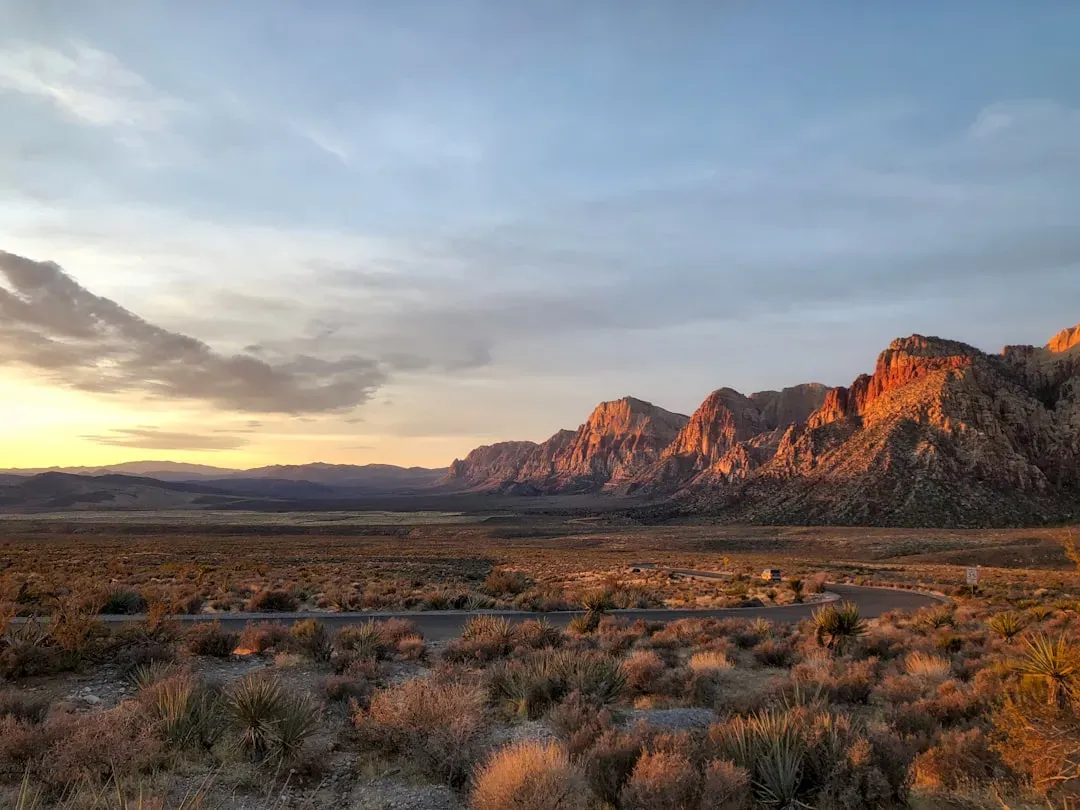
Nevada’s desert climate already produces some of the hottest recorded temperatures in North America, and Las Vegas has become something of a case study in how quickly a city can warm. The broader western United States is expected to see disproportionate warming compared to other regions. The northern and western parts of the country are projected to warm even more than the national average.
Nevada’s exposure is compounded by its reliance on the Colorado River system, which is under its own separate strain from drought and reduced snowpack. As temperatures climb, water scarcity and heat risk tend to reinforce each other, since less water availability also limits the natural and infrastructural cooling options communities can lean on during extreme heat events.
New Mexico
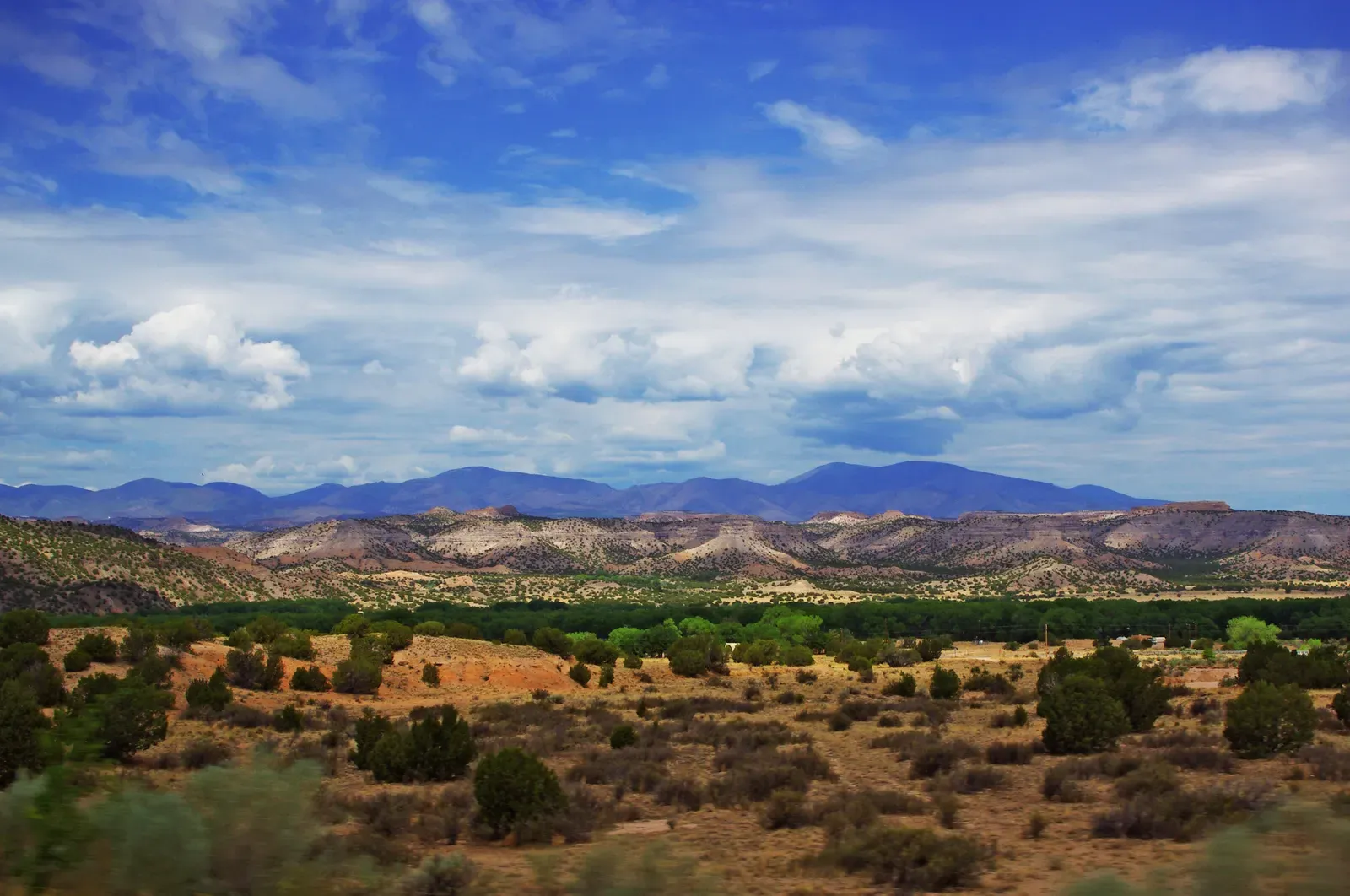
New Mexico often gets less attention than Arizona or Nevada, but it shares much of the same high-desert vulnerability. Warming projections for the broader Southwest suggest steadily rising baseline temperatures well before 2080, with summers that already stretch longer than they did a generation ago. The state’s relatively low humidity offers some relief compared to the Gulf Coast, but dry heat carries its own physiological dangers once temperatures climb into the triple digits for extended periods.
Water availability compounds the concern here as well. New Mexico shares many of its water sources with neighboring states experiencing their own heat and drought pressures, meaning any regional strain on the Colorado River or Rio Grande systems could hit New Mexico communities especially hard by mid-century and beyond.
Louisiana
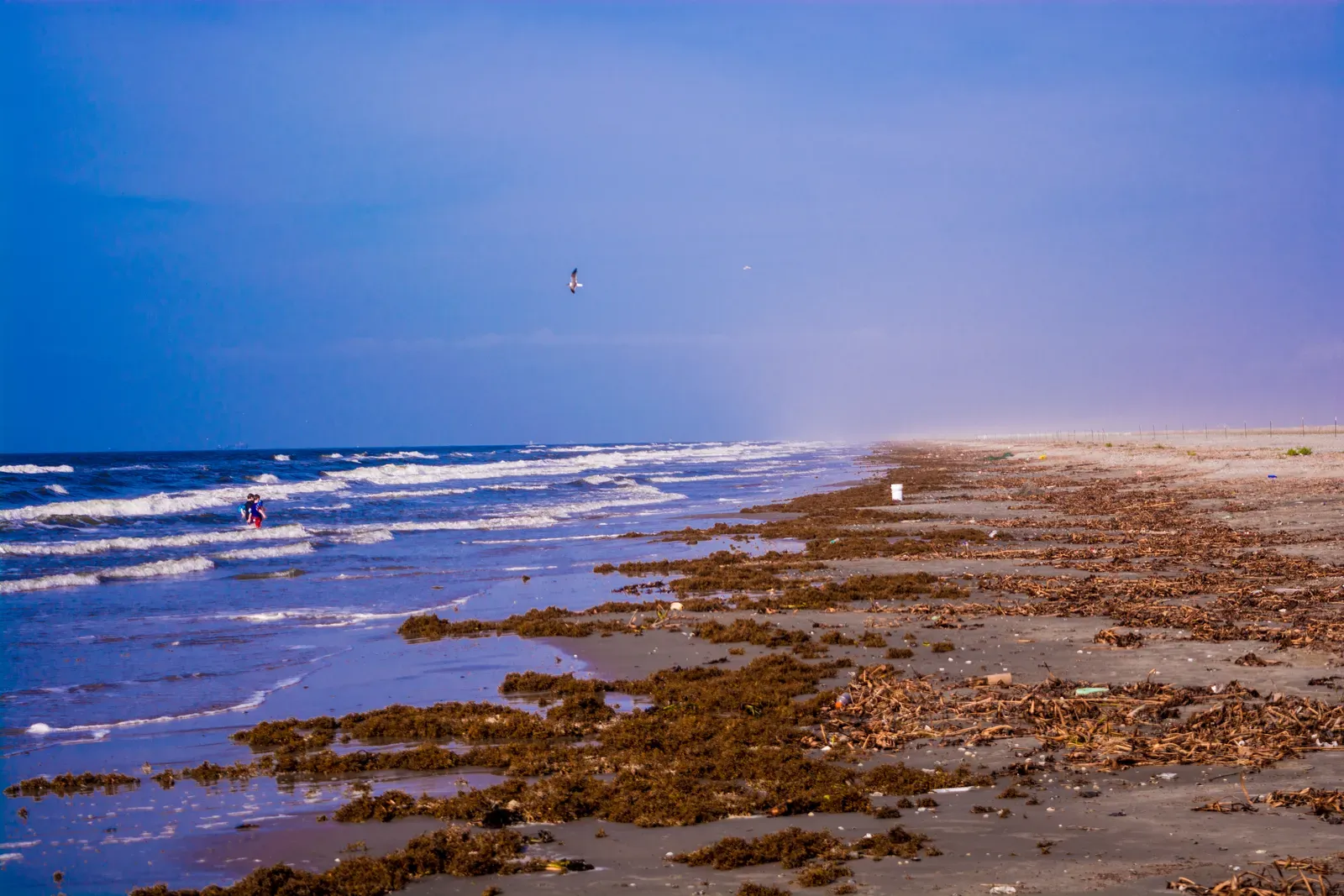
Louisiana combines high humidity with a coastline that’s already dealing with land loss and storm intensification, and heat compounds those existing vulnerabilities. Broader assessments of climate risk in the region point to the Gulf Coast states as facing intersecting pressures. Elevated drought risk is the second most common projected climate change impact, expected to impact roughly three quarters of the states analyzed in recent climate vulnerability research.
For Louisiana specifically, the combination of tropical humidity and rising average temperatures means the heat index, how hot it actually feels, climbs faster than the raw thermometer reading alone would suggest. That gap between air temperature and perceived heat is exactly the kind of stress that pushes vulnerable populations, particularly older residents and outdoor workers, toward genuine health risk during the hottest months.
South Carolina and Georgia
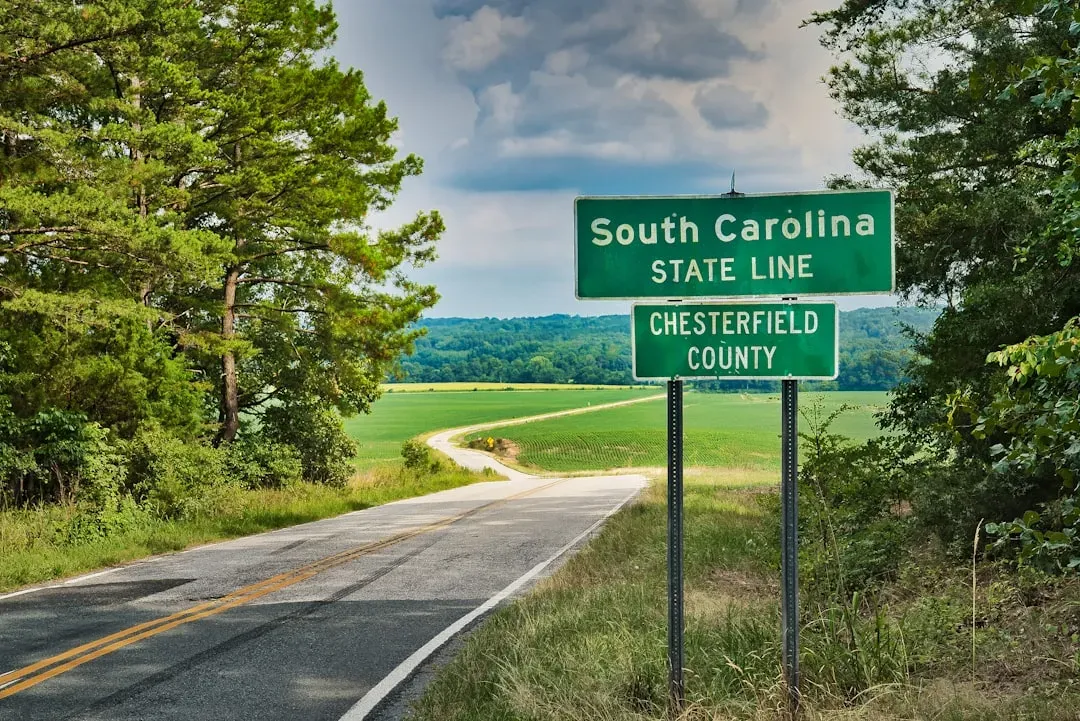
The Deep South’s combination of heat and humidity puts states like South Carolina and Georgia on most climate vulnerability lists. Both states appear among those flagged in broader national assessments. Recent climate vulnerability analysis names states including Georgia among those facing elevated heat exposure, based on the percentage of residents vulnerable to extreme heat and the projected number of dangerously hot days.
What’s notable about this region is how heat interacts with existing infrastructure gaps. Many older buildings and neighborhoods in the Southeast weren’t designed with the same air conditioning penetration as the Southwest, meaning that even moderate temperature increases can translate into disproportionately higher health risks, especially for lower-income households without reliable access to cooling.
Oklahoma
Oklahoma sits at a climatic crossroads, catching both the dry heat trends moving up from Texas and the humidity patterns drifting in from the Gulf. This dual exposure makes it a state worth watching closely as warming trends solidify over the coming decades. The state has already experienced increasingly severe heat waves in recent summers, a pattern consistent with broader national trends.
Recent extreme weather events have underscored this vulnerability. During a widespread 2026 heat wave, over two dozen states were forecast to experience temperatures above 100 degrees Fahrenheit, with Oklahoma squarely within that affected zone. As these events become more frequent, Oklahoma’s blend of agricultural land use and urban centers means both rural and city residents face rising heat exposure.
Kansas
Kansas doesn’t always make the shortlist of high-heat states, but its agricultural economy makes it particularly exposed to the compounding effects of heat and drought stress. Crop yields, water tables, and rural infrastructure all face pressure as summer temperatures trend upward across the Great Plains. This isn’t just a comfort issue, it’s an economic one that touches food production well beyond the state’s own borders.
The broader pattern of intensifying heat waves sweeping across the central United States has repeatedly included Kansas in recent years. As climate models extend their projections toward 2080, the state’s exposure to both extreme heat and reduced water availability places it among the less obvious, but still significant, states to watch.
The bigger national picture
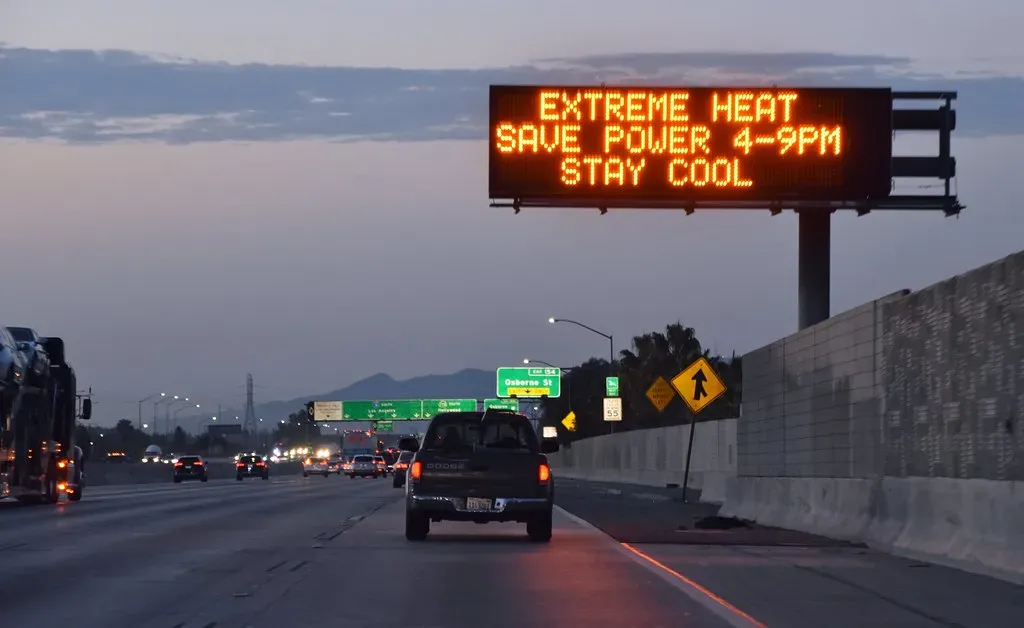
Zooming out, the trend across nearly the entire country points in one direction. Average temperatures across the contiguous United States have already risen about 60% more than the global average since 1970, and that pace isn’t expected to slow without significant emissions reductions. Nationally, the number of days above 95 degrees Fahrenheit is expected to increase across the United States.
Population growth adds another layer researchers keep emphasizing. Studies modeling exposure through the latter half of this century have found that U.S. population exposure to extreme heat increases four- to six-fold over observed levels in the late 20th century, with changes in population being as important as changes in climate in driving this outcome. In other words, more people are moving into hot places at the exact moment those places are getting hotter, a combination that shapes much of what ChatGPT flagged as the states most worth watching through 2080.
