

- 12 Things You Can Reuse Around the House Before Throwing Them Away - September 23, 2026
- Where Do Lightning Strikes Kill the Most People in the U.S.? - September 23, 2026
- 9 Simple Home Changes That Can Make a Big Difference for the Planet - September 23, 2026
How meteorologists actually build these rankings
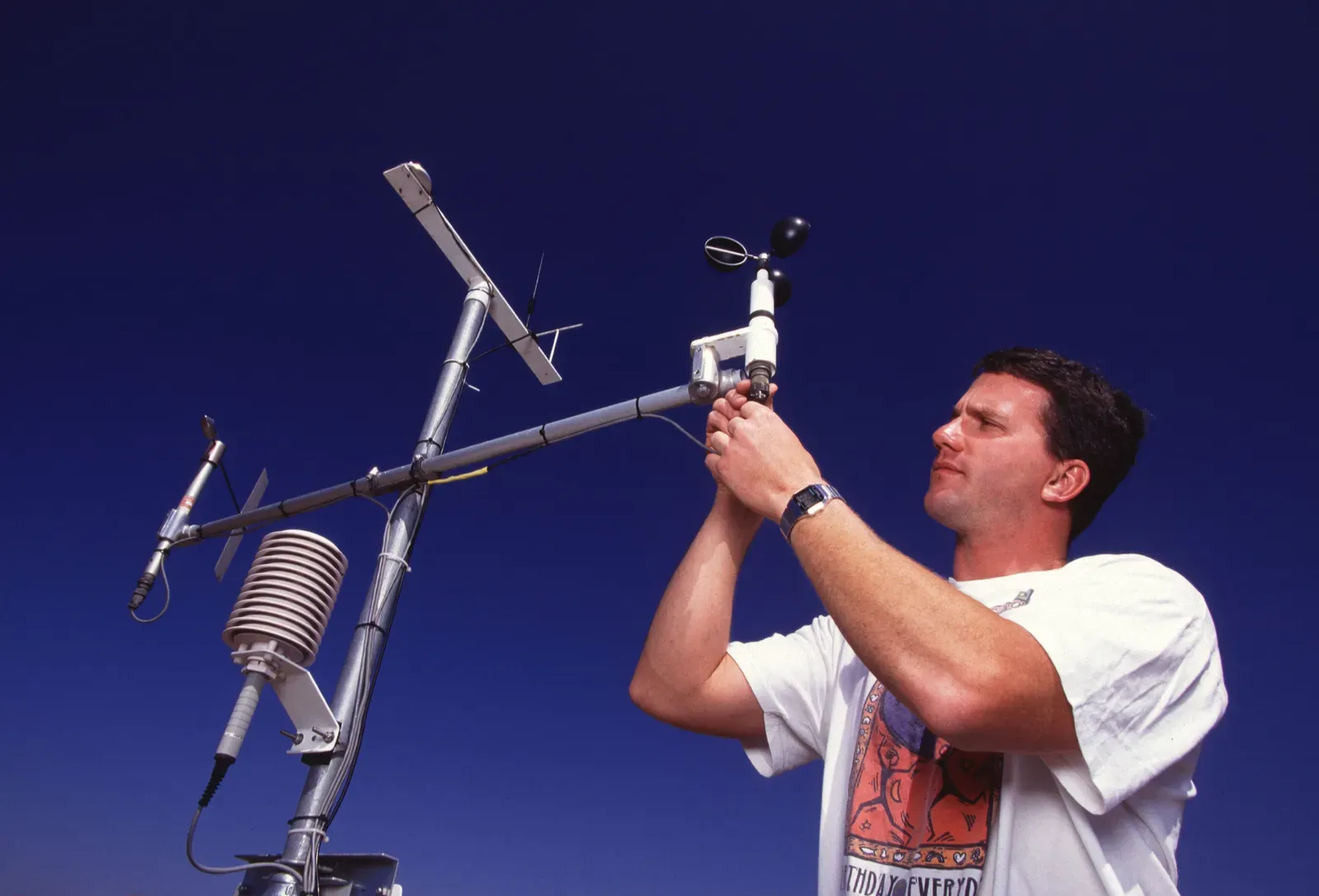
Weather livability rankings aren’t based on vibes or Instagram sunsets. Researchers typically pull from NOAA’s official weather data covering precipitation, snowfall, temperature extremes, and severe weather frequency, then layer in how people who actually live there feel about it. That second part matters, because raw numbers alone don’t capture the exhaustion of dealing with the same weather grind year after year.
The most thorough versions combine that climate data with resident-satisfaction surveys from WalletHub, Niche.com, and AAA’s annual livability index. When a city scores poorly on both the objective numbers and the subjective survey responses, it tends to stay planted at the bottom no matter who’s doing the ranking. That consistency is exactly what happened with the city that ended up dead last.
The city at the bottom: New Orleans
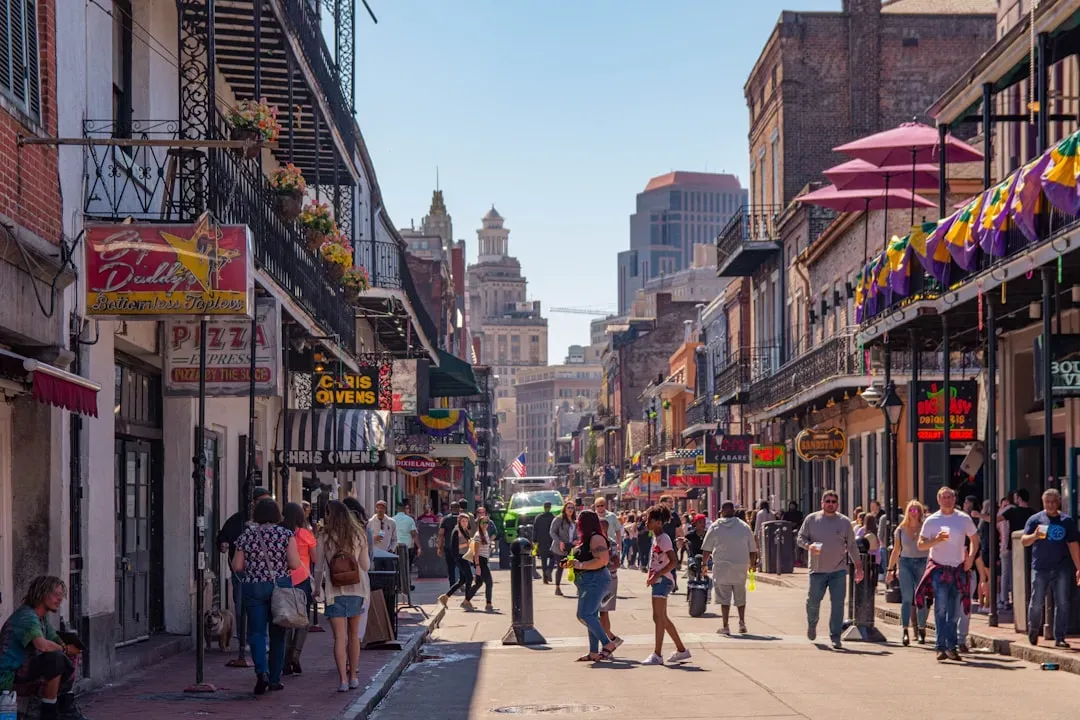
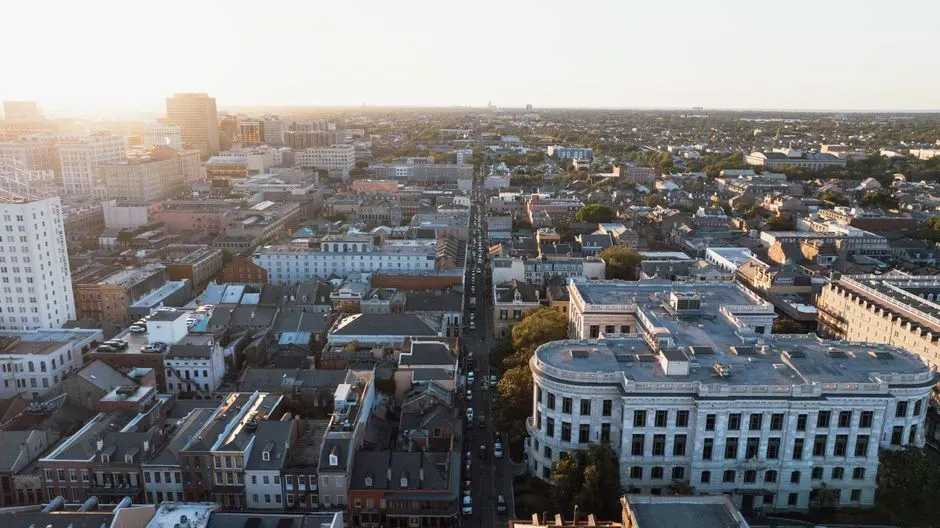
Across multiple independent analyses, one name shows up again and again in the worst possible position. New Orleans consistently ranks as the worst major American city for weather across multiple analytical frameworks. It’s not because any single metric is the worst in the country. It’s because almost every category stacks against it at once.
The city sits below sea level, receives approximately 64 inches of annual rainfall, one of the highest totals among major U.S. cities, experiences extreme summer humidity with heat index regularly exceeding 110 degrees Fahrenheit, and faces sustained hurricane risk during the June-November season. Stack those four factors together and you get a place where the weather isn’t just occasionally rough. It’s a near-constant background condition residents have to plan their entire lives around.
Rain that never seems to stop
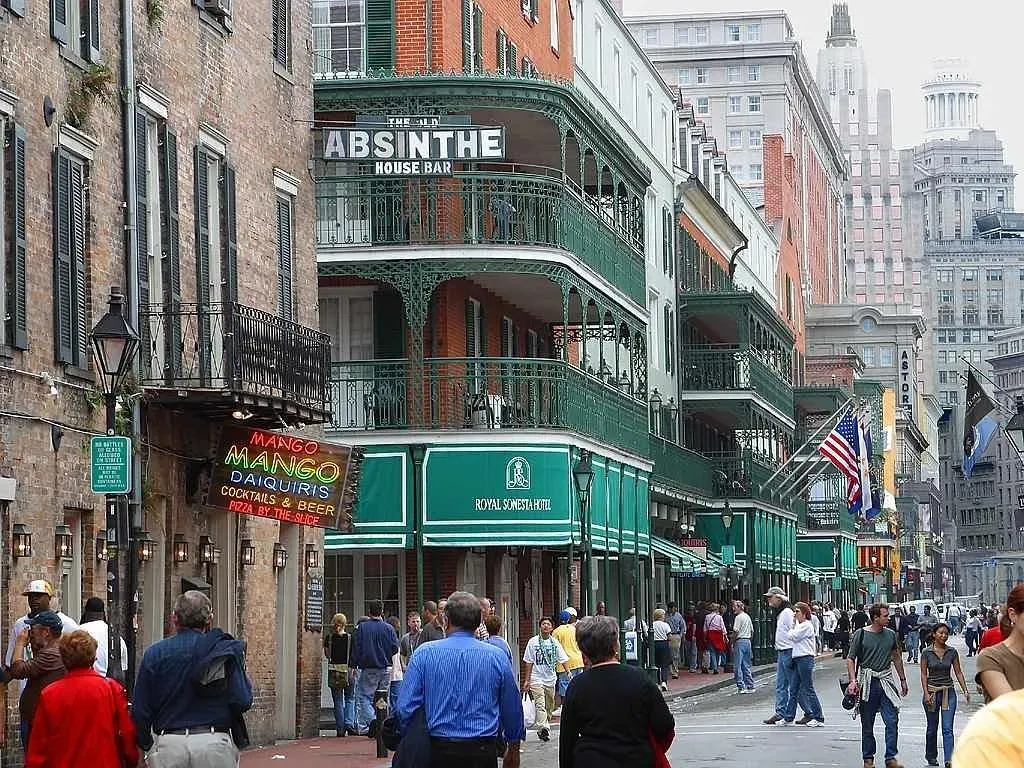
Water is the defining problem in New Orleans, and it shows up in almost every measurement meteorologists track. The city’s below-sea-level geography means rain doesn’t just fall, it has nowhere natural to drain, which turns ordinary storms into standing-water events on a regular basis.
Compare that to other notoriously wet cities like Hilo, Hawaii, which is the wettest city in America, posting 128 inches of annual rainfall and 277 rainy days a year, both number one on the national list. New Orleans doesn’t hit those extremes on rainfall volume alone. What pushes it lower is that the rain arrives on top of heat, humidity, and hurricane risk all in the same stretch of months, rather than spread across a milder overall climate the way Hawaii’s is.
Hurricane season and the insurance problem
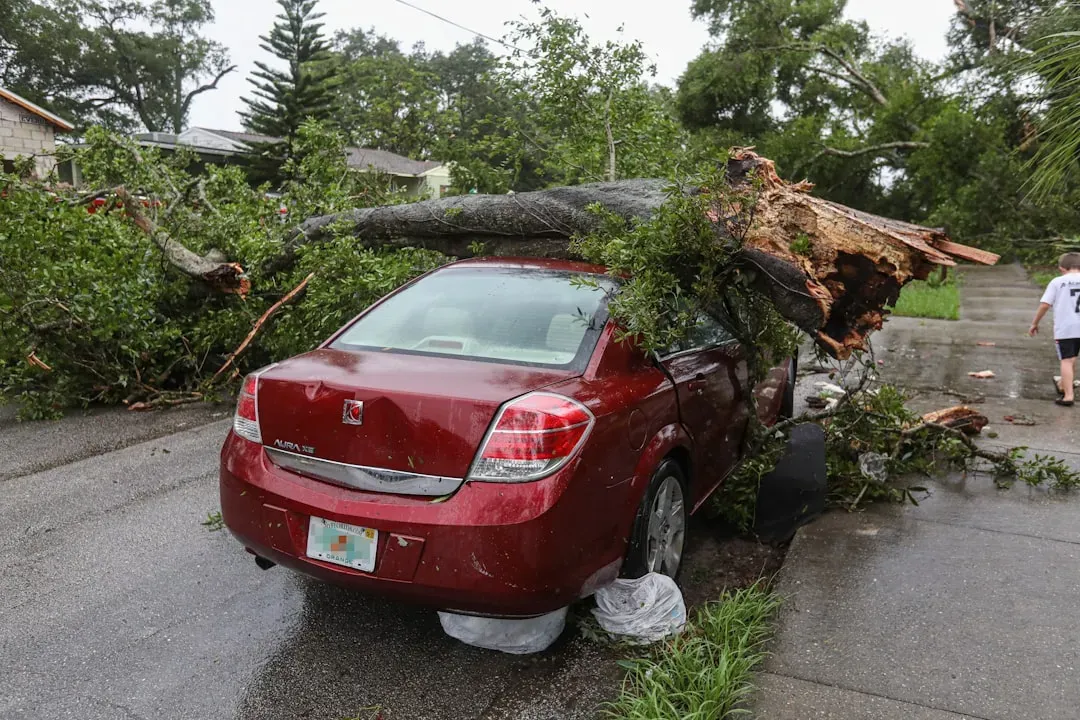
Hurricanes are where New Orleans separates itself from almost every other city on these lists. The storm history isn’t abstract or theoretical. Hurricane Katrina in 2005, Hurricane Isaac in 2012, Hurricane Ida in 2021, and ongoing levee system stress have combined to produce among the highest weather-related insurance premiums in the United States.
That’s not just a weather statistic, it’s a financial one that follows residents home. Homeowners in the city pay some of the steepest weather-related insurance rates in the country, a direct consequence of decades of storm damage and the ongoing vulnerability of the levee system protecting the city. Few other American cities carry that combination of recurring storm threat and structural flood risk baked directly into their geography.
Heat and humidity that never let up
Even outside hurricane season, the day-to-day climate in New Orleans is genuinely difficult to live in. Summer humidity there isn’t the dry heat familiar to desert cities. It’s the kind that sits on your skin and makes an afternoon walk feel like a workout, with heat index readings climbing well past the triple digits for weeks at a stretch.
This is part of why survey-based rankings, not just raw climate data, push the city to the bottom. New Orleans residents report among the lowest weather-related satisfaction scores in any major American city. People aren’t just tolerating uncomfortable numbers on a chart. They’re living with fatigue that builds across an entire season.
How other rainy contenders stack up by comparison

New Orleans isn’t the only city with a serious rain problem, which makes its bottom-ranking status even more notable. The Pacific Northwest dominates the sheer volume of wet, gray days. Quillayute holds the top spot with 240 cloudy days, 83 percent humidity, and 210 rainy days a year.
Places like Astoria, Oregon and Eugene share a similar fate, largely because of geography. Three of the top nine worst weather cities sit along the Pacific Northwest coast, a result of orographic lift, where moist Pacific air pushes east, hits the Olympic and Cascade mountains, and cools as it rises, dropping moisture out as rain on the windward side. The difference is that those Pacific Northwest cities are small and mild in temperature. New Orleans combines its rain with heat, humidity, and hurricanes, which is why the bigger, more populous city ends up worse off in livability terms.
Extreme heat rivals: Phoenix and the desert Southwest
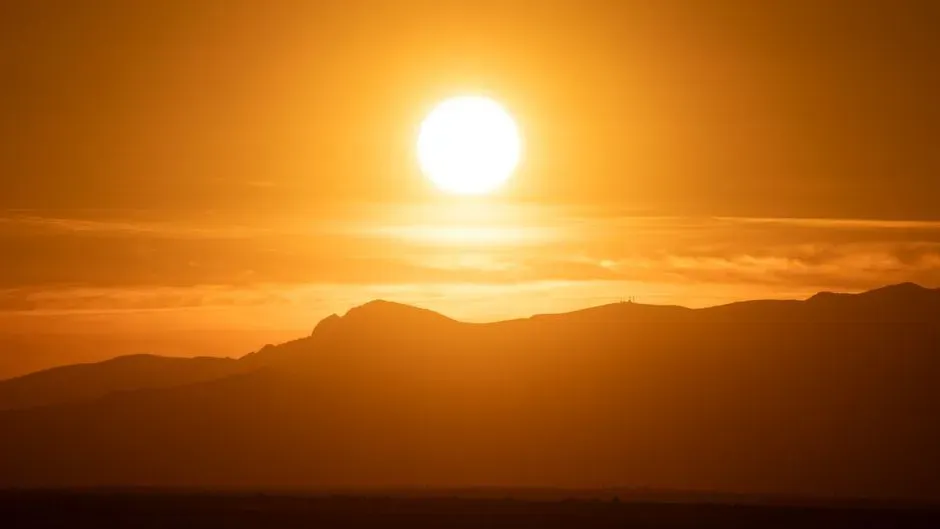
If New Orleans wins on humidity and storm risk, Phoenix wins on pure heat exposure, and it’s worth understanding why it still doesn’t overtake New Orleans in most rankings. The city averages approximately 110 days per year with daytime highs exceeding 100 degrees Fahrenheit, and the 2024 and 2025 summers each included multi-week stretches with overnight low temperatures above 90 degrees.
That’s a brutal climate by any measure, and Phoenix Sky Harbor even hit 118 degrees Fahrenheit in a new record set on August 7, 2025. But Phoenix’s heat is dry, predictable, and largely storm-free. Residents there know exactly what they’re getting each summer, which is part of why satisfaction surveys treat it more forgivingly than a city facing humidity, flooding, and hurricanes all at once.
Snow and cold rivals: Buffalo and the northern tier
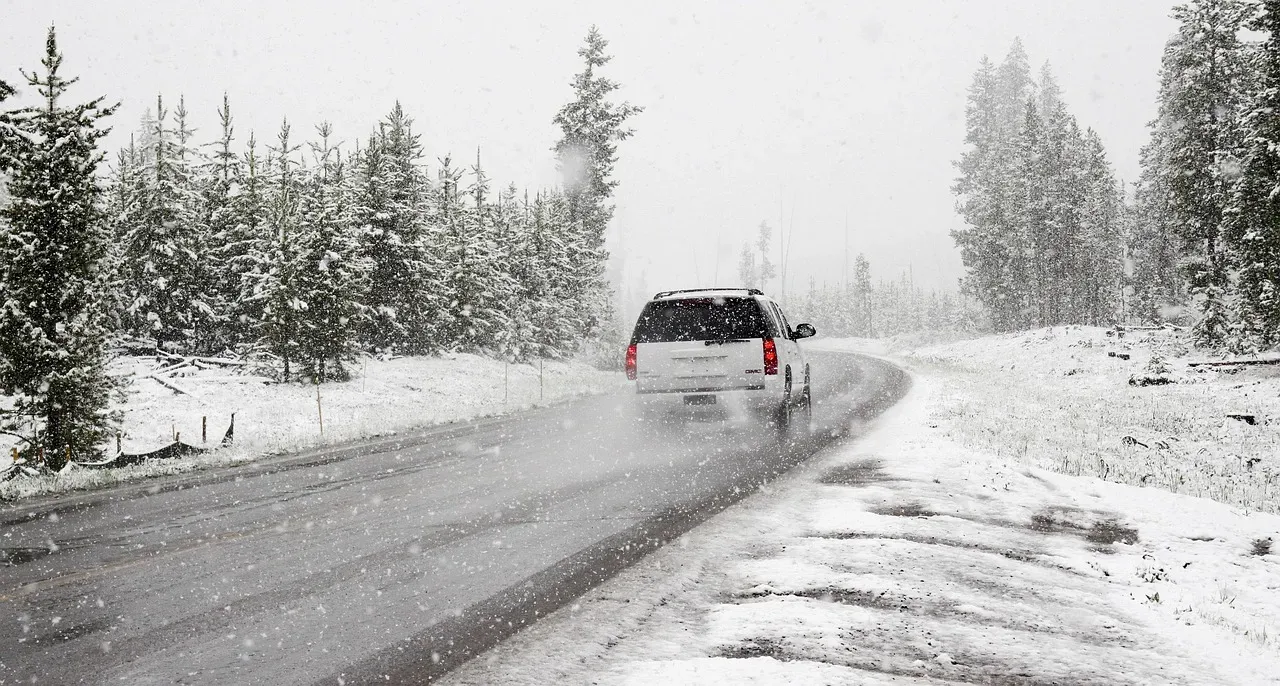
On the opposite end of the thermometer, cities like Buffalo carry their own brutal weather reputation, and they’re worth comparing to see why cold alone doesn’t push a city to dead last either. Buffalo averages 95 inches of annual snowfall, and the city is famous for sudden, historic snowstorms that shut down entire regions for days. Buffalo excels at enduring massive snowstorms, normally seeing four days each winter when fresh snowfall totals five inches or more, with one of those days on average amounting to at least ten inches.
Even so, Buffalo doesn’t rank among the top cities for other kinds of major storms. Its weather misery is concentrated almost entirely in winter, leaving spring, summer, and fall relatively pleasant. New Orleans, by contrast, deals with heat, humidity, and hurricane anxiety across most of the calendar year, which is a big part of why the single-season suffering of a snow city doesn’t translate into the same bottom-of-the-list outcome.
What residents actually say about living there
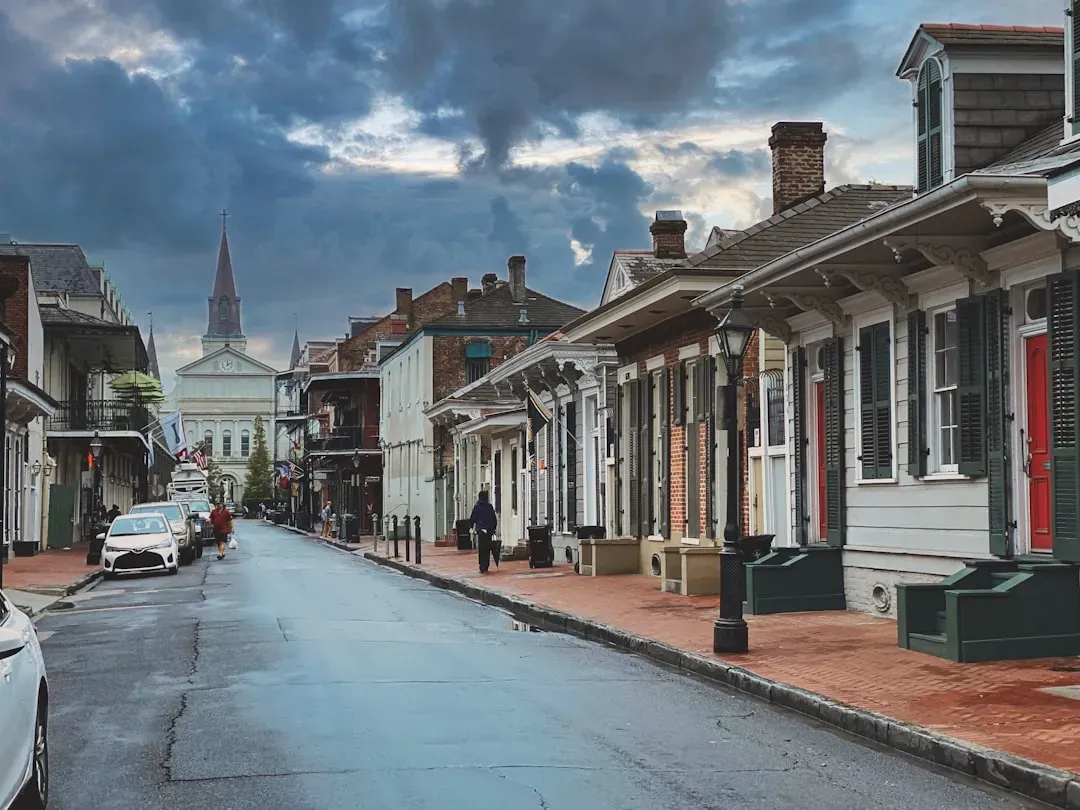
Numbers only tell part of the story, which is why the surveys matter as much as the climate data. When people who actually live somewhere consistently report low satisfaction with their weather, it signals something the raw statistics can miss, like the cumulative toll of dealing with the same conditions year after year rather than isolated bad days.
That’s exactly the pattern researchers found when looking at New Orleans specifically. The city’s appeal on paper is enormous, with its food, music, and culture drawing visitors from all over the world. Yet the cultural appeal of the city is enormous, but the weather profile is genuinely difficult, and that gap between how much people love visiting and how much residents struggle with living there year-round is a big reason the city keeps showing up at the bottom.
Where the best weather is found instead
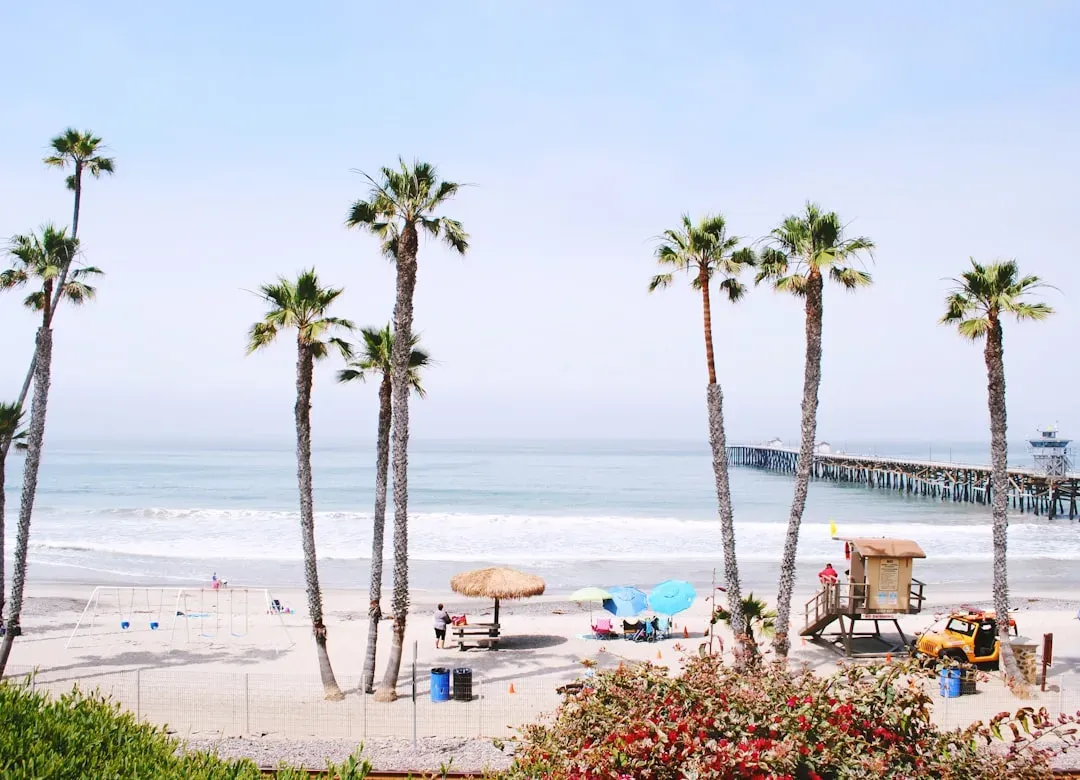
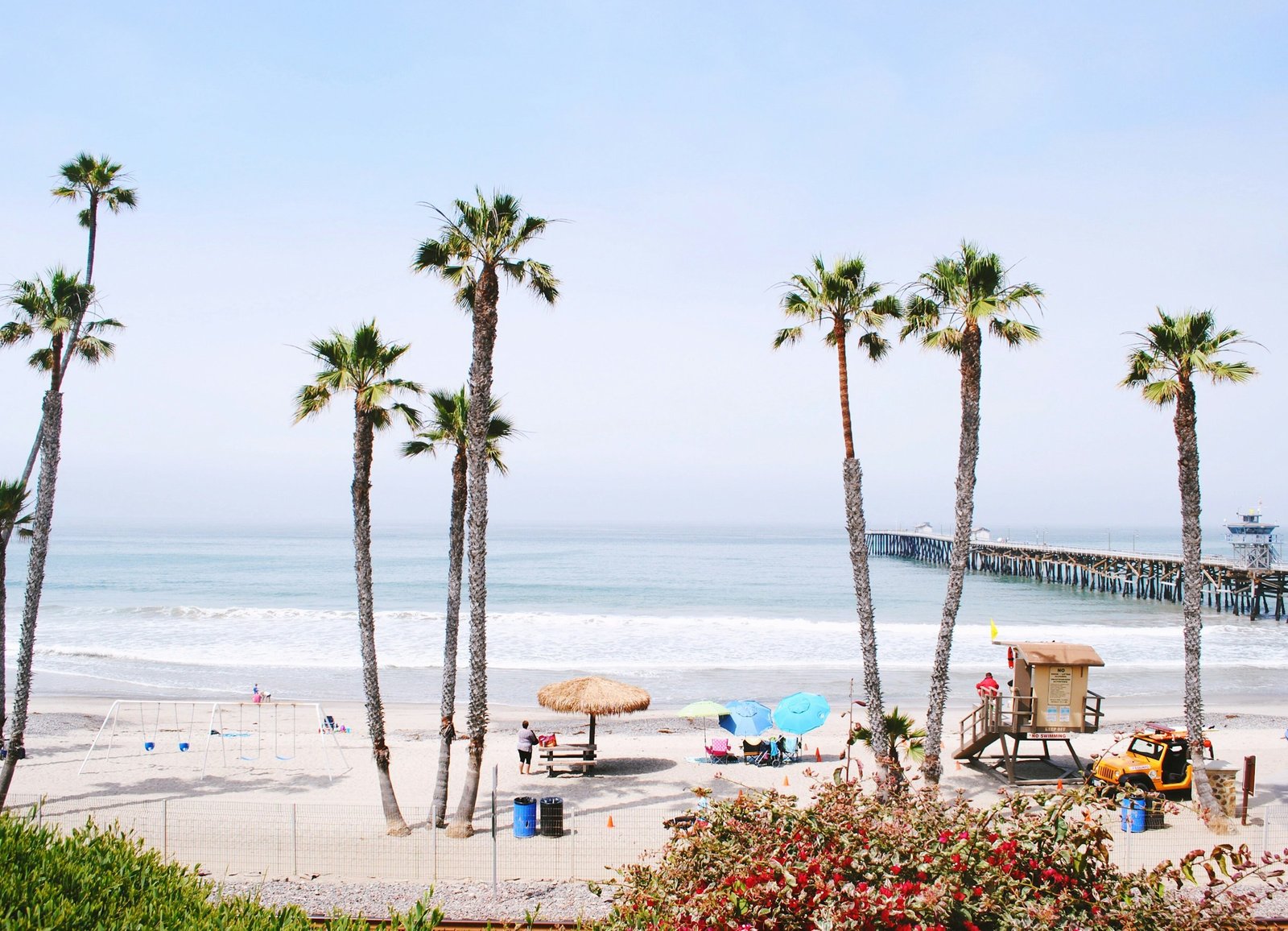
On the opposite end of these rankings, a handful of California cities tend to dominate the top spots, and the contrast is instructive. San Francisco has historically taken first place in weather rankings, with only two days of extreme heat and a low temperature just below freezing at 27 degrees. Second place typically goes to San Diego, followed by Los Angeles.
What separates these cities from New Orleans isn’t the absence of any single bad metric. It’s the absence of overlapping extremes. San Diego doesn’t deal with hurricane risk, extreme humidity, and heavy rainfall all stacked on top of each other the way New Orleans does. Mild temperatures, low storm frequency, and manageable rainfall together create the kind of steady, boring weather that, ironically, is exactly what makes a city livable.
