

Coral reefs cover a tiny sliver of the ocean floor, yet the data streaming out of them right now fills servers around the world. Satellites track heat stress hour by hour, divers log survival rates site by site, and new sensors capture details that would have been impossible to measure a decade ago. The volume of information has never been higher, and neither has the sense of urgency behind collecting it.
That urgency traces back to a stretch of ocean warming that scientists say has no real precedent. What began as isolated bleaching reports in early 2023 grew into something researchers eventually had to name and track as a distinct global event, one that reshaped how monitoring itself gets done.
A fourth global bleaching event redefined the scale of the crisis
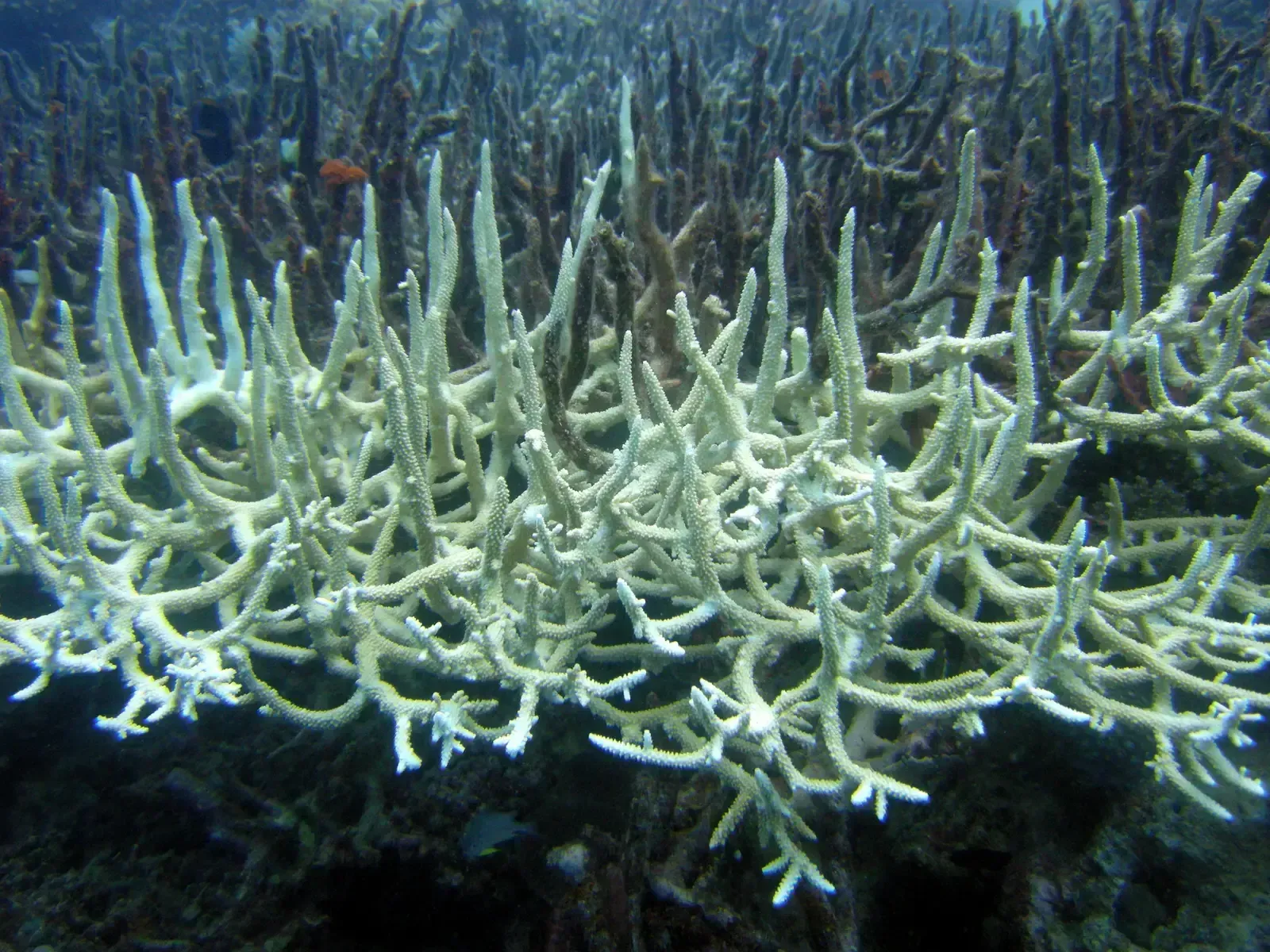
In April 2024, NOAA confirmed what many reef scientists had already suspected: the world had entered its fourth global coral bleaching event, and only the second in the last ten years. The world was experiencing a global coral bleaching event, according to NOAA scientists, the fourth global event on record and the second in the last 10 years. The heat stress driving it was not confined to one ocean basin. Bleaching-level heat stress, as remotely monitored and predicted by NOAA’s Coral Reef Watch, was extensive across the Atlantic, Pacific and Indian Ocean basins.
By the time NOAA’s scientists could look back on the full arc of the event, the numbers were staggering. From early-2023 to mid-2025, bleaching-level heat stress impacted 84% of the world’s coral reef area in all three coral reef-containing ocean basins. Mass bleaching was documented in at least 83 countries and territories. That figure eclipsed the previous benchmark by a wide margin, since the previous record was during the third global coral bleaching event, from 2014-2017, when 68.2% of the world’s reef area experienced bleaching-level heat stress.
Researchers formally declared the event over, but cautiously
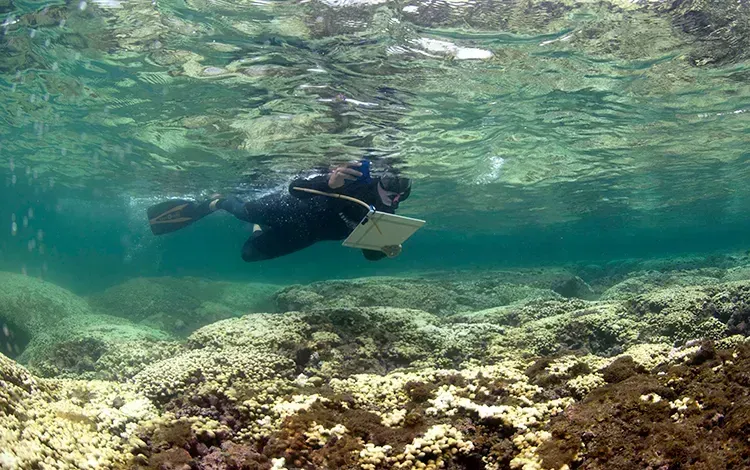
Announcing the end of a global bleaching event turned out to be almost as delicate as declaring its start. NOAA experts spent months confirming there had been no resurgence before going public. After analyzing satellite data and bleaching observations, NOAA’s experts said the record-breaking fourth global coral bleaching event likely concluded in mid-2025.
The final chapter played out far from where the event began. Following the severe bleaching in Western Australia in early 2025, global heat stress went into decline with only isolated reports of coral bleaching, and the Western Australia bleaching event likely bookended the fourth global event. Even so, scientists were careful about the timing of their announcement. Researchers needed to confirm that no widespread, large-scale bleaching was reported anywhere during the austral summer running from December 2025 through February 2026 before they were confident the event had ended.
A landmark global report puts numbers on the long-term decline
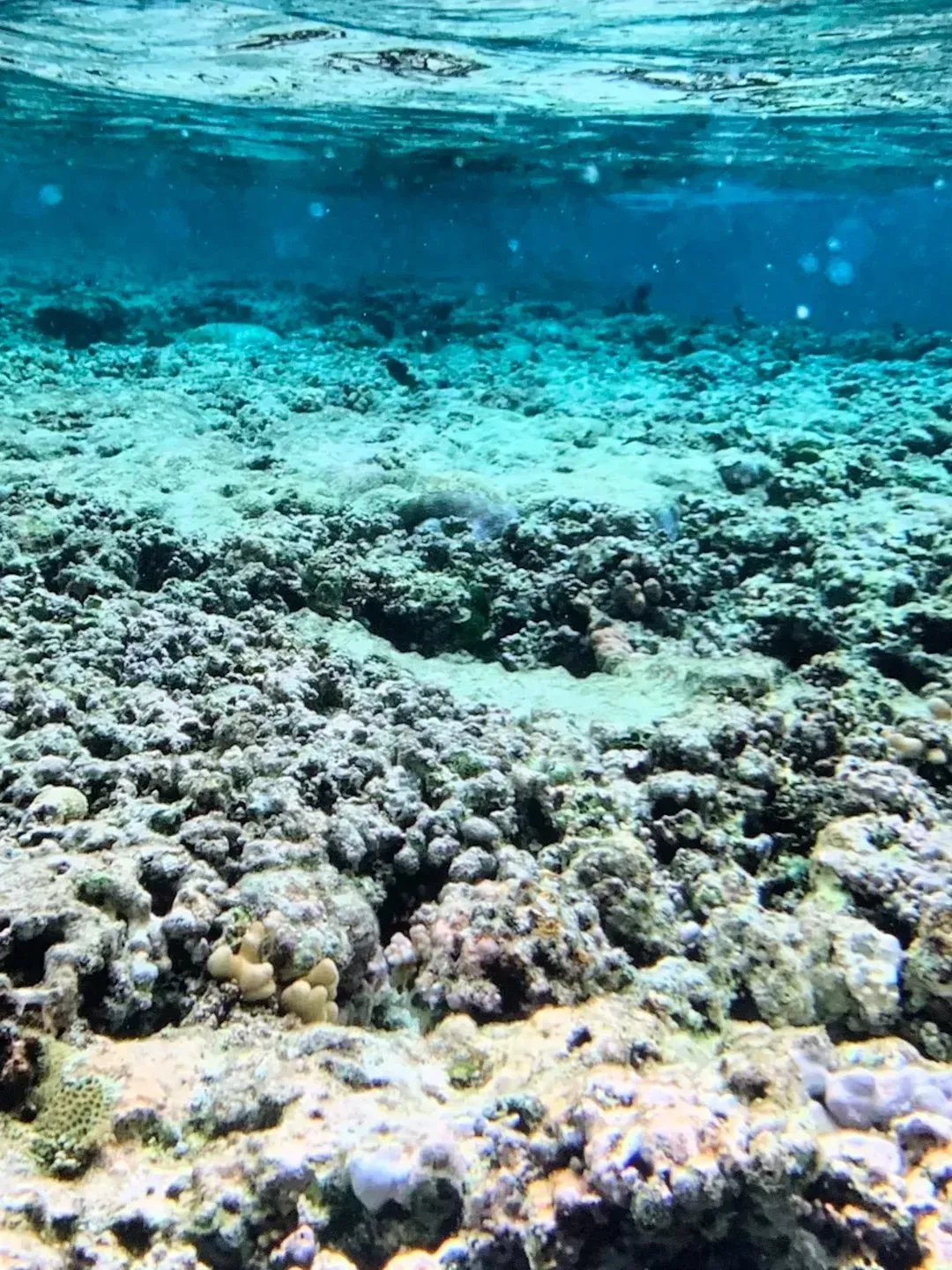
Bleaching events come and go, but the cumulative toll they leave behind is what worries scientists most. The Global Coral Reef Monitoring Network released its most comprehensive assessment yet in late August 2026, and the findings were sobering. The report found the world’s coral reefs are running out of time to recover between increasingly frequent marine heatwaves and global bleaching events driven by human-induced climate change.
The scale of the data behind that conclusion is itself notable. The report draws on more than 40 years of global data from 21.1 million observations, 87,299 surveys. Its central finding was blunt. The report documented a 9.5% relative decline in global hard coral cover since historical levels of 1980 to 2009, driven primarily by human-induced climate change. Still, the report did not read as a story of pure loss. It also noted a roughly 6% relative recovery in global hard coral cover between 2017 and 2019, showing reefs can recover when given sufficient time between disturbances.
Recovery windows are shrinking fast
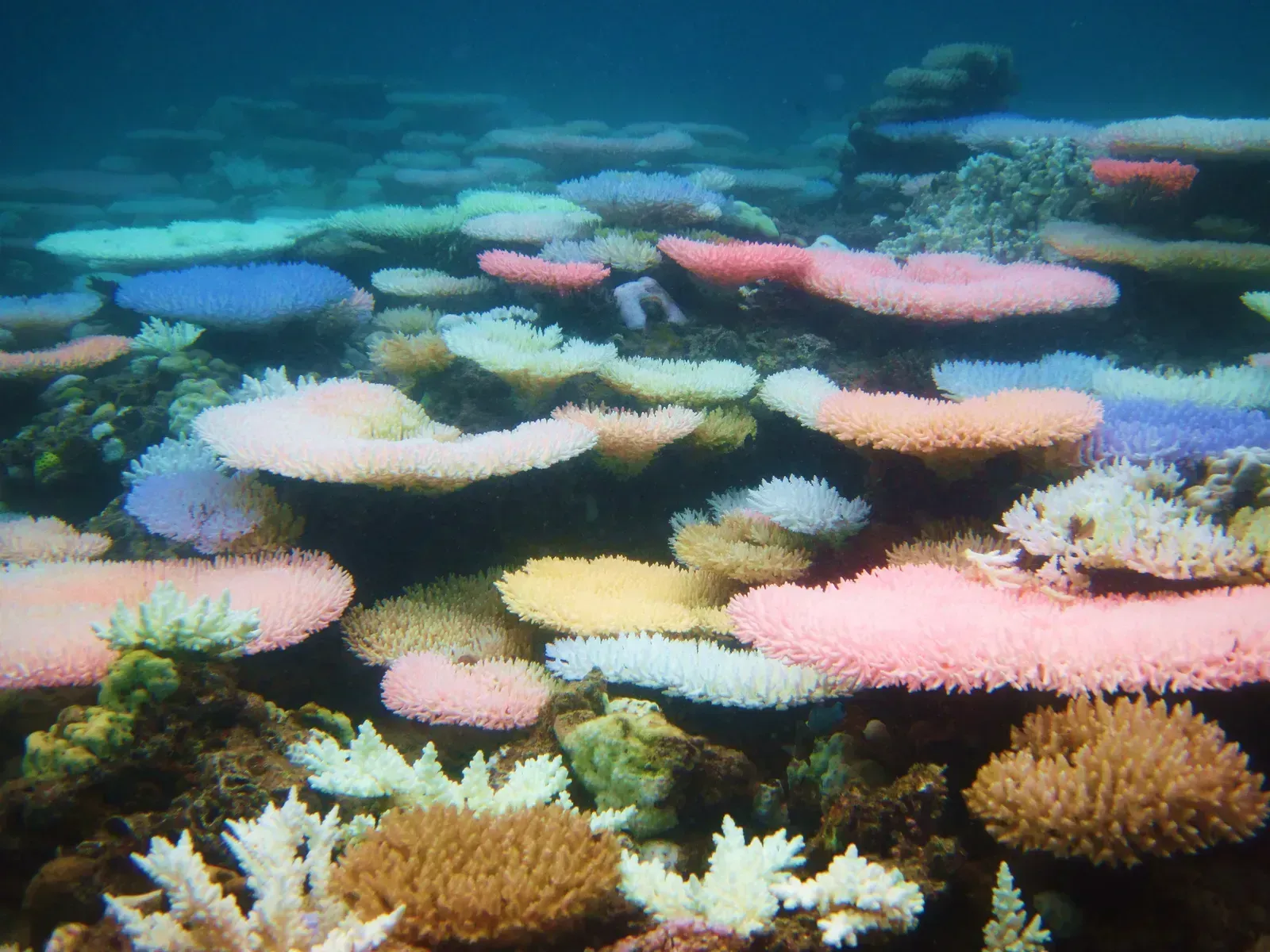
The pace at which bleaching events now recur is arguably the most alarming trend to emerge from recent monitoring. Reefs that once had roughly a decade to heal between disasters no longer get that luxury. Coral reefs worldwide are bleaching more often, with recovery windows shrinking from about a decade to four to six years since 2010.
Lead researchers behind the GCRMN report put it plainly during the report’s release. Lead author Manuel Gonzalez Rivero noted that if reefs are given enough time, they have the capacity to recover, but that amount of time has not been allowed, and the frequency of bleaching events has pretty much doubled. The report also quantified how widespread the heat stress had become in a single recent year. More than 40% of reefs experienced heat stress severe enough to risk bleaching and mortality in 2024.
NOAA had to rebuild its own warning scale
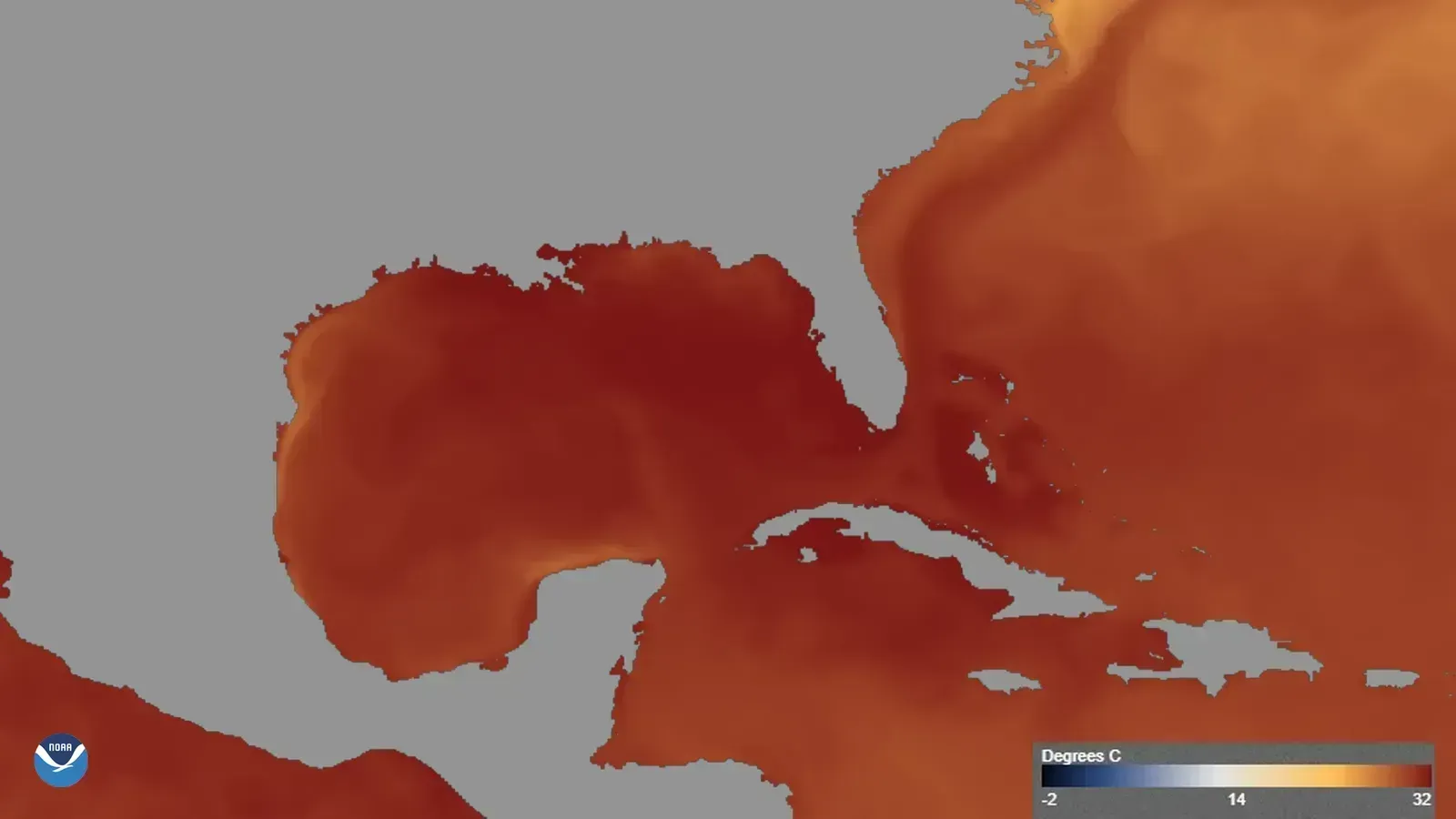
One of the clearest signs that this crisis outran expectations is that the tools built to track it needed an overhaul. NOAA’s Coral Reef Watch alert system had never anticipated heat stress at the levels now being recorded. NOAA’s bleaching alert scale used to stop at Level 2, but in December 2023 it was extended to Level 5, because a scale had to be rebuilt when reality overran it.
That extended scale now underpins the satellite maps scientists rely on daily. CRW’s heat-stress monitoring is based on sea surface temperature data, spanning 1985 to the present, from a blend of NOAA and partner satellites. The new alert levels matter because they capture outcomes that used to be off the chart entirely. The light brown, pink, and dark purple areas on current maps indicate locations where the magnitude of extreme heat stress exceeds the Bleaching Alert Level 2 threshold and can lead to multi-species or near complete mortality on a coral reef.
A new El Niño threatens to reset the clock
Just as the fourth global bleaching event faded from view, forecasters started flagging signs of another major heat driver on the horizon. The timing could hardly be less convenient for reefs still recovering from the last shock. NOAA’s Climate Prediction Center has an El Niño Advisory in effect, with a greater than 90% chance of a very strong event through the northern hemisphere fall and winter of 2026 to 2027.
Some forecasts go further, suggesting this event could break records outright. For October to December 2026, forecasters put a 69% chance on a historic event, one that would exceed every El Niño on record back to 1950. Historically, that pattern has proven reliable and troubling in equal measure. Since 1998, global coral bleaching events have coincided with every strong El Niño event, with heat stress becoming more widespread and severe with each successive event.
Regional case studies reveal deep, uneven damage
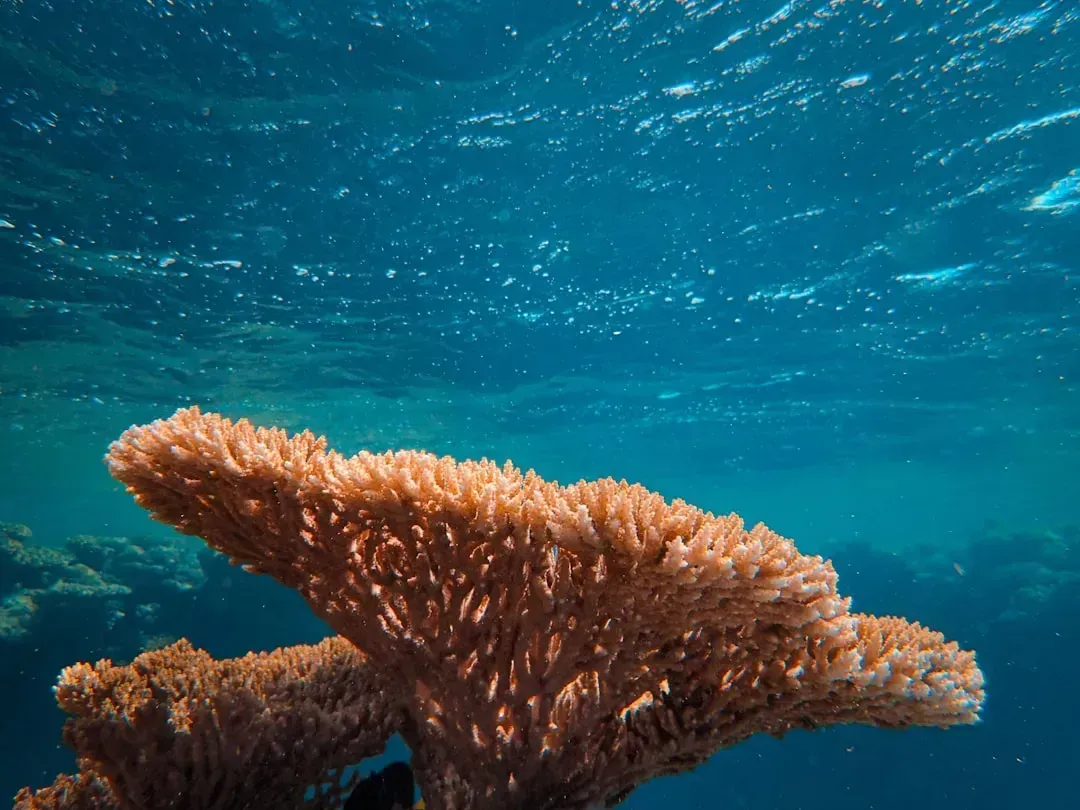
Global averages tend to smooth over the sharpest local tragedies, which is why regional surveys matter so much to researchers. The Chagos Archipelago offers one of the starkest examples from the fourth global event. Between April and June 2024, rising sea temperatures led to widespread bleaching across the Archipelago, with some sites reporting up to 85% of coral affected, and subsequent mortality assessments in November and December showed that, on average, 23% of the region’s live coral cover had been lost.
Some individual sites fared far worse than the regional average suggested. Peros Banhos Atoll suffered the most severe impact, with mortality rates as high as 95% at some sites. Yet the same surveys also found pockets of resilience worth tracking closely. In some areas, particularly in Egmont Atoll’s lagoon, corals remained largely unaffected, and observations also confirmed the survival of the critically endangered Chagos brain coral, a positive sign for species conservation. Similar patterns of uneven loss showed up in Seychelles, where long-term monitoring painted a mixed but troubling picture. The Inner Islands, which provide the most continuous long-term record, remained central to the national picture, with mean cover of around 20% in 2025, well below the levels reached before the 2016 bleaching event.
Drones and artificial intelligence are changing how scientists watch reefs

Traditional reef surveys rely on divers with clipboards, a method that is accurate but painfully slow across an ecosystem the size of a small country. Researchers on Australia’s Great Barrier Reef have spent the past several years trying to close that gap with technology. The Great Barrier Reef stretches 2300km with about 3000 reefs, making the challenge of monitoring the condition of vulnerable areas of the reef enormous.
Artificial intelligence is now doing work that once took research teams years to complete by hand. AI is giving scientists insights that would take years to collect manually by analysing vast amounts of visual data quickly and accurately. The same technology is being extended well beyond coral itself. AI has also revealed opportunities for an image-based surveillance system that provides real-time data on the locations of crown-of-thorns starfish and their feeding scars through cutting-edge robotics and machine learning technologies. Environmental DNA sampling and drone-based aerial surveys are being folded into the same monitoring pipeline, giving scientists a fuller picture with far less time spent underwater.
Citizen science and satellite virtual stations are filling data gaps
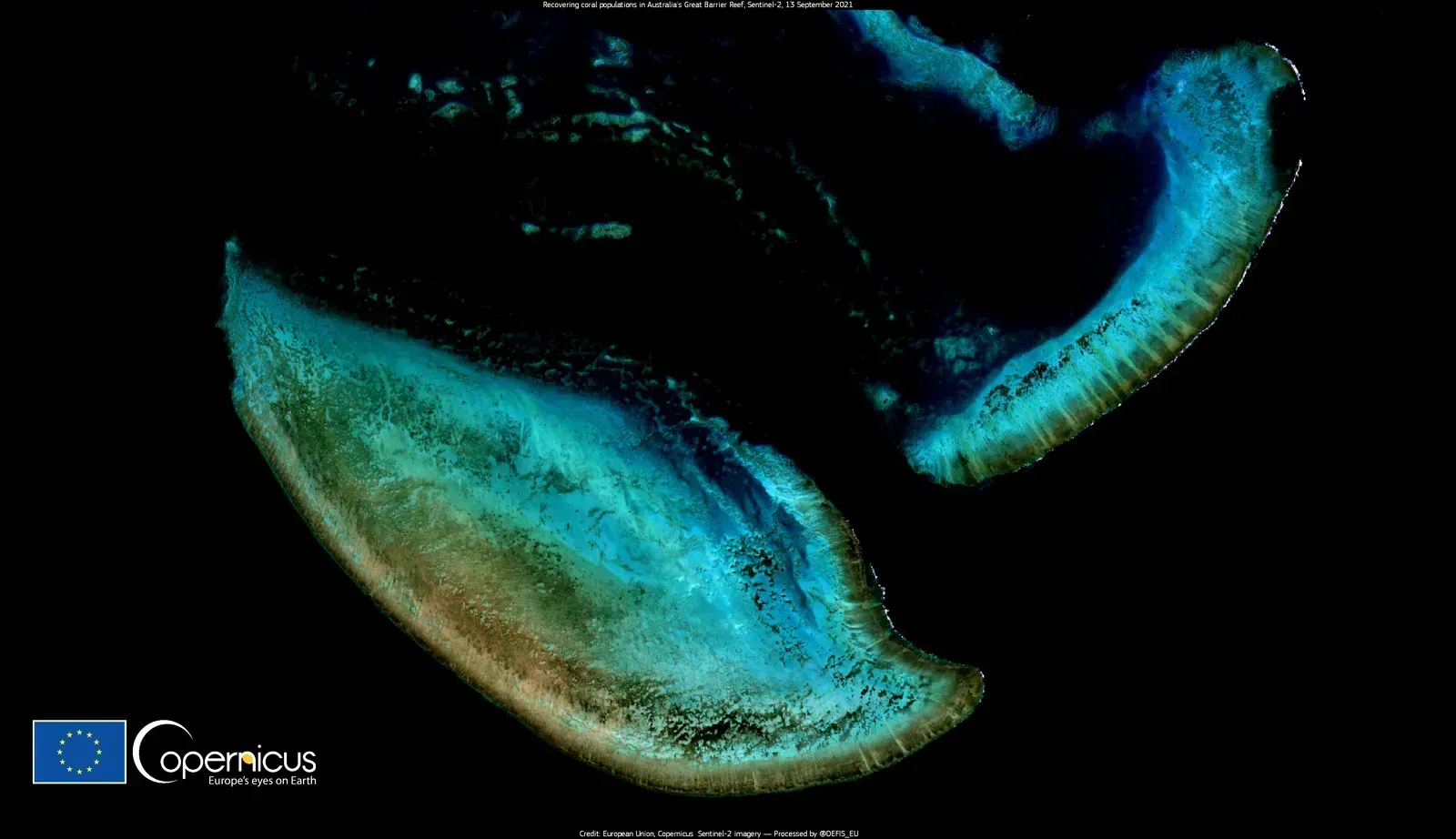
No single agency can put divers on every reef, which is why monitoring networks have leaned harder on volunteers and automated satellite tools. NOAA has steadily expanded its network of single-pixel satellite monitoring points in recent years, adding new locations across the Pacific to catch heat stress that broader regional maps might miss. In February 2025, NOAA released new single-pixel satellite Virtual Stations for the Commonwealth of the Northern Mariana Islands, following a November 2024 release covering Guam.
These smaller, localized monitoring points matter because reef conditions can vary enormously over short distances, something global averages tend to obscure. Community-driven projects have also become a meaningful supplement to satellite and academic monitoring, with volunteer divers contributing photographs and survey data that feed directly into shared databases used by scientists and reef managers alike.
Awareness campaigns shifted timing to match the science
Even public education efforts around coral reefs have had to adapt to what monitoring data shows about when reefs are most vulnerable. Organizers behind Coral Bleaching Awareness Month made a deliberate scheduling change in 2026 to better align with the scientific calendar. Coral Bleaching Awareness Month moved to September 2026.
The reasoning behind the shift was straightforward once explained. Late summer and early fall is when scientists and reef managers assess the impacts of seasonal heat stress, when field surveys happen, monitoring programs publish updates, and bleaching outlooks are refreshed, meaning the campaign now reflects current reef conditions instead of data that is months old. It is a small logistical change, but it reflects a broader pattern: public communication about reef health is increasingly being built around the rhythms of the monitoring data itself, rather than the other way around.
The path forward depends on what happens next, not just what monitoring reveals
All of this measurement and mapping exists for a reason beyond documentation. Scientists behind the latest GCRMN report were careful to frame their findings as a call to action rather than a eulogy. Under the current frequency of global bleaching events, occurring every five to six years, coral reefs are expected to continue on a trajectory of decline, while ambitious emission reductions combined with effective management of local pressures such as overfishing, coastal development, and poor water quality offer the strongest pathway to maintain hard coral cover.
Diplomats attending the report’s release echoed that same mixture of clarity and resolve. Local conservation efforts, effective marine management, and the integration of traditional knowledge with scientific innovation have already shown positive results in many parts of the world, and the challenge now is finding the collective will to act on what is already known. Monitoring alone will not save a single reef. What it does is remove any excuse for not knowing exactly how much trouble they are in, and exactly how little time is left to change course.

- 9 Space Discoveries Our Grandparents Never Imagined Would Happen - November 16, 2026
- Scientists Warn: This Cosmic Radiation Risk Could Limit How Far Humans Can Travel - November 16, 2026
- Recyclable Labels That Mean Landfill-Bound – 7 Packaging Tricks Decoded - November 16, 2026
