


- Phantom Energy Sucking Power 24/7 – 7 Home Electronics Quietly Inflating Utility Bills - November 14, 2026
- A Million-Mile Storm Raging for Centuries – 6 Violent Weather Wonders in Our System - November 14, 2026
- Animals Flee Hours Before the Tremor – 7 Natural Warnings Before Disasters Strike - November 14, 2026
Drought has become less of an occasional emergency and more of a recurring feature of American life, and state legislatures have responded by writing conservation rules directly into law rather than leaving them to temporary executive orders. From California’s permanent efficiency standards to Georgia’s year-round watering windows, these statutes shape how millions of households, businesses, and homeowners associations behave when reservoirs run low. Some laws only kick in once a drought is officially declared, while others apply every single day regardless of rainfall.
Understanding which rules are baked into state code, rather than just local ordinance, matters because it determines what your city or utility can legally require of you, and what protections you have if a homeowners association tries to push back. Below are nine water conservation laws currently on the books across different states, each shaping how droughts are managed in 2026.
1. California’s Permanent Urban Water Use Efficiency Framework
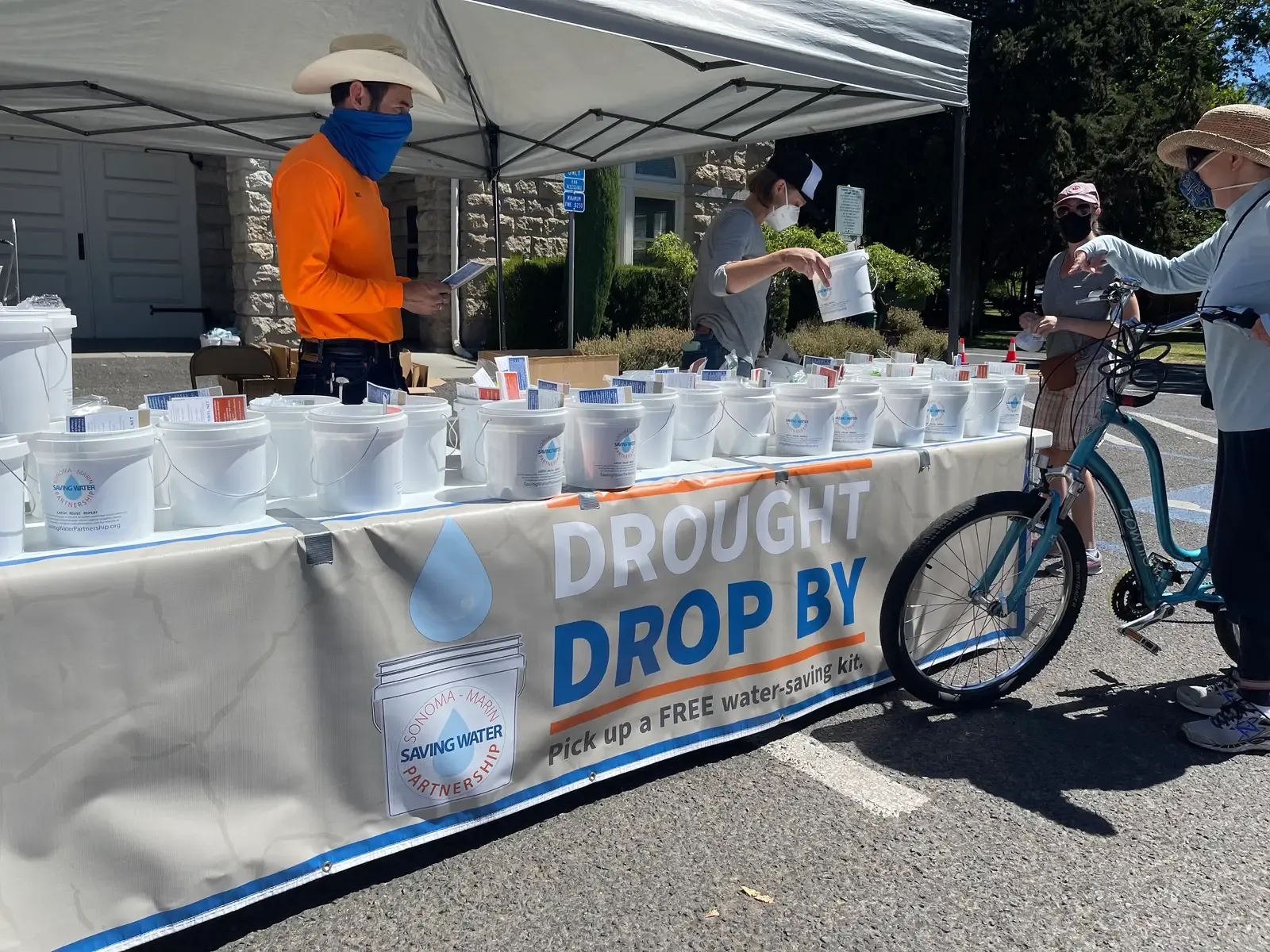
California doesn’t wait for a drought declaration to impose conservation standards anymore. The California Legislature passed two bills, AB 1668 and SB 606, in 2018 which mandate water conservation measures on a permanent basis. The State Water Resources Control Board adopted the required implementing regulations on July 3, 2024, and while the regulations took effect January 1, 2025, no water use reductions will actually be enforced until 2027.
This gives urban water suppliers a runway to adjust before penalties bite. Fines for non-compliance with the regulations can reach as much as $10,000 per day, which is a serious incentive for utilities to get their efficiency numbers right well before enforcement begins.
2. California’s HOA Protections for Drought-Stressed Lawns

California law also shields individual homeowners from association pressure to keep lawns green during declared emergencies. According to the Davis-Stirling Act, a homeowners’ association may not impose a fine for reducing watering of lawns or vegetation during a drought emergency that was either declared by the Governor or local government. Additionally, homeowners may remove their lawns and replace them with water-wise plants.
The protection extends beyond the drought period itself. If a homeowner installs water-efficient landscaping during the drought, an HOA cannot prevent them from maintaining it or require them to remove it when there is no longer a drought state of emergency. That permanence is a meaningful shift from the old model where xeriscaping was treated as a temporary compromise.
3. Georgia’s Water Stewardship Act Baseline Schedule
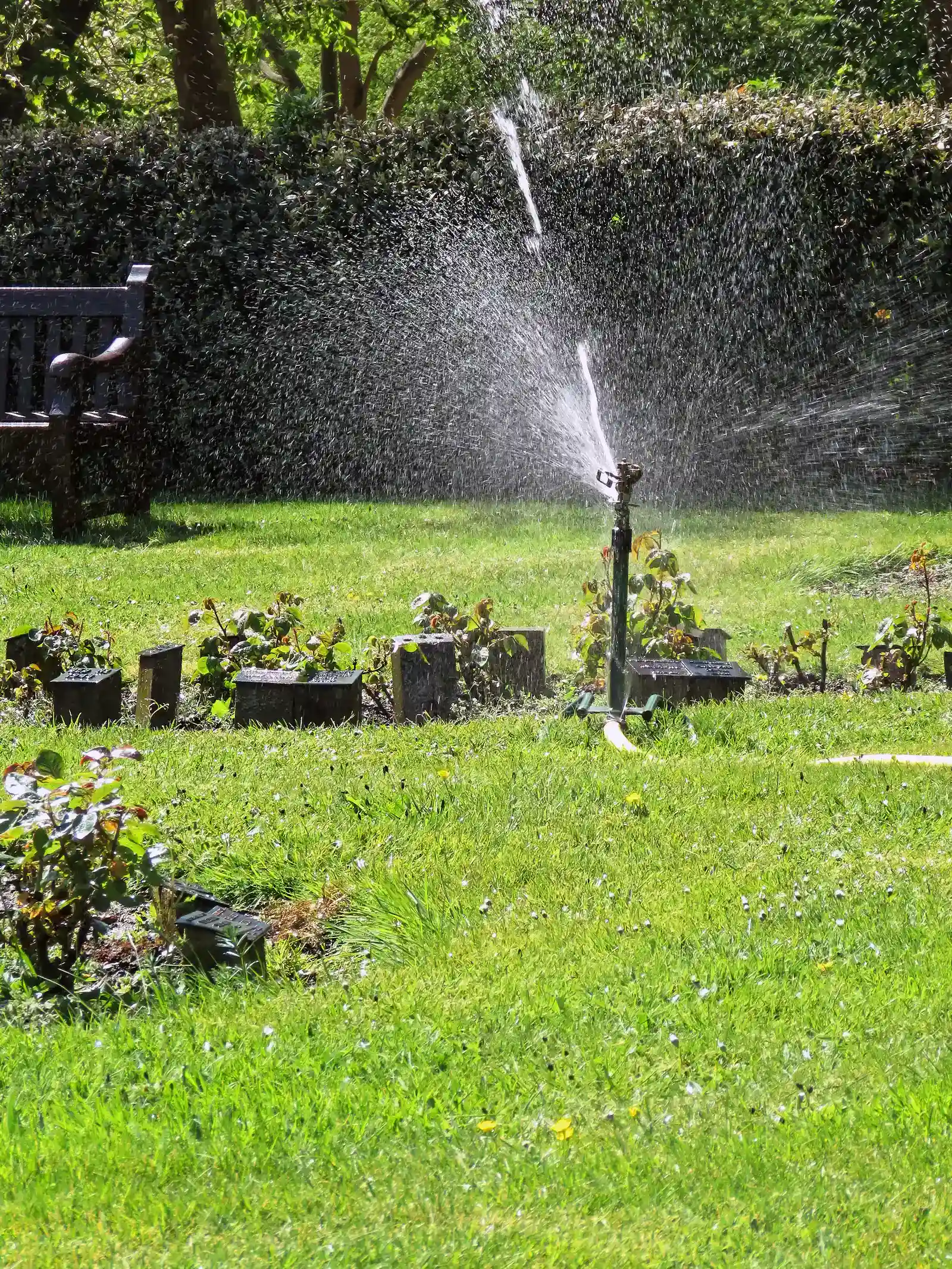
Georgia took a different approach by writing a year-round watering window directly into statute rather than relying solely on drought triggers. The Georgia Water Stewardship Act, signed into law in 2010, created a tiered, statewide baseline for outdoor water use that applies year-round regardless of drought conditions, and then established an escalating series of drought response levels that layer additional restrictions on top of that baseline when conditions deteriorate.
What makes this law distinctive is that there’s no “normal” period free of restrictions. The year-round baseline already restricts outdoor irrigation to the non-peak evaporation hours of 4 p.m. to 10 a.m., seven days a week, meaning Georgians never have an unrestricted watering window. When the state’s Environmental Protection Division escalates to a higher drought response level, additional limits on watering days and commercial uses get layered on top.
4. Arizona’s Xeriscape Protection Statute
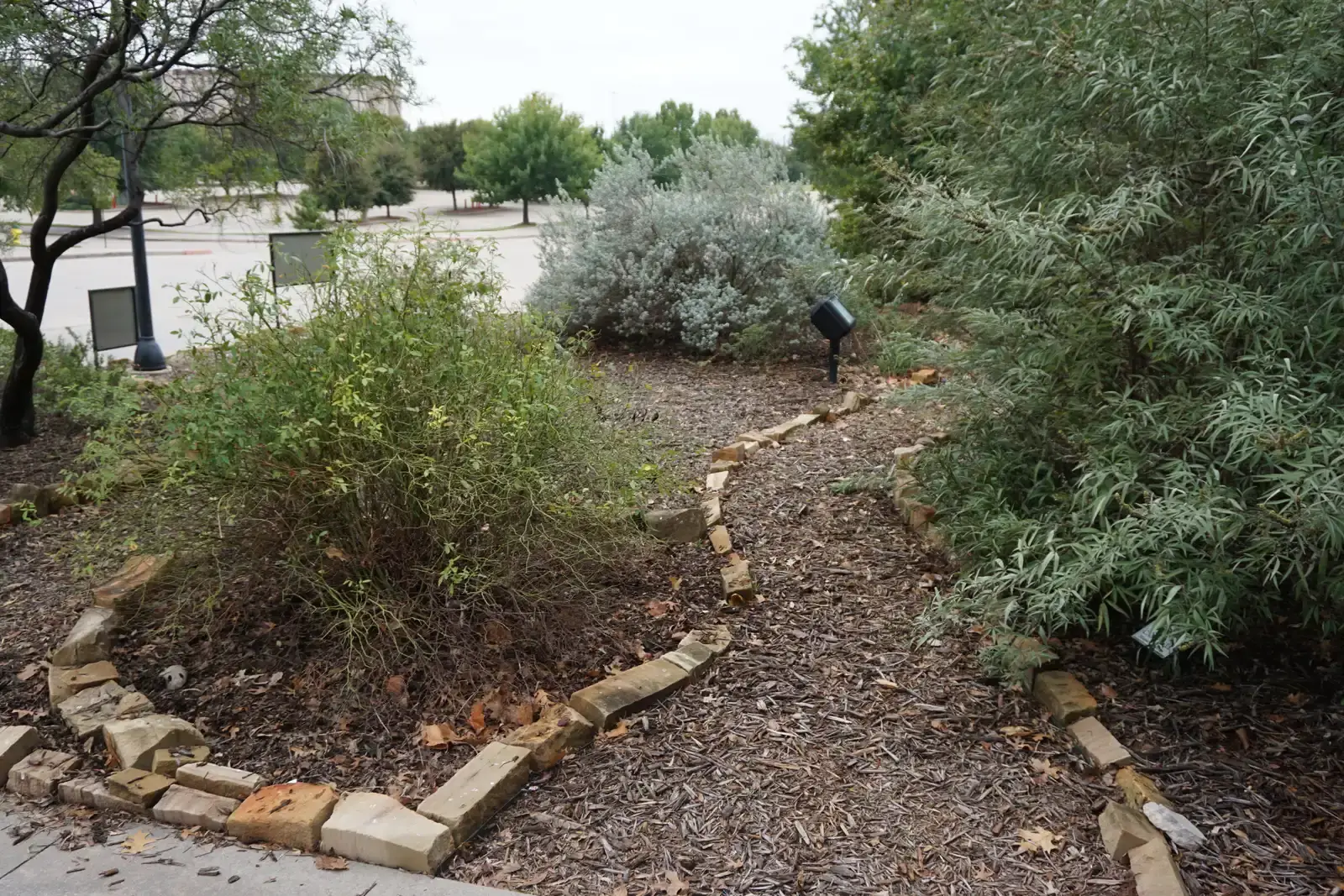
Arizona has one of the more specific statutory protections for homeowners who want to convert away from thirsty lawns. Arizona Revised Statutes Section 33-1818, titled “Planned communities; xeriscape; drought tolerant landscaping; water use restrictions; definitions,” prohibits homeowners associations from enforcing rules, deed restrictions, or community guidelines that effectively prevent a property owner from replacing traditional turf or water-intensive landscaping with xeriscape or drought-tolerant alternatives.
The law isn’t absolute freedom to do whatever you want in the yard, though. An HOA may not fine a member for installing low-water-use plants, decomposed granite groundcover, artificial turf, or drip irrigation systems in place of traditional lawn areas, provided the replacement landscaping complies with any reasonable aesthetic standards the HOA may establish. That balance between individual water-saving rights and community appearance standards has made the statute a model referenced in other desert states.
5. Texas Property Code’s Drought-Resistant Landscaping Rule
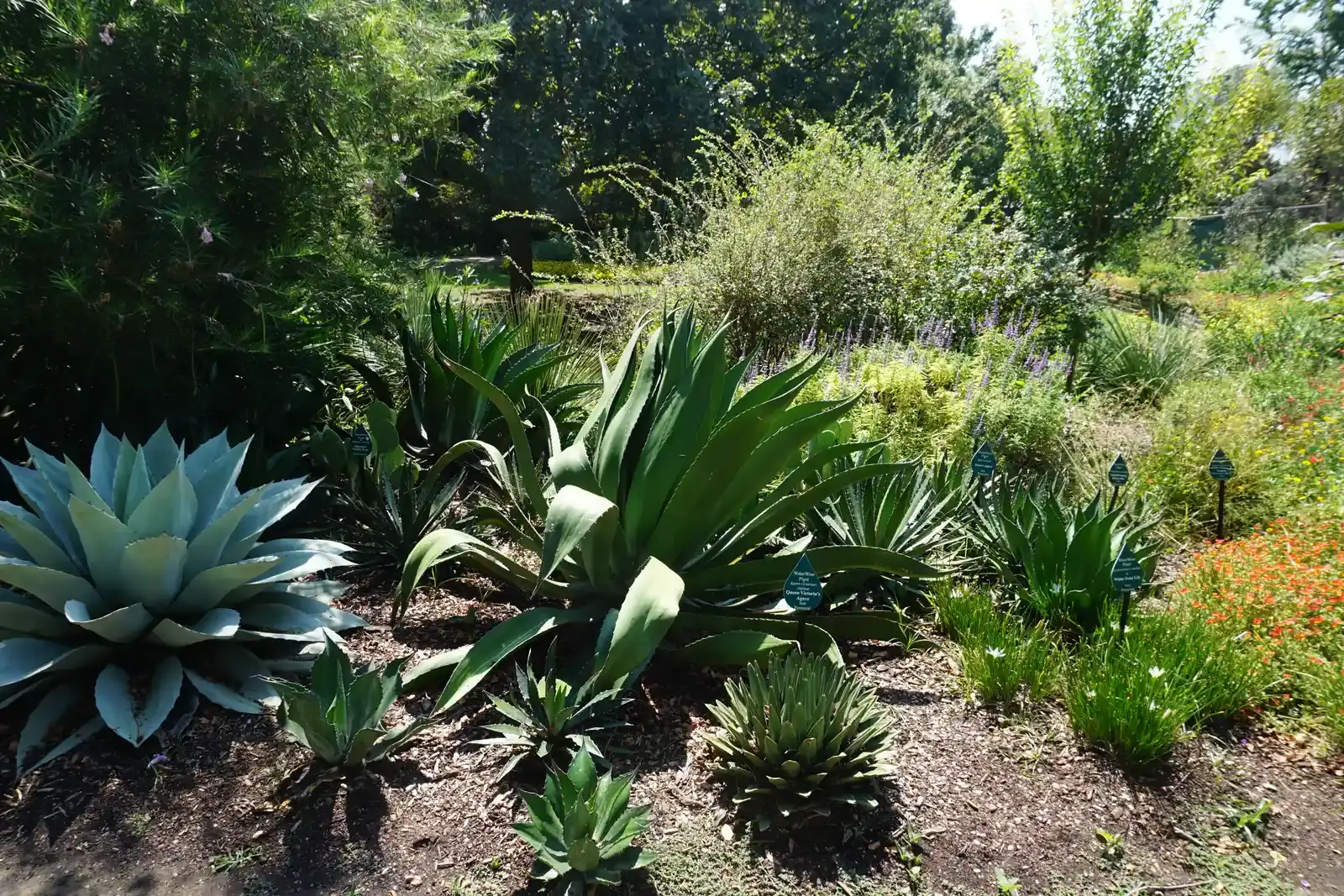
Texas addressed the same HOA tension through its property code rather than a standalone water statute. Texas Property Code Section 202.007 allows homeowners to use drought-resistant landscaping, and HOAs cannot prohibit xeriscape. This has become increasingly relevant as reservoir levels in parts of the state have dropped to historic lows.
The pressure behind this law is real and current. Combined Lake Corpus Christi and Choke Canyon storage sat at roughly 7.8 percent as of May 2026, a level that has pushed several Texas cities into their most severe local drought stages. With water this scarce, the legal right to xeriscape isn’t just a landscaping preference, it’s a practical necessity for residents trying to comply with mandatory outdoor watering bans without losing all their yard vegetation.
6. Virginia’s Drought Assessment and Response Plan

Virginia’s statewide framework has been in place for over two decades and gives the state authority to escalate from voluntary to mandatory restrictions as conditions worsen. Virginia’s Drought Assessment and Response Plan, in place since 2003, allows the state to impose mandatory restrictions on non-essential water use if conditions continue to worsen.
The plan operates on a graduated scale rather than a single on-off switch. Virginia uses a four-stage drought response system: Awareness for information campaigns, Advisory for voluntary conservation, Warning for encouraged mandatory conservation, and Emergency for mandatory conservation required with bans on paved-surface washing, vehicle washing, ornamental fountains, and non-essential outdoor use. Localities retain the final say on activating restrictions, but the state framework sets the vocabulary and thresholds everyone works from.
7. Virginia’s HOA Deference to Drought Emergency Orders
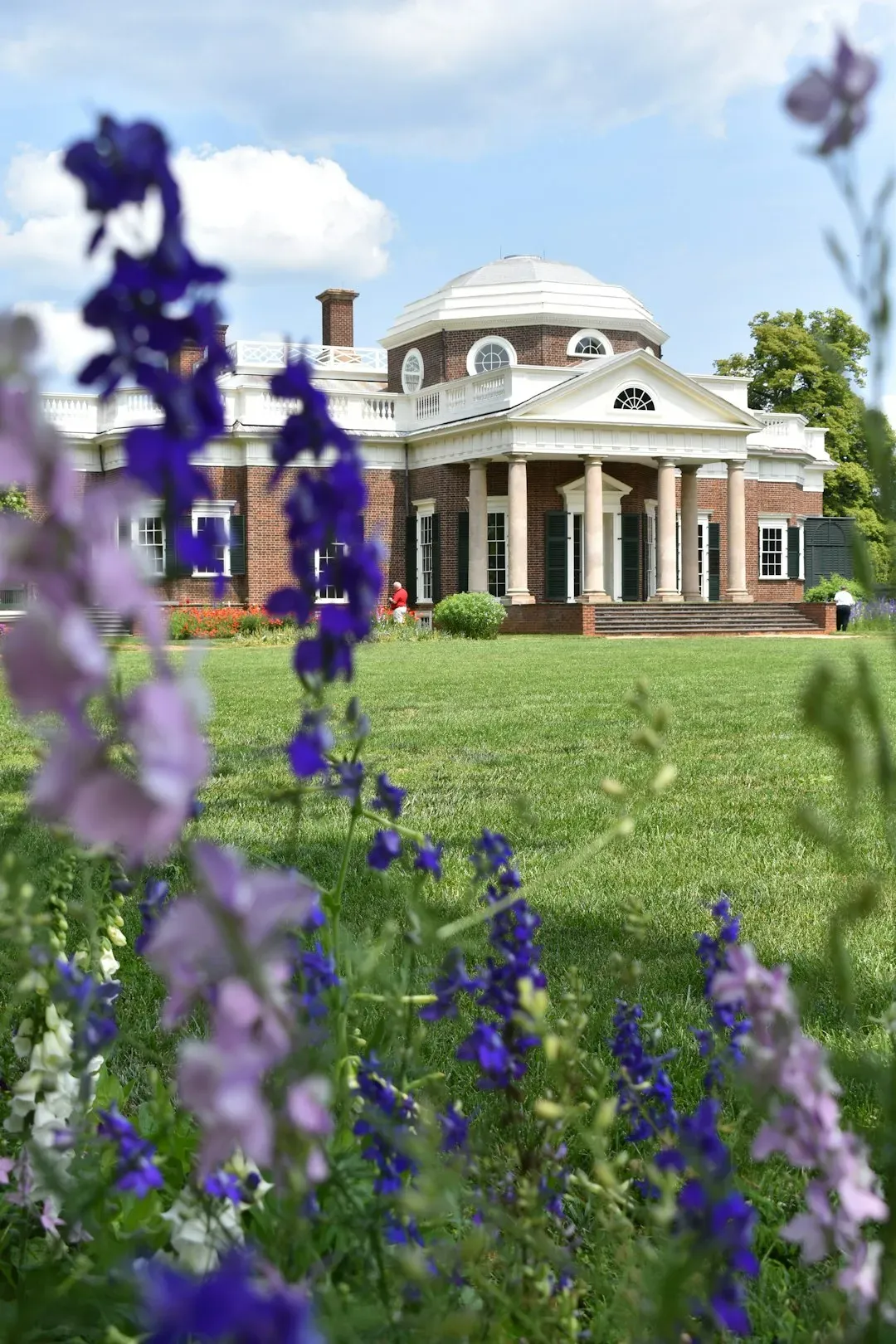
Alongside its drought response plan, Virginia has a separate statutory provision limiting what homeowners associations can demand once official restrictions are active. Virginia HOA law under Va. Code Section 55.1-1820 limits HOA authority during declared drought emergencies, and HOAs cannot require homeowners to take actions that violate local mandatory water restrictions.
The law places public safety authority above private community covenants during these periods. During active local mandatory restrictions, HOAs should not fine for brown or dormant lawns, and the Virginia Property Owners’ Association Act and Condominium Act both include provisions that weight state and local public-health and safety orders above HOA covenants. Residents who run into disputes have a formal complaint path through the state’s regulatory office rather than having to fight the issue alone.
8. Florida’s Statutory Ban on HOA Irrigation Overreach
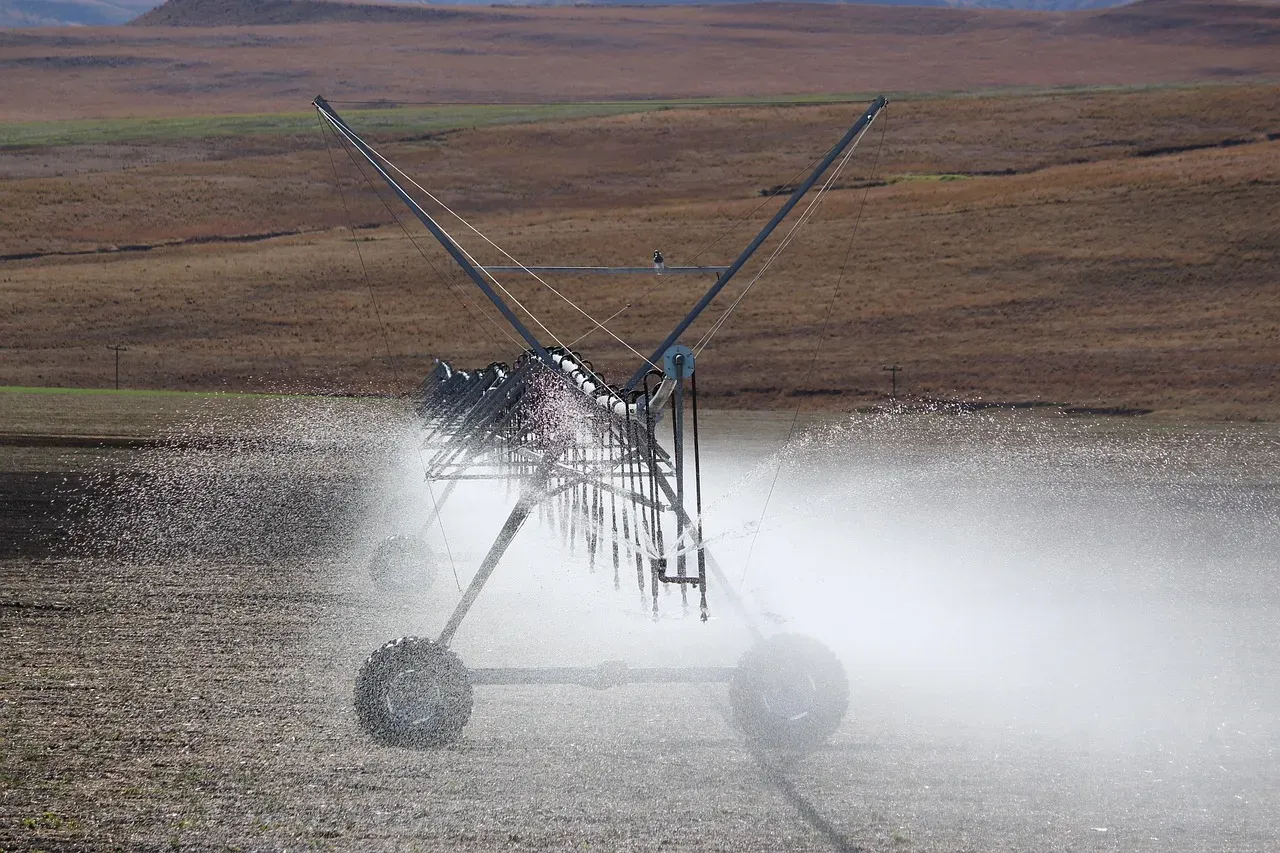
Florida has arguably the most explicit statute in the country protecting residents from associations that demand excessive irrigation during a declared water shortage. Florida law provides homeowners with significant, explicit protection against homeowner association rules that would effectively require excessive irrigation during declared water shortages, with the primary statutory authority being Section 720.3075, which governs prohibited clauses in homeowners’ association documents.
The practical effect reaches deep into how Florida’s water management districts operate. Under this section, any HOA covenant, rule, or deed restriction that mandates the irrigation of landscaping in a manner that violates a water management district water shortage order is unenforceable to the extent of that conflict. Given how many Florida communities were built with deed restrictions demanding uniformly green lawns, this statute has become a critical backstop as districts like the Southwest Florida Water Management District tighten irrigation schedules during dry years.
9. Florida’s Water Management District Statutory Authority
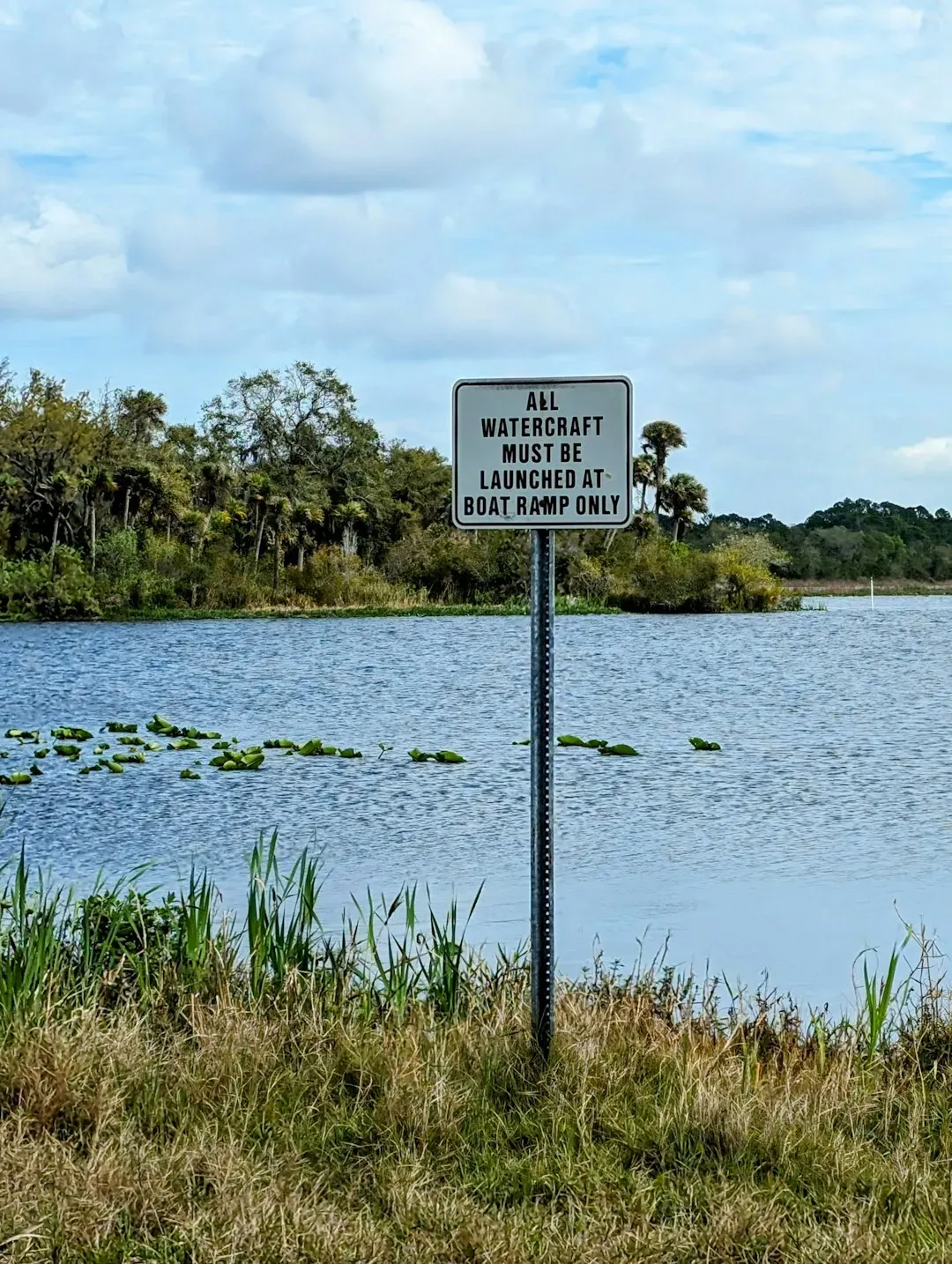
Florida’s five regional water management districts operate under state statute and can impose restrictions that apply regardless of local preference. Florida’s five water management districts are state agencies that manage and protect water resources on a regional basis, and a WMD issues water restrictions when the water supply for that region may be endangered. Some districts maintain rules that never fully switch off. Some WMDs have year-round water restrictions regardless of weather conditions, and these restrictions apply to everyone in a district, regardless of income, location, lot size, or water source.
That statutory structure is why Florida can move quickly when conditions deteriorate, as they have in 2026. Portions of the St. Johns River Water Management District received below-average rainfall, resulting in declining aquifer, river, and lake levels, prompting the Executive Director to approve a Phase III Extreme Water Shortage to ease strain on water resources. The legal authority for that kind of rapid, region-specific escalation traces directly back to the enabling statutes that created the districts decades ago, giving Florida a tool most states still lack.
Taken together, these nine laws show two very different philosophies at work. States like Georgia and Florida have built conservation into permanent, year-round codes that never fully switch off, treating scarcity as the normal condition rather than the exception. States like California, Arizona, Virginia, and Texas lean more on layered systems that escalate from voluntary appeals to mandatory bans as drought conditions worsen, paired with statutory protections that stop homeowners associations from punishing residents for following the rules. As reservoirs across the West and South continue to sit well below historic averages heading into the back half of 2026, expect more states to follow this pattern, locking conservation measures into law rather than leaving them dependent on the next governor’s executive order.
