


- Phantom Energy Sucking Power 24/7 – 7 Home Electronics Quietly Inflating Utility Bills - November 14, 2026
- A Million-Mile Storm Raging for Centuries – 6 Violent Weather Wonders in Our System - November 14, 2026
- Animals Flee Hours Before the Tremor – 7 Natural Warnings Before Disasters Strike - November 14, 2026
Winter in most of North America means bundling up for a few frosty months, but in a handful of remote outposts across Alaska and Canada’s far north, cold takes on an entirely different meaning. These are places where thermometers have plunged past minus 70, where daylight disappears for weeks, and where residents have built entire lifestyles around surviving temperatures that would be fatal within minutes for the unprepared. From tiny research stations perched on Arctic islands to pipeline camps deep in Alaska’s interior, these communities represent the outer edge of human habitation on the continent.
Ranking them isn’t simple since some hold record-breaking single-day lows while others are defined by brutally cold winter averages that never let up. What follows is a countdown built around both extremes, starting with the spot that holds North America’s most jaw-dropping cold record of all.
1. Snag, Yukon Territory
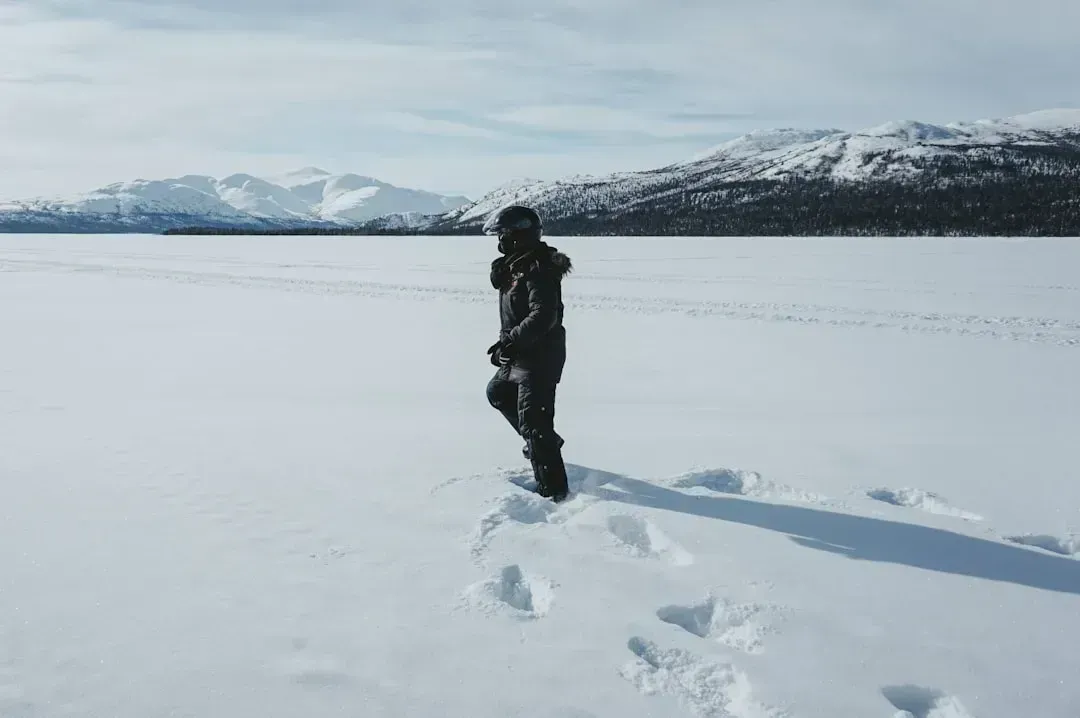
Snag holds a distinction no other place in North America can claim. This was the coldest ever temperature recorded in North America, when Snag, Yukon, dropped to a mind-numbing minus-81.0 degrees Fahrenheit (-62.8C) on February 3, 1947. The reading came from a small settlement of weather observers and fur trappers tucked into a low valley, and Snag, located 30 kilometers east of the Alaska-Yukon border, had an aviation connection when the record was set on 3 February 1947.
At the time of the record, the outpost was genuinely inhabited. In the winter of 1946-47, personnel stationed there numbered two RCAF members, eight RCAF civilians, and ten Department of Transport employees. Nearby, the Native village of Snag, home to about 10 people at the time, sat about three miles north of the airfield near the junction of Snag Creek and the White River. The old weather station is long gone today, but the record it produced still defines this remote corner of the Yukon.
2. Prospect Creek, Alaska
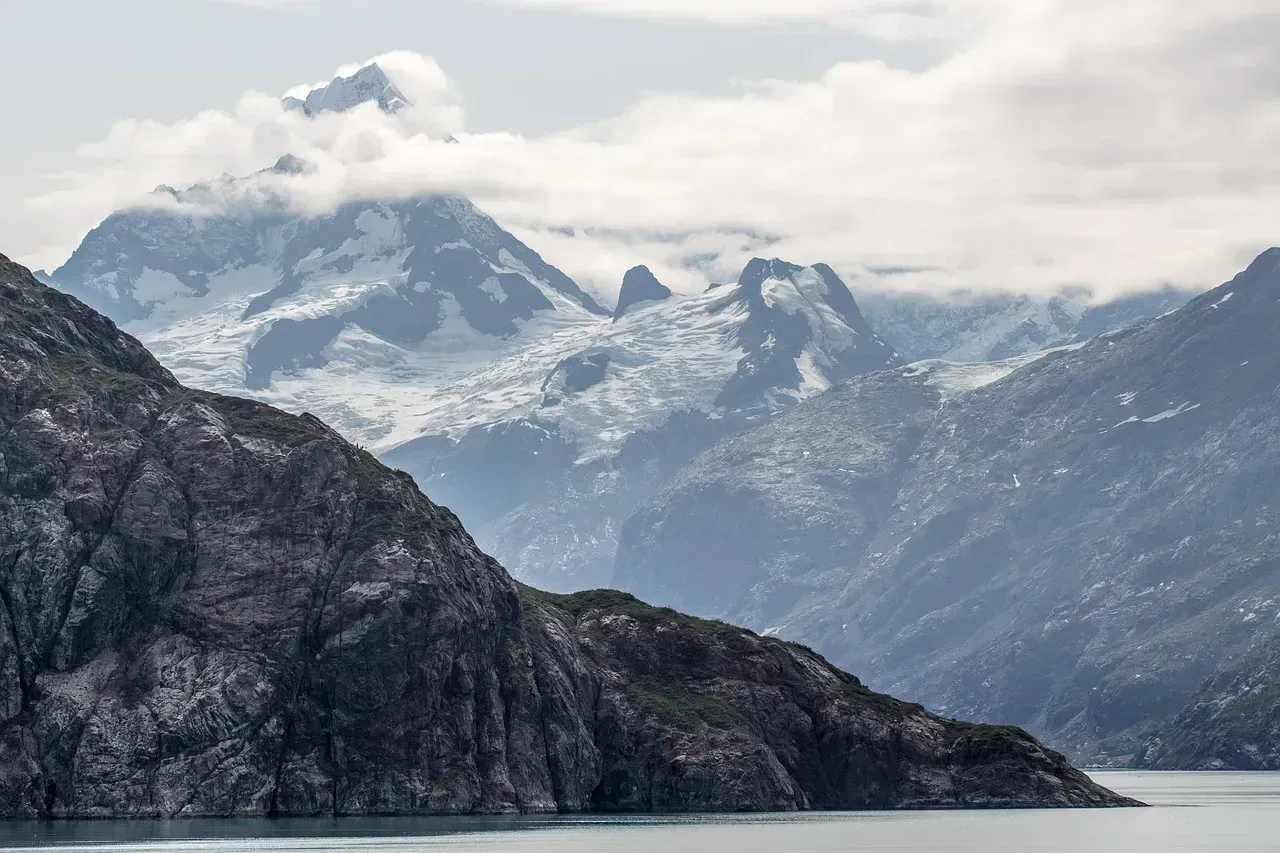
If Snag holds the North American crown, Prospect Creek holds the American one. Prospect Creek is known for having the lowest recorded temperature in the United States, when in January of 1971 the record low temperature of nearly minus 80 degrees Fahrenheit (minus 62 degrees Celsius) was recorded. The site sat along the route of what would become the Trans-Alaska Pipeline, and Prospect Creek is now largely abandoned, but at the time was hosting oil workers who were building a pipeline.
What makes the location fascinating is how engineers managed to work around such extremes. Despite these frigid temperatures the pipeline doesn’t freeze due to 4-inch-thick fiberglass thermal insulation, according to the Alaska Pipeline Operation Company. Just a few dozen miles away, an even colder unofficial reading was reported the same day. On the same day, the hamlet of Coldfoot, 40 miles north of Prospect Creek Camp, saw a storefront thermometer report minus-82°F, though that reading was never accepted as official.
3. Eureka, Nunavut
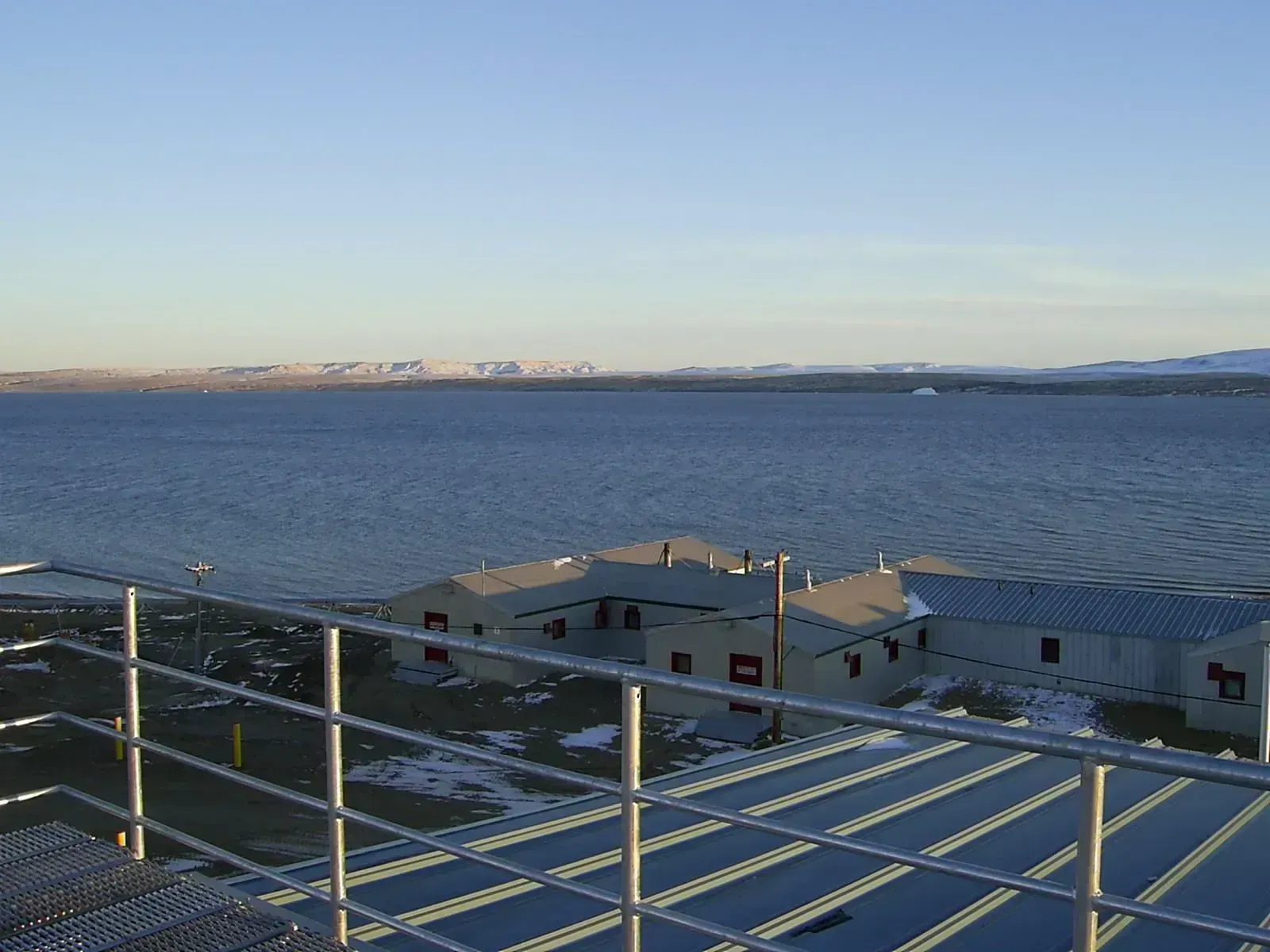
Eureka isn’t a town in the traditional sense. It’s a tiny weather and research station on Ellesmere Island, yet it consistently posts the coldest average conditions of any inhabited spot in Canada. Eureka, Nunavut maintains Canada’s lowest average annual temperature at −19.7°C, functioning primarily as a research station. Its population barely reaches double digits, and its isolation only adds to the extremity of its climate.
The station has produced some staggering single-day numbers over the decades. According to the Weather Network, Eureka reached an all-time low of -55.3°C on Feb. 15, 1979. Even in recent history it continues to set seasonal benchmarks; on November 2, 2025, Eureka recorded -30.5°C, marking the nation’s first reading below -30°C of that season. Few places on Earth combine year-round habitation with such a punishing average climate.
4. Grise Fiord, Nunavut
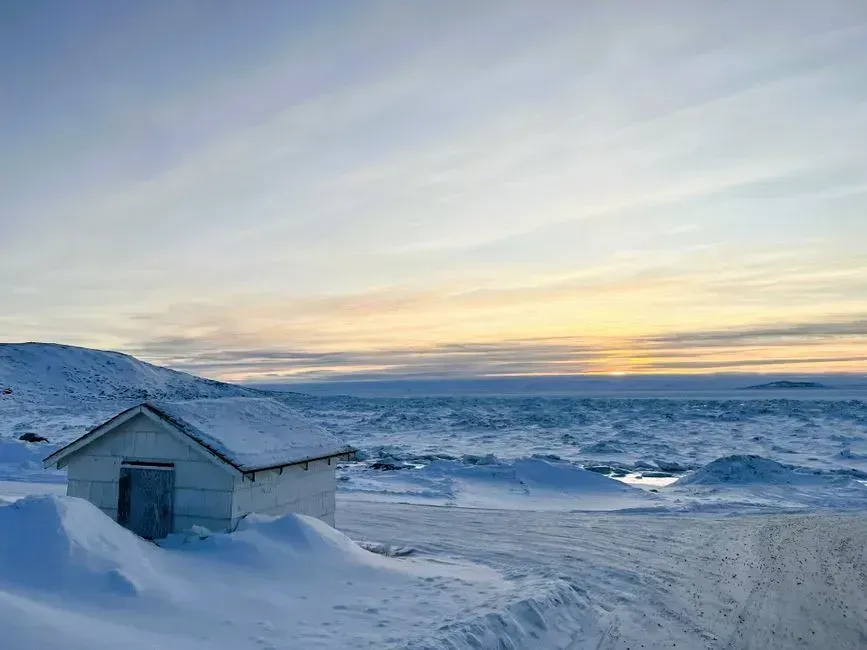
Grise Fiord is Canada’s northernmost civilian community, and its residents live with genuinely severe winters. The average yearly temperature of Grise Fiord is −16.5 °C. Unlike Eureka, this is a real community with families, a school, and a hunting-based economy, making its cold all the more remarkable given it’s a place people actually call home rather than a rotating research posting.
The settlement’s history adds a human dimension to its harsh geography. Grise Fiord is primarily an Inuit settlement with about 129 residents, established by the Canadian government in 1953, when eight Inuit families were asked to relocate there so the settlement could be created. Winters there push deep into the negative extremes. Grise Fiord is Nunavut’s coldest community, with summer temperatures sometimes barely above freezing and winter temperatures often reaching -50°C.
5. Fort Yukon, Alaska
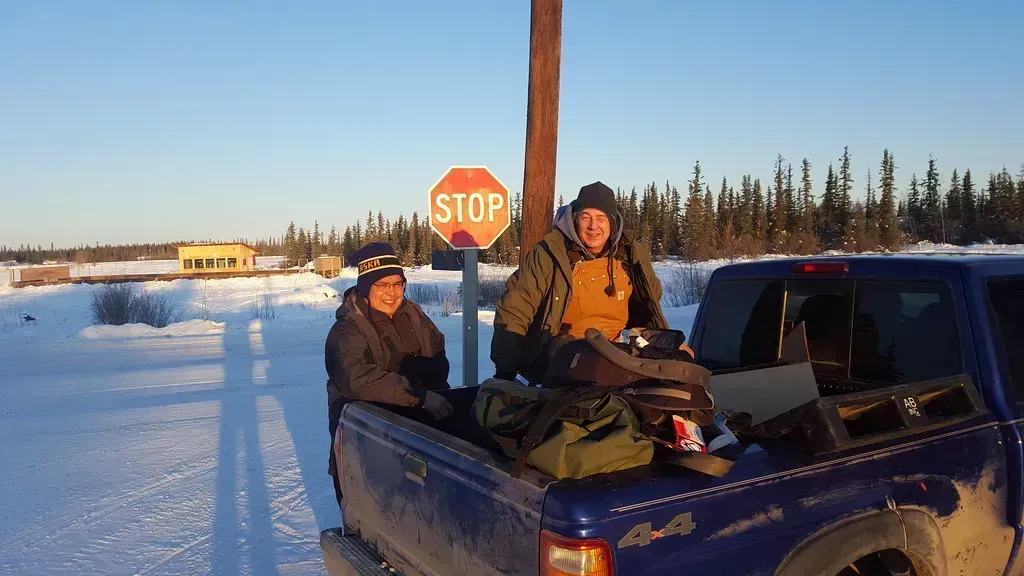
While Snag and Prospect Creek claim the outright records, Fort Yukon holds a quieter but equally telling distinction: it’s the coldest place in Alaska where the record low was measured at a genuinely inhabited, continuously staffed site. The coldest official temperature ever measured in Alaska at an inhabited site was -78°F at Fort Yukon on January 14, 1934. That reading remains a benchmark for how brutal interior Alaska winters can get even in a town with year-round residents.
Fort Yukon still experiences dramatic cold snaps in modern winters. In January 2024, Fairbanks temperatures dropped to 40 below zero while Fort Yukon hit 50 below during the day, the coldest reading there since December of 2022. That kind of recurring deep freeze is part of daily life for the town’s residents, most of whom are Gwich’in Athabascan and have inhabited the region for generations.
6. Resolute, Nunavut
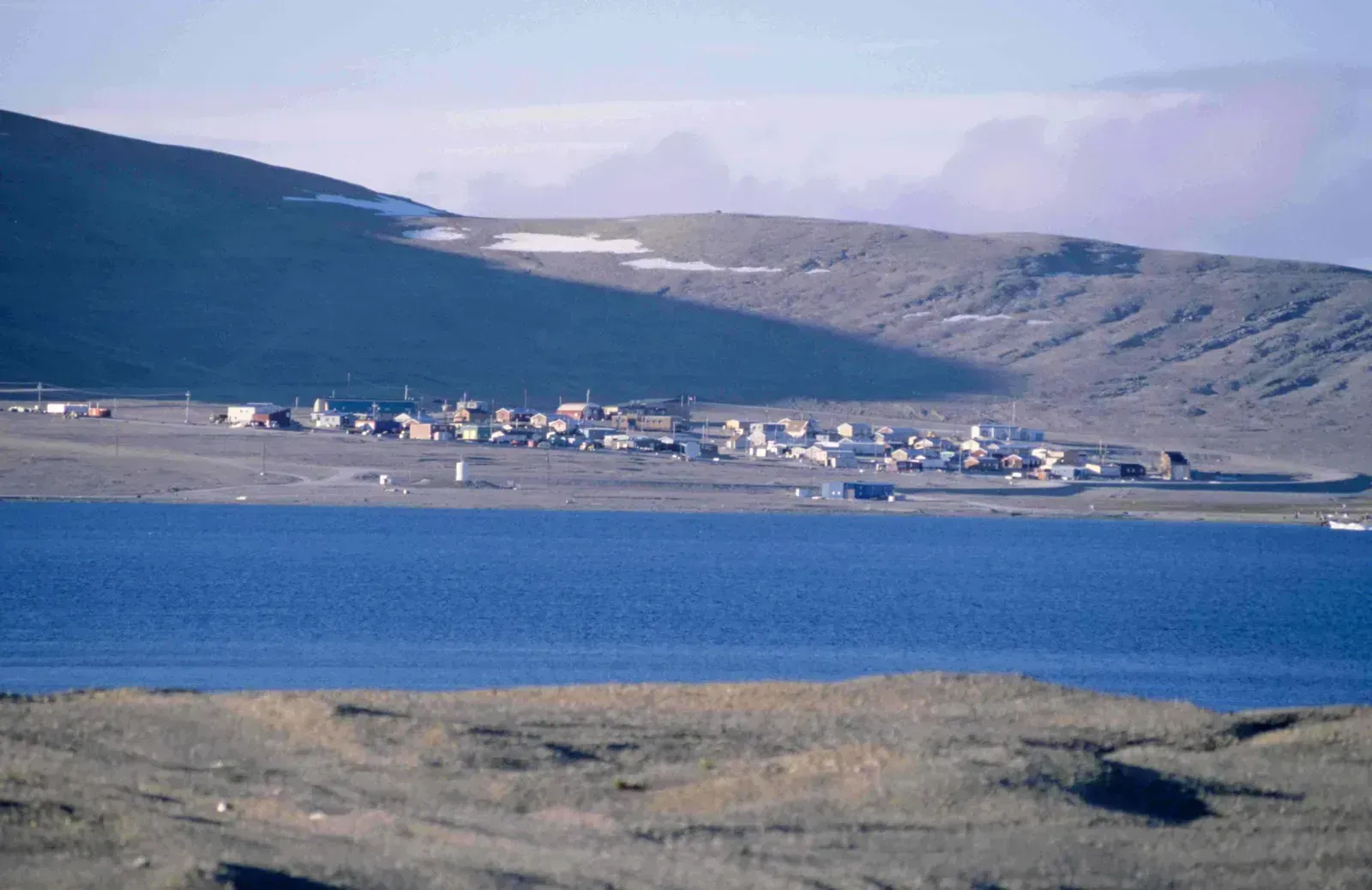
Resolute sits on Cornwallis Island in Canada’s High Arctic and has become something of a gateway community for polar expeditions, in part because of just how cold and remote it is. Located at 74°41′ N, Resolute is an Inuit hamlet of around 198 individuals on Cornwallis Island at the northern end of Resolute Bay, and it experiences an average annual temperature as low as −15.7 °C. That places it among the coldest permanently occupied places anywhere on the continent.
Beyond its harsh averages, Resolute has earned a reputation as a launching point for extreme cold-weather ventures. This settlement served as the starting point of the famous Polar Challenge and Polar Race. Its tundra climate and near-total darkness through the depths of winter mean residents plan their entire year around the brief thaw of summer.
7. Fairbanks, Alaska
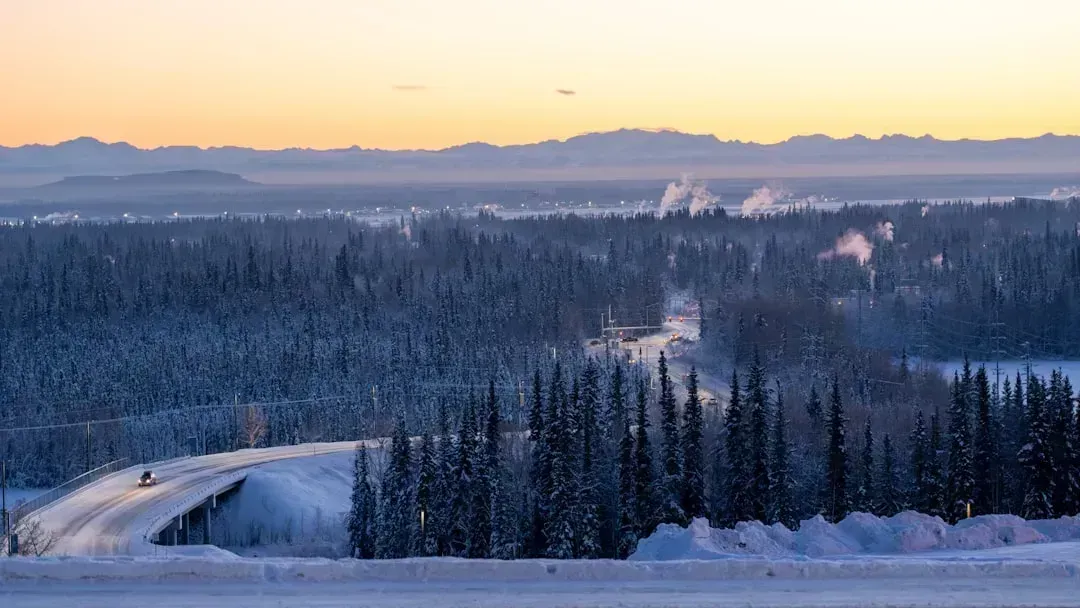
Fairbanks is the largest community on this list by a wide margin, and it’s often cited as the coldest true city in the United States. With a minimum average temperature of about minus 17 degrees Fahrenheit, Fairbanks takes the cake as the coldest city in the U.S., and has seen record cold temperatures reaching minus 66 degrees in the past. Its location in a low valley traps cold air in a way that intensifies the chill night after night.
The geography behind that phenomenon is well documented. Due to its low-lying location in the Tanana Valley, the city receives limited sunlight and little warmth from the Pacific Ocean and the Gulf of Alaska, and since it resides at the bottom of the valley, warm air tends to rise while cold air remains at the bottom. Recent winters have reinforced the reputation, including a notable stretch in early 2026. Both Tok and Chicken, Alaska, with lows of -63F, recorded the lowest temperatures at their respective locations since January 2009.
8. Utqiagvik (Barrow), Alaska
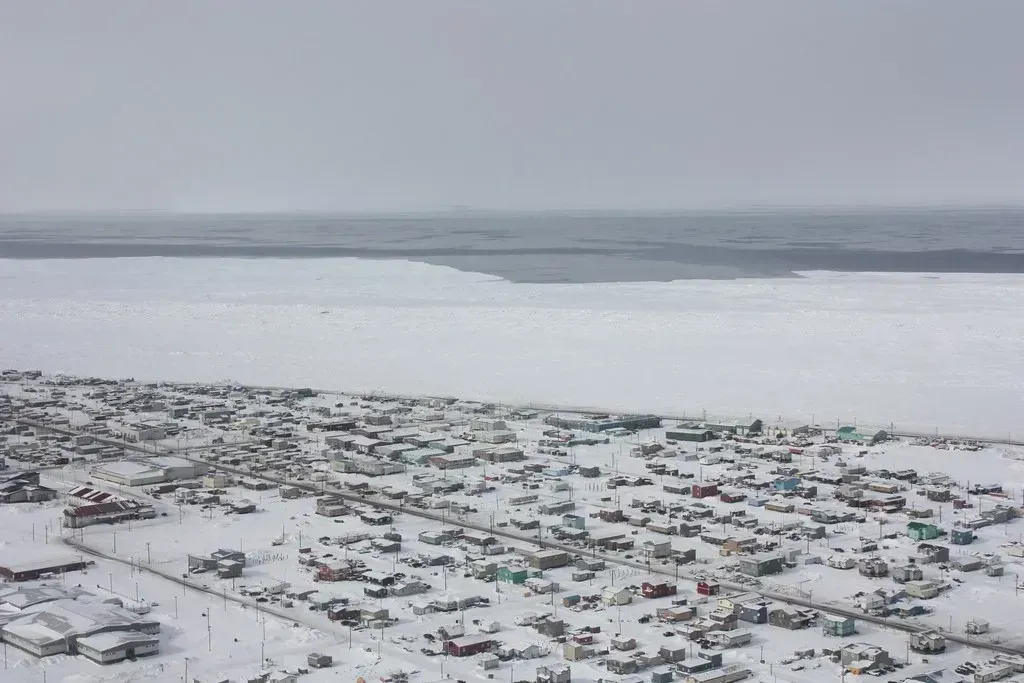
Utqiagvik, still widely known by its former name Barrow, rounds out the list as the northernmost city in the United States and one of the coldest by annual average, even if its single-day extremes aren’t quite as severe as the interior locations above. This is Utqiagvik (Barrow), Alaska, which has a mean annual temperature of a bone-chilling 11.7°F. That places it below freezing on average for the entire year, a rare distinction for any city of its size.
Life there is shaped as much by darkness as by temperature. For 65 days in the summer, the sun here never sets, but this also means that the winters are extremely cold. Despite the punishing climate, the community remains a cultural and logistical hub for Alaska’s North Slope, drawing visitors curious about life at the edge of the Arctic Ocean.
Taken together, these eight places tell a story less about misery and more about adaptation. People have built homes, raised families, and maintained cultures in conditions that would overwhelm most of the planet’s population within hours. Some of these spots, like Snag and Prospect Creek, are largely emptied out today, kept alive mainly in record books and weather trivia. Others, like Grise Fiord, Resolute, and Fort Yukon, remain living communities where residents continue to navigate months of bitter cold as an ordinary part of life. Whether measured by a single staggering reading or by a punishing yearly average, each of these locations pushes the definition of what it means to call somewhere home.
